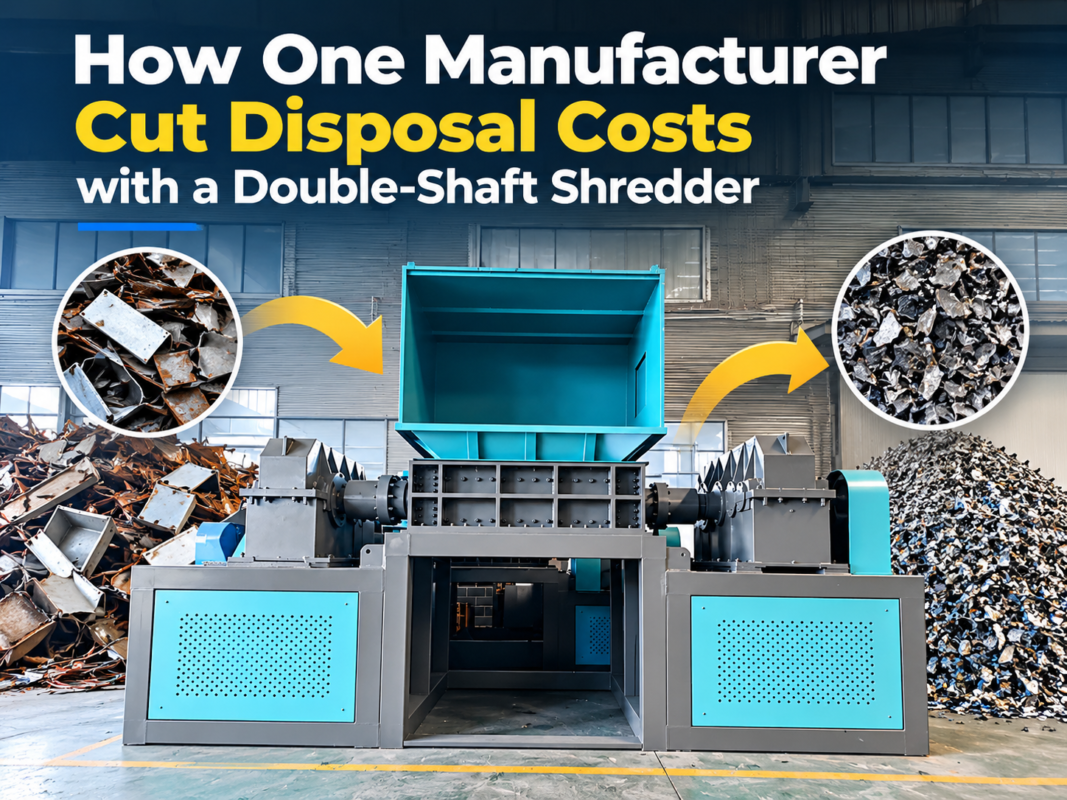
Car Body Baler Buying Guide: How to Choose the Right Scrap Vehicle Compactor for Your Yard

Introduction to Car Body Baler Procurement
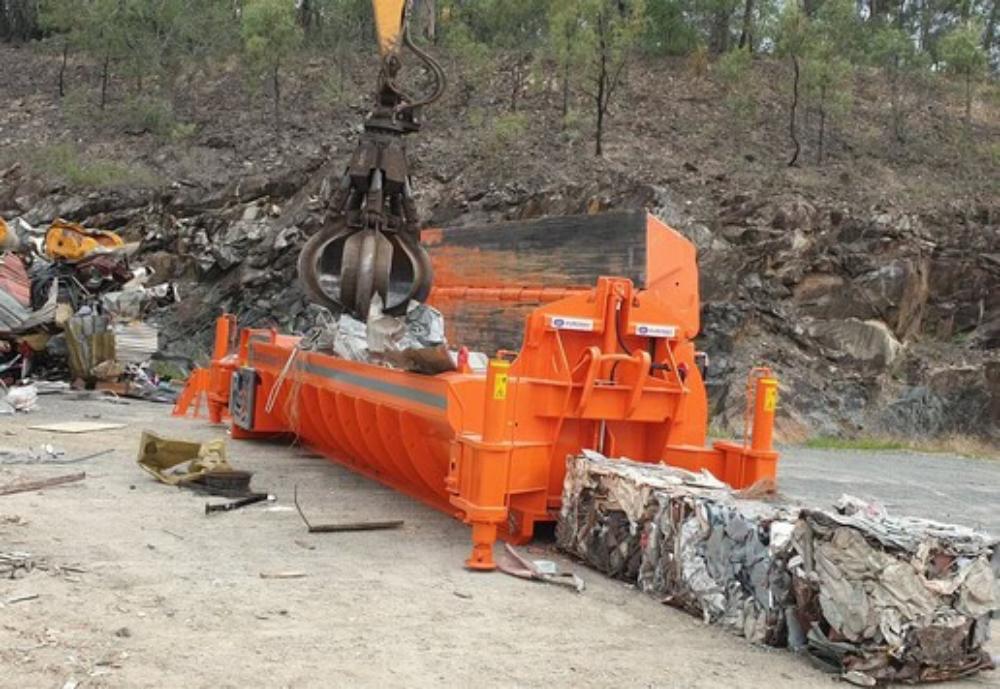
In the rapidly evolving world of metal recycling, the efficiency of your scrap yard is often defined by the machinery you employ. For yards handling end-of-life vehicles (ELVs), a car body baler is not just a luxury; it is a fundamental necessity for operational viability. When considering a Car Body Baler Buying : Choose Scrap Vehicle Compactor Yard strategy, owners must look beyond the initial price tag and evaluate the long-term impact on logistics, labor costs, and material value. A high-quality compactor transforms a bulky, difficult-to-transport car shell into a dense, stackable cube, significantly reducing the number of truckloads required to move inventory to the smelter.
The process of choosing the right scrap vehicle compactor involves understanding the specific needs of your yard. Are you processing ten cars a day or a hundred? Is your yard stationary, or do you need to move the equipment between multiple sites? These questions form the foundation of a smart investment. HARSLE, a leader in metal fabrication machinery, emphasizes that the right machine should balance power, speed, and durability. This guide is designed to navigate the complexities of the market, ensuring that your investment yields the highest possible return while maintaining safety and environmental standards.
Price Range Overview: What to Expect
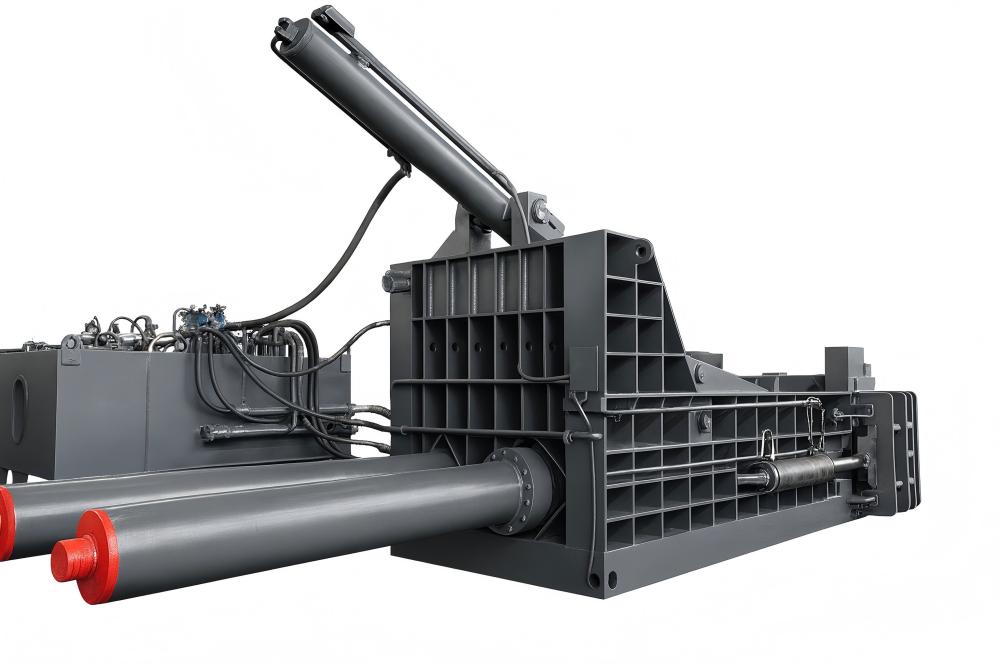
The financial commitment for a car body baler varies significantly based on capacity, mobility, and automation. Generally, the market is divided into three primary tiers. Entry-level stationary balers, often used by smaller yards or those just starting in vehicle recycling, typically range from $40,000 to $85,000. These machines are capable of handling standard passenger cars but may struggle with larger SUVs or heavy-duty frames. They often feature manual controls and slower cycle times, making them suitable for low-volume operations.
Mid-range balers, which are the industry standard for established scrap yards, fall between $90,000 and $180,000. These machines offer better hydraulic efficiency, larger charging boxes, and often include semi-automatic cycles. In this price bracket, you begin to see features like wear-resistant liners (such as Hardox steel) and more robust hydraulic pumps from reputable brands like Rexroth or Vickers. These machines are designed for 8-hour shifts and can process several dozen vehicles daily without overheating or excessive wear.
At the top end of the spectrum are high-capacity and mobile car balers, which can cost anywhere from $200,000 to over $500,000. These units are often mounted on trailers or feature integrated hook-lift systems for easy transport. They are equipped with powerful diesel engines, advanced PLC systems, and high-speed hydraulics that can crush a car in under 60 seconds. While the investment is substantial, the ability to move the machine to the scrap source—rather than hauling loose cars to the machine—can save thousands of dollars in logistics costs annually.
Main Cost Drivers in Car Body Baler Manufacturing
When you receive a quote for a car body baler, several technical factors influence the final number. The most significant driver is the hydraulic system. The quality of the main cylinders, the pressure rating of the pumps, and the complexity of the valve blocks determine the machine’s crushing force and cycle speed. High-pressure systems (above 300 bar) require more expensive components but offer superior bale density, which is critical for maximizing shipping weights.
Another major cost factor is the structural steel and wear plates. A car baler is subjected to immense internal pressure and abrasive forces. Manufacturers like HARSLE use high-tensile steel for the main frame and replaceable wear-resistant liners for the interior of the compression chamber. The thickness and grade of these materials directly correlate with the machine’s lifespan. A cheaper machine might use standard A36 steel, which will warp and thin out within a few years, whereas a premium machine using Hardox 450 or 500 liners can last a decade or more with proper maintenance.
Automation and control systems also play a role. Modern balers utilize Programmable Logic Controllers (PLCs) to manage the sequence of the rams, monitor oil temperature, and provide diagnostic feedback. Remote control operation is another feature that adds cost but significantly improves safety and efficiency, allowing the crane operator to trigger the baling cycle without leaving the cab of the loader. Finally, the power source—whether a high-efficiency electric motor or a Tier 4 Final diesel engine—will impact both the purchase price and the ongoing operational costs.
Configuration Impact: Tailoring the Machine to Your Yard
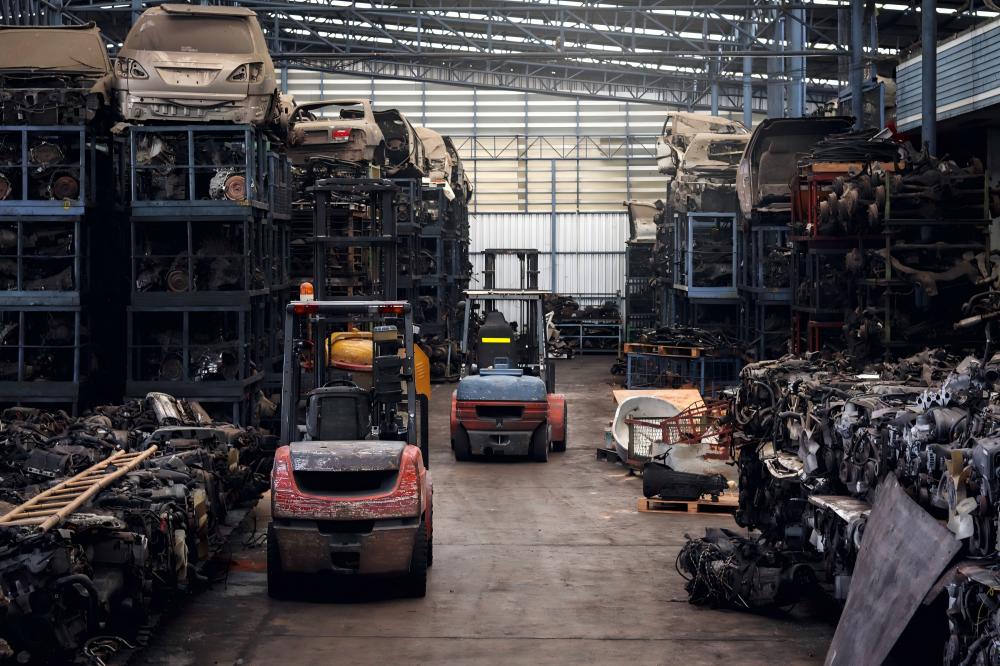
Choosing the right configuration is essential for operational harmony. The first decision is usually between a stationary and a mobile unit. Stationary balers are ideal for yards with a centralized processing area and a steady flow of incoming vehicles. They are typically powered by electricity, which is cheaper and quieter than diesel. Mobile units, conversely, are essential for contractors who service multiple smaller yards or for operations where the layout of the yard changes frequently. Mobile units must be rugged enough to handle road transport while maintaining the structural integrity needed for heavy crushing.
The charging box size is another critical configuration detail. If your yard primarily handles compact cars, a smaller box is sufficient. However, if you frequently process full-size pickup trucks, vans, or SUVs, you need a box that is at least 5 to 6 meters long. Attempting to force a large vehicle into a small box leads to “bridging,” where the car gets stuck, causing downtime and potential damage to the lid cylinders. A larger box also allows for “pre-loading,” where the operator can place the next car in the box while the previous bale is being ejected, maximizing throughput.
Furthermore, consider the number of compression rams. A standard car baler uses a “lid-and-ram” system, where the lid provides the initial crush and a horizontal ram provides the final compaction. Some high-density balers use a three-way compression system (side, top, and end) to create exceptionally dense logs or bales. While more complex and expensive, three-way compression is often required if you are selling directly to steel mills that have strict density requirements for their furnace charges.
Hidden Costs of Ownership
The purchase price is only the beginning of the financial story. One often overlooked hidden cost is installation and site preparation. A stationary car baler requires a reinforced concrete pad capable of withstanding both the weight of the machine and the vibration of the hydraulic cycles. This can cost several thousand dollars in materials and labor. Additionally, if you choose an electric model, you may need to upgrade your yard’s electrical service to handle the high amperage required by the 45kW to 90kW motors common in these machines.
Hydraulic oil is another significant ongoing expense. A large car baler can hold between 1,000 and 3,000 liters of hydraulic fluid. High-quality anti-wear oil is expensive, and it must be filtered and changed periodically. Furthermore, the cost of wear parts must be factored in. The blades used to shear any overhanging metal and the liners in the compression box are consumable items. Depending on your volume, you may need to replace or hard-face these components every 12 to 24 months to maintain performance and prevent damage to the main structure.
Finally, consider freight and commissioning. These machines are oversized and heavy, often requiring specialized low-boy trailers and permits for transport. Once the machine arrives, a technician from the manufacturer is usually required to oversee the assembly, calibrate the sensors, and train your staff. While some manufacturers include this in the price, others charge daily rates plus travel expenses, which can add up quickly if the site isn’t ready upon the technician’s arrival.
ROI Calculation: When Does the Investment Pay Off?
Calculating the Return on Investment (ROI) for a car body baler involves analyzing three main areas: logistics savings, labor efficiency, and material premiums. Let’s look at a hypothetical example. If a yard is currently shipping loose car shells, they might only fit 10-12 cars on a flatbed trailer. With a baler, they can fit 25-30 dense bales on the same trailer. If the cost of a truckload is $500 and the yard processes 100 cars a week, the logistics savings alone can exceed $1,000 per week, or $52,000 per year.
Labor efficiency is another factor. Manually dismantling or flattening cars with an excavator is slow and inconsistent. A dedicated baler allows one operator to process a car every 2-3 minutes. This frees up other staff and equipment for sorting and loading, increasing the overall tonnage the yard can handle. If the baler allows the yard to process an additional 20% of material per month, the increased turnover contributes directly to the bottom line.
Lastly, many steel mills pay a premium for “baled and sheared” scrap compared to loose or oversized material. This premium can range from $10 to $30 per ton. For a yard processing 500 tons a month, a $20/ton premium results in an extra $10,000 in monthly revenue. When you combine logistics savings, labor reduction, and material premiums, most mid-sized yards find that a high-quality HARSLE car baler pays for itself within 18 to 24 months of operation.
Buying Advice: How to Choose the Right Partner
When you are ready to make a purchase, the manufacturer you choose is as important as the machine itself. Start by vetting the manufacturer’s track record. Do they specialize in scrap metal equipment, or is it a side business? Companies like HARSLE have years of experience specifically in hydraulic press and baler technology, which translates to better engineering and more reliable support. Ask for references from other scrap yards and, if possible, visit a site where the machine is currently in operation.
Pay close attention to the after-sales support and parts availability. A baler is a high-wear machine; eventually, a hose will burst or a sensor will fail. If the manufacturer is located overseas without a local support network or a well-stocked parts warehouse, your machine could be down for weeks while waiting for a simple component. Ensure that the machine uses standard, off-the-shelf hydraulic and electrical components where possible, so you aren’t forced to buy proprietary parts at inflated prices.
Finally, conduct a thorough technical inspection of the specifications. Don’t just look at the “crushing force”; look at the cylinder bore size and the system pressure to verify that the force is calculated accurately. Check the cycle time—is it measured with a car in the box or empty? An empty cycle time is a useless metric. Look for safety features like emergency stop buttons on all sides of the machine, safety cages around the power unit, and clear warning labels. A safe machine is a productive machine, and a reputable manufacturer will never compromise on operator protection.
Frequently Asked Questions (FAQ)
1. How much space do I need for a car body baler?
A stationary car baler typically requires a footprint of about 10×15 meters, including the loading area and the bale discharge zone. You also need enough vertical clearance for a crane or material handler to drop cars into the charging box. Mobile units require less permanent space but need a level, compacted surface to operate safely.
2. Can a car baler handle engines and transmissions?
While most heavy-duty balers can crush a car with the engine still inside, it is generally not recommended. Engines contain high-value aluminum and cast iron that should be recycled separately. Furthermore, the fluids (oil, coolant) must be drained before baling to comply with environmental regulations and to prevent contamination of the scrap and the machine’s hydraulic system.
3. What is the average lifespan of a HARSLE car body baler?
With proper maintenance, a high-quality car baler can last 15 to 20 years. The key is regular hydraulic oil changes, greasing of pivot points, and timely replacement of wear liners. The structural frame is designed for long-term durability, but the “consumable” parts of the machine will need attention every few years depending on volume.
4. Diesel vs. Electric: Which is better?
Electric motors are generally more cost-effective if you have the infrastructure, as they require less maintenance and have lower energy costs. However, diesel engines offer total mobility and are necessary for yards without high-voltage power. Modern diesel engines in balers are also very efficient, though they require more frequent servicing (filters, oil, etc.).
5. How dense are the bales produced?
Bale density depends on the machine’s pressure and the type of vehicle. A standard two-ram baler will produce a bale with a density of roughly 25-35% of solid steel. This is sufficient for most transport requirements and allows you to reach the maximum weight limit on standard shipping containers and trailers.
6. Is operator training difficult?
Basic operation of a car baler is straightforward, especially with modern PLC controls and remote systems. However, training is essential for safety and for maximizing throughput. Operators need to learn how to position the car in the box to avoid jams and how to perform daily pre-start inspections to catch minor issues before they become major repairs.