Scrap Metal Baler Applications in Sustainable Metal Recycling and Resource Recovery

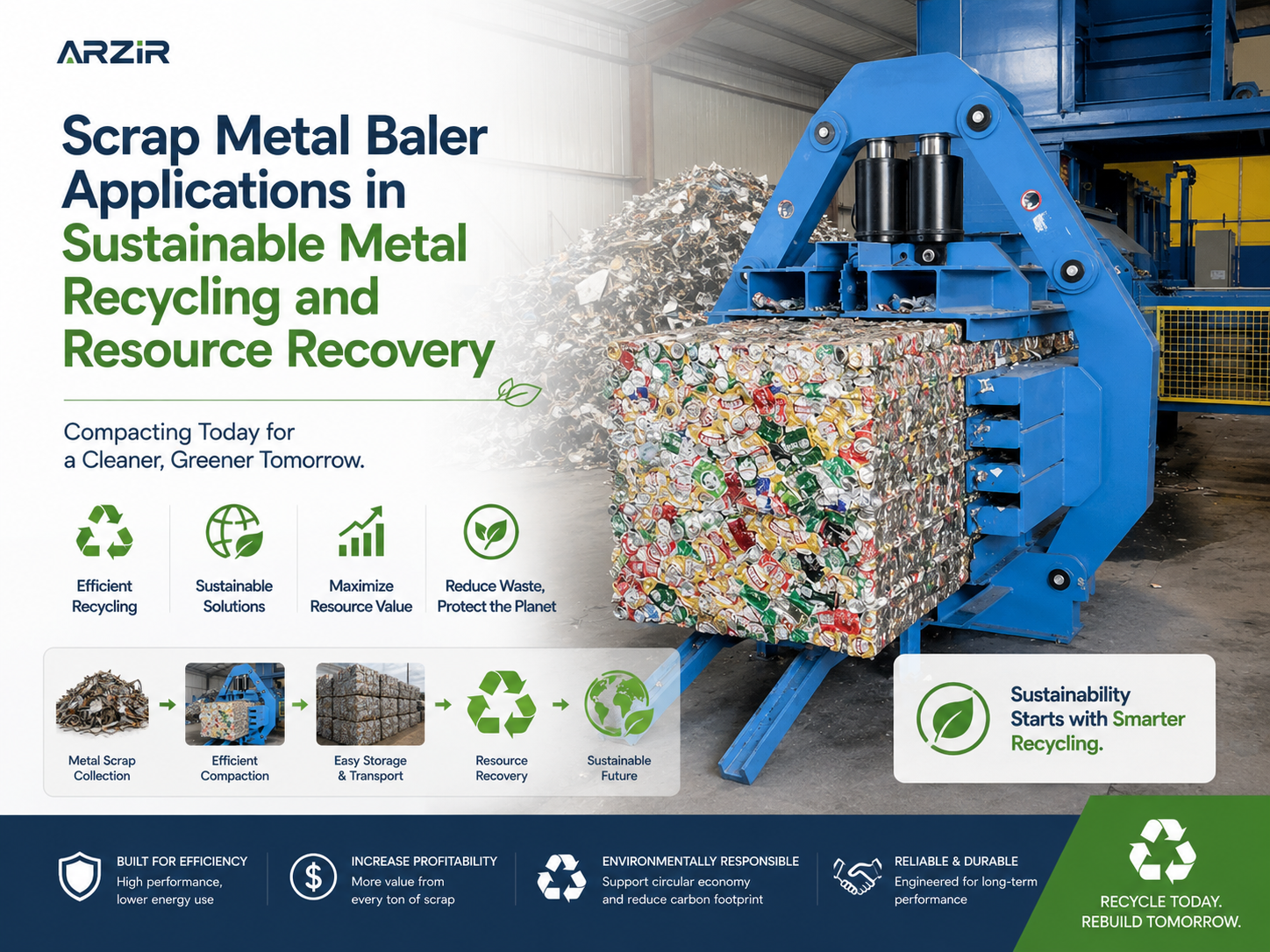
Introduction to Scrap Metal Baler Applications in Sustainable Metal Recycling and Resource Recovery
In the modern industrial landscape, the drive toward a circular economy has never been more critical. As global industries strive to reduce their carbon footprint and minimize waste, the role of advanced machinery in resource recovery has taken center stage. Among these essential tools, the scrap metal baler stands out as a cornerstone of sustainable metal recycling. By compressing bulky metal waste into dense, manageable blocks, these machines facilitate efficient transport, storage, and smelting, directly contributing to the conservation of natural resources and energy.
The focus keyword, Scrap Metal Baler Applications In Sustainable Metal Recycling Resource Recovery, encapsulates a broad spectrum of industrial processes aimed at transforming waste into valuable raw materials. Whether it is aluminum cans, steel shavings, or decommissioned automotive parts, the ability to process these materials effectively determines the economic and environmental viability of a recycling operation. HARSLE, a leader in metal fabrication machinery, provides high-performance baling solutions designed to meet the rigorous demands of this evolving sector.
Sustainable metal recycling is not merely about waste disposal; it is about maximizing the lifecycle of materials. Every ton of recycled steel saves approximately 1.1 tons of iron ore, 630 kilograms of coal, and 55 kilograms of limestone. Scrap metal balers are the primary catalysts in this chain, ensuring that the logistics of recycling are cost-effective enough to compete with primary ore extraction. In this comprehensive guide, we will explore the diverse applications, technical requirements, and operational benefits of integrating scrap metal balers into resource recovery workflows.
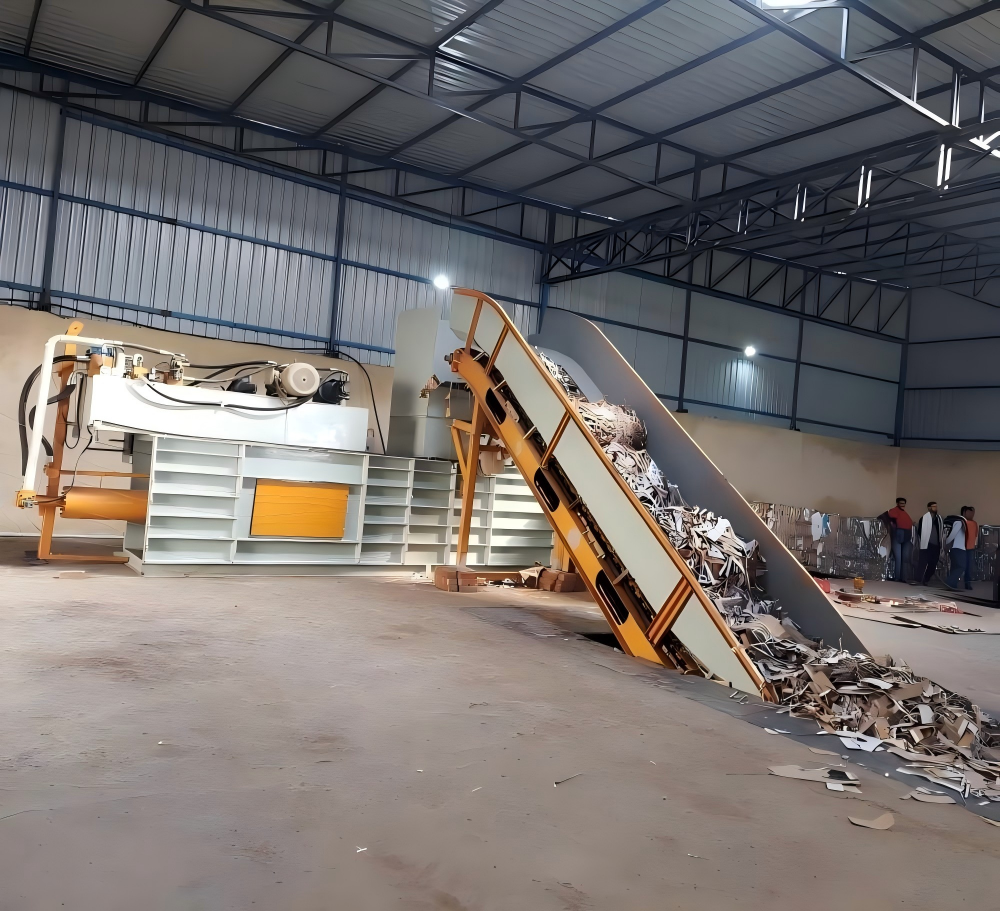
Application Scenarios for Scrap Metal Balers
1. Professional Scrap Recycling Yards
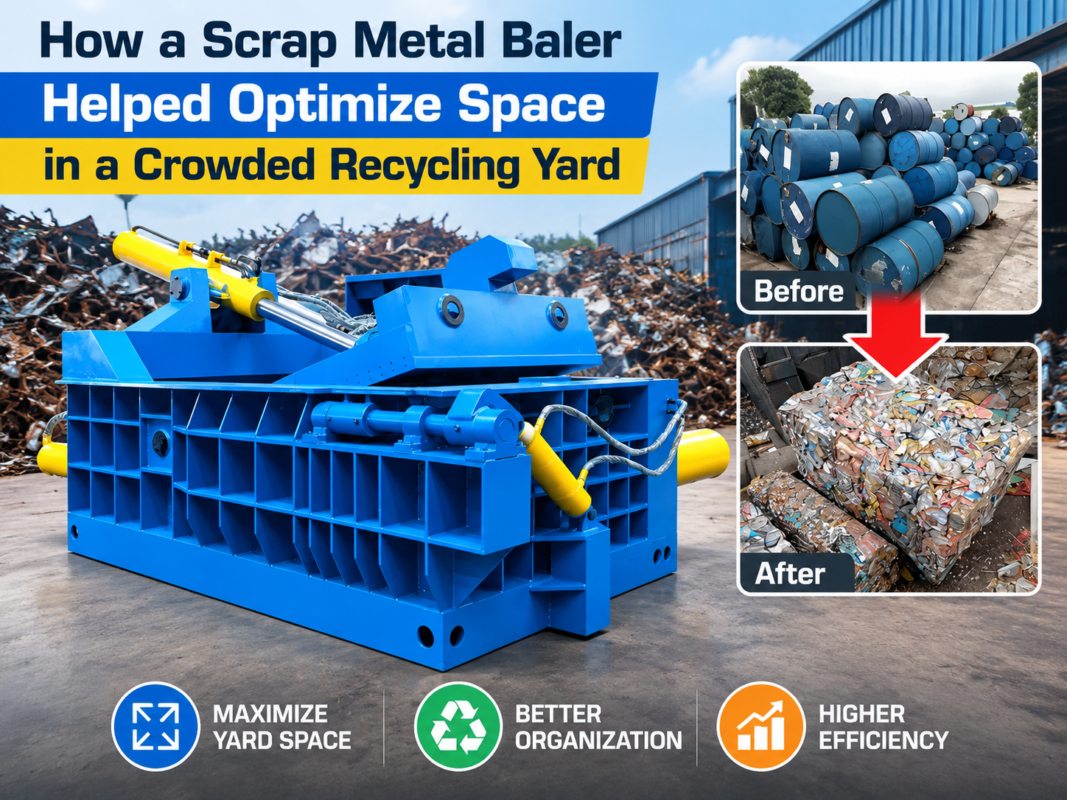
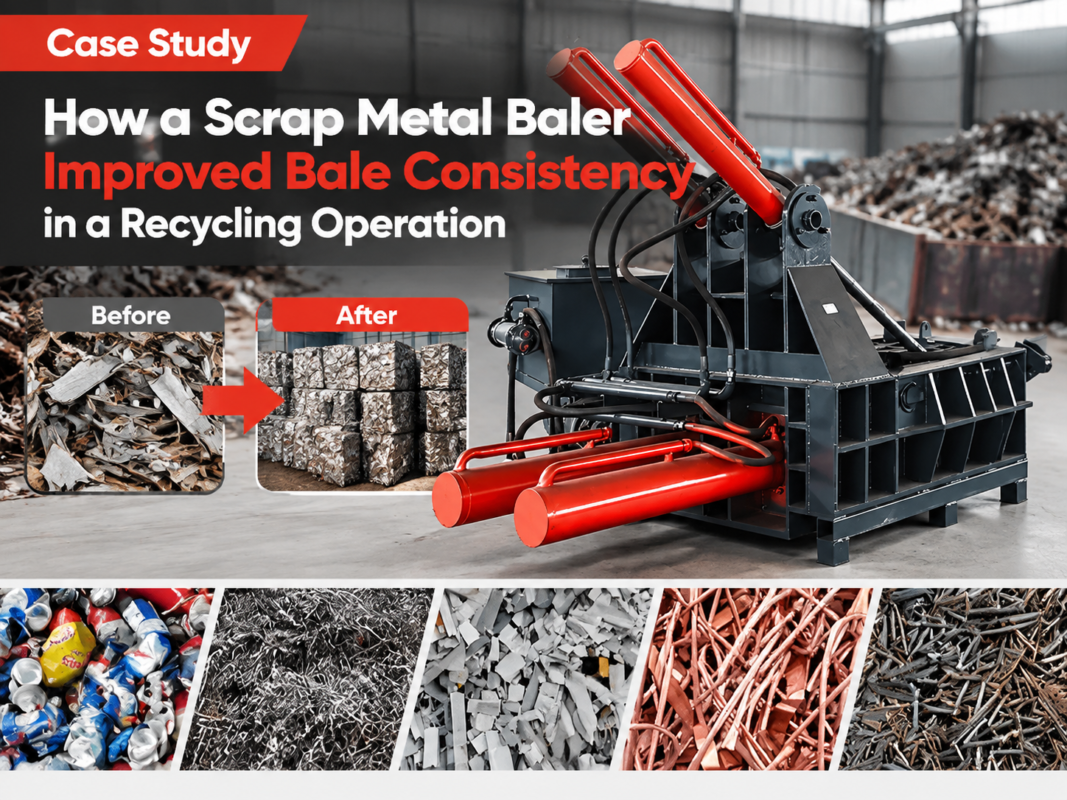
Scrap yards are the most common environment for high-capacity balers. These facilities receive a heterogeneous mix of metals from various sources, including households, small businesses, and demolition sites. The primary challenge here is volume. Without a baler, a scrap yard would quickly become overwhelmed by loose, irregularly shaped metal pieces that occupy vast amounts of space. By utilizing a scrap metal baler, operators can categorize materials—such as copper, aluminum, and stainless steel—and compress them into uniform bales that are easy to stack and inventory.
2. Automotive Dismantling and Recycling
The automotive industry is one of the largest contributors to the scrap metal market. When a vehicle reaches the end of its life, it is stripped of hazardous fluids and reusable parts. The remaining chassis, which consists largely of steel and aluminum, is often processed through a large-scale baler or car crusher. These machines are designed to handle the structural integrity of a car frame, reducing it to a dense cube that can be shipped directly to a steel mill for melting. This application is vital for urban mining and resource recovery in the transport sector.
3. Industrial Manufacturing and Metal Fabrication
Manufacturing plants that produce metal products—such as appliance manufacturers, aerospace components, or automotive parts suppliers—generate significant amounts of “prompt scrap.” This includes offcuts, punchings, and turnings. Integrating a scrap metal baler directly into the production line or a dedicated waste area allows these companies to manage their waste stream internally. This not only keeps the workspace clean and safe but also increases the resale value of the scrap, as clean, single-alloy bales fetch a higher price from recyclers.
4. E-Waste Processing Centers
Electronic waste (e-waste) contains a variety of precious and base metals. While the initial stages of e-waste recycling involve delicate dismantling, the resulting metal casings and internal structural components are ideal candidates for baling. Aluminum heat sinks, steel computer housings, and copper wiring (after stripping) are compressed to optimize the logistics of sending these materials to specialized refineries. This ensures that the “resource recovery” aspect of e-waste management is as efficient as possible.
5. Construction and Demolition Sites
Large-scale demolition projects generate massive quantities of structural steel, rebar, and aluminum siding. Portable or heavy-duty stationary balers are often deployed to these sites to process the metal on-site. This reduces the number of truck trips required to clear the site, significantly lowering the carbon footprint of the demolition project and ensuring that valuable metals are diverted from landfills and sent back into the production cycle.
Material and Process Requirements
To achieve success in Scrap Metal Baler Applications In Sustainable Metal Recycling Resource Recovery, one must understand the specific requirements of the materials being processed. Not all metals behave the same under pressure, and the intended end-use of the bale dictates the necessary density and purity levels.
- Ferrous Metals: Steel and iron are the most common materials. They require high-pressure hydraulic systems because of their high tensile strength. The goal is often to reach a density that prevents the bale from falling apart during rough handling in a furnace charging area.
- Non-Ferrous Metals: Aluminum, copper, and brass are softer but highly valuable. These materials require careful handling to avoid contamination. Balers for non-ferrous metals often feature stainless steel liners or specialized cleaning cycles to ensure that different alloys are not mixed, which would devalue the recovered resource.
- Bale Density and Size: The requirements for bale size are usually set by the smelting facility. Small foundry-ready bales (e.g., 300mm x 300mm) are preferred for smaller furnaces, while massive bales (e.g., 600mm x 600mm or larger) are standard for large-scale steel mills. The baler must be capable of exerting enough force to reach the specific gravity required by the buyer.
- Shearing Capabilities: Many modern balers include integrated shearing blades. This is essential for processing long pieces of rebar or oversized sheets that do not fit into the compression chamber. The machine shears the material as the lid closes, ensuring a seamless transition from loose scrap to a compact bale.
Furthermore, the process must account for moisture and contaminants. In sustainable recycling, the presence of oils, plastics, or heavy corrosion can affect the quality of the recycled metal. High-end balers often incorporate drainage systems to collect residual fluids, preventing soil contamination and ensuring the recovery process remains environmentally friendly.
Recommended Machine Configuration
Choosing the right configuration is critical for optimizing Scrap Metal Baler Applications In Sustainable Metal Recycling Resource Recovery. HARSLE offers various configurations tailored to specific operational scales and material types.
| Feature | Standard Configuration | High-Performance Configuration |
|---|---|---|
| Hydraulic System | Single pump, manual valves | Variable displacement pumps, Rexroth/Vickers valves |
| Control System | Manual Lever Control | Siemens PLC with Touch Screen Interface |
| Cooling System | Air cooling (optional) | Integrated Water or Industrial Oil Chiller |
| Wear Liners | Standard Manganese Steel | Hardox 500 Replaceable Wear Plates |
| Bale Ejection | Manual or Turn-out | Side-push or Forward-out Automatic Ejection |
| Shear Blades | Optional | Integrated High-Chrome Tool Steel Blades |
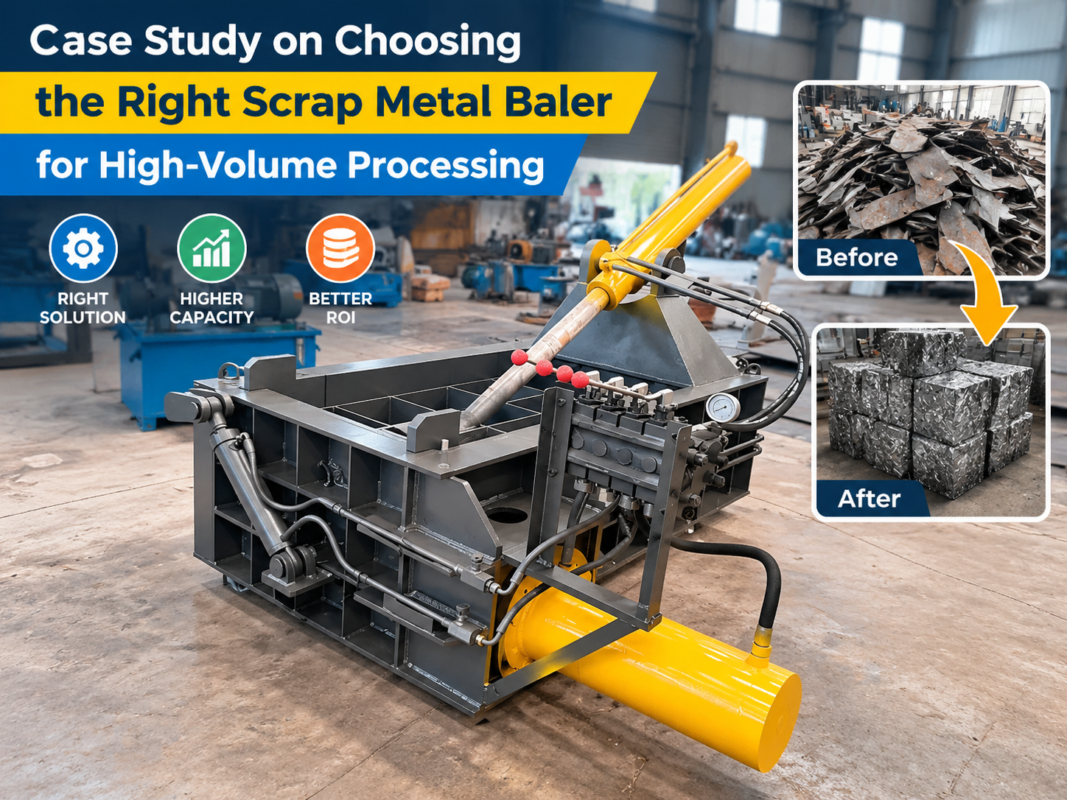
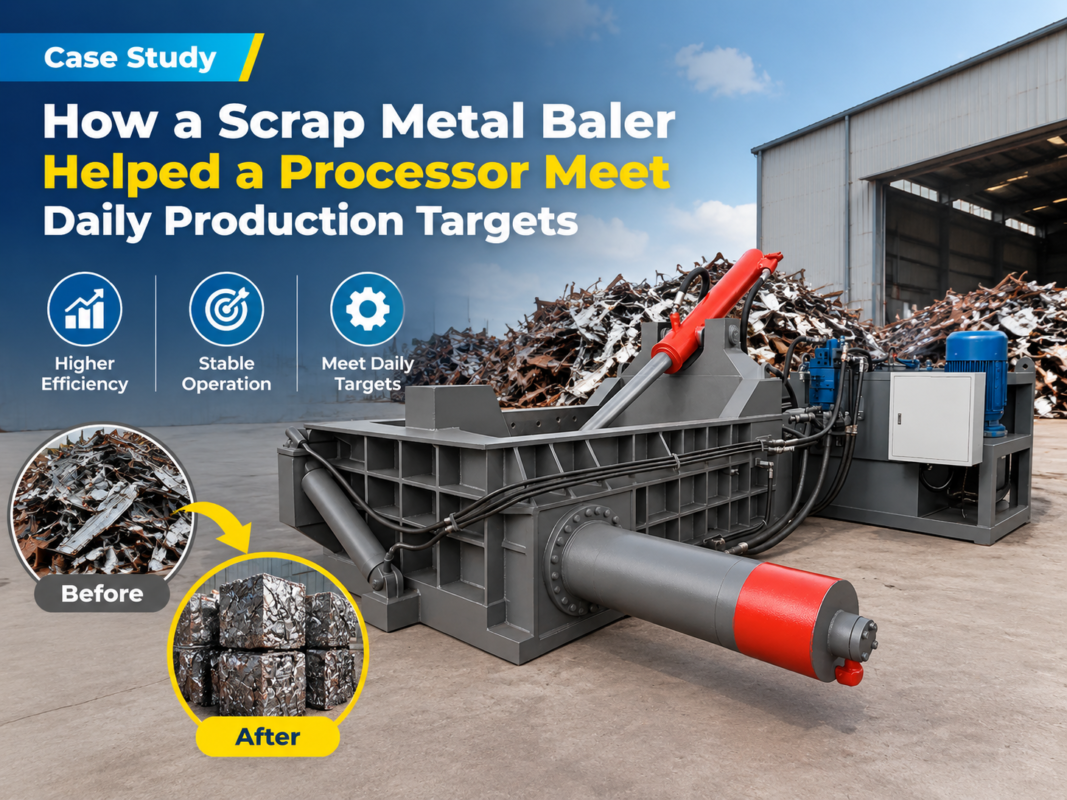
For a facility focused on high-volume resource recovery, a PLC-controlled system is highly recommended. Automation allows for consistent bale density and reduces the risk of operator error. Additionally, the use of high-quality hydraulic components ensures that the machine can operate 24/7 without overheating or losing pressure, which is vital for maintaining productivity in a busy recycling yard.
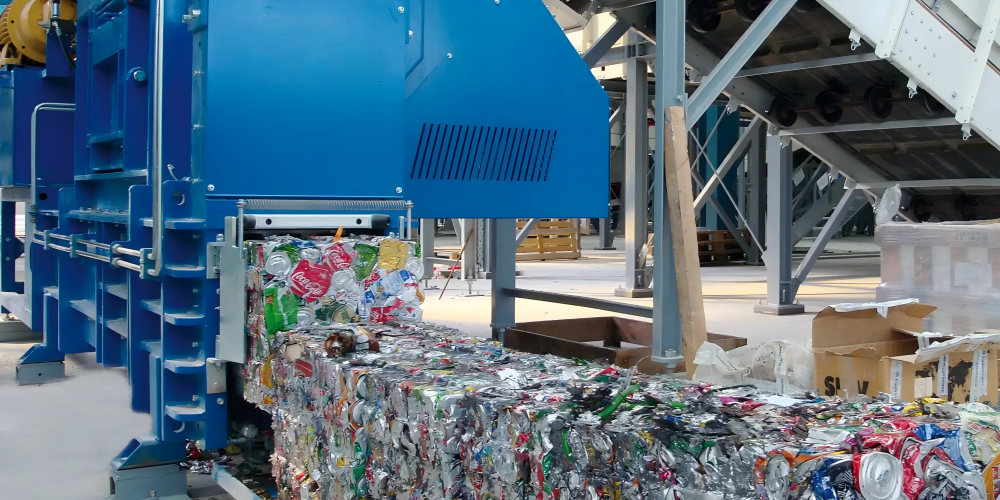
Workflow of a Scrap Metal Baler Operation
The workflow of a scrap metal baler is a systematic process designed to maximize throughput and safety. Understanding this workflow is essential for any business looking to implement Scrap Metal Baler Applications In Sustainable Metal Recycling Resource Recovery.
- Material Collection and Sorting: Scrap is collected and sorted by type (e.g., HMS 1/2, aluminum extrusions, copper wire). Sorting is the most critical step for ensuring the high value of the recovered resource.
- Loading the Charging Box: Using a crane with a grapple or a forklift, the loose scrap is loaded into the baler’s open chamber. It is important not to overfill the chamber beyond the manufacturer’s specifications to prevent jamming.
- Pre-Compression (Lid Closing): In many designs, the lid of the baler acts as a first compression stage. As it closes, it may also shear off any overhanging material.
- Main Compression: The side ram and the main ram move forward sequentially. The side ram narrows the material, and the main ram pushes it against the door or the end of the chamber to form the final bale shape.
- Bale Ejection: Once the desired pressure is reached and held for a few seconds to ensure the bale stays intact, the discharge door opens. The bale is then pushed out (side-push), flipped out (turn-out), or pushed forward (forward-out) depending on the machine’s design.
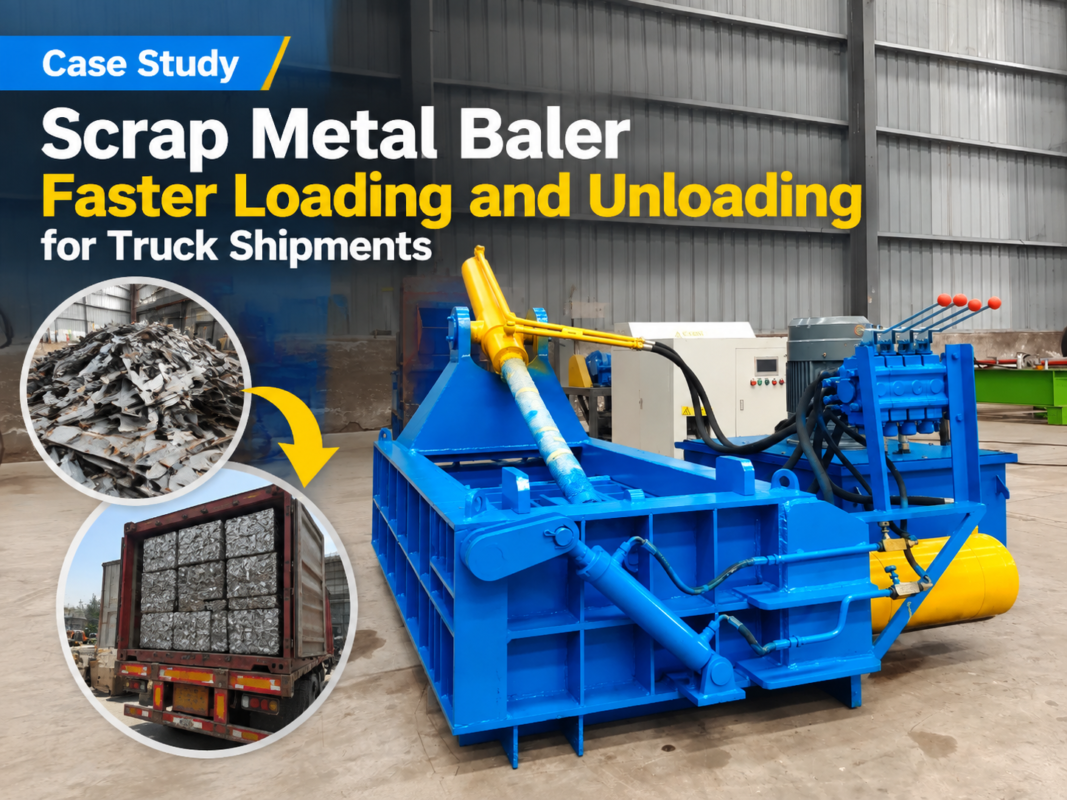
- Storage and Transport: The finished bales are moved to a storage area where they are stacked. Because of their uniform shape, they can be loaded onto flatbed trucks or into shipping containers with maximum space utilization.
Productivity and Sustainability Benefits
The integration of scrap metal balers into a resource recovery strategy offers multifaceted benefits that extend beyond simple waste management.
1. Significant Reduction in Logistics Costs
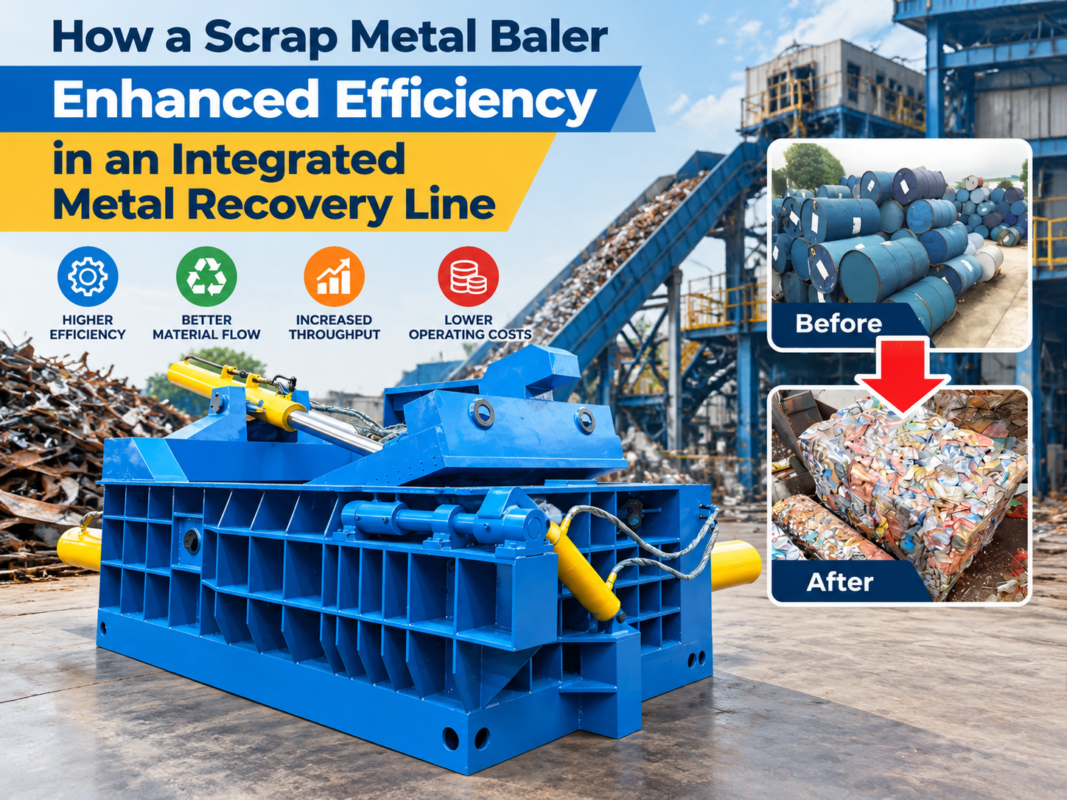
Loose scrap metal is incredibly inefficient to transport. A truck filled with loose aluminum cans might only carry a fraction of its weight capacity because the volume is so high. Baling increases the density of the load, allowing trucks to carry their maximum weight capacity. This reduces the number of trips required, lowering fuel consumption and transportation costs by up to 70%.
2. Enhanced Furnace Efficiency
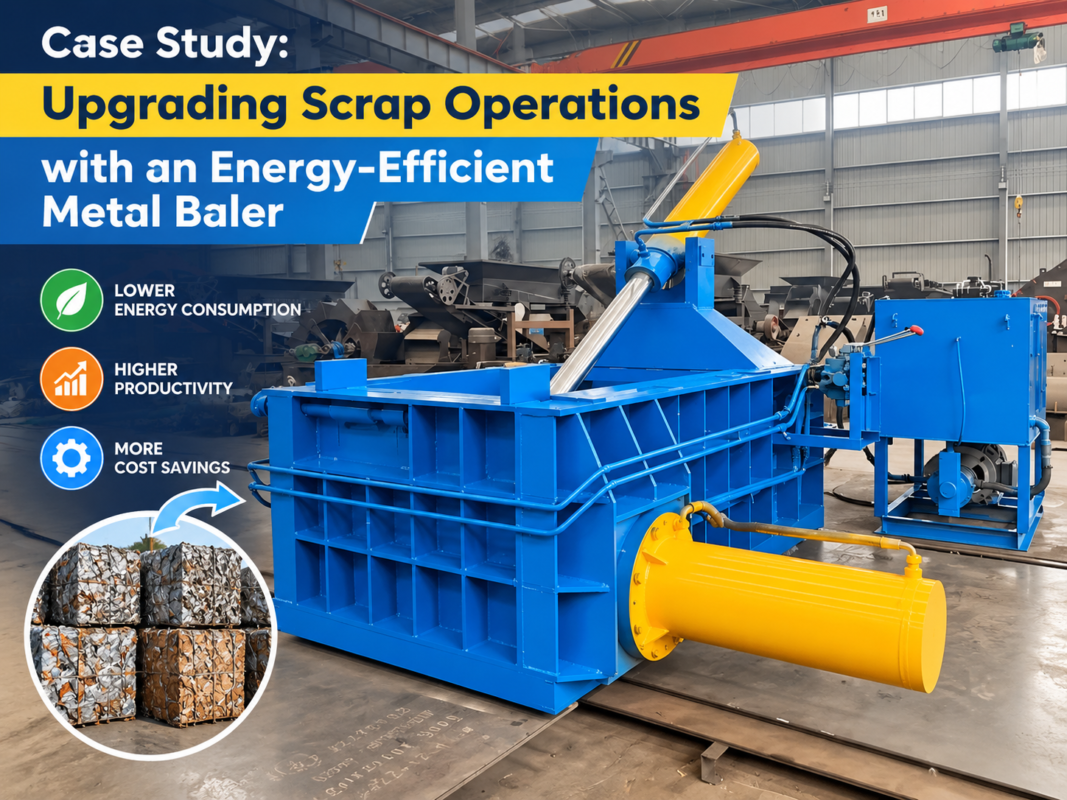
Smelting facilities prefer baled scrap over loose scrap. Bales melt more efficiently because they have less surface area relative to their mass, which reduces “melt loss” caused by oxidation. Furthermore, dense bales sink into the molten bath more effectively, leading to faster melt times and lower energy consumption per ton of metal produced. This is a direct win for sustainable resource recovery.
3. Improved Safety and Organization
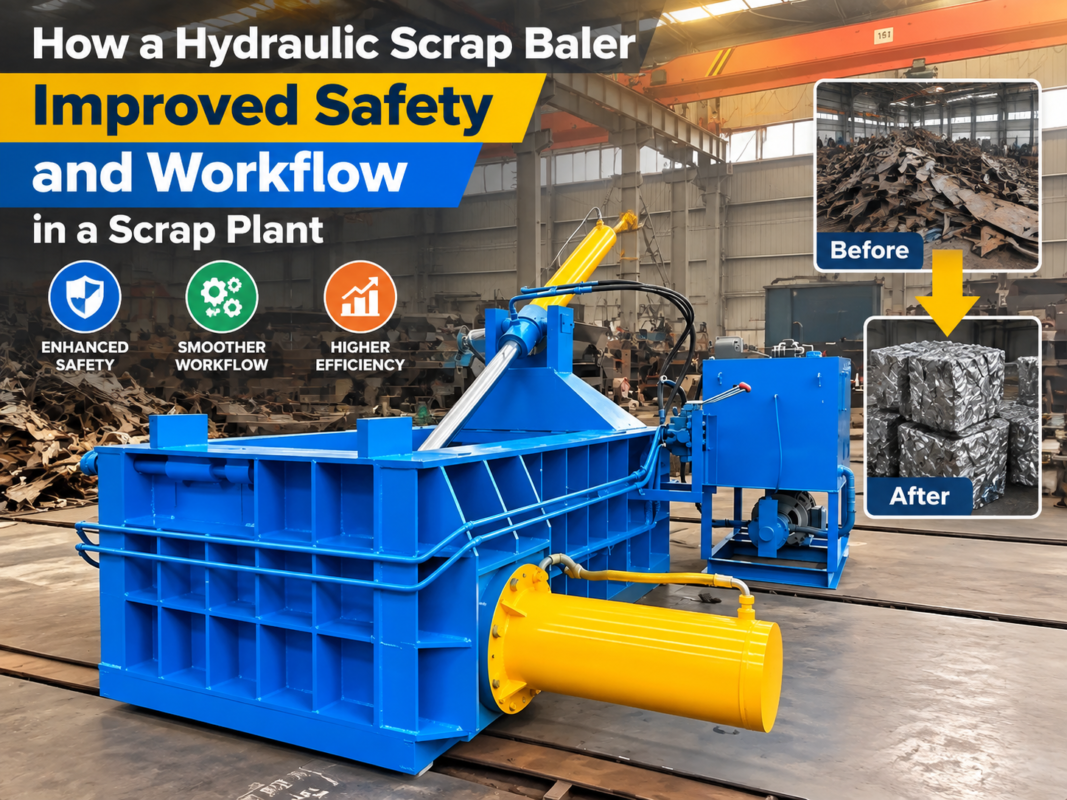
Loose scrap metal is hazardous. It has sharp edges, can cause tripping, and is difficult to move safely. Bales are stable, stackable, and can be handled easily with standard forklifts. This creates a much safer working environment for employees and reduces the risk of workplace accidents.
4. Environmental Compliance and Carbon Credits
Many jurisdictions now require businesses to demonstrate proactive waste reduction and recycling efforts. By using a scrap metal baler, companies can accurately track the volume of material they recycle. In some regions, this data can be used to claim carbon credits or tax incentives, as the energy saved by recycling metal is significantly higher than that used in primary production.
Case Example: HARSLE Baler in a Regional Recycling Hub
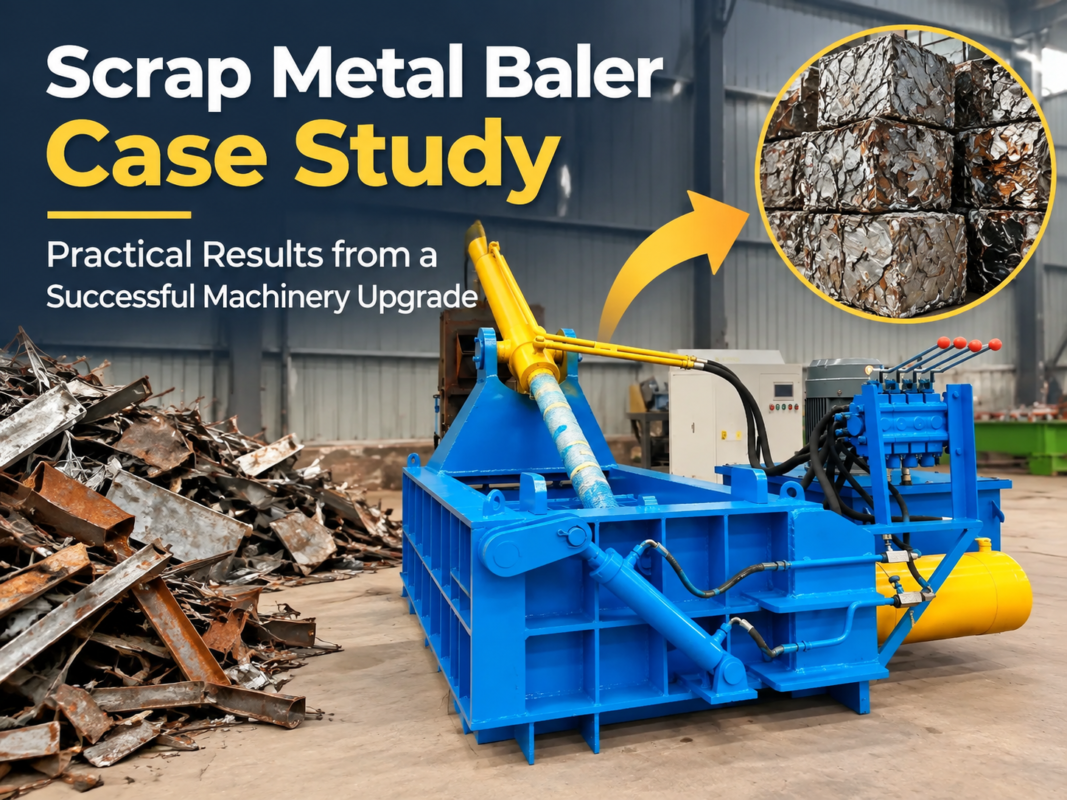
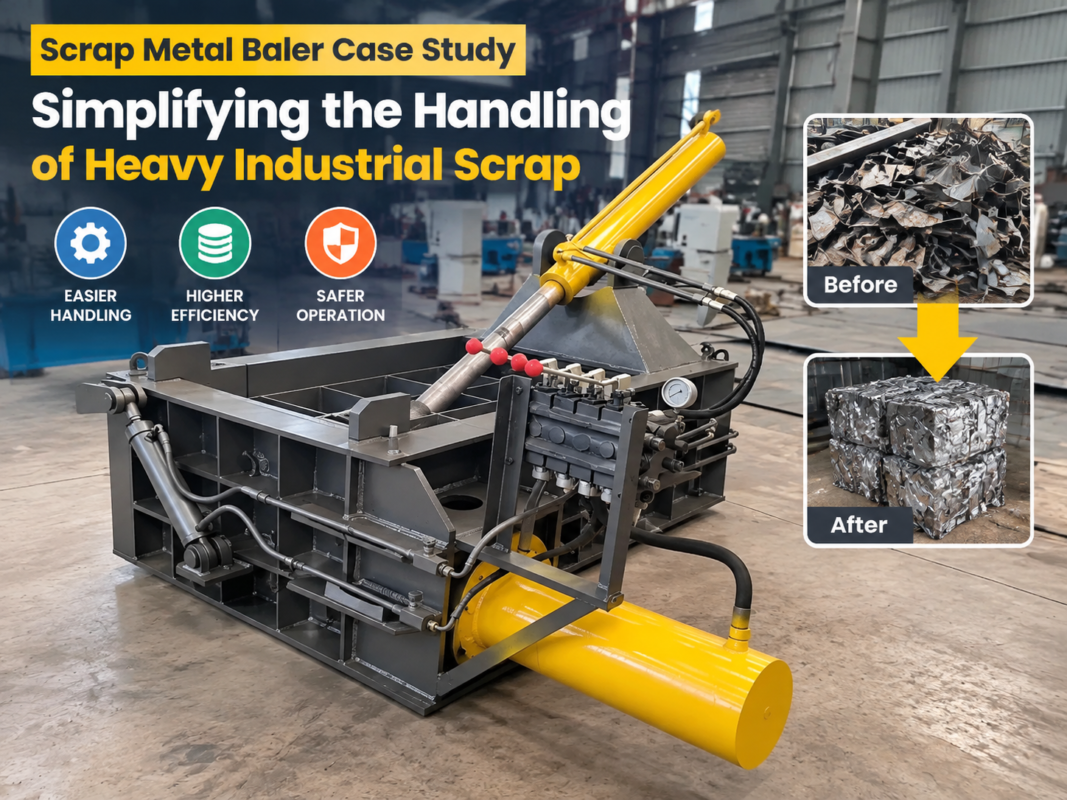
A mid-sized recycling facility in Eastern Europe recently upgraded its operations by installing a HARSLE Y81 series hydraulic scrap metal baler. Prior to the installation, the facility struggled with a massive backlog of loose light-gauge steel and aluminum siding. Their transport costs were high, and local foundries were charging a penalty for the “fluffy” nature of their scrap.
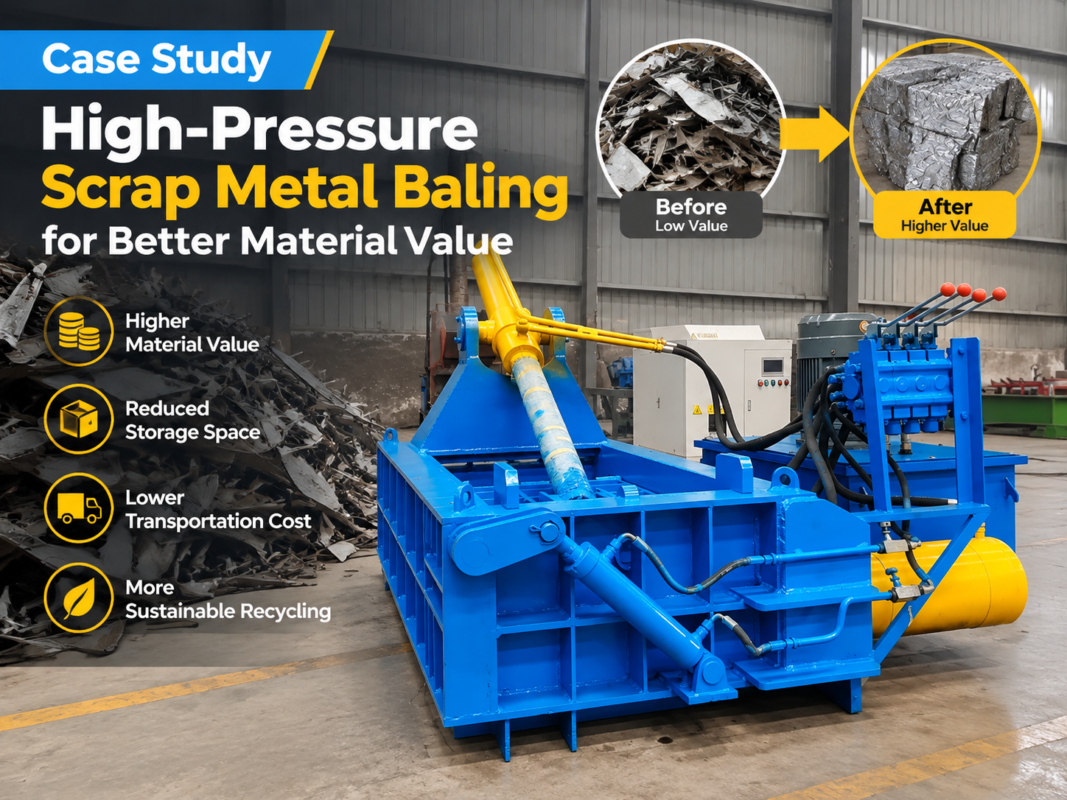
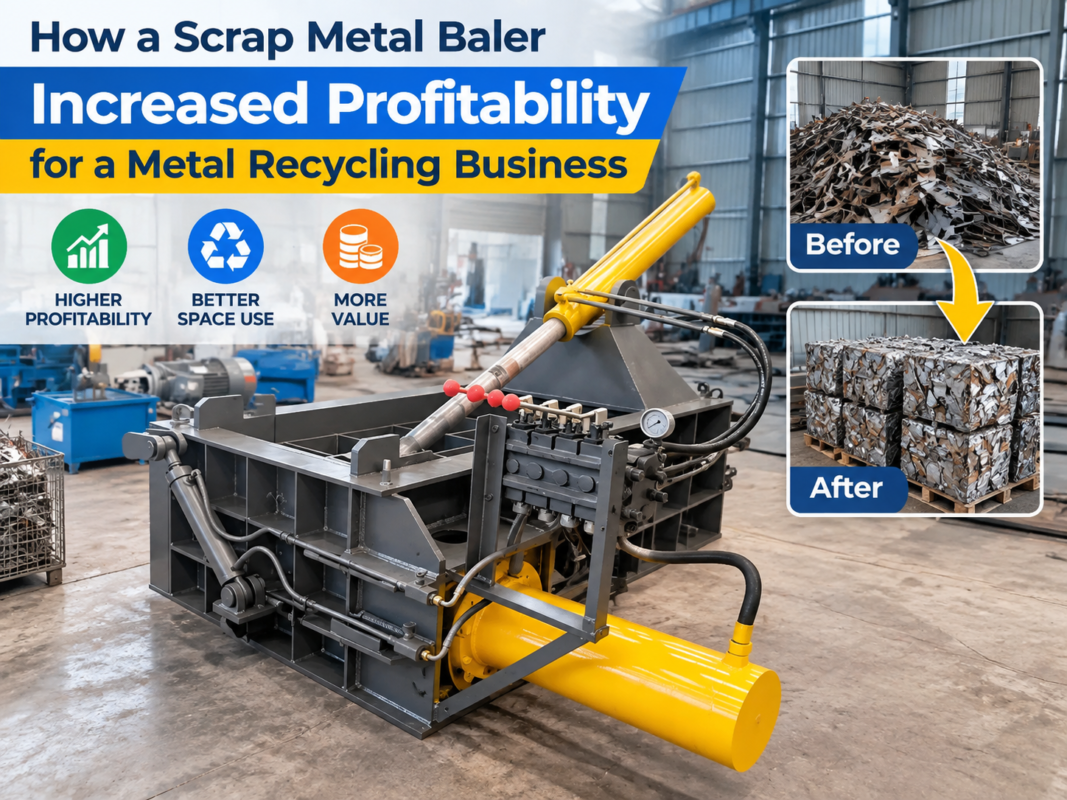
After implementing the HARSLE baler, the facility was able to process 15 tons of scrap per hour. The machine’s integrated shearing lid allowed them to process long aluminum extrusions without manual pre-cutting. Within the first six months, the facility reported a 40% reduction in outbound shipping costs. More importantly, the quality of their bales allowed them to negotiate a 15% higher price per ton from their primary steel mill buyer. This case illustrates how the right equipment can transform a struggling recycling operation into a highly profitable resource recovery hub.
Frequently Asked Questions (FAQ)
What is the difference between a scrap metal baler and a car crusher?
While both machines use hydraulic force to compress metal, a car crusher is specifically designed to flatten vehicles for transport to a shredder. A scrap metal baler is designed to create dense, three-dimensional cubes (bales) that are often ready for direct melting in a furnace. Balers typically offer higher compression forces and more precise control over the final shape.
How do I choose the right size baler for my application?
The choice depends on three factors: the type of metal, the daily volume of scrap, and the requirements of your buyer. If you process mostly aluminum, a smaller, faster baler may suffice. For heavy steel, you need a machine with high tonnage (e.g., 250 tons or more). Always consult with a manufacturer like HARSLE to match the machine’s cycle time and chamber size to your throughput needs.
Can one baler handle different types of metal?
Yes, most balers are versatile. However, to maintain the purity of the recovered resource, it is essential to clean the chamber between different materials. For example, you should not bale copper immediately after baling lead-contaminated steel without a thorough cleaning, as this would devalue the copper bale.
What maintenance is required for a scrap metal baler?
Regular maintenance includes monitoring hydraulic oil levels and quality, checking for leaks in hoses, and ensuring the wear plates are in good condition. The shearing blades should be sharpened or rotated periodically to ensure clean cuts. Modern machines with PLC systems often provide diagnostic alerts to help with preventative maintenance.
Is a scrap metal baler a good investment for a small manufacturer?
If a manufacturer generates more than a few tons of scrap per month, a baler often pays for itself within 12 to 24 months through increased scrap value and reduced waste disposal fees. It also improves shop floor organization and safety, which has intangible but significant value.
Conclusion: Driving the Future of Resource Recovery
The role of Scrap Metal Baler Applications In Sustainable Metal Recycling Resource Recovery cannot be overstated. As the world moves toward more sustainable industrial practices, the ability to efficiently process and reuse metal becomes a competitive advantage. By investing in high-quality baling technology, businesses can reduce their environmental impact, optimize their logistics, and turn a waste stream into a significant revenue source.
HARSLE remains committed to providing the innovative machinery needed to support these goals. From robust hydraulic systems to advanced automation, our scrap metal balers are engineered for durability and efficiency. Whether you are a dedicated recycling center or a manufacturer looking to improve your waste management, HARSLE has the expertise and equipment to help you succeed in the circular economy.
Ready to optimize your recycling process? Contact HARSLE today to learn more about our range of scrap metal balers and how we can customize a solution for your specific resource recovery needs. Let’s build a more sustainable future together, one bale at a time.