Comprehensive Guide to Scrap Metal Baler Applications Compressing Aluminum, Steel, and Mixed Scrap

Introduction to Modern Scrap Metal Management
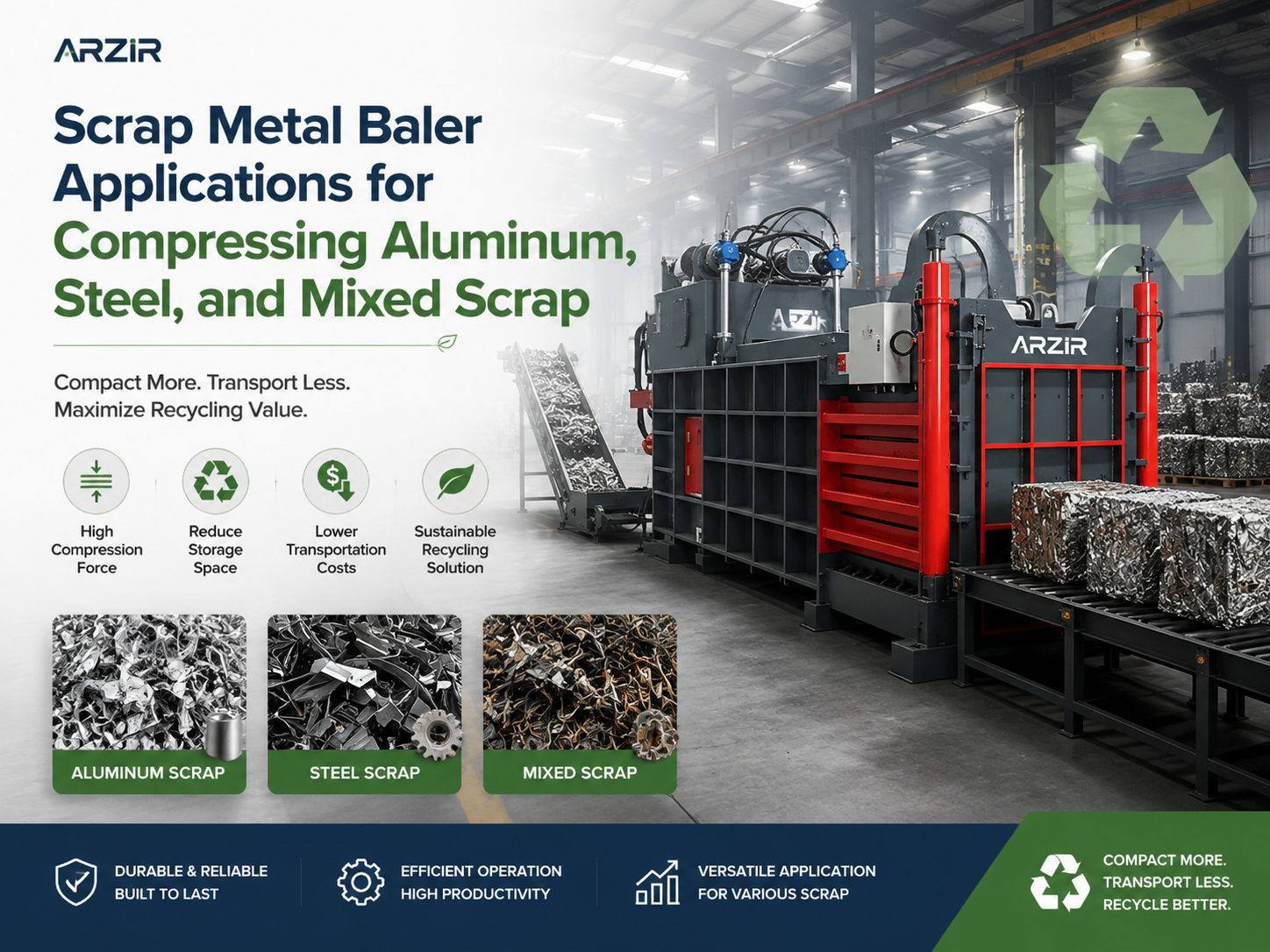
In the rapidly evolving landscape of global manufacturing and recycling, the efficiency of waste management has become a cornerstone of profitability and environmental stewardship. Scrap metal balers stand at the forefront of this transformation, providing the mechanical force necessary to convert loose, high-volume metal waste into dense, manageable blocks. The primary focus of this guide is to explore the diverse Scrap Metal Baler Applications Compressing Aluminum, Steel, Mixed Scrap, highlighting how these machines optimize logistics and enhance the value of recycled materials.
HARSLE, a leader in metal fabrication machinery, recognizes that the requirements for baling vary significantly depending on the material’s physical properties. Whether dealing with the lightweight elasticity of aluminum, the rigid structural integrity of steel, or the unpredictable nature of mixed scrap, selecting the right equipment is paramount. This article provides a technical deep dive into the application scenarios, machine configurations, and operational workflows that define modern scrap baling excellence.
Application Scenarios for Scrap Metal Balers
Industrial Manufacturing and Stamping Plants
Large-scale manufacturing facilities, particularly those involved in automotive and appliance production, generate vast quantities of ‘new’ scrap. This scrap often consists of skeletal remains from stamping processes, off-cuts, and trimmings. In these environments, scrap metal balers are integrated directly into the production line or located in dedicated waste management zones. By compressing these off-cuts immediately, manufacturers reduce the footprint required for waste storage and minimize the frequency of waste collection trips, leading to significant overhead reductions.
Professional Recycling Centers and Scrap Yards
For commercial recycling entities, the scrap metal baler is the heart of the operation. These facilities receive a wide array of materials from the public, construction sites, and smaller workshops. The ability to process Scrap Metal Baler Applications Compressing Aluminum, Steel, Mixed Scrap allows these centers to categorize and densify materials for sale to smelters and foundries. High-density bales are preferred by end-buyers because they optimize furnace charging and reduce the energy required for melting due to the decreased surface area-to-volume ratio.
Demolition and Construction Sites
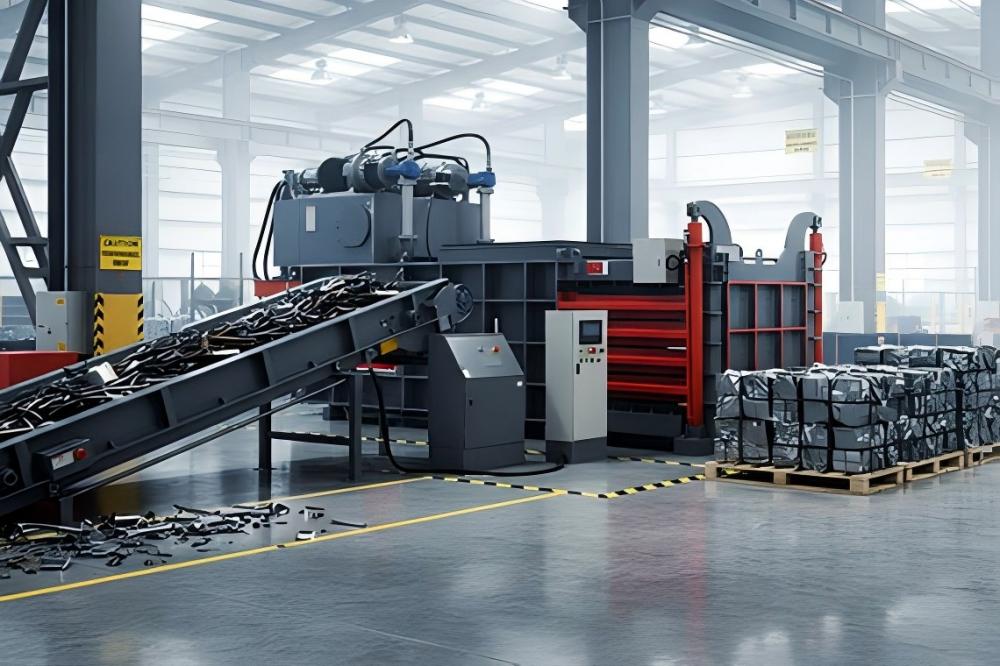
The demolition of steel-framed buildings and industrial complexes produces massive amounts of structural steel, rebar, and aluminum siding. On-site baling using portable or semi-mobile scrap balers can transform a chaotic demolition site into an organized logistics hub. By baling the scrap on-site, contractors can significantly lower transportation costs, as a single truckload of baled metal can weigh five to ten times more than a load of loose scrap.
Automotive Dismantling Facilities
End-of-life vehicle (ELV) processing involves stripping cars of fluids, engines, and interiors, leaving behind a steel and aluminum shell. Scrap metal balers are used to crush these shells or the specific components (like hoods and doors) into compact cubes. This application is critical for maintaining a high throughput in dismantling yards where space is at a premium and rapid turnover of inventory is essential for liquidity.
Material and Process Requirements
Compressing Aluminum Scrap
Aluminum is characterized by its low density and high ductility. However, it also possesses a ‘memory’ or elasticity that can cause bales to expand or fall apart if not compressed with sufficient force and held for an adequate dwell time. When processing aluminum cans (UBC), extrusions, or sheet scrap, the baler must provide consistent pressure. Because aluminum is often high-value, preventing contamination during the baling process is vital. HARSLE machines often feature stainless steel liners or specialized cleaning cycles to ensure the purity of the aluminum bale.
Compressing Steel Scrap
Steel scrap, ranging from carbon steel to stainless steel, requires significantly higher compression forces than aluminum. The material is rigid and often features sharp edges that can cause excessive wear on the baler’s internal surfaces. For Scrap Metal Baler Applications Compressing Aluminum, Steel, Mixed Scrap, the steel component demands a machine with high-tonnage hydraulic cylinders and reinforced chamber walls. Shear blades integrated into the lid or the ram are often necessary to cut through overhanging pieces that would otherwise jam the machine.
Handling Mixed Scrap
Mixed scrap is perhaps the most challenging material to bale because of its inconsistent density and hardness. It may contain a blend of copper wiring, steel pipes, aluminum frames, and light gauge tin. The baler must be versatile enough to handle the ‘soft’ spots and ‘hard’ spots within a single charge. Advanced hydraulic systems with proportional valves are ideal here, as they allow the machine to adjust its pressure and speed dynamically based on the resistance encountered during the compression cycle.
Recommended Machine Configuration
Choosing the right configuration is essential for maximizing the ROI of a scrap metal baler. Below is a breakdown of the critical components and options available for HARSLE scrap balers.
| Feature | Aluminum Focus | Steel Focus | Mixed Scrap Focus |
|---|---|---|---|
| Compression Force | 100 – 160 Tons | 250 – 600+ Tons | 160 – 400 Tons |
| Chamber Lining | Standard Wear Plate | Hardox 500/600 | Hardox 450 |
| Bale Discharge | Turn-out / Side-push | Forward-out (Heavy Duty) | Side-push |
| Cycle Time | Fast (90-120s) | Moderate (120-180s) | Variable |
| Shear Blades | Optional | Highly Recommended | Recommended |
Hydraulic System Excellence
The core of any HARSLE baler is its hydraulic system. For heavy-duty steel applications, we utilize high-pressure plunger pumps and integrated valve blocks that minimize leakage and heat generation. The use of water-cooling or air-cooling systems for the hydraulic oil ensures that the machine can operate 24/7 in demanding industrial environments without performance degradation.
Structural Integrity and Chamber Design
The baling chamber is subjected to immense multi-directional forces. HARSLE employs robotic welding and stress-relieving heat treatments for the main frame to prevent cracking over years of service. The inclusion of replaceable wear plates is a standard feature, allowing users to maintain the machine’s precision without needing to replace the entire structural frame.
Workflow of a Scrap Metal Baling Operation
Step 1: Material Sorting and Preparation
Before the metal enters the baler, it must be sorted. While Scrap Metal Baler Applications Compressing Aluminum, Steel, Mixed Scrap are robust, removing non-metallic contaminants (like wood, plastic, or heavy concrete) protects the hydraulic seals and increases the bale’s market value. Large pieces of steel may need to be pre-cut with a torch or shear if they exceed the chamber dimensions.
Step 2: Loading the Chamber
Loading can be performed manually for small machines, but industrial operations typically use a grapple crane or a conveyor belt. It is important to distribute the load evenly within the chamber to ensure the ram applies pressure uniformly, resulting in a perfectly rectangular and stable bale.
Step 3: The Compression Cycle
Once the lid is closed (often acting as a primary compression tool itself), the main ram moves forward. In a triple-compression baler, pressure is applied from three directions (top, side, and end). This ensures maximum density. HARSLE’s PLC-controlled systems monitor the pressure in real-time, automatically retracting and re-pressing if a jam is detected.
Step 4: Bale Ejection and Storage
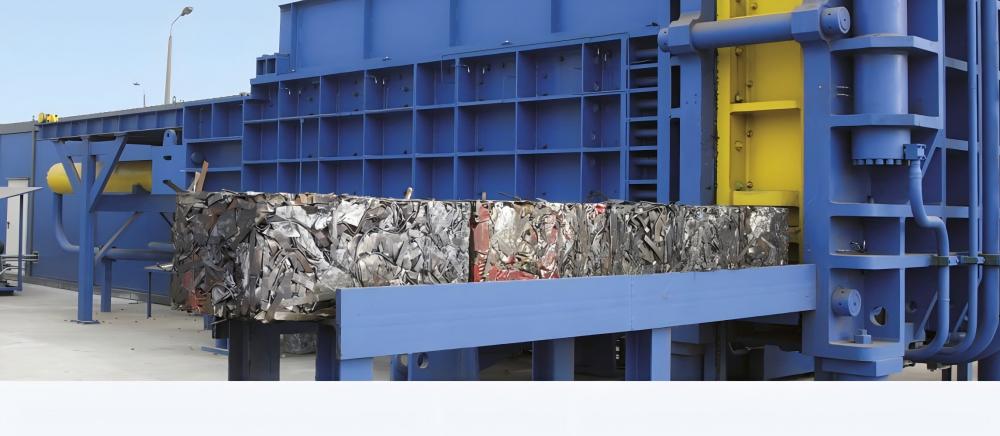
After the final compression, the bale is ejected. Depending on the model, it may be pushed out the side, turned out of the chamber, or pushed forward. The bales are then moved by forklift to a storage area. Because of their uniform shape, they can be stacked safely and efficiently, maximizing warehouse vertical space.
Productivity and Economic Benefits
Logistics and Transportation Savings
The most immediate benefit of using a scrap metal baler is the reduction in transportation costs. Loose aluminum scrap might have a density of only 50-100 kg/m³, whereas a baled version can exceed 1000 kg/m³. This means you can fit significantly more weight into a single truck, reducing the cost per ton of transport and lowering the carbon footprint of your logistics chain.
Increased Market Value
Foundries and steel mills offer premium prices for baled scrap. Bales are easier to handle with electromagnets and charging buckets. Furthermore, the high density of the bale reduces ‘melt loss’—the oxidation that occurs when thin, loose pieces of metal are exposed to high heat. By providing a superior product, scrap processors can negotiate better contracts with end-users.
Labor Efficiency and Safety
Manual handling of sharp, jagged scrap metal is a leading cause of workplace injuries in the recycling industry. Automating the densification process with a HARSLE baler reduces the need for manual intervention. Furthermore, an organized yard with neatly stacked bales is inherently safer than one with sprawling piles of loose debris.
Case Example: Mid-Sized Recycling Facility Upgrade
A recycling facility in Eastern Europe was struggling with an influx of mixed aluminum and steel scrap from a nearby automotive industrial park. They were using manual sorting and small, vertical balers that were slow and produced low-density bales. This resulted in high shipping costs and complaints from the local steel mill regarding bale stability.
After consulting with HARSLE, they implemented a Y81 series horizontal hydraulic metal baler with a 250-ton press force. The results were immediate:
- Throughput: Increased from 2 tons per hour to 8 tons per hour.
- Bale Density: Increased by 40%, allowing them to fit 24 tons of scrap into a standard shipping container, up from 15 tons.
- Operational Cost: Reduced labor requirements by two full-time positions, as the grapple loader could feed the machine continuously.
Maintenance and Longevity Tips
To ensure your scrap metal baler remains a productive asset for decades, a rigorous maintenance schedule is required. This includes:
- Daily Inspections: Check for hydraulic leaks, loose bolts, and debris buildup around the ram guides.
- Oil Management: Regularly test hydraulic oil for contamination and maintain the filtration system. High-quality oil is the lifeblood of the machine.
- Blade Sharpening: If your baler is equipped with shear blades, keep them sharp to reduce the strain on the hydraulic system and ensure clean cuts.
- Wear Plate Replacement: Do not wait for the wear plates to wear through to the main frame. Replace them when they reach the manufacturer’s recommended limit.
Frequently Asked Questions (FAQ)
What is the best baler for mixed scrap?
For mixed scrap, a horizontal hydraulic baler with at least 200 tons of pressure and integrated shear blades is recommended. This configuration handles the varying resistance of different metals effectively.
Can one machine bale both aluminum and steel?
Yes, HARSLE balers are versatile. However, it is important to clean the chamber between batches to prevent cross-contamination, especially if you are producing high-purity aluminum bales for specialized smelters.
How long does a typical baling cycle take?
A standard cycle for a HARSLE scrap metal baler ranges from 90 to 180 seconds, depending on the material type, the size of the chamber, and the hydraulic pump configuration.
What safety features should I look for?
Essential safety features include emergency stop buttons, safety interlocks on the chamber lid, pressure relief valves, and protective guarding around moving parts. All HARSLE machines comply with international safety standards.
Does baling metal reduce its quality?
No, baling is a mechanical process that does not change the chemical properties of the metal. In fact, it often increases the perceived quality by making the material easier to process in a furnace.
Conclusion and Call to Action
Investing in the right technology for Scrap Metal Baler Applications Compressing Aluminum, Steel, Mixed Scrap is a strategic move that pays dividends in operational efficiency, safety, and market competitiveness. HARSLE’s range of hydraulic balers is engineered to withstand the harshest industrial environments while delivering consistent, high-density results.
Are you ready to optimize your scrap management process? Contact HARSLE today to speak with our technical experts. We can help you select the ideal machine configuration tailored to your specific material volume and floor space requirements. Let us help you turn your metal waste into a high-value resource.