How Scrap Metal Balers Help Scrap Yards Increase Storage Capacity and Loading Efficiency

Introduction to Modern Scrap Yard Management
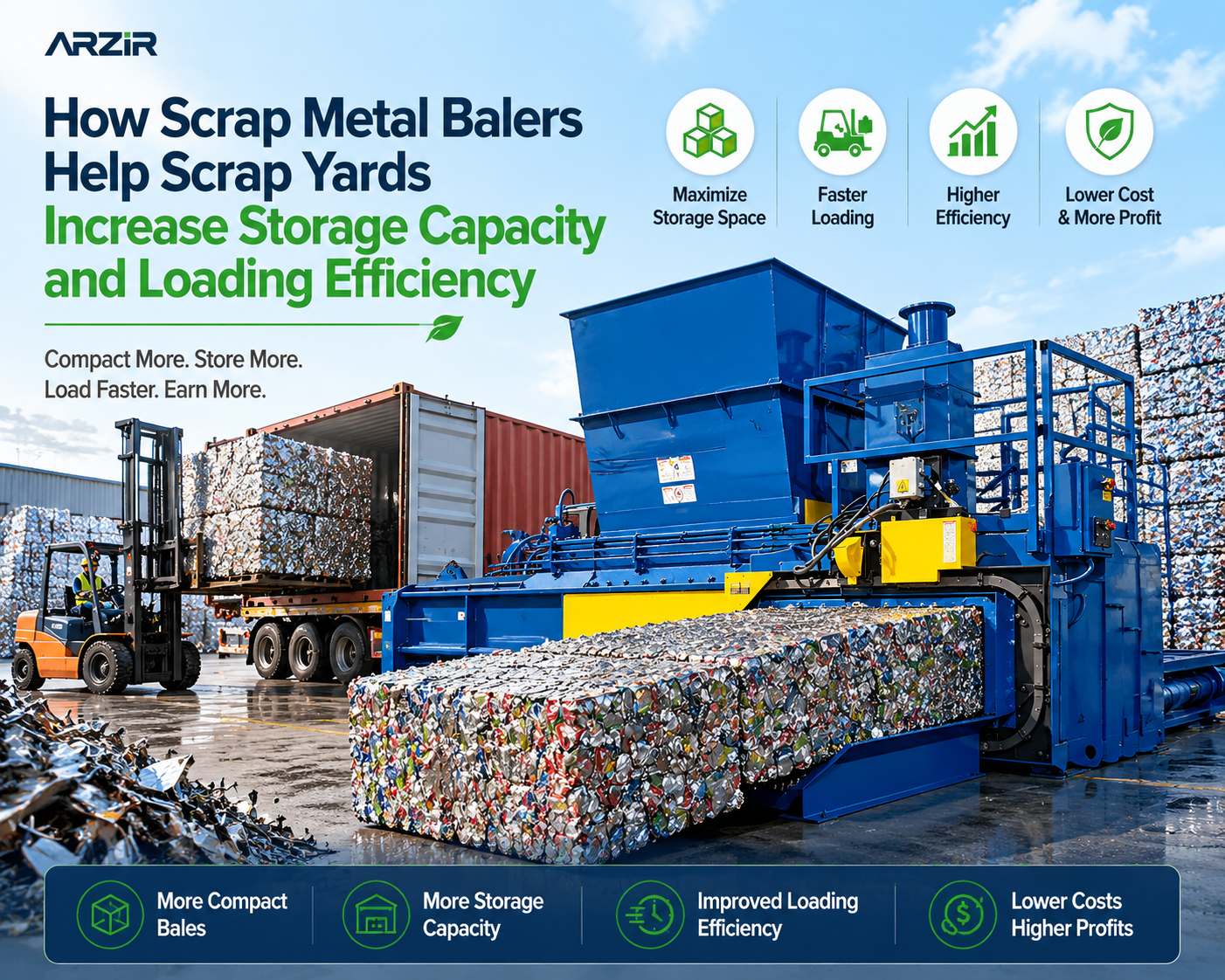
In the rapidly evolving world of metal recycling, efficiency is the primary driver of profitability. Scrap yards across the globe face a common set of challenges: limited physical space, rising transportation costs, and the need for faster processing times to keep up with market demand. As the volume of metal waste from industrial manufacturing and consumer products increases, traditional methods of loose storage are no longer viable. This is where the strategic implementation of industrial machinery becomes critical. Specifically, understanding how scrap metal balers help scrap yards increase storage capacity and loading efficiency is essential for any facility looking to scale its operations.
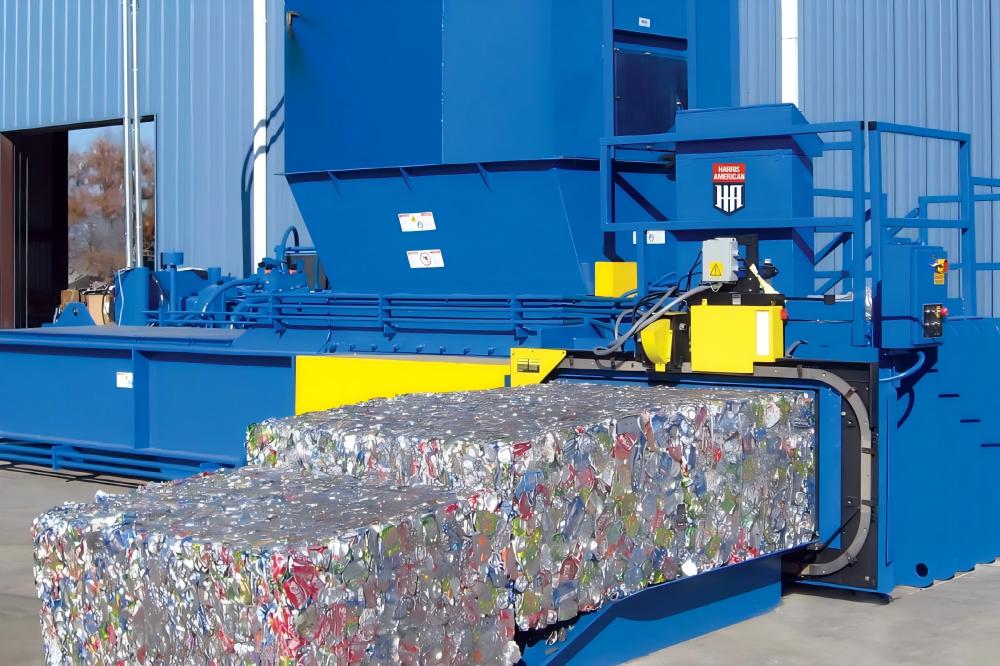
A scrap metal baler is a powerful hydraulic machine designed to compress various types of metal scrap—ranging from aluminum cans and copper wiring to steel sheets and automotive bodies—into dense, manageable blocks known as bales. By transforming loose, irregular, and voluminous scrap into uniform shapes, these machines fundamentally change the logistics of a scrap yard. This article explores the technical and operational advantages of integrating HARSLE scrap metal balers into your recycling workflow, focusing on the dual benefits of space optimization and logistical speed.
Application Scenarios for Scrap Metal Balers
The application of scrap metal balers is not limited to a single type of facility. Large-scale commercial scrap yards are the most obvious users, where they process hundreds of tons of material daily. In these environments, the ability to quickly clear the receiving floor is paramount. When loose scrap arrives via truck or rail, it occupies a massive footprint. By baling this material immediately, the yard can maintain a continuous flow of incoming goods without becoming bottlenecked by its own inventory.
Automotive dismantling and recycling centers also rely heavily on baling technology. End-of-life vehicles (ELVs) are bulky and difficult to stack safely. Once the engines, fluids, and reusable parts are removed, the remaining shells are fed into heavy-duty balers. This process reduces a hollow car frame into a dense cube, allowing for much higher density in storage and during transport to steel mills for melting. Without balers, these yards would quickly run out of space, limiting their ability to accept new vehicles.
Manufacturing plants that produce significant metal offcuts, such as stamping facilities or CNC machining shops, find great value in on-site baling. Instead of paying for frequent pickups of loose, low-density bins, these factories can bale their own scrap. This not only increases the value of the scrap sold to recyclers but also keeps the production floor clean and organized. By reducing the volume of waste at the source, these companies significantly lower their internal logistics costs and improve their environmental footprint.
Material and Process Requirements
To maximize the effectiveness of a baler, it is important to understand the material requirements. Scrap metal balers are versatile but perform best when the material is sorted. Ferrous metals, such as steel and iron, require higher hydraulic pressure due to their inherent strength and elasticity. Non-ferrous metals like aluminum, copper, and brass are softer and can be baled with less force, though they often require specific chamber linings to prevent contamination or sticking.
The process of baling involves several physical stages. First, the material must be sized appropriately for the baler’s charging box. While many HARSLE balers feature integrated shearing blades to cut overhanging material, extremely large pieces may need pre-processing. The density of the final bale is a critical metric; it is determined by the hydraulic force applied and the duration of the compression cycle. For most scrap yards, the goal is to reach a density that meets the requirements of the end-user (the foundry or smelter) while ensuring the bale remains structurally sound during transport.
Moisture and contamination are also factors in the process. While balers can handle some level of debris, clean scrap results in better bale integrity and higher market value. Modern baling processes also incorporate safety protocols to ensure that pressurized containers (like gas tanks or fire extinguishers) are not accidentally processed, which could lead to equipment damage or injury. Understanding these material nuances ensures that the baler operates at peak efficiency without unnecessary wear and tear.
Recommended Machine Configuration
When selecting a machine, the configuration must align with the yard’s specific throughput needs. For high-volume operations, a triple-compression hydraulic baler is often the gold standard. This configuration applies pressure from three directions, ensuring maximum density and a perfectly rectangular shape. HARSLE offers various models with different cylinder sizes and motor power ratings to match the specific resistance of the metals being processed.
Key components to look for in a professional configuration include:
- High-Pressure Hydraulic System: The heart of the machine, utilizing premium pumps and valves to ensure consistent force and smooth operation.
- Siemens PLC Control: An automated control system allows for one-touch operation, reducing the need for highly skilled labor and ensuring repeatable bale quality.
- Hardox Wear Plates: The interior of the compression chamber should be lined with replaceable, high-strength wear plates to withstand the abrasive nature of metal scrap.
- Integrated Cooling System: For machines running multiple shifts, an oil cooling system is essential to prevent overheating and maintain hydraulic fluid viscosity.
- Remote Control Operation: This allows the operator of the loading crane to also trigger the baling cycle, significantly increasing workflow efficiency.
Workflow: From Loose Scrap to Optimized Bales
The workflow of a baling operation is a choreographed sequence designed to minimize downtime. It begins with the collection and sorting of material. Cranes equipped with magnets or grapples feed the scrap into the baler’s hopper. In a well-optimized yard, the loading process is continuous; as one bale is being compressed, the next load is being prepared in the hopper or on the charging deck.
Once the charging box is full, the lid closes, often acting as a primary shear to cut any protruding metal. The side ram then moves in to provide the first stage of lateral compression. This is followed by the main ram, which delivers the final, high-pressure longitudinal squeeze. The result is a compact bale. The final step is the ejection, which can be done via a side-push, turn-out, or forward-out mechanism, depending on the machine’s design and the yard’s layout.
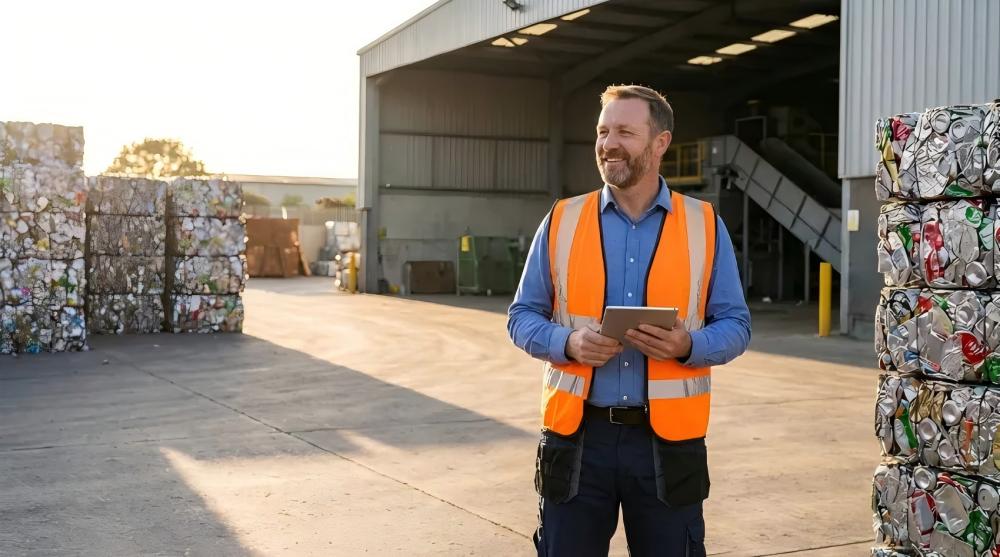
Post-compression, the bales are moved to a designated storage area. Because they are uniform in size, they can be stacked vertically, much like bricks. This vertical stacking is the key to how scrap metal balers help scrap yards increase storage capacity. Instead of a sprawling pile of loose metal that might be only 5 feet high, bales can be safely stacked 15 to 20 feet high, effectively tripling or quadrupling the storage capacity of the same square footage.
Productivity Benefits: Storage and Loading Efficiency
The primary productivity benefit is the dramatic increase in loading efficiency. Loading loose scrap into a trailer is a slow, tedious process. It requires multiple passes with a grapple, and even then, the trailer often reaches its volume limit long before it reaches its weight limit. This results in “light loads,” which are incredibly inefficient and expensive to transport. In contrast, baled scrap allows for precision loading. A forklift or crane can load a flatbed or container with uniform bales in a fraction of the time.
Furthermore, baling ensures that every truck leaving the yard is at its maximum legal weight capacity. This reduces the total number of trips required to move the same tonnage of metal, leading to massive savings in fuel, labor, and vehicle maintenance. In many cases, the reduction in transportation costs alone is enough to provide a full return on investment (ROI) for the baler within the first year of operation.
Safety and organization are secondary but equally important benefits. Loose scrap piles are inherently unstable and can pose risks to workers and equipment. They also harbor pests and can trap rainwater, leading to environmental runoff issues. Baled scrap is stable, clean, and easy to inventory. A yard manager can look at a stack of bales and instantly estimate the tonnage on hand, which is nearly impossible with loose piles. This level of organization leads to better financial planning and more professional relationships with downstream buyers.
Case Example: Transforming a Regional Scrap Yard
Consider a mid-sized regional scrap yard that was struggling with space constraints. They were processing approximately 500 tons of mixed light metal per month. Their yard was constantly cluttered, and they were forced to turn away new suppliers because they simply had nowhere to put the material. Their shipping process involved loading loose scrap into high-sided trailers, which took nearly two hours per truck and rarely reached the 20-ton weight limit.
After installing a HARSLE Y81 series hydraulic metal baler, the transformation was immediate. They began baling all incoming light gauge steel and aluminum. Within the first month, they cleared 60% of their floor space by stacking the new bales. This allowed them to set up a dedicated lane for new suppliers, increasing their monthly intake to 800 tons. Loading a 20-ton truck now takes only 20 minutes, as the forklift simply stacks the uniform bales onto the trailer. The yard’s operational costs per ton dropped by 30%, and their revenue increased due to the higher volume and the premium price paid by the smelter for baled material.
Frequently Asked Questions (FAQ)
1. What is the average cycle time for a scrap metal baler?
Cycle times vary depending on the machine size and material, but most industrial balers from HARSLE complete a full compression cycle in 60 to 120 seconds. This allows for high-throughput processing throughout the workday.
2. Can one baler handle different types of metal?
Yes, most hydraulic balers are versatile. However, it is best practice to bale similar materials together to maintain bale integrity and maximize the resale value. The machine’s pressure settings can often be adjusted for different material densities.
3. How much maintenance do these machines require?
Regular maintenance is crucial. This includes daily checks of hydraulic oil levels, weekly lubrication of moving parts, and periodic inspection of the wear plates and seals. A well-maintained HARSLE baler can last for decades in a demanding environment.
4. Do I need a special foundation for a large baler?
While smaller models can operate on a standard reinforced concrete floor, larger, high-tonnage balers may require a dedicated foundation to handle the vibration and weight. HARSLE provides detailed installation specifications for every model.
5. How do balers improve the environmental impact of a scrap yard?
By reducing the number of truck trips needed for transport, balers significantly lower carbon emissions. Additionally, baling prevents the accumulation of water in scrap piles, which reduces the risk of contaminated runoff entering the soil.
Conclusion and Call to Action
Investing in a scrap metal baler is not just about buying a piece of machinery; it is about transforming the fundamental economics of your recycling business. By understanding how scrap metal balers help scrap yards increase storage capacity and loading efficiency, owners and managers can make informed decisions that lead to long-term growth and sustainability. HARSLE is committed to providing high-quality, durable, and efficient baling solutions tailored to the unique needs of the metal fabrication and recycling industries.
If you are ready to optimize your yard, reduce your shipping costs, and increase your processing power, contact HARSLE today. Our team of experts is ready to help you select the perfect machine configuration for your specific material and volume requirements. Visit our website or reach out to our sales department for a comprehensive consultation and quote. Let us help you turn your scrap into a more profitable and manageable asset.