Scrap Metal Baler Solutions for Efficient Metal Scrap Collection and Sorting

Introduction to Modern Scrap Metal Management
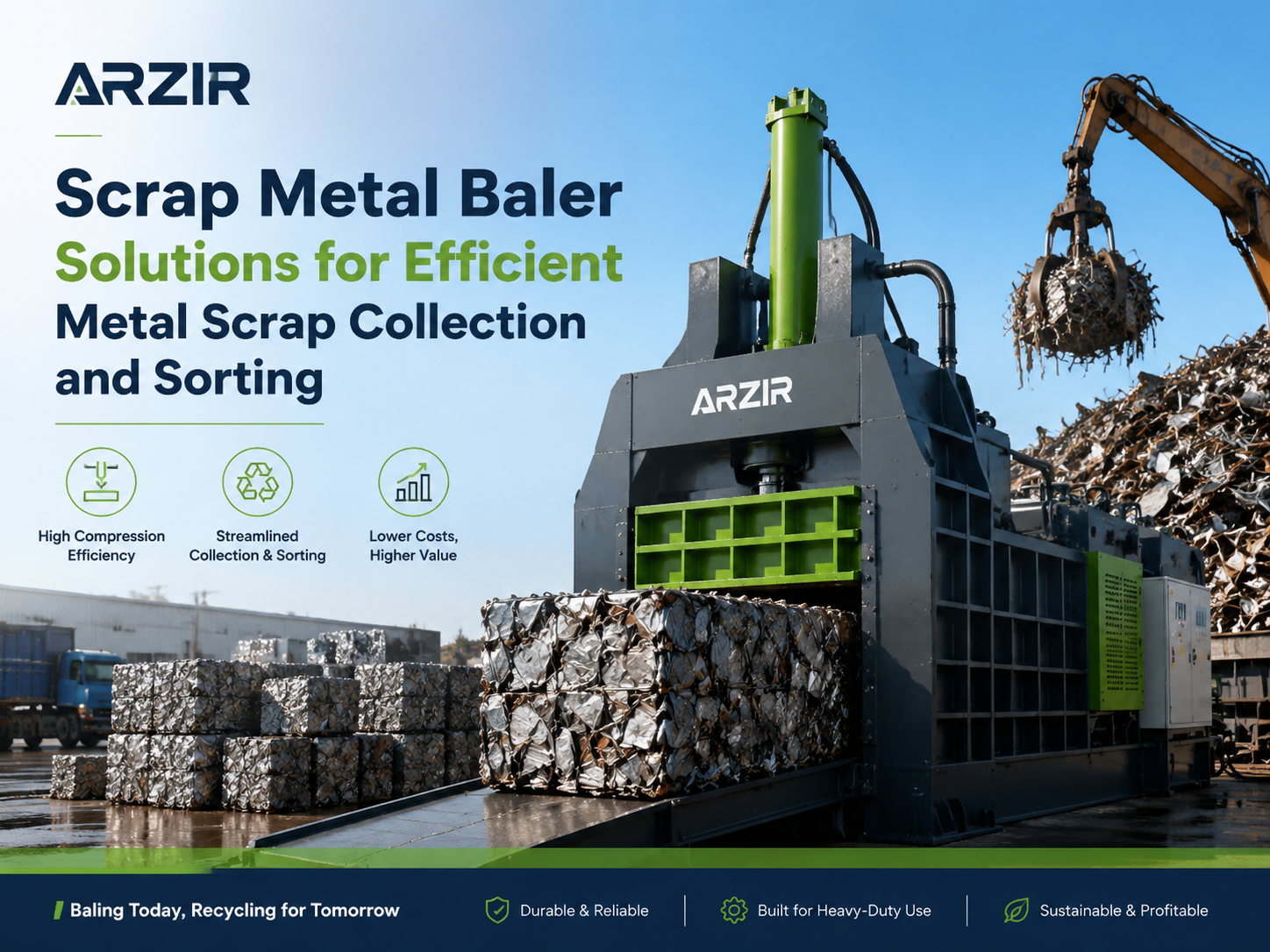
In the rapidly evolving landscape of industrial manufacturing and environmental sustainability, the management of metal waste has transitioned from a secondary concern to a primary operational pillar. Scrap metal baler solutions for efficient metal scrap collection and sorting are now at the heart of this transformation. As global demand for recycled metals like steel, aluminum, and copper continues to rise, the ability to process large volumes of scrap into dense, transportable units is essential for profitability and ecological responsibility. HARSLE, a leader in metal fabrication machinery, provides cutting-edge baling technology designed to meet the rigorous demands of modern recycling facilities and manufacturing plants.
The primary challenge in scrap management lies in the sheer volume and irregularity of the waste produced. Loose metal shavings, offcuts, and structural debris consume vast amounts of floor space and are notoriously difficult to transport efficiently. By implementing advanced scrap metal baler solutions, businesses can significantly reduce the volume of their waste, streamline their sorting processes, and maximize the market value of their scrap. This guide explores the comprehensive ecosystem of scrap metal baling, from application scenarios to technical configurations and productivity benefits.
Application Scenarios for Scrap Metal Baler Solutions
Scrap metal baler solutions for efficient metal scrap collection and sorting are utilized across a diverse range of industries, each with unique requirements for waste handling. In large-scale automotive manufacturing, for instance, the stamping process generates massive quantities of high-quality steel and aluminum offcuts. Without a dedicated baling system, these materials would quickly overwhelm the production floor. HARSLE balers allow these facilities to compress scrap at the source, maintaining a clean and safe working environment while preparing the material for immediate resale to foundries.
In the municipal and commercial recycling sector, balers are the workhorse of the facility. These centers receive a chaotic mix of materials, ranging from beverage cans and household appliances to industrial piping. Efficient sorting and baling are critical here to separate ferrous from non-ferrous metals. By using high-pressure hydraulic balers, recycling managers can create uniform bales that meet the strict density requirements of international shipping and smelting standards. This standardization is key to participating in the global scrap metal commodity market.
Demolition and construction sites also benefit immensely from mobile or semi-mobile scrap metal baler solutions. When a steel-framed building is dismantled, the resulting structural steel is bulky and awkward. On-site baling reduces the number of truck trips required to clear the site, directly lowering fuel costs and carbon emissions. Furthermore, specialized scrap yards that focus on end-of-life vehicle (ELV) processing use heavy-duty balers to crush car bodies and frames, turning a logistical nightmare into a manageable stream of raw material for steel mills.
Material and Process Requirements
To achieve the best results with scrap metal baler solutions for efficient metal scrap collection and sorting, it is vital to understand the physical properties of the materials being processed. Different metals exhibit varying levels of elasticity, hardness, and density, which dictates the amount of hydraulic force required for effective compression. For example, soft non-ferrous metals like aluminum and copper require less pressure to form a stable bale compared to high-tensile stainless steel or heavy structural beams.
The process begins with material characterization. Scrap is generally categorized into ‘light’ and ‘heavy’ scrap. Light scrap includes items like aluminum extrusions, tin cans, and thin-gauge sheet metal. Heavy scrap encompasses thicker plates, rebar, and cast-iron components. HARSLE’s baling solutions are engineered to handle these variations through adjustable pressure settings and reinforced chamber designs. The goal is to reach a target bale density that prevents the bale from falling apart during handling while ensuring it is not so dense that it becomes difficult for the furnace to melt efficiently.
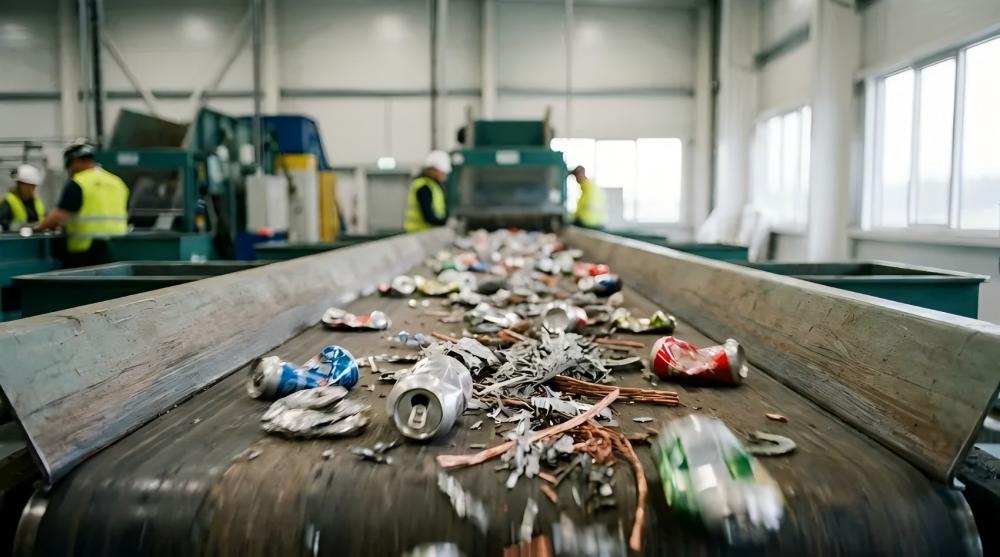
Contamination is another critical factor in the process. For efficient sorting, the scrap must be free of non-metallic contaminants like plastics, rubber, or wood, which can degrade the quality of the recycled metal. Advanced baling lines often incorporate pre-sorting conveyors or magnetic separators to ensure that only clean metal enters the compression chamber. This attention to material purity, combined with the mechanical precision of the baler, ensures that the final product commands the highest possible price in the secondary metal market.
Recommended Machine Configuration
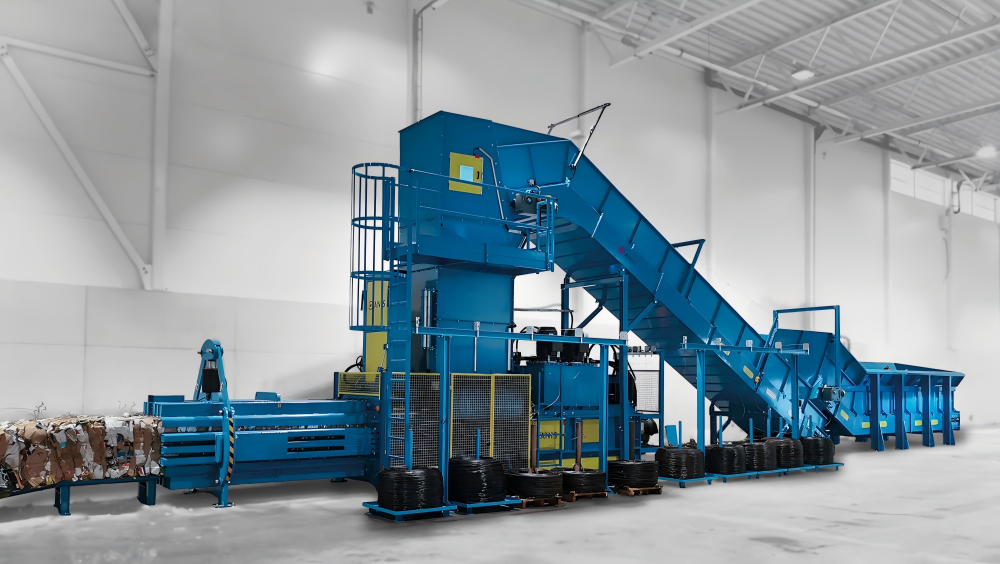
Selecting the right machine configuration is the most critical step in implementing scrap metal baler solutions for efficient metal scrap collection and sorting. A high-performance baler is defined by its hydraulic system, chamber construction, and control logic. HARSLE recommends a configuration that balances power with energy efficiency. For most industrial applications, a triple-compression hydraulic baler is the gold standard. This design applies force from three directions—top, side, and end—to produce the densest possible bales.
Key Technical Components:
- Hydraulic Power Unit (HPU): The heart of the baler. We recommend high-displacement pumps coupled with energy-efficient motors. Variable frequency drives (VFDs) can be integrated to adjust power consumption based on the material resistance, significantly reducing operational costs.
- Wear-Resistant Liners: The interior of the compression chamber is subjected to extreme abrasion. HARSLE uses replaceable liners made from high-hardness alloys (such as Hardox) to extend the lifespan of the machine frame and ensure consistent bale shapes.
- PLC Control Systems: Modern balers should feature Siemens or Omron PLC systems with touchscreen interfaces. This allows operators to select pre-programmed cycles for different materials (e.g., “Aluminum Mode” vs. “Steel Mode”) and monitor system health in real-time.
- Cooling Systems: For continuous 24/7 operation, an integrated air or water cooling system for the hydraulic oil is essential to prevent overheating and maintain seal integrity.
Furthermore, the ejection method is a vital configuration choice. Depending on the facility layout, users can choose between ‘side-push’, ‘forward-out’, or ‘turn-out’ (manual or automatic) ejection. For high-volume environments, an automatic side-push system integrated with a discharge conveyor is the most efficient choice, as it allows the machine to begin the next cycle immediately after the previous bale is cleared.
Workflow of an Efficient Baling Operation
The workflow of scrap metal baler solutions for efficient metal scrap collection and sorting is a choreographed sequence of mechanical actions. It starts with the feeding phase. Scrap is loaded into the hopper or directly into the compression chamber using a grapple crane, a forklift with a rotating clamp, or an automated conveyor belt. Sensors within the chamber detect when the optimal volume of material has been reached to initiate the cycle.
Once the cycle begins, the lid or ‘pre-compressor’ closes, exerting the first stage of downward force. This is followed by the side ram, which narrows the material into a long strip. Finally, the main ram moves forward with maximum tonnage to compress the strip into its final rectangular bale shape. During this process, the hydraulic system must manage pressure spikes carefully to avoid mechanical fatigue. HARSLE’s logic controllers manage these transitions smoothly, ensuring that the metal is deformed plastically rather than elastically, which prevents the bale from ‘springing back’ once released.
The final stage is ejection and logistics. The completed bale is pushed out of the chamber, where it is often weighed and tagged for inventory tracking. In a sophisticated setup, the bale moves via conveyor to a storage area or directly onto a waiting trailer. This streamlined workflow minimizes manual handling, which is the most significant source of injury and labor cost in recycling facilities. By automating the transition from loose scrap to finished bale, the entire facility operates at a higher cadence.
Productivity Benefits and ROI
Investing in scrap metal baler solutions for efficient metal scrap collection and sorting yields immediate and long-term productivity benefits. The most obvious advantage is the reduction in volume. A high-density baler can reduce the volume of loose scrap by up to 90%. This translates directly into logistics savings; where ten trucks were once needed to transport loose metal, only one or two are needed for baled material. This reduction in transport frequency lowers fuel costs, maintenance on vehicle fleets, and labor hours for drivers.
From a market perspective, baled scrap is significantly more valuable than loose scrap. Smelters and foundries prefer baled material because it is easier to handle with magnets and charging cranes, and it provides a predictable melt yield. By producing high-quality bales, a facility can negotiate better pricing with buyers, often seeing a return on investment (ROI) for the machinery within 12 to 24 months depending on the volume processed. Additionally, baling improves the safety of the workplace. Loose scrap is sharp, unstable, and prone to causing trips and cuts. Bales are neat, stackable, and much safer to move using standard warehouse equipment.
Case Example: Optimizing a Regional Recycling Hub
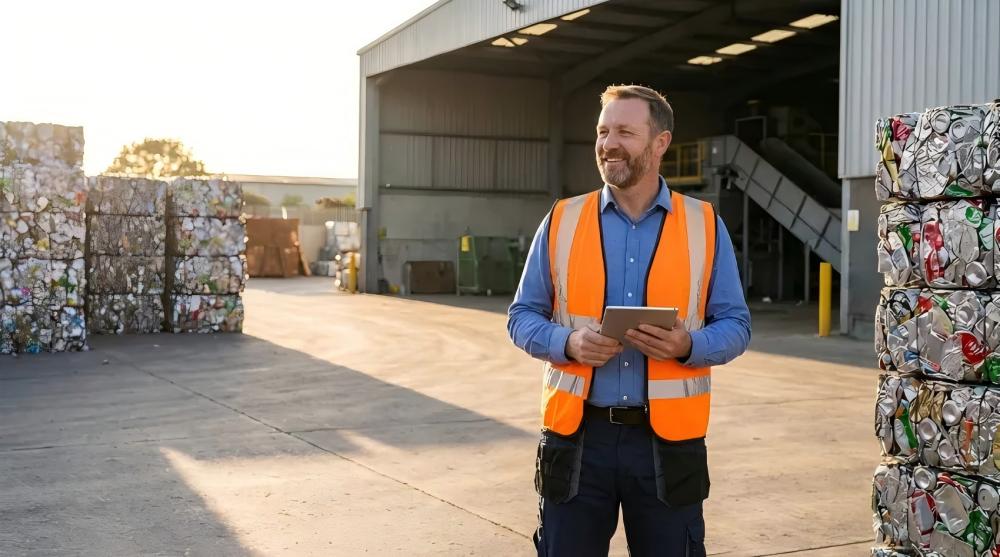
Consider a regional recycling hub in Eastern Europe that was struggling with an influx of light industrial scrap. Their manual sorting and loose-loading process resulted in high labor costs and frequent transport delays. They implemented a HARSLE Y81 series hydraulic metal baler with a 250-ton press force and an automated conveyor feeding system. The goal was to process 50 tons of aluminum and steel scrap per day.
Before the upgrade, the facility required eight workers per shift to sort and load trucks. After installing the HARSLE scrap metal baler solutions for efficient metal scrap collection and sorting, the headcount was reduced to three, with the machine handling the bulk of the physical labor. The density of their steel bales increased by 40%, allowing them to fit more weight into each shipping container. Within the first year, the facility reported a 30% increase in total throughput and a 25% reduction in operational overhead. This case demonstrates how the right machinery can transform a bottleneck into a high-efficiency profit center.
Frequently Asked Questions (FAQ)
1. What is the average lifespan of a HARSLE scrap metal baler?
With proper maintenance, including regular oil changes, seal replacements, and liner rotations, a HARSLE baler is designed to last 10-15 years in a heavy-duty industrial environment. The use of high-quality hydraulic components and reinforced steel frames ensures long-term durability.
2. Can one baler handle both aluminum and steel?
Yes, HARSLE scrap metal baler solutions are versatile. Through the PLC interface, operators can adjust the pressure settings to suit different materials. However, for maximum efficiency and to prevent cross-contamination, it is recommended to process materials in batches.
3. What safety features are included in these machines?
Safety is paramount. Our balers include emergency stop buttons, safety interlocks on the chamber doors, hydraulic pressure relief valves to prevent over-pressurization, and optional light curtains to stop operation if a person enters the loading zone.
4. How do I determine the right press force (tonnage) for my needs?
The required tonnage depends on the thickness and type of scrap. Light sheet metal and cans usually require 100-160 tons, while heavy structural scrap or car bodies require 250-600 tons or more. HARSLE technicians can provide a material analysis to recommend the perfect fit.
5. Does the machine require a special foundation?
While smaller balers can operate on a standard reinforced concrete factory floor, larger, high-tonnage models may require a dedicated foundation to absorb the vibrations and weight of the machine and the material being processed.
Conclusion and Call to Action
The implementation of scrap metal baler solutions for efficient metal scrap collection and sorting is no longer an option but a necessity for any business involved in metal fabrication or recycling. By converting bulky, disorganized waste into high-density, high-value bales, companies can unlock significant logistical savings, improve workplace safety, and contribute to a more sustainable industrial future. HARSLE’s commitment to engineering excellence ensures that our balers provide the reliability and performance needed to thrive in today’s competitive market.
Are you ready to optimize your scrap management process? Contact HARSLE today to speak with our technical experts. We offer customized baling solutions tailored to your specific material types and volume requirements. Visit our website to view our full range of hydraulic scrap balers and request a comprehensive quote for your facility. Let HARSLE help you turn your waste into wealth.