How Scrap Metal Balers Improve Recycling Efficiency In Metal Processing Plants

Introduction to Modern Metal Recycling Efficiency
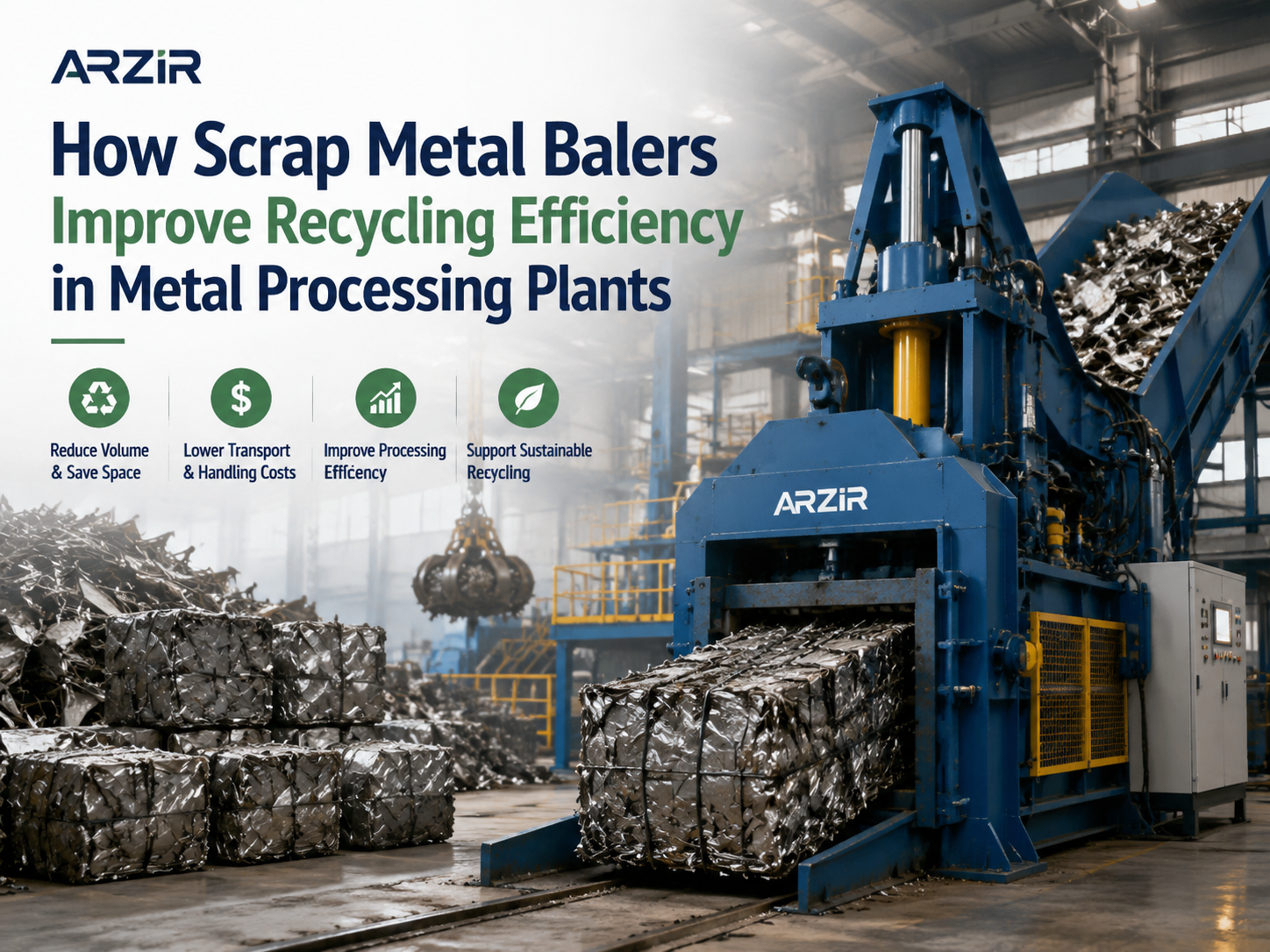
In the contemporary industrial landscape, the management of waste materials has transitioned from a logistical burden to a critical profit center. Metal processing plants, ranging from automotive manufacturing facilities to large-scale demolition sites, generate vast quantities of scrap metal daily. The challenge lies in the volume and irregularity of this waste. This is where the strategic implementation of high-performance machinery becomes essential. Understanding how scrap metal balers improve recycling efficiency in metal processing plants is fundamental for any facility looking to optimize its operations, reduce overhead, and contribute to a sustainable circular economy.
A scrap metal baler is a specialized hydraulic machine designed to compress various types of metal scrap—such as steel shavings, aluminum extrusions, copper wire, and decommissioned car bodies—into dense, manageable blocks known as bales. By significantly reducing the volume of loose scrap, these machines transform a chaotic waste stream into a standardized commodity. This article provides an in-depth exploration of the technical and operational ways these machines revolutionize the recycling workflow.
Application Scenarios for Scrap Metal Balers
The application of scrap metal balers is not limited to a single sector; rather, they are the backbone of various industries that handle metal waste. In large-scale steel mills, balers are used to prepare internal scrap for re-melting. By densifying the scrap, the mill ensures that the furnace charge is consistent, which prevents energy spikes and improves the quality of the final melt. Without baling, loose scrap would occupy too much space in the furnace and lead to inefficient heating cycles.
In the automotive and aerospace industries, manufacturing processes like stamping and machining produce high volumes of offcuts and turnings. These materials are often high-value alloys. Using a scrap metal baler allows these plants to segregate different materials and compress them at the source. This prevents cross-contamination and ensures that the plant receives the highest possible market value from recyclers. Furthermore, in professional recycling centers, balers are the primary tool for processing incoming waste from the public and smaller contractors, turning a mountain of mixed metal into organized inventory ready for export or domestic sale.
Demolition and construction sites also benefit significantly. When a building is decommissioned, the structural steel and copper piping recovered are often bulky and difficult to transport. Portable or stationary balers on-site allow contractors to process the material immediately, reducing the number of truck trips required to clear the site. This not only lowers fuel costs but also minimizes the carbon footprint of the demolition project.
Material and Process Requirements
To understand how scrap metal balers improve recycling efficiency in metal processing plants, one must consider the diversity of materials they handle. Not all scrap is created equal, and the baling process must be tailored to the physical properties of the metal. Ferrous metals, such as iron and steel, require high compression forces due to their inherent strength and elasticity. Non-ferrous metals, like aluminum and copper, are softer but often come in shapes (like long extrusions or thin foils) that require specific chamber designs to prevent material from escaping during compression.
The process requirements also dictate the type of baler needed. For instance, thin-gauge materials like beverage cans or light aluminum siding can be processed by smaller, faster balers. However, heavy-duty industrial scrap, such as thick plates or structural beams, requires a machine with a reinforced chamber and high-tonnage hydraulic cylinders. The moisture content and cleanliness of the scrap are also factors; oily turnings or wet scrap may require balers with integrated drainage systems to collect fluids, ensuring a cleaner workspace and meeting environmental regulations.
Furthermore, the desired bale density is a critical process requirement. For international shipping in containers, bales must meet specific weight-to-volume ratios to maximize the payload. A high-quality baler allows the operator to adjust the pressure settings to achieve the exact density required by the end-buyer or the logistics provider. This precision is a key factor in how scrap metal balers improve recycling efficiency in metal processing plants by ensuring every shipment is as cost-effective as possible.
Recommended Machine Configuration
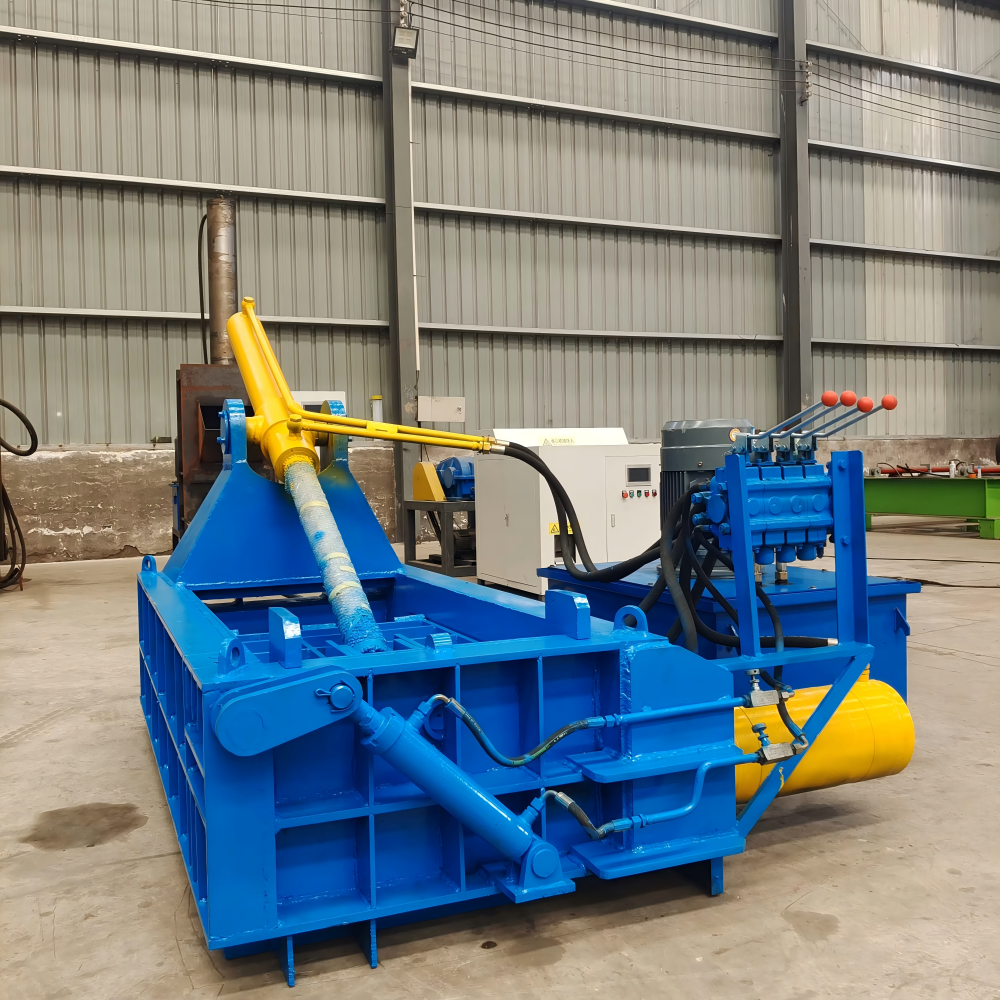
Choosing the right configuration is vital for maximizing the return on investment. A standard industrial scrap metal baler configuration typically includes a heavy-duty hydraulic system, a robust compression chamber, and an intuitive control interface. For high-volume plants, we recommend a triple-compression baler. This configuration applies pressure from three sides, ensuring maximum density and a perfectly rectangular bale shape that is easy to stack and transport.
- Hydraulic Power Unit (HPU): The heart of the machine. It should feature high-efficiency pumps and a cooling system to allow for continuous 24/7 operation without overheating.
- Wear-Resistant Liners: The interior of the compression chamber should be lined with replaceable plates made of high-hardness steel (such as Hardox). This protects the main structure from the abrasive nature of metal scrap.
- PLC Control System: Modern balers utilize Siemens or Omron PLCs with touchscreen interfaces. This allows for automated cycles, remote diagnostics, and the ability to save different programs for different material types.
- Integrated Shearing Blades: Many balers include blades at the edge of the chamber to shear off any overhanging scrap as the lid closes, preventing jams and ensuring a clean bale.
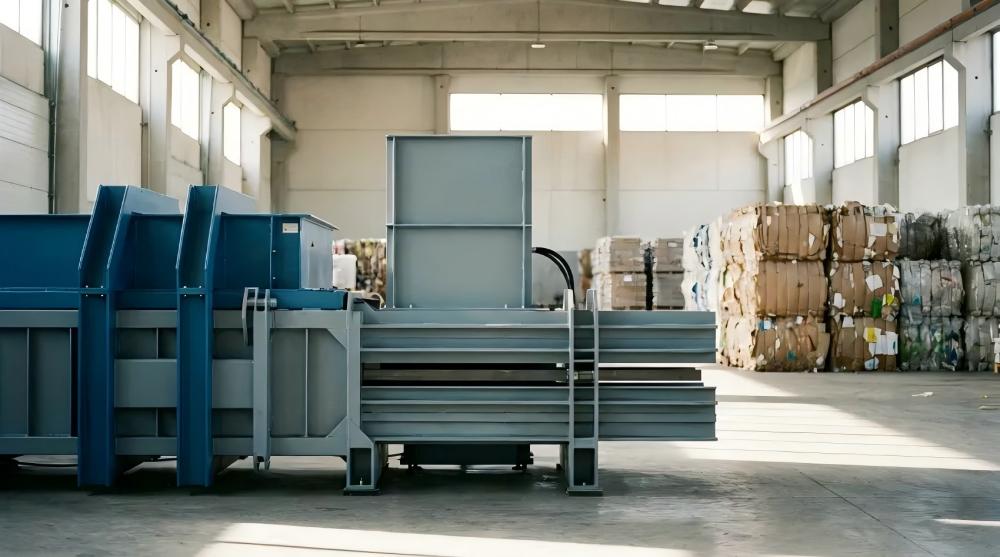
For plants with limited floor space, a horizontal channel baler might be the preferred configuration. These machines offer a continuous feeding and ejecting process, which is ideal for integration with conveyor belts. Conversely, for heavy, bulky scrap, a large-top-loading baler with a high-tonnage main ram is the industry standard. The choice of configuration directly impacts the throughput and the labor required to manage the waste stream.
Workflow of an Efficient Baling Operation
The workflow of a scrap metal baler is a choreographed sequence of hydraulic movements designed for speed and safety. It begins with the collection and sorting of scrap. In an efficient plant, scrap is moved via forklifts with rotating clamps or overhead cranes with electromagnets into the baler’s hopper. Once the chamber is filled to the required level, the operator initiates the cycle.
The first stage is the closing of the lid or the side-squeeze door. This initial compression reduces the vertical or lateral volume of the scrap. In a triple-compression machine, a secondary ram then moves in from the side, further densifying the material. Finally, the main high-pressure ram pushes the scrap against the end gate or the previously formed bale. This final push creates the high-density block. Once the compression cycle is complete, the end gate opens, and the main ram or a separate ejector arm pushes the finished bale out of the machine.
Post-compression, the bales are typically moved to a storage area using a forklift. Because the bales are uniform in size, they can be stacked several layers high, significantly saving floor space. The entire cycle, from loading to ejection, can take anywhere from 60 to 180 seconds depending on the machine size and material type. This rapid turnaround is a primary reason why scrap metal balers improve recycling efficiency in metal processing plants, as it prevents waste from accumulating and creating bottlenecks in the production line.
Productivity and Economic Benefits
The productivity benefits of integrating a scrap metal baler into a processing plant are multifaceted. First and foremost is the reduction in logistics costs. Loose metal scrap is notoriously inefficient to transport; a truck filled with loose aluminum cans might only carry a fraction of its weight capacity because the volume is so high. By baling the material, the same truck can be loaded to its maximum weight limit, reducing the number of trips by up to 80%. This leads to direct savings in fuel, labor, and vehicle maintenance.
Secondly, balers improve the internal efficiency of the plant. Loose scrap is a safety hazard; it can have sharp edges, take up valuable walkway space, and attract pests if contaminated with organic residues. Baling keeps the facility clean and organized. Furthermore, the labor required to handle bales is significantly lower than that required to manage loose piles. A single forklift operator can move tons of baled material in minutes, whereas manual loading of loose scrap is a slow and dangerous process.
From an economic standpoint, baled scrap commands a higher market price. Smelters and large-scale recyclers prefer baled material because it is easier to handle and more efficient to melt. Loose scrap has a higher surface-area-to-volume ratio, which leads to higher oxidation losses during the melting process. Bales, being dense, sink into the molten bath more effectively, resulting in a higher metal yield. By producing a higher-quality product, metal processing plants can negotiate better contracts with their downstream partners, directly impacting the bottom line.
Case Example: A Mid-Sized Steel Fabrication Plant
Consider a mid-sized steel fabrication plant that produces approximately 400 tons of scrap steel offcuts per month. Before installing a HARSLE scrap metal baler, the plant stored its scrap in large open-top containers. These containers were emptied three times a week by a third-party waste contractor. The plant was paying high collection fees because the containers were mostly filled with air, not weight. Additionally, the loose scrap was taking up 2,000 square feet of valuable outdoor storage space.
After implementing a heavy-duty hydraulic baler, the plant was able to compress its monthly scrap into approximately 800 dense bales. These bales were stacked in a designated area of only 400 square feet, freeing up 1,600 square feet for additional production equipment. The frequency of scrap collection was reduced from three times a week to once every ten days, as the trucks were now loaded to their maximum weight capacity. The plant also saw a 15% increase in the price per ton received for their scrap because it was now “mill-ready.” Within 14 months, the savings in logistics and the increase in scrap value completely covered the capital investment of the baler.
Frequently Asked Questions (FAQ)
1. What is the average lifespan of an industrial scrap metal baler?
With proper maintenance, a high-quality scrap metal baler can last 15 to 20 years or more. Key factors in longevity include regular hydraulic oil changes, timely replacement of wear liners, and ensuring the machine is not consistently overloaded beyond its rated capacity.
2. Can one baler handle different types of metal?
Yes, most industrial balers are versatile. However, it is crucial to clean the chamber between different materials (e.g., switching from steel to aluminum) to prevent cross-contamination, which can lower the value of the recycled material. Modern PLC systems allow operators to switch between pressure settings for different metals easily.
3. How much space is required for a baler installation?
The footprint varies by model. A small vertical baler might only require 50 square feet, while a large triple-compression horizontal baler might need 500 to 1,000 square feet, including the space for the hydraulic power unit and the bale discharge area. Always account for additional space for loading equipment like forklifts or cranes.
4. Are scrap metal balers difficult to operate?
No. Modern machines are designed with user-friendly interfaces. Most of the operation is automated via the PLC. Operators primarily need to focus on safe loading and monitoring the machine’s sensors. HARSLE provides comprehensive training to ensure staff can operate the equipment safely and efficiently.
5. What maintenance is required for the hydraulic system?
The hydraulic system is the most critical component. Maintenance involves checking oil levels daily, replacing filters every 500-1,000 hours of operation, and inspecting hoses for leaks or wear. It is also important to monitor the oil temperature to ensure the cooling system is functioning correctly.
Conclusion and Call to Action
In conclusion, the question of how scrap metal balers improve recycling efficiency in metal processing plants is answered through a combination of volume reduction, logistical optimization, and value addition. By transforming bulky waste into a standardized industrial product, these machines allow plants to reclaim floor space, slash transportation costs, and secure better pricing in the global scrap market. As environmental regulations tighten and the cost of raw materials continues to fluctuate, the ability to efficiently recycle internal waste is no longer a luxury—it is a competitive necessity.
At HARSLE, we specialize in providing robust, high-efficiency metal fabrication and recycling solutions tailored to your specific needs. Whether you are a small workshop or a massive industrial complex, our range of scrap metal balers is engineered to deliver maximum performance and durability. Don’t let your profits sit in a pile of loose scrap. Contact HARSLE today to consult with our experts and find the perfect baling solution to elevate your plant’s efficiency and sustainability.