Top Industrial Applications of Scrap Metal Balers in Modern Recycling Operations

Introduction to Modern Metal Recycling and the Role of Balers
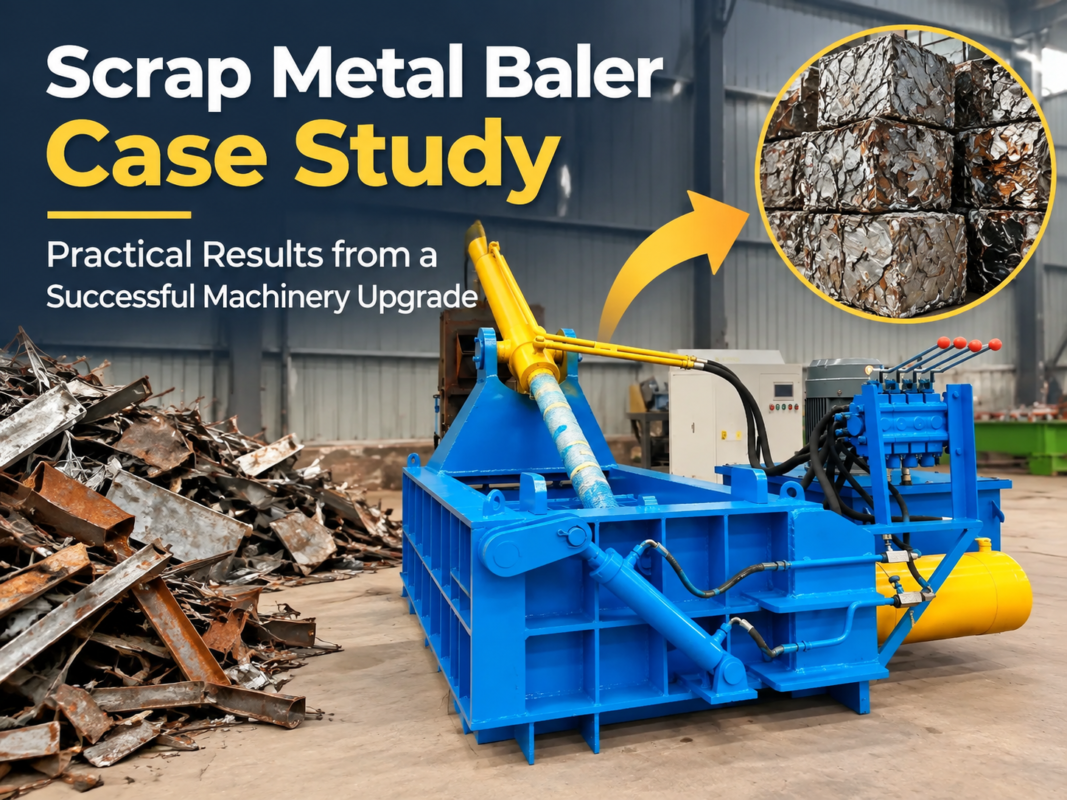
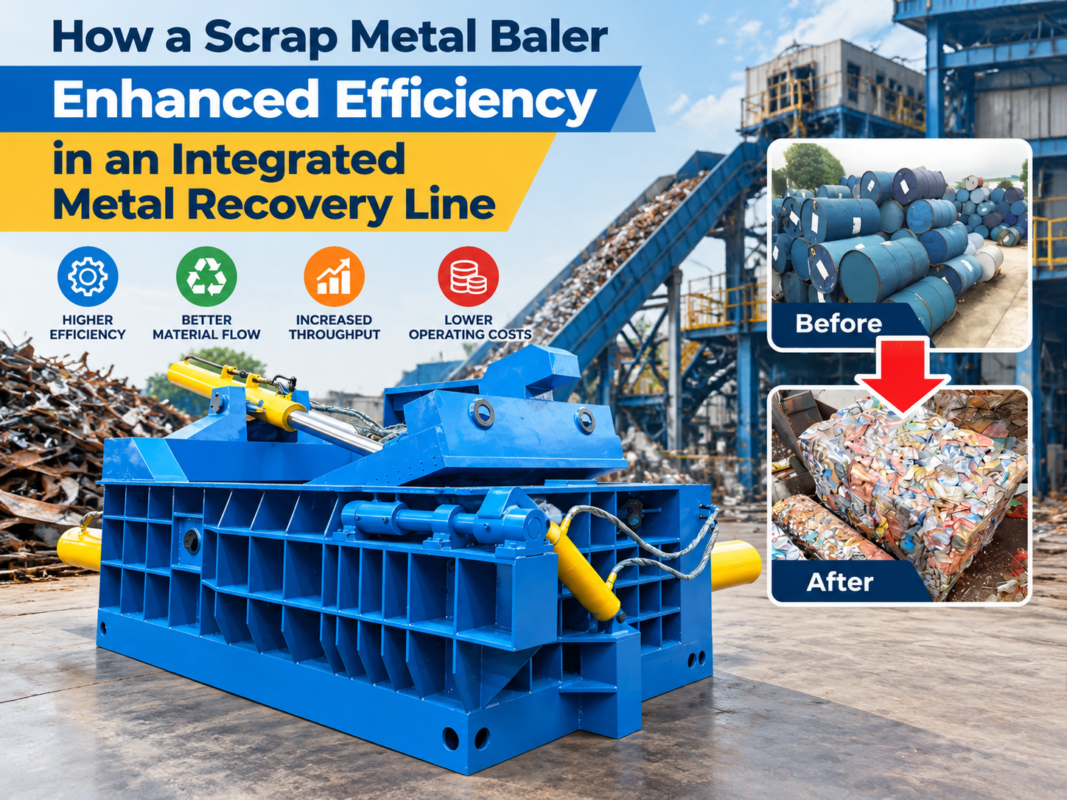
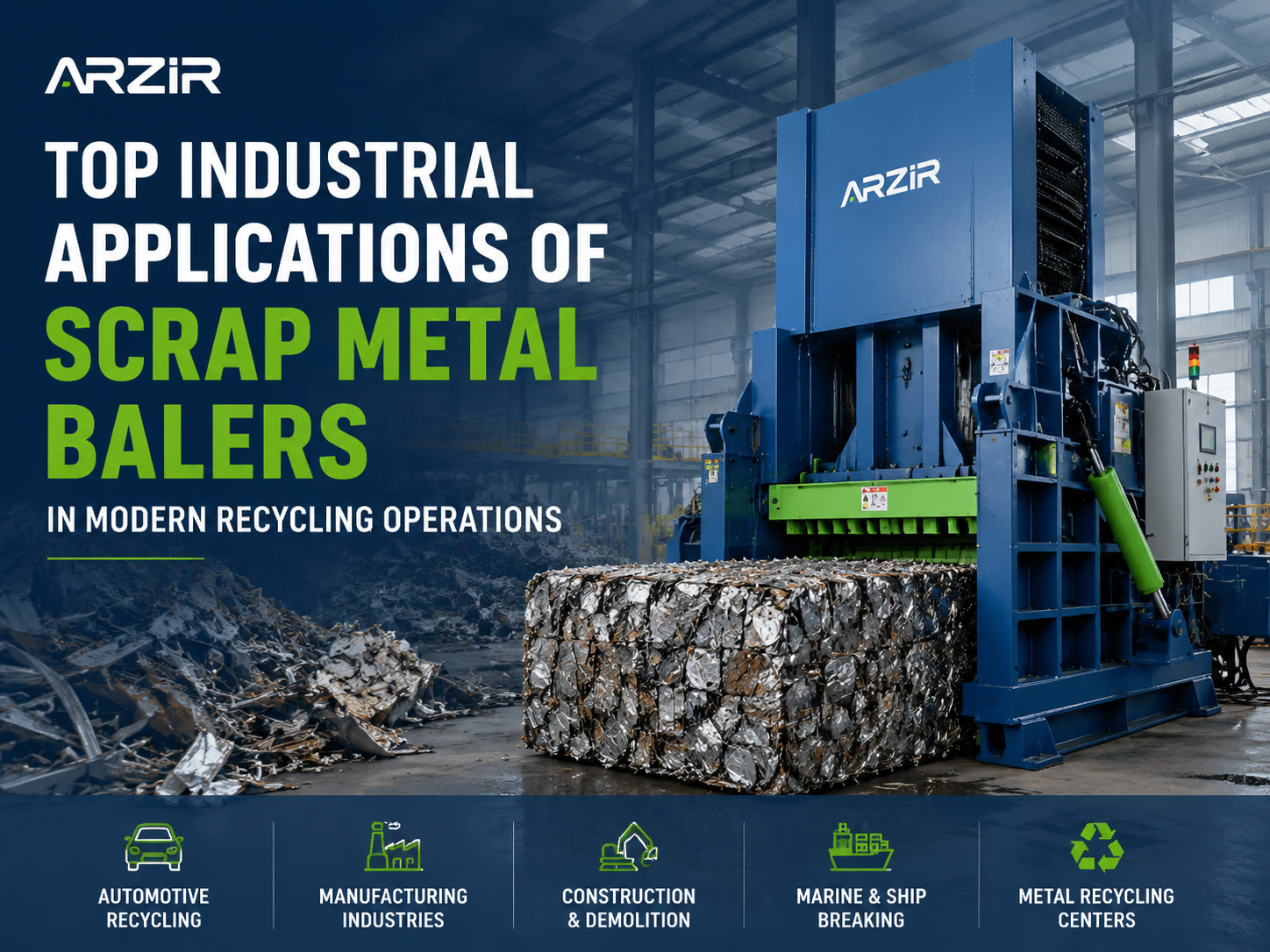
In the current global industrial landscape, the transition toward a circular economy is no longer a choice but a necessity. Scrap metal balers have emerged as the backbone of this transition, providing the mechanical muscle required to transform loose, voluminous metal waste into dense, manageable, and transportable cubes. As a leading manufacturer in the metal fabrication machinery sector, HARSLE recognizes that the efficiency of a recycling operation is directly tied to the performance of its baling equipment. The Top Industrial Applications Of Scrap Metal Balers In Modern Recycling Operations span across various sectors, from automotive dismantling to high-precision manufacturing scrap management.
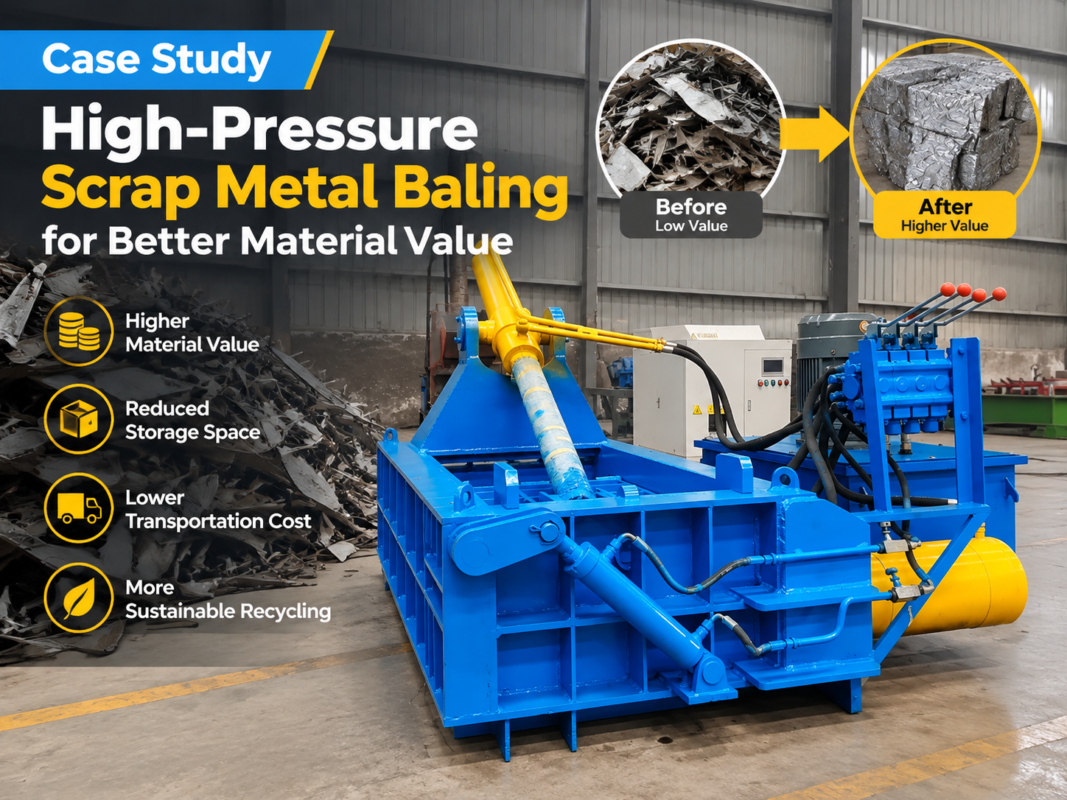
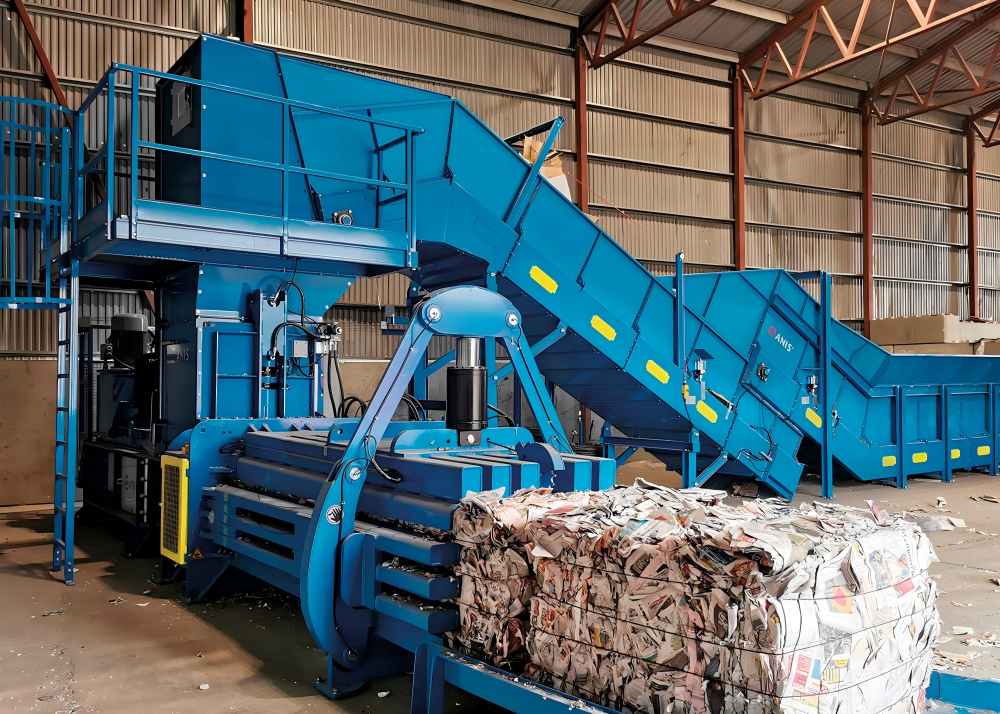
The primary function of a scrap metal baler is to apply immense hydraulic pressure to compress various types of metal scrap. This process significantly reduces the volume of the material, which in turn lowers logistics costs, optimizes storage space, and prepares the metal for the smelting process in furnaces. Modern balers are equipped with advanced PLC systems, high-efficiency hydraulic circuits, and wear-resistant liners to handle the rigorous demands of 24/7 industrial operations. This article provides an in-depth exploration of how these machines are utilized across different industries and the technical configurations that make them successful.
Top Industrial Applications Of Scrap Metal Balers In Modern Recycling Operations
1. Automotive Dismantling and End-of-Life Vehicle (ELV) Processing
The automotive industry is one of the largest contributors to the scrap metal market. When a vehicle reaches the end of its life, it contains a wealth of recyclable materials, including steel frames, aluminum engine blocks, and copper wiring. Scrap metal balers are essential in automotive dismantling yards for processing the bulky shells of cars after all fluids and reusable parts have been removed. By compressing a full car body into a compact bale, recyclers can maximize the payload of transport trucks, moving hundreds of vehicles in a fraction of the trips previously required.
In this application, the baler must handle high-tensile steel and varying thicknesses. The ability to produce a high-density bale is crucial because steel mills prefer dense scrap that sinks quickly in the melt, reducing oxidation and improving yield. HARSLE’s heavy-duty balers are designed with reinforced chambers to withstand the uneven stresses of crushing structural automotive components.
2. Construction and Demolition (C&D) Waste Management
Construction sites generate massive amounts of metal waste, including rebar, structural I-beams, metal roofing, and piping. Managing this waste on-site or at a centralized recycling hub requires robust machinery. Scrap metal balers allow construction firms to clear sites quickly, turning hazardous piles of jagged metal into neat stacks of bales. This not only improves site safety but also turns a waste stream into a revenue source.
For C&D applications, mobility and power are key. Many operators utilize semi-mobile balers that can be moved between large project sites. The materials processed here are often contaminated with concrete or other debris, requiring balers with high-quality filtration systems and replaceable wear plates (such as Hardox) to ensure the longevity of the machine’s internal surfaces.
3. Manufacturing and Industrial Production Scrap
High-volume manufacturing plants, such as those in the appliance, aerospace, and electronics sectors, produce consistent streams of “new scrap.” This includes off-cuts from stamping presses, turnings from CNC machining, and defective parts. Because this scrap is often of a known alloy and high purity, it is extremely valuable. Scrap metal balers are integrated into the production line or located in a dedicated scrap bay to process this material immediately.
In these environments, automation is the priority. Balers are often fed by conveyor belts and controlled by sensors that trigger a compression cycle once the chamber is full. This minimizes labor costs and ensures that the production floor remains clear of sharp, bulky metal waste. For specialized industries like aerospace, balers are used to process titanium and high-nickel alloys, where maintaining material purity through clean baling processes is essential.
4. Electronic Waste (E-Waste) and Non-Ferrous Recovery
The recovery of non-ferrous metals like aluminum, copper, and brass from electronic waste is a rapidly growing sector. E-waste baling involves processing aluminum casings from laptops, copper heat sinks, and various wiring components. Since non-ferrous metals are generally softer but more valuable than ferrous metals, the baler must offer precise pressure control to avoid over-compressing or damaging the material integrity while still achieving the required density for export.
Modern recycling operations often use smaller, high-speed balers for non-ferrous materials. These machines are designed for rapid cycling, allowing the operator to process large volumes of lightweight aluminum cans or copper tubing efficiently. The precision of HARSLE’s hydraulic valves ensures that even thin-gauge materials are baled into consistent shapes without excessive metal loss.
Material and Process Requirements for Effective Baling
To achieve optimal results in the Top Industrial Applications Of Scrap Metal Balers In Modern Recycling Operations, one must understand the relationship between material properties and machine settings. Not all scrap is created equal, and the baling process must be adapted accordingly.
- Material Hardness and Tensile Strength: Ferrous metals like stainless steel require significantly higher compression forces than aluminum or copper. The baler’s hydraulic system must be rated for the maximum resistance the material will offer.
- Material Geometry: Long, thin items like rebar or pipes may require a baler with integrated shearing blades. These blades trim the excess material as the lid closes, preventing jams and ensuring a uniform bale shape.
- Density Requirements: Different end-users (smelters vs. exporters) have different density requirements. A baler must be capable of reaching specific PSI (pounds per square inch) levels to meet these standards.
- Volume and Throughput: A facility processing 50 tons a day requires a different configuration than a small yard processing 5 tons. Throughput is determined by the cycle time (the time it takes for the rams to extend and retract) and the chamber size.
Furthermore, the moisture content and cleanliness of the scrap play a role. Oily turnings or wet scrap can affect the hydraulic seals if the machine is not properly shielded. HARSLE machines incorporate advanced sealing technology to prevent contamination of the hydraulic fluid, ensuring consistent performance in harsh environments.
Recommended Machine Configuration for High-Volume Operations
When selecting a machine for the Top Industrial Applications Of Scrap Metal Balers In Modern Recycling Operations, several technical specifications must be prioritized. HARSLE recommends the following configurations for professional recycling centers:
| Feature | Recommended Specification | Benefit |
|---|---|---|
| Hydraulic Pressure | 1250kN to 4000kN+ | Ensures the ability to compress heavy-duty steel and large car bodies. |
| Chamber Lining | Hardox 450/500 Wear Plates | Extends the life of the machine by resisting abrasion from jagged scrap. |
| Control System | Siemens PLC with Touchscreen | Allows for precise control, fault diagnostics, and automated cycles. |
| Cooling System | Air or Water Cooling for Oil | Prevents overheating during continuous 24-hour shifts in hot climates. |
| Bale Discharge | Turn-out or Side-push | Customizable based on the facility’s floor plan and loading equipment. |
| Shear Blades | Integrated on Lid and Chamber | Enables the machine to cut oversized scrap during the closing process. |
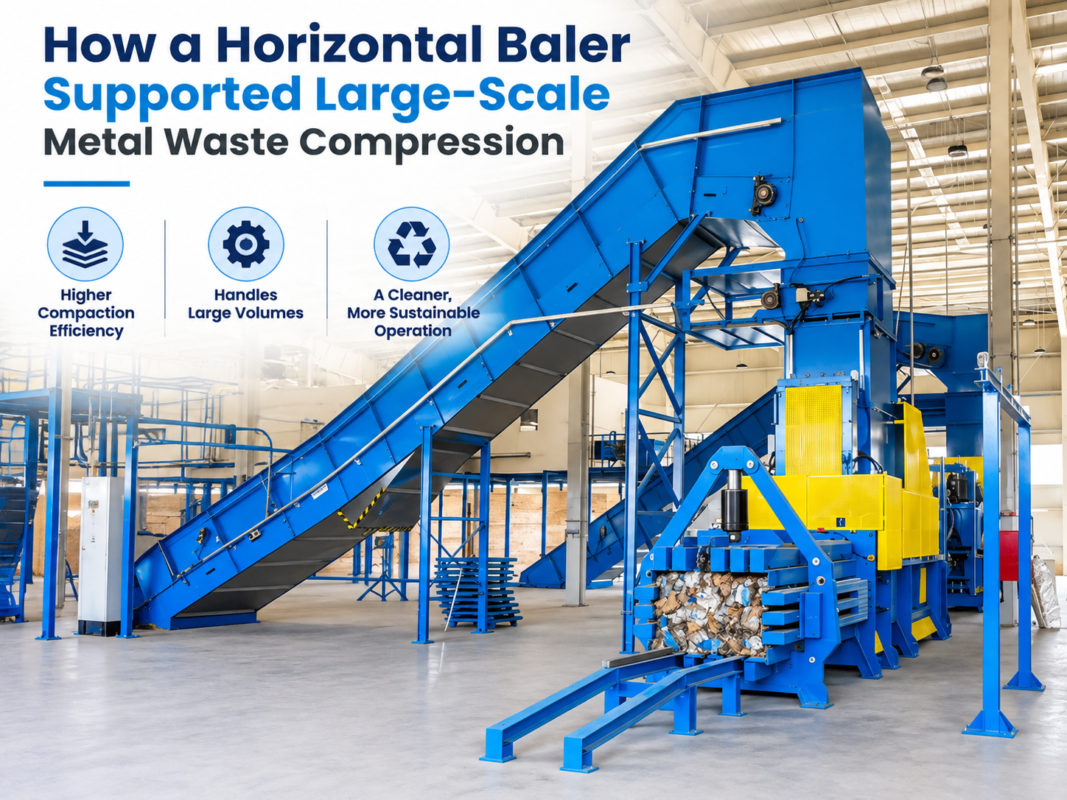
For operations focusing on non-ferrous metals, a “triple compression” baler is often recommended. This type of machine applies pressure from three directions, resulting in an extremely dense bale that is perfect for international shipping containers. For general scrap yards, a “side-push” or “turn-out” model provides the best balance between speed and ease of use.
The Step-by-Step Workflow of a Scrap Metal Baler
Understanding the workflow is essential for maximizing productivity. A typical industrial baling cycle follows these steps:
- Collection and Sorting: Scrap is collected and sorted by material type (e.g., HMS 1/2, aluminum, stainless). Sorting is critical because mixed-material bales have lower market value.
- Loading: An excavator with a grapple or a conveyor belt loads the scrap into the baler’s open chamber. Overfilling is avoided to ensure the lid can close properly.
- Pre-Compression: The lid (or the first ram) closes, providing the initial downward force. If the machine has shear blades, any protruding metal is cut at this stage.
- Main Compression: The side and longitudinal rams extend, squeezing the metal into the final bale shape. This is where the maximum hydraulic pressure is applied.
- Bale Ejection: Once the cycle is complete, the chamber door opens, and the bale is pushed out (side-push) or tipped out (turn-out) onto a collection platform.
- Transport and Storage: Forklifts or loaders move the finished bales to a storage area, where they are stacked neatly, ready for transport to the foundry.
Productivity and Economic Benefits
The implementation of high-quality scrap metal balers offers immediate and long-term economic advantages. In the context of the Top Industrial Applications Of Scrap Metal Balers In Modern Recycling Operations, these benefits include:
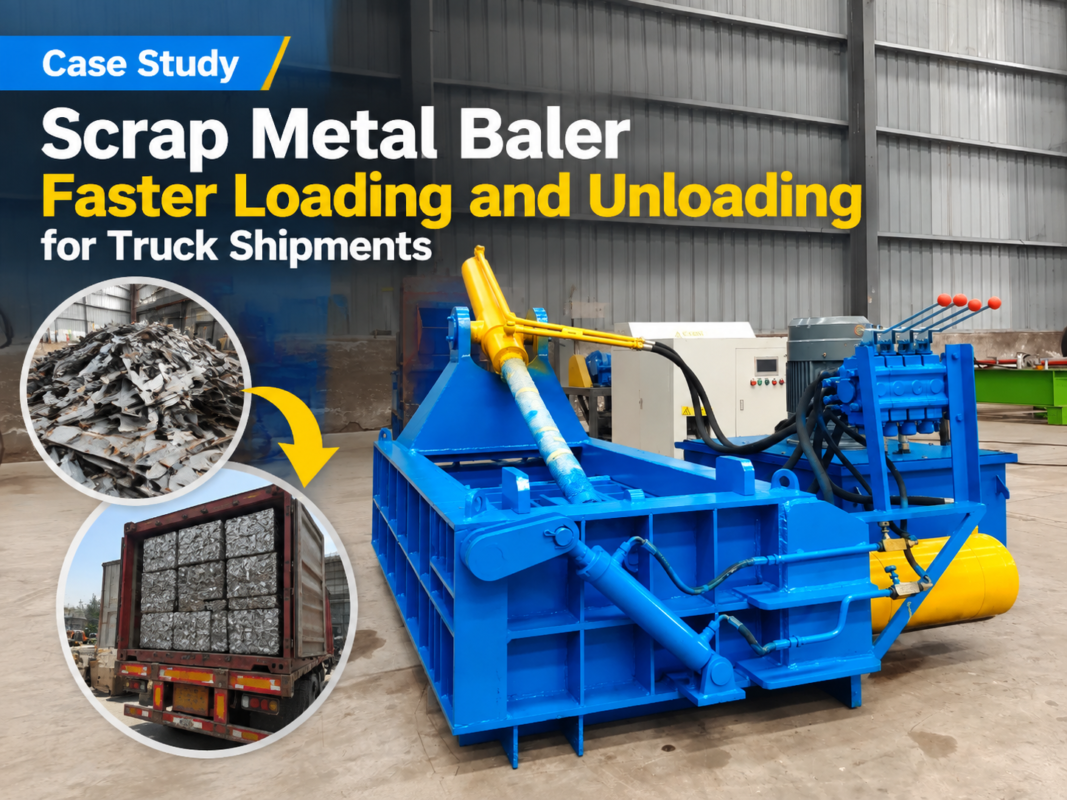
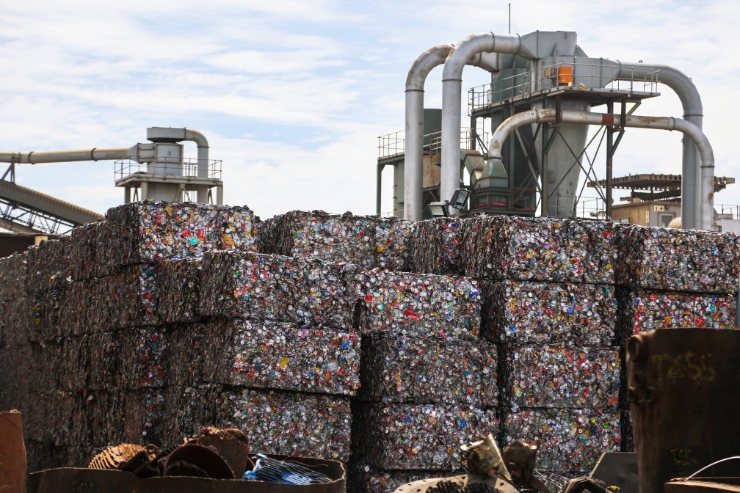
- Logistics Savings: Loose scrap is expensive to move. Baling increases the weight-to-volume ratio, allowing companies to fill trucks to their maximum weight capacity, often reducing shipping costs by 50-70%.
- Increased Market Value: Smelters pay a premium for baled scrap because it is easier to handle and more efficient to melt. Dense bales reduce the surface area of the metal, which minimizes “burn loss” (oxidation) during the melting process.
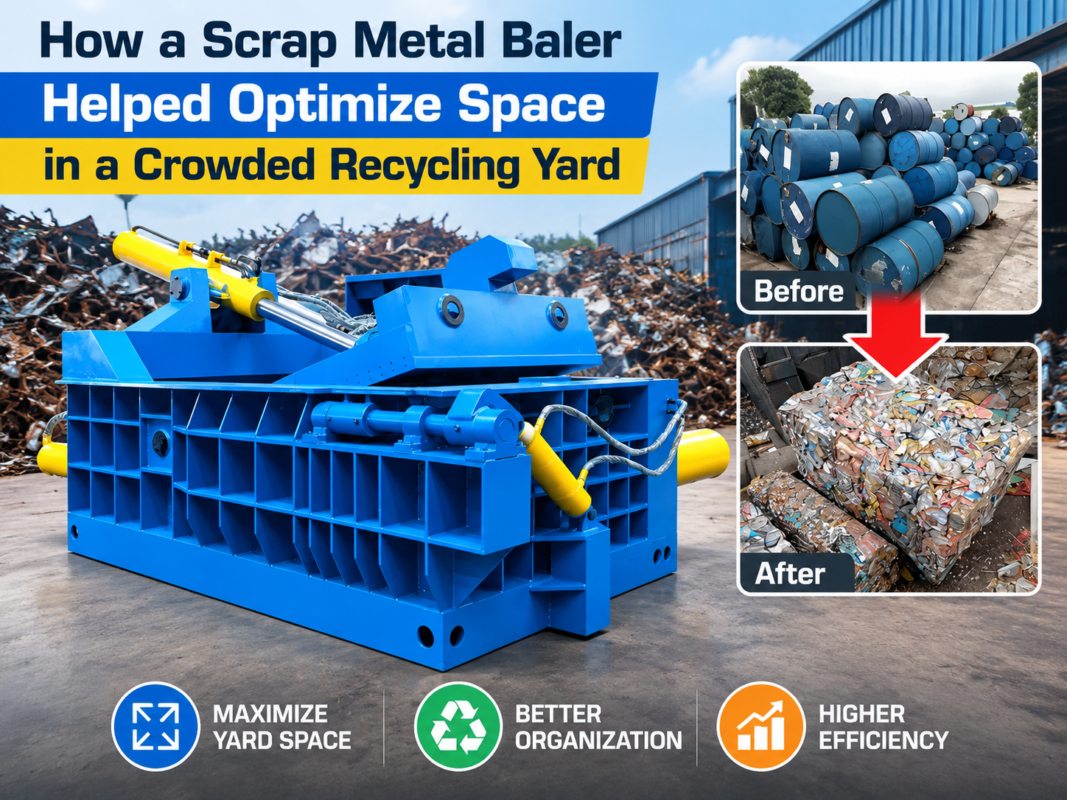
- Space Optimization: A scrap yard filled with loose metal is inefficient and dangerous. Baling allows for vertical stacking, freeing up valuable real estate for other operations.
- Labor Efficiency: Automated baling systems reduce the need for manual sorting and cutting. A single operator can process several tons of metal per hour using a HARSLE hydraulic baler.
- Environmental Compliance: Proper scrap management helps companies meet environmental regulations and sustainability goals, which is increasingly important for securing industrial contracts.
Case Example: HARSLE Y81 Series in a Large-Scale Recycling Hub
A prominent recycling center in Southeast Asia recently upgraded their facility with three HARSLE Y81-250 hydraulic scrap metal balers. Previously, the facility struggled with a massive backlog of light steel scrap from local manufacturing plants. The loose scrap occupied nearly 40% of their yard space and required constant manual labor to manage.
After installing the HARSLE balers, the facility was able to process the backlog in less than two months. The Y81-250’s 2500kN of pressure allowed them to create bales with a density of over 1800 kg/m³. This enabled them to load 25 tons into a standard 20-foot container, a significant improvement over the 10 tons they were achieving with loose scrap. The ROI (Return on Investment) was achieved in just 14 months through saved transport costs and the higher price per ton received from the steel mill.
Frequently Asked Questions (FAQ)
What is the difference between a ferrous and non-ferrous baler?
While many balers can handle both, ferrous balers are generally built with thicker steel plates and more powerful hydraulics to handle the higher resistance of steel and iron. Non-ferrous balers may focus more on cycle speed and preventing material contamination.
How often does a scrap metal baler require maintenance?
Daily checks should be performed on hydraulic oil levels and seal integrity. The wear plates inside the chamber should be inspected weekly and replaced depending on the volume and abrasiveness of the material processed. HARSLE machines are designed for easy access to all maintenance points.
Can a baler handle oversized scrap?
Yes, if the baler is equipped with integrated shear blades on the lid and chamber edges. These blades cut the metal as the machine closes, allowing it to process pieces that are longer than the chamber itself.
What safety features should I look for?
Essential safety features include emergency stop buttons, safety interlocks on the chamber doors, hydraulic pressure relief valves, and protective guarding around moving parts. HARSLE prioritizes operator safety in every design.
Is it better to have a manual or automatic control system?
For high-volume operations, an automatic PLC system is superior as it ensures consistency and reduces operator fatigue. Manual controls are often preferred for smaller yards where the scrap type varies significantly from load to load.
Conclusion: Investing in the Future of Recycling
The Top Industrial Applications Of Scrap Metal Balers In Modern Recycling Operations demonstrate that these machines are indispensable tools for the modern industrial world. Whether it is processing end-of-life vehicles, managing construction waste, or optimizing manufacturing scrap, the right baler can transform a logistical nightmare into a streamlined, profitable operation. HARSLE continues to innovate in this space, providing robust, high-efficiency hydraulic solutions that empower recyclers to meet the challenges of tomorrow.
If you are looking to enhance your recycling capabilities, reduce costs, and improve your facility’s safety, HARSLE’s range of scrap metal balers offers the reliability and performance you need. Contact our technical team today to discuss your specific material requirements and find the perfect machine configuration for your business.