Scrap Metal Baler for Recycling Plants: How to Evaluate Bale Weight and Compression Force

Introduction to Scrap Metal Balers in Modern Recycling
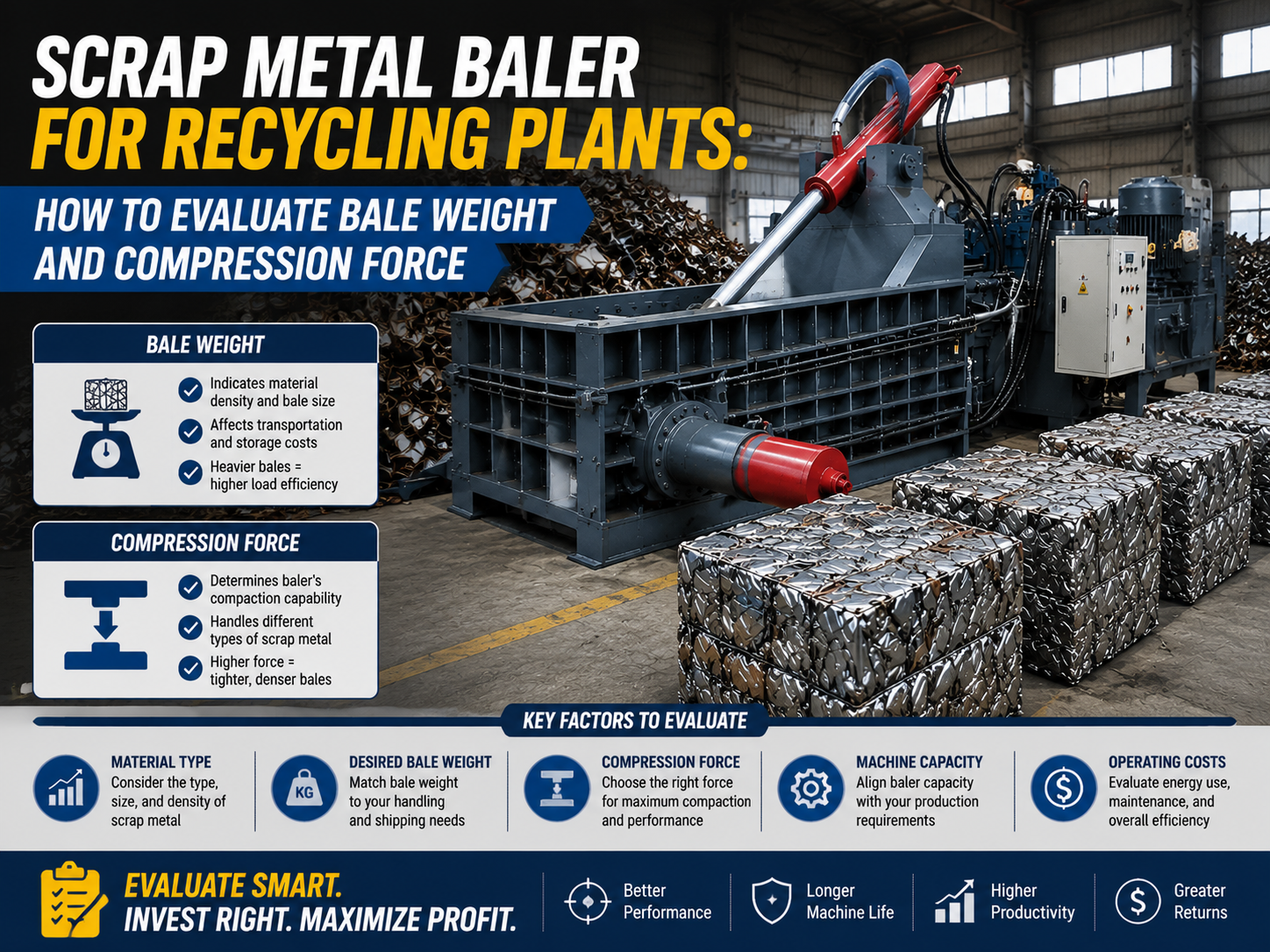
In the high-stakes world of metal recycling, efficiency is the difference between a profitable operation and a struggling one. A scrap metal baler is the heart of any recycling plant, responsible for transforming loose, voluminous scrap into dense, manageable blocks. However, selecting the right machine requires more than just looking at a price tag. To maximize your investment, you must understand the intricate relationship between bale weight and compression force. This guide provides an in-depth analysis of how to evaluate these critical metrics to ensure your recycling plant operates at peak performance.
HARSLE has long been a leader in providing robust metal fabrication solutions, and our scrap metal balers are engineered to meet the rigorous demands of industrial recycling. Whether you are processing aluminum cans, copper wiring, or heavy steel plate scrap, the ability to achieve high-density bales is paramount. High-density bales reduce storage space, lower transportation costs, and often fetch higher prices from smelters and foundries. In the following sections, we will break down the financial and technical aspects of acquiring and operating a scrap metal baler.
Price Range Overview: Investing in Quality
The market for scrap metal balers is diverse, with prices ranging significantly based on capacity, automation, and build quality. For a recycling plant, understanding these price tiers is the first step in the procurement process. Generally, scrap metal balers can be categorized into three main price brackets:
- Entry-Level/Small Capacity Balers ($15,000 – $40,000): These are typically vertical balers or small horizontal units designed for light-gauge metals like aluminum cans or thin copper sheets. They offer lower compression forces (usually under 100 tons) and are suitable for small-scale collectors or facilities with limited daily throughput.
- Mid-Range Industrial Balers ($45,000 – $120,000): This is the sweet spot for most medium-sized recycling plants. These machines feature horizontal designs, often with semi-automatic or fully automatic cycles. Compression forces range from 125 to 250 tons, allowing for the processing of diverse materials including light structural steel and automotive scrap.
- High-Performance Heavy-Duty Balers ($150,000 – $500,000+): These are the workhorses of large-scale industrial recycling centers. They often utilize triple-compression technology to achieve maximum density. With compression forces exceeding 400 tons, these machines can handle heavy HMS (Heavy Melting Scrap) and produce massive bales weighing several tons each.
When evaluating the price, it is crucial to look beyond the initial capital expenditure. A cheaper machine with lower compression force may result in lighter bales, which increases the number of truckloads required to transport your material, ultimately eroding your profit margins over time.
Main Cost Drivers in Scrap Metal Baler Manufacturing
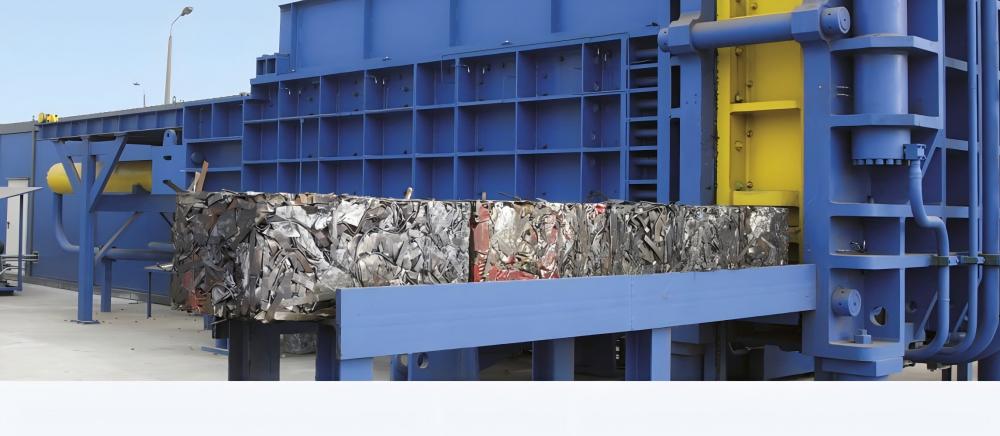
Several factors contribute to the final cost of a scrap metal baler. Understanding these drivers helps buyers distinguish between a machine that is built to last and one that will require constant maintenance. The primary cost drivers include:
1. Hydraulic System Sophistication
The hydraulic system is the engine of the baler. High-quality pumps (such as those from Rexroth or Vickers) and precision-engineered valves significantly increase the cost but offer superior reliability and faster cycle times. A dual-pump system, for instance, allows for high-speed movement at low pressure and high-force compression at high pressure, optimizing energy consumption and throughput.
2. Structural Steel and Wear Liners
The frame of the baler must withstand immense internal pressures. Machines built with thicker, high-tensile steel plates are more expensive but less prone to warping. Furthermore, the use of replaceable wear liners (often made from Hardox or similar abrasion-resistant materials) inside the compression chamber is a critical cost factor. These liners protect the main structure from the abrasive nature of scrap metal, extending the machine’s lifespan by decades.
3. Automation and Control Systems
Modern recycling plants demand integration. Balers equipped with Siemens or Schneider PLC (Programmable Logic Controller) systems, touch-screen interfaces, and remote diagnostic capabilities carry a premium. However, these systems allow for precise control over bale density and provide valuable data for operational auditing.
Configuration Impact: Tailoring the Machine to Your Scrap
The configuration of a scrap metal baler directly impacts its efficiency in a specific recycling environment. When evaluating a machine, consider how the following configurations affect bale weight and compression force:
Chamber Size and Bale Dimensions
The size of the compression chamber determines the maximum size of the scrap pieces you can feed into the machine. However, a larger chamber does not always mean a better bale. The goal is to match the bale dimensions to the standard dimensions of shipping containers or truck beds. For example, a bale size of 600mm x 600mm is often ideal for maximizing the weight capacity of a 40-foot shipping container without leaving excessive empty space.
Cycle Time and Throughput
Cycle time is the duration it takes for the ram to extend, compress the metal, and retract. A faster cycle time increases the total tonnage processed per shift. However, achieving a fast cycle time while maintaining high compression force requires a more powerful motor and a more complex hydraulic circuit. Buyers must balance the need for speed with the requirement for bale density.
Cooling Systems
In high-volume recycling plants, balers operate continuously. This generates significant heat within the hydraulic oil. Advanced configurations include air-cooled or water-cooled heat exchangers to maintain the oil at an optimal viscosity. Without effective cooling, the compression force can drop as the oil thins, leading to inconsistent bale weights and potential component damage.
Evaluating Bale Weight and Compression Force: The Technical Core
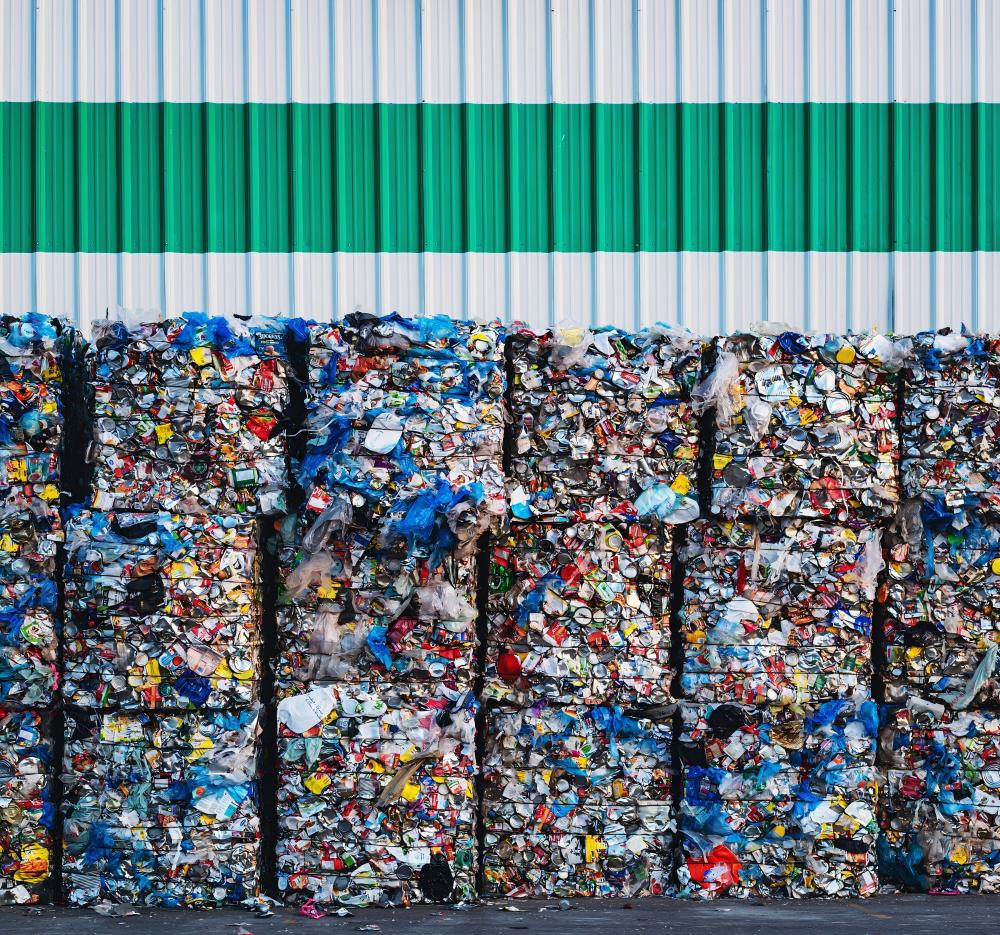
To truly evaluate a scrap metal baler, one must understand the physics of compression. Bale weight is a function of the material’s initial density, the volume of the compression chamber, and the total force applied by the hydraulic rams.
Nominal Force vs. Specific Pressure
Many manufacturers quote the “Nominal Force” (e.g., 250 tons). While important, the more critical metric is “Specific Pressure”—the amount of force applied per square inch (PSI) or square centimeter of the scrap surface. A 200-ton baler with a small ram face will produce a denser bale than a 200-ton baler with a large ram face. For recycling plants, a higher specific pressure is generally preferred for processing resilient materials like stainless steel or springy aluminum extrusions.
Material Density Calculations
Different metals have different “spring-back” characteristics. When the hydraulic ram retracts, the metal slightly expands. A high-quality baler uses a combination of high compression force and a “hold time” at the end of the stroke to minimize this expansion. When evaluating a machine, ask for the expected density (kg/m³) for specific material types. For example, a high-performance baler should be able to achieve a density of at least 1,500-2,000 kg/m³ for steel scrap.
The Role of Multi-Side Compression
Single-compression balers push the metal against a fixed wall. Double or triple-compression balers apply force from multiple directions (usually the side, the top, and then the main longitudinal ram). This multi-directional force eliminates voids within the bale, significantly increasing the final bale weight and ensuring the bale remains intact during rough handling.
Hidden Costs of Operating a Scrap Metal Baler
The purchase price is only the beginning. Recycling plant managers must account for several hidden costs that can impact the long-term profitability of the machine:
- Hydraulic Oil Maintenance: Large balers can require hundreds of gallons of hydraulic oil. Regular filtration and periodic replacement are necessary. Furthermore, leaks in a poorly constructed machine can lead to significant oil loss and environmental hazards.
- Wear Part Replacement: The knives (used to shear overhanging scrap) and the chamber liners are consumable items. Depending on the abrasiveness of your scrap, these may need replacement every 6 to 18 months. High-quality HARSLE machines use standardized parts to keep these costs manageable.
- Electrical Consumption: A 100HP motor running 16 hours a day consumes a massive amount of electricity. Investing in a baler with variable frequency drives (VFD) or high-efficiency motors can save thousands of dollars in annual energy costs.
- Foundation and Installation: Heavy-duty balers require a reinforced concrete foundation to handle the vibration and weight. This civil work can add 5-10% to the total project cost.
ROI Calculation: The Economics of High-Density Baling
Calculating the Return on Investment (ROI) for a scrap metal baler involves analyzing transport savings and labor efficiency. Let’s look at a hypothetical example:
| Metric | Loose Scrap (Unbaled) | High-Density Bales |
|---|---|---|
| Average Weight per Truckload | 8 Tons | 22 Tons |
| Transport Cost per Load | $500 | $500 |
| Transport Cost per Ton | $62.50 | $22.72 |
| Monthly Tonnage | 500 Tons | 500 Tons |
| Monthly Transport Cost | $31,250 | $11,360 |
| Monthly Savings | – | $19,890 |
In this scenario, the recycling plant saves nearly $20,000 per month just on transportation. If a high-quality HARSLE baler costs $120,000, the machine pays for itself in just six months through logistics savings alone. This does not even account for the increased value of the baled material or the reduction in labor required to manage loose piles of scrap.
Buying Advice for Recycling Plant Managers
When you are ready to purchase, follow this checklist to ensure you select the best scrap metal baler for your needs:
- Define Your Primary Material: A machine optimized for aluminum cans is not the same as one optimized for heavy steel. Be specific about your scrap mix.
- Request a Test Compression: If possible, send a sample of your typical scrap to the manufacturer for a test run. Evaluate the resulting bale density and integrity.
- Check the Cylinder Quality: The hydraulic cylinders are the most prone to failure. Ensure they are chrome-plated and use high-quality seals to prevent leaking.
- Evaluate After-Sales Support: Industrial machinery will eventually need parts or service. Choose a manufacturer like HARSLE that offers comprehensive technical support and a ready supply of spare parts.
- Consider Future Growth: Don’t buy a machine that just barely meets your current needs. If you expect your volume to grow by 20% in the next two years, choose a machine with the capacity to handle that increase.
Frequently Asked Questions (FAQ)
What is the ideal compression force for aluminum scrap?
For light aluminum like cans or siding, a compression force of 60 to 100 tons is usually sufficient. However, for heavy aluminum castings or extrusions, you may require 125 to 150 tons to achieve optimal density.
How long does a typical scrap metal baler last?
With proper maintenance, a high-quality industrial baler can last 20 to 30 years. The key is regular hydraulic oil changes and timely replacement of wear liners and knives.
Can one baler handle different types of metal?
Yes, most horizontal balers are versatile. However, the operator must adjust the pressure settings and cycle times based on the material. Some modern balers have pre-programmed settings for different metal grades.
Is a vertical or horizontal baler better for a recycling plant?
For most recycling plants, a horizontal baler is superior due to its higher throughput and ability to be integrated into conveyor systems. Vertical balers are generally reserved for smaller retail locations or facilities with very low scrap volumes.
How does bale density affect the price I get from a smelter?
Smelters prefer high-density bales because they melt more efficiently with less oxidation loss. Furthermore, dense bales take up less space in the furnace, allowing for higher production rates. Consequently, many smelters offer a premium for bales that meet specific density requirements.
What safety features should I look for?
Safety is paramount. Look for emergency stop buttons, safety interlocks on all access doors, pressure relief valves, and infrared safety curtains if the machine is manually fed. All HARSLE machines comply with international safety standards to protect your workforce.