Scrap Metal Baler Buying Guide for Scrap Yards: Improve Density and Transportation Efficiency


Introduction to Scrap Metal Baling for Modern Recycling Yards
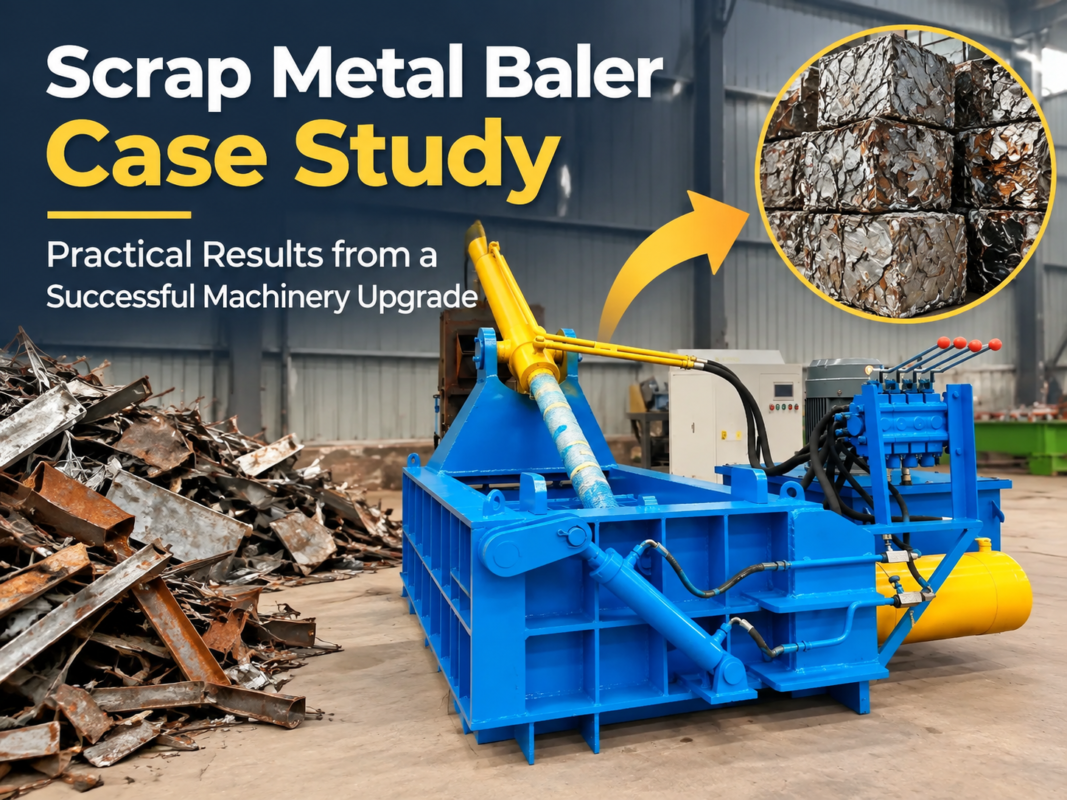
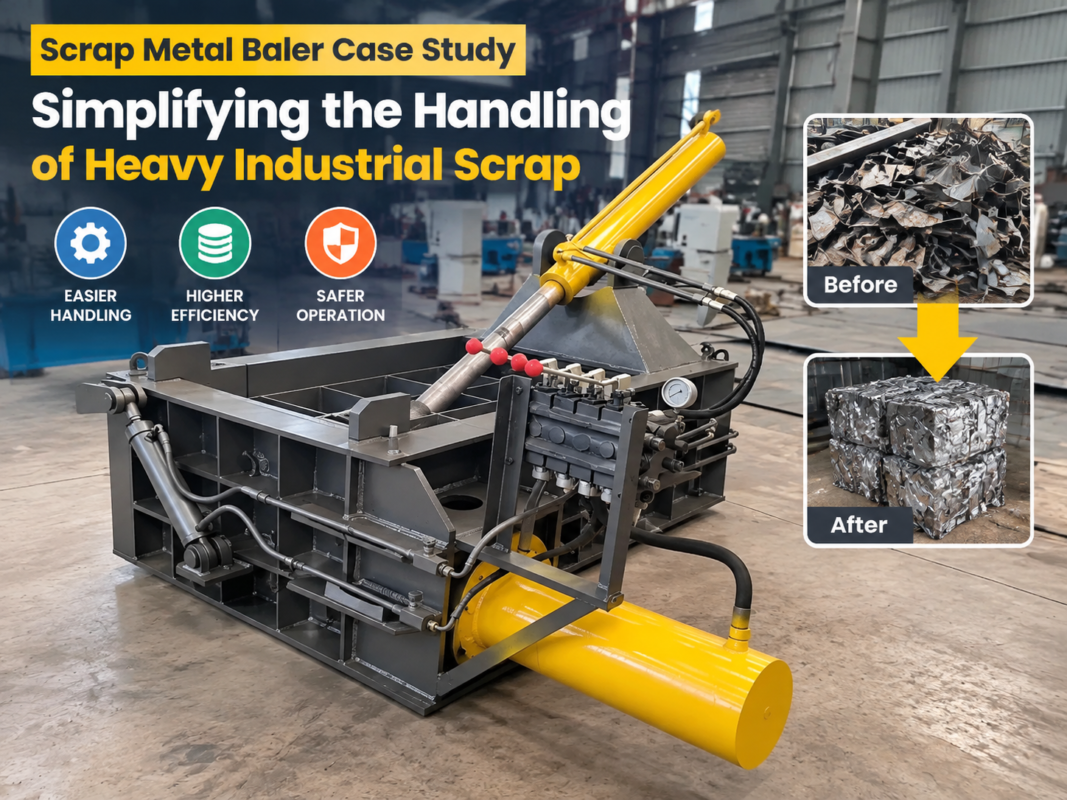
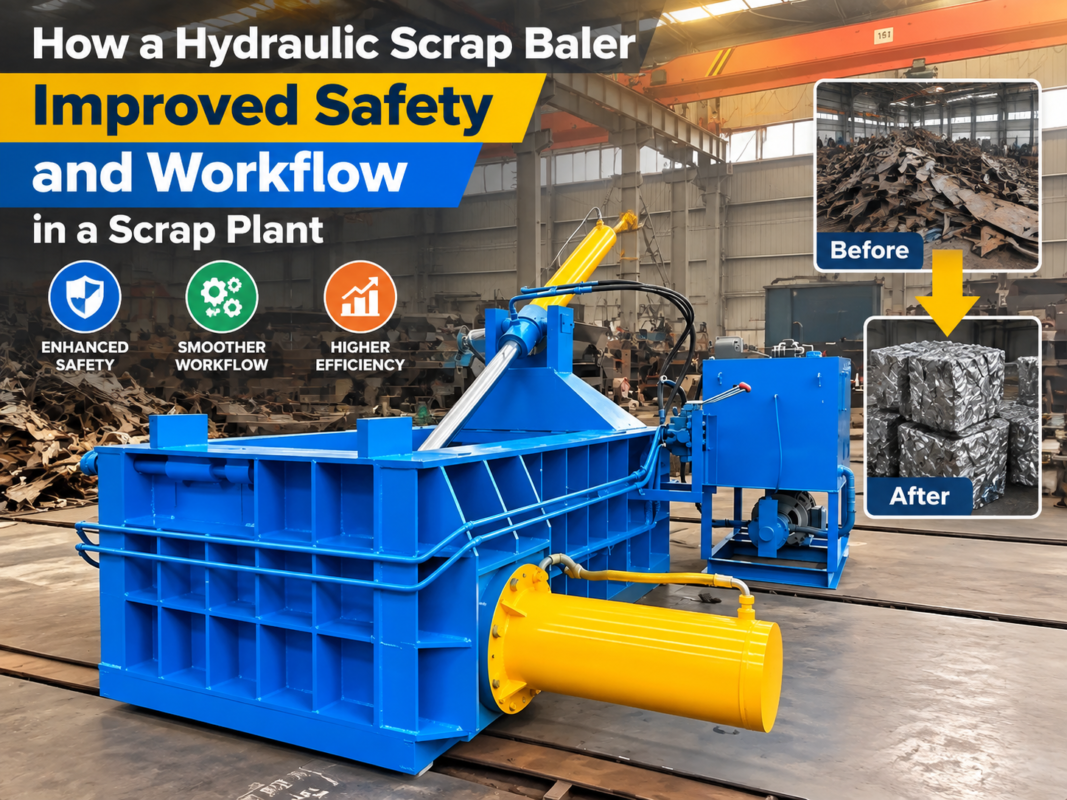
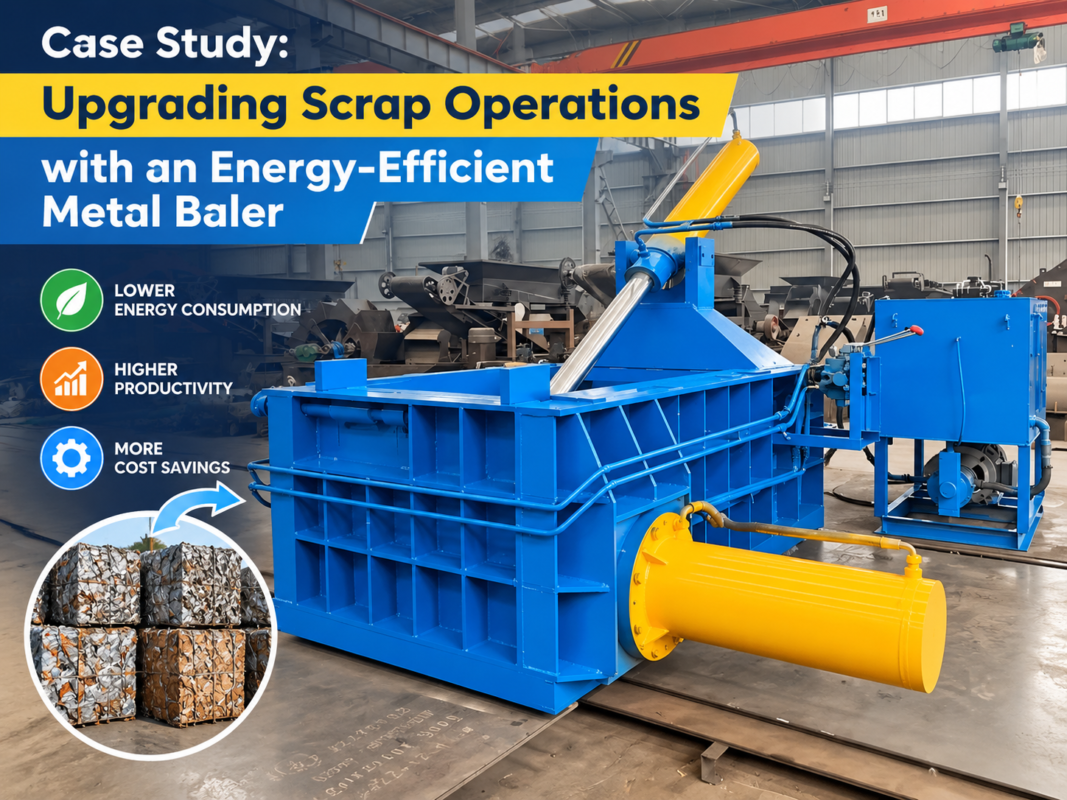
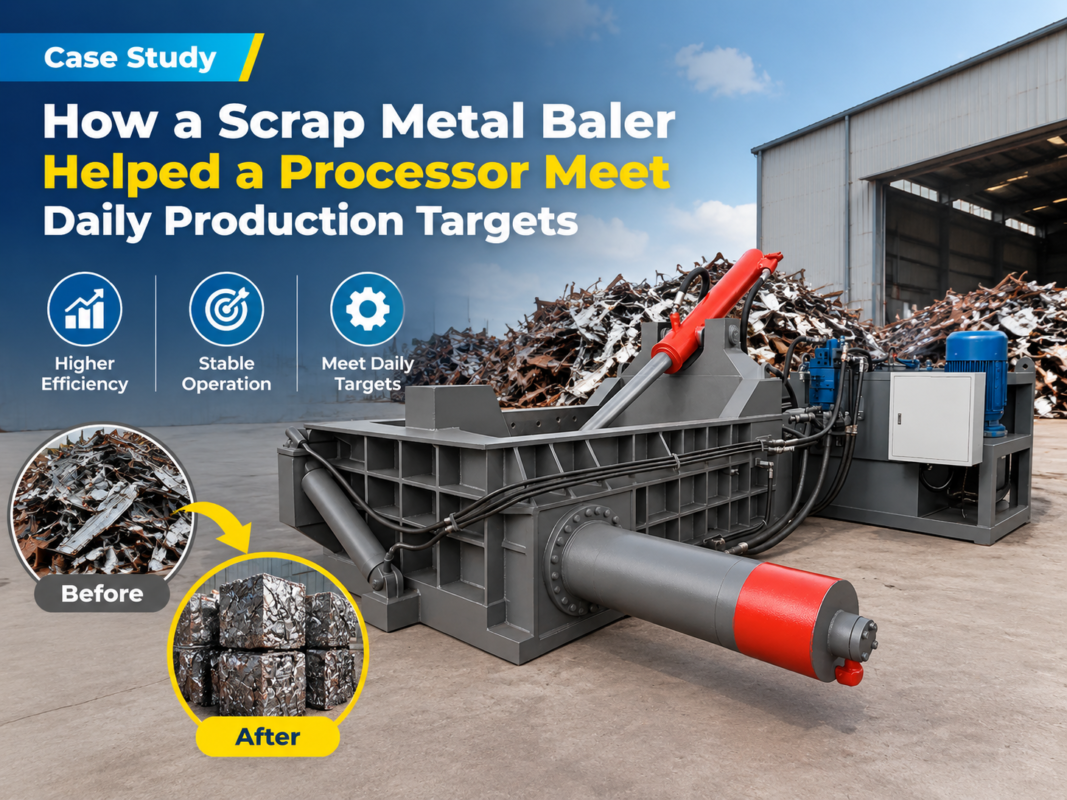
In the competitive landscape of the recycling industry, the ability to process materials quickly and efficiently is the difference between a profitable operation and a struggling one. For scrap yards, the scrap metal baler is the cornerstone of productivity. This machine is designed to compress voluminous, loose scrap metal into dense, manageable blocks known as bales. By utilizing a Scrap Metal Baler Buying Guide for Scrap Yards: Improve Density and Transportation Efficiency, yard owners can make informed decisions that directly impact their bottom line.
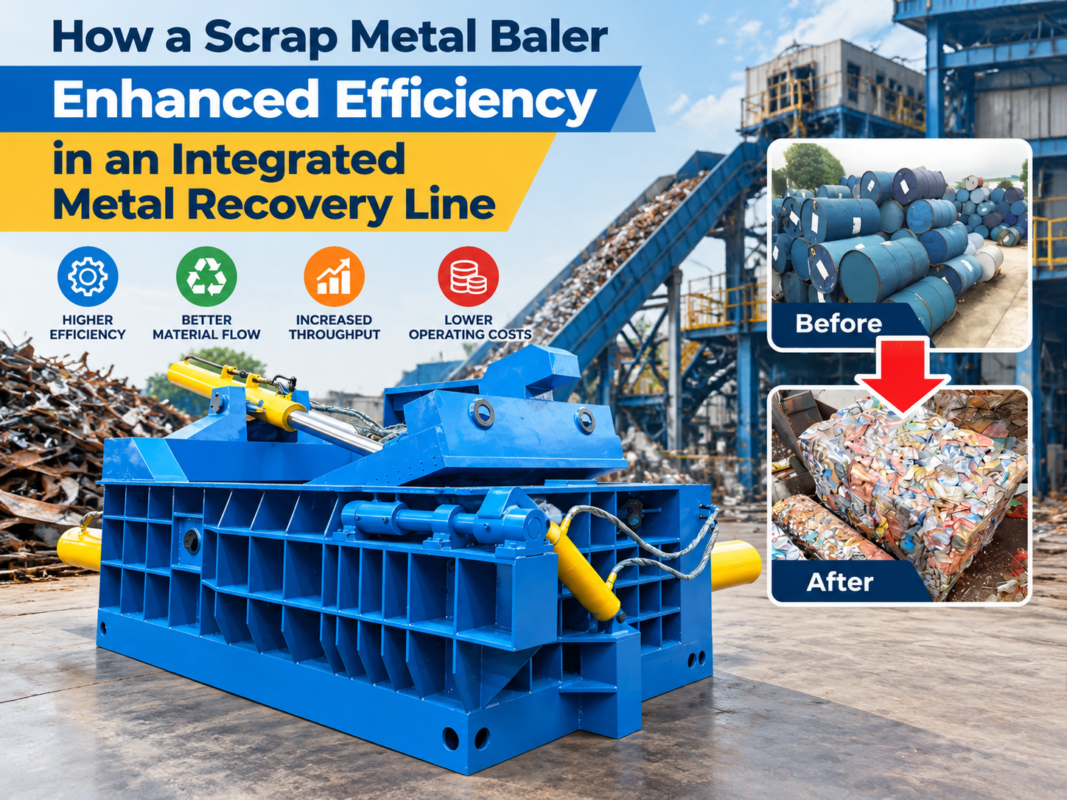
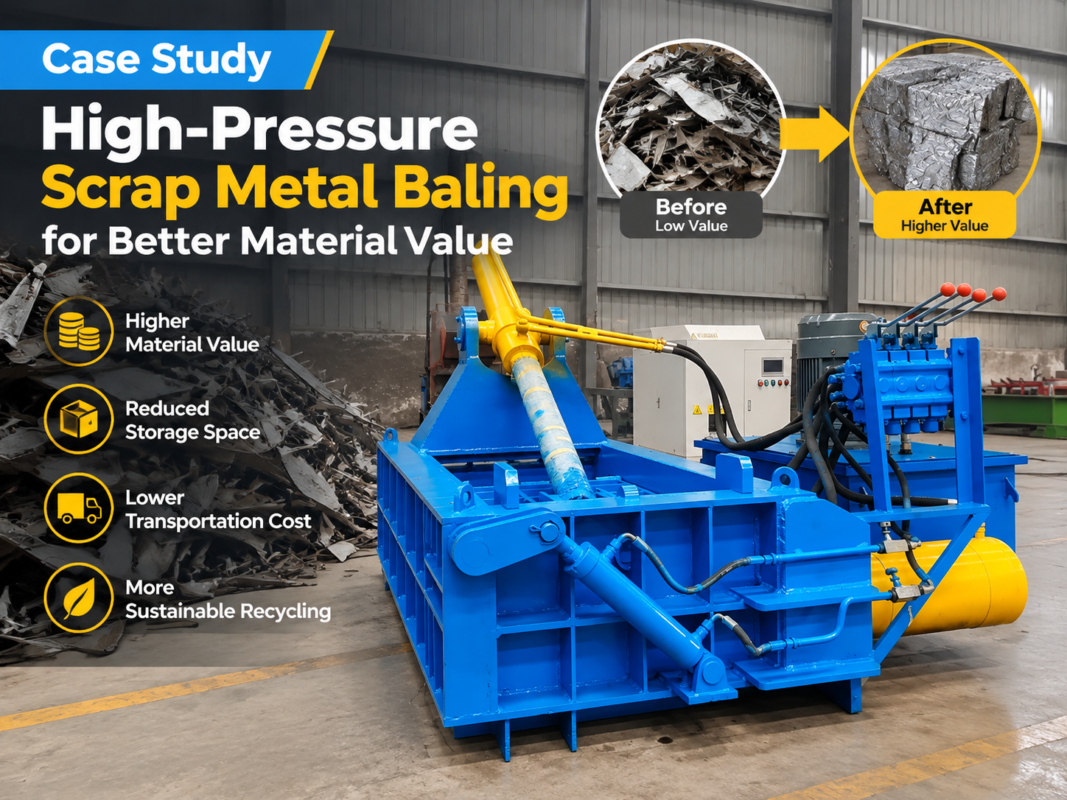
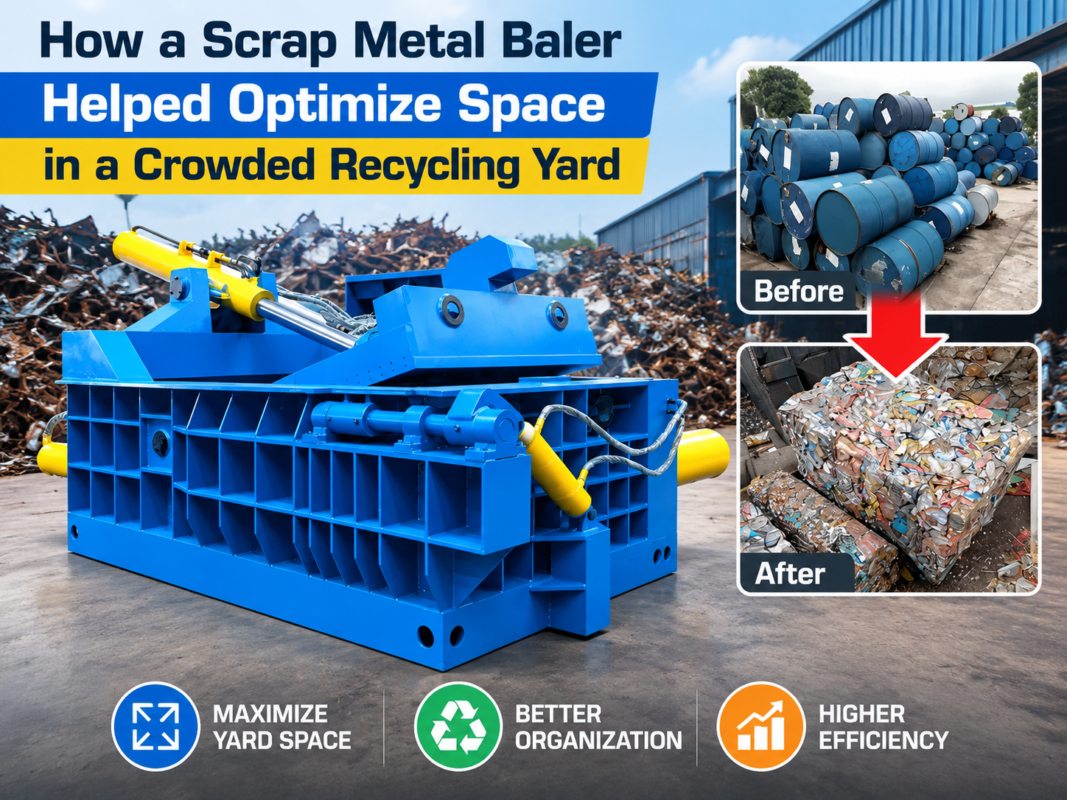
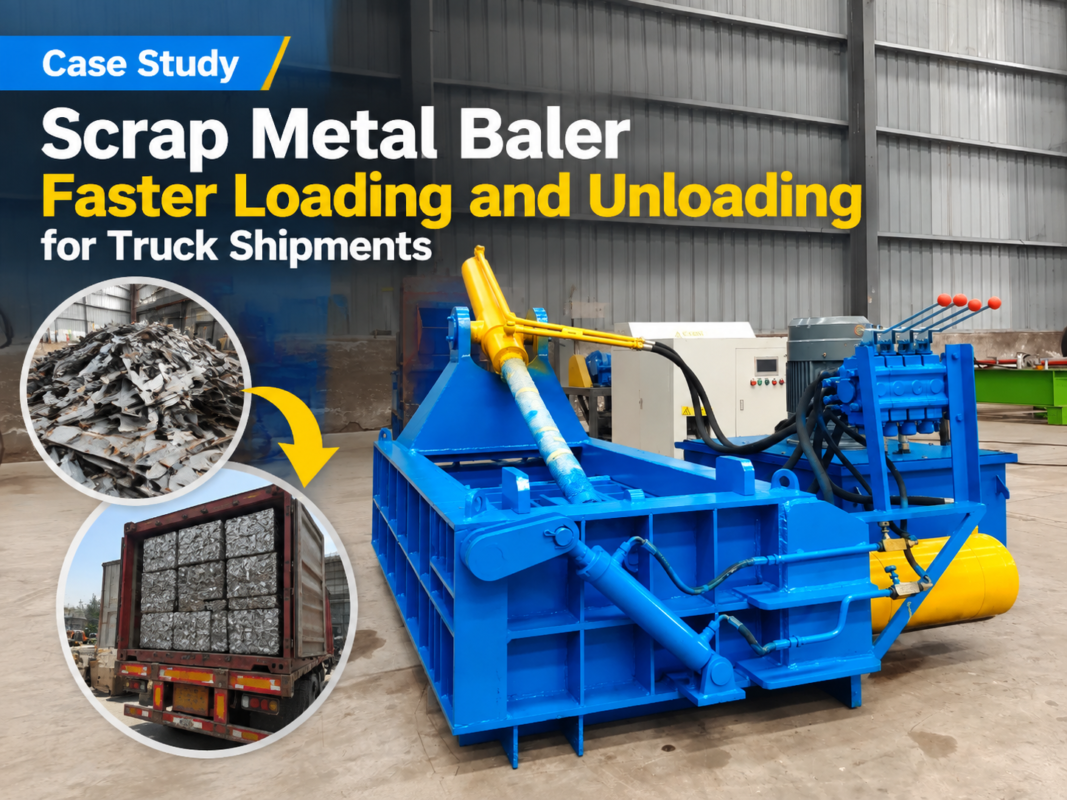
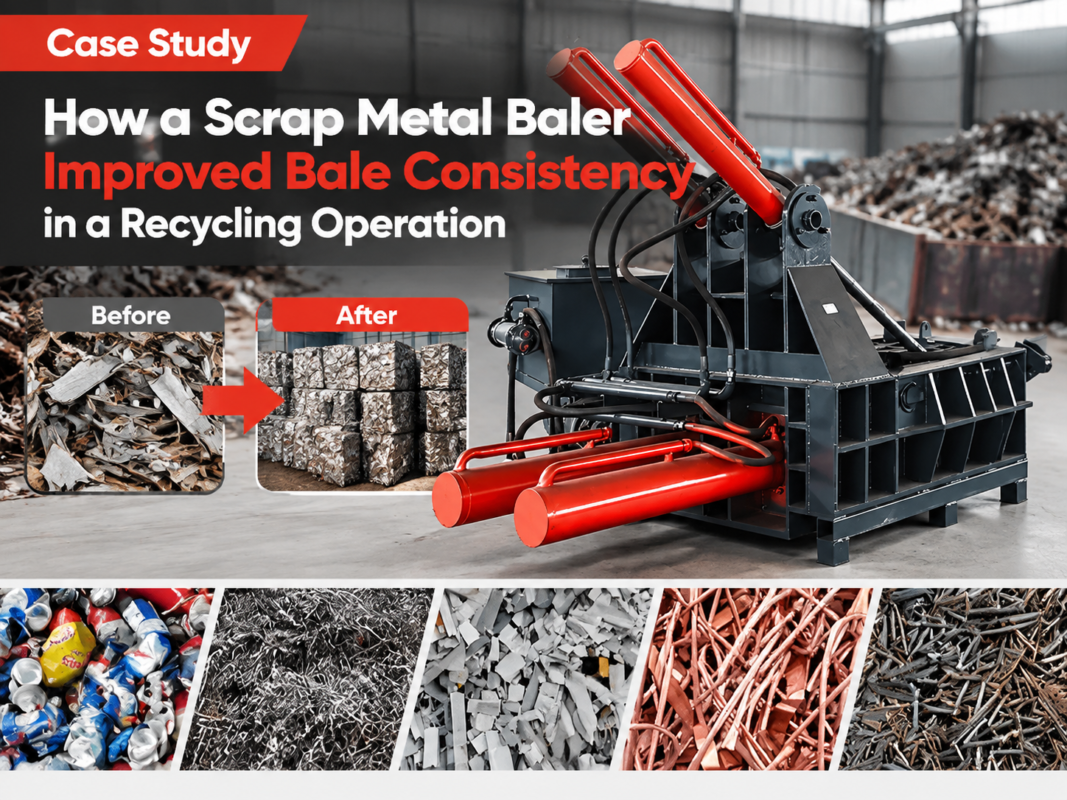
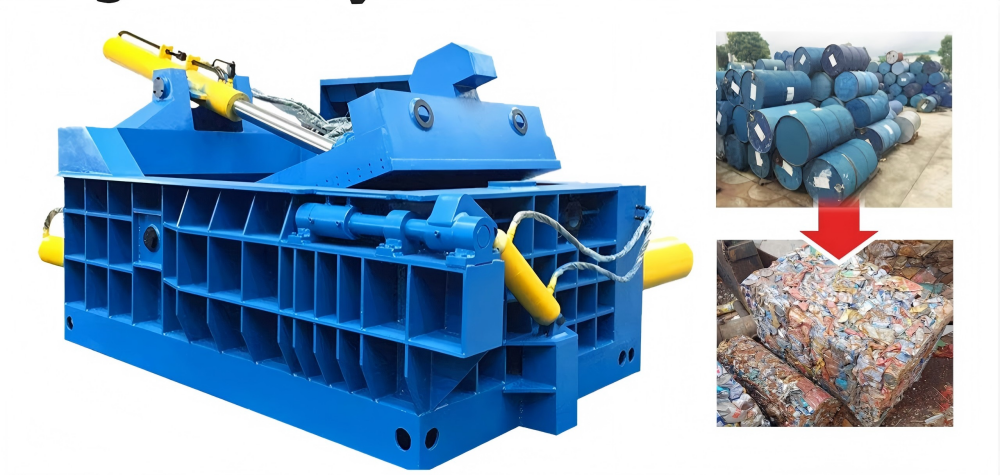
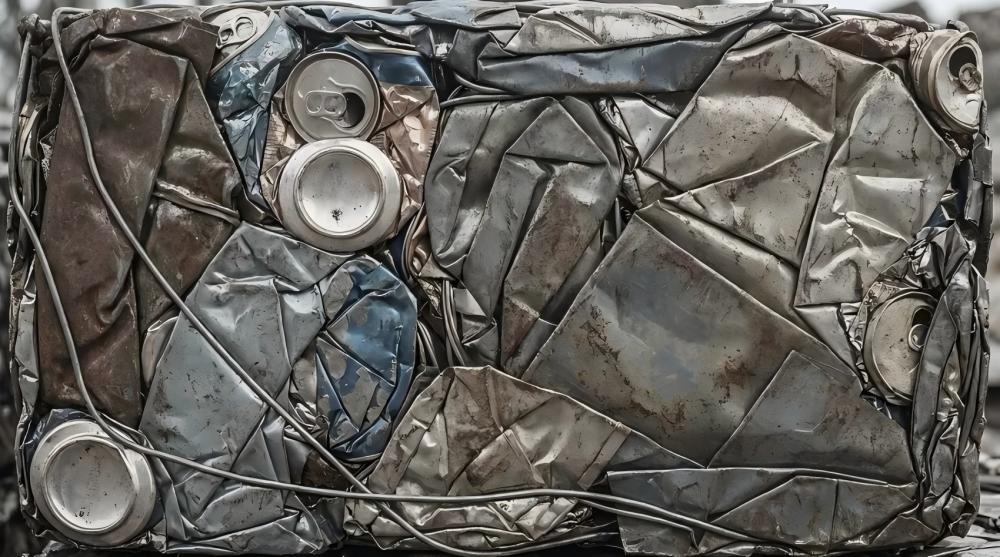
The primary goal of baling is two-fold: maximizing storage space and optimizing transportation logistics. Loose scrap, such as aluminum extrusions, copper wiring, or light-gauge steel, takes up an immense amount of volume relative to its weight. This inefficiency leads to higher shipping costs, as trucks reach their volume capacity long before they reach their weight limit. A high-quality HARSLE scrap metal baler solves this by increasing the density of the material, allowing for maximum weight loading on every trailer or shipping container.
Price Range Overview: Understanding the Investment
When entering the market for a scrap metal baler, the price range can be vast, reflecting the diversity in machine capacity, force, and automation. Generally, scrap metal balers are categorized into three main tiers based on their intended throughput and the types of materials they handle.
Entry-Level and Portable Balers ($15,000 – $45,000)
Small-scale scrap yards or specialized recycling centers often start with entry-level vertical or small horizontal balers. These machines typically offer a press force between 60 to 125 tons. They are ideal for processing non-ferrous metals like aluminum cans (UBC), copper, and light brass. While they have a slower cycle time, their lower price point makes them accessible for businesses with a throughput of less than 5 tons per day.
Mid-Range Industrial Balers ($50,000 – $130,000)
This is the most common category for established scrap yards. These machines, often featuring side-push or turn-out discharge mechanisms, provide press forces ranging from 160 to 315 tons. They are capable of handling heavier materials, including light-gauge steel sheets, stainless steel scrap, and large volumes of aluminum. At this price point, you begin to see more advanced hydraulic systems and semi-automatic controls that significantly improve cycle times.
Heavy-Duty and High-Speed Systems ($150,000 – $500,000+)
For large-scale industrial recyclers processing hundreds of tons per month, heavy-duty balers are a necessity. These machines often exceed 400 tons of pressure and feature fully automated feeding and tying systems. They are built with high-wear resistant liners (like Hardox) and massive hydraulic reservoirs to handle continuous 24/7 operation. The investment here is significant, but the throughput and bale density are unmatched.
Main Cost Drivers in Scrap Metal Baler Procurement
Several technical factors influence the final price of a scrap metal baler. Understanding these drivers helps buyers prioritize features that offer the best return on investment for their specific needs.
- Hydraulic System Complexity: The heart of the baler is its hydraulic system. High-quality pumps (such as Rexroth or Vickers) and sophisticated valve blocks increase the cost but ensure reliability and faster cycle times. A machine that can complete a cycle in 60 seconds is significantly more valuable than one that takes 120 seconds.
- Cylinder Force and Stroke: The total tonnage of the main cylinder determines what materials the machine can crush. Higher tonnage requires larger cylinders, more robust frames, and more powerful motors, all of which drive up the cost.
- Material Quality and Wear Protection: Scrap metal is abrasive. Balers equipped with replaceable wear plates made of manganese steel or Hardox 500 will cost more upfront but save thousands in long-term maintenance by protecting the structural frame from erosion.
- Automation and PLC Integration: Modern balers utilize Programmable Logic Controllers (PLC) to manage the compression cycles. Systems that include touch-screen interfaces, remote diagnostics, and fully automatic bale ejection carry a premium price.
Configuration Impact: Tailoring the Machine to Your Yard
The configuration of a scrap metal baler should match the physical layout of your yard and the specific flow of your material. Choosing the wrong configuration can lead to bottlenecks and increased labor costs.
Discharge Methods: Side-Push vs. Turn-Out vs. Forward-Out
The way a bale exits the machine is a critical configuration choice. Turn-out balers flip the bale out of the chamber, which is excellent for light materials and prevents jamming. Side-push balers are generally faster and more common in high-volume ferrous applications. Forward-out balers are often used in compact spaces where the material must move in a straight line from feeding to exit.
Power Source and Cooling Systems
In hot climates or high-intensity operations, the hydraulic oil can overheat, leading to seal failure and reduced efficiency. Buyers must choose between air-cooled and water-cooled systems. Furthermore, while most balers are electric, some yards require diesel-powered units for portability or due to lack of high-voltage infrastructure. HARSLE offers various power configurations to meet these diverse environmental needs.
Feeding Mechanisms
How the scrap enters the hopper changes the machine’s efficiency. Large hoppers allow for grab-crane feeding, while smaller units might be fed by conveyor belts. Integrating a pre-compression lid can also help in processing oversized scrap by shearing or folding it before the main ram begins its cycle.
Hidden Costs of Owning a Scrap Metal Baler
The purchase price is only the beginning. To truly understand the Scrap Metal Baler Buying Scrap Yards: Improve Density Transportation Efficiency equation, one must account for the total cost of ownership.
| Cost Category | Description | Estimated Impact |
|---|---|---|
| Site Preparation | Reinforced concrete pads and electrical wiring. | $2,000 – $10,000 |
| Installation & Commissioning | Technician fees, crane rental for placement. | $3,000 – $8,000 |
| Consumables | Hydraulic oil, replacement blades, and liners. | $1,500 – $5,000/year |
| Energy Consumption | Electricity costs for high-kilowatt motors. | Variable by usage |
| Operator Training | Ensuring safety and efficiency through professional training. | $1,000 – $3,000 |
Maintenance is perhaps the most significant “hidden” cost. A baler operating in a scrap yard environment is subject to dust, metal shards, and extreme pressure. Regular oil filtration and blade sharpening are non-negotiable tasks that require both time and money but prevent catastrophic failures.
ROI Calculation: How Baling Pays for Itself
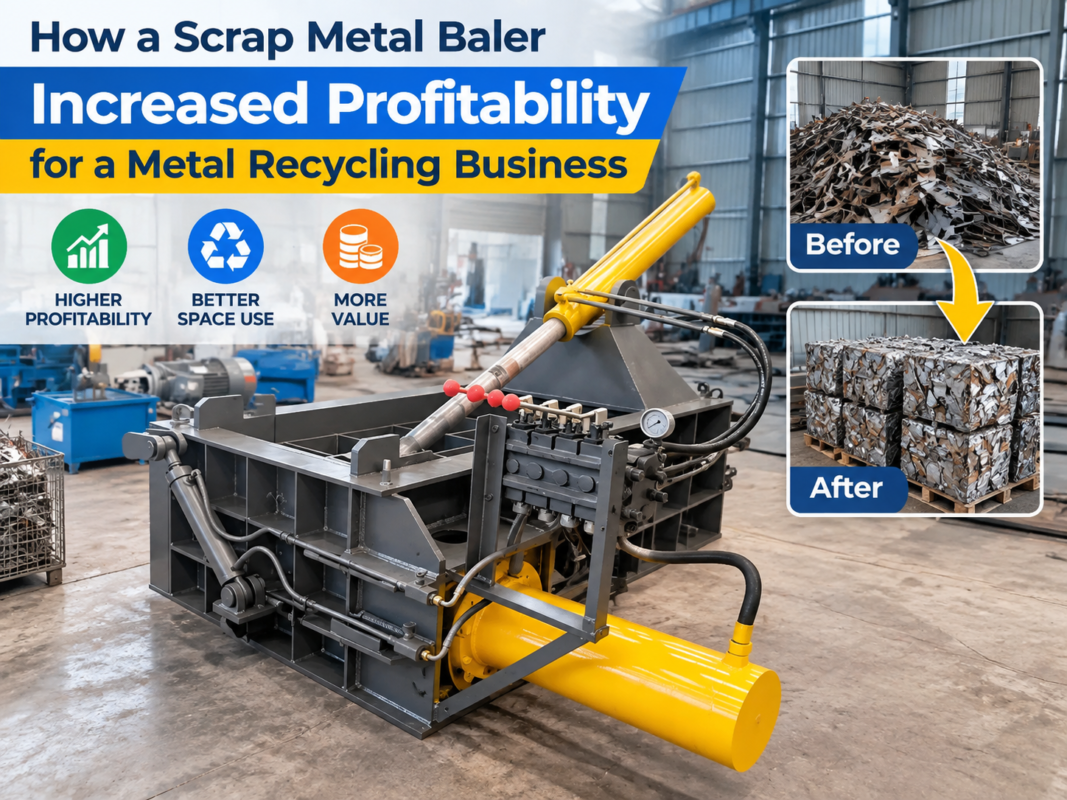
The Return on Investment (ROI) for a scrap metal baler is primarily driven by transportation savings and material value appreciation. Let’s look at a practical example. If a yard ships 200 tons of loose aluminum per month, they might require 20 truckloads because the material is so bulky. By baling that same material, they could potentially reduce the number of truckloads to 8.
If each truckload costs $500 in freight, the monthly savings on transportation alone would be $6,000. Over a year, that is $72,000—enough to pay for a mid-range baler in less than 12 months. Additionally, many smelters and refineries offer a premium price for baled material because it is easier for them to charge into their furnaces, further increasing the profit margin per ton.
Buying Advice: Selecting the Right HARSLE Baler
When you are ready to purchase, follow this checklist to ensure you select the right equipment for your scrap yard:
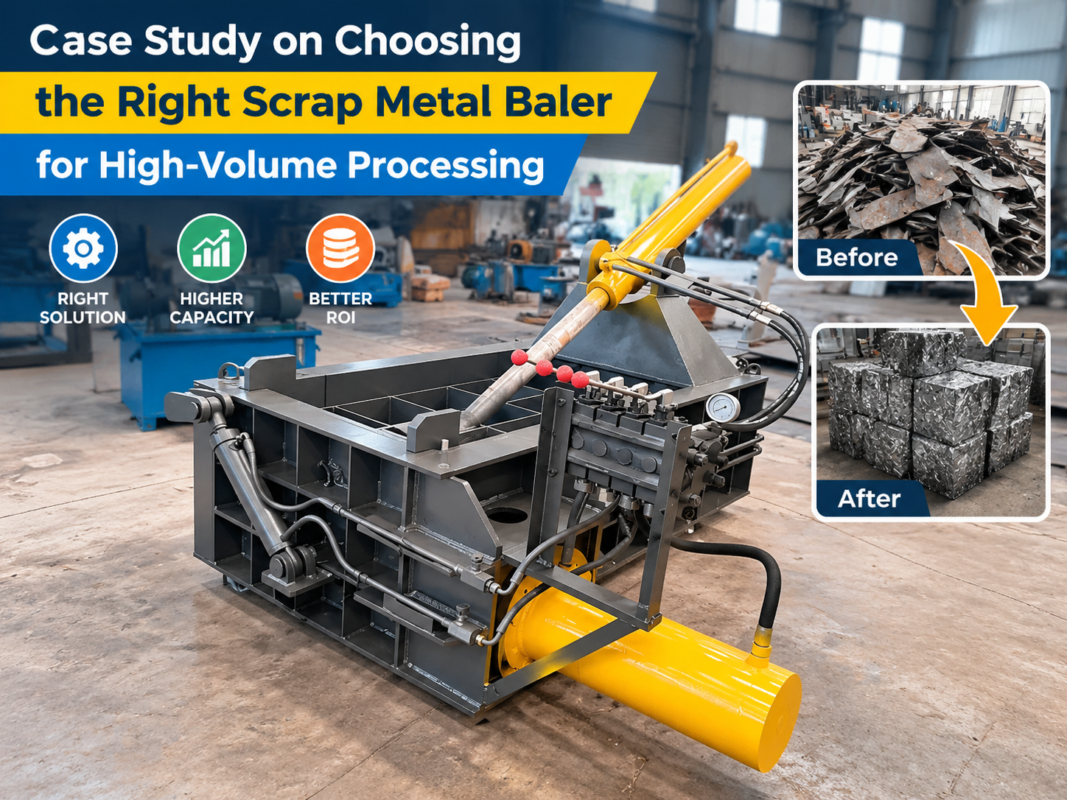
- Analyze Your Material Mix: Do you process mostly light-gauge aluminum or heavy structural steel? Choose a tonnage that handles your toughest material without straining the hydraulic system.
- Measure Your Space: Ensure you have enough room not just for the machine, but for the loading equipment (forklifts/cranes) and the storage of finished bales.
- Check Local Power Availability: Industrial balers require 3-phase power. If your yard doesn’t have this, you may need a diesel generator or a significant utility upgrade.
- Evaluate After-Sales Support: Choose a manufacturer like HARSLE that provides clear documentation, readily available spare parts, and technical support. A machine is only as good as the support behind it when it breaks down.
- Consider Future Growth: It is often better to buy a machine with 20% more capacity than you currently need than to outgrow your investment in two years.
Frequently Asked Questions (FAQ)
What is the average lifespan of a scrap metal baler?
With proper maintenance, a high-quality industrial scrap metal baler can last 15 to 20 years. Key components like hydraulic pumps and cylinders may need rebuilding every 5-7 years, and wear liners should be replaced as needed depending on the abrasiveness of the scrap processed.
Can one baler handle all types of metal?
While most balers are versatile, the density and settings may need to be adjusted. For example, baling stainless steel requires more pressure than aluminum. It is important to consult the manufacturer’s guidelines to ensure you are not exceeding the structural limits of the machine when processing heavy ferrous scrap.
How does bale density affect shipping costs?
Shipping costs are often calculated by the container or truckload. If you can fit 25 tons of baled scrap into a container that previously only held 10 tons of loose scrap, you are effectively reducing your per-ton shipping cost by 60%. This is the primary driver of profitability in the export scrap market.
What safety features should I look for?
Modern balers should include emergency stop buttons, safety interlocks on access doors, pressure relief valves, and ideally, an infrared safety curtain or physical guarding around the compression zone to prevent operator injury.
How often should the hydraulic oil be changed?
Generally, hydraulic oil should be sampled every 2,000 hours of operation and changed if it shows signs of oxidation or contamination. However, keeping the filtration system in top shape can significantly extend the life of the oil and the hydraulic components.
Conclusion
Investing in a scrap metal baler is a transformative step for any recycling operation. By following this Scrap Metal Baler Buying Guide for Scrap Yards: Improve Density and Transportation Efficiency, you can identify the machine that balances power, efficiency, and cost. HARSLE remains committed to providing robust, high-performance baling solutions that help scrap yards maximize their logistical efficiency and market competitiveness. Whether you are looking to reduce your carbon footprint through fewer truck trips or simply want to increase your monthly throughput, the right baler is the key to unlocking your yard’s full potential.