
What Questions to Ask Before Buying a Four-Shaft Shredder Machine

Introduction to Four-Shaft Shredding Technology
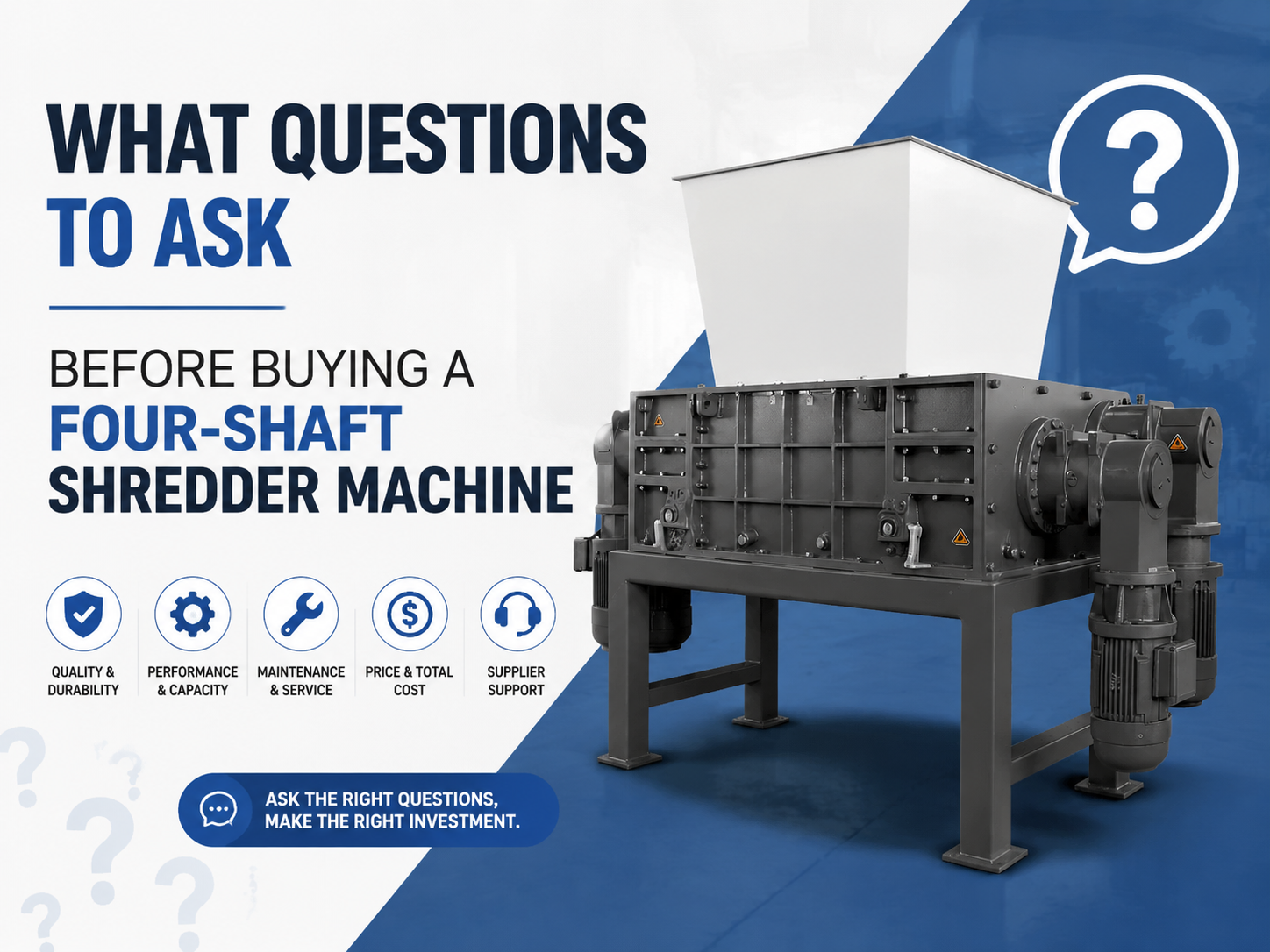
In the world of industrial recycling and waste management, the four-shaft shredder stands out as a versatile powerhouse. Unlike its single or double-shaft counterparts, the four-shaft design is specifically engineered to provide consistent output sizing without the need for extensive external screening systems. This makes it an ideal choice for processing complex materials such as e-waste, plastics, tires, and even light metal scrap. However, investing in such a machine is a significant capital expenditure. To ensure that your investment yields the expected returns, you must be prepared with a list of critical Questions Ask Before Buying A Four-Shaft Shredder Machine.
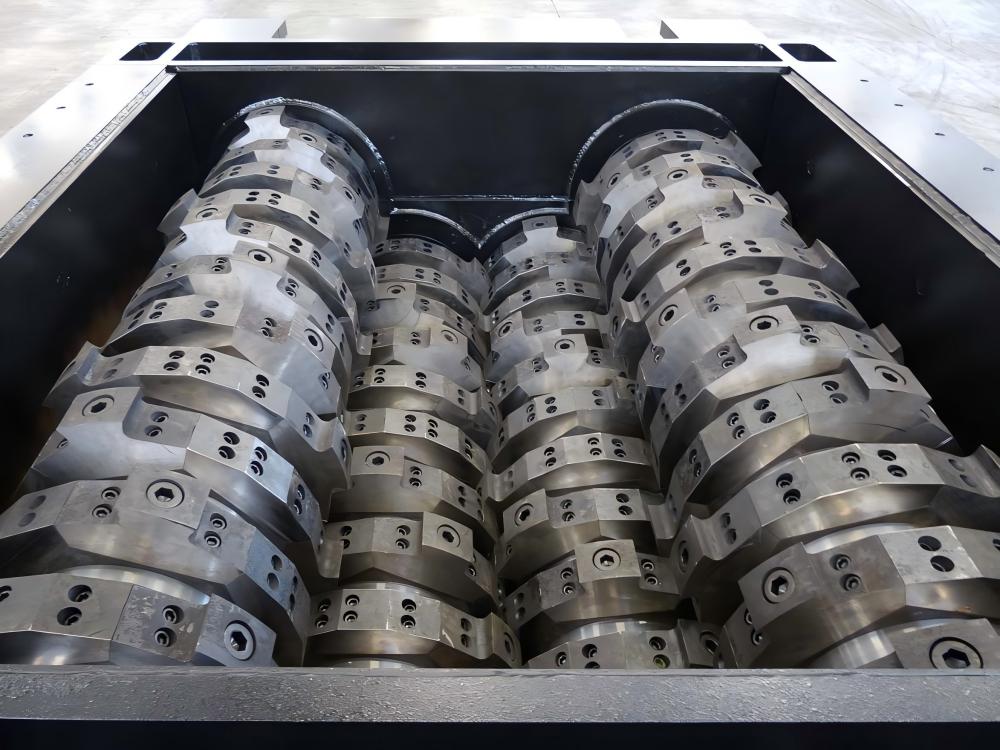
A four-shaft shredder operates using two main drive shafts and two auxiliary shafts. The top shafts act as feeders, grabbing the material and forcing it down into the primary cutting shafts. This unique configuration prevents material from ‘bouncing’ on top of the cutters, a common issue in two-shaft designs. Because these machines are complex, the purchasing process requires a deep dive into technical specifications, manufacturer reputation, and long-term operational costs. This guide is designed to walk you through every facet of the decision-making process, ensuring you select a machine that matches your specific throughput and material requirements.
Price Range Overview: What to Expect
The price of a four-shaft shredder can vary dramatically based on its scale, power, and intended application. Generally, these machines are categorized into three main price tiers. Understanding where your needs fall within these tiers is the first step in budgeting. Entry-level machines, often used for light plastics or medical waste, typically range from $25,000 to $60,000. These units usually feature lower horsepower motors and smaller cutting chambers, making them suitable for low-volume operations or specialized laboratory environments.
Mid-range four-shaft shredders, which are the workhorses of the recycling industry, generally fall between $70,000 and $180,000. These machines are built for continuous operation and can handle tougher materials like electronic scrap (WEEE), aluminum castings, and heavy plastics. They feature robust frames, advanced PLC control systems, and high-torque gearboxes. At this level, you are paying for durability and the ability to process several tons of material per hour with minimal downtime.
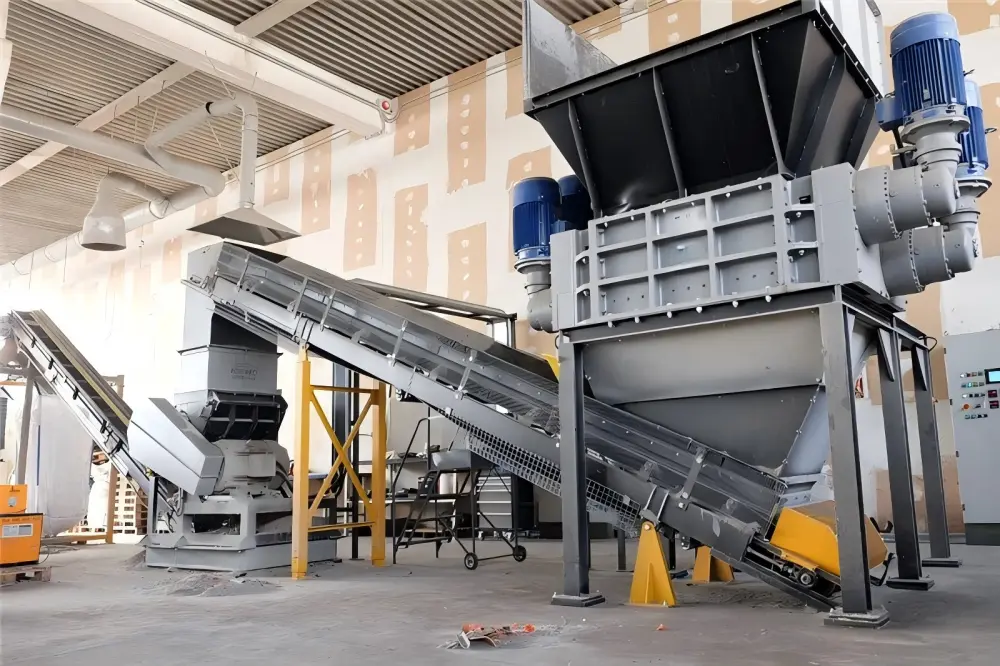
High-end, heavy-duty industrial shredders can exceed $250,000 and often reach into the half-million-dollar range. These are custom-engineered solutions designed for massive throughput, such as car tire recycling lines or large-scale municipal waste processing. These machines often include integrated conveyor systems, magnetic separators, and sophisticated dust suppression units. When considering the price, it is vital to remember that the initial purchase price is only one part of the total cost of ownership. The Questions Ask Before Buying A Four-Shaft Shredder Machine should always include inquiries about the cost of replacement parts and energy efficiency.
Main Cost Drivers in Four-Shaft Shredder Manufacturing
Several technical factors drive the manufacturing cost of a four-shaft shredder. The most significant is the motor and drive system. High-torque, low-speed motors are essential for shredding tough materials, and the quality of the gearbox that transfers this power is paramount. Premium brands like Siemens or WEG for motors and SEW-Eurodrive for gearboxes add to the initial cost but provide significantly better reliability and parts availability worldwide.
The second major cost driver is the blade material and manufacturing process. Blades are the primary wear part of any shredder. High-quality blades are typically made from specialized alloy steels such as D2, SKD-11, or DC53. These materials undergo rigorous vacuum heat treatment to achieve the perfect balance of hardness (to maintain a sharp edge) and toughness (to prevent cracking under impact). The complexity of the blade profile in a four-shaft system—where blades must interact across four different axes—requires precision machining, which adds to the cost.
Finally, the control system and structural integrity of the machine play a role. A heavy-duty frame made from thick, welded steel plates is necessary to absorb the vibrations and stresses of shredding. Furthermore, an advanced PLC (Programmable Logic Controller) with a touch-screen HMI (Human Machine Interface) allows for automated features like ‘auto-reverse.’ This feature detects a jam and automatically reverses the shafts to clear the obstruction, preventing motor burnout and mechanical failure. Investing in a machine with these high-quality components reduces long-term maintenance costs.
Configuration Impact: Tailoring the Machine to Your Needs
The configuration of a four-shaft shredder is not a one-size-fits-all scenario. One of the most important Questions Ask Before Buying A Four-Shaft Shredder Machine is: “What screen size do I need?” The screen is located beneath the cutting shafts and determines the final particle size. If the material is not small enough to pass through the screen, the auxiliary shafts carry it back up to the top for another pass. This internal recirculation is what gives the four-shaft shredder its precision.
- Shaft Speed and Torque: For brittle materials like hard plastics, higher speeds might be acceptable. However, for tough, elastic materials like rubber or metals, high torque at low speeds is required to prevent the machine from stalling.
- Blade Thickness and Tooth Count: The number of teeth on each blade and the thickness of the blades themselves will dictate the shredding efficiency. Thinner blades produce a finer shred but are more susceptible to damage from heavy contaminants.
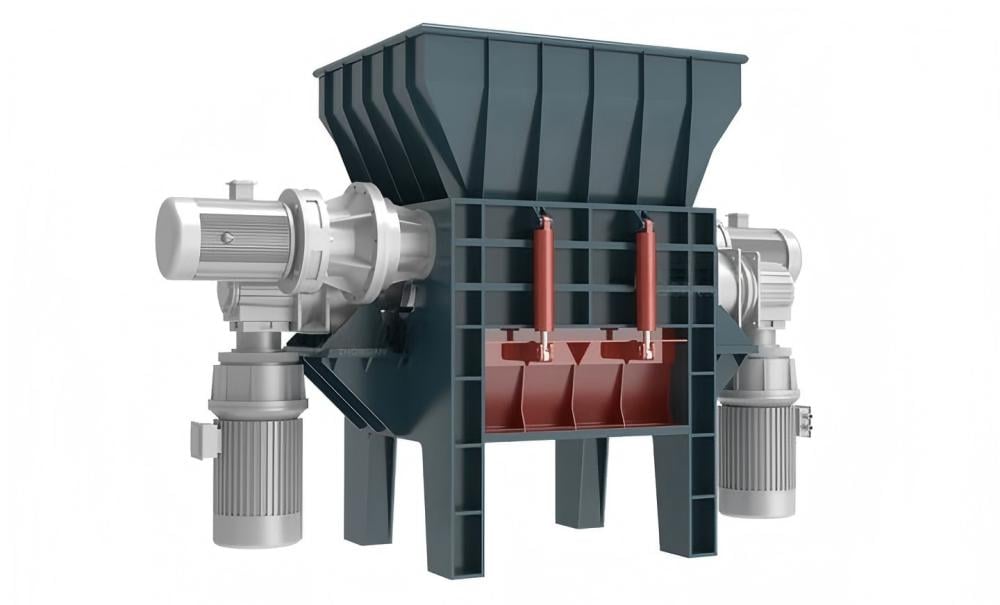
- Feeding Mechanism: Depending on your material, you may need a gravity-fed hopper or a forced-feed hydraulic ram. For bulky items like drums or large crates, a hydraulic ram ensures the material is constantly pushed into the cutting zone.
Hidden Costs of Owning a Four-Shaft Shredder
When calculating your budget, you must look beyond the invoice price. One often overlooked hidden cost is installation and site preparation. Industrial shredders require a stable, level concrete foundation and a high-amperage electrical supply. If your facility’s electrical grid cannot handle the startup current of a 100HP motor, you may need to invest in a soft-starter or a VFD (Variable Frequency Drive), which adds cost.
Maintenance and spare parts represent the most significant ongoing expense. Blades will eventually dull and require sharpening or replacement. In a four-shaft machine, you have significantly more blades than in a single-shaft machine, meaning the cost of a full blade set change can be substantial. You should ask the manufacturer about the expected lifespan of the blades for your specific material and the cost of a replacement set. Additionally, the labor required to change these blades can result in several hours or even days of downtime.
Energy consumption is another factor. A machine that runs for 8 to 16 hours a day will consume a massive amount of electricity. Choosing a machine with a high-efficiency motor and an optimized cutting geometry can save thousands of dollars in utility bills over the machine’s lifespan. Finally, consider the cost of waste disposal for any non-recyclable byproducts and the cost of insurance for heavy industrial equipment.
ROI Calculation: Is the Investment Worth It?
Calculating the Return on Investment (ROI) for a four-shaft shredder involves comparing the total cost of ownership against the revenue generated or costs saved. The primary driver of ROI in shredding is volume reduction. By shredding bulky waste, companies can reduce the number of truckloads required to transport material to a landfill or processing center, often by as much as 80%. This leads to immediate savings in logistics and fuel costs.
Another factor is the value-add of the shredded material. For example, in e-waste recycling, shredding is the first step in liberating precious metals from circuit boards. The resulting uniform flakes are much easier to sort using eddy current separators or optical sorters, significantly increasing the purity and market value of the recovered copper, gold, and plastic. If you are processing 5 tons of e-waste per day, even a 10% increase in recovery efficiency can pay for the machine within the first year.
To calculate ROI, use the following formula: (Annual Savings + Annual Revenue – Annual Operating Costs) / Total Initial Investment. If the resulting payback period is under 24 months, the investment is generally considered excellent in the industrial sector. However, this calculation depends entirely on the accuracy of the answers you get when you Questions Ask Before Buying A Four-Shaft Shredder Machine regarding throughput and uptime.
Buying Advice: Essential Questions to Ask the Manufacturer
Before signing a purchase agreement, you should conduct a thorough interview with the manufacturer. Here is a checklist of the most critical Questions Ask Before Buying A Four-Shaft Shredder Machine:
- Can I test my specific material on your machine? Never buy a shredder without a material test. Send a sample of your toughest waste to the manufacturer and ask for a video of the shredding process and a sample of the output.
- What is the hardness rating of the blades? Ensure the blades are appropriate for your material. For metal, you need high-impact resistance; for plastic, you need edge retention.
- How is the screen accessed for cleaning or replacement? In some designs, changing the screen is a nightmare. Look for machines with easy-access doors or slide-out screen cradles.
- What safety certifications does the machine hold? Ensure the machine complies with CE, UL, or local safety standards. It should have emergency stop buttons, safety interlocks on all access doors, and overload protection.
- What is the lead time for wear parts? If a shaft breaks or a gearbox fails, you cannot afford to wait three months for a part from overseas. Verify that the manufacturer stocks critical spares locally.
- Does the PLC support remote diagnostics? Modern machines often allow technicians to log in via the internet to troubleshoot software issues, saving you the cost of a service visit.
Frequently Asked Questions (FAQ)
What is the main advantage of a 4-shaft shredder over a 2-shaft shredder?
The main advantage is the integrated screening and recirculation. A 4-shaft shredder can produce a specific, uniform particle size in a single pass because the top shafts constantly feed material back into the cutters until it is small enough to pass through the screen. A 2-shaft shredder typically produces long strips and requires an external screen and conveyor system to achieve the same result.
How often do the blades need to be sharpened?
This depends entirely on the material. If you are shredding clean plastic, blades may last for 1,000 to 2,000 hours. If you are shredding abrasive materials like glass-filled plastics or contaminated e-waste, you might need to sharpen or rotate the blades every 500 hours. Always ask the manufacturer for a maintenance schedule based on your specific application.
Can a four-shaft shredder handle metal?
Yes, but with limitations. They are excellent for light metals like aluminum cans, thin-walled extrusions, and electronic housings. They are not designed for heavy structural steel, thick rebar, or large engine blocks. Attempting to shred materials beyond the machine’s rated capacity will lead to catastrophic shaft or gearbox failure.
What happens if a non-shreddable object enters the machine?
High-quality four-shaft shredders are equipped with PLC-controlled load monitoring. If the machine encounters an object it cannot cut (like a solid steel shaft), the current spikes, and the PLC immediately stops and reverses the shafts. This allows the operator to remove the object before damage occurs. This is one of the most important Questions Ask Before Buying A Four-Shaft Shredder Machine during the procurement phase.
Is a hydraulic drive better than an electric drive?
Hydraulic drives offer superior torque at very low speeds and are better at handling frequent shocks and reversals. However, they are more complex to maintain and less energy-efficient than modern electric drives equipped with VFDs. For most standard recycling applications, an electric drive is the more cost-effective and reliable choice.
Conclusion
Investing in a four-shaft shredder is a strategic move that can significantly enhance your facility’s processing capabilities and profitability. By focusing on the right Questions Ask Before Buying A Four-Shaft Shredder Machine, you move beyond the sticker price and focus on the technical specifications that drive long-term success. From blade metallurgy to PLC logic and ROI calculations, every detail matters. Partnering with a reputable manufacturer like HARSLE ensures that you receive not only a high-quality machine but also the technical support and expertise needed to keep your operation running smoothly for years to come. Take the time to do your due diligence, test your materials, and verify the total cost of ownership to ensure your shredding operation is a cut above the rest.


