How to Fix Scrap Metal Shear Cutting Inconsistency: A Comprehensive Industrial Guide

Introduction to Scrap Metal Shear Performance
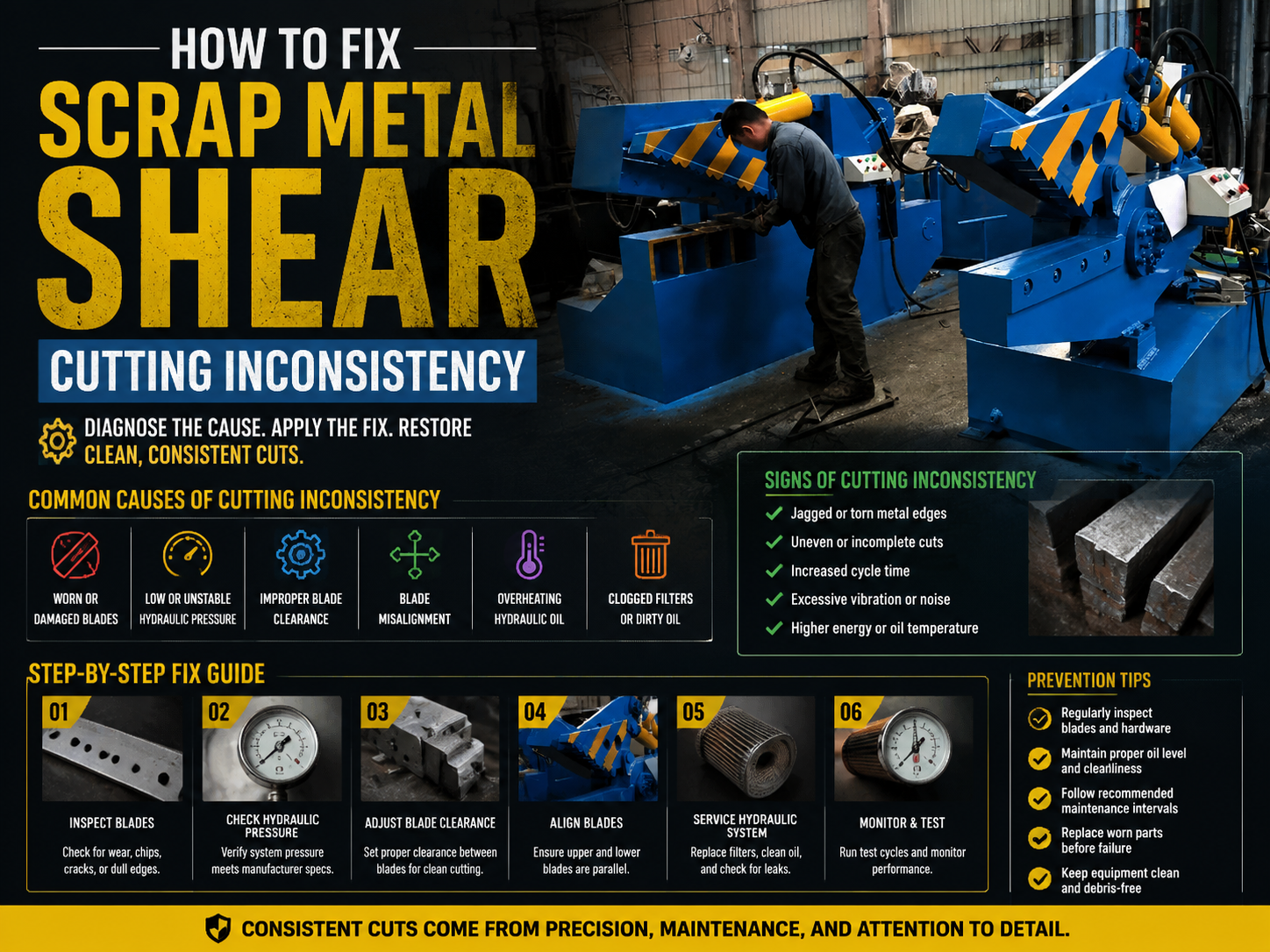
In the high-stakes world of metal recycling and industrial fabrication, the scrap metal shear is a workhorse. Whether you are using an alligator shear, a container shear, or a heavy-duty guillotine shear, the goal is always the same: clean, efficient, and consistent cuts. However, operators often encounter a frustrating hurdle: cutting inconsistency. When a machine fails to deliver uniform results, it leads to increased scrap waste, potential damage to the blades, and significant downtime. Learning how to fix scrap metal shear cutting inconsistency is not just a maintenance task; it is a critical skill for ensuring the longevity of your HARSLE equipment and the profitability of your operations.
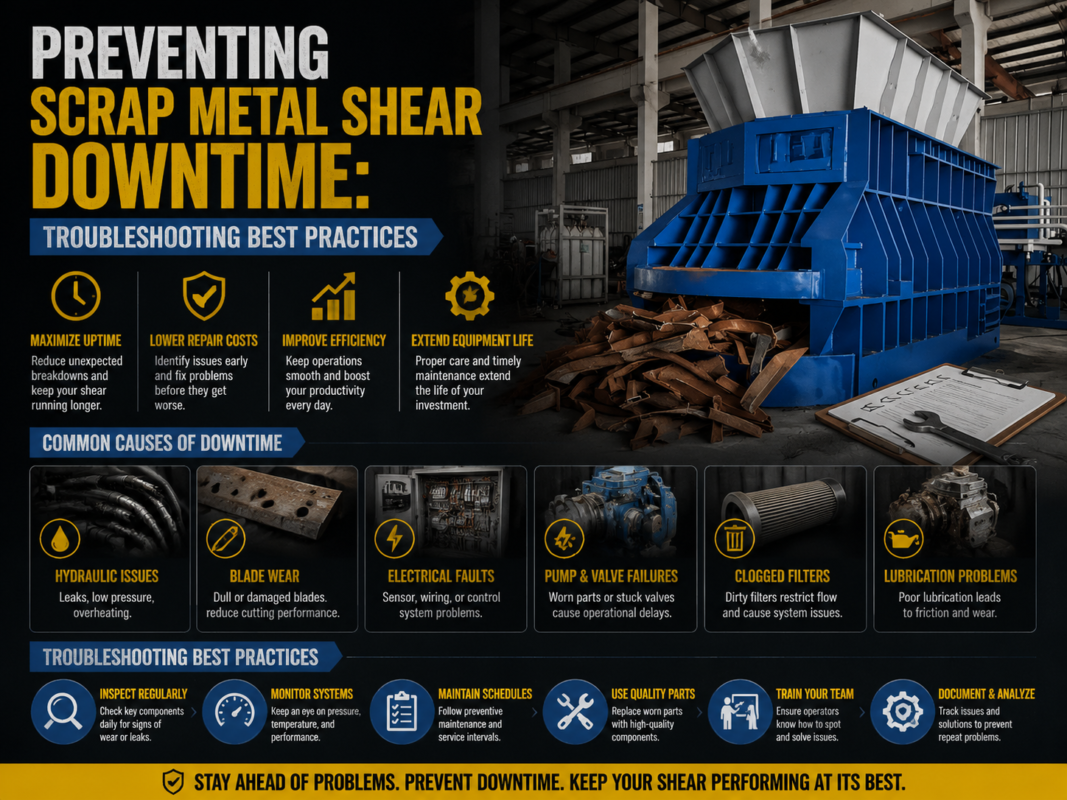
Cutting inconsistency can manifest in several ways. You might notice that the shear struggles to cut through certain sections of a beam, or perhaps the metal is being folded rather than sheared cleanly. In other cases, the machine might perform perfectly for the first hour of a shift only to lose precision as the day progresses. These issues are rarely the result of a single catastrophic failure. Instead, they are usually the culmination of small misalignments, hydraulic fluctuations, or wear and tear that have gone unnoticed. By understanding the mechanics of the shearing process, you can systematically identify and resolve these problems.
This guide is designed to provide a deep dive into the technical aspects of scrap metal shear maintenance. We will explore the primary causes of inconsistency, ranging from mechanical blade gaps to complex hydraulic pressure issues. By the end of this article, you will have a clear roadmap to diagnose and fix scrap metal shear cutting inconsistency, ensuring your HARSLE machinery operates at peak performance for years to come.
Key Considerations for Consistent Shearing
1. Blade Clearance and Alignment
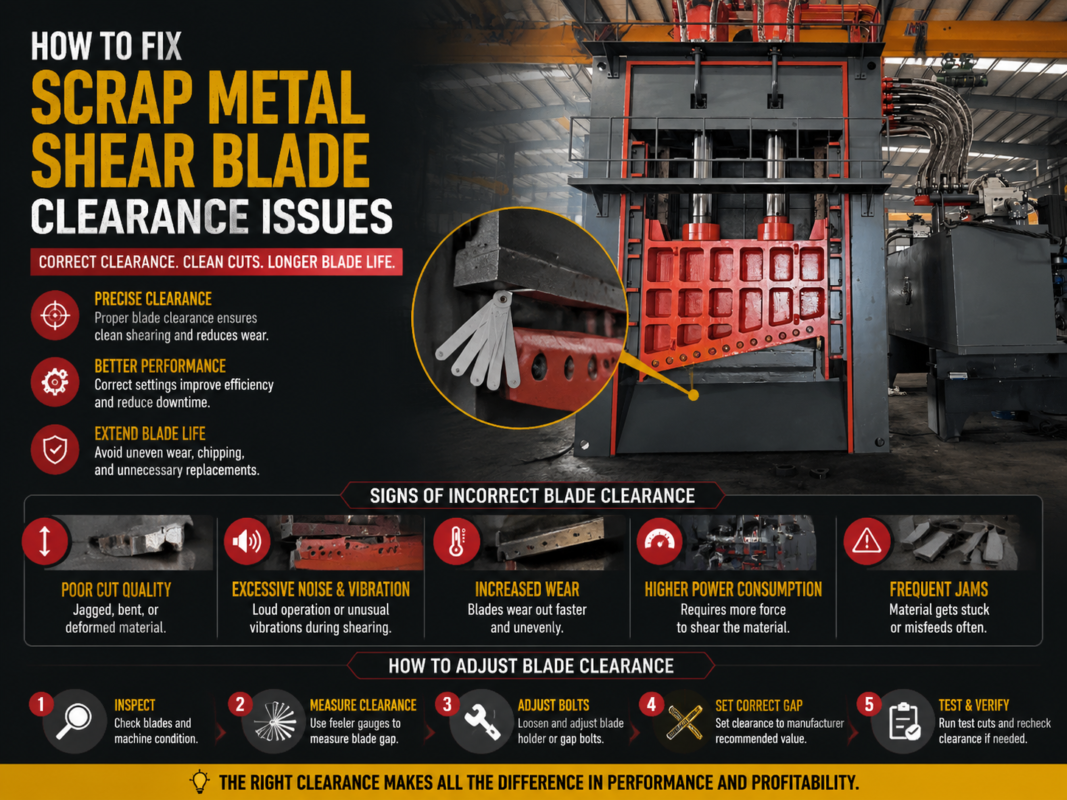
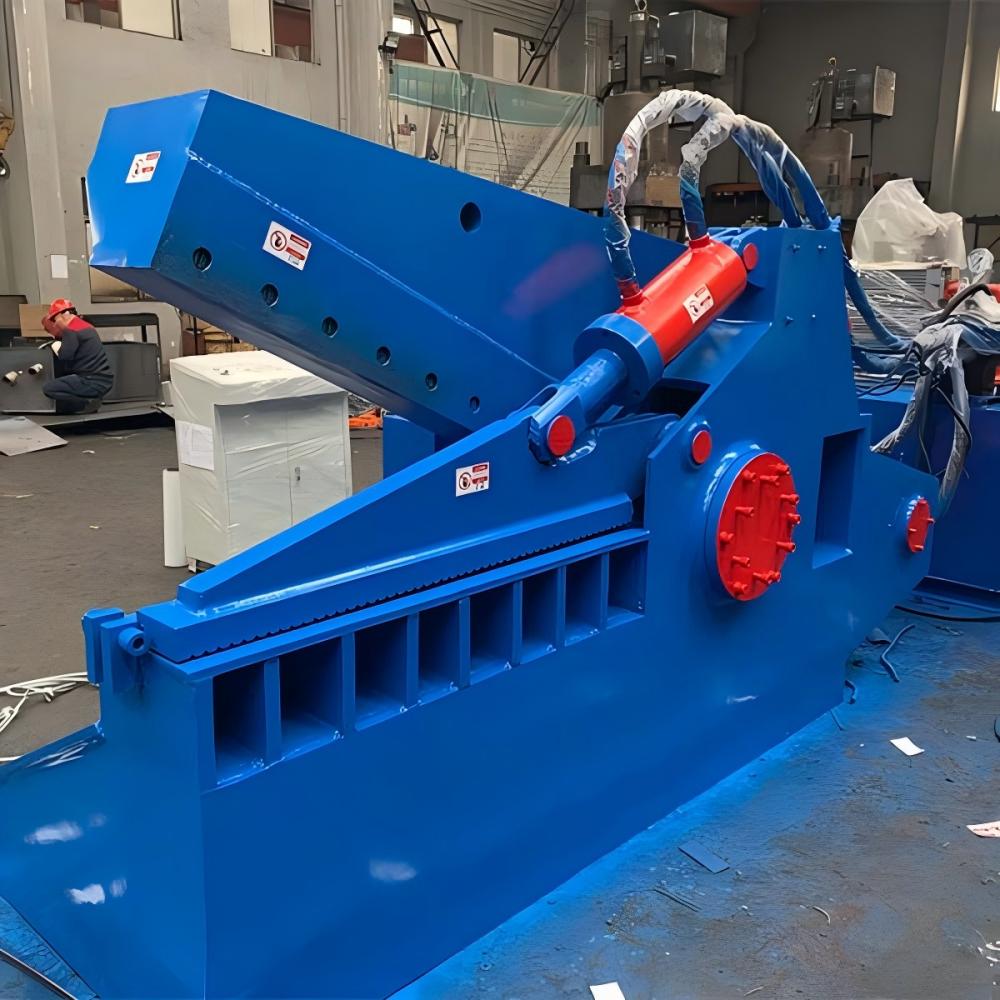
The most common cause of cutting inconsistency is improper blade clearance. In the shearing world, the “gap” between the upper and lower blades is everything. If the gap is too wide, the metal will simply bend or “draw” between the blades, leading to a jagged, incomplete cut. If the gap is too tight, the blades will rub against each other, causing excessive heat, rapid dulling, and potential structural damage to the shear head. For scrap metal, which varies in thickness and hardness, maintaining the manufacturer-recommended clearance is vital.
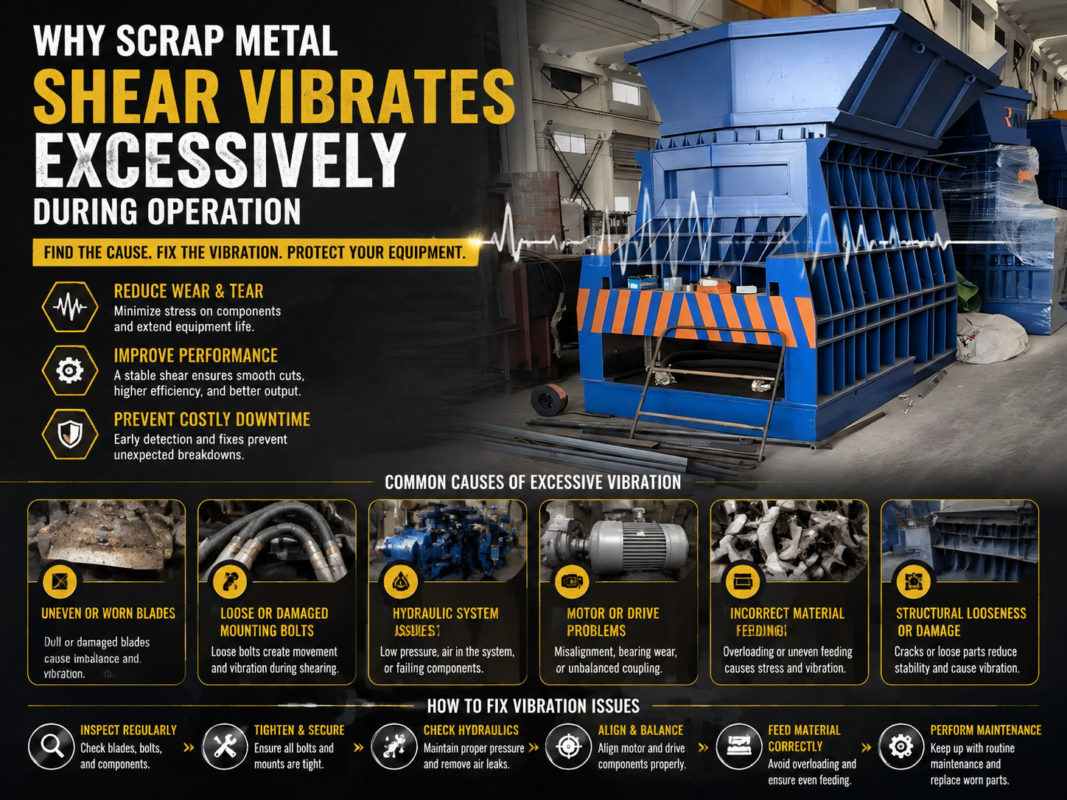
Alignment goes hand-in-hand with clearance. Even if the gap is set correctly at one end of the blade, a slight tilt in the shear arm or the blade seat can cause the gap to widen at the other end. This results in a cut that starts clean but ends in a tear. Regular inspection of the blade seats and the bolts that secure them is the first step in troubleshooting inconsistency.
2. Material Properties and Feed Consistency
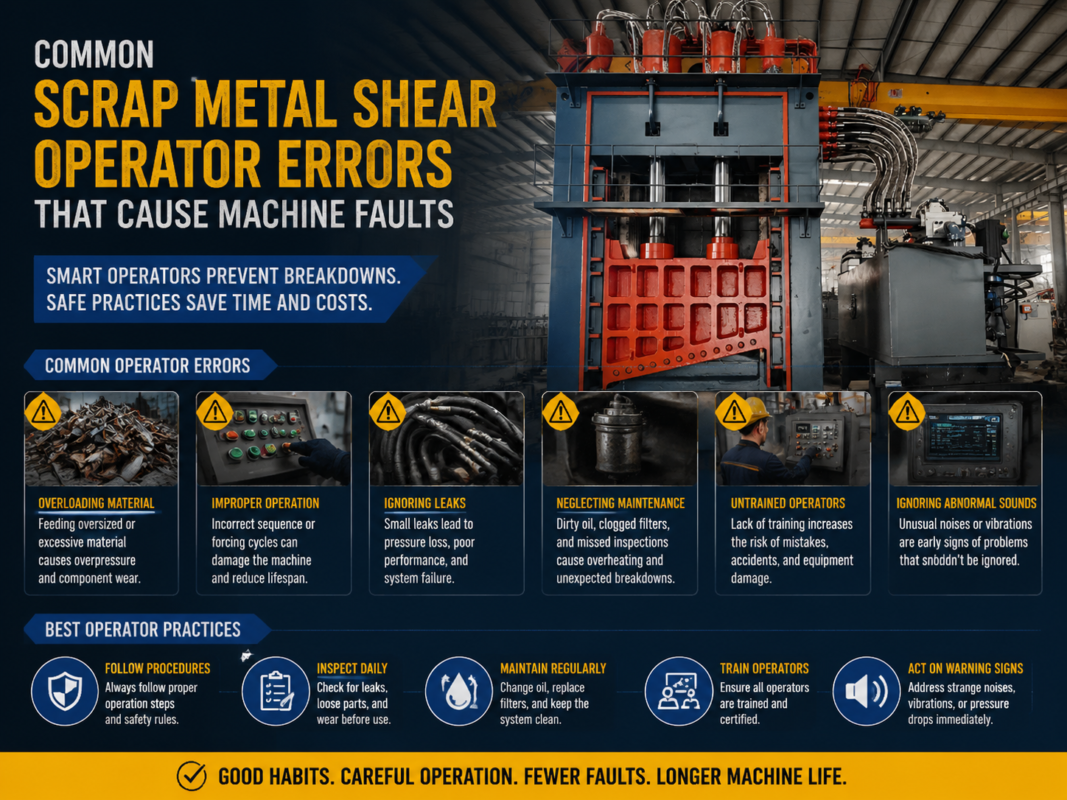
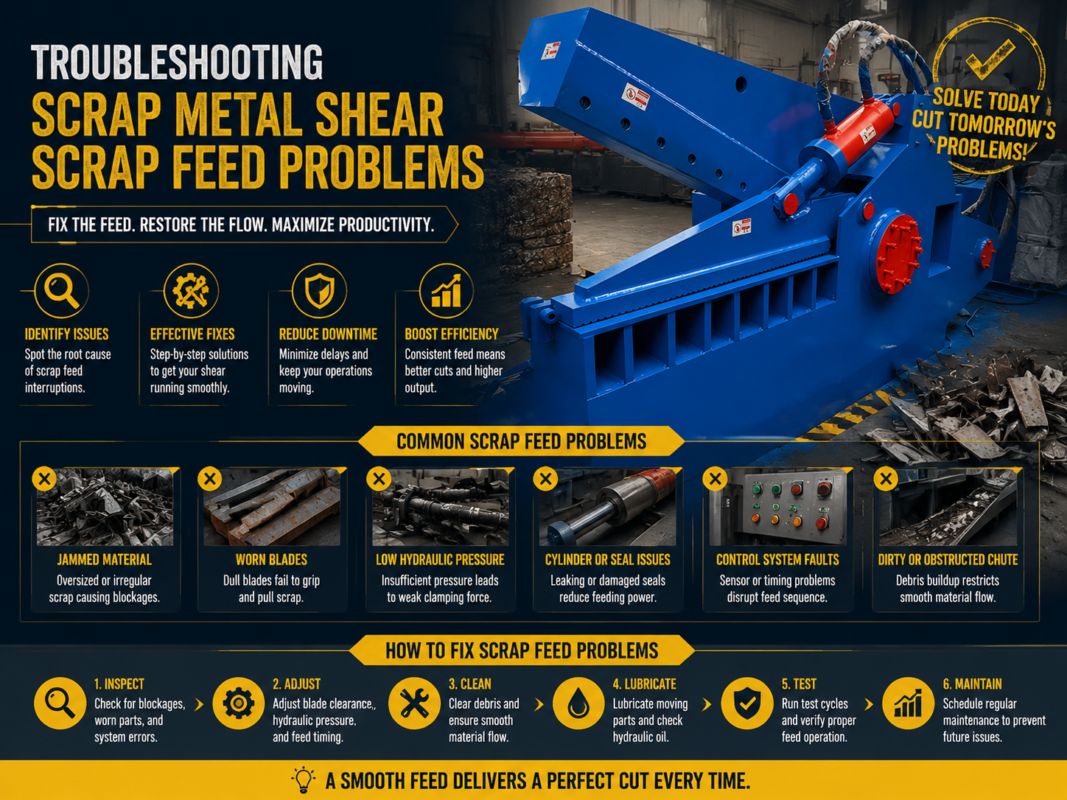
Not all scrap is created equal. A shear set up to process thin aluminum siding will struggle when suddenly fed heavy-duty structural steel. Inconsistency often arises when the operator does not account for the varying tensile strength and thickness of the material. Furthermore, how the material is fed into the shear matters. If the scrap is fed at an angle or if it is not properly seated against the backstop, the shear force will be distributed unevenly, leading to a poor cut.
3. Hydraulic System Stability
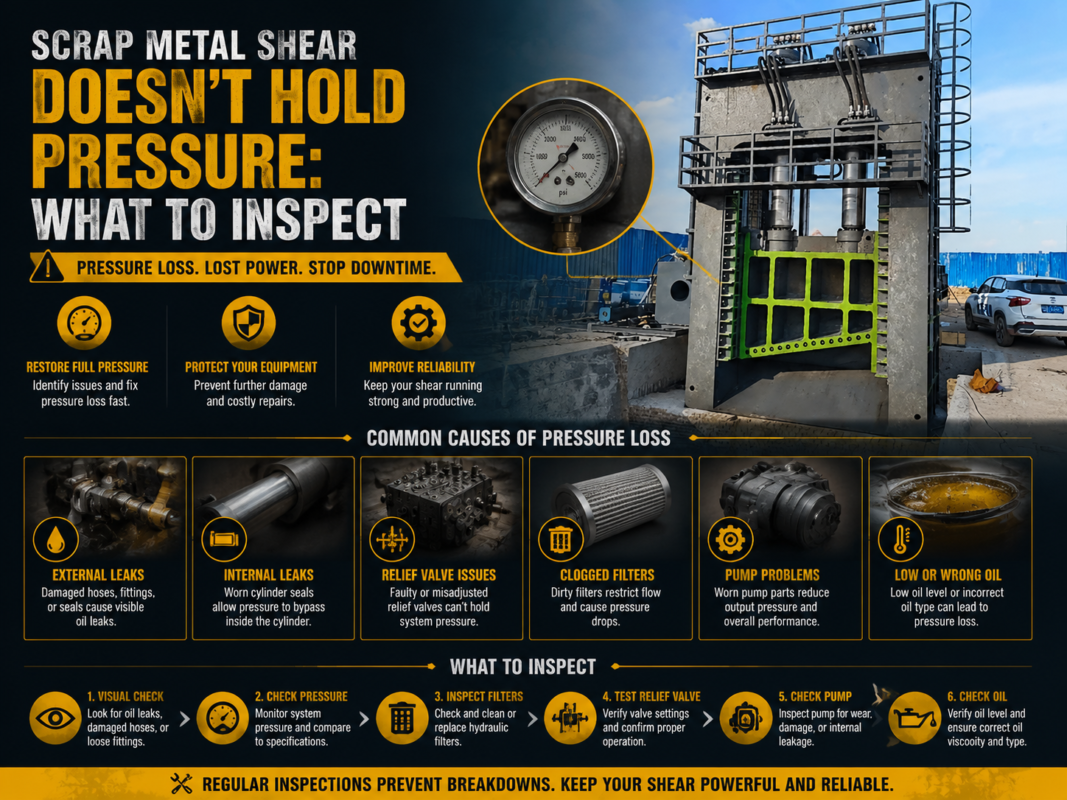
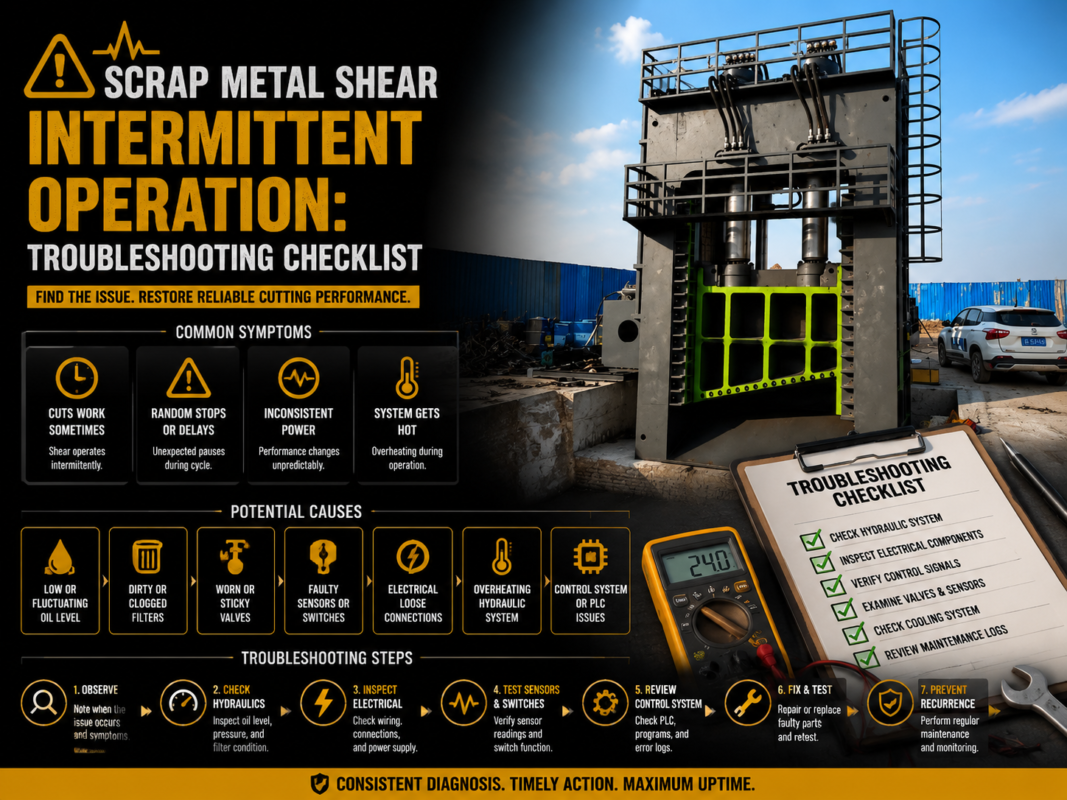
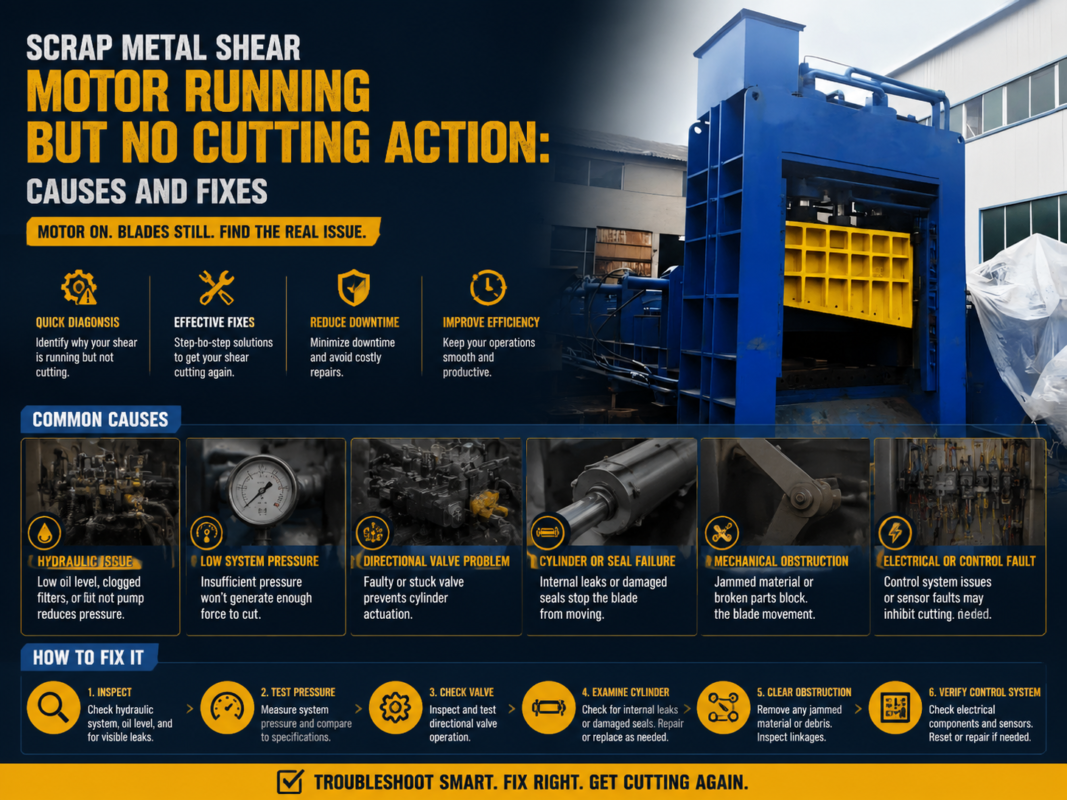
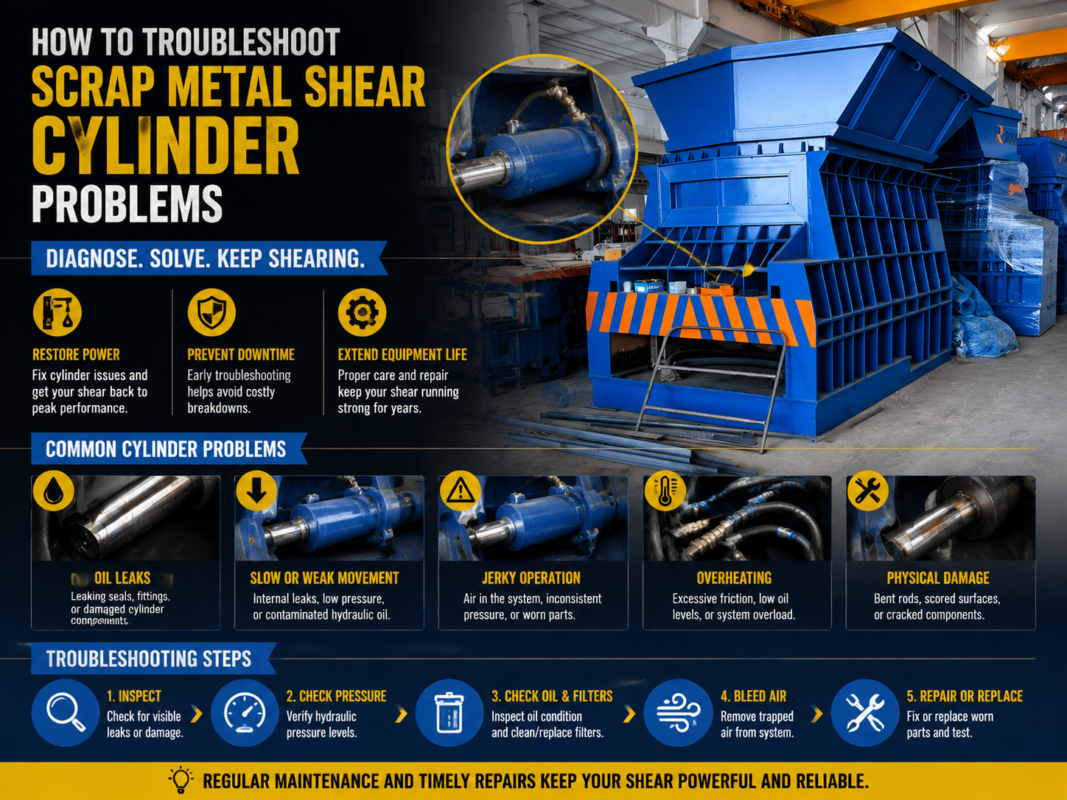
Hydraulic scrap shears rely on consistent fluid pressure to generate the force necessary for shearing. If the hydraulic system is compromised—whether through air in the lines, contaminated oil, or a failing pump—the pressure delivered to the cylinder will fluctuate. This fluctuation causes the shear arm to move at inconsistent speeds or with varying force, making it impossible to achieve a uniform cut across different cycles.
4. Blade Condition and Sharpness
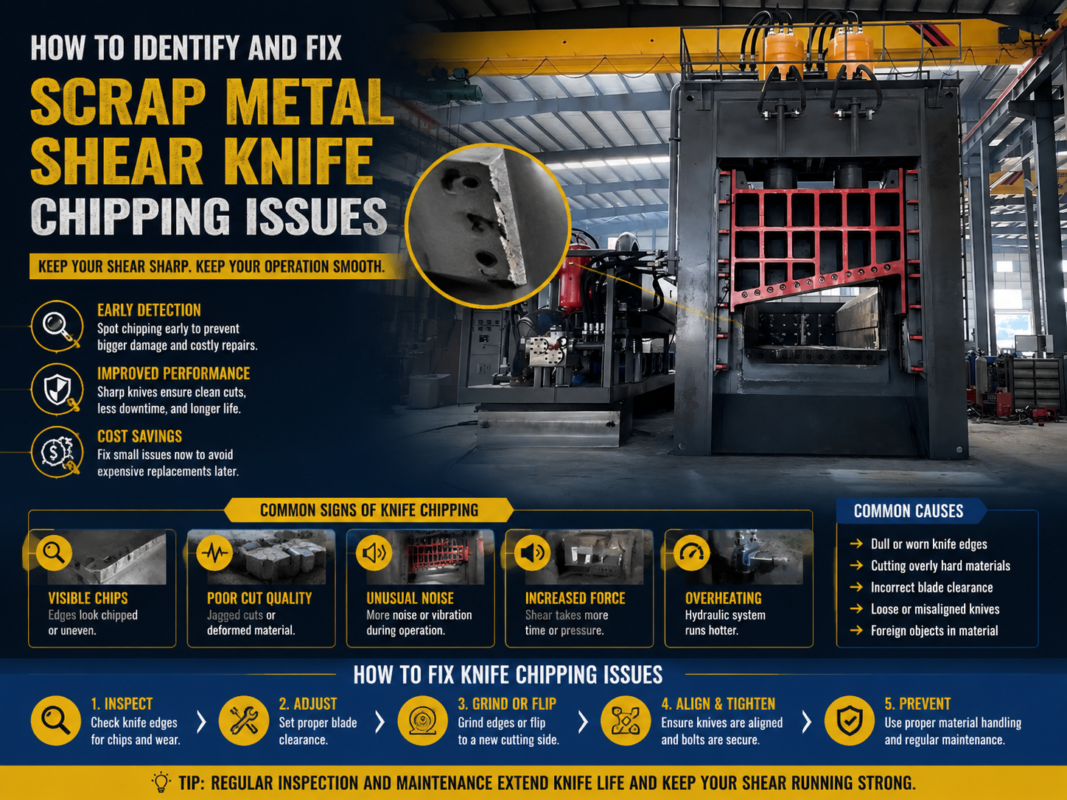
It may seem obvious, but dull blades are a primary driver of inconsistency. As blades wear down, they lose their ability to concentrate force on a single point. Instead of a sharp “snap,” the machine exerts a crushing force. Because scrap metal often contains contaminants like dirt, sand, or hardened welds, blades can chip or wear unevenly. A blade that is sharp in the middle but dull at the edges will produce highly inconsistent results.
Technical Details: Troubleshooting and Repair
Step 1: Measuring and Adjusting the Blade Gap
To fix scrap metal shear cutting inconsistency, you must start with a feeler gauge. With the machine safely locked out and the blades in a partially closed position, measure the gap at multiple points along the length of the blades. Compare these measurements to the HARSLE technical manual. If the gap exceeds the tolerance (usually 10% of the material thickness for general scrap), you must adjust the shim plates or the adjustment bolts located on the shear head.
When adjusting, always work in small increments. Tighten the adjustment bolts and re-measure. It is often helpful to use a “light test”—shining a flashlight behind the blades to see if any light leaks through an uneven gap. Ensure that the blades are parallel throughout the entire stroke of the machine.
Step 2: Hydraulic Pressure Analysis
If the mechanical alignment is correct but the inconsistency persists, turn your attention to the hydraulics. Install a pressure gauge at the cylinder inlet to monitor the pressure during a cut. If you see the needle flickering or dropping significantly during the shearing action, you likely have a valve issue or a bypass problem within the cylinder. Check the following:
- Relief Valve Settings: Ensure the main relief valve is set to the correct PSI. If it opens too early, the shear won’t have the power to finish the cut.
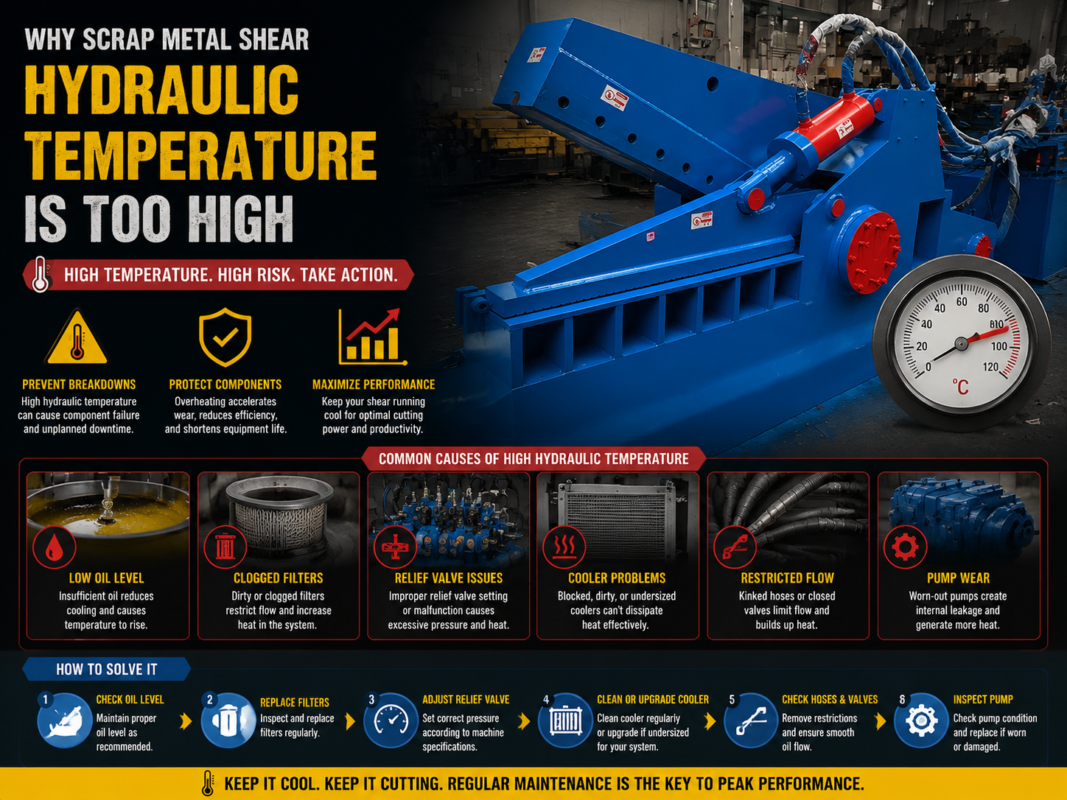
- Oil Temperature: Overheated oil loses viscosity, leading to internal leakage in the pump and valves. Ensure the cooling system is functioning.
- Filter Condition: Clogged filters can cause cavitation in the pump, leading to erratic pressure spikes and drops.
Step 3: Inspecting the Gibs and Slides
In guillotine-style scrap shears, the moving blade slide is held in place by “gibs.” These are wear plates that guide the slide’s movement. Over time, these gibs wear down, allowing the slide to “kick back” or tilt during the cut. This movement changes the blade gap dynamically under load. To fix this, you must tighten the gib adjustment screws to take up the slack, ensuring the slide moves vertically without lateral play. If the gibs are deeply scored or worn beyond their limit, they must be replaced.
Step 4: Blade Rotation and Sharpening
Most HARSLE scrap shears feature four-sided rectangular blades. If one edge is dull or inconsistent, you can rotate the blade to a fresh edge. This is a cost-effective way to restore performance. However, if all edges are worn, the blades must be professionally reground. When regrinding, ensure that the height of all blade segments remains uniform; otherwise, you will introduce new inconsistencies where the segments meet.
| Component | Common Issue | Diagnostic Method | Solution |
|---|---|---|---|
| Blades | Dulling or Chipping | Visual inspection for rounded edges | Rotate or regrind blades |
| Blade Gap | Excessive Clearance | Feeler gauge measurement | Adjust shims or bolts |
| Hydraulic Oil | Contamination/Low Viscosity | Oil analysis or temperature check | Change oil and filters |
| Gibs/Slides | Lateral Play | Check for movement under load | Tighten or replace gib plates |
| Cylinder Seals | Internal Leaking | Pressure drop test | Replace piston seals |
Selection Advice: Choosing the Right Shear to Prevent Issues
Preventing cutting inconsistency starts with selecting the right machinery for your specific application. When browsing HARSLE’s catalog, consider the following factors to ensure long-term reliability:
1. Frame Rigidity
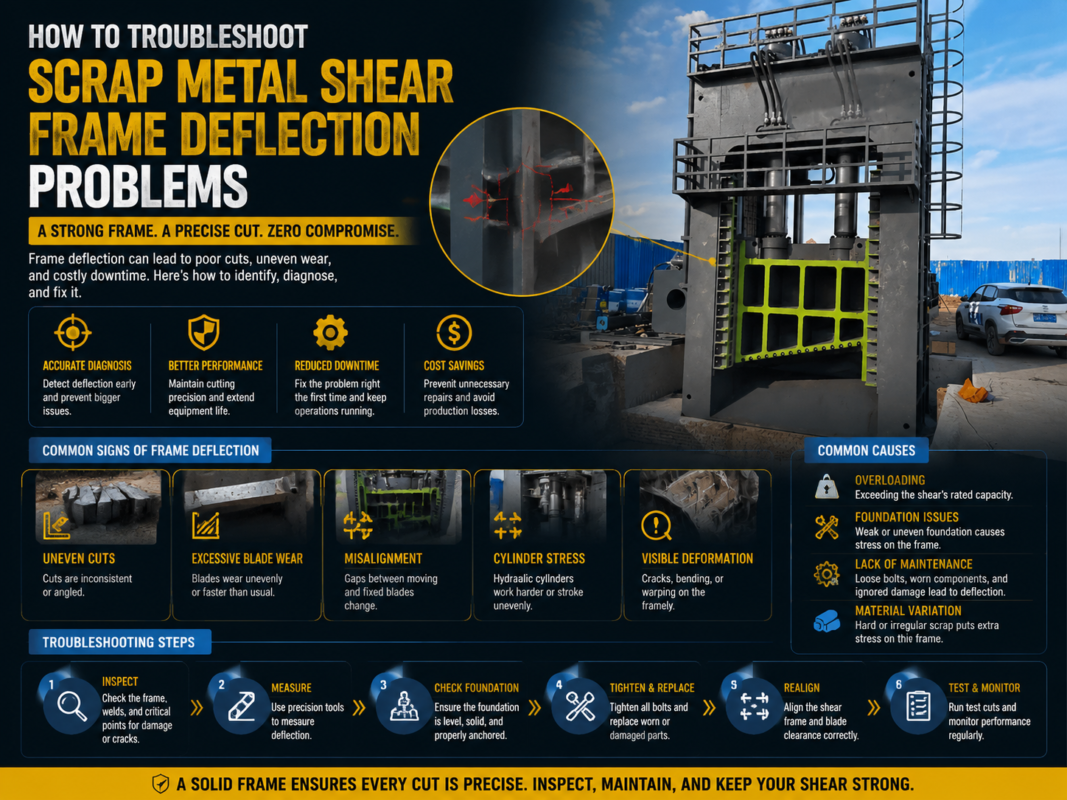
A shear is only as good as the frame that holds it. For heavy-duty scrap processing, look for shears with a solid, welded steel frame that resists deflection. A rigid frame ensures that the blade gap you set in the morning remains the same even when the machine is under hundreds of tons of pressure. HARSLE’s container shears are specifically engineered with reinforced frames to handle the violent forces of scrap processing.
2. Blade Material Quality
Not all steel is suitable for shear blades. Look for machines equipped with high-chromium, high-carbon tool steel blades (such as H13 or D2). These materials maintain their edge longer and are less prone to chipping when encountering hardened scrap. Investing in high-quality blades upfront significantly reduces the frequency of inconsistency issues.
3. Advanced Hydraulic Controls
Modern shears equipped with PLC (Programmable Logic Controller) systems can monitor hydraulic pressure in real-time and adjust the stroke speed accordingly. This “smart” shearing helps maintain consistency even when the material thickness varies. If your budget allows, opting for a machine with an integrated cooling system and high-efficiency valves will pay for itself in reduced maintenance costs.
4. Ease of Maintenance
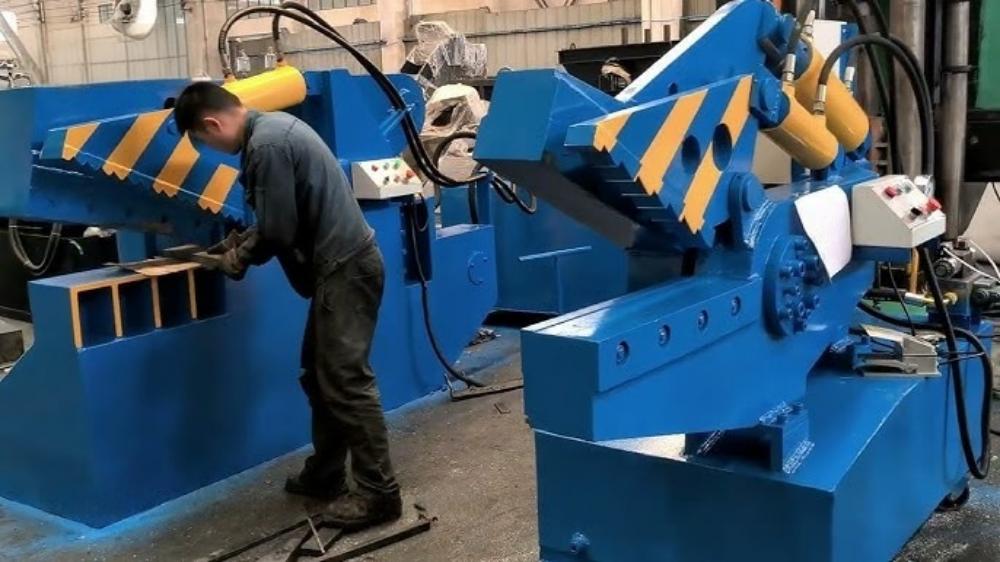
Choose a machine where the adjustment points are easily accessible. If it takes four hours to reach the blade adjustment bolts, your operators are less likely to perform the necessary maintenance. HARSLE designs its shears with the operator in mind, featuring accessible grease points and clear adjustment mechanisms to make it easier to fix scrap metal shear cutting inconsistency.
Frequently Asked Questions (FAQ)
Q1: How often should I check the blade gap on my scrap shear?
For high-volume operations, we recommend checking the blade gap at the start of every shift. At a minimum, a weekly inspection is necessary to catch gradual shifts in alignment before they cause significant cutting problems.
Q2: Why does my shear cut well at the start of the day but poorly after a few hours?
This is usually related to hydraulic oil temperature. As the oil heats up, its viscosity decreases, which can lead to internal leaks in the pump or valves, reducing the effective cutting force. Check your oil cooler and ensure you are using the correct grade of hydraulic fluid for your environment.
Q3: Can I sharpen scrap shear blades myself?
While you can perform minor touch-ups with a hand grinder to remove burrs, professional regrinding is recommended for maintaining the precise geometry required for consistent cutting. Improper DIY grinding can lead to uneven blade heights, which actually worsens inconsistency.
Q4: What is the ideal blade gap for mixed scrap metal?
A general rule of thumb is a gap of 0.1mm to 0.3mm for thinner materials, but for heavy scrap, the gap may be larger. Always refer to your HARSLE manual, as the specific model and blade length will dictate the optimal setting.
Q5: Does the type of scrap metal affect blade wear?
Absolutely. Stainless steel and high-carbon steels are much more abrasive and harder than mild steel or aluminum. If you are processing a lot of stainless scrap, you will need to rotate or sharpen your blades more frequently to maintain consistency.
Q6: What are the signs that my hydraulic pump is failing?
Common signs include an unusual whining noise (cavitation), slow cycle times, and the inability to reach maximum pressure. If the pump cannot maintain steady pressure, your cutting consistency will suffer immediately.
Conclusion: Maintaining Peak Shearing Efficiency
To fix scrap metal shear cutting inconsistency, one must adopt a holistic approach that combines mechanical precision with hydraulic health. As we have explored, the secret to a perfect cut lies in the details: the fraction of a millimeter in the blade gap, the purity of the hydraulic oil, and the sharpness of the tool steel. Ignoring these factors doesn’t just result in poor cuts; it accelerates the wear on your entire machine, leading to costly repairs and lost productivity.
HARSLE is committed to providing robust metal fabrication equipment that stands up to the rigors of the scrap yard. However, even the best machinery requires diligent care. By implementing a regular maintenance schedule—focusing on blade rotation, gap adjustment, and hydraulic monitoring—you can ensure that your shear remains a reliable asset in your recycling workflow. Remember, a consistent shear is a profitable shear. Keep your blades sharp, your gaps tight, and your hydraulics clean, and your HARSLE equipment will continue to deliver the high-performance results your business depends on.