Troubleshooting Scrap Metal Shear Material Jamming Problems: A Comprehensive Industrial Guide

Introduction to Scrap Metal Shear Efficiency
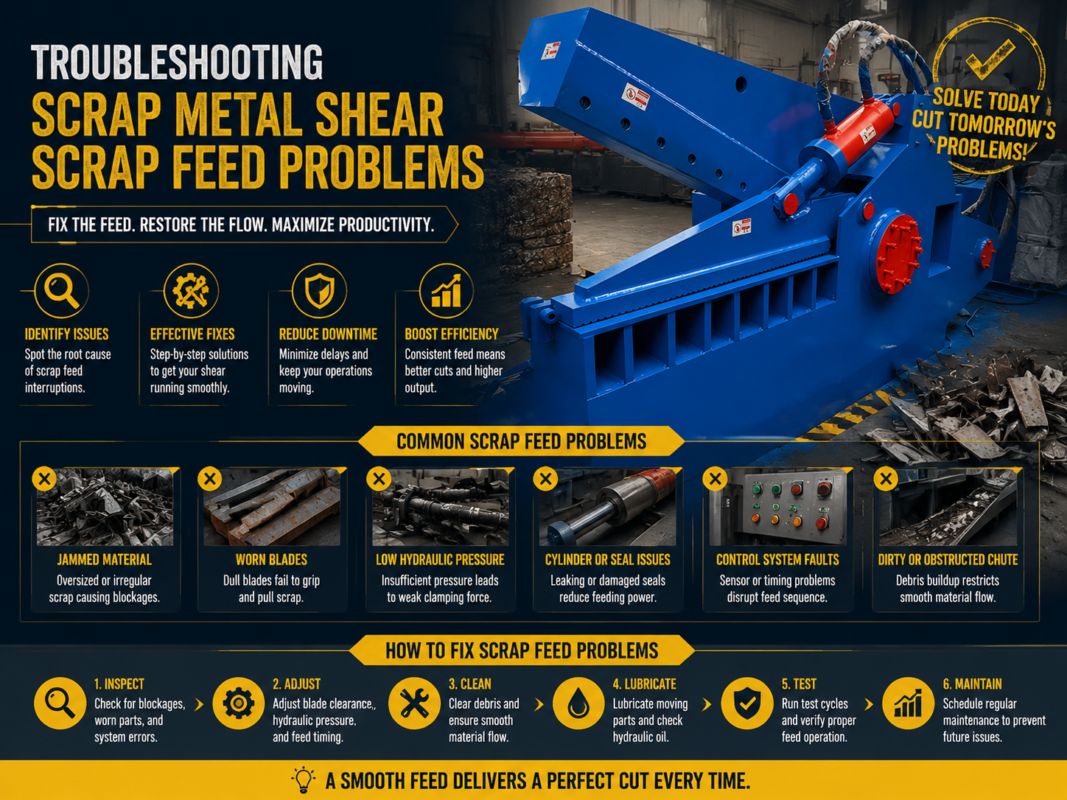
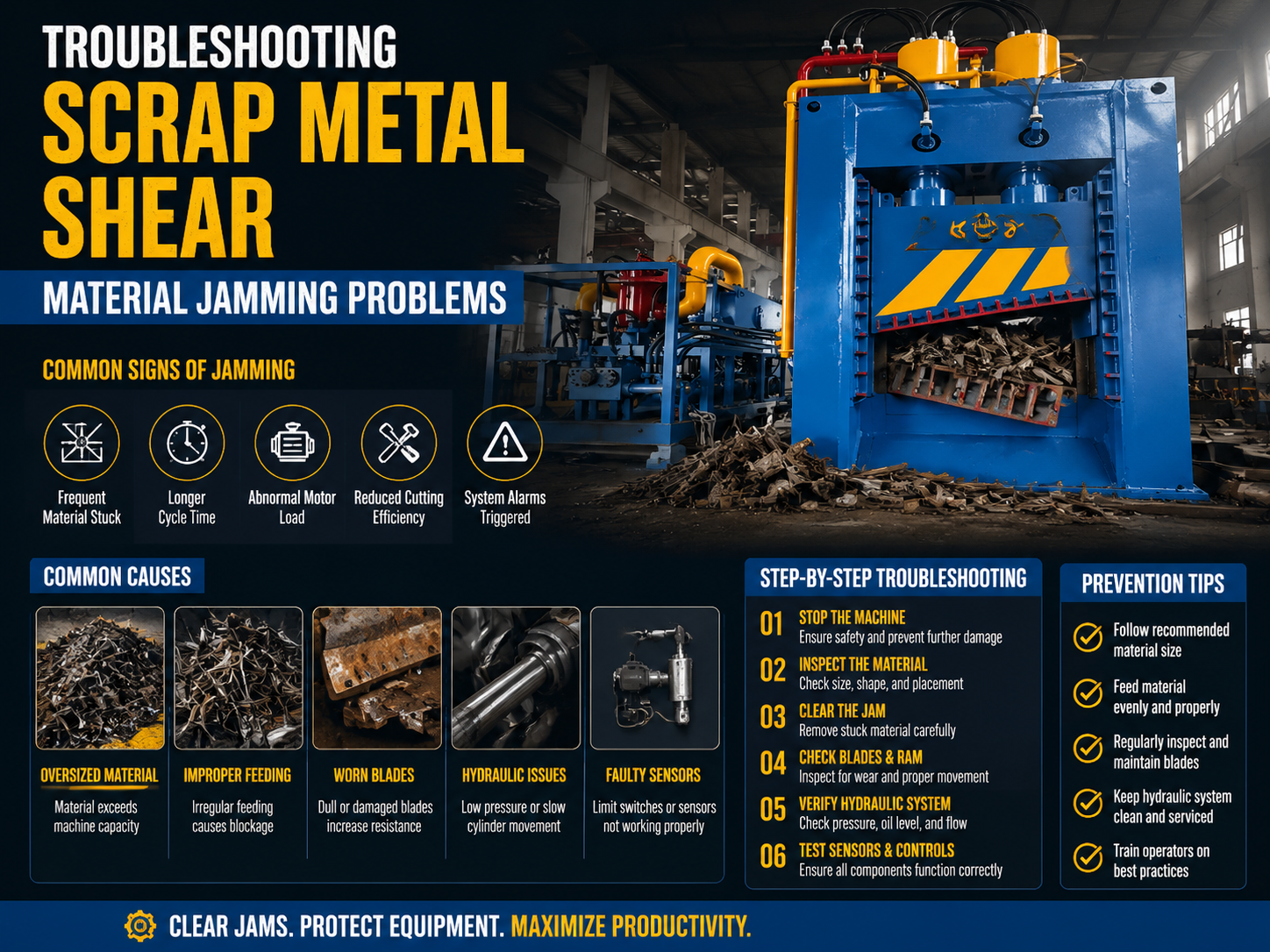
In the high-stakes world of metal recycling and industrial fabrication, the scrap metal shear stands as a cornerstone of productivity. Whether you are operating an alligator shear, a container shear, or a heavy-duty hydraulic guillotine, the primary goal is consistent, high-volume throughput. However, one of the most significant hurdles to achieving this goal is the occurrence of material jamming. Troubleshooting scrap metal shear material jamming problems is not just about fixing a temporary halt in production; it is about understanding the mechanical, hydraulic, and operational variables that lead to these inefficiencies.
At HARSLE, we recognize that downtime is the enemy of profitability. A jammed shear can lead to hours of lost labor, potential damage to expensive blade sets, and unnecessary strain on hydraulic systems. This comprehensive guide is designed to provide operators, maintenance managers, and facility owners with the technical depth required to diagnose and resolve jamming issues effectively. By exploring the root causes—ranging from material mismatch to hydraulic pressure fluctuations—we aim to empower you with the knowledge to keep your machinery running at peak performance.
Material jamming often occurs when the physical properties of the scrap exceed the machine’s rated capacity or when the mechanical alignment of the cutting components has drifted. Understanding the nuances of how different metals react under shear force is the first step in prevention. Throughout this article, we will delve into the technicalities of shear force, blade clearance, and the critical role of preventative maintenance in eliminating the risk of jams before they occur.
Key Considerations for Material Jamming
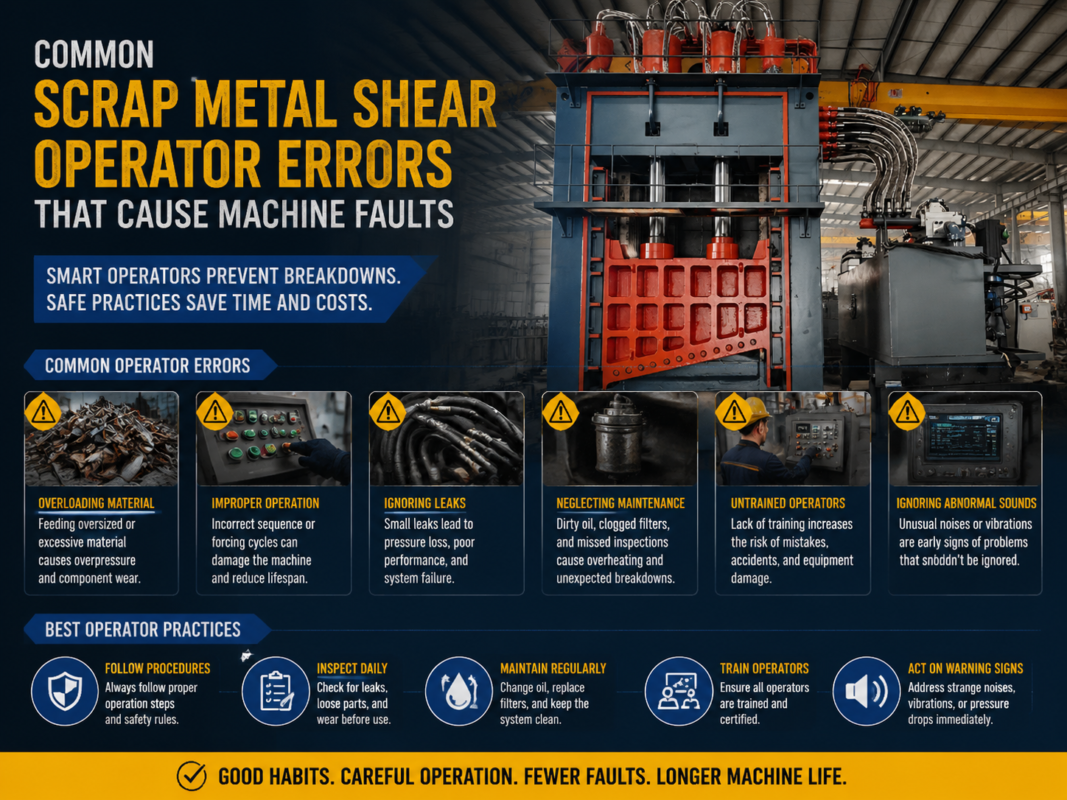
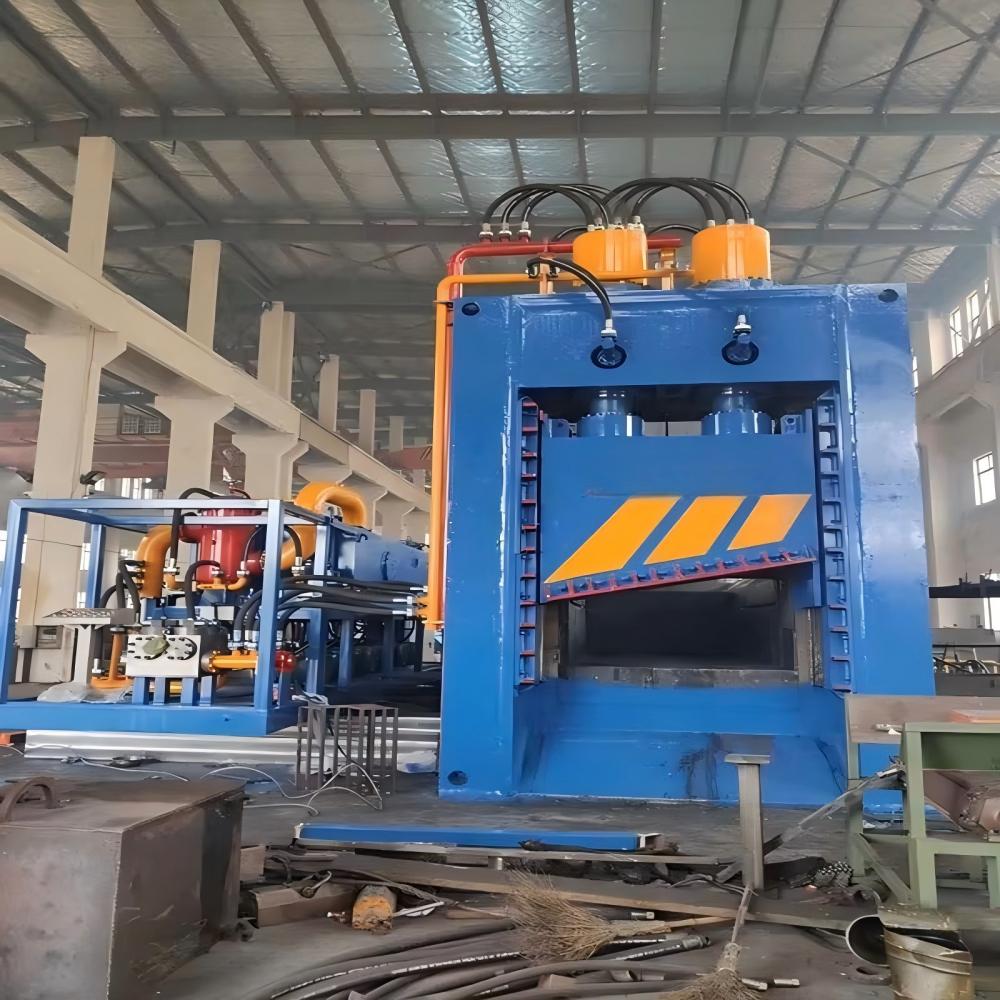
When troubleshooting scrap metal shear material jamming problems, it is essential to categorize the potential causes into three main areas: material characteristics, operator error, and mechanical wear. Each of these factors plays a distinct role in how the shear interacts with the scrap metal, and identifying the specific culprit is necessary for a long-term fix.
Material Characteristics and Overloading
The most common cause of jamming is attempting to shear material that is either too thick, too hard, or improperly shaped for the specific machine. Every scrap metal shear has a maximum cutting capacity based on mild steel tensile strength. If an operator attempts to cut high-carbon alloy steel or thick-walled structural beams that exceed these specifications, the shear blades may fail to penetrate, causing the material to wedge between the blades or stall the hydraulic ram.
Furthermore, the geometry of the scrap matters. Long, tangled pieces of wire or thin sheet metal can sometimes “fold” rather than cut, leading to a buildup of material in the throat of the shear. This is particularly common in alligator shears where the jaw opening might allow for large bundles that the blades cannot effectively bite into. Proper sorting and pre-processing of scrap are vital steps in ensuring the shear operates within its designed parameters.
Blade Condition and Clearance
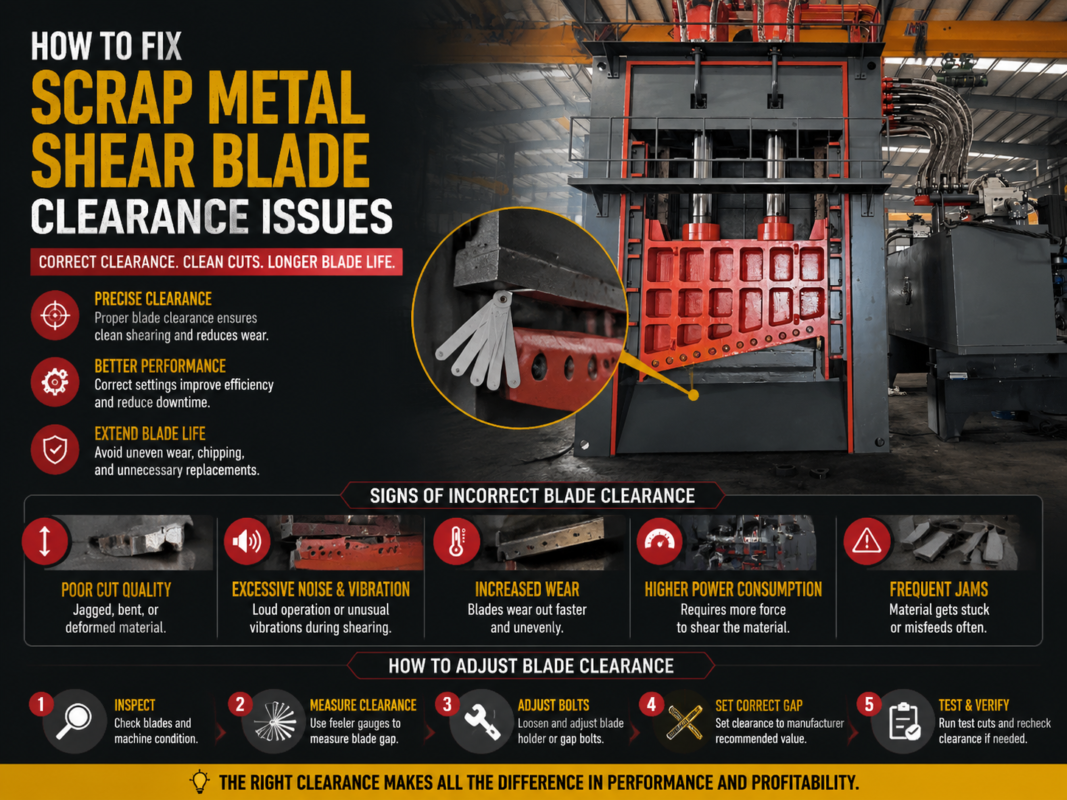
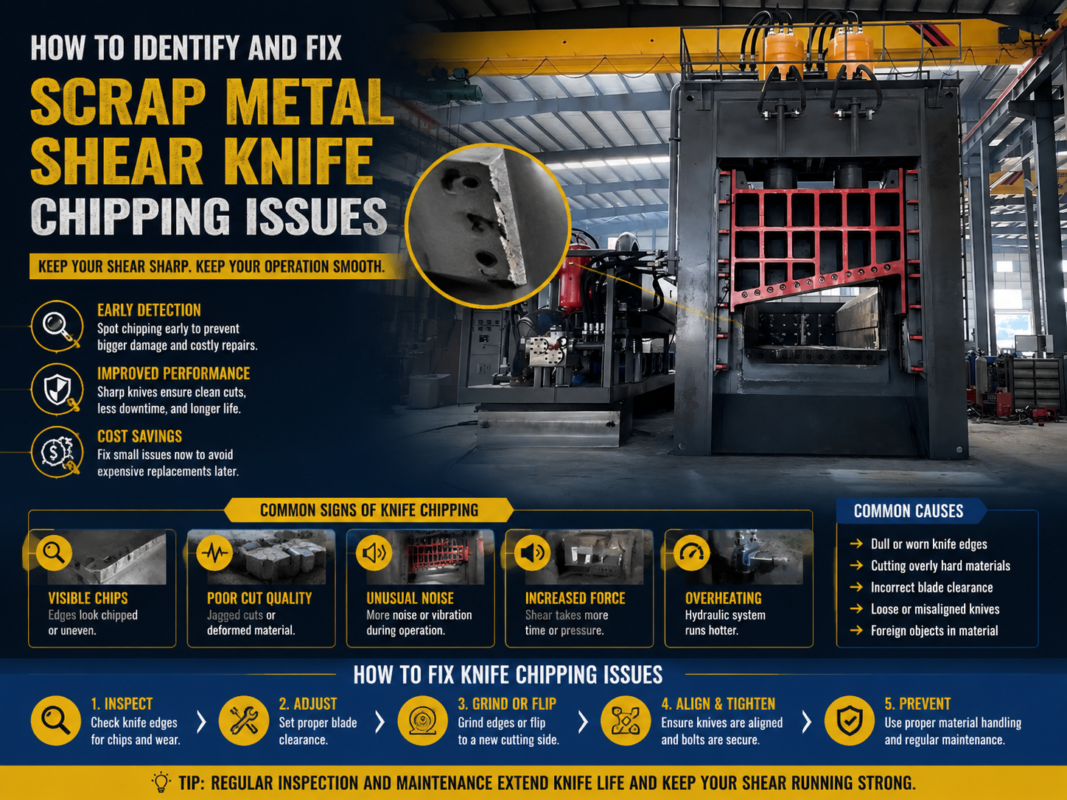
The relationship between the upper and lower blades is the heart of the shearing process. If the blades are dull, they will push the material rather than cut it. This “pushing” action increases the lateral force on the blade seats and can cause the material to jam in the gap between the blades. Similarly, improper blade clearance (the horizontal gap between the passing blades) is a frequent offender. If the gap is too wide, thin materials will simply bend and wedge themselves into the space, creating a jam that is notoriously difficult to clear.
Hydraulic System Health
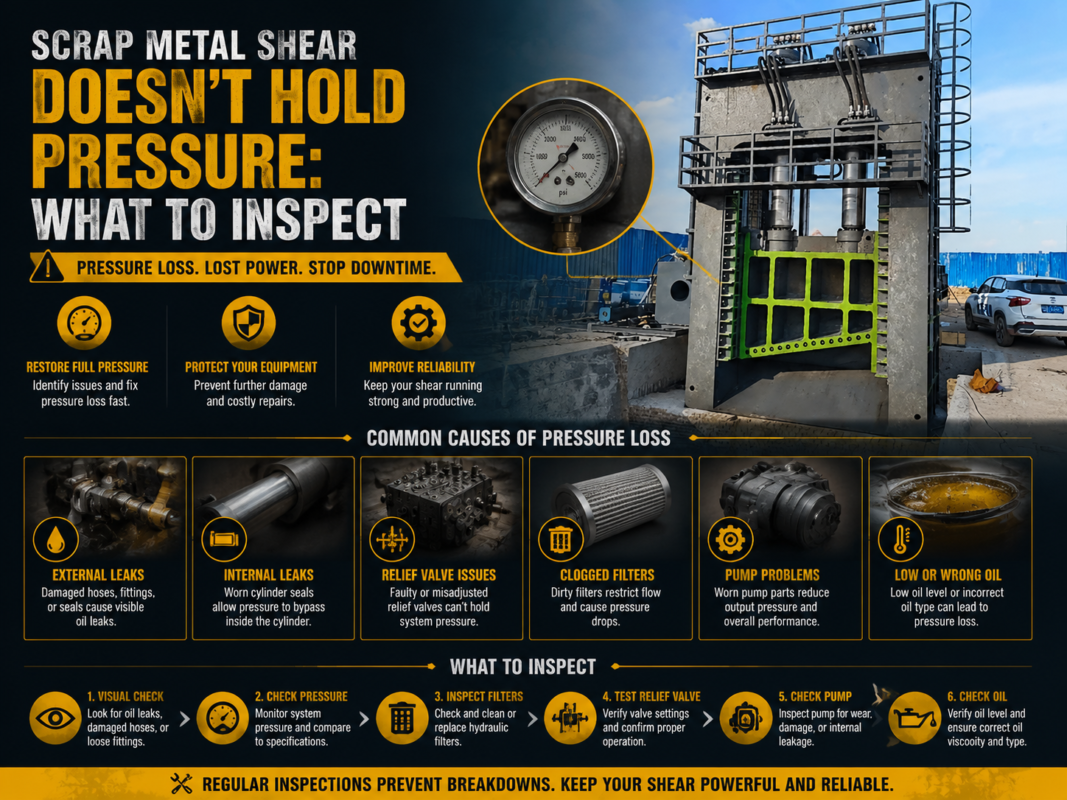
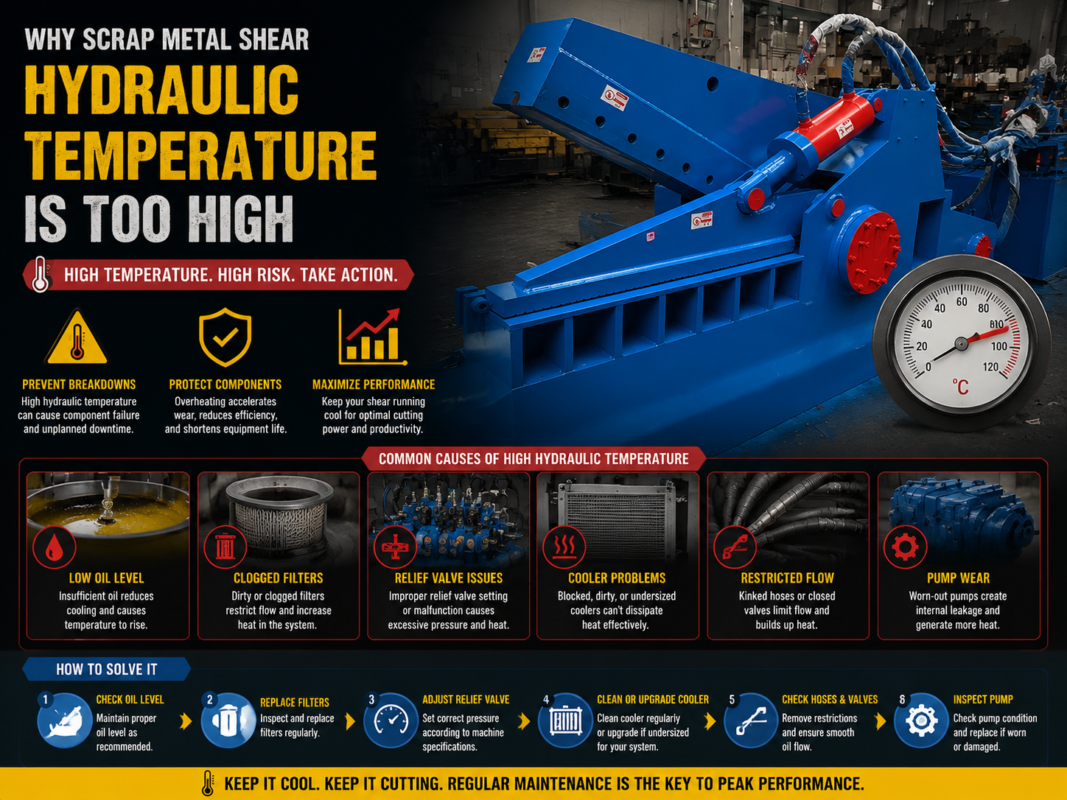
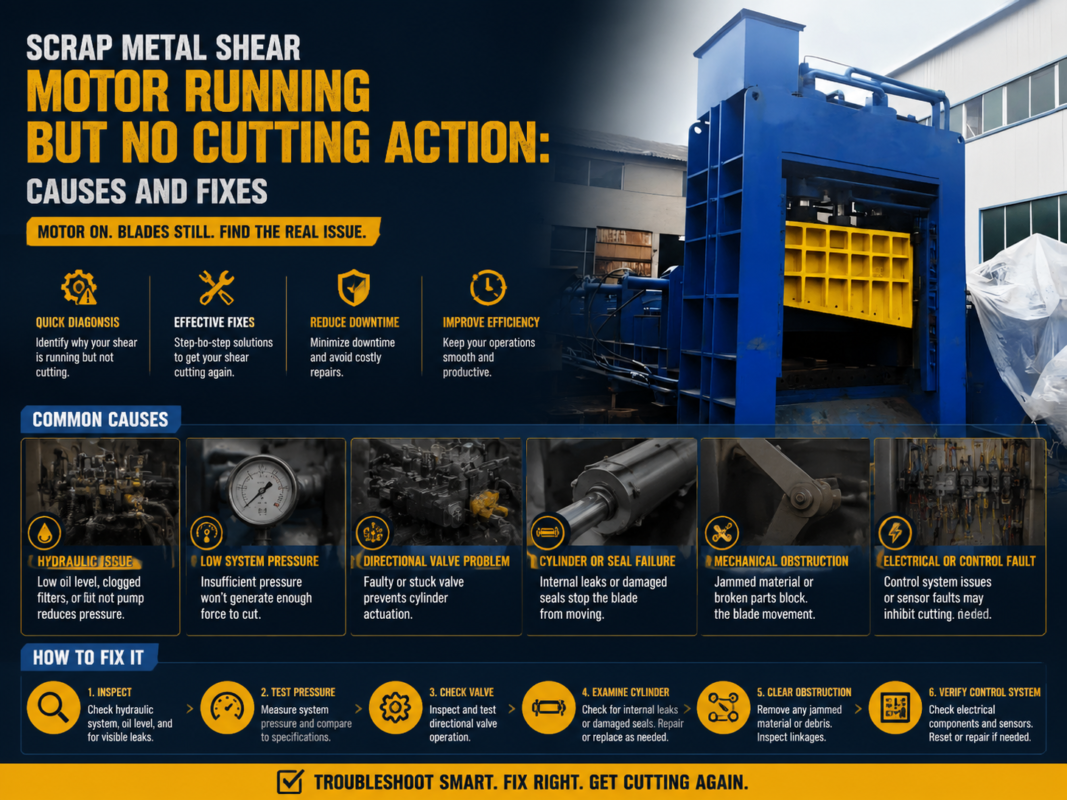
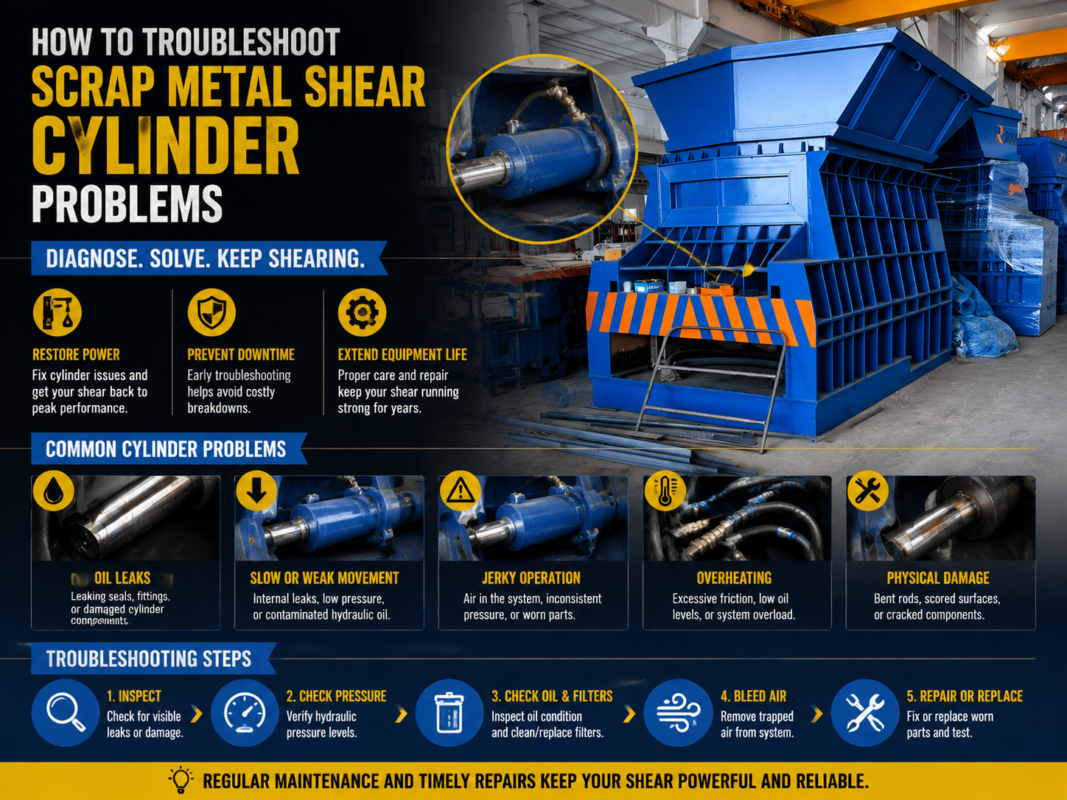
A scrap metal shear relies on consistent hydraulic pressure to drive the cutting stroke. If the hydraulic system is compromised—due to contaminated oil, a failing pump, or a misadjusted relief valve—the machine may lack the force necessary to complete a cut. When the ram stops mid-stroke because it cannot overcome the resistance of the metal, a jam is effectively created. Monitoring system pressure and ensuring the hydraulic fluid is at the correct viscosity and temperature are critical considerations for preventing power-related jams.
Technical Details of the Shearing Process and Jam Mechanics
To effectively troubleshoot, one must understand the physics of the shear. The shearing process involves three stages: plastic deformation, penetration, and fracture. A jam typically occurs when the process is interrupted during the penetration stage. If the material is too ductile or the blades are too blunt, the fracture never occurs, and the material remains stuck in a state of permanent deformation within the machine’s jaws.
The Role of Relief Valves
In a hydraulic shear, the relief valve acts as a safety mechanism. When the resistance of the material exceeds the set pressure of the system, the relief valve opens to bypass oil back to the tank, preventing structural damage to the machine. However, if this valve is set too low, the machine will “jam” on materials it should theoretically be able to cut. Conversely, if it is set too high, the machine may attempt to cut through an un-shearable object, leading to catastrophic mechanical failure or a severely wedged jam that requires thermal cutting to remove.
Blade Shimming and Alignment
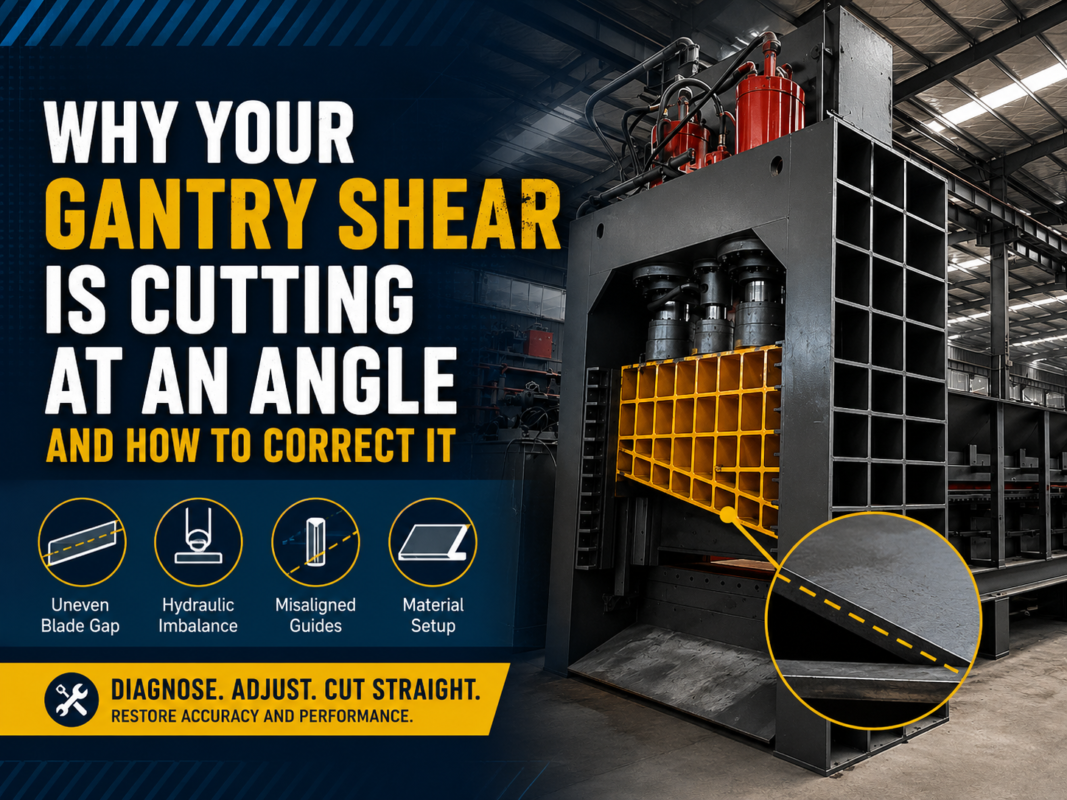
Maintaining the correct blade gap is a technical necessity. As blades wear down or are reground, they become thinner. To maintain the original factory clearance, technicians must use precision shims behind the blades. Failure to shim correctly after a blade change is a leading cause of material jamming in guillotine shears. The alignment must be checked across the entire length of the blade, as even a slight deviation at one end can cause material to snag and pile up.
| Component | Common Issue | Impact on Jamming |
|---|---|---|
| Shear Blades | Dull or chipped edges | Increases friction and prevents clean fracture. |
| Hydraulic Pump | Internal wear/low flow | Reduces cutting speed and force, leading to stalls. |
| Blade Gap | Excessive clearance | Causes thin material to fold and wedge between blades. |
| Hold-down Ram | Insufficient pressure | Allows material to kick back or shift during the cut. |
Step-by-Step Troubleshooting for Material Jams
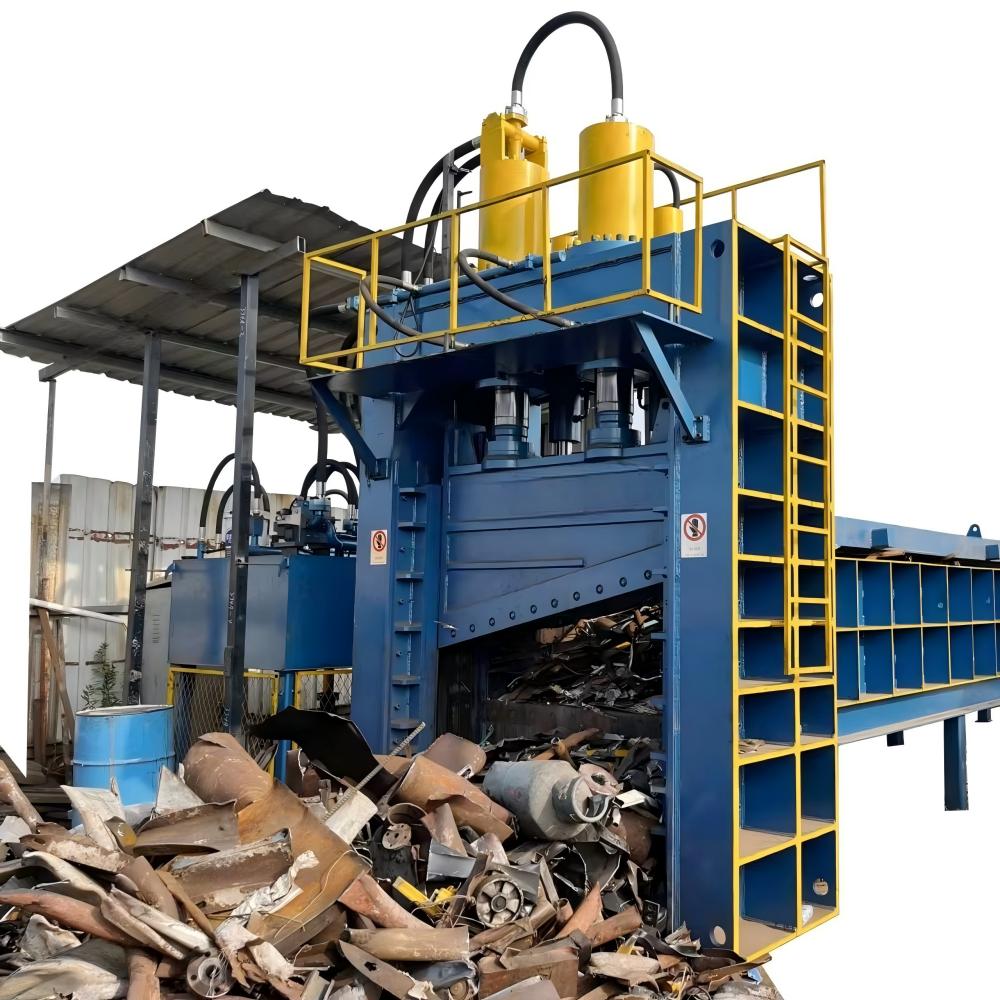
When a jam occurs, following a systematic approach is essential for both safety and efficiency. Never attempt to clear a jam while the machine is under full power or without following proper Lockout/Tagout (LOTO) procedures.
- Immediate Stop and Assessment: As soon as a jam is detected, stop the cycle. Observe the position of the blades and the material. Is the material wedged between the blades, or is the ram simply stalled due to thickness?
- Reverse the Cycle: Most modern hydraulic shears, like those from HARSLE, feature a manual override to reverse the cylinder. Attempting to retract the blade can often free the material. If the material is wedged tight, you may need to pulse the reverse function.
- Check Hydraulic Pressure: Look at the system pressure gauge during the attempt to reverse. If the pressure hits the maximum but the ram doesn’t move, the jam is mechanical. If the pressure is low, you may have a hydraulic leak or a pump issue.
- Manual Extraction: If reversing fails, the machine must be powered down and locked out. Use heavy-duty pry bars or external pulling equipment to remove the scrap. In extreme cases, an oxy-acetylene torch may be required to cut the jammed piece into smaller sections for removal.
- Inspect for Damage: Once the material is removed, inspect the blades for chips or cracks. Check the blade seats and the guide rails for any signs of deformation. A jam often exerts forces in directions the machine wasn’t designed for, which can lead to secondary issues.
Selection Advice for High-Performance Scrap Shears
Choosing the right machine is the best way to avoid troubleshooting scrap metal shear material jamming problems in the long run. When selecting a shear from HARSLE or any industrial provider, consider the following criteria to minimize jamming risks:
1. Rated Capacity vs. Real-World Usage: Always choose a machine with a capacity slightly higher than your thickest expected material. If you regularly process 20mm plate, a shear rated for 25mm will experience significantly fewer jams and less wear than one rated exactly at 20mm.
2. Automatic Lubrication Systems: Friction is a major contributor to heat and mechanical binding. Machines equipped with automatic lubrication for the slides and pivot points ensure that the mechanical components move freely, reducing the likelihood of the ram sticking during a heavy cut.
3. Advanced Hydraulic Control: Look for shears with variable displacement pumps and regenerative hydraulic circuits. These systems provide high speed for light materials and high force for heavy materials, automatically adjusting to the resistance encountered and reducing the chance of a pressure-related stall.
4. Blade Geometry: For scrap processing, “V” shaped or serrated blades can help grip the material and prevent it from sliding forward during the cut. This is particularly important for round bars and pipes, which tend to roll and cause jams in straight-blade alligator shears.
Maintenance Strategies to Prevent Future Jams
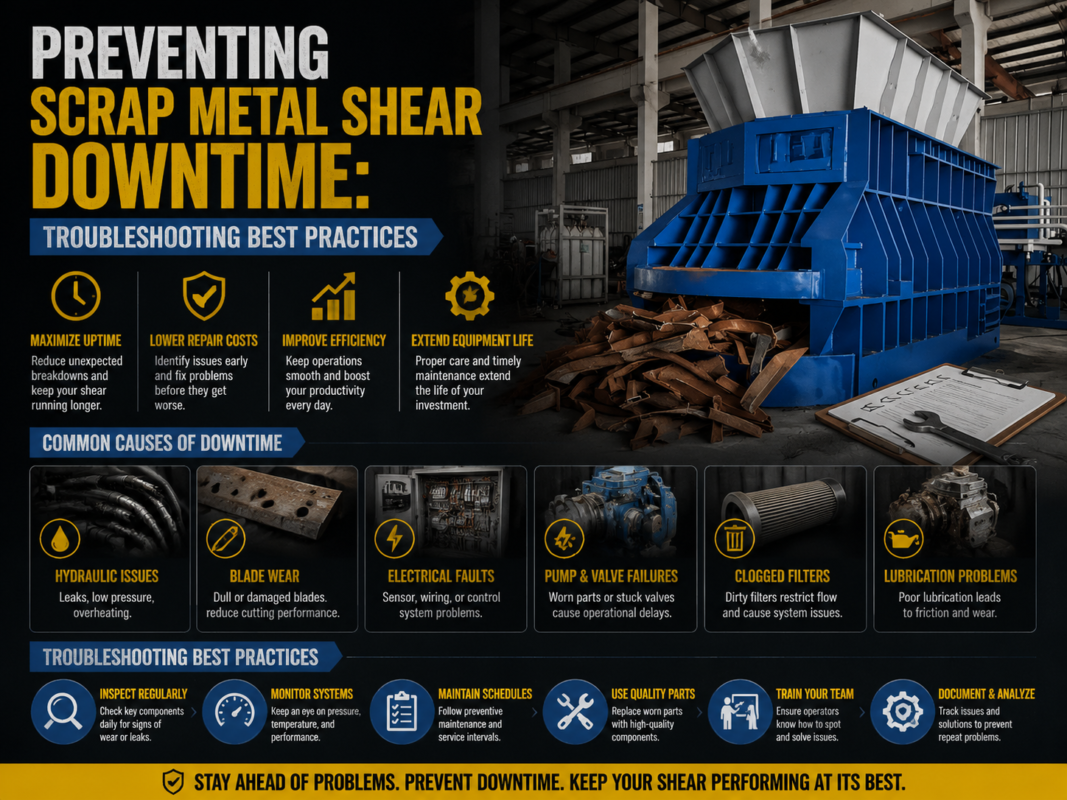
Preventative maintenance is the most effective tool against jamming. A well-maintained machine is predictable and reliable. Establish a daily, weekly, and monthly maintenance schedule that focuses on the cutting assembly and the hydraulic heart of the machine.
Daily checks should include a visual inspection of the blades. Look for “rounding” of the edges. A sharp blade requires significantly less force to cut, which keeps the hydraulic system running cooler and reduces the strain on the frame. Weekly, the blade clearance should be measured with feeler gauges. As the machine works, the bolts holding the blades can stretch or loosen slightly; ensuring they are torqued to specification is vital.
Monthly maintenance should focus on the hydraulic fluid. Contaminants in the oil can cause the valves to stick or wear prematurely. Sticking valves can lead to erratic ram movement, which often results in a jam when the ram fails to provide full force at the moment of impact. Regularly changing filters and performing oil analysis can save thousands in repair costs and prevent weeks of cumulative downtime.
Frequently Asked Questions (FAQ)
Why does my shear keep jamming on thin sheet metal?
This is usually caused by excessive blade clearance. When the gap between the blades is too wide, thin metal bends into the gap rather than being sheared. Check your blade shims and adjust the clearance to the manufacturer’s recommended settings for thin materials.
Can I sharpen my own shear blades to prevent jams?
While some basic honing can be done on-site, scrap shear blades are typically made of specialized tool steel and require precision grinding to maintain the correct angles. It is recommended to have them professionally reground to ensure they remain flat and square.
How do I know if my hydraulic pump is causing the jamming?
If the machine stalls on material it previously cut with ease, and you notice the cycle time has increased or the pump is making excessive noise (cavitation), the pump may be failing. Use a flow meter to check the pump’s output against its factory specifications.
Is it safe to use a torch to clear a jam?
Yes, but with extreme caution. Ensure the machine is locked out and that you are not heating the shear blades themselves, as excessive heat can ruin their tempering. Focus the heat only on the scrap material to weaken it enough for removal.
Conclusion
Troubleshooting scrap metal shear material jamming problems requires a blend of mechanical intuition, technical knowledge, and a commitment to rigorous maintenance. By understanding the limits of your equipment, maintaining sharp blades, and ensuring your hydraulic system is in top condition, you can significantly reduce the frequency and severity of jams. At HARSLE, we are dedicated to providing robust machinery that stands up to the rigors of the scrap industry, but even the best machines require proper care and operation.
Remember that every jam is a learning opportunity. By analyzing why a specific piece of material caused a failure, you can refine your sorting processes and operator training. Investing time in prevention today will always be more cost-effective than dealing with a catastrophic jam tomorrow. Keep your blades sharp, your oil clean, and your operations within the rated capacities, and your scrap metal shear will remain a productive asset for years to come.