How to Diagnose Scrap Metal Shear Overheating Problems: A Comprehensive Technical Guide

Introduction to Scrap Metal Shear Thermal Management
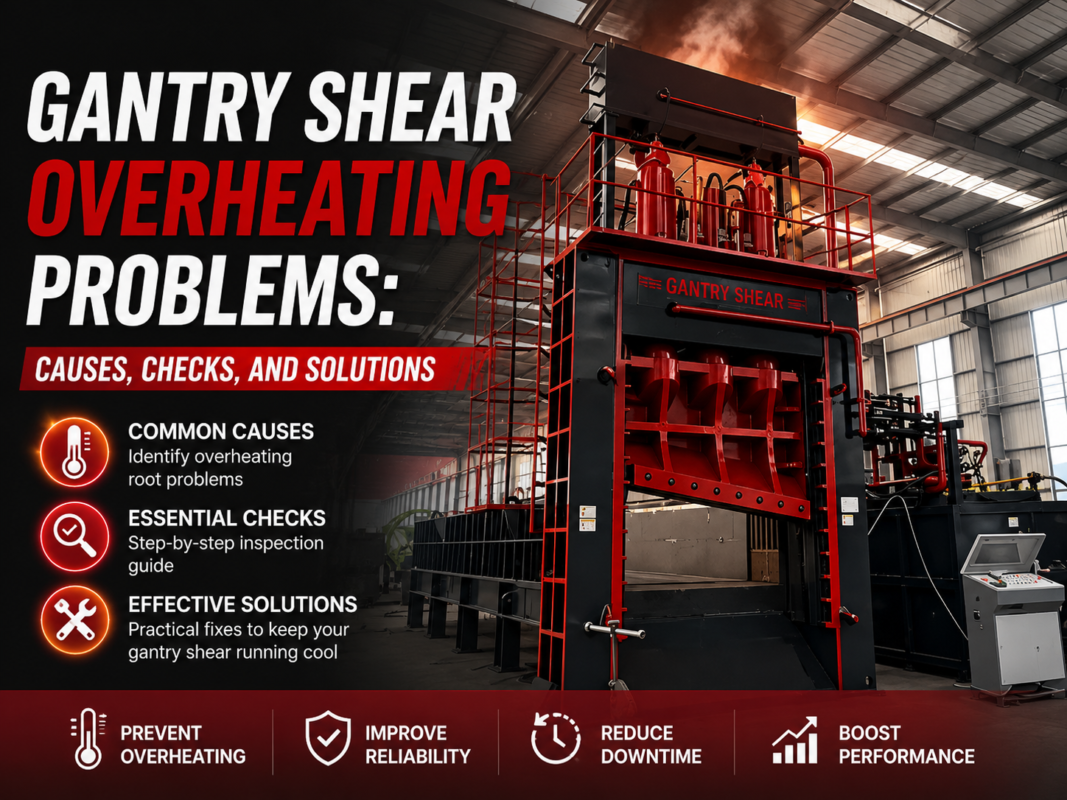
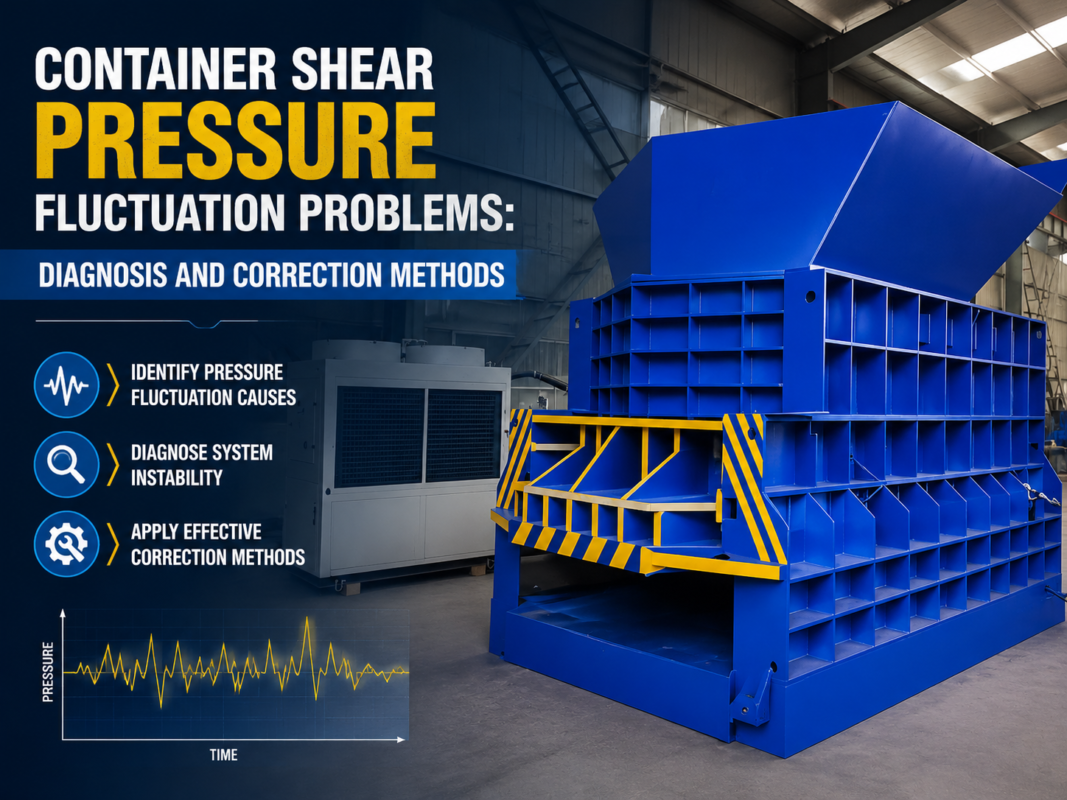
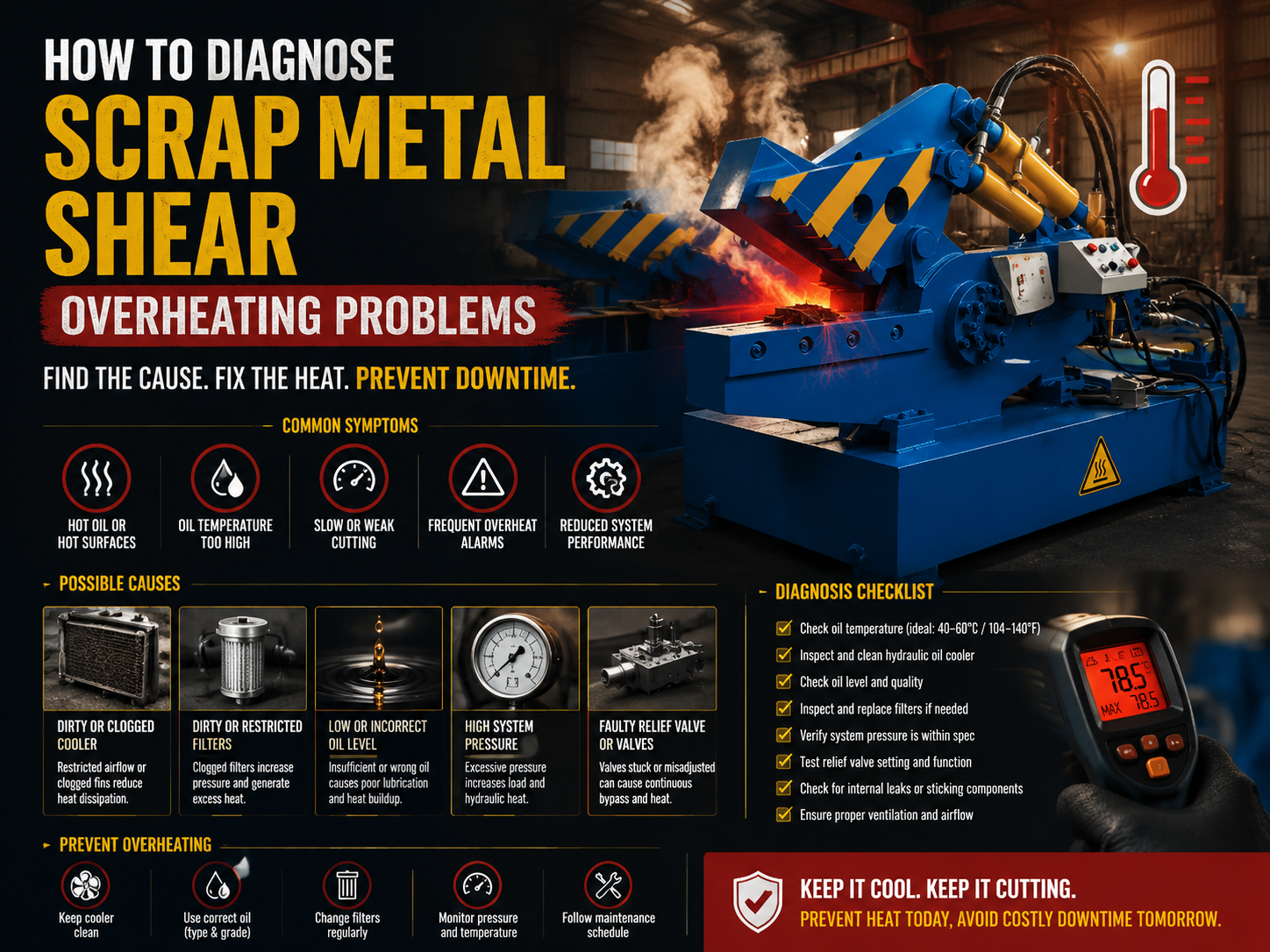
In the high-intensity world of metal recycling and industrial fabrication, the scrap metal shear stands as a workhorse of efficiency. Whether it is an alligator shear, a gantry shear, or a container shear, these machines are designed to exert massive hydraulic force to cut through structural steel, pipes, and various metal alloys. However, the very nature of hydraulic power generation involves the conversion of energy, and a significant byproduct of this process is heat. When a machine begins to exceed its designed thermal limits, it is critical to diagnose scrap metal shear overheating problems before they lead to catastrophic component failure.
Overheating is more than just a minor inconvenience; it is a symptom of systemic inefficiency that can degrade hydraulic seals, oxidize expensive oil, and cause internal pump damage. For operators and maintenance managers using HARSLE equipment, understanding the thermal dynamics of their machinery is essential for maintaining a high ROI. This guide provides a deep dive into the technical causes of heat buildup, a step-by-step diagnostic framework, and professional advice on selecting the right equipment to handle demanding duty cycles.
Effective diagnosis requires a blend of sensory observation and technical measurement. An overheated shear often manifests through sluggish performance, unusual whining noises from the pump, or a noticeable smell of burnt oil. By the time these signs appear, the oil temperature has likely exceeded the standard operating range of 40°C to 60°C (104°F to 140°F). Addressing these issues promptly ensures that your scrap metal shear remains a reliable asset in your production line.
Key Considerations for Thermal Stability in Industrial Shears
Before diving into the mechanical specifics, it is important to consider the environmental and operational factors that contribute to heat. The first consideration is the ambient temperature of the facility. A scrap metal shear operating in a non-ventilated warehouse during a summer heatwave will naturally struggle to dissipate heat compared to one in a climate-controlled environment. If the ambient air is already at 35°C, the cooling system has a much narrower margin to work with.
The second consideration is the duty cycle. Industrial machinery is often rated for specific usage patterns. If a shear designed for intermittent use is pushed into a 24/7 continuous production cycle without adequate cooling upgrades, overheating is inevitable. Overloading the machine by attempting to cut materials that exceed the rated thickness or hardness also forces the hydraulic system to work at peak relief pressure for extended periods, generating massive amounts of friction-based heat.
Thirdly, the quality and condition of the hydraulic fluid play a pivotal role. Hydraulic oil is not just a medium for power; it is a lubricant and a coolant. As oil ages, its viscosity changes, and its ability to carry heat to the reservoir or heat exchanger diminishes. Contaminants such as metal shavings or moisture can increase internal friction, further compounding the heat problem. Regular fluid analysis is a cornerstone of diagnosing scrap metal shear overheating problems.
Technical Details: The Mechanics of Heat Generation
Hydraulic Pump Inefficiency and Internal Leakage
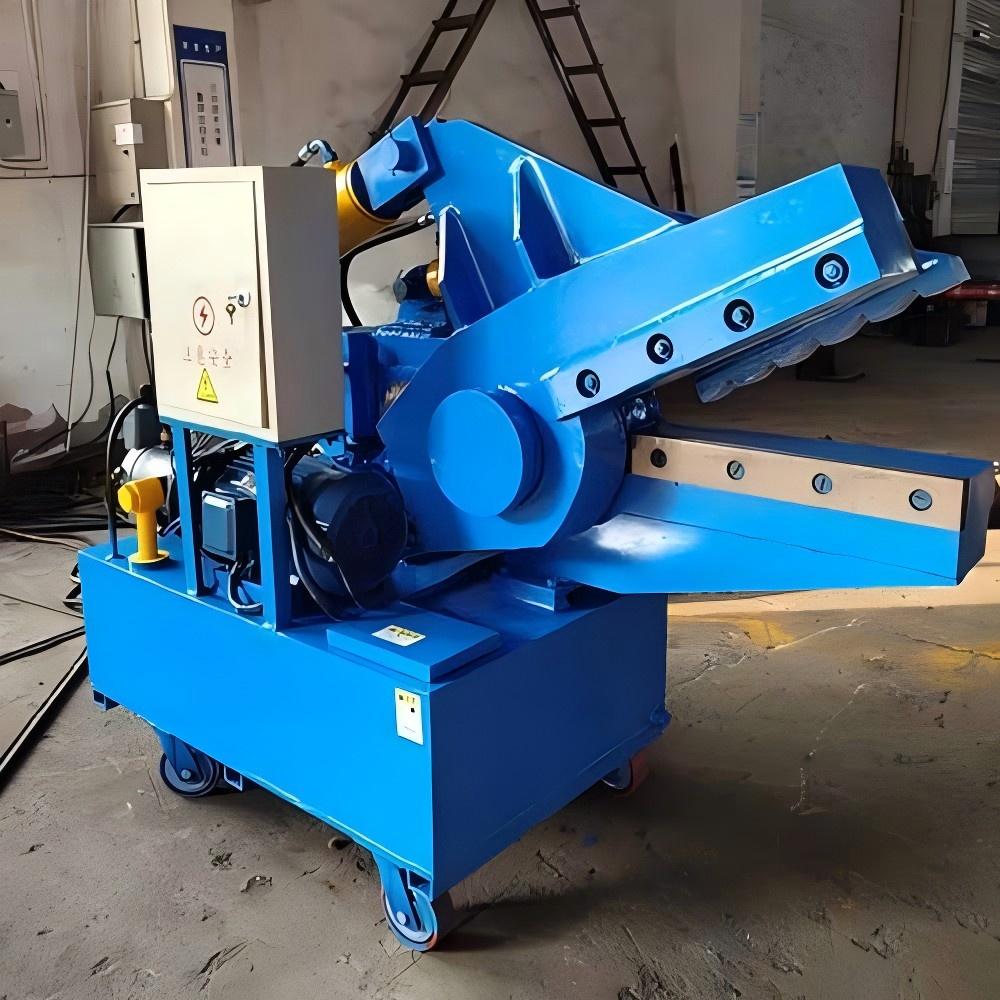
The hydraulic pump is the heart of the scrap metal shear. When a pump begins to wear out, internal clearances between the gears, vanes, or pistons increase. This leads to “slippage,” where pressurized oil leaks back to the suction side of the pump. This internal leakage does not perform any useful work but instead converts pressure energy directly into heat. If you notice that the pump housing is significantly hotter than the reservoir, internal leakage is a primary suspect.
Relief Valve Settings and Malfunctions
The relief valve is a safety component designed to limit the maximum pressure in the system. If the relief valve is set too low, it may open prematurely during a heavy cut, bypassing high-pressure oil back to the tank. This process generates intense heat. Conversely, a sticking relief valve that fails to close properly creates a constant flow restriction, which is a common cause of rapid temperature spikes. Diagnosing this requires a pressure gauge to verify that the valve is opening and closing at the manufacturer’s specified levels.
The Role of Viscosity and Thermal Breakdown
Hydraulic oil is formulated to operate within a specific viscosity index. When oil overheats, it becomes thinner (lower viscosity). Thin oil fails to provide an adequate lubricating film between moving parts, leading to increased mechanical friction. Furthermore, once oil exceeds 82°C (180°F), it begins to oxidize rapidly. For every 10°C increase above this threshold, the life of the oil is effectively halved. This creates a vicious cycle: hot oil creates more friction, which creates more heat, which further degrades the oil.
Cooling System Obstructions
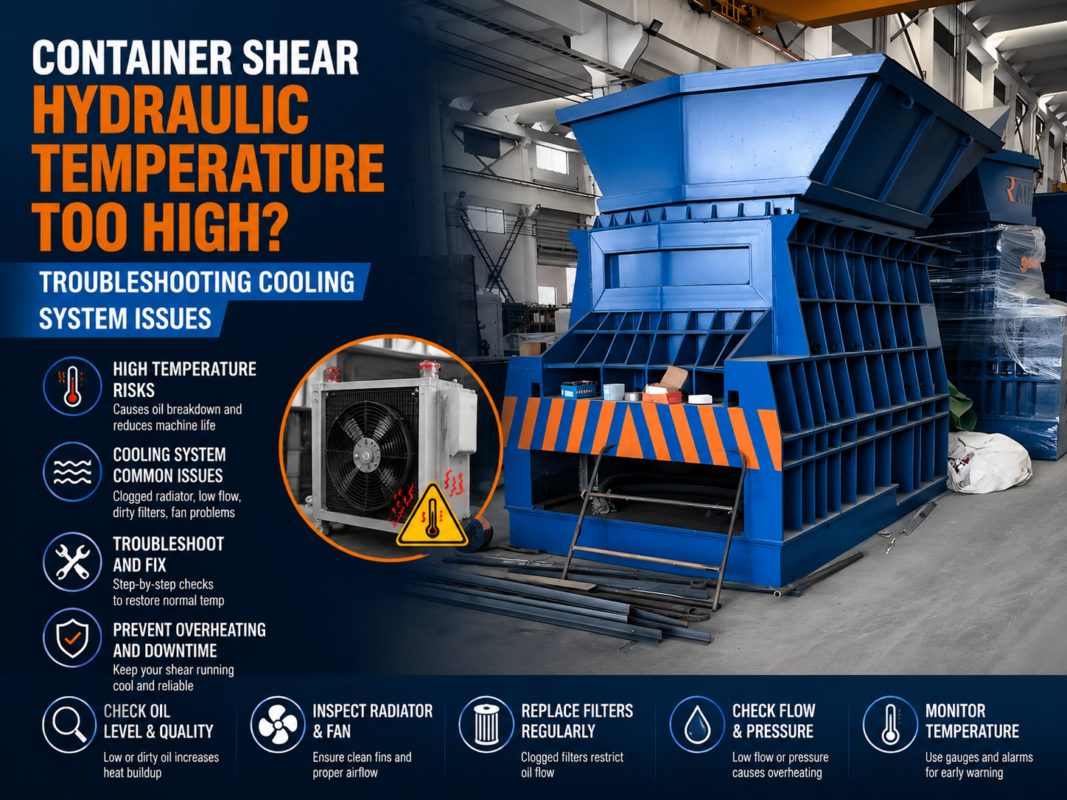
Most modern scrap metal shears, like those from HARSLE, are equipped with either air-cooled or water-cooled heat exchangers. In air-cooled systems, the most common issue is a clogged radiator fin or a failing electric fan. Dust and metal particles from the scrap yard can easily coat the cooling fins, acting as an insulator. In water-cooled systems, mineral scale buildup inside the heat exchanger tubes can restrict flow and reduce thermal transfer efficiency.
Step-by-Step: How to Diagnose Scrap Metal Shear Overheating Problems
- Initial Visual and Sensory Inspection: Start by checking the oil level in the sight glass. Low oil levels mean there is less fluid to absorb the heat, leading to faster temperature rises. Look for foaming in the oil, which indicates air ingestion—a major source of heat.
- Temperature Mapping: Use an infrared thermometer to take readings at various points: the pump casing, the inlet and outlet of the heat exchanger, and the main cylinder. A high temperature at the cylinder might indicate internal seal bypass, while a high temperature at the pump suggests internal wear.
- Check the Cooling Delta: Measure the temperature of the oil entering the cooler and the oil exiting it. A healthy cooling system should show a significant temperature drop (typically 5°C to 10°C depending on the model). If the temperature is the same at both ends, the cooler is either bypassed or clogged.
- Pressure Testing: Install a pressure gauge to monitor the system during a cutting cycle. If the pressure drops significantly while the oil is hot, it confirms that the oil’s viscosity has dropped too low or that internal leakage is occurring.
- Analyze the Relief Valve: Listen for a high-pitched squealing sound during operation, which often indicates oil passing through a partially open relief valve. Feel the valve body; it should not be the hottest part of the machine during normal operation.
Selection Advice: Choosing a Shear with Superior Thermal Control
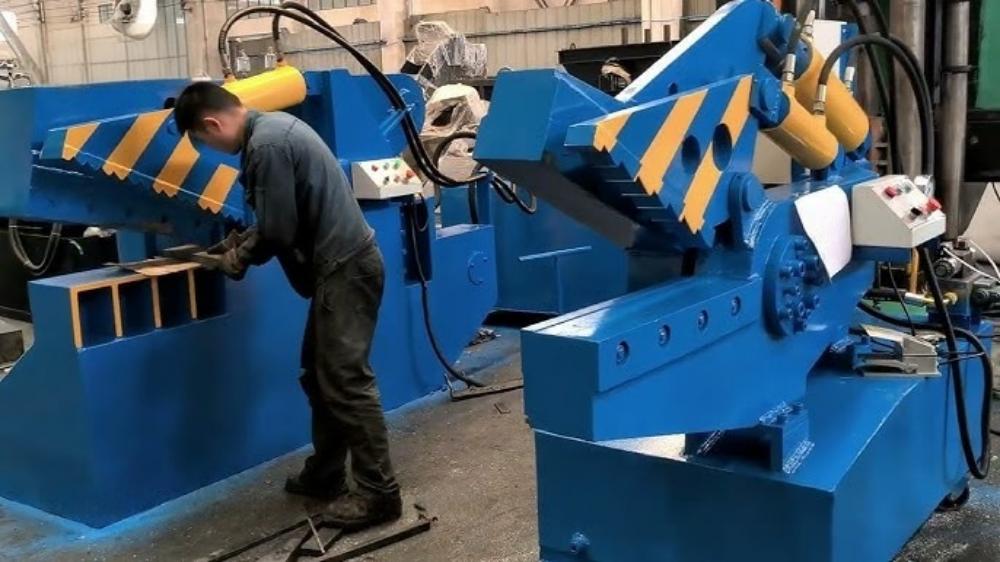
When purchasing a new scrap metal shear, it is vital to look beyond just the cutting force. The engineering behind the hydraulic circuit determines how well the machine will handle heat. Here are key features to look for in a HARSLE machine or any high-quality industrial shear:
| Feature | Benefit for Heat Management | Recommended Specification |
|---|---|---|
| Reservoir Size | Larger volumes allow for better natural heat dissipation and air release. | 3-5 times the pump’s flow per minute. |
| Cooling System | Active cooling prevents oil degradation during long shifts. | Thermostatically controlled air-oil coolers. |
| Variable Displacement Pumps | Reduces flow when pressure is not needed, minimizing wasted energy. | Piston pumps with load-sensing capabilities. |
| High-Quality Seals | Prevents internal bypass and maintains pressure efficiency. | Viton or high-temperature polyurethane seals. |
Additionally, consider the filtration system. A system with a dedicated kidney-loop filtration circuit can clean and cool the oil independently of the main hydraulic functions, ensuring that the fluid remains in peak condition even during idle times. When selecting a machine for a hot climate, always opt for an oversized cooling package to provide a safety buffer.
Maintenance Best Practices to Prevent Overheating
Prevention is always more cost-effective than repair. To avoid the need to constantly diagnose scrap metal shear overheating problems, implement a rigorous maintenance schedule. This includes cleaning the heat exchanger fins weekly with compressed air, especially in dusty scrap yard environments. Change the hydraulic filters according to the hour meter, and never mix different brands or grades of hydraulic oil, as incompatible additives can cause foaming and heat.
Another often overlooked aspect is hose sizing. If a hose has been replaced with one of a smaller diameter, it creates a flow restriction. High-velocity fluid passing through a restricted orifice generates friction and heat. Always ensure that replacement hoses match the original manufacturer’s specifications for diameter and pressure rating.
Frequently Asked Questions (FAQ)
What is the maximum safe operating temperature for a scrap metal shear?
Most hydraulic systems are designed to operate between 40°C and 60°C. While many systems can tolerate brief spikes up to 70°C, sustained operation above 80°C will cause rapid seal failure and oil oxidation. If your machine consistently runs above 65°C, it is time to investigate the cooling system.
Can the wrong type of hydraulic oil cause overheating?
Yes. If the oil is too thick (high viscosity), it creates internal fluid friction and is difficult to pump. If it is too thin (low viscosity), it allows for more internal leakage and mechanical friction. Always use the ISO grade recommended by HARSLE, typically ISO 46 or ISO 68 depending on your climate.
Why does my shear overheat only after a few hours of work?
This usually indicates a problem with the heat dissipation system rather than heat generation. The machine starts cool, but as it works, the heat builds up because the cooler cannot remove it as fast as the system produces it. Check for clogged radiators or a malfunctioning cooling fan thermostat.
Does air in the hydraulic system cause heat?
Absolutely. Air is compressible, and when it is compressed in a hydraulic cylinder or pump, it generates localized high temperatures (dieseling effect). This not only heats the oil but can also cause physical damage to the metal surfaces through cavitation.
Conclusion: Ensuring Long-Term Performance
To diagnose scrap metal shear overheating problems effectively, one must view the machine as a complete ecosystem where every component affects the thermal balance. From the precision of the HARSLE hydraulic pump to the cleanliness of the heat exchanger, every detail matters. By monitoring temperatures, maintaining fluid quality, and understanding the mechanical signs of inefficiency, operators can prevent downtime and extend the life of their equipment.
Investing time in regular diagnostics and following a proactive maintenance plan ensures that your scrap metal shear remains a powerful and profitable tool. Remember that heat is energy that isn’t being used to cut metal; by reducing heat, you are inherently increasing the efficiency and productivity of your recycling operations. For those looking to upgrade, choosing machinery with robust thermal engineering is the best way to ensure success in even the most demanding industrial environments.