Horizontal Baler Hydraulic System Problems and How to Solve Them: A Comprehensive Maintenance Guide

Introduction to Horizontal Baler Hydraulic Systems
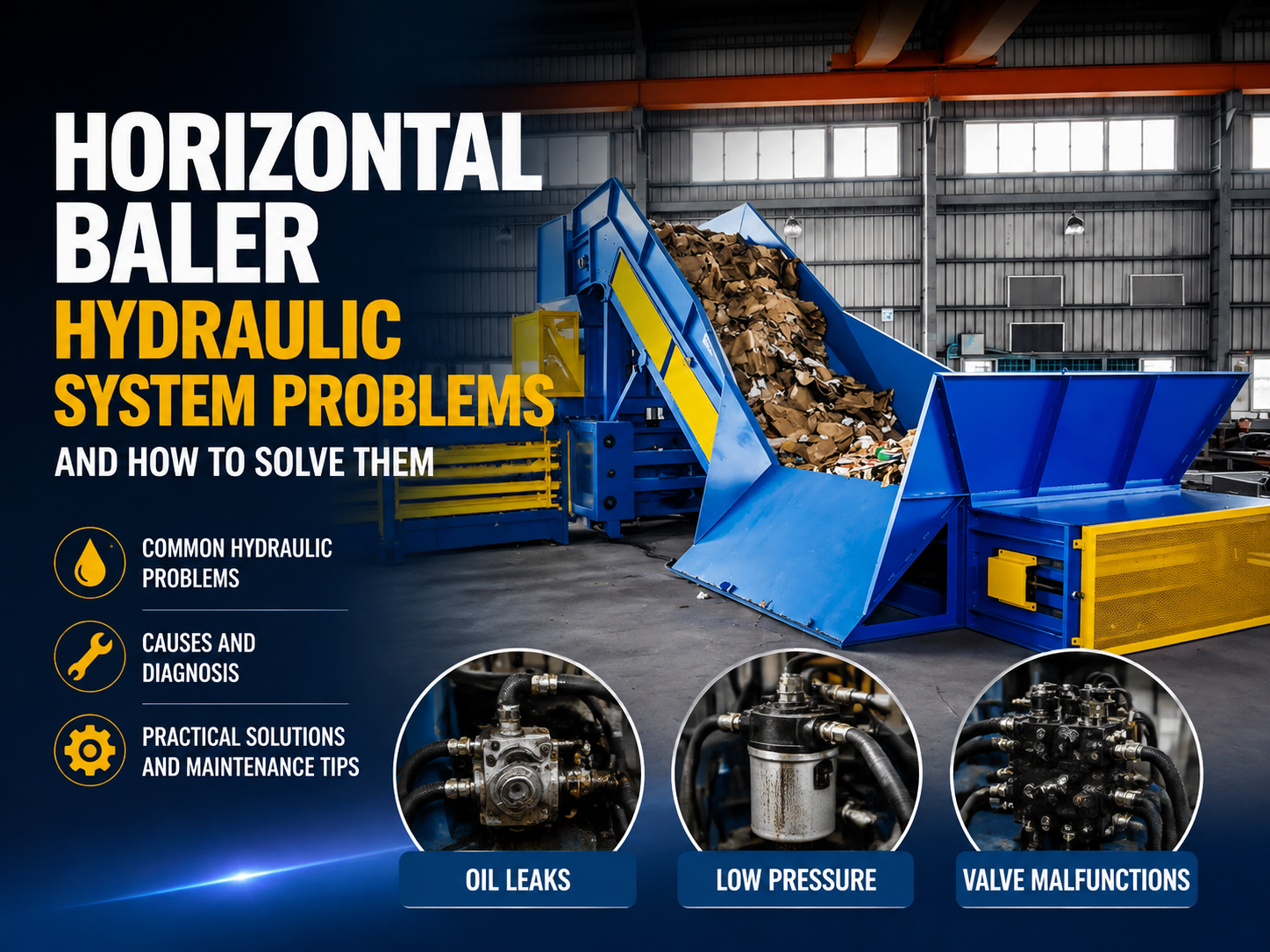
In the world of industrial waste management and metal fabrication, the horizontal baler stands as a cornerstone of efficiency. These machines rely heavily on complex hydraulic systems to exert the immense force required to compress scrap metal, cardboard, and plastic into dense, manageable bales. When these systems function correctly, they provide seamless operation and high throughput. However, understanding horizontal baler hydraulic system problems and how to solve them is essential for any facility manager or maintenance technician looking to minimize downtime and extend the lifespan of their equipment.
HARSLE is committed to providing high-performance machinery, but even the most robust industrial equipment requires diligent care. The hydraulic system is the heart of the baler, utilizing pressurized fluid to drive the main ram. Because this system operates under extreme pressure and constant cycling, it is susceptible to wear, contamination, and mechanical fatigue. Recognizing the early warning signs of failure is the first step in preventing catastrophic breakdowns that could halt your entire production line.
This guide serves as a technical resource for identifying common hydraulic issues, performing routine diagnostics, and implementing effective solutions. By mastering these troubleshooting techniques, you can ensure that your HARSLE horizontal baler remains a reliable asset in your metal fabrication or recycling operation. We will explore everything from fluid viscosity issues to pump failures, providing actionable insights for your maintenance team.
Key Considerations for Hydraulic System Health
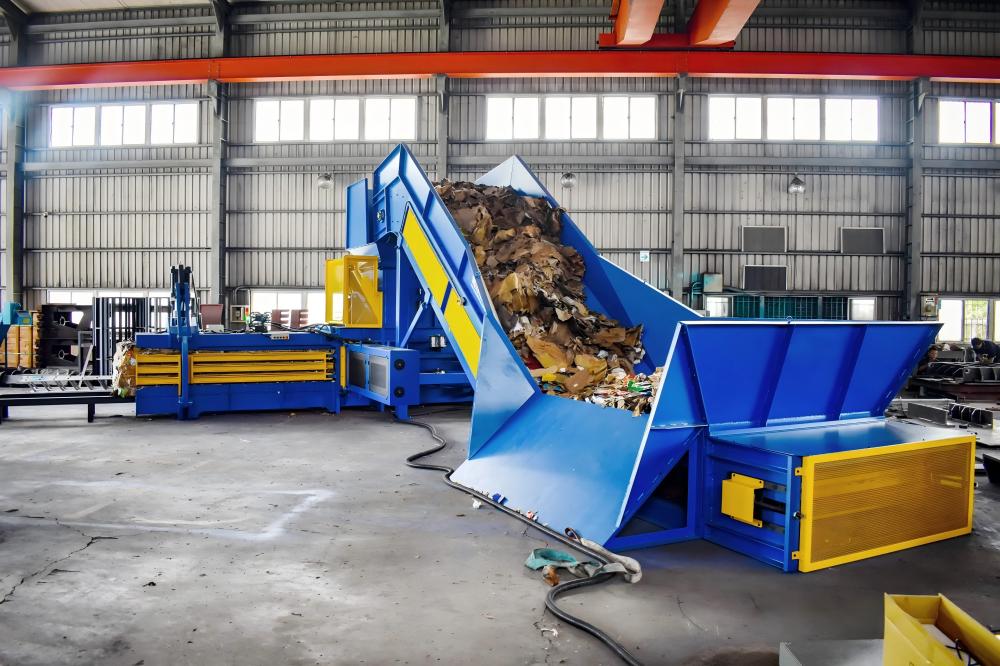
The longevity of a horizontal baler is directly tied to the cleanliness and quality of its hydraulic fluid. Hydraulic oil acts not only as a power transmission medium but also as a lubricant and coolant for the entire system. When the fluid becomes contaminated with metal shavings, dust, or moisture, it acts as an abrasive, accelerating the wear of seals, valves, and pump components. Regular oil analysis is a critical practice that should be integrated into your monthly maintenance schedule.
Temperature control is another vital consideration. Hydraulic systems generate significant heat during operation, especially when the baler is running at full capacity for extended periods. If the oil temperature exceeds the recommended operating range, the fluid begins to break down, losing its viscosity and lubricating properties. This leads to increased friction, internal leakage, and eventual system failure. Ensuring that your oil cooler is clean and functioning properly is a non-negotiable aspect of baler maintenance.
Pressure settings must be calibrated according to the manufacturer’s specifications. Operators often make the mistake of increasing pressure to compensate for a baler that is struggling to compress material. This is a dangerous practice that puts undue stress on the hydraulic hoses, fittings, and the structural integrity of the ram. Always refer to the HARSLE technical manual to ensure your pressure relief valves are set correctly and that the system is operating within its design parameters.
Finally, the human element cannot be ignored. Proper operator training is the most effective way to prevent hydraulic system problems. Operators should be trained to listen for unusual noises, such as cavitation or whining pumps, and to observe the cycle time of the ram. If the baler takes longer than usual to complete a stroke, it is often an early indicator of a hydraulic issue that, if addressed immediately, can be solved with minor adjustments rather than expensive component replacements.
Technical Details: Troubleshooting Common Hydraulic Failures
One of the most frequent horizontal baler hydraulic system problems involves the pump. A failing pump often manifests as a high-pitched whining sound or a significant drop in system pressure. Cavitation, which occurs when air bubbles enter the hydraulic fluid, is a common culprit. This is often caused by a clogged suction strainer or a low fluid level. To solve this, check the reservoir level, inspect the suction lines for air leaks, and ensure the filter is not restricted. If the pump has sustained internal damage, it must be replaced or rebuilt by a certified technician.
Valve malfunctions are another common technical hurdle. Directional control valves are responsible for directing the flow of oil to move the ram forward or backward. If a valve sticks, the ram may move slowly, jerk during operation, or fail to move entirely. This is frequently caused by debris or sludge buildup within the valve spool. Disassembling and cleaning the valve assembly is often the solution, but if the internal seals are worn, a complete seal kit replacement is necessary to restore proper functionality.
Hydraulic cylinder leaks are perhaps the most visible issue. If you notice oil pooling around the base of the ram or dripping from the cylinder seals, the internal or external seals have likely failed. External leaks are easy to spot, but internal leaks—where fluid bypasses the piston seal—can be harder to detect. An internal leak will cause the ram to drift or lose force during the compression stroke. Testing the cylinder by measuring the pressure drop across the piston is a standard diagnostic procedure to confirm this issue.
Hose and fitting failures are often the result of vibration and pressure spikes. Over time, hydraulic hoses can become brittle or develop micro-cracks. It is essential to inspect all hoses for signs of weeping or bulging. Never attempt to repair a high-pressure hose with tape or makeshift patches; always replace damaged hoses with those that meet or exceed the original pressure ratings. Proper hose routing is also important to prevent rubbing against sharp metal edges, which can lead to premature failure.
Selection Advice: Choosing the Right Hydraulic Components
When it comes time to replace components, the quality of the parts you select will dictate the future reliability of your baler. It is tempting to opt for cheaper, aftermarket hydraulic components, but these often lack the precision and durability of OEM parts. For HARSLE machinery, we strongly recommend using genuine replacement parts to ensure compatibility and performance. Using non-specified valves or pumps can lead to mismatched flow rates and pressure settings, which can cause further damage to the system.
Consider the environment in which your baler operates. If your facility is located in a region with extreme temperature fluctuations, you may need to select hydraulic fluid with a higher viscosity index. Additionally, if your baler is used for heavy-duty metal fabrication, consider upgrading to high-pressure rated fittings and reinforced hoses that are designed to withstand the shock loads associated with crushing dense metal scrap. Investing in high-quality filtration systems can also significantly extend the life of your hydraulic components by capturing contaminants before they reach sensitive valves.
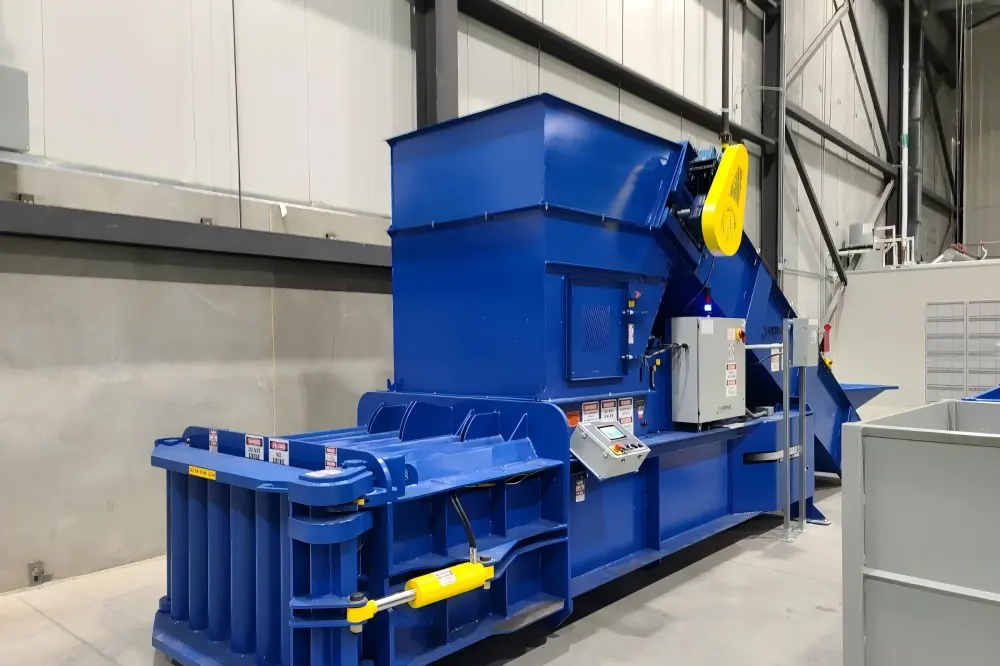
When selecting a new baler, look for systems that feature modular hydraulic designs. These systems allow for easier access to pumps, valves, and manifolds, making maintenance tasks much simpler. A well-designed baler should have clear access points for checking fluid levels, changing filters, and adjusting pressure settings. HARSLE balers are engineered with these considerations in mind, prioritizing ease of maintenance alongside raw power.
Consulting with a technical expert before making major component changes is always a wise decision. If you are experiencing recurring hydraulic issues, it may indicate a design mismatch for your specific application. A professional can help you evaluate whether your current baler is sized correctly for your throughput requirements. Sometimes, the solution to hydraulic problems is not a repair, but an upgrade to a more robust system that is better suited to your production demands.
FAQ: Frequently Asked Questions
Why is my horizontal baler ram moving slowly?
A slow ram is typically caused by low hydraulic fluid levels, a clogged filter, or a failing pump. Check the fluid level first, then inspect the suction filter for debris. If these are clear, the pump may be losing efficiency and require professional inspection.
How often should I change the hydraulic oil in my baler?
Generally, hydraulic oil should be changed every 2,000 to 4,000 operating hours, or once a year, depending on the intensity of use. However, if your oil analysis shows high levels of contamination or oxidation, it should be changed sooner.
Can I use any hydraulic oil in my HARSLE baler?
No, you must use the oil grade specified in your HARSLE operation manual. Using the wrong viscosity can lead to poor lubrication, overheating, and damage to the hydraulic pump and valves.
What should I do if I see a hydraulic leak?
Immediately stop the machine and lock out the power source. Identify the source of the leak. If it is a loose fitting, it may be tightened, but if the hose or seal is damaged, it must be replaced before the machine is operated again to prevent safety hazards and environmental damage.
How do I prevent air from entering the hydraulic system?
Ensure that the reservoir is always filled to the recommended level. Air usually enters through loose suction line fittings or a low fluid level. Regularly check all connections to ensure they are tight and free of leaks.
Conclusion: Maintaining Your Competitive Edge
Mastering the intricacies of horizontal baler hydraulic system problems and how to solve them is a vital skill for any industrial operation. By prioritizing routine maintenance, such as fluid analysis, filter changes, and pressure checks, you can prevent the majority of common hydraulic failures. Remember that the hydraulic system is the lifeblood of your baler; treating it with care will pay dividends in the form of increased uptime, reduced repair costs, and a longer service life for your equipment.
At HARSLE, we are dedicated to supporting our customers throughout the entire lifecycle of their machinery. Whether you are performing routine maintenance or troubleshooting a complex issue, our technical resources and support team are here to help. By staying proactive and informed, you can ensure that your horizontal baler continues to deliver the high-performance results your business depends on. Do not wait for a breakdown to take action—implement a rigorous maintenance schedule today and keep your production line moving efficiently.
Ultimately, the goal of understanding these systems is to foster a culture of safety and reliability within your facility. When operators and maintenance staff are empowered with the knowledge to identify and solve hydraulic problems, the entire organization benefits. Keep your HARSLE baler in peak condition, and it will continue to be a powerful, reliable partner in your metal fabrication and recycling efforts for years to come.