Best Scrap Metal Shear Applications for Manufacturing Scrap Reduction

Introduction to Manufacturing Scrap Reduction
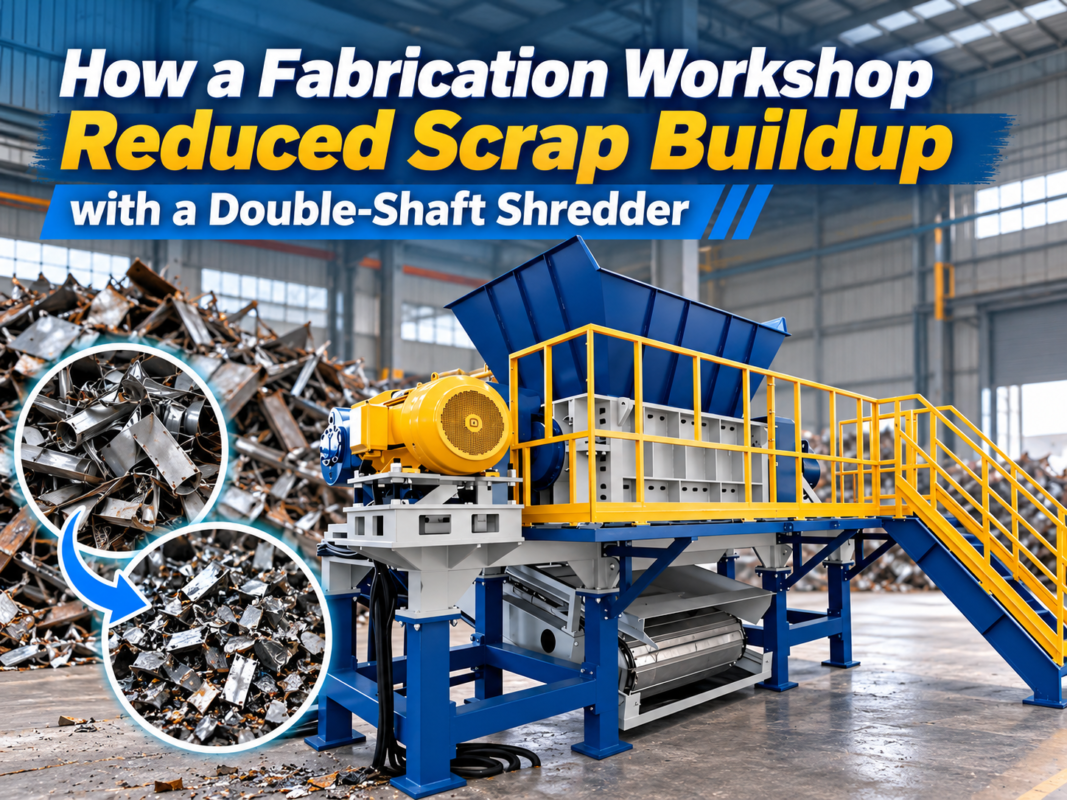
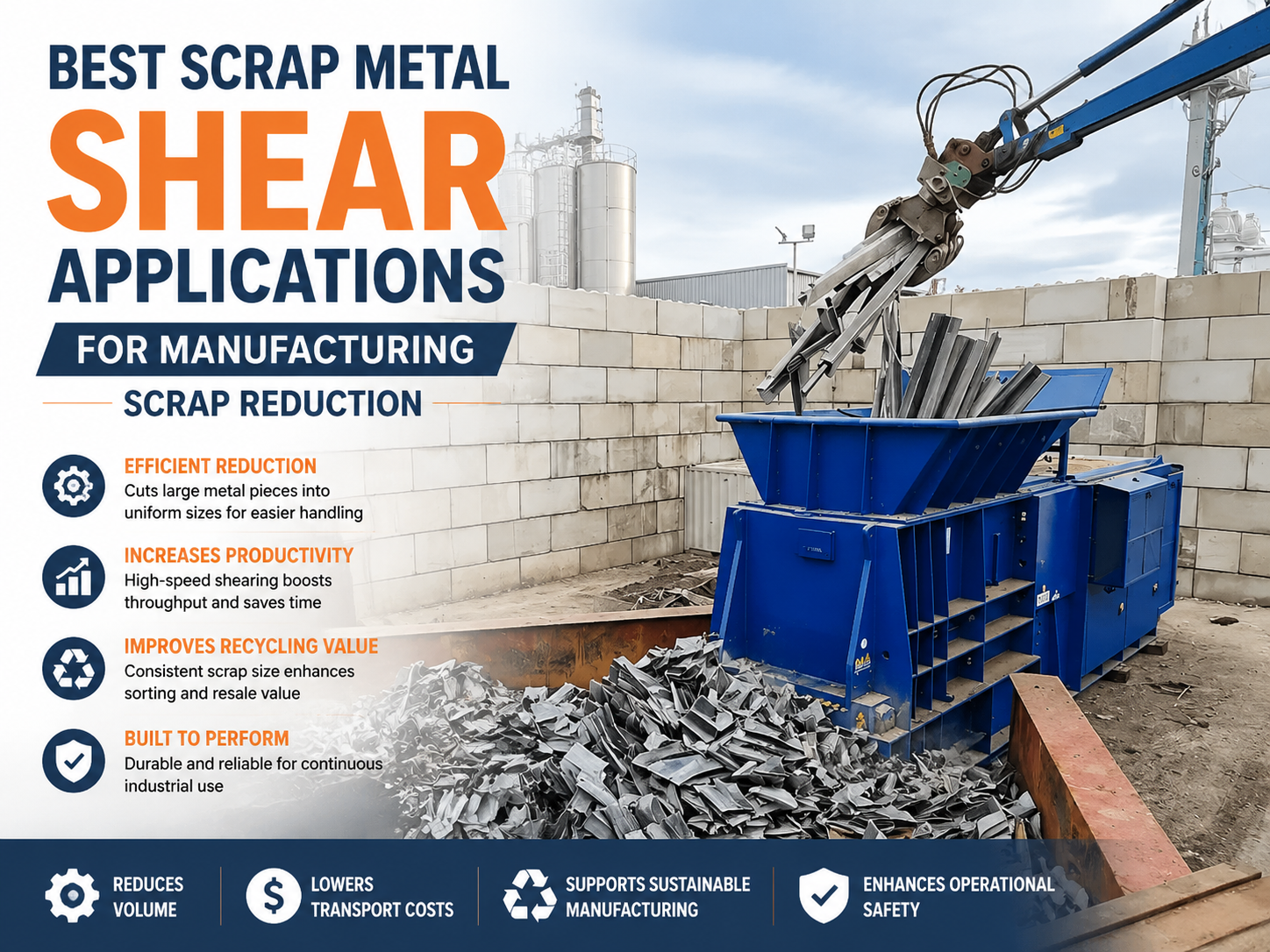
In the modern industrial landscape, efficiency is not just a goal; it is a necessity for survival. Manufacturing processes, particularly those involving metal fabrication, inevitably generate significant amounts of waste. Whether it is offcuts from a laser cutting bed, stamping skeletons from an automotive press line, or structural remnants from a construction project, managing this waste effectively is crucial. This is where the Best Scrap Metal Shear Applications Manufacturing Scrap Reduction strategies come into play. By utilizing high-performance machinery like HARSLE scrap metal shears, manufacturers can transform bulky, unmanageable waste into high-density, high-value recyclable material.
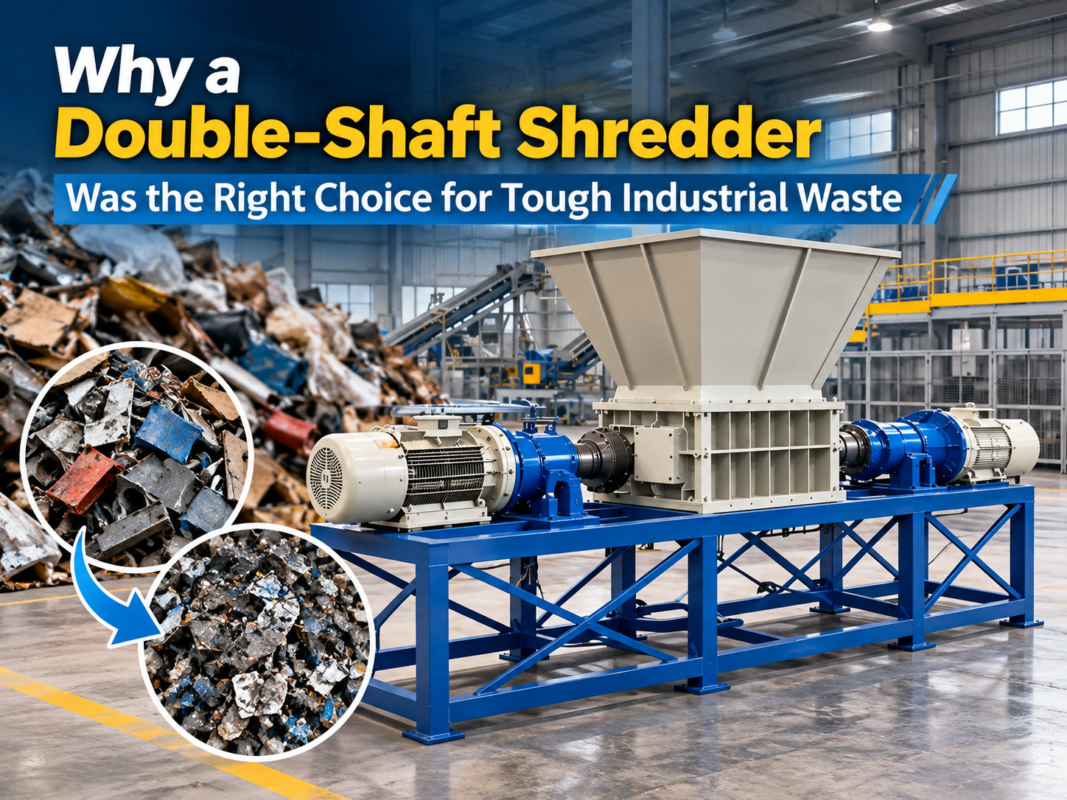
Scrap metal shears are specialized industrial machines designed to cut through various types of metal with immense force. Their primary role in manufacturing is to reduce the physical volume of scrap, making it easier to handle, transport, and sell back to foundries or recycling centers. This article explores the diverse applications of these machines, the technical requirements for different materials, and how HARSLE equipment provides the ultimate solution for industrial waste management.
Application Scenarios for Scrap Metal Shears
Automotive Manufacturing and Stamping
The automotive industry is one of the largest producers of metal scrap. During the production of body panels, chassis components, and engine parts, large sheets of steel and aluminum are stamped and trimmed. The resulting ‘skeletons’ are often awkward to store and expensive to transport due to their low density. Implementing a scrap metal shear directly at the end of the production line allows for immediate processing. By shearing these skeletons into smaller, uniform pieces, manufacturers can increase the weight-to-volume ratio of their scrap bins, significantly reducing the frequency of waste pickup and lowering logistics costs.
Aerospace and High-Value Alloys
In aerospace manufacturing, the materials used—such as titanium, Inconel, and high-grade aluminum—are exceptionally expensive. Every gram of scrap represents a significant financial loss if not recovered efficiently. Scrap metal shears in this sector are used to process oversized offcuts and failed components into manageable sizes for vacuum melting or specialized recycling. Because these materials are often harder than standard carbon steel, the shear must be equipped with high-strength blades and precise hydraulic controls to ensure clean cuts without contaminating the material.
Construction and Demolition Waste
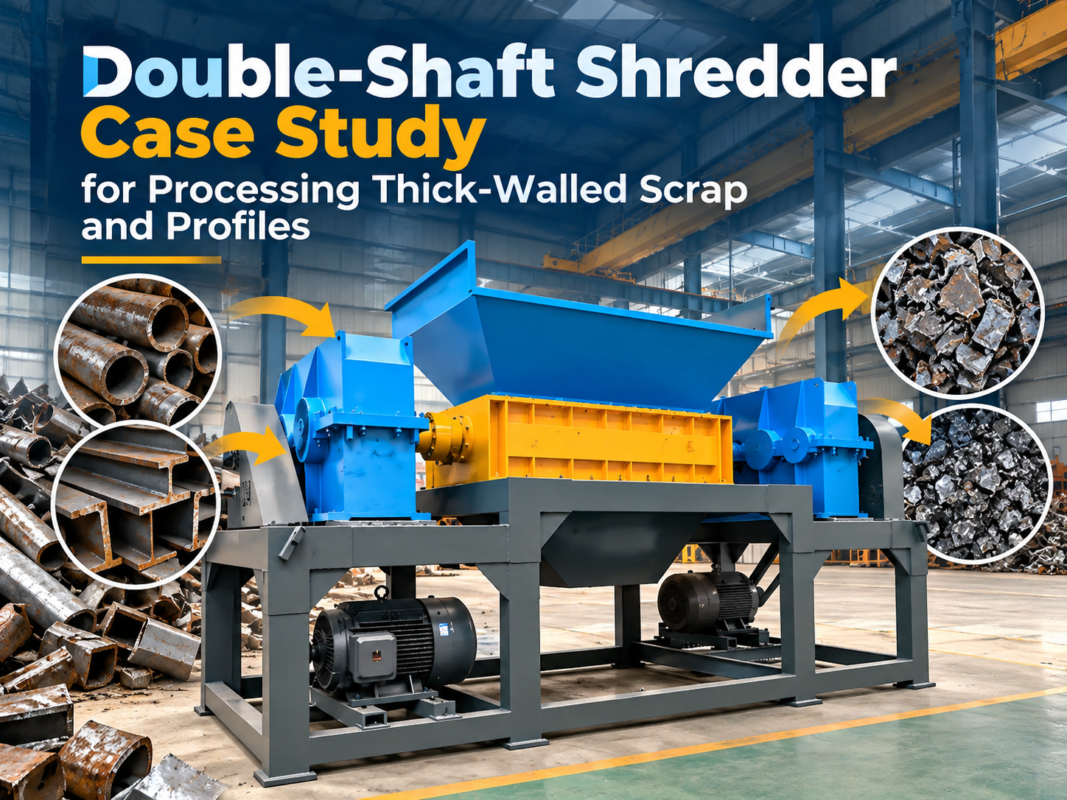
Large-scale construction projects and the demolition of steel-framed buildings generate massive amounts of rebar, I-beams, and piping. Transporting these long, irregular pieces to a recycling facility is a logistical nightmare. Mobile or stationary scrap metal shears are used on-site or at regional collection hubs to ‘size’ the material. This application requires heavy-duty gantry or container shears capable of handling thick-walled structural steel. By reducing the length of these beams, they can be loaded into standard containers or trucks more efficiently.
Shipbuilding and Heavy Plate Fabrication
Shipyards deal with some of the thickest steel plates in the manufacturing world. When hulls are cut and assembled, the remaining plate scrap can be several inches thick. Standard industrial shears cannot handle this load. Specialized heavy-duty scrap shears, often featuring gantry designs, are employed to break down these massive plates. This not only aids in scrap reduction but also improves safety by eliminating the need for manual torch cutting, which is slow, dangerous, and produces harmful fumes.
Material and Process Requirements
Understanding Material Hardness and Tensile Strength
The effectiveness of a scrap metal shear depends heavily on its ability to overcome the tensile strength of the material being processed. For instance, shearing 10mm of mild steel requires significantly less force than shearing 10mm of stainless steel or hardened alloy. When selecting a machine for Best Scrap Metal Shear Applications Manufacturing Scrap Reduction, manufacturers must analyze their scrap profile. HARSLE machines are engineered with variable pressure settings to accommodate a range of materials, ensuring that the hydraulic system is not overstressed while maintaining high throughput.
Volume and Throughput Demands
Process requirements also dictate the type of shear needed. A small fabrication shop producing a few hundred kilograms of scrap a day might only need a manual-feed alligator shear. However, a high-volume manufacturing plant producing tons of scrap per hour requires an automated system. This involves conveyor belts, vibration feeders, and PLC-controlled shearing cycles. The goal is to match the machine’s cycle time with the production line’s waste output to prevent bottlenecks.
Blade Metallurgy and Maintenance
The ‘business end’ of the shear—the blades—must be made from high-quality tool steel, such as H13 or Cr12MoV, to withstand the repetitive impact and abrasion of cutting metal. For applications involving abrasive materials or high-strength alloys, blades may require specialized heat treatments or coatings. Regular maintenance, including blade rotation and gap adjustment, is essential to ensure clean cuts and prevent the ‘folding’ of material, which can jam the machine and reduce efficiency.
Recommended Machine Configuration
Container Shears for High-Volume Efficiency
For large-scale manufacturing scrap reduction, the container shear is often the gold standard. These machines are designed to be ‘fed and forget.’ Large quantities of scrap are loaded into a hopper, and the machine automatically compresses and shears the material. HARSLE’s container shears are known for their robust construction and integrated hydraulic power units, which allow for a compact footprint despite their high cutting force. They are ideal for processing mixed scrap, including piping, light structures, and sheet metal.
Gantry Shears for Heavy-Duty Applications
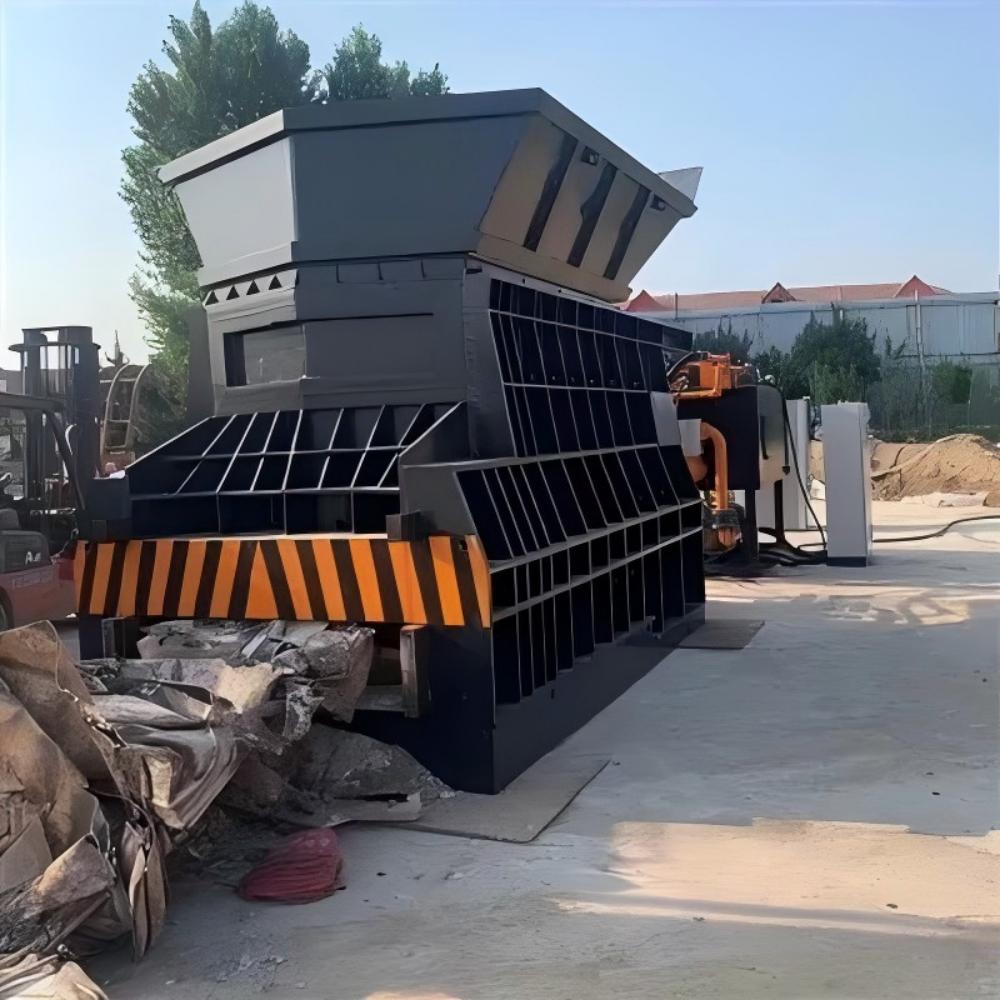
When dealing with the thickest materials, such as structural beams or heavy plate offcuts, a gantry shear is recommended. These machines utilize a vertical shearing motion with immense hydraulic pressure. They are typically stationary and integrated into a dedicated scrap yard area within the manufacturing facility. A gantry shear configuration often includes a long charging box that pre-compresses the scrap before it reaches the blade, ensuring a dense and uniform final product.
Alligator Shears for Precision and Sorting
Not all scrap reduction requires massive force. Alligator shears are perfect for smaller shops or for sorting different types of metals before they are processed further. They are excellent for cleaning scrap—for example, cutting off steel ends from aluminum extrusions. Their simple mechanical or hydraulic design makes them easy to operate and maintain, providing a cost-effective entry point for scrap management.
Workflow for Manufacturing Scrap Reduction
- Collection and Sorting: Scrap is collected at the source (e.g., under the laser cutter or stamping press). Sorting materials like aluminum, copper, and steel at this stage maximizes the resale value.
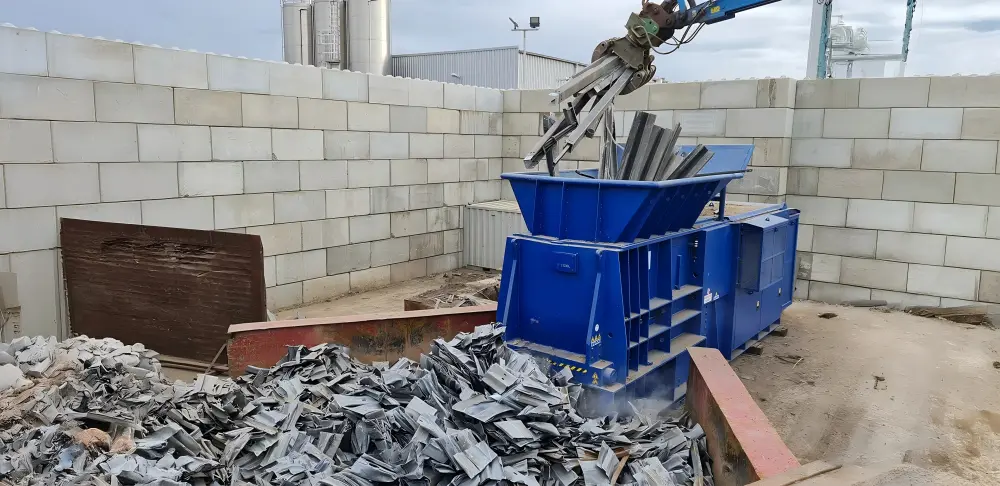
- Feeding: The scrap is transported to the shearing area via forklift or automated conveyor. In automated HARSLE systems, a vibrating feeder ensures a steady flow of material into the shear’s hopper.
- Pre-Compression: For bulky scrap, the machine’s side rams or lids compress the material into a ‘log’ shape. This ensures that the shear blade can engage with the maximum amount of material in a single stroke.
- Shearing: The hydraulic cylinder drives the blade through the material. The length of the cut pieces can often be adjusted via the PLC interface to meet the specific requirements of the recycling partner.
- Discharge and Baling: The sheared pieces are discharged onto a conveyor. In some setups, the sheared metal is then fed into a baler to create high-density cubes, further optimizing storage and transport.
Productivity and Economic Benefits
Significant Logistics Savings
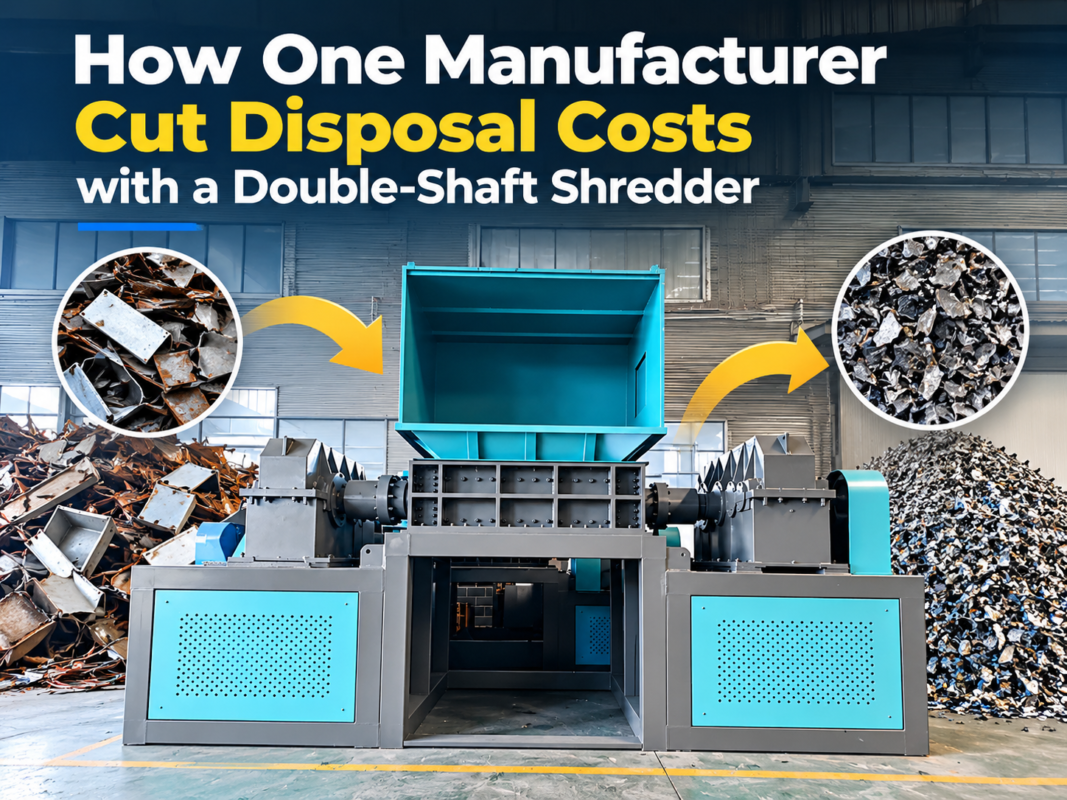
One of the most immediate benefits of using a scrap metal shear is the reduction in transportation costs. Loose scrap is mostly air. By shearing and densifying the waste, a single truck can carry three to four times the weight of material compared to unprocessed scrap. This reduces the number of trips required, lowering fuel costs and the company’s carbon footprint.
Increased Scrap Value
Recycling centers and foundries pay a premium for ‘prepared’ scrap. Sheared metal that is uniform in size and free of contaminants is much easier for them to process in their furnaces. By performing this ‘preparation’ in-house with a HARSLE shear, manufacturers can negotiate better rates for their waste, turning a disposal cost into a significant revenue stream.
Improved Workplace Safety and Space
Piles of loose, sharp metal scrap are a major safety hazard in any factory. They take up valuable floor space and can cause injuries during handling. A dedicated shearing station keeps the workspace organized. Furthermore, modern HARSLE shears feature advanced safety sensors, emergency stops, and automated feeding, which remove the operator from the immediate vicinity of the cutting action.
Case Example: Automotive Parts Supplier
A mid-sized automotive parts supplier was struggling with the volume of steel stamping skeletons produced by their 1000-ton press lines. They were filling five large open-top containers every day, which required daily pickups. The cost of these pickups was eating into their margins, and the scrap dealer was paying a low ‘unprepared’ rate.
The company installed a HARSLE 600-ton Container Shear. By integrating the shear into their waste workflow, they were able to:
- Reduce the volume of scrap by 70%.
- Decrease waste pickups from once a day to once every three days.
- Increase the value of their scrap by 25% due to the uniform size of the sheared pieces.
- Recover 400 square meters of floor space previously used for scrap storage.
The ROI (Return on Investment) for the machine was achieved in just 14 months through a combination of logistics savings and increased scrap revenue.
Frequently Asked Questions (FAQ)
What is the best type of shear for stainless steel scrap?
Stainless steel is harder and work-hardens quickly. A hydraulic shear with high-strength, heat-treated blades and a rigid frame (like a HARSLE Gantry Shear) is best. It is important to maintain a tight blade gap to prevent the material from wedging between the blades.
How often do the shear blades need to be sharpened?
This depends entirely on the material being cut and the volume of work. For standard mild steel, blades may last several hundred hours before needing a rotation or grind. HARSLE blades are typically four-sided, meaning you can rotate them three times before a full regrind is necessary.
Can these machines be integrated into an automated production line?
Yes. Modern HARSLE scrap shears feature PLC controls and can be synced with conveyor systems and sensors to operate autonomously, processing scrap as it is generated by the production machinery.
What safety features should I look for in a scrap metal shear?
Look for emergency stop buttons, hydraulic overload protection, safety cages or light curtains for manual-feed machines, and robust guarding around all moving parts. Automated machines should also have sensors to detect jams or foreign objects.
Conclusion: Choosing HARSLE for Your Scrap Reduction Needs
Implementing the Best Scrap Metal Shear Applications Manufacturing Scrap Reduction is a strategic move that pays dividends in efficiency, safety, and profitability. HARSLE’s range of hydraulic shears—from versatile alligator shears to massive container and gantry models—provides the durability and precision required for the most demanding industrial environments. By investing in high-quality shearing technology, manufacturers can take full control of their waste stream, turning environmental responsibility into a competitive advantage.
Ready to optimize your manufacturing scrap process? Contact HARSLE today to speak with our technical experts and find the perfect shearing solution for your facility. Let us help you transform your scrap into a valuable asset.