Comprehensive Guide to Scrap Metal Shear Uses in Metal Plant Clean-Up and Offcut Handling

Introduction to Scrap Metal Shear Uses in Metal Plant Clean-Up Offcut Handling
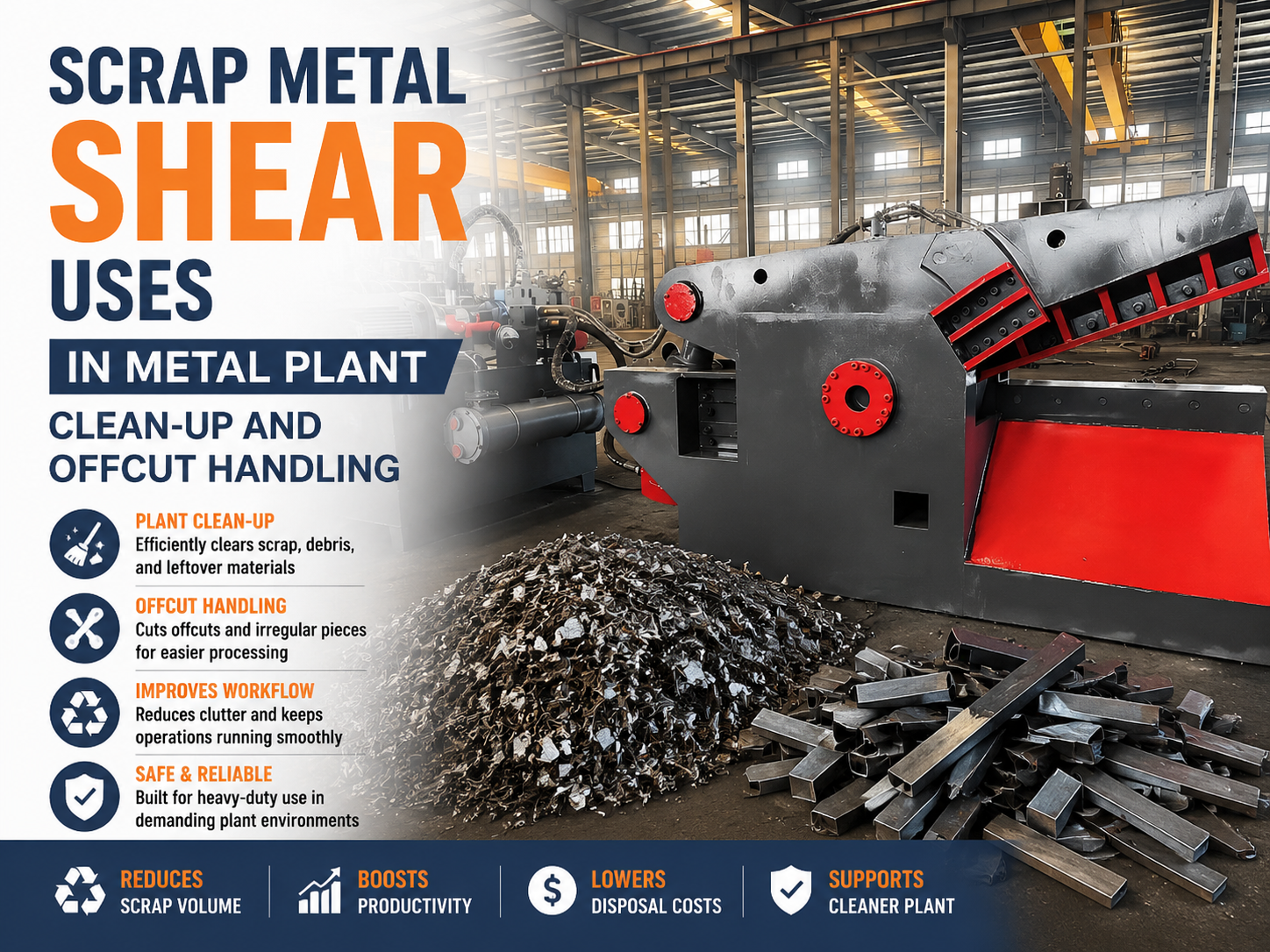
In the high-intensity environment of a metal fabrication plant, efficiency is often measured not just by what is produced, but by how effectively the waste is managed. The accumulation of metal offcuts, skeletons from laser or plasma cutting, and structural remnants can quickly turn a productive floor into a hazardous and cluttered space. This is where the strategic application of scrap metal shears becomes indispensable. Specifically, the Scrap Metal Shear Uses In Metal Plant Clean-Up Offcut Handling focus on transforming bulky, irregular waste into manageable, high-value raw materials for recycling.
Modern industrial facilities face increasing pressure to optimize their footprint and improve sustainability metrics. A scrap metal shear, whether it is a compact alligator shear or a heavy-duty gantry shear, serves as the primary tool for volume reduction. By cutting long beams, pipes, and sheets into standardized lengths, plants can significantly reduce the logistics costs associated with scrap removal while simultaneously increasing the resale value of the metal. This guide explores the multifaceted applications of these machines and how they integrate into a professional metal plant’s workflow.
Application Scenario: Where Scrap Metal Shears Excel
The primary application scenario for scrap metal shears is within the post-production phase of metal fabrication. In facilities that utilize CNC laser cutting, waterjet cutting, or punching machines, the remaining ‘skeleton’ of the metal sheet is often large, sharp, and difficult to transport. Without a dedicated shearing solution, these skeletons are often piled up, taking up valuable floor space and posing a safety risk to workers. Scrap metal shears allow operators to quickly break down these skeletons into smaller pieces that fit into standard recycling bins.
Another critical scenario involves structural steel fabrication. When beams, angles, and channels are cut to size for construction projects, the resulting offcuts are often several feet long. These pieces are too large for standard melting furnaces and too awkward for easy storage. A hydraulic alligator shear can be positioned near the primary cutting station to process these offcuts immediately, ensuring that the workspace remains clear and organized. This ‘point-of-generation’ processing is a hallmark of lean manufacturing.
Furthermore, scrap metal shears are vital in demolition and decommissioning projects within a plant. When old machinery is replaced or internal piping systems are upgraded, the scrap metal shear is used to dismantle large assemblies. This includes cutting through copper busbars, aluminum extrusions, and steel reinforcement rods. The versatility of the shear allows it to handle a wide variety of profiles, making it a multi-purpose tool for any industrial maintenance or clean-up crew.
Material and Process Requirements
To maximize the effectiveness of Scrap Metal Shear Uses In Metal Plant Clean-Up Offcut Handling, it is essential to understand the material properties and the specific requirements of the shearing process. Not all scrap is created equal, and the shear must be matched to the material’s tensile strength and thickness. For instance, shearing stainless steel requires significantly more force than shearing aluminum of the same thickness due to its higher yield strength.
Material Diversity
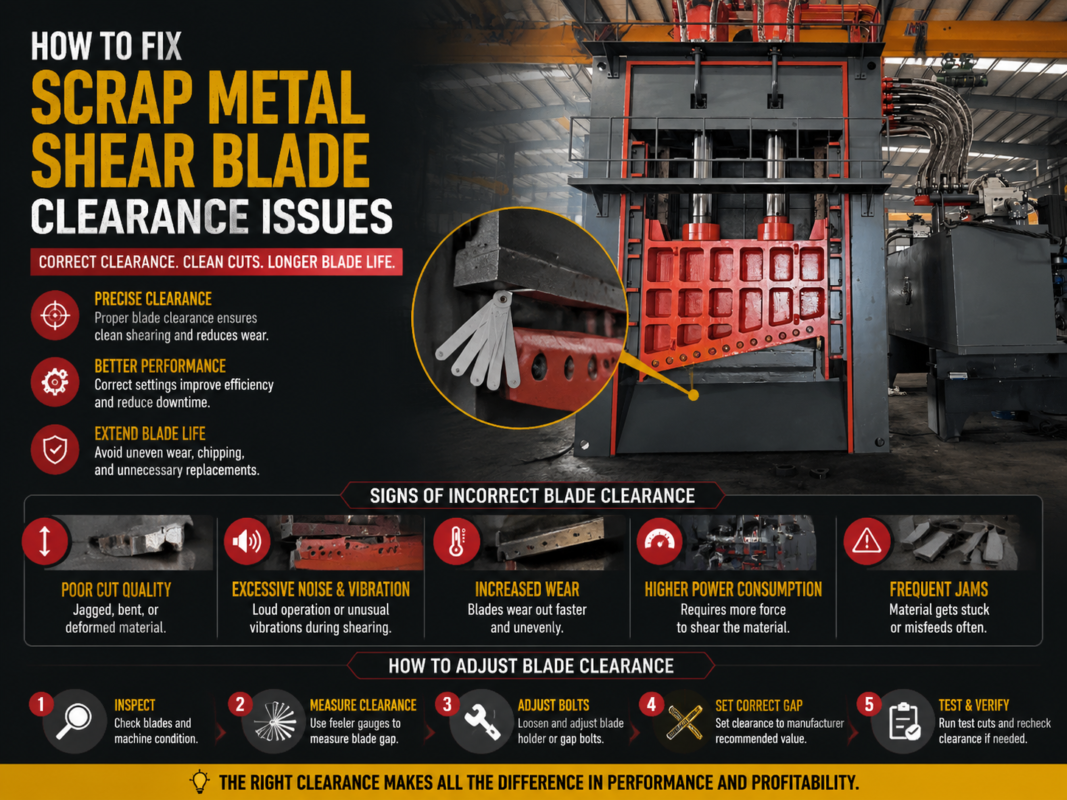
Metal plants typically deal with a range of materials including mild steel, stainless steel, aluminum, copper, and brass. Each of these materials reacts differently under the blade. Mild steel is relatively easy to shear but can be abrasive, requiring high-quality tool steel blades. Stainless steel tends to work-harden, meaning the shear must deliver a clean, decisive cut to prevent damage to the machine. Aluminum, while softer, can sometimes ‘stick’ to the blades, necessitating specific blade clearances and lubrication.
Thickness and Profile Considerations
The geometry of the offcut is just as important as the material. Flat sheets are straightforward, but structural shapes like I-beams or hollow tubes present a different challenge. The shear must have a large enough ‘throat’ or jaw opening to accommodate the profile. For heavy-duty offcut handling, the hydraulic system must provide consistent pressure throughout the stroke to ensure the material is fully severed without jamming. Process requirements also include the desired final length of the scrap, which is often dictated by the requirements of the local foundry or scrap dealer.
Recommended Machine Configuration
Choosing the right machine configuration is critical for efficient plant clean-up. HARSLE offers a variety of scrap metal shears tailored to different volumes and material types. The two most common configurations are the Alligator Shear and the Gantry Shear.
Alligator Shears (Q43 Series)
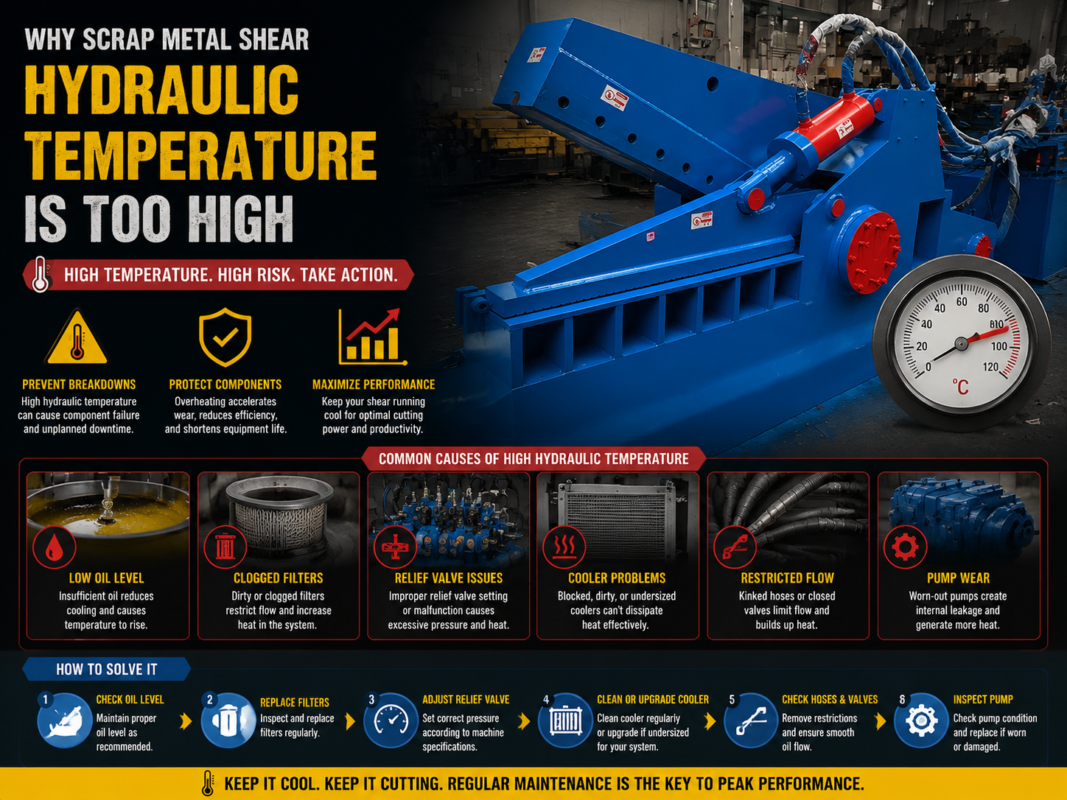
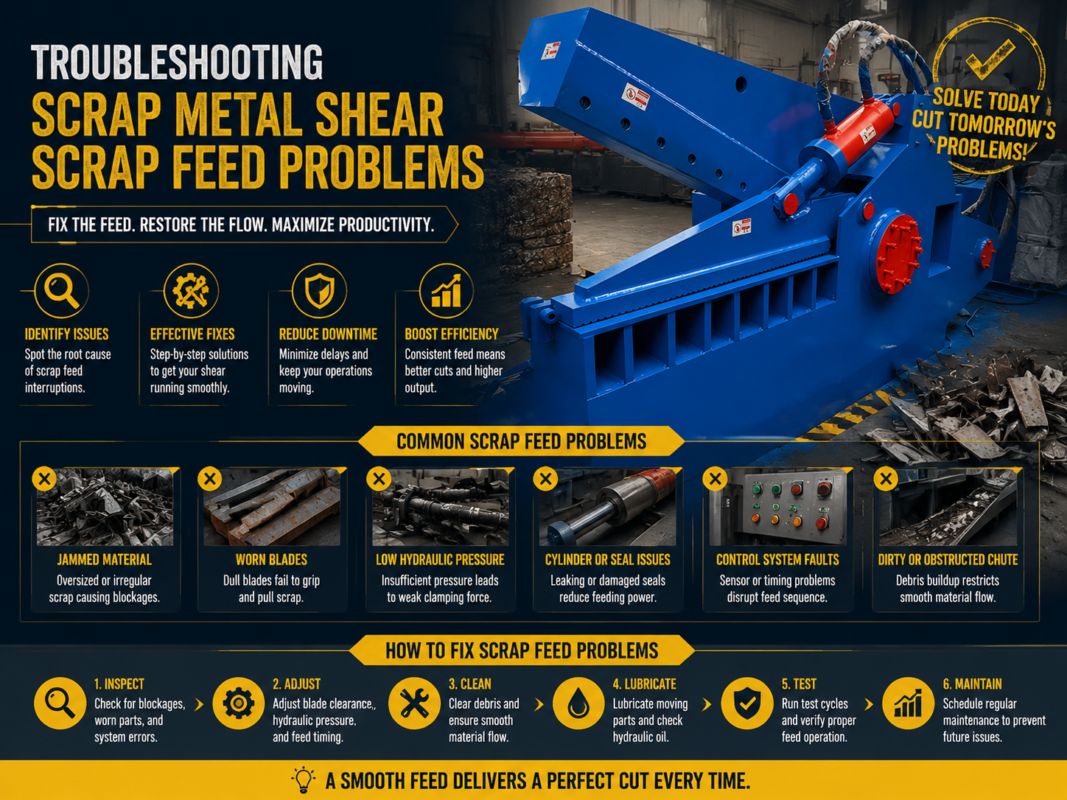
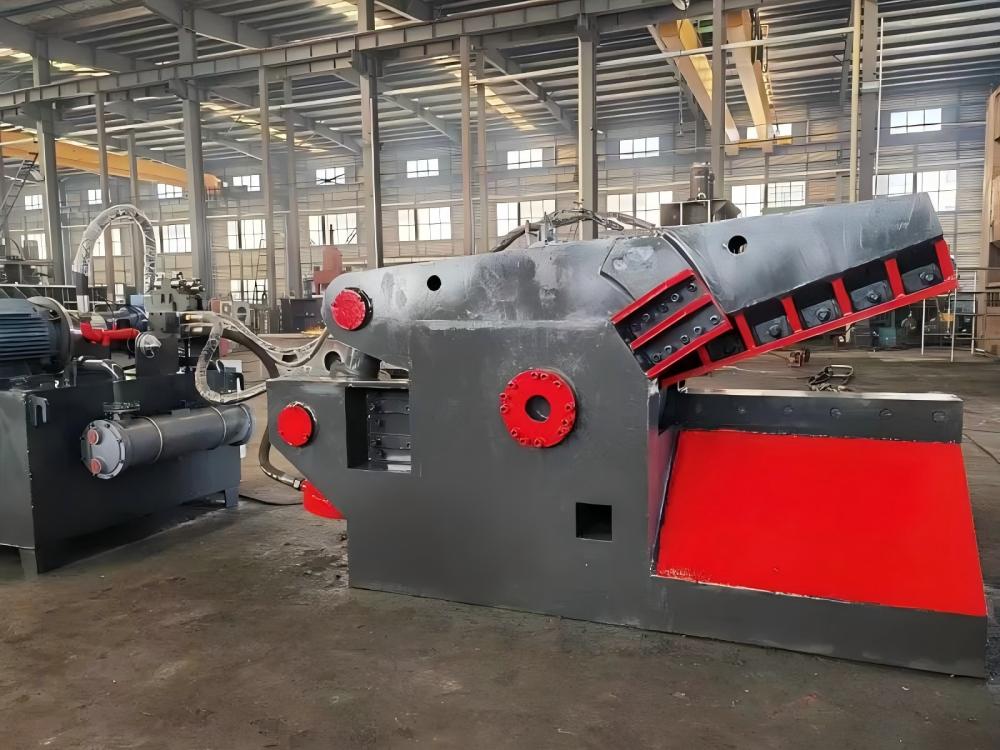
For most metal plant clean-up tasks, the alligator shear is the preferred choice. It is characterized by its crocodile-like jaw and is typically operated via a foot pedal. Key configurations include:
- Blade Length: Ranging from 600mm to 1200mm. Longer blades allow for cutting wider sheets in a single pass.
- Cutting Force: Ranging from 63 tons to 500 tons. A 120-ton shear is usually sufficient for general fabrication offcuts.
- Automatic Hold-down: A hydraulic press-down arm that secures the material before the cut, preventing ‘kick-back’ and ensuring operator safety.
Gantry Shears (Q15 Series)
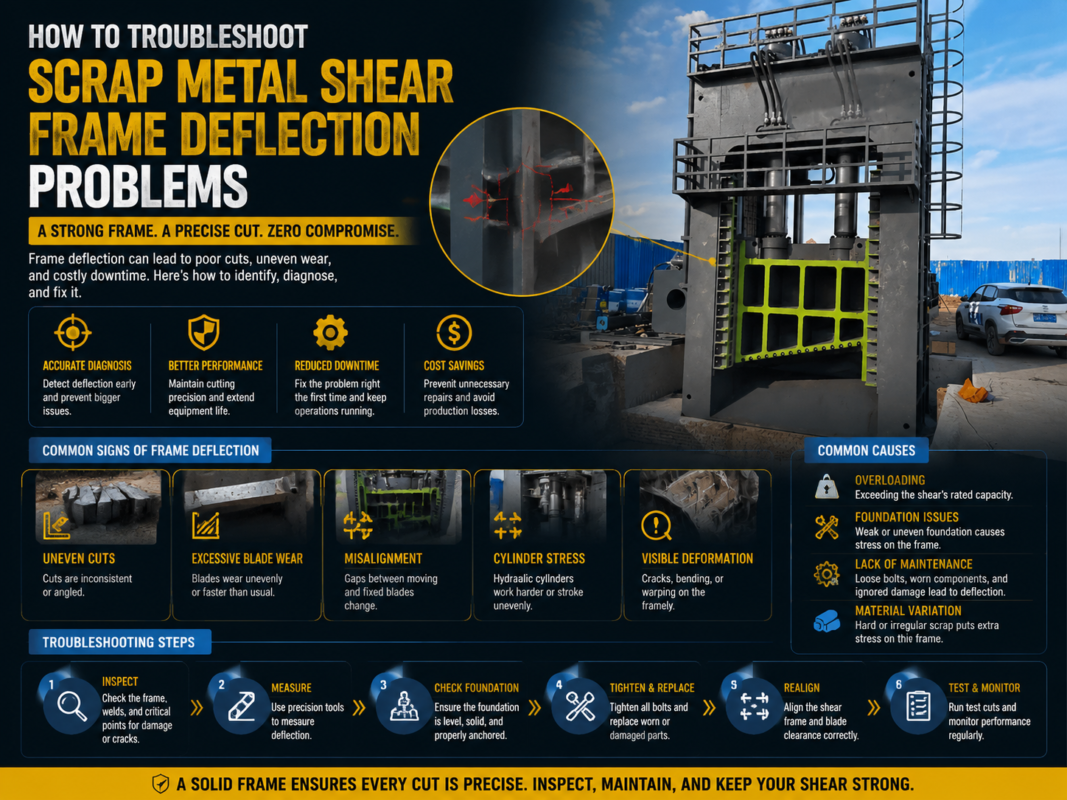
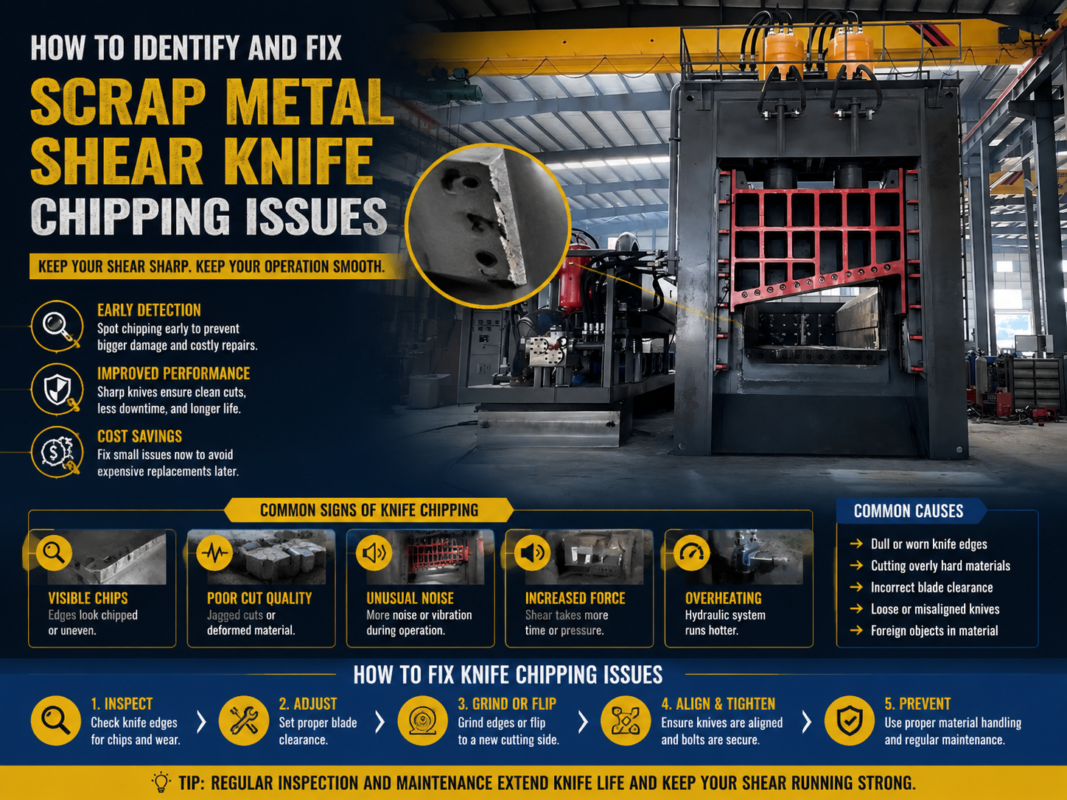
In high-volume plants where scrap is generated in massive quantities, a gantry shear may be necessary. These are larger, stationary units that can process entire bundles of scrap at once. They are often integrated with conveyor systems for a fully automated offcut handling workflow. Gantry shears offer much higher cutting forces (up to 1000+ tons) and are designed for continuous 24/7 operation.
Workflow for Efficient Offcut Handling
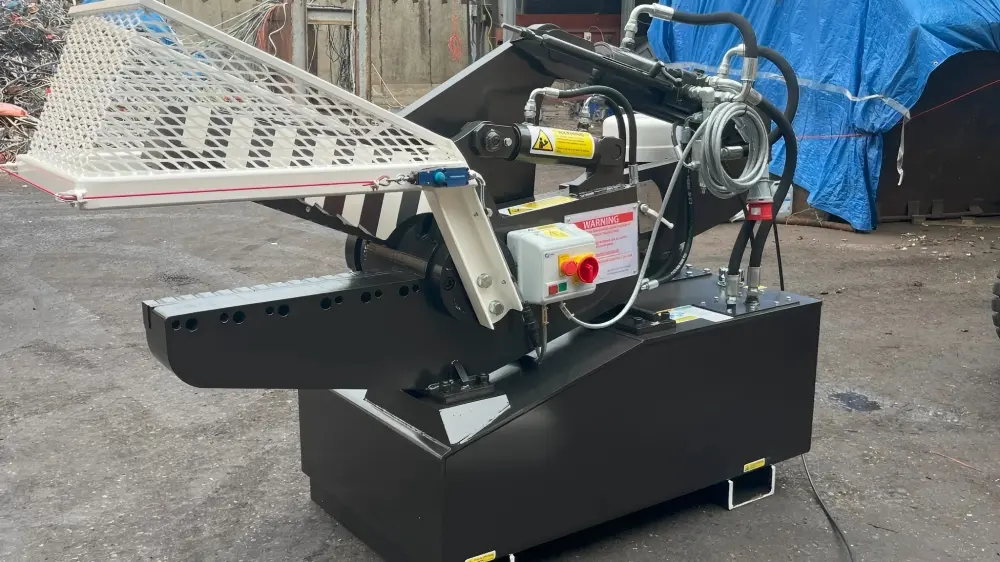
Implementing a scrap metal shear into a plant’s workflow requires a systematic approach to ensure maximum productivity. A typical workflow for Scrap Metal Shear Uses In Metal Plant Clean-Up Offcut Handling involves the following steps:
- Collection: Offcuts are collected in specialized bins at each workstation (laser, saw, or punch press).
- Sorting: Materials are sorted by type (e.g., ferrous vs. non-ferrous) to ensure the highest recycling value. This is often done at the shearing station.
- Feeding: The operator feeds the material into the shear. For long pieces, roller tables can be used to support the material, reducing operator fatigue.
- Shearing: The shear cuts the material into pre-determined lengths (e.g., 30cm pieces). The hydraulic hold-down ensures the cut is straight and safe.
- Discharge: The processed scrap falls into a collection bin or onto a conveyor belt that leads to a large outdoor skip.
- Transport: Once the skip is full, it is transported to a recycling facility. Because the scrap is now dense and uniform, transport costs are minimized.
Productivity Benefits and ROI
The investment in a scrap metal shear yields significant productivity benefits. First and foremost is the reduction in labor costs. Manually breaking down scrap with torches or handheld saws is slow, dangerous, and expensive. A hydraulic shear can do the work of four men in a fraction of the time. Additionally, the optimization of floor space cannot be overstated. By processing scrap immediately, plants can reclaim hundreds of square feet of floor space that would otherwise be occupied by messy piles of metal.
From a financial perspective, the ROI is driven by scrap value appreciation. Foundries pay a premium for ‘prepared’ scrap—metal that is cut to size and free of contaminants. By shearing offcuts in-house, a plant moves from selling ‘unprepared’ scrap at a low price to selling ‘prepared’ scrap at a much higher rate. In many cases, the machine pays for itself within 12 to 18 months purely through the increased revenue from scrap sales and the savings in waste hauling fees.
Case Example: Structural Steel Fabricator
A mid-sized structural steel fabricator in Ohio was struggling with the accumulation of I-beam offcuts and heavy plate remnants. Their yard was cluttered, and they were paying high fees for a scrap company to come and process the material on-site. They decided to implement a HARSLE Q43-2000 Alligator Shear with a 200-ton cutting force and an 800mm blade.
By integrating the shear into their daily clean-up routine, they were able to process all offcuts during the final hour of each shift. The result was a 40% increase in the value of their scrap metal and a 60% reduction in the number of skip pickups required per month. Furthermore, the improved organization of the yard allowed them to store more raw material, enabling them to take on larger projects that they previously didn’t have the space for.
Frequently Asked Questions (FAQ)
What is the maintenance schedule for a scrap metal shear?
Daily maintenance involves checking hydraulic oil levels and lubricating moving parts. Weekly, the blade bolts should be checked for tightness. Depending on the volume of use, blades should be rotated or sharpened every 3-6 months to maintain cutting efficiency and prevent strain on the hydraulic system.
Can a scrap metal shear cut through hardened steel?
While scrap shears are powerful, they are designed for standard industrial metals. Cutting through extremely hardened tool steels or specialized alloys may require a machine with higher tonnage and specialized blades. Always consult the machine’s capacity chart before attempting to cut unknown materials.
Is it better to have a mobile or stationary shear?
Stationary shears are generally more powerful and stable for heavy-duty plant clean-up. However, if your facility is very large, a mobile shear (mounted on wheels or a forklift-ready base) allows you to bring the machine to the scrap, rather than hauling heavy scrap across the factory floor.
Conclusion and CTA
Effective Scrap Metal Shear Uses In Metal Plant Clean-Up Offcut Handling are the secret to a lean, profitable, and safe metal fabrication environment. By investing in the right shearing technology, manufacturers can turn a waste stream into a revenue stream while maintaining a pristine workspace. HARSLE provides industry-leading hydraulic shears designed for durability and ease of use in the most demanding industrial settings.
Ready to optimize your plant’s scrap management? Contact HARSLE today to speak with our technical experts about the best shear configuration for your specific material and volume requirements. Let us help you turn your offcuts into assets.