Hydraulic Briquetting Machine Won’t Build Pressure: A Complete Troubleshooting Guide

Introduction to Hydraulic Briquetting Machine Pressure Issues
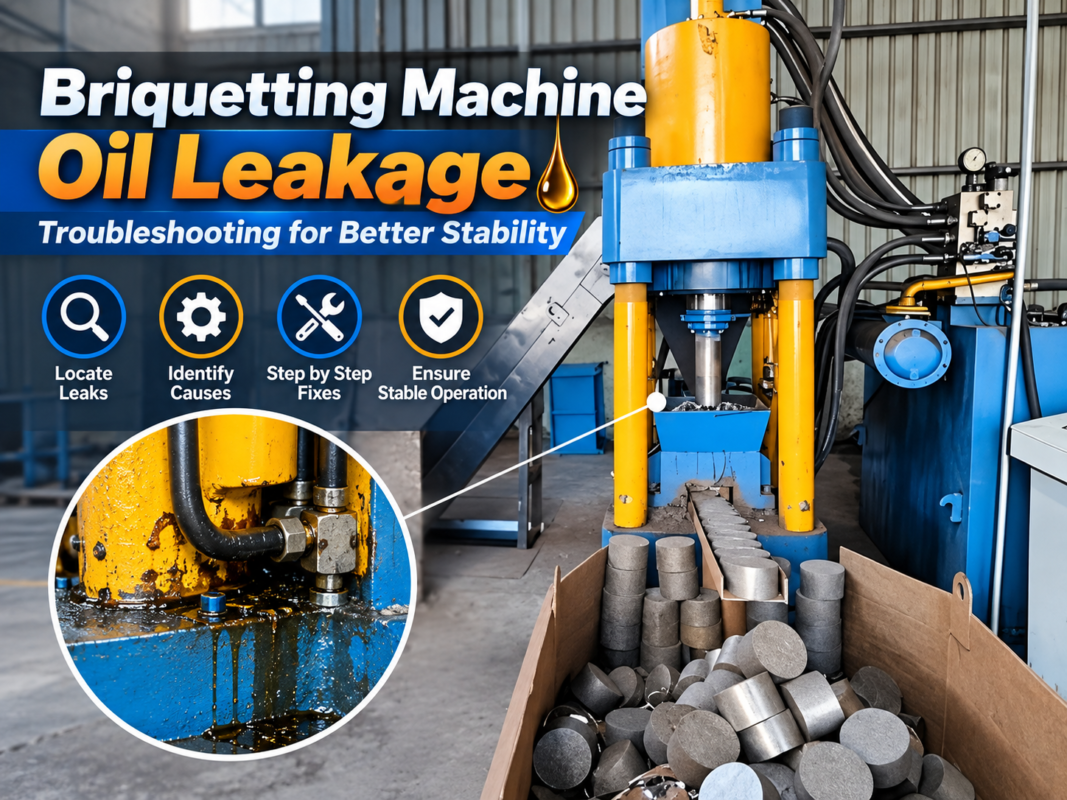
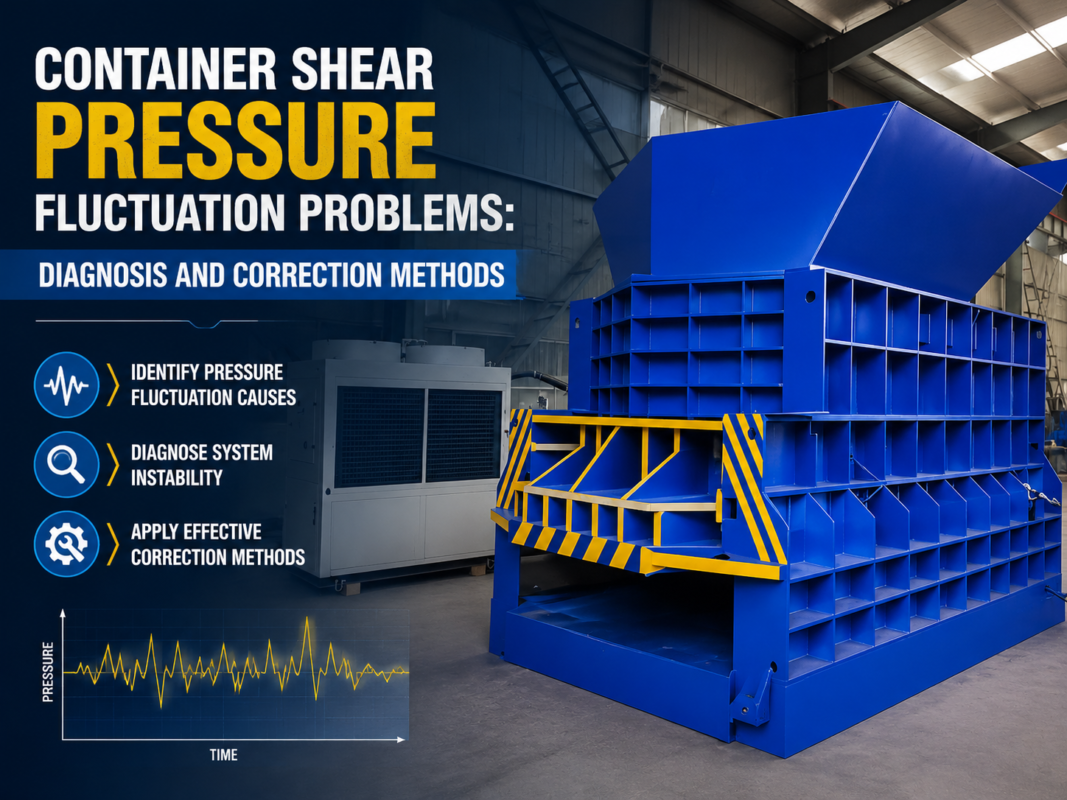
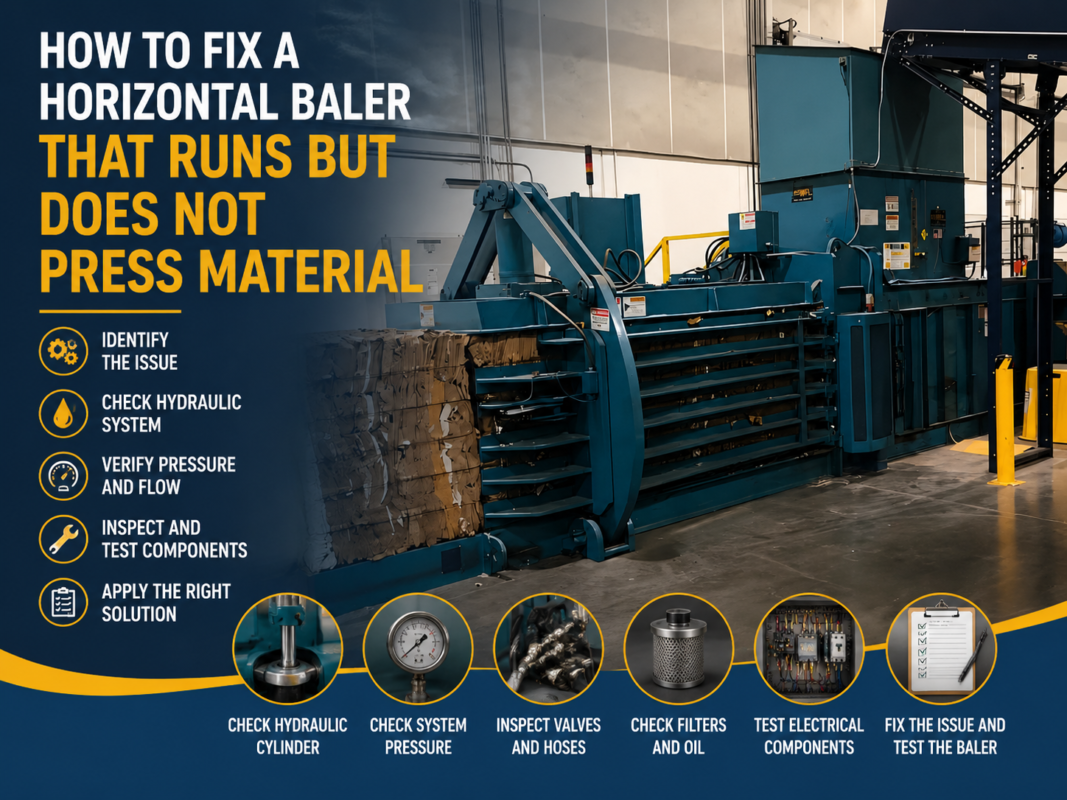
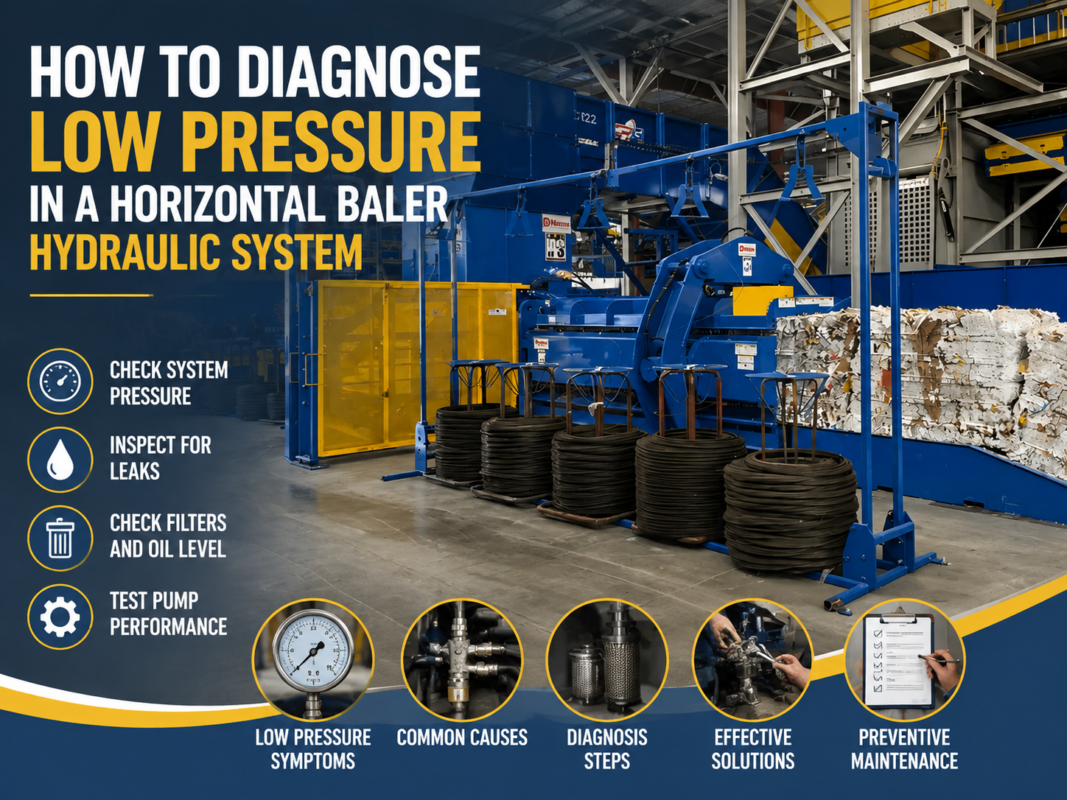
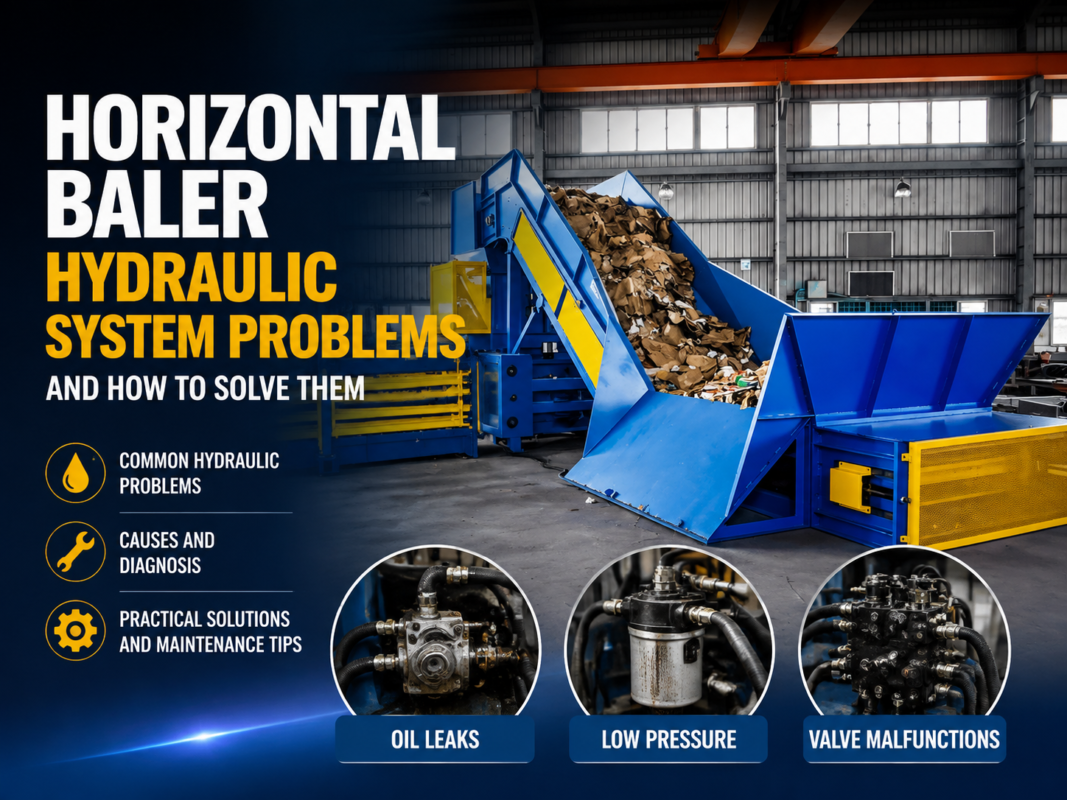
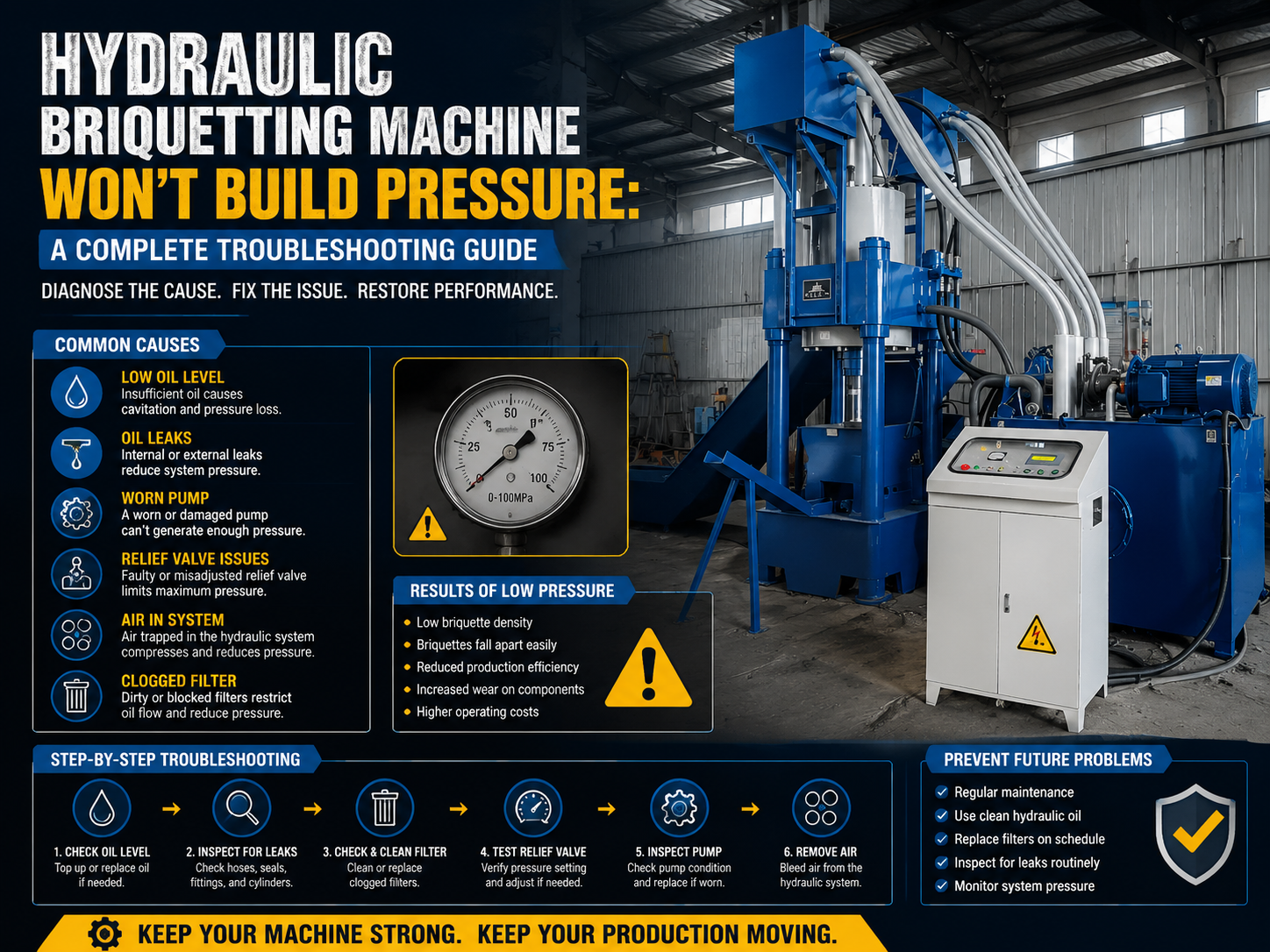
In the world of metal fabrication and waste management, the hydraulic briquetting machine is a cornerstone of efficiency. By compressing loose metal chips, turnings, and swarf into dense, manageable blocks, these machines significantly reduce storage space and increase the melt value of scrap. However, the entire process relies on one critical factor: hydraulic pressure. When a Hydraulic Briquetting Machine Won’t Build Pressure: A Complete Troubleshooting process becomes necessary to prevent costly downtime and production bottlenecks.
Pressure loss is one of the most common yet frustrating issues faced by machine operators. Without sufficient force, the machine cannot achieve the required density for the briquettes, leading to crumbly products or a total halt in the cycle. Understanding the underlying causes—ranging from simple oil level issues to complex valve failures—is essential for any maintenance team. This guide aims to provide a deep dive into the mechanics of pressure generation and the systematic steps required to restore your HARSLE briquetting machine to peak performance.
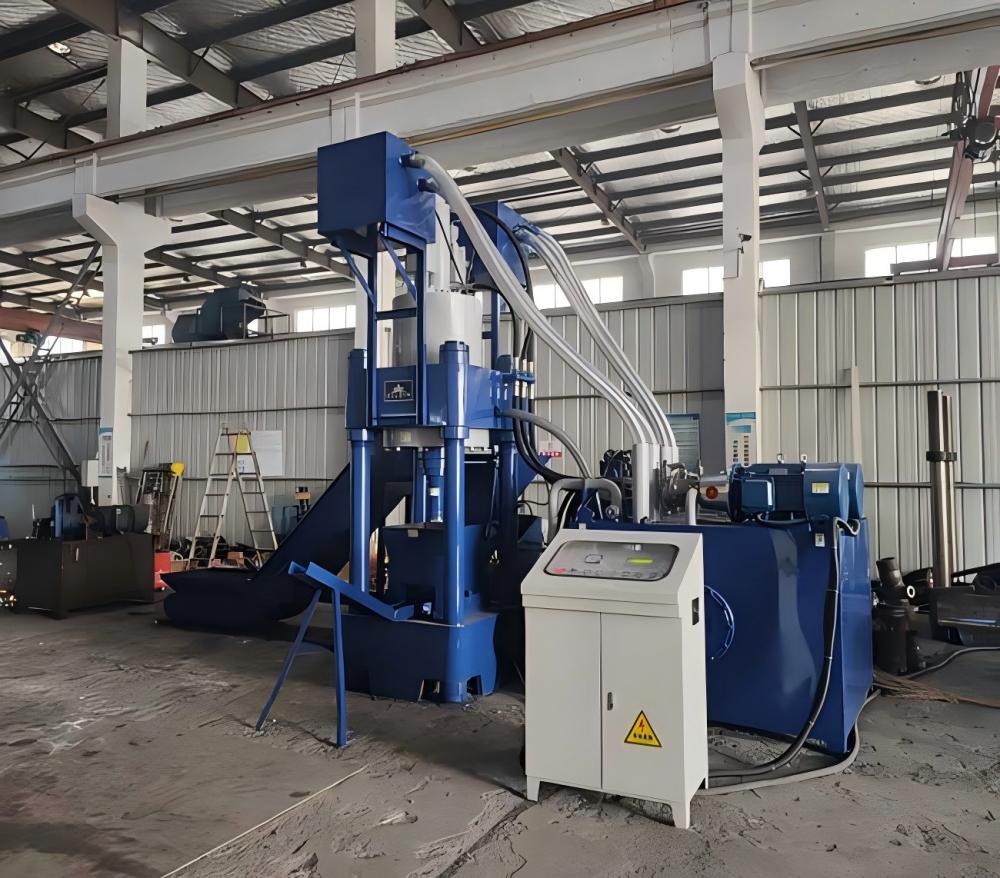
Before diving into the technicalities, it is important to recognize that a hydraulic system is a closed loop. Any leak, blockage, or mechanical wear within this loop can lead to a drop in pressure. Whether you are working with aluminum, steel, cast iron, or copper chips, the principles of hydraulic force remain the same. In the following sections, we will explore the key considerations, technical components, and selection advice to ensure your briquetting operations remain uninterrupted.
Key Considerations When Pressure Fails
When you first notice that your Hydraulic Briquetting Machine Won’t Build Pressure: A Complete Troubleshooting approach should start with the most obvious and easily accessible components. Often, the solution is simpler than a full pump replacement. The first consideration is the hydraulic fluid itself. Oil is the medium through which power is transmitted; if the oil is contaminated, too hot, or at an incorrect viscosity, the pump will struggle to generate the necessary force.
Temperature plays a massive role in hydraulic efficiency. As hydraulic oil heats up, its viscosity decreases, making it “thinner.” If the machine has been running for multiple shifts without adequate cooling, the oil may become so thin that it bypasses internal seals and valves, leading to a perceived loss of pressure. Conversely, if the oil is too cold, it may be too thick for the pump to draw effectively, causing cavitation—a destructive phenomenon where air bubbles form and implode within the pump.
Another key consideration is the integrity of the suction line. If the pump cannot draw oil from the reservoir due to a clogged suction filter or a loose fitting, it cannot build pressure. Operators should regularly inspect the suction strainer located inside the oil tank. Over time, fine metal dust and sludge can accumulate, starving the pump of fluid. This not only prevents pressure build-up but can also lead to permanent pump damage within minutes of operation.
Finally, consider the electrical control system. Modern briquetting machines, like those manufactured by HARSLE, utilize sophisticated PLCs (Programmable Logic Controllers) and pressure transducers. If a sensor is faulty or a wire is loose, the machine might “think” it has reached pressure and stop the cycle prematurely, or it might fail to signal the directional valve to close. Always verify that the electrical signals are reaching the hydraulic solenoids before tearing down mechanical components.
Technical Details: Deep Dive into the Hydraulic Circuit
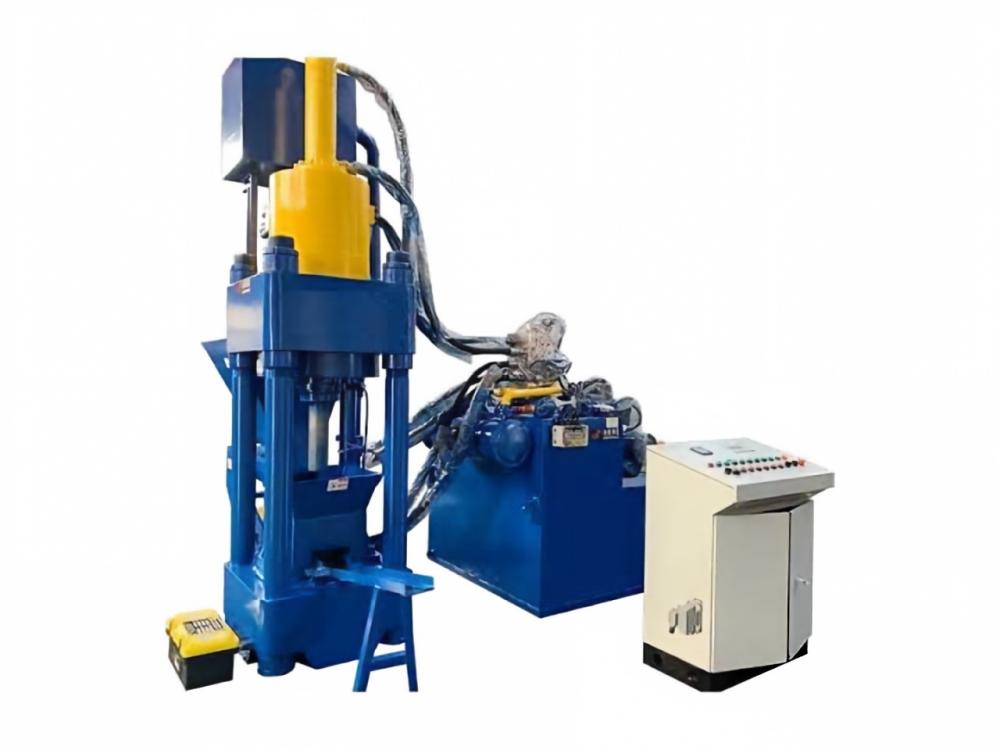
To effectively troubleshoot a Hydraulic Briquetting Machine Won’t Build Pressure: A Complete Troubleshooting effort, one must understand the specific components within the circuit. The hydraulic system typically consists of a reservoir, a pump (usually a high-pressure piston pump or a vane pump), a relief valve, directional control valves, and the main compression cylinder.
The Hydraulic Pump: The Heart of the System
The pump is responsible for converting mechanical energy into hydraulic flow. It does not create pressure itself; rather, it creates flow, and pressure is the result of resistance to that flow. If the internal components of the pump—such as the pistons, swash plate, or gears—are worn, the pump will experience internal leakage. This means that as the resistance (the metal chips) increases, the oil simply slips back to the suction side of the pump instead of being forced into the cylinder. A tell-tale sign of a failing pump is an increase in noise (whining or grinding) and excessive heat generation at the pump housing.
The Relief Valve: The Safety Gate
The pressure relief valve is designed to protect the system by diverting oil back to the tank once a pre-set pressure limit is reached. If this valve is stuck in the open position due to a tiny piece of debris or a broken spring, the oil will take the path of least resistance and flow back to the tank, preventing the system from ever building pressure. Cleaning and reseating the relief valve is a standard step in the troubleshooting process. In many cases, a simple adjustment of the relief valve screw can restore pressure, provided the valve seat is not damaged.
Cylinder Seals and Internal Bypassing
If the pump and valves are functioning correctly, the issue may lie within the hydraulic cylinder itself. The piston inside the cylinder is fitted with high-pressure seals that prevent oil from moving from the cap end to the rod end. If these seals are worn or scarred, oil will leak past the piston (internal bypassing). This results in the cylinder moving slowly or failing to reach the final compaction force. A simple test for this is to extend the cylinder to its limit and check if oil continues to flow out of the return port; if it does, the seals are compromised.
Directional Control Valves and Solenoids
Directional valves dictate where the oil goes. In a briquetting machine, these valves must shift precisely to sequence the feeding, compressing, and ejecting stages. If a solenoid coil burns out or the valve spool becomes jammed with contaminants, the valve may stay in a neutral position, allowing oil to circulate back to the tank without doing any work. Checking the LED indicators on the solenoid plugs can quickly confirm if the electrical signal is present.
Selection Advice: Choosing a Reliable Briquetting Machine
When purchasing a hydraulic briquetting machine, preventing future pressure issues starts with the selection process. Not all machines are built to the same industrial standards. At HARSLE, we emphasize robust engineering to minimize the common failure points discussed in this guide. Here are several factors to consider when selecting a machine to ensure long-term pressure stability:
- Pump Quality: Look for machines equipped with reputable high-pressure pumps (such as Rexroth or Vickers equivalents). Piston pumps are generally preferred for high-pressure briquetting due to their efficiency and durability compared to gear pumps.
- Filtration Systems: A high-quality machine should feature multi-stage filtration, including suction strainers and return-line filters with clogging indicators. Clean oil is the best insurance against valve and pump failure.
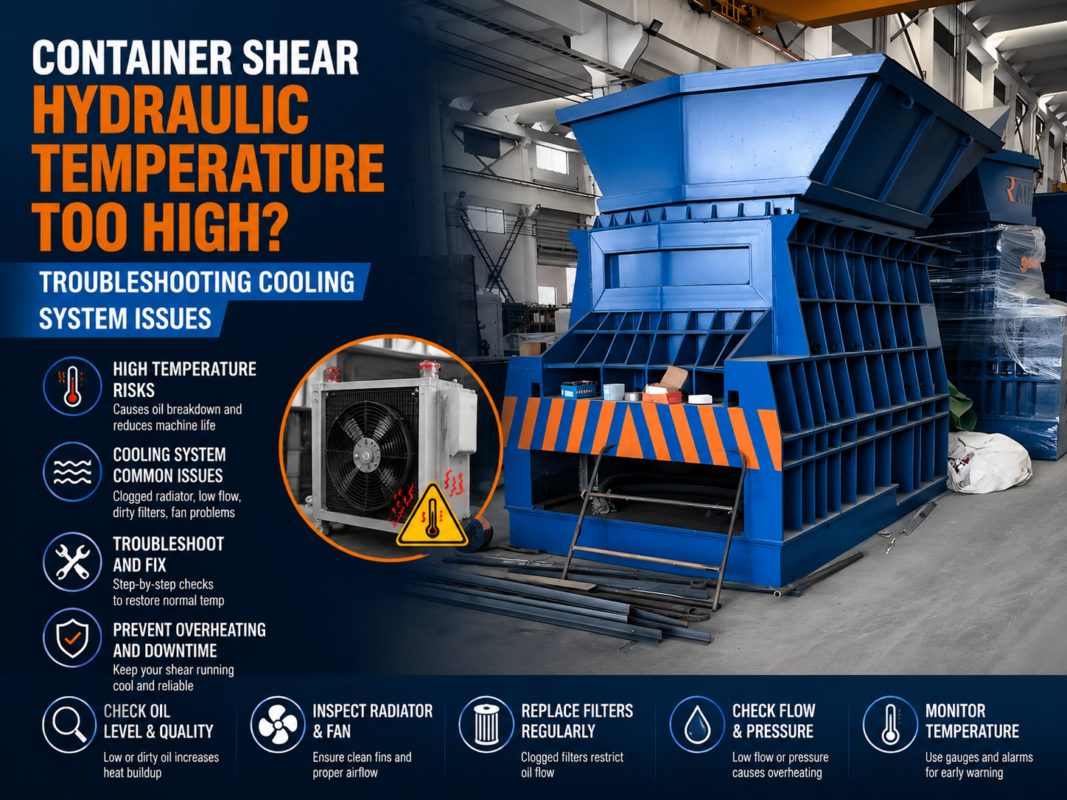
- Cooling Capacity: For high-volume operations, an integrated air or water cooling system for the hydraulic oil is essential. This prevents the viscosity drop-off that leads to pressure loss during long shifts.
- Frame Rigidity: A heavy-duty steel frame prevents flexing. If the frame flexes, it can cause misalignment in the cylinder rods, leading to premature seal wear and pressure leaks.
- Ease of Maintenance: Choose a design where the valve manifold and pump are easily accessible. If a machine is hard to service, routine maintenance is often neglected, leading to the very issues we are troubleshooting.
By investing in a machine with superior components and a well-thought-out hydraulic circuit, you reduce the frequency of “won’t build pressure” scenarios. HARSLE machines are designed with these industrial realities in mind, utilizing oversized heat exchangers and premium sealing kits to ensure that the rated compaction force is delivered consistently, year after year.
Frequently Asked Questions (FAQ)
1. Why is my briquetting machine making a loud whining noise?
A loud whining noise usually indicates pump cavitation. This happens when the pump is starved of oil, often due to a clogged suction filter, a restricted intake line, or oil that is too thick (cold). It can also be caused by air entering the system through a loose fitting on the suction side.
2. How often should I change the hydraulic oil?
For most industrial briquetting machines, the oil should be changed every 2,000 to 3,000 hours of operation, or at least once a year. However, you should perform regular oil analysis to check for contamination and additive depletion. Always change the filters whenever the oil is changed.
3. Can a faulty pressure switch cause the machine to stop building pressure?
Yes. The pressure switch or transducer tells the PLC when the desired compaction force is reached. If it is miscalibrated or faulty, it may signal the machine to stop the pressing cycle before the actual pressure has been achieved, resulting in soft briquettes.
4. What is the ideal operating temperature for hydraulic oil?
The ideal temperature range for most hydraulic systems is between 40°C and 55°C (104°F – 131°F). If the temperature exceeds 60°C (140°F), the oil begins to degrade rapidly, and the risk of pressure loss due to low viscosity increases significantly.
5. How do I know if my relief valve is the problem?
If the pump is running and the oil is flowing but no pressure is registered on the gauge, try adjusting the relief valve. If turning the adjustment screw has no effect on the pressure reading, the valve is likely stuck open or the internal spring is broken. You should remove, clean, and inspect it.
| Component | Common Symptom of Failure | Recommended Action |
|---|---|---|
| Hydraulic Pump | Excessive noise, slow cycle times, heat | Check for cavitation; inspect internal wear |
| Relief Valve | No pressure build-up, oil returns to tank | Clean valve seat; check spring integrity |
| Cylinder Seals | Drifting cylinder, low final pressure | Perform bypass test; replace seal kit |
| Suction Filter | Pump noise, erratic pressure | Clean or replace the filter element |
| Oil Cooler | Overheating, thinning oil | Clean cooling fins; check fan/water flow |
Conclusion: Maintaining Peak Pressure Performance
A hydraulic briquetting machine is a powerful tool for sustainability and cost-saving in the metal industry, but its effectiveness is entirely dependent on the health of its hydraulic system. When a Hydraulic Briquetting Machine Won’t Build Pressure: A Complete Troubleshooting guide is followed, most issues can be traced back to preventable causes like contaminated oil, worn seals, or misadjusted valves. Regular maintenance is not just a suggestion; it is a requirement for industrial longevity.
By implementing a strict schedule of oil analysis, filter replacements, and visual inspections, operators can catch minor issues before they escalate into catastrophic failures. Remember that the hydraulic system is sensitive to the smallest particles of dirt; cleanliness is paramount. Whether you are troubleshooting an existing machine or looking to upgrade to a more reliable HARSLE model, focusing on the quality of the hydraulic circuit will always pay dividends in production uptime.
In conclusion, while pressure issues can be complex, a systematic approach—starting from the reservoir and moving through the pump, valves, and finally the cylinder—will almost always reveal the culprit. Keep your oil clean, your filters fresh, and your cooling system active, and your briquetting machine will continue to provide the high-density compaction required for your recycling needs. For more technical support or to explore our range of high-pressure briquetting solutions, contact the HARSLE engineering team today.