Scrap Metal Shear Hydraulic Oil Leaks: Causes and Repair Tips

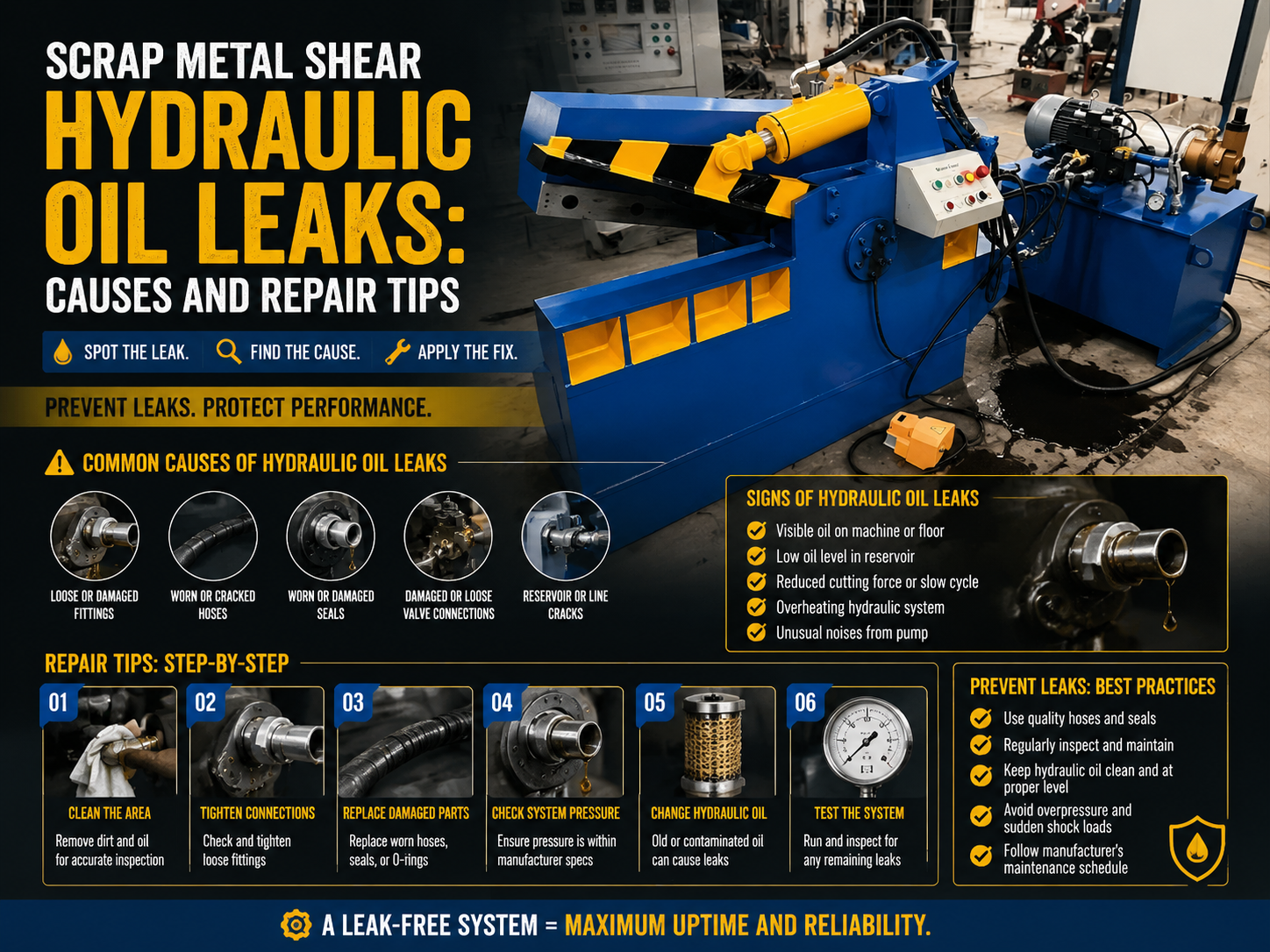
Introduction to Hydraulic Integrity in Scrap Metal Shears
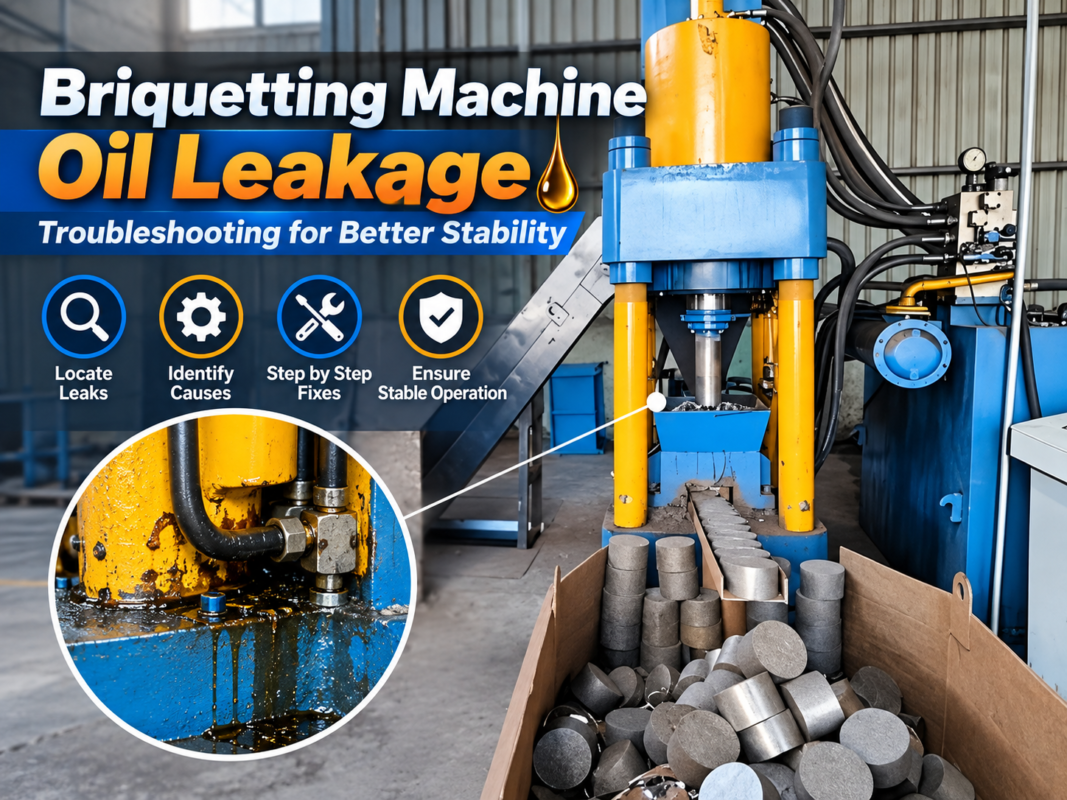
In the high-intensity world of metal recycling, the scrap metal shear stands as a cornerstone of productivity. These massive machines exert hundreds of tons of force to slice through structural steel, automotive frames, and industrial debris. At the heart of this power lies the hydraulic system—a complex network of pumps, valves, cylinders, and hoses designed to transmit energy through pressurized fluid. However, the very nature of scrap processing—characterized by heavy vibrations, abrasive dust, and extreme pressure cycles—makes these machines susceptible to hydraulic oil leaks. Addressing Scrap Metal Shear Hydraulic Oil Leaks: Causes Repair Tips is not just a matter of cleanliness; it is a critical aspect of operational safety, environmental compliance, and economic efficiency.
A hydraulic leak in a scrap shear is rarely just a minor nuisance. Even a small drip can lead to significant oil loss over time, costing thousands of dollars in replacement fluid and potential environmental fines. More importantly, leaks often signal underlying mechanical failures that, if left unaddressed, can lead to catastrophic pump failure or structural damage to the shear. For operators using HARSLE equipment or other industrial shears, understanding the mechanics of fluid containment is essential for maximizing the lifespan of the machinery. This guide provides an in-depth look at why these leaks occur and how to systematically repair and prevent them.
Modern scrap shears operate under immense pressure, often exceeding 3,000 to 5,000 PSI. At these levels, a pinhole leak can become a high-velocity jet capable of penetrating human skin or causing flash fires if the oil contacts hot surfaces. Therefore, the approach to managing Scrap Metal Shear Hydraulic Oil Leaks: Causes Repair Tips must be rooted in a “safety-first” mentality. By combining rigorous inspection routines with high-quality replacement components, recycling facilities can maintain a high uptime and ensure a safe working environment for their staff.
Key Considerations for Managing Hydraulic Leaks
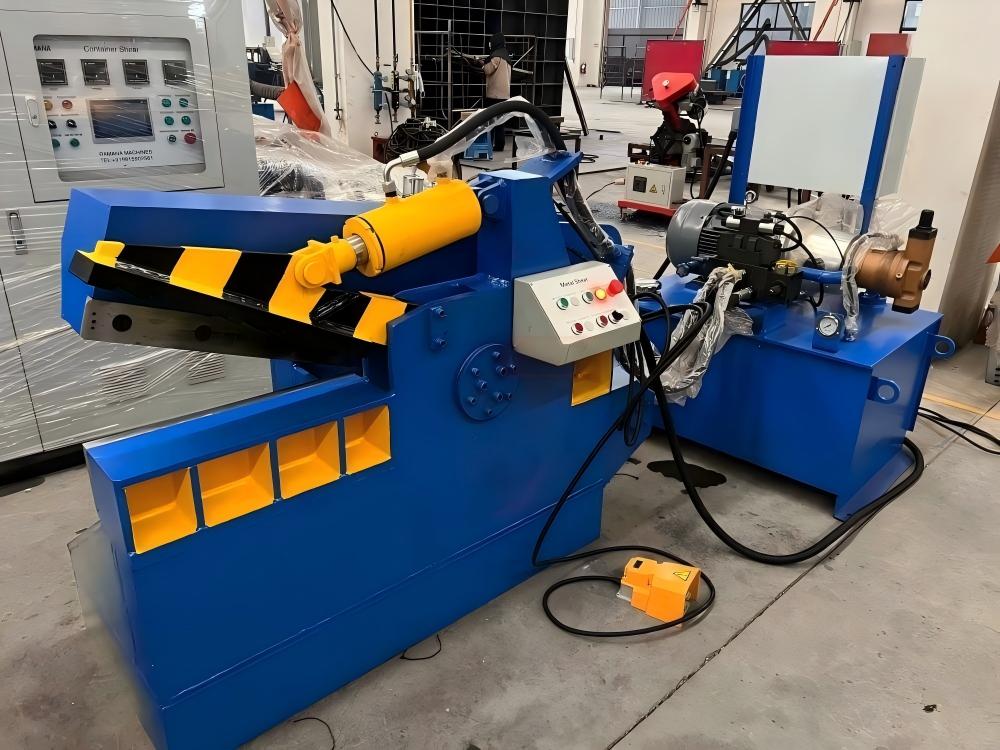
When dealing with hydraulic oil leaks, the first consideration is the environmental impact. Hydraulic fluid is a petroleum-based or synthetic chemical that can contaminate soil and groundwater. In many jurisdictions, industrial facilities are required by law to report significant spills and implement immediate containment measures. A proactive maintenance strategy reduces the risk of environmental liability and demonstrates a commitment to sustainable industrial practices. Furthermore, oil-slicked floors in a scrap yard pose a significant slip-and-fall hazard, adding another layer of risk to the operation.
The second consideration is the cost of downtime. A scrap metal shear is often the primary processing unit in a yard. If the shear is down due to a ruptured hose or a failed cylinder seal, the entire production line grinds to a halt. The cost of lost production usually far outweighs the cost of the repair itself. Therefore, identifying the root cause of a leak quickly is paramount. Operators should be trained to recognize the early signs of hydraulic distress, such as unusual noises from the pump, sluggish cylinder movement, or visible misting near high-pressure lines.
Thirdly, the quality of the hydraulic oil itself plays a role in leak prevention. Contaminated oil acts as an abrasive, wearing down seals and valve seats from the inside out. When discussing Scrap Metal Shear Hydraulic Oil Leaks: Causes Repair Tips, one cannot ignore the importance of filtration. Maintaining a high ISO cleanliness code for the hydraulic fluid ensures that the internal components remain smooth and the seals remain intact. Using the wrong viscosity of oil can also lead to leaks, as oil that is too thin may bypass seals, while oil that is too thick can cause cavitation and pressure spikes that rupture hoses.
Technical Details: Common Causes of Hydraulic Leaks
1. Seal Degradation and Failure
The most frequent cause of leaks in scrap metal shears is the failure of dynamic and static seals. Dynamic seals, such as those found on the piston rods of the main compression cylinders, are subjected to constant friction and pressure. Over time, the heat generated by the hydraulic system causes the seal material (often nitrile or Viton) to harden and become brittle. Once the seal loses its elasticity, it can no longer maintain a tight interface with the rod, allowing oil to weep out. In scrap environments, fine metallic dust can also settle on the cylinder rods; if the wiper seals are damaged, this dust is pulled into the main seal pack, acting like sandpaper and causing rapid wear.
2. Hose Abrasion and Fatigue
Hydraulic hoses are the flexible arteries of the shear. In a scrap yard, these hoses are exposed to flying debris, sharp metal edges, and extreme weather conditions. Abrasion is a leading cause of hose failure; if two hoses rub against each other or against the machine frame during operation, the outer protective layer eventually wears through, exposing the wire reinforcement. Once the reinforcement rusts or weakens, the hose will burst under pressure. Additionally, the constant pulsing of pressure during the shearing cycle causes “hose fatigue,” where the internal structure of the hose weakens over thousands of cycles.
3. Loose Fittings and Vibrational Stress
Scrap shears generate massive amounts of vibration during the cutting process. These vibrations can cause threaded fittings and flange bolts to slowly loosen over time. A fitting that was tight at the beginning of the month may develop a “weep” after several hundred hours of operation. Furthermore, improper installation—such as over-tightening or under-tightening a JIC fitting—can damage the seating surface, leading to a permanent leak path. It is estimated that a significant percentage of hydraulic leaks are found at connection points rather than within the components themselves.
| Leak Location | Primary Cause | Visual Symptom | Urgency Level |
|---|---|---|---|
| Cylinder Rod | Worn U-cup or Wiper Seal | Oil film or dripping on the rod | Medium – Monitor and schedule repair |
| Hose Body | External Abrasion / Aging | Bulging or dampness on hose surface | High – Replace immediately |
| Pump Flange | Gasket Failure / Loose Bolts | Pooling oil at the pump base | High – Risk of pump cavitation |
| Valve Manifold | O-ring failure between blocks | Seepage between manifold sections | Low/Medium – Tighten or replace O-ring |
Technical Details: Repair Tips and Procedures
Step-by-Step Leak Diagnosis
Before attempting any repair, the area must be thoroughly cleaned. Hydraulic oil attracts dirt, which can mask the true source of the leak. Use a degreaser and a pressure washer (carefully) to clean the suspected area. Once dry, operate the shear briefly and observe where the oil first appears. For hard-to-find leaks, specialized fluorescent dyes can be added to the hydraulic reservoir; under a UV light, the exact point of exit will glow brightly, making diagnosis effortless. This is a crucial part of Scrap Metal Shear Hydraulic Oil Leaks: Causes Repair Tips because it prevents the unnecessary replacement of functional parts.
Safe Depressurization Protocols
Safety is the most critical technical detail in hydraulic repair. Never attempt to tighten a fitting or remove a hose while the system is under pressure. Even with the engine or motor off, hydraulic accumulators can hold thousands of pounds of pressure. Operators must follow the manufacturer’s lockout/tagout (LOTO) procedures, cycle the control levers to relieve residual pressure, and verify that all gauges read zero before breaking any connection. Failure to do so can result in “fluid injection” injuries, which are medical emergencies.
Replacing Seals and Hoses
When replacing a cylinder seal, ensure the rod is inspected for scratches or pits. If the rod is damaged, a new seal will fail almost immediately. Minor scratches can sometimes be polished out, but deep gouges require re-chroming or rod replacement. For hoses, always use a replacement that meets or exceeds the original equipment manufacturer (OEM) specifications for pressure rating and diameter. When routing new hoses, use protective sleeves or “pig’s tail” spiral wraps in high-abrasion areas to extend the life of the component. Ensure that the hose has enough slack to accommodate the movement of the shear’s components without stretching or kinking.
Selection Advice: Choosing a Leak-Resistant Scrap Shear
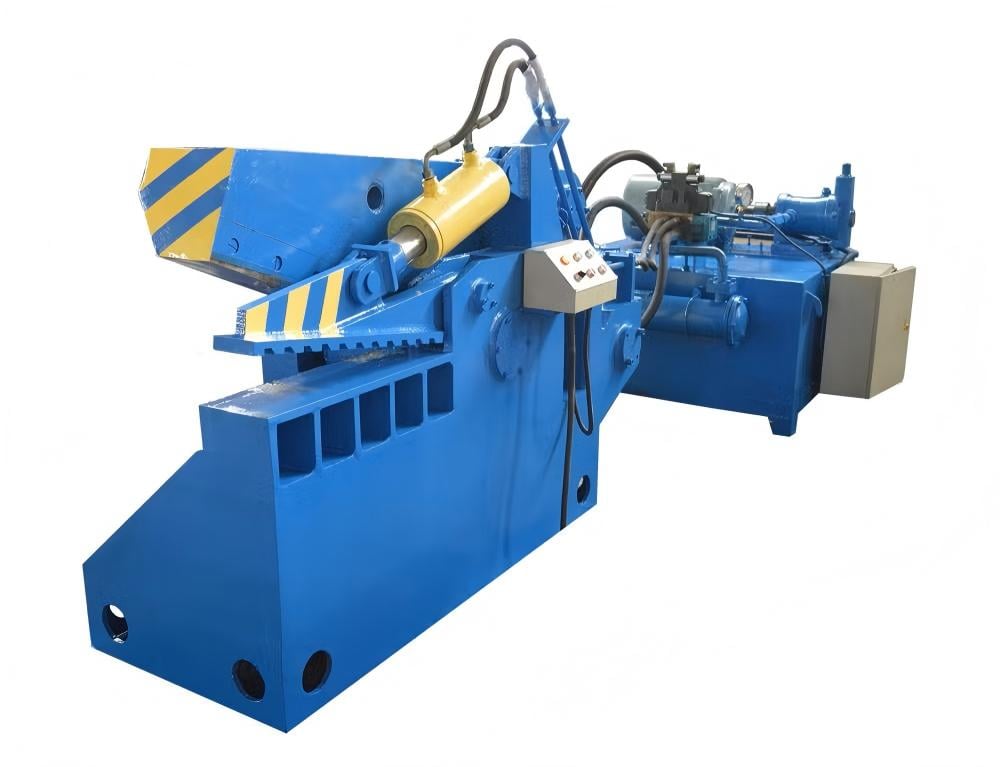
When purchasing a new scrap metal shear, the design of the hydraulic system should be a primary selection criterion. High-quality manufacturers like HARSLE prioritize “leak-free” technology in their engineering. Look for machines that utilize integrated hydraulic manifolds rather than excessive lengths of piping and hoses. Manifolds reduce the number of connection points, which statistically reduces the number of potential leak sites. Additionally, shears equipped with soft-start valves and shock-absorbing accumulators help dampen the pressure spikes that lead to hose fatigue and seal failure.
Another factor to consider is the accessibility of the hydraulic components. A shear designed with maintenance in mind will have easily accessible filter housings, clearly labeled test ports, and enough space around the main cylinders to perform seal changes without dismantling the entire frame. If a machine is difficult to service, maintenance will likely be deferred, leading to more frequent and severe leaks. Ask the supplier about the brand of hydraulic components used; reputable brands like Rexroth, Parker, or Vickers offer better seal longevity and easier access to spare parts globally.
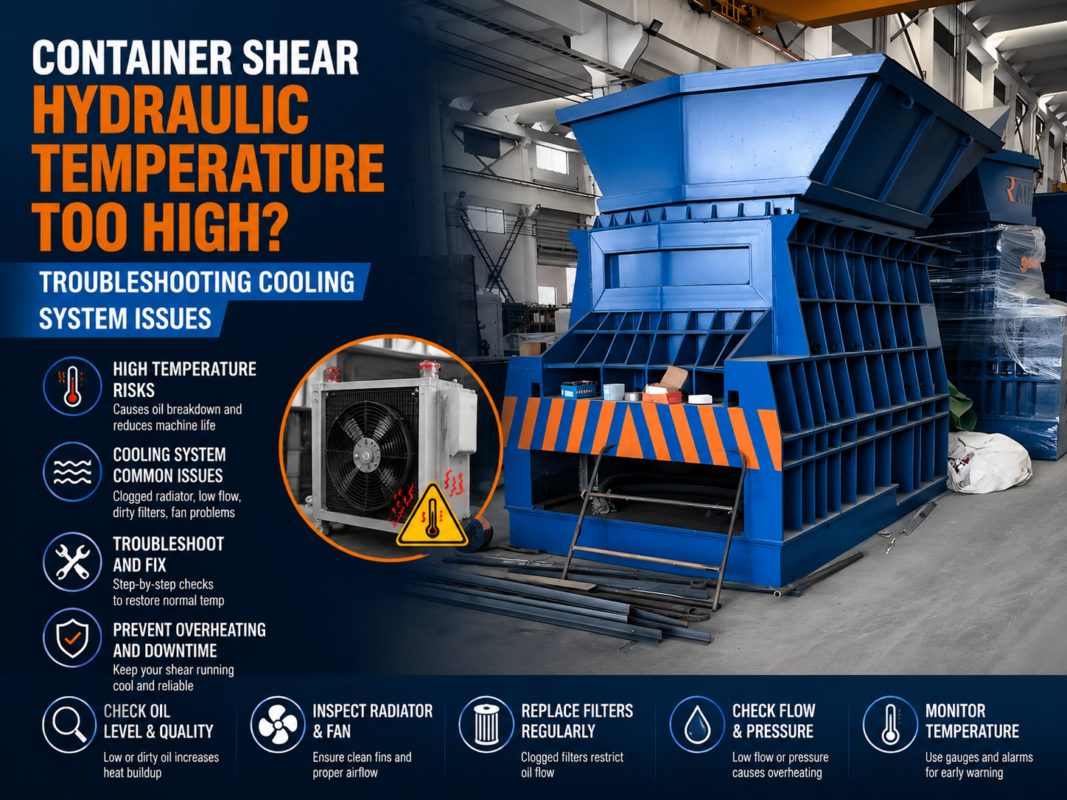
Finally, consider the cooling system. Heat is the enemy of hydraulic seals. A scrap shear with an oversized oil cooler and an efficient airflow design will keep the hydraulic fluid within the optimal temperature range (usually 40°C to 60°C). If the oil consistently runs hot, the seals will harden prematurely, leading to a cycle of constant leaks. Investing in a machine with superior thermal management pays for itself through reduced oil consumption and fewer repair interventions.
Frequently Asked Questions (FAQ)
How often should I inspect my scrap shear for hydraulic leaks?
A visual inspection should be performed daily before the start of the shift. Operators should look for puddles under the machine, damp hoses, and oil streaks on the cylinders. A more technical inspection, including checking fitting tightness and hose wear, should be conducted every 250 operating hours as part of a scheduled preventative maintenance program.
Can I use “stop-leak” additives in my scrap metal shear?
It is generally not recommended to use stop-leak additives in high-pressure industrial hydraulic systems. These products often work by swelling the seals, which can lead to premature total failure or gum up the precision tolerances in the pump and valves. The best solution for a leak is always a mechanical repair—replacing the seal or tightening the fitting.
Why does my shear leak more in the winter?
Cold temperatures cause seal materials to contract and become less pliable. If the seals are already aged, they may not be able to maintain a seal against the metal surfaces until the oil warms up and softens the material. This is often called “morning sickness” in hydraulic machinery. Using a low-temperature hydraulic oil and allowing the machine to warm up properly can mitigate this issue.
What is the most common mistake in hydraulic leak repair?
The most common mistake is over-tightening fittings. Many technicians believe that if a fitting is leaking, it needs to be tighter. However, over-tightening can crush the flare or strip the threads, making the leak worse and requiring the replacement of the entire fitting or hose end. Always use a torque wrench and follow the manufacturer’s specifications.
Conclusion: The Path to a Leak-Free Operation
Managing Scrap Metal Shear Hydraulic Oil Leaks: Causes Repair Tips is a continuous process that requires diligence, technical knowledge, and the right equipment. By understanding that leaks are often symptoms of deeper issues—such as vibration, heat, or contamination—operators can move beyond reactive “patch-up” jobs to a proactive maintenance culture. This not only saves money on hydraulic fluid and spare parts but also ensures that the scrap shear remains a reliable and safe asset in the recycling yard.
HARSLE continues to lead the industry by providing scrap metal shears engineered for durability and ease of maintenance. By selecting high-grade materials and optimizing hydraulic layouts, HARSLE machines are designed to withstand the rigors of the scrap industry while minimizing the risk of environmental contamination. Remember, a clean machine is a productive machine. By following the repair tips and diagnostic procedures outlined in this guide, you can ensure your hydraulic system remains pressurized, contained, and ready for the toughest shearing tasks.
In conclusion, never ignore a leak. What starts as a small drop today can become a major operational failure tomorrow. Invest in quality seals, maintain your oil cleanliness, and train your staff to respect the power and complexity of the hydraulic system. With these practices in place, your scrap metal shear will provide years of high-performance service with minimal downtime.