Hydraulic Briquetting Machine Maintenance Tips for Heavy-Duty Production Lines

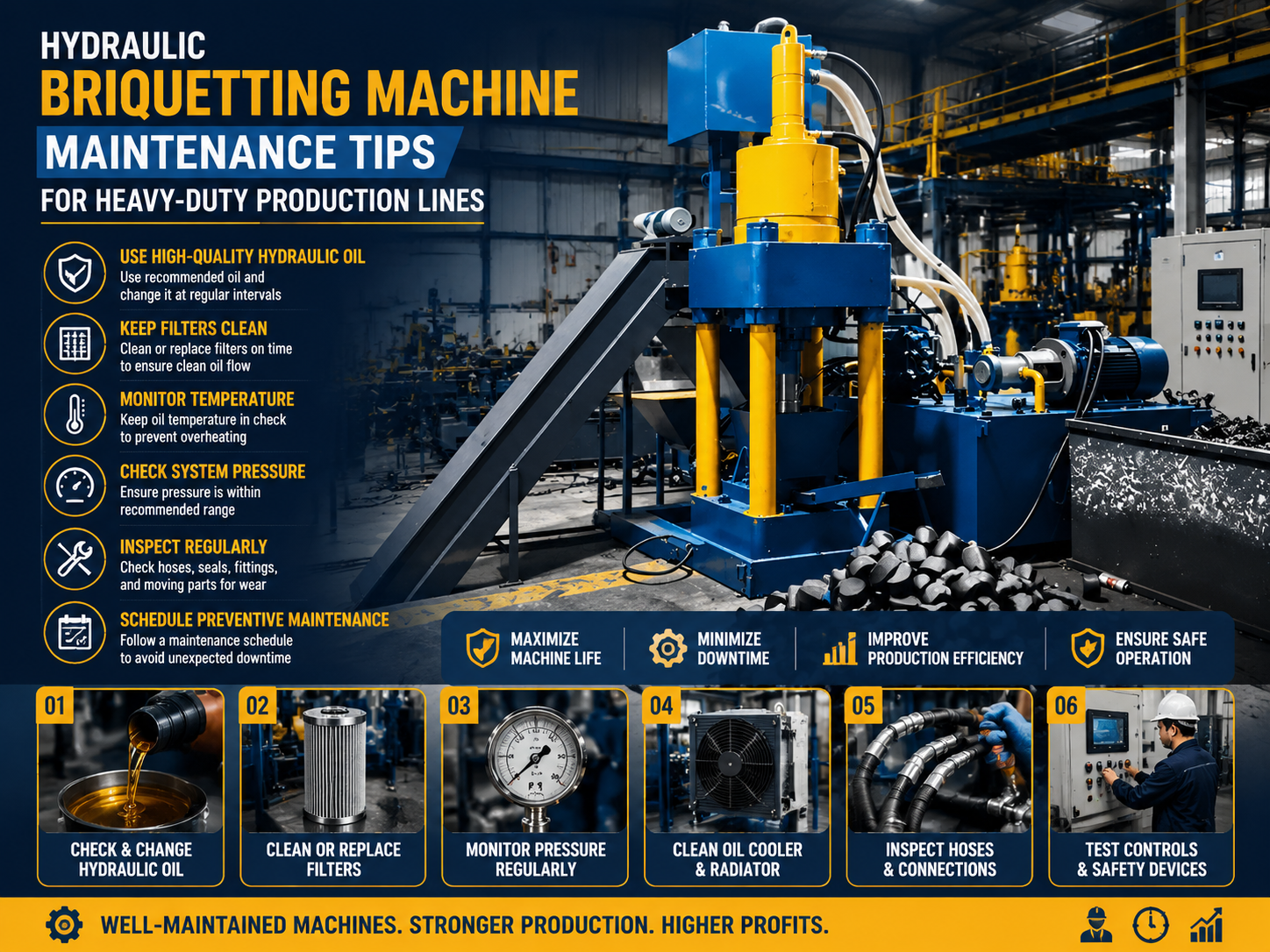
Introduction to Hydraulic Briquetting Machine Maintenance
In the world of high-volume metal fabrication and recycling, the hydraulic briquetting machine stands as a cornerstone of efficiency. These machines are designed to compress metal chips, shavings, and turnings into dense, manageable briquettes, significantly reducing volume and increasing the value of scrap material. However, when integrated into heavy-duty production lines that operate around the clock, the physical demands on these machines are immense. Without a rigorous maintenance strategy, even the most robust HARSLE equipment can face premature wear, leading to costly downtime and reduced output quality.
Implementing Hydraulic Briquetting Machine Maintenance Tips Heavy-Duty Production Lines is not merely about fixing things when they break; it is about establishing a proactive culture of care. In heavy-duty environments, the cost of an unplanned stoppage can run into thousands of dollars per hour. Therefore, understanding the intricacies of hydraulic pressures, mechanical tolerances, and electrical stability is essential for any facility manager or lead technician. This guide provides a comprehensive deep dive into maintaining these industrial workhorses to ensure they deliver peak performance for years to come.
The Critical Importance of Maintenance in Heavy-Duty Environments
Maintenance is the lifeblood of industrial longevity. For hydraulic briquetting machines, the importance of a structured maintenance plan cannot be overstated. Firstly, it ensures operational safety. High-pressure hydraulic systems carry inherent risks; a neglected hose or a faulty valve can lead to catastrophic failures that endanger personnel. Regular checks mitigate these risks by identifying potential failure points before they become hazardous.
Secondly, consistent maintenance preserves the quality of the end product. In heavy-duty production, the density and consistency of the briquettes are paramount for smelting or resale. Wear in the molds or a drop in hydraulic pressure can result in ‘soft’ briquettes that crumble during transport, leading to material loss and customer dissatisfaction. By maintaining tight tolerances and optimal pressure settings, you ensure that every briquette meets the required specifications.
Thirdly, the financial implications are significant. Preventative maintenance is always cheaper than reactive repair. Replacing a filter is a minor expense compared to replacing a damaged hydraulic pump contaminated by debris. Furthermore, a well-maintained machine operates more efficiently, consuming less energy and reducing the overall carbon footprint of the production line. In the context of Hydraulic Briquetting Machine Maintenance Tips Heavy-Duty Production Lines, longevity is the ultimate goal, ensuring the highest possible return on investment (ROI) for the equipment.
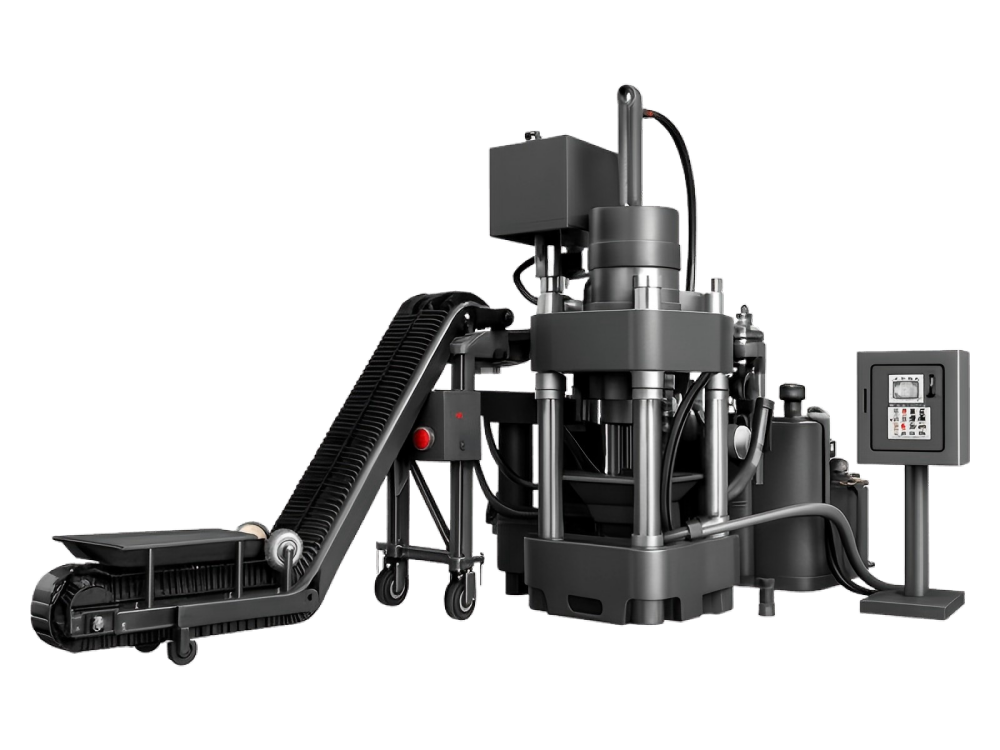
Daily Inspection Protocols: The First Line of Defense
The daily inspection is the most effective tool for preventing major breakdowns. It should be performed at the start of every shift and takes no more than 15 to 20 minutes. The primary focus is on visual and auditory cues that indicate the machine’s health. Operators should be trained to look for ‘abnormalities’—anything that looks, sounds, or smells different than usual.
Start with a visual sweep of the entire machine. Check for oil leaks around cylinders, hose connections, and the main pump unit. Even a small puddle of oil can indicate a failing seal or a loose fitting that could lead to a major leak under high pressure. Next, inspect the feeding mechanism. Ensure that the hopper is clear of oversized debris or foreign objects that could jam the screw feeder or damage the compression chamber.
Listen to the machine during its initial warm-up cycle. A healthy hydraulic system has a consistent, rhythmic hum. High-pitched whining often indicates cavitation in the pump, while banging or knocking sounds might suggest mechanical looseness or air trapped in the hydraulic lines. Finally, check the control panel for any warning lights or error codes. Modern HARSLE machines are equipped with sophisticated diagnostic tools that can alert operators to minor issues before they escalate.
Hydraulic System Maintenance: The Heart of the Machine
The hydraulic system is the most critical component of a briquetting press. It provides the force necessary to transform loose scrap into solid blocks. Maintenance of this system revolves around three pillars: oil quality, pressure management, and cooling. In heavy-duty production lines, the hydraulic oil is subjected to extreme heat and pressure, which can cause it to break down over time.
Oil Quality and Filtration
Hydraulic oil serves as both a power transmission medium and a lubricant. Contamination is the number one enemy of hydraulic systems. Microscopic metal particles, dust, and moisture can cause internal abrasion in pumps and valves. It is vital to check the oil level daily and inspect its color. If the oil appears milky, it is contaminated with water; if it looks dark and smells burnt, it has oxidized due to overheating. Filters should be replaced according to the manufacturer’s schedule, or sooner if the production environment is particularly dusty.
Pressure Settings and Seal Integrity
Operating at the correct pressure is essential for both machine health and briquette quality. Periodically verify that the system pressure matches the factory specifications. Over-pressurizing the system to achieve denser briquettes might seem tempting, but it places undue stress on the seals and cylinders, leading to premature failure. Inspect all seals and gaskets for signs of weeping. In heavy-duty lines, the constant cycling of the cylinders can wear out seals faster than in light-duty applications.
Cooling and Temperature Control
Hydraulic systems generate significant heat. Most heavy-duty briquetting machines are equipped with air or water cooling systems to keep the oil within the optimal temperature range (usually 30°C to 50°C). If the oil gets too hot, its viscosity drops, leading to poor lubrication and increased wear. Ensure that cooling fans are clean and that water-cooled heat exchangers are free of scale and blockages. Monitoring the oil temperature throughout the shift is a key part of Hydraulic Briquetting Machine Maintenance Tips Heavy-Duty Production Lines.
Electrical and Control System Checks
The electrical system is the brain of the briquetting machine, coordinating the movement of the feeders, the compression rams, and the discharge gates. In an industrial environment, electrical components are susceptible to vibration, heat, and dust. A failure in the control system can cause erratic machine behavior or a total shutdown.
Regularly inspect the electrical cabinet. Ensure that it is tightly sealed to prevent the ingress of metallic dust, which can cause short circuits. Use compressed air (at low pressure) or a vacuum to remove any accumulated dust from circuit breakers, contactors, and the PLC unit. Check all wiring connections for tightness; vibrations from the machine can loosen terminal screws over time, leading to intermittent faults or overheating at the connection point.
Sensors and limit switches are critical for the safe and accurate operation of the machine. These components are often located near the moving parts of the press and can be knocked out of alignment or covered in grime. Clean the sensors regularly and verify that they are triggering correctly. If the machine uses a touch-screen HMI (Human Machine Interface), ensure it is kept clean and that the software is updated if the manufacturer provides patches for improved performance or bug fixes.
Mechanical Components and Structural Integrity
While the hydraulics provide the power, the mechanical components—the frame, the molds, and the rams—endure the physical force of the briquetting process. In heavy-duty production, these parts are subject to immense stress and abrasive wear, especially when processing materials like cast iron chips or abrasive minerals.
The mold and the punch (or ram head) are the primary wear parts. Inspect them weekly for signs of scoring, cracking, or excessive wear. As these parts wear down, the clearance between the punch and the mold increases, which can lead to ‘flashing’ (material escaping around the punch) and a decrease in briquette density. Many HARSLE machines feature replaceable liners or wear plates; replacing these early is much more cost-effective than waiting for the main structural components to be damaged.
Check the structural integrity of the machine frame. Look for any signs of stress cracking in the welds, particularly around the main cylinder mounts and the compression chamber. Ensure that the machine is properly leveled and anchored to the floor. A machine that is not level will experience uneven loading, which can lead to premature bearing failure and frame fatigue. Tighten all foundation bolts and structural fasteners monthly to maintain a rigid operating platform.
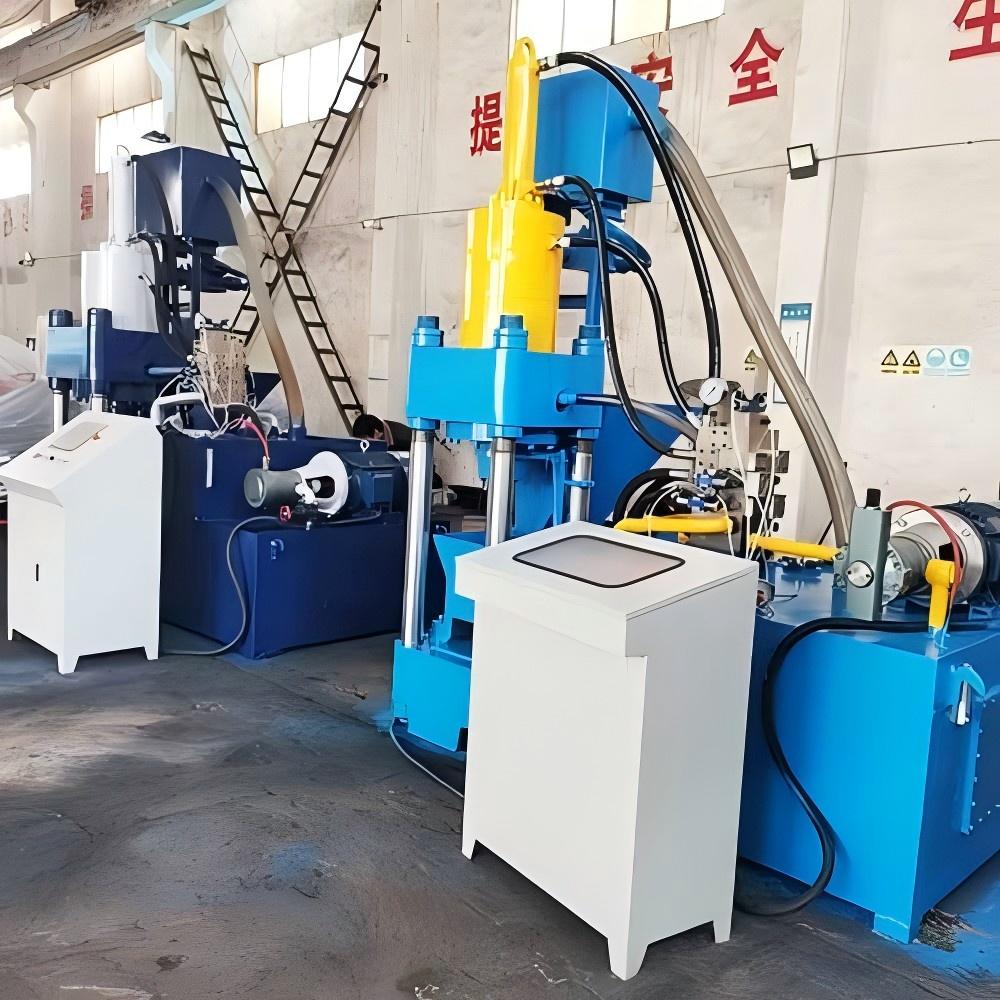
Lubrication Plan for Moving Parts
Effective lubrication is the simplest way to reduce friction and wear. Beyond the hydraulic oil, several mechanical points require regular greasing. This includes the pivot pins of the cylinders, the guide rails for the ram, and the bearings in the feeding screw or conveyor system. A lack of lubrication in these areas leads to increased energy consumption and ‘stiction,’ where parts move in a jerky, inconsistent manner.
Develop a lubrication schedule based on the machine’s operating hours. For heavy-duty production lines running 24/7, daily lubrication of high-friction points may be necessary. Use the specific type of grease recommended by HARSLE; using the wrong lubricant can be as damaging as using none at all. For example, high-temperature grease may be required for components near the compression chamber where heat is generated. Consider installing an automatic lubrication system if your machine doesn’t already have one; these systems deliver small, precise amounts of grease at regular intervals, ensuring constant protection without human error.
Troubleshooting Signals: What to Watch For
Even with the best maintenance, issues can arise. Being able to interpret troubleshooting signals early can prevent a minor glitch from becoming a major breakdown. Here are the most common signals to watch for in heavy-duty briquetting operations:
- Inconsistent Briquette Size: This often points to a problem with the feeding mechanism or a failing sensor that determines the stroke length. It could also indicate that the raw material consistency has changed.
- Excessive Vibration: Usually a sign of mechanical looseness, an unbalanced motor, or air in the hydraulic system. Check all mounting bolts and bleed the hydraulic cylinders.
- Slow Cycle Times: If the machine is taking longer to complete a cycle, the hydraulic pump may be losing efficiency, or there may be an internal leak in a control valve. Check the oil temperature; if it’s too high, the oil may be too thin to provide adequate pressure.
- Oil Discoloration: As mentioned, milky oil means water, and dark oil means heat. Both require an immediate oil and filter change and an investigation into the source of the problem.
- Unusual Odors: The smell of burning rubber could be a slipping belt, while a sharp, acrid smell often indicates electrical components overheating.
Comprehensive Maintenance Schedule Table
To keep your heavy-duty production line running smoothly, follow this structured maintenance schedule. This table serves as a quick reference for your maintenance team.
| Frequency | Component | Action Required |
|---|---|---|
| Daily | Hydraulic System | Check oil level, inspect for leaks, monitor operating temperature. |
| Daily | Mechanical | Visual inspection of mold and punch; clear debris from hopper. |
| Daily | Safety | Test emergency stop buttons and safety interlocks. |
| Weekly | Lubrication | Grease all manual points (pivot pins, guide rails). |
| Weekly | Electrical | Inspect cables for wear; check sensor alignment and cleanliness. |
| Monthly | Filtration | Inspect hydraulic filters; replace if the indicator shows high pressure. |
| Monthly | Structural | Check and tighten all foundation and structural bolts. |
| Quarterly | Hydraulic Oil | Perform an oil analysis to check for contamination and additive depletion. |
| Bi-Annually | Cooling System | Clean heat exchanger/radiator; check coolant levels (if applicable). |
| Annually | Full Overhaul | Inspect pump internals, replace major seals, recalibrate pressure settings. |
Frequently Asked Questions (FAQ)
1. How often should I change the hydraulic oil in a heavy-duty briquetting machine?
In a heavy-duty environment, hydraulic oil should typically be changed every 2,000 to 4,000 operating hours. However, this can vary based on the quality of the oil and the cleanliness of the environment. It is highly recommended to perform oil analysis every three months to determine the actual condition of the oil rather than relying solely on hours.
2. Why are my briquettes suddenly becoming soft or brittle?
Soft briquettes are usually caused by one of three things: insufficient hydraulic pressure, worn molds/punches, or a change in the moisture content/particle size of the raw material. Check your pressure gauges first, then inspect the wear parts for excessive clearance.
3. Can I use any type of hydraulic oil?
No. You must use the oil viscosity and type recommended by the manufacturer (e.g., ISO VG 46 or 68). Using the wrong oil can lead to poor lubrication, overheating, and damage to the hydraulic pump and valves.
4. How do I prevent the hydraulic system from overheating?
Ensure the cooling system is functioning correctly, keep the machine in a well-ventilated area, and maintain the oil at the correct level. Also, check for internal leaks in valves, as ‘bypassing’ oil generates significant heat.
5. What is the most common cause of machine downtime?
The most common cause is hydraulic contamination. Small particles of dirt or metal can jam valves and score pump components. Maintaining a strict filter replacement schedule is the best way to prevent this.
Conclusion
Mastering Hydraulic Briquetting Machine Maintenance Tips Heavy-Duty Production Lines is an ongoing commitment that pays dividends in reliability and productivity. By focusing on the health of the hydraulic system, maintaining the precision of mechanical components, and ensuring the stability of electrical controls, you can maximize the lifespan of your HARSLE equipment. Remember that a clean machine is a happy machine; removing dust and debris not only prevents mechanical issues but also makes it much easier to spot potential problems during daily inspections. With a dedicated maintenance team and a proactive approach, your briquetting operation will remain a high-value asset in your production line for years to come.