Hydraulic Briquetting Machine Startup and Shutdown Maintenance Tips: A Comprehensive Guide for Industrial Longevity

The Critical Importance of Proper Maintenance for Hydraulic Briquetting Machines
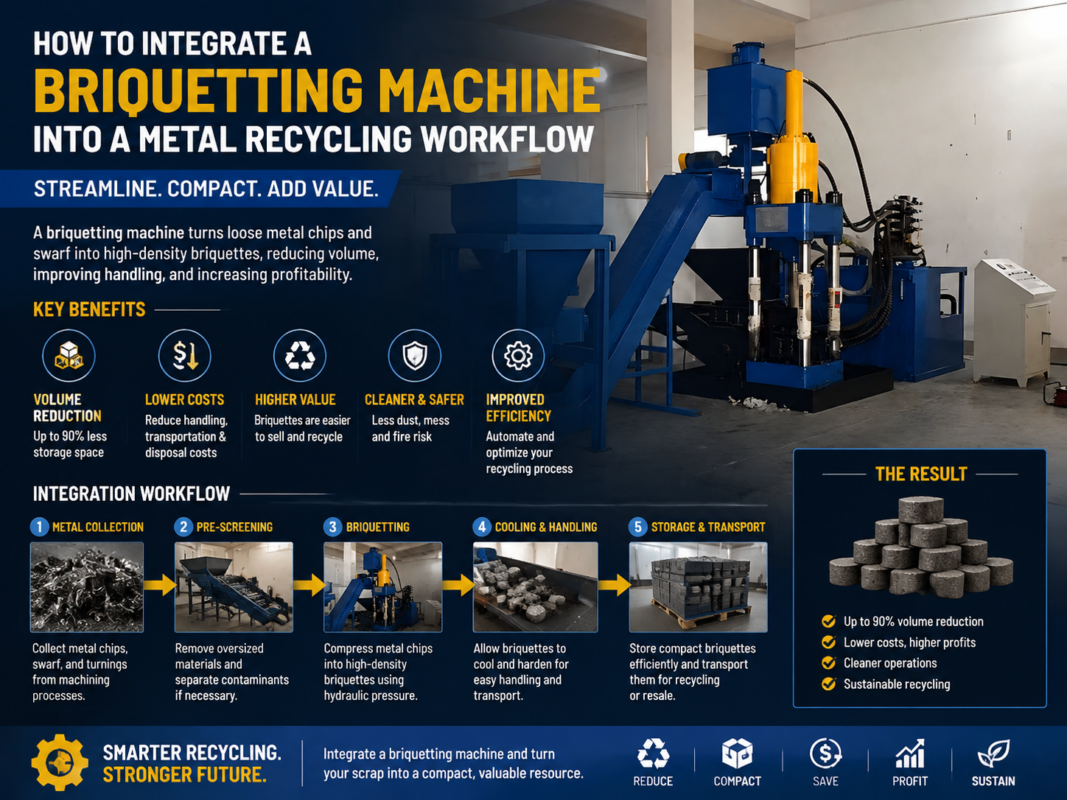
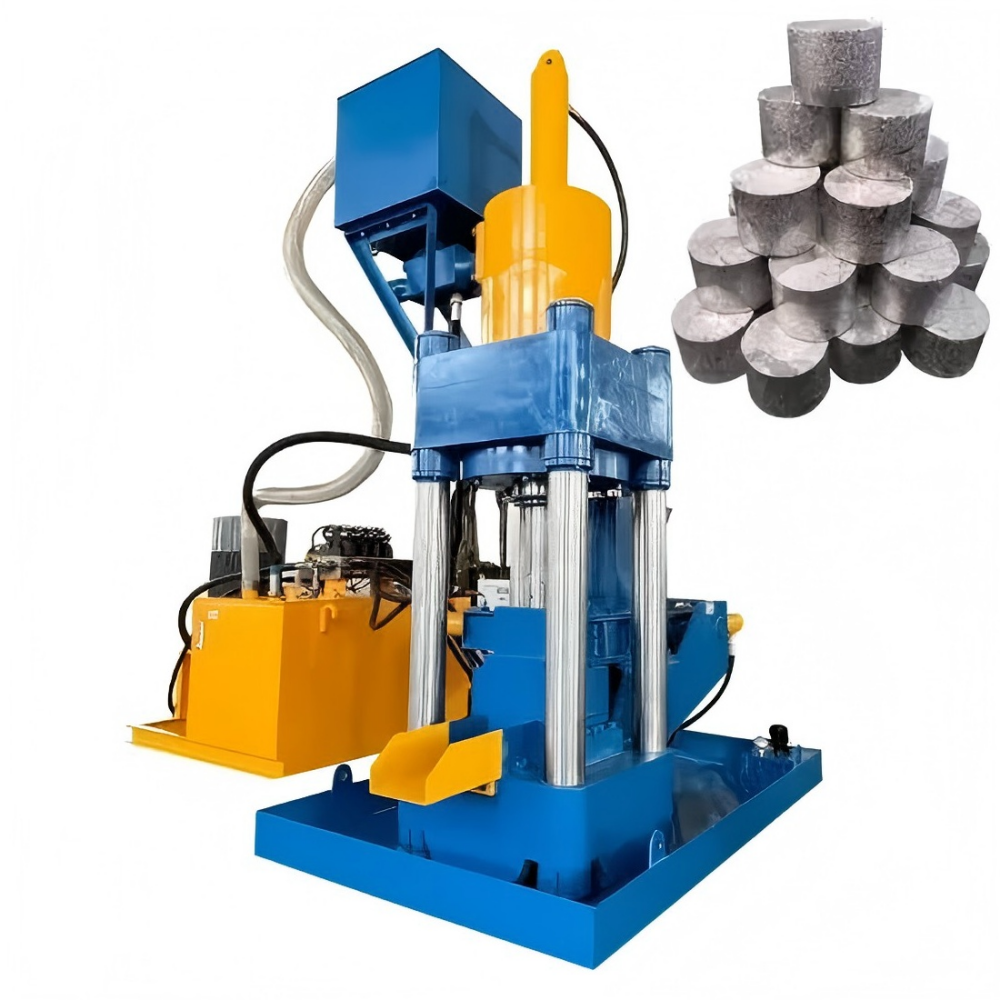
In the modern metal fabrication and recycling industry, the hydraulic briquetting machine stands as a cornerstone for waste management and resource recovery. By compressing metal chips, turnings, and filings into dense, manageable blocks, these machines significantly reduce storage volume and increase the melting yield during recycling. However, the high-pressure environment in which these machines operate places immense stress on their hydraulic, electrical, and mechanical components. Implementing rigorous Hydraulic Briquetting Machine Startup and Shutdown Maintenance Tips is not merely a recommendation; it is a necessity for ensuring operational safety and maximizing the return on investment (ROI).
Effective maintenance begins the moment the operator approaches the machine and ends only after the final power-down sequence is completed. Neglecting these procedures can lead to catastrophic failures, such as hydraulic pump cavitation, seal degradation, or structural fatigue. For a HARSLE hydraulic briquetting machine, which is engineered for precision and durability, following a standardized maintenance protocol ensures that the machine operates within its designed parameters, maintaining consistent briquette density and cycle times.
Furthermore, a well-maintained machine consumes less energy and produces fewer emissions. When hydraulic oil is kept at the correct temperature and viscosity, the pump operates more efficiently, reducing the electrical load on the motor. Similarly, when mechanical joints are properly lubricated, friction is minimized, preventing unnecessary heat buildup. This comprehensive guide details the essential steps every operator and maintenance technician should follow to keep their briquetting equipment in peak condition.
Pre-Startup Daily Inspection: Setting the Stage for Success
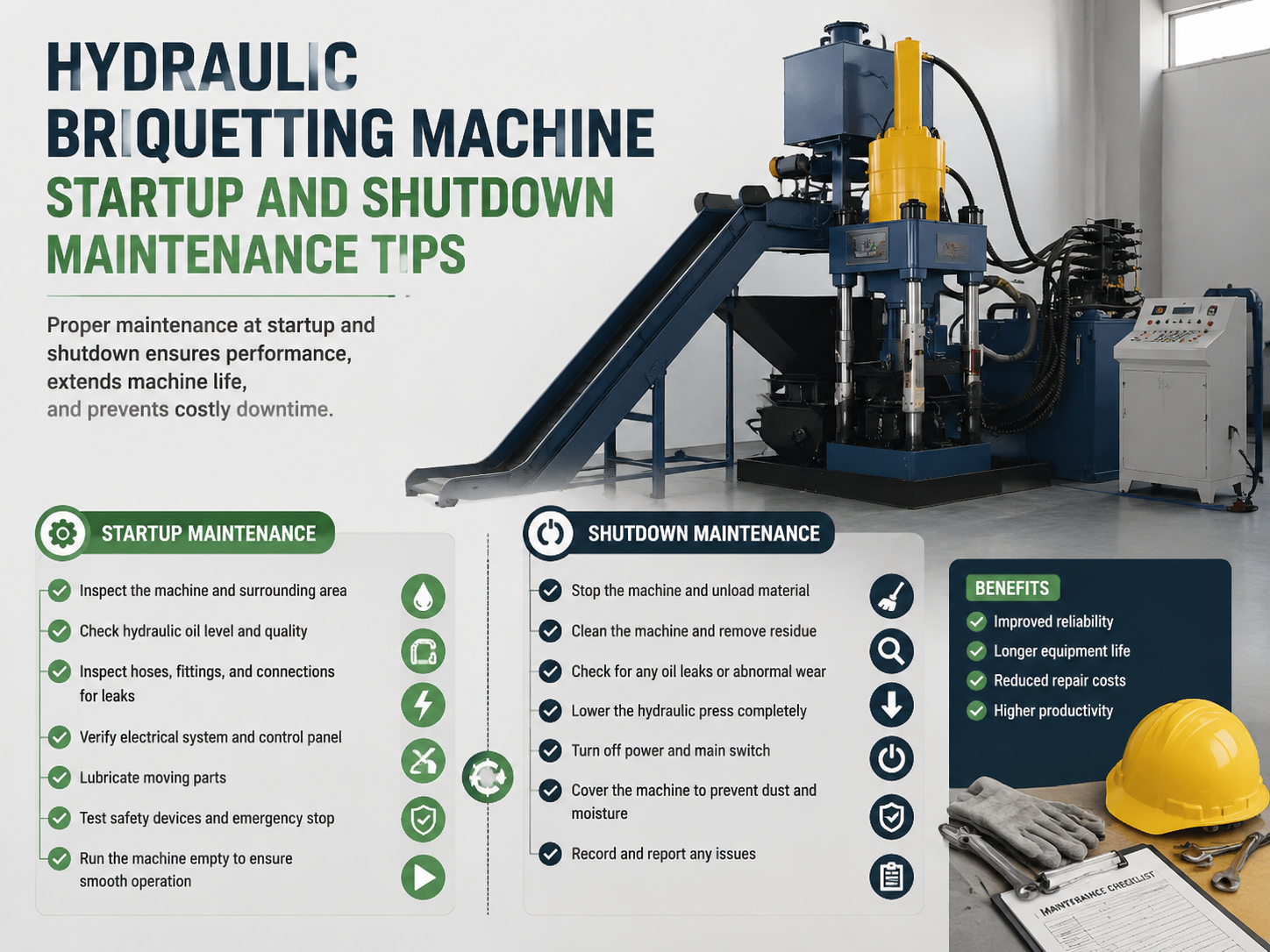
The first phase of Hydraulic Briquetting Machine Startup and Shutdown Maintenance Tips involves a thorough visual and physical inspection before the power is even turned on. This “walk-around” inspection allows the operator to identify potential issues that may have developed during the previous shift or while the machine was idle. Start by checking the surrounding environment; ensure the area is clear of debris, oil spills, or tripping hazards that could interfere with safe operation.
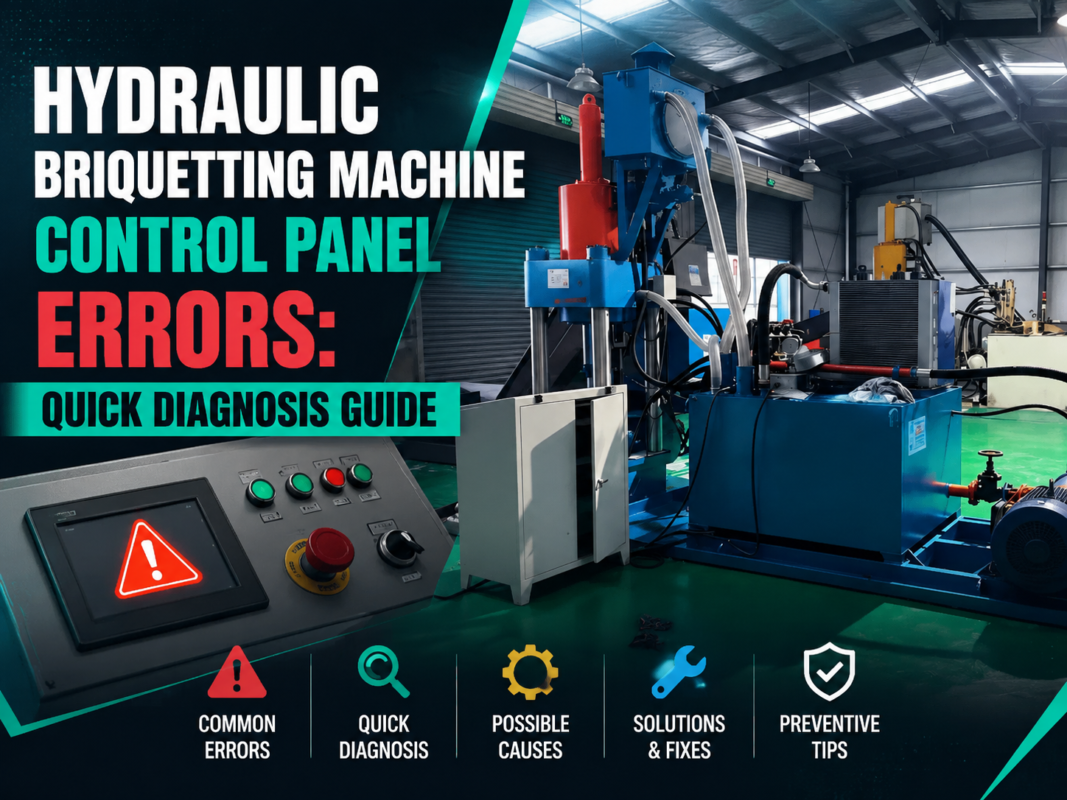
Next, examine the machine’s exterior for any signs of oil leakage. Hydraulic systems are under extreme pressure, and even a small weep can quickly turn into a high-pressure spray once the machine is under load. Pay close attention to hose connections, valve blocks, and the main cylinder seals. If any moisture or pooling is detected, the source must be identified and repaired before proceeding. Additionally, check the integrity of all safety guards and emergency stop buttons. A malfunctioning safety device is a critical failure that prohibits machine operation.
Material readiness is another vital aspect of the pre-startup phase. Ensure that the hopper is free of oversized scrap or foreign objects (such as heavy tools or large solid blocks) that could jam the feeding mechanism or damage the compression chamber. The consistency of the input material directly affects the quality of the briquettes and the wear rate of the internal dies. By ensuring the material is within the machine’s specifications, you prevent unnecessary mechanical strain.
Hydraulic System Checks: The Lifeblood of the Machine
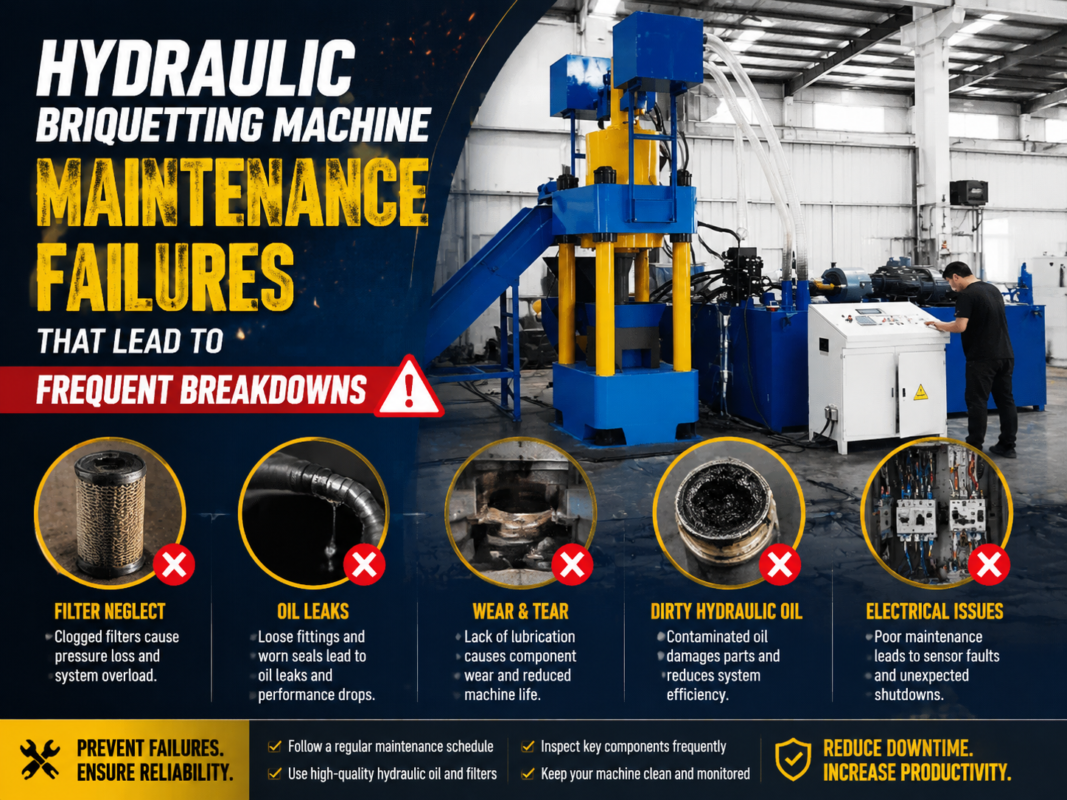
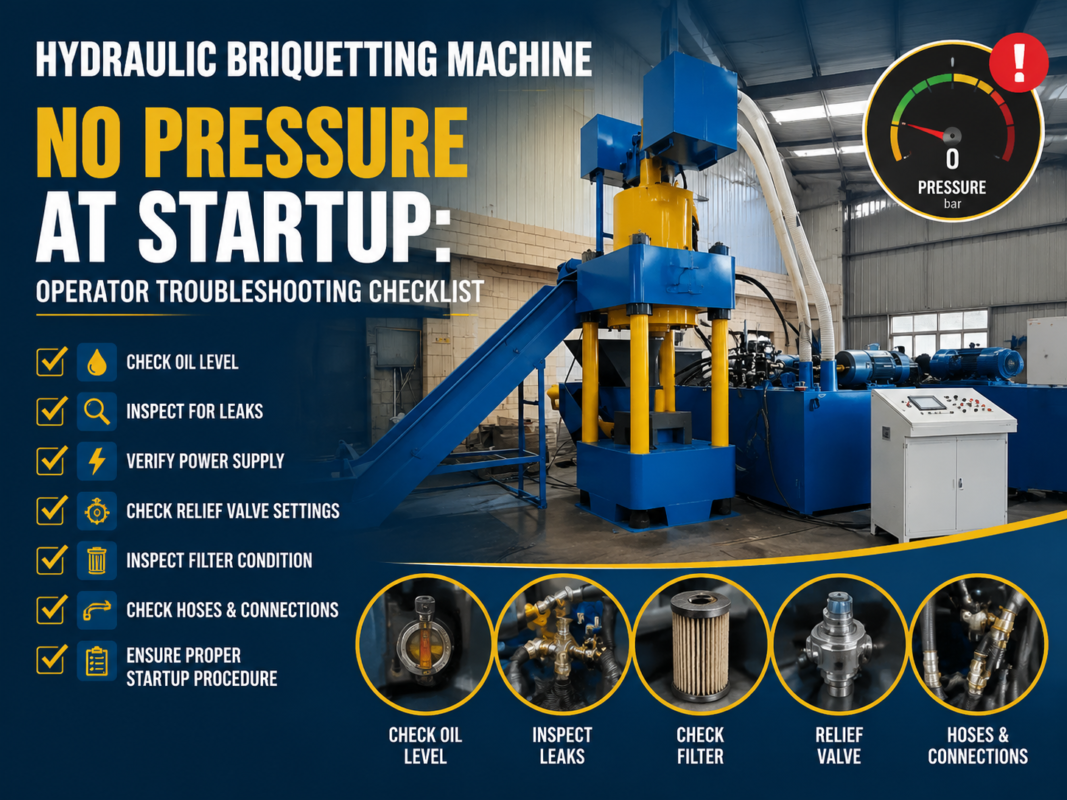
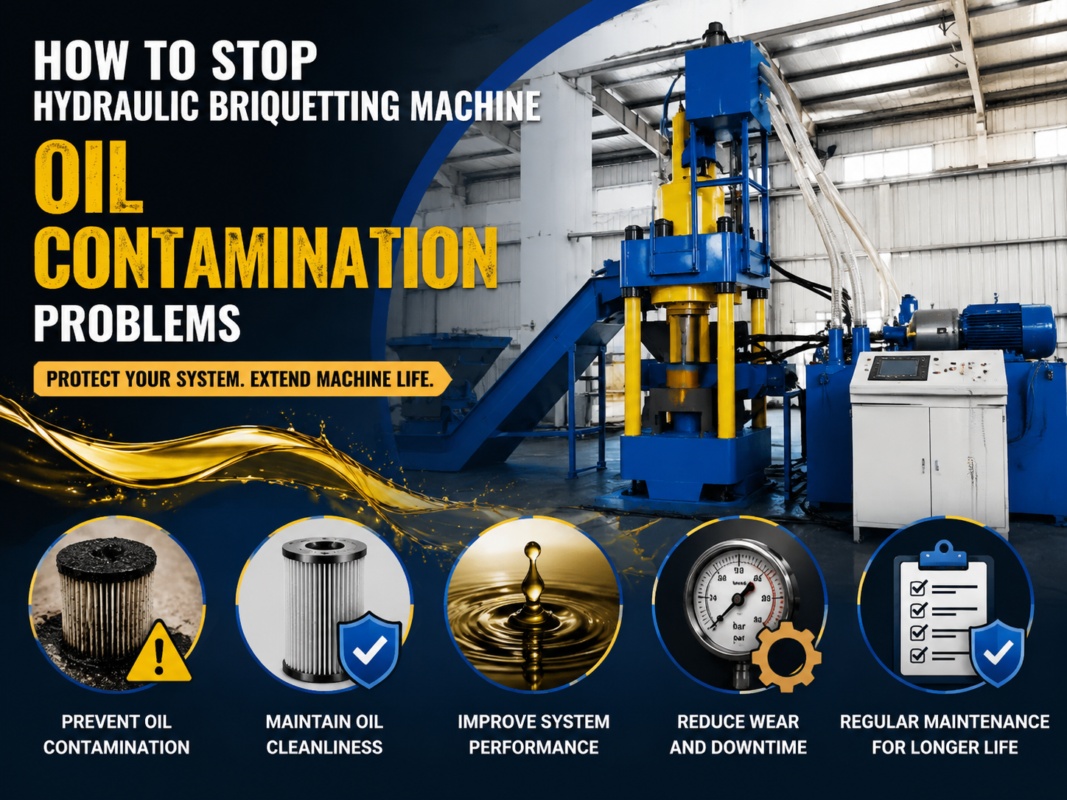
The hydraulic system is the heart of the briquetting machine, and its health is paramount. One of the most important Hydraulic Briquetting Machine Startup and Shutdown Maintenance Tips is monitoring the hydraulic oil level and quality. Before startup, check the sight glass on the oil reservoir. The oil should be at the recommended level and appear clear. If the oil looks milky, it indicates water contamination; if it looks dark or smells burnt, it has likely oxidized due to overheating. In either case, the oil must be sampled or replaced.
Temperature management is equally critical. In colder climates, hydraulic oil can become highly viscous, which can lead to pump cavitation—a condition where the pump cannot draw enough oil, leading to internal damage. Most HARSLE machines are equipped with heaters or cooling systems. During startup, allow the oil to circulate at low pressure until it reaches the optimal operating temperature (usually between 30°C and 50°C). Never jump straight into high-pressure compression with cold oil.
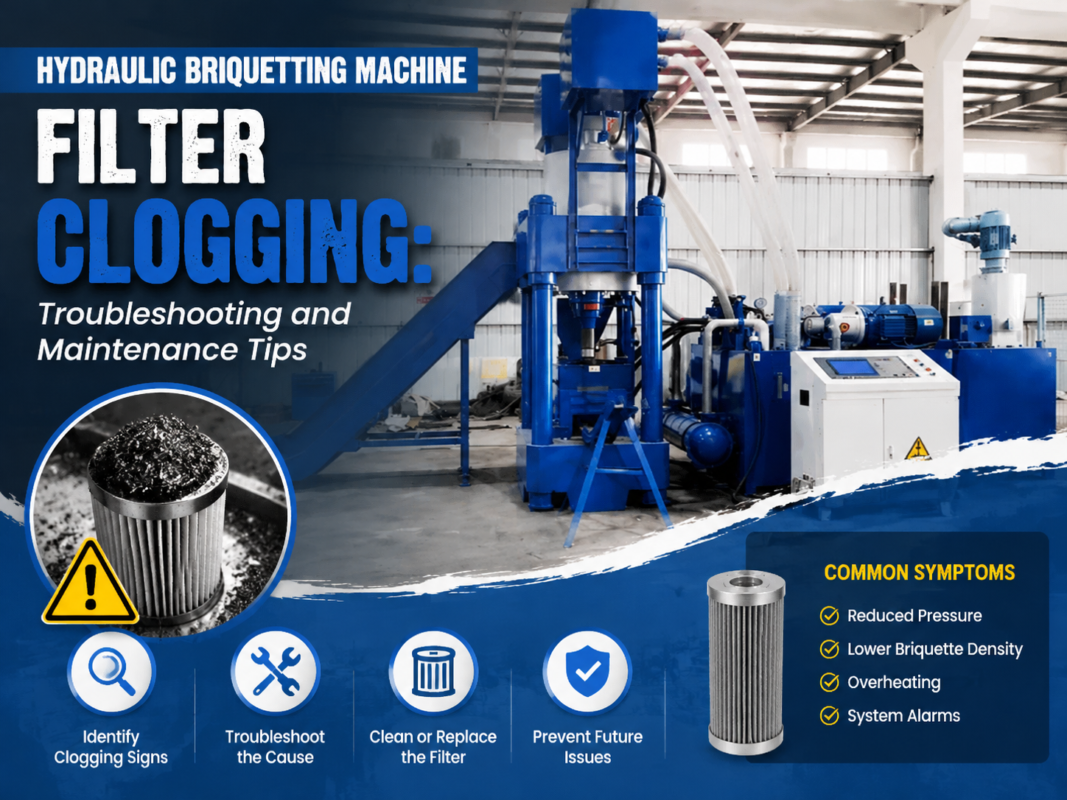
Finally, inspect the filtration system. Most modern briquetting machines feature pressure gauges on the filters. If the gauge indicates a high differential pressure, the filter element is clogged and must be replaced. Operating with a clogged filter allows contaminants to bypass the filter and enter the sensitive valves and pumps, leading to premature wear and potential system failure. Regular oil analysis is also recommended every 2,000 hours to track the depletion of additives and the presence of wear metals.
Electrical and Control System Maintenance
The electrical system coordinates the complex movements of the briquetting process. Maintenance here focuses on connectivity and signal integrity. During the startup phase, observe the PLC (Programmable Logic Controller) display for any error codes or warnings. Ensure that all sensors—such as proximity switches that detect the position of the ram—are clean and securely mounted. Dust and metal fines can accumulate on sensors, leading to false readings and interrupted cycles.
Check the condition of the wiring and conduits. In a metal fabrication environment, vibration and sharp scrap can damage electrical insulation. Look for frayed wires or loose connections in the control cabinet. A loose wire can cause intermittent faults that are difficult to diagnose. It is also essential to verify that the cooling fans for the electrical cabinet are functioning correctly, as heat is the primary enemy of electronic components.
During the startup sequence, listen to the sound of the electric motor. A healthy motor should have a consistent, smooth hum. Any grinding, clicking, or excessive vibration could indicate bearing failure or electrical phase imbalance. If the motor sounds strained during the initial startup, shut it down immediately to prevent a burnout. Proper grounding of the machine is also vital to protect the electronics from static discharge and power surges.
Mechanical Component Integrity and Die Wear
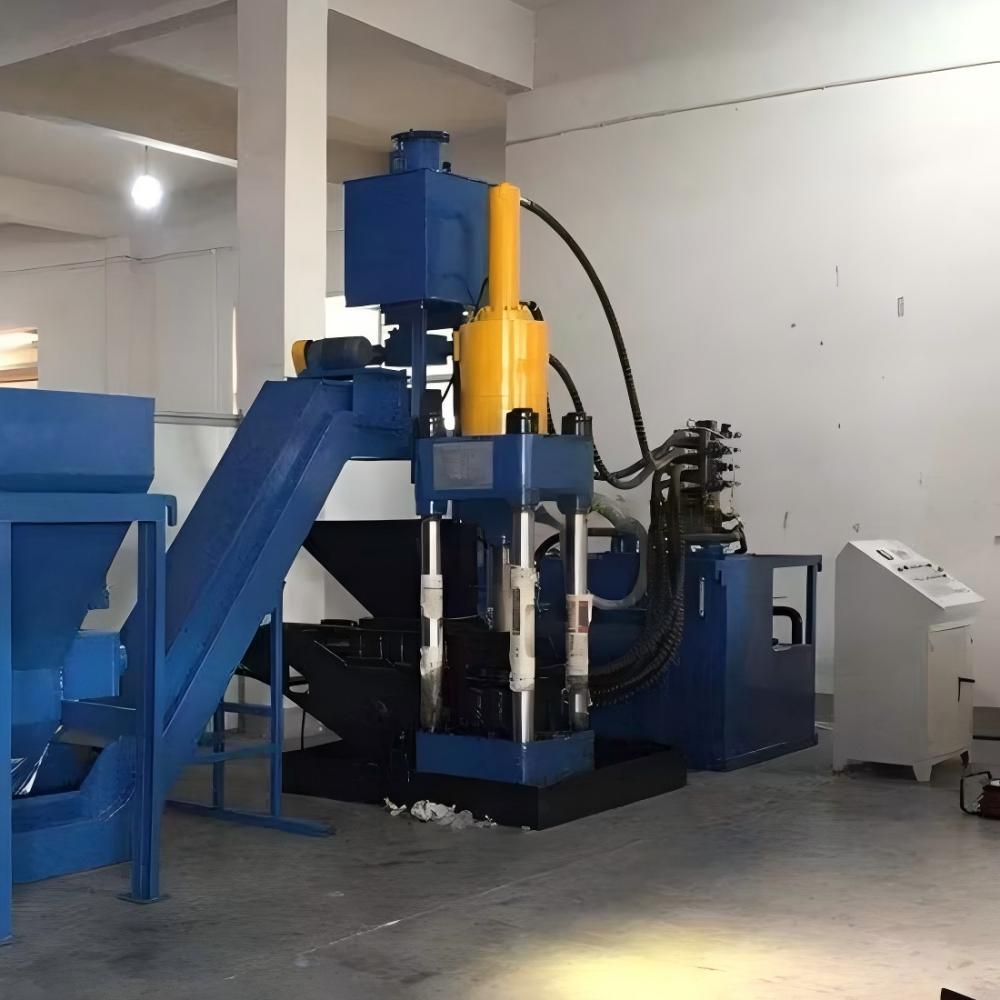
The mechanical components of a briquetting machine, including the compression chamber, the ram, and the dies, are subject to intense abrasive wear. As part of your Hydraulic Briquetting Machine Startup and Shutdown Maintenance Tips, you must regularly inspect the clearance between the ram and the chamber walls. Excessive clearance allows metal fines to escape, reducing compression efficiency and causing accelerated wear on the seals.
The dies are the most frequently replaced wear parts. Inspect them for signs of cracking, chipping, or excessive rounding of the edges. Worn dies result in poor-quality briquettes that crumble easily, which defeats the purpose of the machine. Depending on the material being processed (e.g., abrasive cast iron vs. soft aluminum), the lifespan of the dies will vary. Keeping a log of the number of cycles or tons processed can help predict when a die change is necessary.
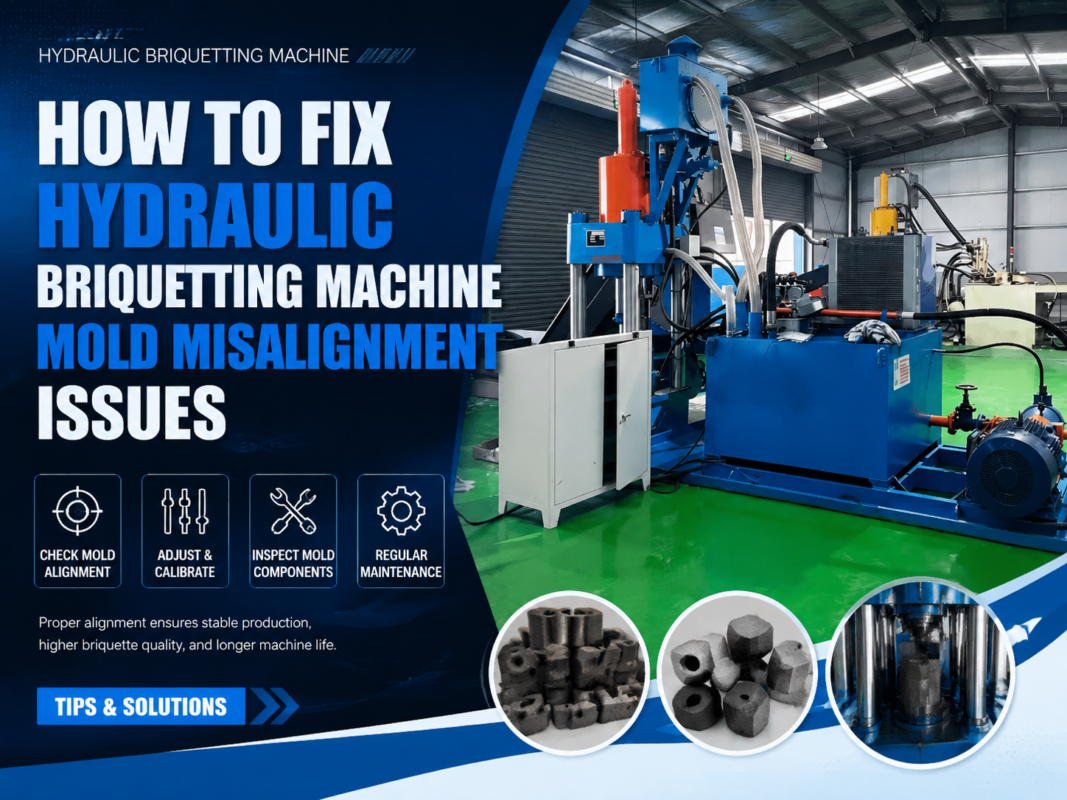
Check all structural bolts and fasteners. The repetitive high-pressure cycles create significant vibration that can loosen even the most secure bolts. Pay particular attention to the mounting bolts for the main cylinder and the tie rods that hold the frame together. If these become loose, the machine can lose alignment, leading to uneven wear on the piston rod and potential catastrophic frame failure. A weekly torque check on critical fasteners is a best practice in any industrial setting.
Effective Shutdown Procedures: Protecting the Machine Overnight
How you turn off the machine is just as important as how you turn it on. A proper shutdown procedure ensures that the machine is ready for the next shift and prevents issues like thermal contraction stress or hydraulic lock. First, ensure the compression chamber is empty. Leaving a half-formed briquette in the chamber can cause the material to harden or stick to the dies as it cools, making the next startup difficult and potentially damaging the ram.
Once the chamber is clear, cycle the ram to its fully retracted or “home” position. This protects the polished surface of the piston rod from dust, moisture, and accidental impact while the machine is idle. If the rod must remain extended, ensure it is coated with a thin layer of clean hydraulic oil to prevent corrosion. After the mechanical parts are positioned, allow the hydraulic pump to run in a no-load state for a few minutes. This helps circulate the oil through the cooler, bringing the temperature down gradually rather than letting heat soak into the seals.
Finally, turn off the main power and, if applicable, the water supply for the oil cooler. In very cold environments, if the cooler uses water, ensure it is drained or protected against freezing to prevent the heat exchanger from bursting. Perform a final visual sweep for any new leaks that may have appeared during the shift. Cleaning the machine at the end of the day is also highly recommended; removing metal dust and oil grime prevents buildup that can hide developing cracks or leaks.
Lubrication Plan: Reducing Friction and Wear
A robust lubrication plan is the backbone of mechanical longevity. For a hydraulic briquetting machine, lubrication points typically include the ram guides, the hopper hinge points, and any pivoting linkages in the feeding mechanism. Use a high-quality lithium-based grease or the specific lubricant recommended in the HARSLE manual. Over-lubrication can be just as detrimental as under-lubrication, as excess grease attracts metal dust, creating an abrasive paste that accelerates wear.
Establish a schedule based on operating hours. For example, guide rails may require lubrication every 8 hours of operation, while less active pivot points might only need attention weekly. Automated lubrication systems are available on many high-end models; if your machine has one, ensure the reservoir is full and the delivery lines are not blocked. A blocked line in an automated system is particularly dangerous because the operator assumes the part is being lubricated when it is actually running dry.
Don’t forget the hydraulic oil itself acts as a lubricant for the internal pump and valve components. This is why maintaining oil cleanliness is so vital. The presence of microscopic metal particles in the oil can act like sandpaper, wearing down the precision-ground surfaces of the hydraulic valves. Regularly checking the “ISO Cleanliness Code” of your oil through laboratory analysis is the best way to ensure your “internal” lubrication is sufficient.
Troubleshooting Signals: What Your Machine is Telling You
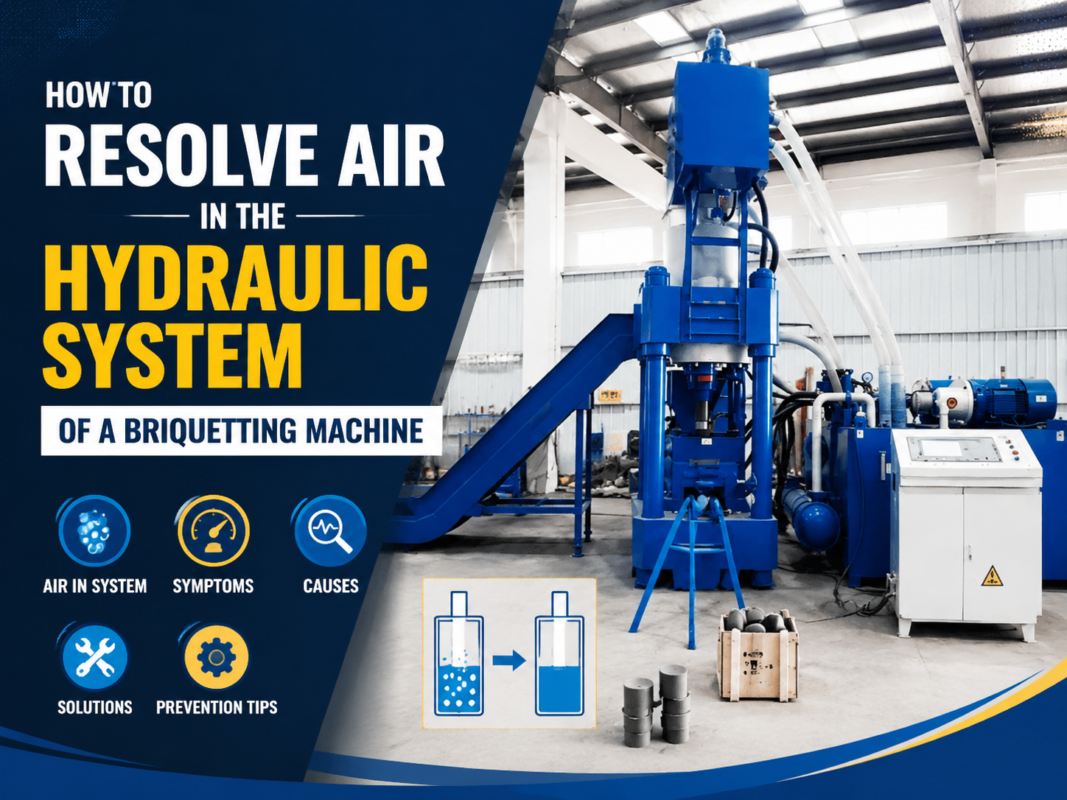
Operators should be trained to recognize the early warning signs of mechanical or hydraulic distress. Unusual noises are often the first indicator of trouble. A high-pitched whining or screaming sound from the pump usually indicates cavitation or aeration (air entering the system). A loud banging or “water hammer” sound suggests sudden pressure spikes or loose components. If these sounds occur, the machine should be stopped immediately to investigate the cause.
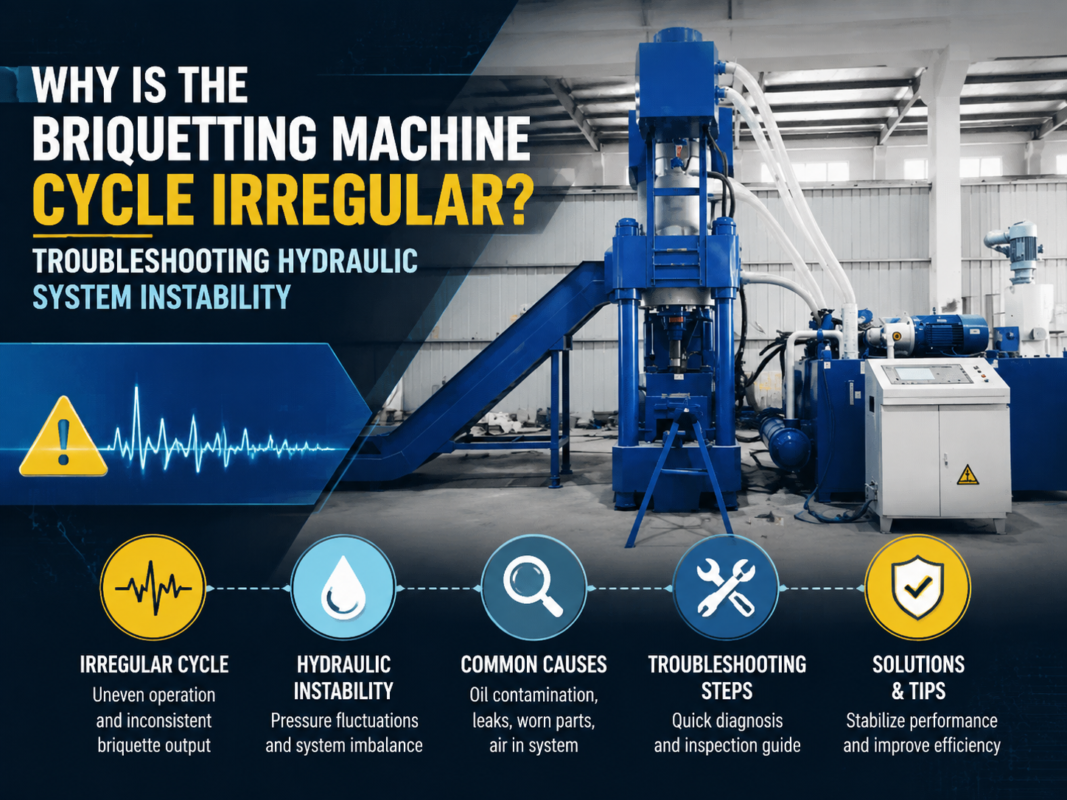
Heat is another major indicator. If the hydraulic tank feels excessively hot to the touch (above 60°C), the cooling system may be failing, or a valve may be stuck in a position that causes internal bypassing. Excessive heat thins the oil, leading to poor lubrication and damaged seals. Similarly, if you notice the briquettes are becoming inconsistent in size or density, it may indicate a fluctuating pressure relief valve or a leaking internal seal in the main cylinder.
Vibration is the third key signal. While some vibration is normal during the compression stroke, excessive or new vibrations can point to a loose motor mount, a misaligned coupling between the motor and pump, or structural cracks in the machine frame. By catching these signals early through the application of Hydraulic Briquetting Machine Startup and Shutdown Maintenance Tips, you can perform a minor repair now instead of a major overhaul later.
Comprehensive Maintenance Schedule Table
| Frequency | Component | Action Required |
|---|---|---|
| Daily (Startup) | Oil Level & Temp | Check sight glass; warm up oil to 30°C before full load. |
| Daily (Startup) | Safety Systems | Test E-stops and interlock guards. |
| Daily (Shutdown) | Compression Chamber | Clear all material; retract ram to home position. |
| Weekly | Mechanical Fasteners | Inspect and torque main cylinder and frame bolts. |
| Weekly | Lubrication Points | Grease ram guides and pivot pins. |
| Monthly | Hydraulic Filters | Check pressure gauges; replace elements if necessary. |
| Monthly | Electrical Cabinet | Vacuum dust; check for loose wiring and fan operation. |
| Every 2,000 Hours | Hydraulic Oil | Perform oil analysis; replace oil if oxidation or contamination is high. |
| Annually | System Calibration | Verify pressure gauge accuracy and PLC sensor timing. |
Frequently Asked Questions (FAQ)
1. Why is my briquetting machine losing pressure during the stroke?
Pressure loss can be caused by several factors, including a worn hydraulic pump, a leaking bypass valve, or internal leakage in the main cylinder seals. First, check the pressure relief valve settings. If the settings are correct, inspect the cylinder for heat; an unusually hot cylinder often indicates oil is bypassing the piston seal internally.
2. How often should I change the hydraulic oil?
While a general rule is every 2,000 to 4,000 operating hours, the best practice is to base the change on oil analysis. Factors like operating environment, temperature, and filtration quality greatly influence oil life. If the oil appears cloudy or dark, change it immediately regardless of the hours.
3. Can I process different types of metal in the same machine?
Yes, but you may need to adjust the pressure settings and feeding speed. Harder metals like steel require more force than aluminum. Always ensure the chamber is thoroughly cleaned between different materials to prevent cross-contamination, which can lower the value of the recycled briquettes.
4. What causes the briquettes to fall apart?
Briquettes usually crumble if the pressure is too low, the material is too dry (some moisture or residual cutting fluid helps binding), or the metal chips are too large. Additionally, worn dies can prevent proper compaction at the edges of the briquette.
5. Is it necessary to warm up the machine in the summer?
Yes, though the warmup time will be shorter. The goal of a warmup is not just to heat the oil, but to ensure it is circulating smoothly through all valves and that the system reaches a stable operating state before being subjected to the high-pressure demands of briquetting.
Conclusion: The Path to Industrial Efficiency
Adhering to these Hydraulic Briquetting Machine Startup and Shutdown Maintenance Tips is the most effective way to ensure your HARSLE equipment remains a productive asset for years to come. Maintenance is not a cost; it is an investment in reliability. By standardizing these daily, weekly, and monthly tasks, you empower your operators to take ownership of the machinery, resulting in a safer workplace and a more profitable recycling operation. Remember, a machine that is cared for at the start and end of every shift is a machine that will perform when you need it most.