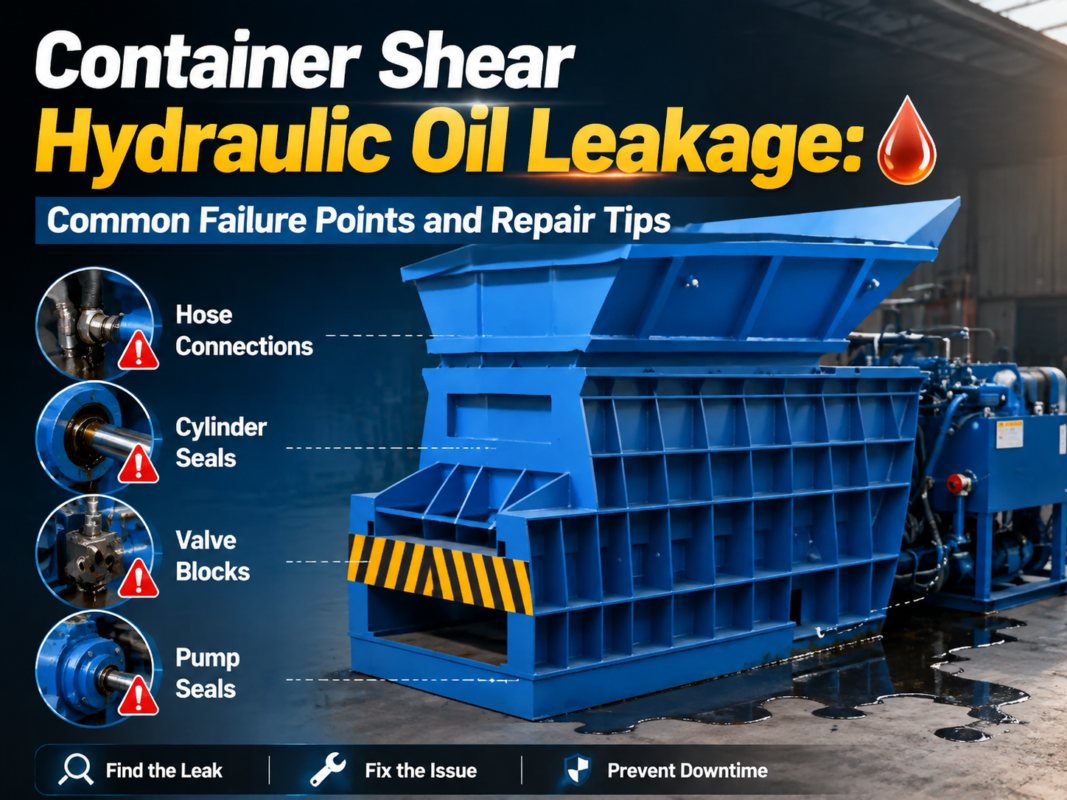
Comprehensive Guide: How to Prevent Overheating in Hydraulic Briquetting Machines

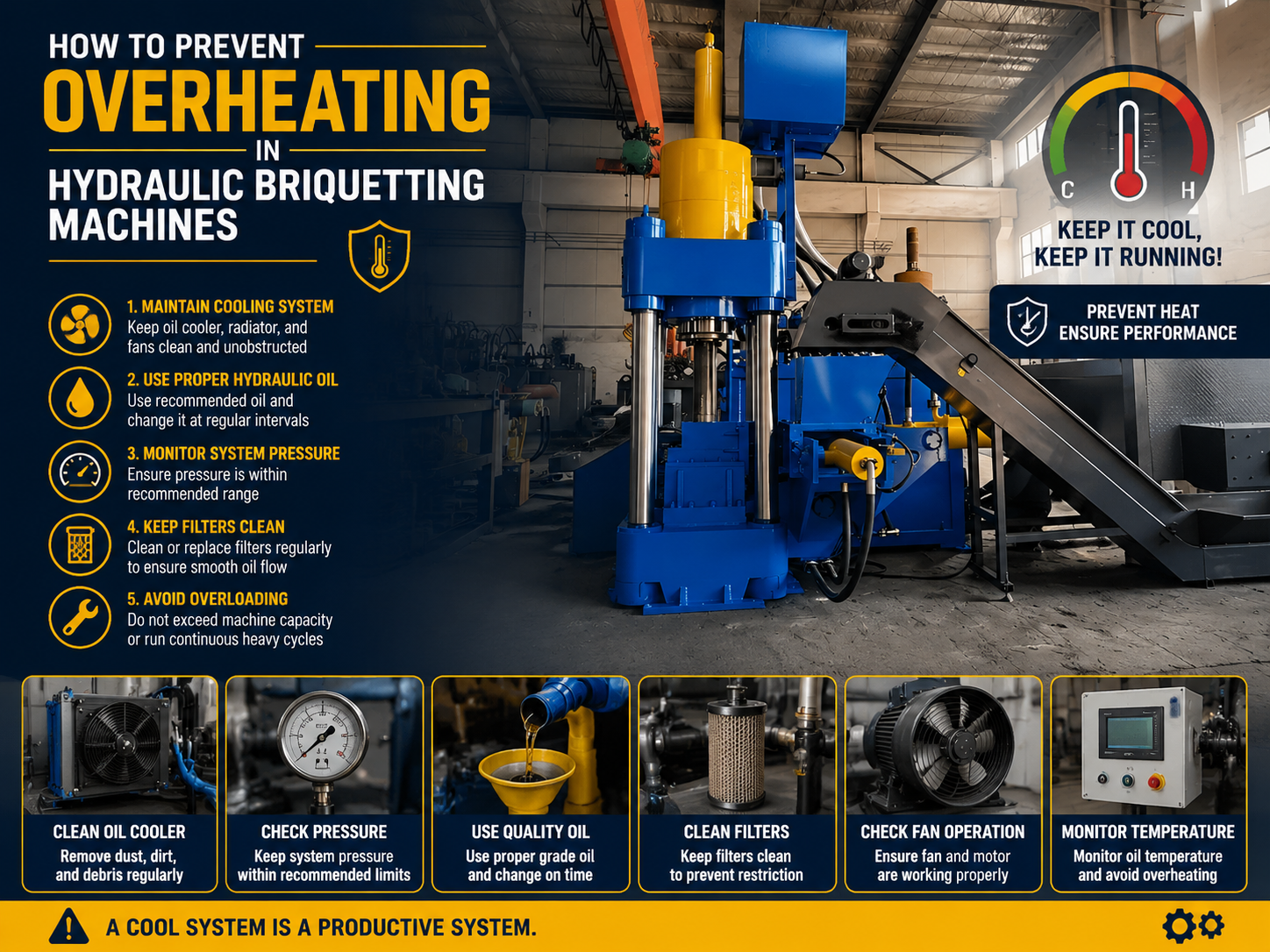
The Critical Importance of Temperature Management in Hydraulic Briquetting
In the world of metal fabrication and waste recycling, the hydraulic briquetting machine stands as a cornerstone of efficiency. These machines are designed to compress metal chips, shavings, and turnings into dense, manageable blocks. However, the sheer force required to achieve this compression generates significant thermal energy. If this heat is not managed correctly, it leads to overheating—a condition that can catastrophically damage hydraulic components, degrade expensive oil, and result in costly production downtime.
To Prevent Overheating In Hydraulic Briquetting Machines, operators and maintenance managers must understand that heat is the primary enemy of hydraulic longevity. When the temperature of hydraulic fluid exceeds its optimal operating range (typically 40°C to 55°C), the viscosity drops, leading to poor lubrication. This creates a vicious cycle: lower viscosity increases internal friction, which in turn generates more heat. Over time, this heat causes seals to harden and crack, valves to stick, and pumps to lose efficiency.
HARSLE emphasizes that proactive thermal management is not just about fixing a hot machine; it is about designing a workflow that prioritizes cooling and fluid integrity. By implementing a rigorous maintenance schedule and understanding the technical nuances of heat dissipation, industrial facilities can extend the lifespan of their equipment by years. This guide provides a deep dive into the strategies required to keep your briquetting operations running cool and efficient.
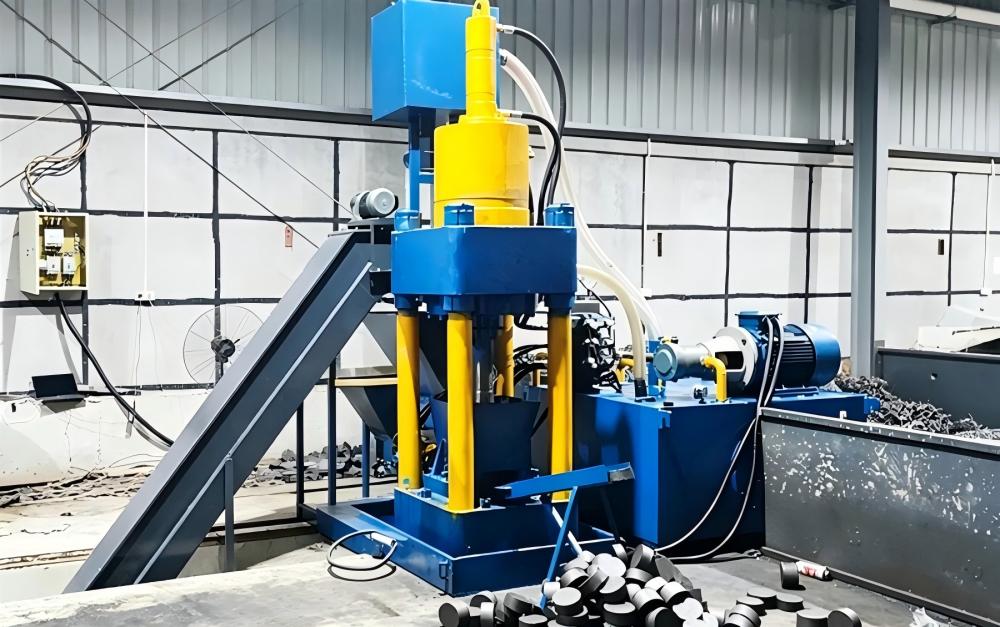
Daily Inspection Protocols for Thermal Stability
The first line of defense to Prevent Overheating In Hydraulic Briquetting Machines is a consistent daily inspection routine. Before the shift begins, operators should check the oil level in the reservoir. Low oil levels are a leading cause of overheating because there is less fluid available to absorb and dissipate the heat generated during the compression cycle. If the reservoir is low, the oil circulates more frequently, giving it less time to cool down in the tank.
During operation, the use of an infrared thermometer is highly recommended. Operators should take temperature readings at various points: the pump casing, the main manifold, and the return line to the tank. A sudden spike in temperature at the pump often indicates internal wear or cavitation, while high temperatures in the return line suggest that the cooling system is failing to keep up with the workload. Monitoring these metrics daily allows for the detection of trends before they become failures.
Furthermore, visual inspections should include checking for leaks. Even a small weep at a fitting can lead to a drop in pressure, forcing the pump to work harder and generate more heat. Additionally, check the color and clarity of the hydraulic oil through the sight glass. If the oil appears milky or dark, it has likely already been compromised by heat or contamination and requires immediate attention. Consistency in these daily checks ensures that minor thermal issues do not escalate into major mechanical breakdowns.
Hydraulic System Checks: The Core of Heat Prevention
The hydraulic circuit is the heart of the briquetting machine, and its configuration directly impacts thermal performance. One of the most critical components to inspect is the relief valve. If a relief valve is set too low or is sticking, it may constantly bypass oil back to the tank under high pressure. This process converts mechanical energy directly into heat, rapidly raising the system temperature. Ensuring that all valves are calibrated to the manufacturer’s specifications is essential for efficient operation.
Cooling systems, whether air-cooled or water-cooled, must be maintained with precision. For air-cooled heat exchangers, the radiator fins must be kept free of dust, metal shavings, and oil mist. In a metal fabrication environment, these fins can clog quickly, acting as an insulator rather than a heat dissipator. Using compressed air to blow out the cooler daily can significantly improve thermal exchange. For water-cooled systems, check for scale buildup inside the tubes and ensure that the water flow rate and temperature meet the machine’s requirements.
Pump efficiency is another major factor. As pumps wear out, internal leakage (slippage) increases. This slippage means the pump is moving fluid internally rather than through the system, which generates immense heat. If you notice that the machine is taking longer to complete a briquetting cycle while the temperature is rising, it is a strong indicator that the hydraulic pump may need a rebuild or replacement. Maintaining high volumetric efficiency is key to keeping the system cool.
Electrical and Mechanical Considerations
While the hydraulic system is the primary source of heat, electrical and mechanical components also play a role. The electric motor driving the hydraulic pump must operate within its rated voltage and current. If the motor is overloaded due to a mechanical bind or a failing pump, it will run hot, and this heat can be conducted through the shaft into the hydraulic fluid. Ensure that the motor’s cooling fan is functional and that the motor housing is clean to allow for proper air cooling.
Mechanically, the alignment of the ram and the condition of the wear plates are vital. If the compression ram is misaligned, it creates excessive friction against the chamber walls. This friction not only wears down the machine but also contributes to the overall thermal load of the system. Regularly inspecting the guides and ensuring they are properly adjusted can reduce the energy required for each stroke, thereby reducing heat generation.
Sensors and control systems must also be verified. Modern HARSLE briquetting machines are equipped with temperature sensors that can trigger an automatic shutdown if limits are exceeded. Testing these sensors ensures that the machine’s fail-safe mechanisms are active. If a sensor is faulty, it might provide a false sense of security while the oil is actually cooking, leading to permanent damage to the hydraulic seals and valves.
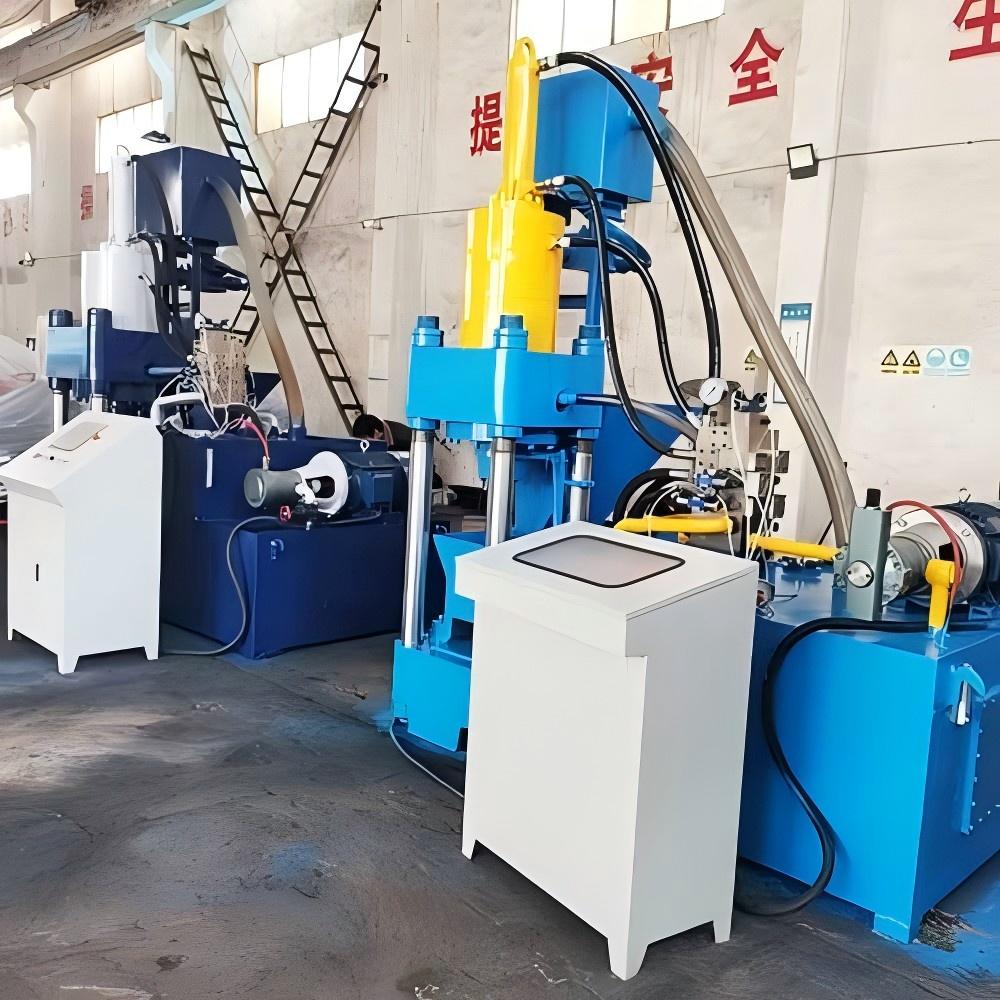
Developing a Robust Lubrication and Oil Management Plan
To effectively Prevent Overheating In Hydraulic Briquetting Machines, the choice of hydraulic oil is paramount. Not all oils are created equal; you must use an oil with the correct ISO viscosity grade as specified by HARSLE. In high-temperature environments, an oil with a high Viscosity Index (VI) is preferable because it maintains its thickness more consistently as the temperature rises. This ensures that the lubricating film remains intact, reducing friction-induced heat.
Oil filtration is equally important. Contaminants such as fine metal dust act as abrasives, wearing down pump components and valves. This wear increases internal leakage, which, as established, generates heat. Implementing a high-quality filtration system that removes particles down to a few microns can drastically reduce the thermal load on the system. Regularly changing filters according to the maintenance schedule prevents pressure drops that can also cause the pump to work harder.
Consider the use of anti-wear (AW) additives. These chemical compounds form a protective layer on metal surfaces, reducing direct contact and friction. Over time, these additives deplete, especially if the machine has experienced minor overheating events in the past. Periodic oil analysis by a professional lab can determine the remaining life of the additives and the presence of oxidation products (varnish), allowing you to change the oil before it causes system-wide overheating issues.
Troubleshooting Signals: Identifying Heat Issues Early
Operators should be trained to recognize the early warning signs of an overheating hydraulic briquetting machine. One of the most common signals is a change in the sound of the machine. A pump that begins to whine or growl may be experiencing cavitation or aeration, both of which are exacerbated by hot, thin oil and lead to rapid temperature increases. If the machine’s cycle time becomes sluggish, it often means the oil has thinned to the point where the cylinders are not receiving the full flow of the pump.
Another physical signal is the smell of “burnt” oil. When hydraulic fluid overheats, it undergoes thermal cracking, which produces a distinct, acrid odor. If you smell this near the reservoir, the oil has already begun to oxidize and form sludge. This sludge can clog small orifices in the valves, leading to erratic behavior and further heat generation. Visual cues include the darkening of the oil or the appearance of a brown, lacquer-like coating on the internal components of the reservoir.
Finally, check the temperature of the external surfaces of the hydraulic cylinders. While the cylinders will naturally get warm, they should never be too hot to touch briefly. If one cylinder is significantly hotter than the others, it may have internal seal leakage, allowing high-pressure oil to bypass the piston. This localized heat can quickly spread to the rest of the system, making it a critical troubleshooting point for maintaining thermal balance.
Comprehensive Maintenance Schedule Table
Following a structured schedule is the most effective way to ensure all heat-prevention tasks are completed. Below is a recommended maintenance plan for HARSLE hydraulic briquetting machines.
| Frequency | Task Description | Target Component |
|---|---|---|
| Daily | Check oil level and record operating temperature. | Hydraulic Reservoir |
| Daily | Inspect and clean air-cooler fins or check water flow. | Cooling System |
| Weekly | Inspect for hydraulic leaks and tighten fittings. | Hoses and Manifolds |
| Monthly | Check and clean the suction strainer and return filters. | Filtration System |
| Quarterly | Verify relief valve settings and pump pressure. | Hydraulic Control Valves |
| Bi-Annually | Perform oil analysis for viscosity and contamination. | Hydraulic Fluid |
| Annually | Flush the system and replace hydraulic oil and seals. | Complete Hydraulic Circuit |
Frequently Asked Questions (FAQ)
1. What is the maximum safe operating temperature for a briquetting machine?
For most industrial hydraulic systems, the maximum safe operating temperature is around 60°C (140°F). Ideally, you should aim to keep the oil between 45°C and 50°C. Once the temperature exceeds 65°C, the rate of oil oxidation doubles for every 10°C increase, and seal damage becomes imminent.
2. Why does my machine overheat even when the cooler is running?
This is often caused by internal bypass. If a valve or a pump is worn out, the oil is leaking internally from high pressure to low pressure without doing work. This process generates heat that can overwhelm even a functional cooling system. You should check for internal leakage in the cylinders and the pump.
3. Can the type of metal being briquetted affect the temperature?
Yes. Harder materials or very fine dust may require higher pressures and longer dwell times to form a solid briquette. This increased workload on the hydraulic system naturally generates more heat. If you change the material you are processing, you may need to adjust your cooling capacity or cycle times.
4. How often should I clean the heat exchanger?
In a typical metal fabrication shop, air-cooled heat exchangers should be blown out with compressed air at least once a week. If the environment is particularly dusty or oily, daily cleaning may be necessary to prevent a “blanket” of grime from insulating the cooling fins.
5. Does ambient temperature affect the machine?
Absolutely. In summer months or in poorly ventilated facilities, the “delta T” (the difference between the oil temperature and the cooling air temperature) decreases, making the cooler less effective. You may need to improve shop ventilation or add auxiliary cooling during peak summer heat to Prevent Overheating In Hydraulic Briquetting Machines.
6. Is it okay to use a higher viscosity oil to stop overheating?
No, this is a common misconception. While thicker oil might temporarily reduce leakage in a worn pump, it actually generates more fluid friction as it moves through the pipes and valves, which can increase the overall temperature. Always stick to the viscosity grade recommended by HARSLE for your specific model.
Conclusion
Preventing overheating in hydraulic briquetting machines is a multifaceted task that requires attention to hydraulic chemistry, mechanical precision, and consistent maintenance. By monitoring temperatures daily, maintaining the cooling infrastructure, and ensuring the hydraulic fluid is clean and high-quality, you can protect your investment and ensure maximum productivity. HARSLE machines are built for durability, but like all high-performance industrial equipment, they thrive under a regime of proactive care. Implementing the strategies outlined in this guide will not only prevent heat-related failures but also optimize the overall efficiency of your metal recycling operations.