Hydraulic Briquetting Machine Noise Troubleshooting and Maintenance Solutions: A Comprehensive Guide

The Critical Importance of Hydraulic Briquetting Machine Maintenance
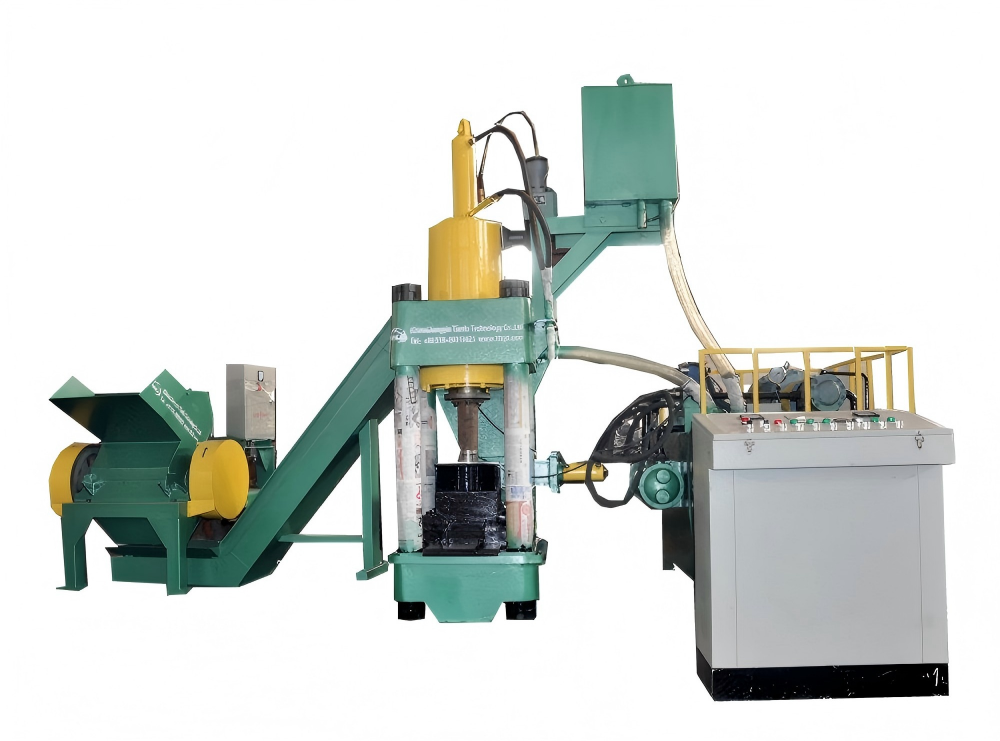
In the modern industrial landscape, the hydraulic briquetting machine stands as a cornerstone for waste management and resource recovery. These machines are designed to compress metal chips, shavings, and turnings into dense, manageable briquettes, significantly reducing volume and increasing the value of scrap material. However, the high-pressure environment in which these machines operate subjects them to immense mechanical and hydraulic stress. Neglecting a robust maintenance strategy doesn’t just lead to minor inconveniences; it can result in catastrophic component failure, expensive downtime, and safety hazards for operators.
Effective maintenance is the primary defense against the gradual degradation of machine performance. When a hydraulic briquetting machine is well-maintained, it operates at peak efficiency, consuming less energy while producing higher-quality briquettes. Furthermore, consistent upkeep extends the lifespan of expensive components like hydraulic pumps, cylinders, and main valves. By prioritizing Hydraulic Briquetting Machine Noise Troubleshooting Maintenance Solutions, facility managers can ensure that their investment continues to yield high returns for years to come.
Beyond the financial implications, maintenance is a matter of workplace safety. High-pressure hydraulic systems can be dangerous if seals fail or hoses burst. Regular inspections allow technicians to identify frayed hoses, loose fittings, or structural cracks before they lead to accidents. A quiet, smooth-running machine is generally a safe machine. Conversely, unusual noises are often the first warning signs that something is wrong deep within the system, making noise troubleshooting an essential skill for any maintenance team.
Finally, the environmental impact of a well-maintained machine cannot be overlooked. Leaking hydraulic fluid is not only a slip hazard but also a significant environmental pollutant. By ensuring that all seals are intact and the system is running efficiently, companies can maintain a cleaner, greener production floor. This guide provides a deep dive into the specific steps required to keep your hydraulic briquetting machine in top condition, focusing on noise identification and comprehensive maintenance protocols.
Daily Inspection: The First Line of Defense
The key to preventing major breakdowns is the daily inspection routine. This should be a non-negotiable part of the operator’s shift start-up. A thorough daily check allows for the detection of minor issues that, if left unaddressed, could escalate into major repairs. The first step in a daily inspection is a visual sweep of the entire machine. Operators should look for signs of hydraulic fluid puddles on the floor, which indicate a leak in the hoses, fittings, or cylinder seals. Even a small drip can lead to a significant loss of fluid over time and introduce air into the system.
Checking fluid levels is the next critical task. Hydraulic oil is the lifeblood of the briquetting machine; it not only transmits power but also lubricates moving parts and dissipates heat. If the oil level is too low, the pump may draw in air, leading to cavitation—a major source of noise and damage. Operators should also check the color and clarity of the oil through the sight glass. Cloudy or milky oil suggests water contamination, while dark, burnt-smelling oil indicates overheating or oxidation. Both conditions require immediate attention to prevent damage to the pump and valves.
Temperature monitoring is another vital aspect of daily checks. Most hydraulic systems are designed to operate within a specific temperature range, typically between 40°C and 60°C. If the machine is running too hot, the oil’s viscosity drops, leading to poor lubrication and increased wear. Overheating can be caused by a clogged oil cooler, a failing pump, or a relief valve that is stuck open. By recording the operating temperature daily, maintenance teams can spot trends and intervene before the system reaches a critical state.
Finally, the daily inspection should include a brief functional test. The operator should cycle the machine through its full range of motion without any material. During this time, they should listen closely for any unusual sounds and observe the smoothness of the cylinder movement. Any jerking or hesitation in the stroke could indicate air in the lines or mechanical binding. Documenting these daily findings in a logbook is essential for long-term Hydraulic Briquetting Machine Noise Troubleshooting Maintenance Solutions.
Comprehensive Hydraulic, Electrical, and Mechanical Checks
Hydraulic System Integrity
The hydraulic system is the heart of the briquetting machine, and its complexity requires detailed periodic checks. Beyond daily fluid level checks, technicians must inspect the condition of all hydraulic hoses. Over time, the high-pressure pulses cause hoses to flex, leading to external abrasion and internal fatigue. Any hose showing signs of bulging, cracking, or wetness at the crimped fittings must be replaced immediately. It is also important to check the suction line filters and return line filters. Clogged filters restrict flow, causing the pump to work harder and potentially leading to cavitation.
Valves are another critical component. Directional control valves, relief valves, and check valves must all function precisely to maintain the correct pressure and cycle timing. Technicians should use pressure gauges to verify that the system pressure matches the manufacturer’s specifications. If the pressure is too low, the briquettes will be loose and brittle; if it is too high, it puts unnecessary strain on the frame and seals. Listening for “hissing” sounds near valves can help identify internal leakage, where high-pressure oil is bypassing a seal and returning to the tank without doing work.
Electrical System and Controls
While the hydraulic system does the heavy lifting, the electrical system provides the brainpower. Maintenance should include an inspection of the main control cabinet. Dust and metal shavings can accumulate inside the cabinet, leading to short circuits or overheating of electrical components. Using compressed air to clean the cabinet (with the power off) is a simple but effective preventive measure. Technicians should also check for loose wiring connections, as vibration from the machine can cause terminals to back out over time, leading to intermittent faults or sensor failures.
The electric motor that drives the hydraulic pump requires its own set of checks. Ensure that the motor cooling fans are clear of debris and that the motor is not vibrating excessively. Excessive vibration can indicate a misalignment between the motor and the pump or failing bearings within the motor itself. Additionally, sensors such as limit switches and pressure transducers should be calibrated and tested to ensure they are providing accurate feedback to the PLC (Programmable Logic Controller). Accurate sensor data is vital for the automated safety features of the machine.
Mechanical Structure and Wear Parts
The mechanical frame of a briquetting machine is subjected to millions of pounds of force over its lifetime. Periodically, the main structural bolts should be checked for tightness using a torque wrench. Loose bolts can lead to frame misalignment, which in turn causes uneven wear on the piston and mold. The mold and the punch (or ram) are the primary wear parts in a briquetting machine. These components should be inspected for signs of scoring, chipping, or excessive clearance. As these parts wear down, the quality of the briquettes will diminish, and the risk of mechanical jamming increases.
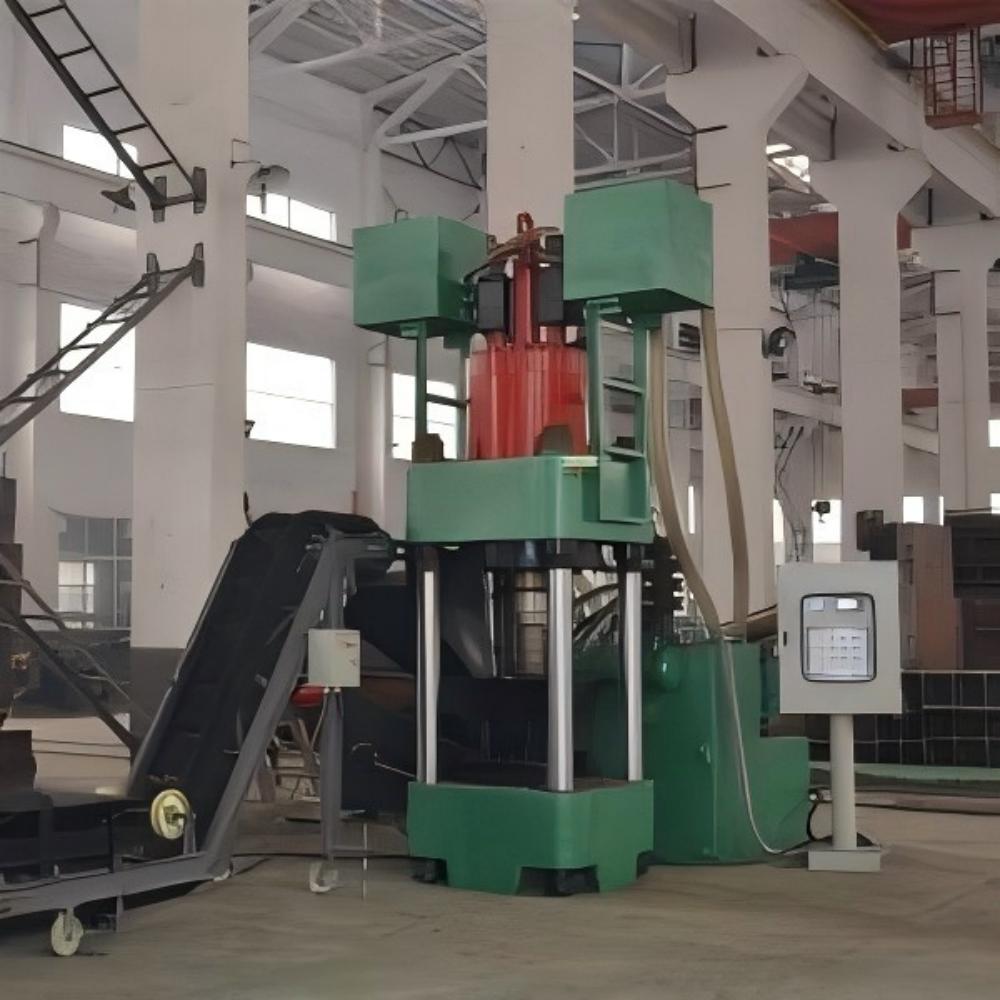
The Lubrication Plan: Reducing Friction and Wear
A well-executed lubrication plan is one of the most cost-effective ways to extend the life of a hydraulic briquetting machine. While the hydraulic oil lubricates the internal components of the pump and valves, other moving parts require manual or automated lubrication. This includes the guide rails for the ram, the pivot points on the hopper door, and any conveyor bearings. Without proper lubrication, these metal-on-metal surfaces will experience rapid wear, leading to increased friction, heat, and eventually, mechanical failure.
The choice of lubricant is just as important as the frequency of application. Always refer to the manufacturer’s guidelines for the specific grade of grease or oil required. For high-pressure sliding surfaces, a grease with extreme pressure (EP) additives is often necessary to maintain a protective film under heavy loads. In contrast, high-speed bearings might require a lighter grease that doesn’t generate excessive heat. A common mistake is over-lubricating, which can attract dust and metal particles, creating an abrasive paste that actually accelerates wear.
Consistency is the hallmark of a good lubrication plan. Establishing a schedule—whether it’s every 8 hours of operation for high-wear areas or weekly for secondary points—ensures that no component is neglected. Many modern briquetting machines are equipped with automatic lubrication systems. While these systems reduce the manual labor involved, they still require maintenance. Technicians must regularly check the lubricant reservoir levels and ensure that all delivery lines are clear and that the injectors are functioning correctly. A blocked line in an automated system can lead to a catastrophic failure of a single bearing while the rest of the machine appears fine.
Troubleshooting Signals: Identifying Noise and Its Causes
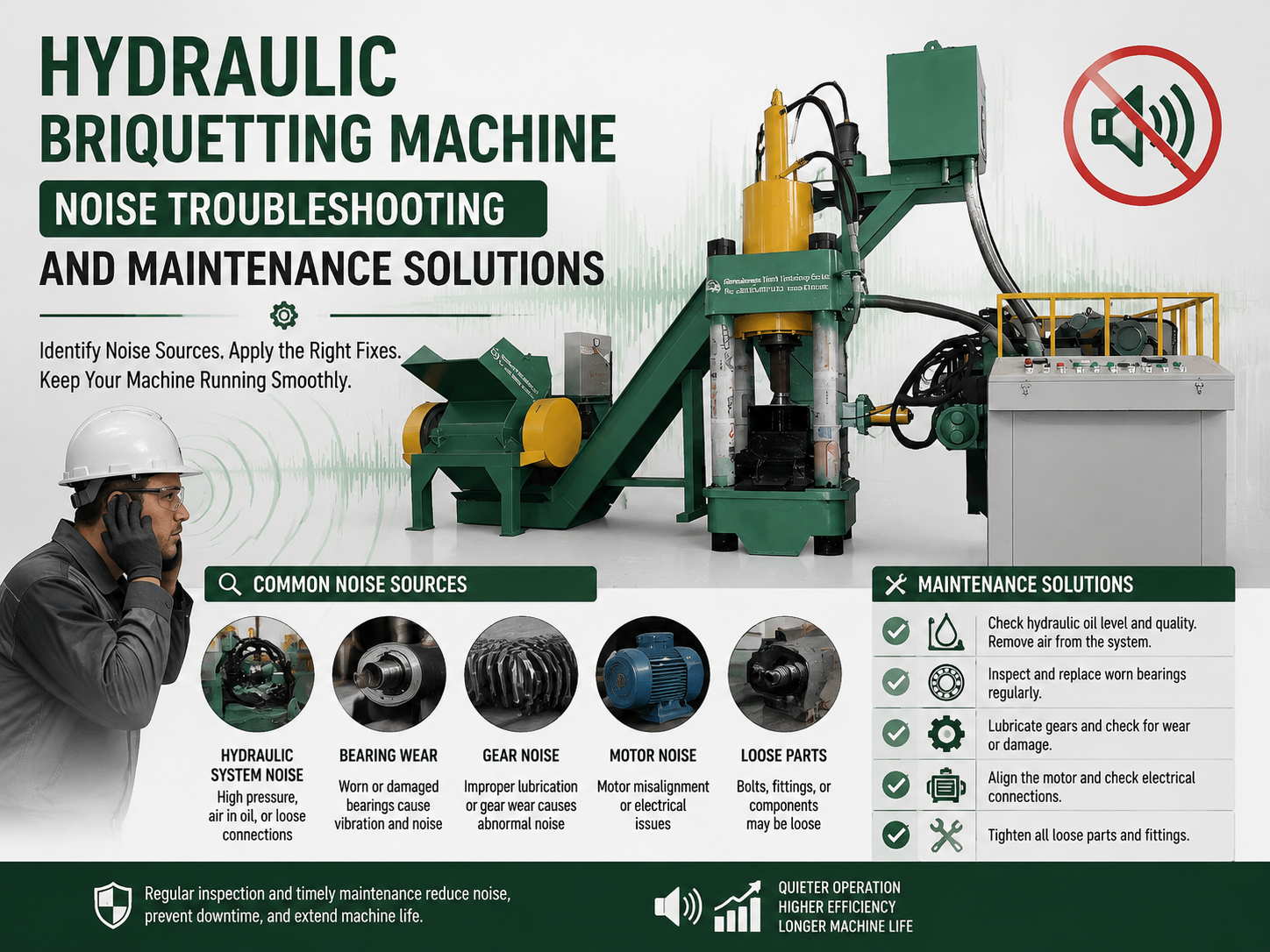
In the context of Hydraulic Briquetting Machine Noise Troubleshooting Maintenance Solutions, noise is often the most reliable diagnostic tool available to an operator. Different types of sounds point to specific problems within the system. Learning to “hear” the machine can save hours of diagnostic time and prevent major damage. Below are the most common noise signals and their likely causes:
- High-Pitched Whining or Screeching: This is almost always a sign of pump cavitation or aeration. Cavitation occurs when the pump cannot get enough oil (due to a clogged suction filter or low oil level), causing vacuum bubbles to form and collapse violently. Aeration occurs when air enters the suction line through a leak. Both conditions will quickly destroy a hydraulic pump.
- Banging or Heavy Thumping: This usually indicates a mechanical issue, such as a loose mounting bolt, a broken internal component, or a severe misalignment. It can also be caused by “water hammer” in the hydraulic lines, where a valve closes too quickly, causing a pressure spike that vibrates the entire piping system.
- Hissing Sounds: A persistent hissing sound typically points to a high-pressure leak. This could be an external leak (visible oil) or an internal leak where oil is escaping past a seal in a cylinder or valve. Internal leaks generate significant heat, so the component where the hissing is loudest will often feel much hotter than the rest of the system.
- Grinding or Chattering: This often suggests a lack of lubrication on sliding surfaces or failing bearings. If the chattering occurs during the compression stroke, it may indicate that the ram is binding in its guides due to misalignment or debris buildup.
When troubleshooting noise, it is important to approach the problem methodically. Start by isolating the area where the noise is loudest. Use a mechanic’s stethoscope or a simple metal rod held to the ear to pinpoint the source. Once the location is identified, check the simplest causes first—such as oil levels and loose bolts—before moving on to more complex teardowns of pumps or cylinders. Early intervention when a new noise appears is the hallmark of a proactive maintenance strategy.
Maintenance Schedule Table
To ensure all tasks are completed on time, use the following maintenance schedule as a template for your facility. Adjust the frequencies based on your specific machine’s workload and environmental conditions.
| Frequency | Component | Action Required |
|---|---|---|
| Daily | Hydraulic Oil | Check level and color; inspect for leaks. |
| Daily | Machine Frame | Visual inspection for cracks or loose debris. |
| Daily | Temperature | Monitor operating temperature (40-60°C). |
| Weekly | Filters | Inspect suction and return filters; clean or replace if needed. |
| Weekly | Mechanical Fasteners | Check and tighten critical bolts and fittings. |
| Weekly | Lubrication Points | Manually grease guide rails and pivot points. |
| Monthly | Electrical System | Clean control cabinet; check for loose wiring. |
| Monthly | Hydraulic Hoses | Detailed inspection for wear, cracks, or bulges. |
| Quarterly | Oil Analysis | Send oil sample for lab testing (contamination/viscosity). |
| Quarterly | Sensors/PLC | Test and calibrate limit switches and pressure sensors. |
| Yearly | Hydraulic Oil | Complete oil change and tank cleaning. |
| Yearly | Pump & Motor | Check alignment and inspect couplings/bearings. |
Frequently Asked Questions (FAQ)
1. Why is my hydraulic briquetting machine making a loud whining noise?
A loud whining noise is typically caused by pump cavitation or aeration. Check the hydraulic oil level immediately. If the level is fine, inspect the suction filter for clogs or the suction hose for air leaks. Running a pump in this condition will lead to rapid failure.
2. How often should I change the hydraulic oil?
Generally, hydraulic oil should be changed every 2,000 to 4,000 hours of operation, or at least once a year. However, the best practice is to perform quarterly oil analysis to determine the actual condition of the oil before deciding to change it.
3. What causes the briquettes to become soft or crumble?
Soft briquettes are usually the result of insufficient pressure. This can be caused by a worn hydraulic pump, a leaking relief valve, or worn-out molds and punches that allow too much clearance. Check your system pressure against the manufacturer’s specs.
4. Can I use any type of hydraulic oil in my machine?
No. You must use the oil viscosity and type recommended by the manufacturer (usually ISO 46 or 68 anti-wear hydraulic oil). Using the wrong oil can lead to poor lubrication, overheating, and damage to sensitive valve components.
5. How do I stop the hydraulic system from overheating?
First, ensure the oil cooler (air or water-cooled) is clean and functioning. Next, check for internal leaks in the valves or cylinders, as bypassing oil generates heat. Finally, ensure the relief valve is set correctly and not constantly dumping oil back to the tank.
6. Why does the machine vibrate excessively during the compression cycle?
Excessive vibration is often caused by air trapped in the hydraulic cylinders or mechanical misalignment. Bleed the air from the system and check that the machine is properly leveled and anchored to the floor. Also, inspect the ram guides for wear.
7. What is the most common cause of component failure in these machines?
Contamination is the number one cause of hydraulic component failure. Dust, metal particles, and water in the oil act as abrasives that wear down pumps and jam valves. Maintaining clean oil and changing filters regularly is the best way to prevent this.