How to Keep Hydraulic Briquettes Dense and Stable Through Proper Machine Care

Introduction to High-Quality Briquetting
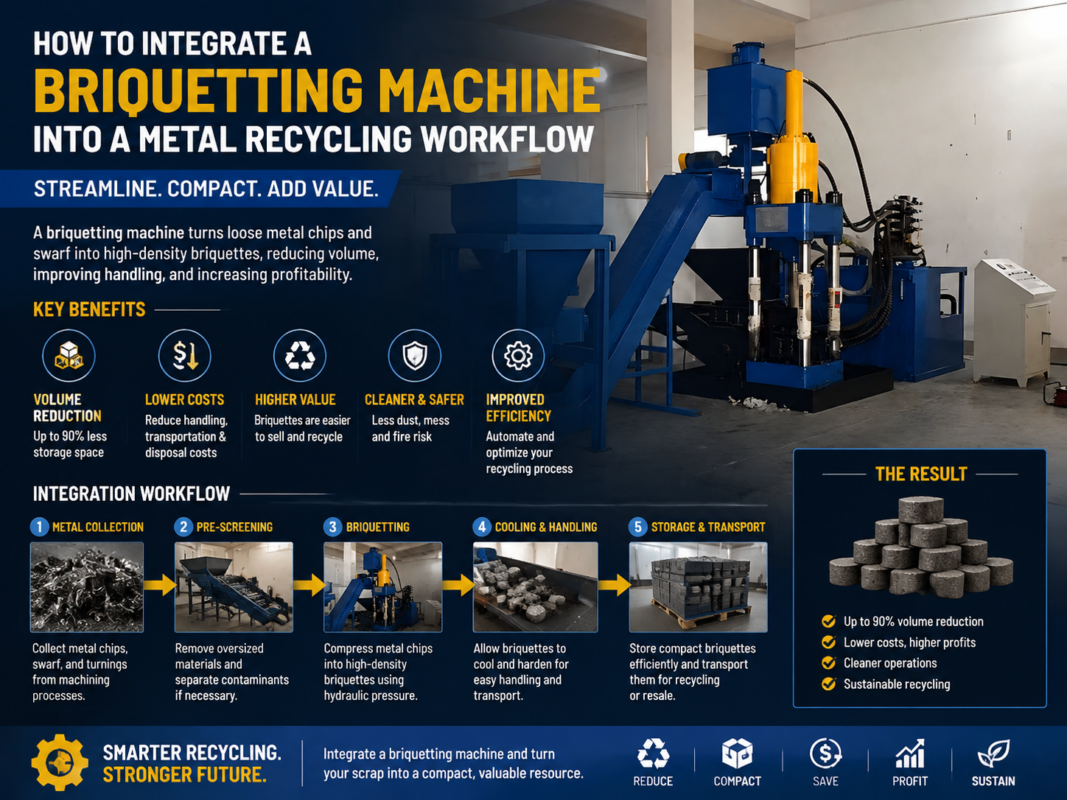
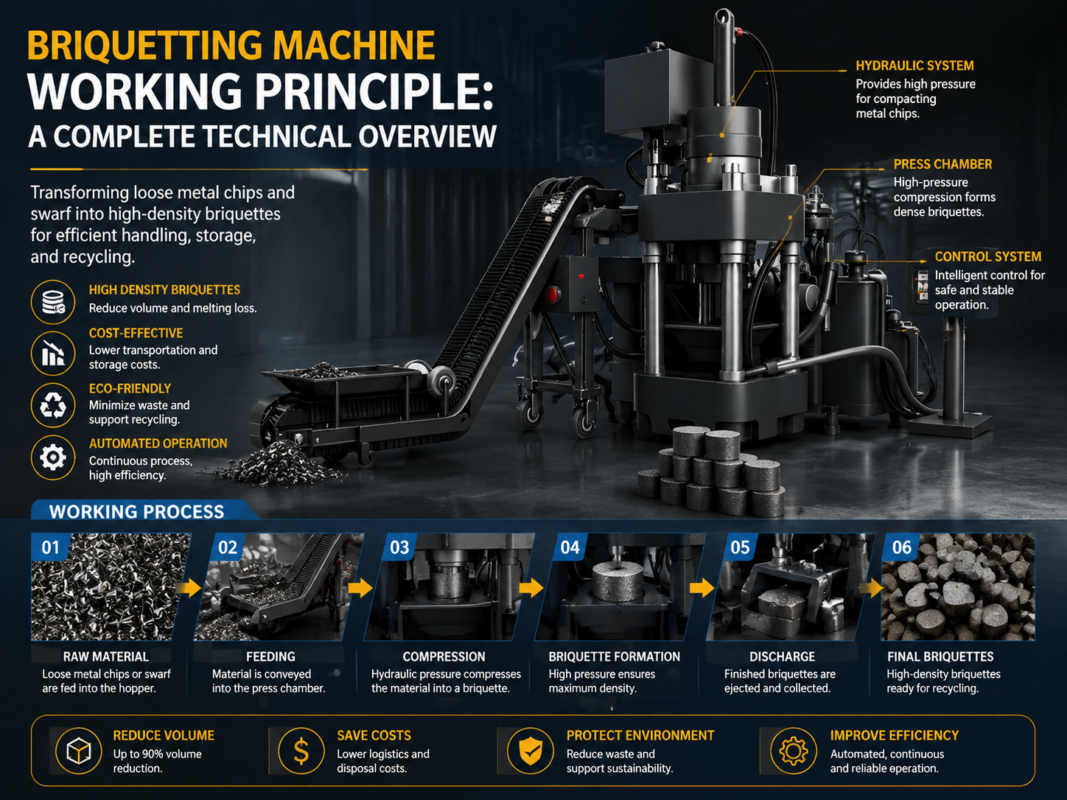
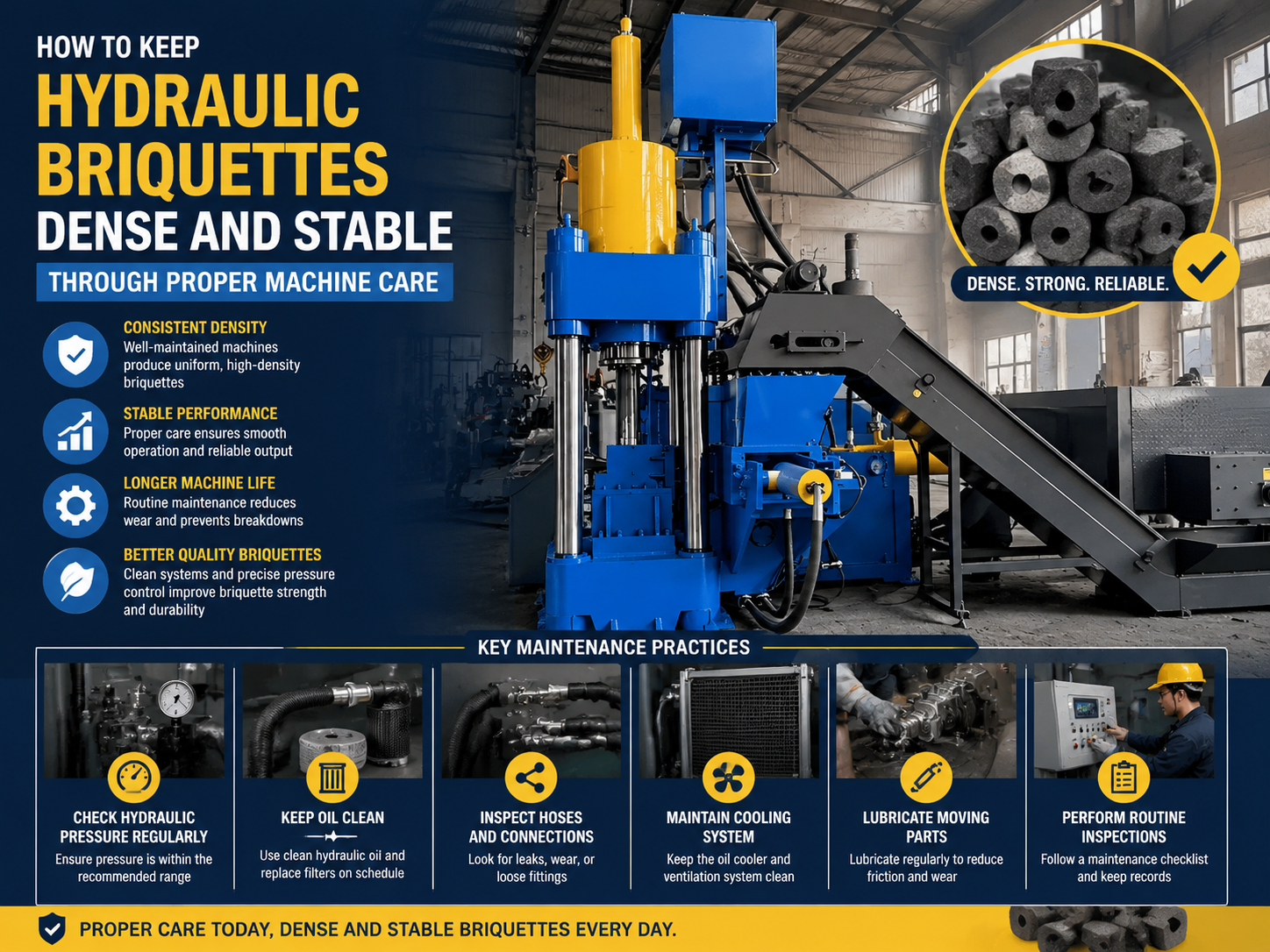
In the world of metal recycling and industrial waste management, the hydraulic briquetting machine stands as a cornerstone of efficiency. Its primary function is to transform loose metal chips, turnings, and filings into compact, high-density blocks. However, the value of these briquettes is directly tied to their density and structural stability. A crumbly or low-density briquette not only loses value during transport but also performs poorly in the smelting furnace, leading to higher oxidation rates and lower metal recovery. To keep hydraulic briquettes dense and stable through proper machine care, operators must understand the intricate relationship between mechanical precision and hydraulic performance.
HARSLE, a leader in metal fabrication machinery, designs briquetting presses that are built for durability. Yet, even the most robust machine requires a disciplined maintenance regimen to sustain peak performance. When a machine is neglected, the compaction force can become inconsistent, the molds can wear unevenly, and the hydraulic fluid can lose its vital properties. This article provides an exhaustive guide on how to maintain your equipment to ensure every briquette produced meets the highest industrial standards for density and stability.
The Critical Importance of Maintenance for Briquette Quality
The quality of a briquette is defined by its ability to withstand handling without breaking and its density, which should ideally approach the solid density of the parent metal. Achieving this requires the machine to exert massive, consistent pressure. Maintenance is not merely about preventing breakdowns; it is about preserving the calibration of the force applied during the compression cycle. If the pressure drops even by a small percentage due to a leak or a worn seal, the resulting briquette will be porous and fragile.
Furthermore, consistent maintenance extends the lifecycle of the expensive components within the machine, such as the main cylinder and the mold assembly. In a high-volume production environment, the cost of downtime is significant, but the cost of producing sub-standard briquettes can be even higher due to rejected loads and lost material. By following a strict care plan, you ensure that the investment in your HARSLE hydraulic briquetting machine continues to yield high-quality output for years to come.
Daily Inspection: The First Line of Defense
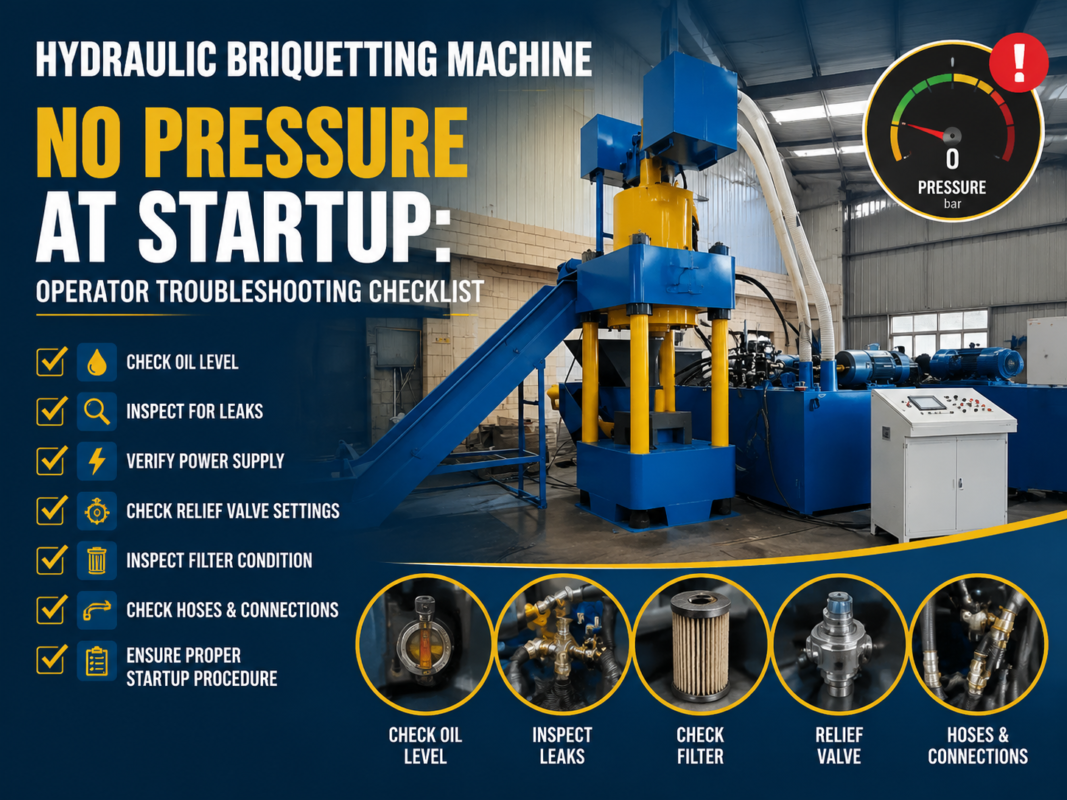
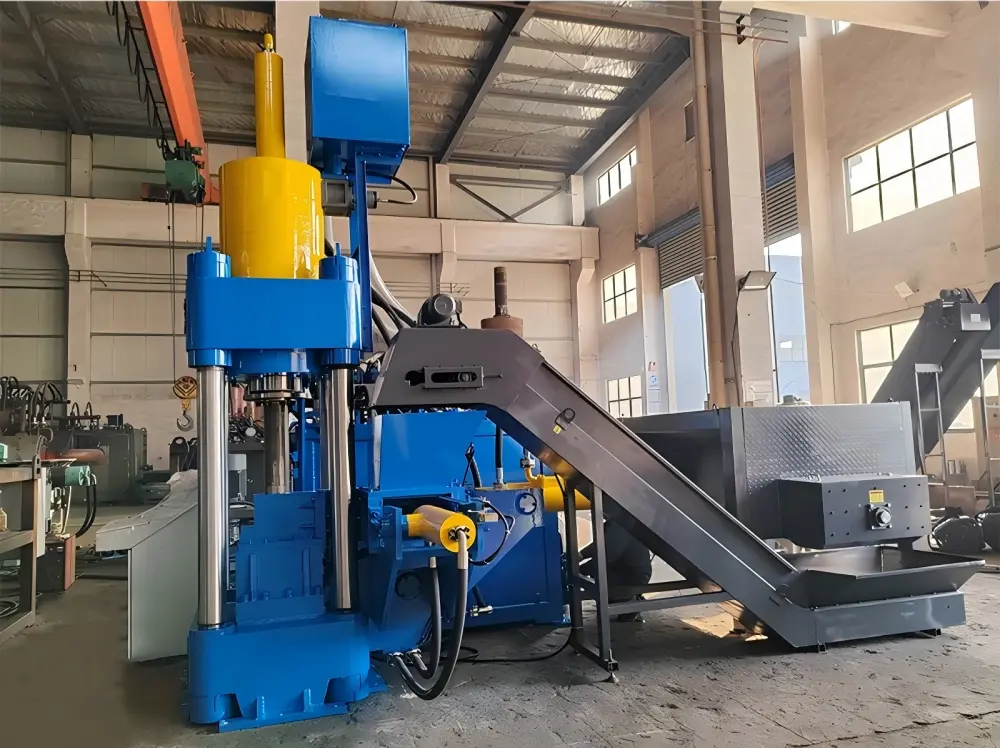
To keep hydraulic briquettes dense and stable through proper machine care, the process must begin with a daily inspection routine. This is the most effective way to catch minor issues before they escalate into failures that compromise product quality. Operators should start each shift by cleaning the machine, particularly the area around the hopper and the compression chamber. Metal dust and debris can accumulate, leading to friction and potential contamination of the hydraulic seals.
Visual checks should focus on identifying any signs of hydraulic fluid leaks. Even a small weep from a hose fitting can indicate a loss of system pressure. Additionally, operators should listen for unusual noises during the compression cycle. A high-pitched whine might suggest cavitation in the pump, while a clunking sound could indicate a loose mechanical fastening. Monitoring the temperature of the hydraulic oil is also vital; if the oil becomes too hot, its viscosity drops, which directly impacts the machine’s ability to maintain the high pressure needed for dense briquettes.
Hydraulic System Maintenance: The Heart of the Machine
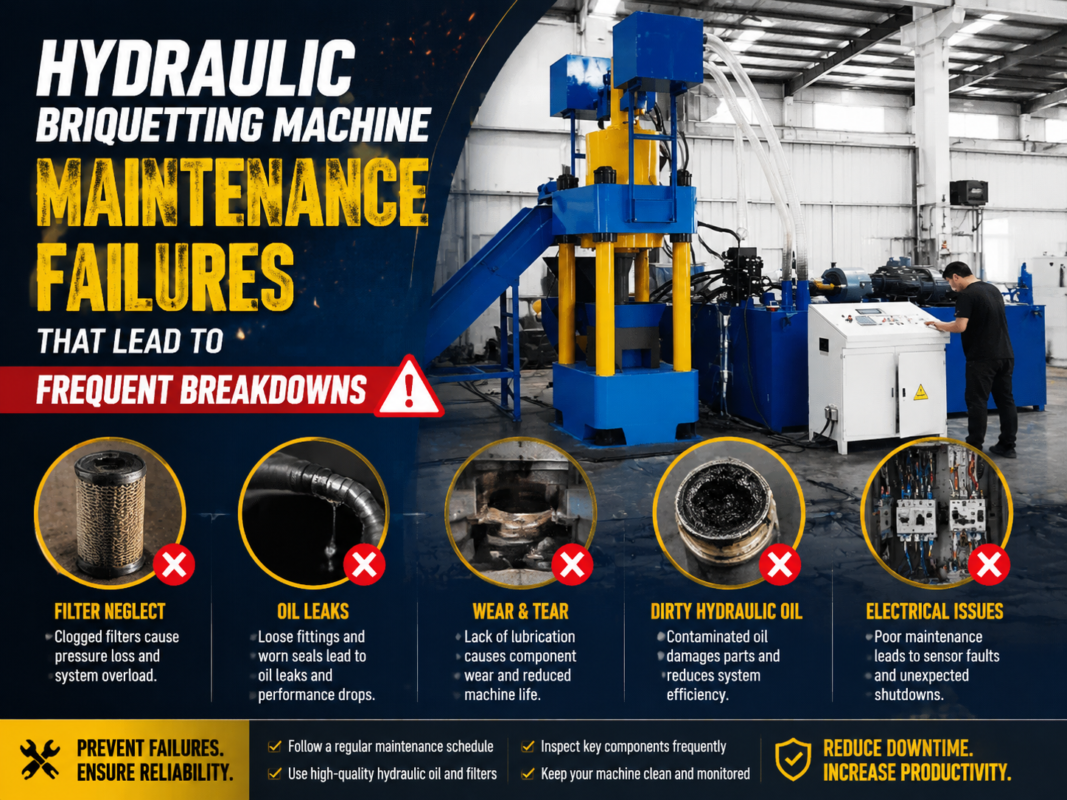
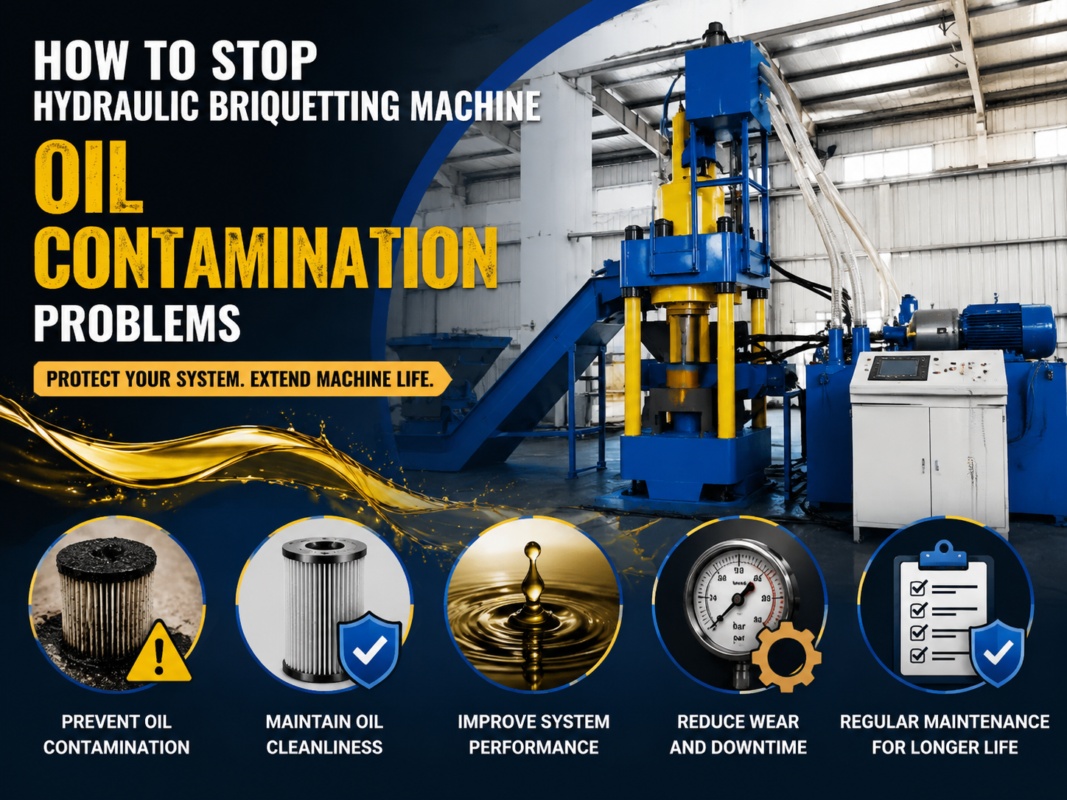
The hydraulic system is the most critical factor in determining briquette density. Without a healthy hydraulic circuit, the machine cannot generate the necessary tonnage. The first priority is the hydraulic oil itself. Over time, oil degrades due to heat and shear forces, and it can become contaminated with microscopic metal particles. Regularly testing the oil for cleanliness and replacing it according to the manufacturer’s schedule is non-negotiable. Using the correct grade of high-viscosity index oil ensures that the pressure remains stable even as the machine warms up during long shifts.
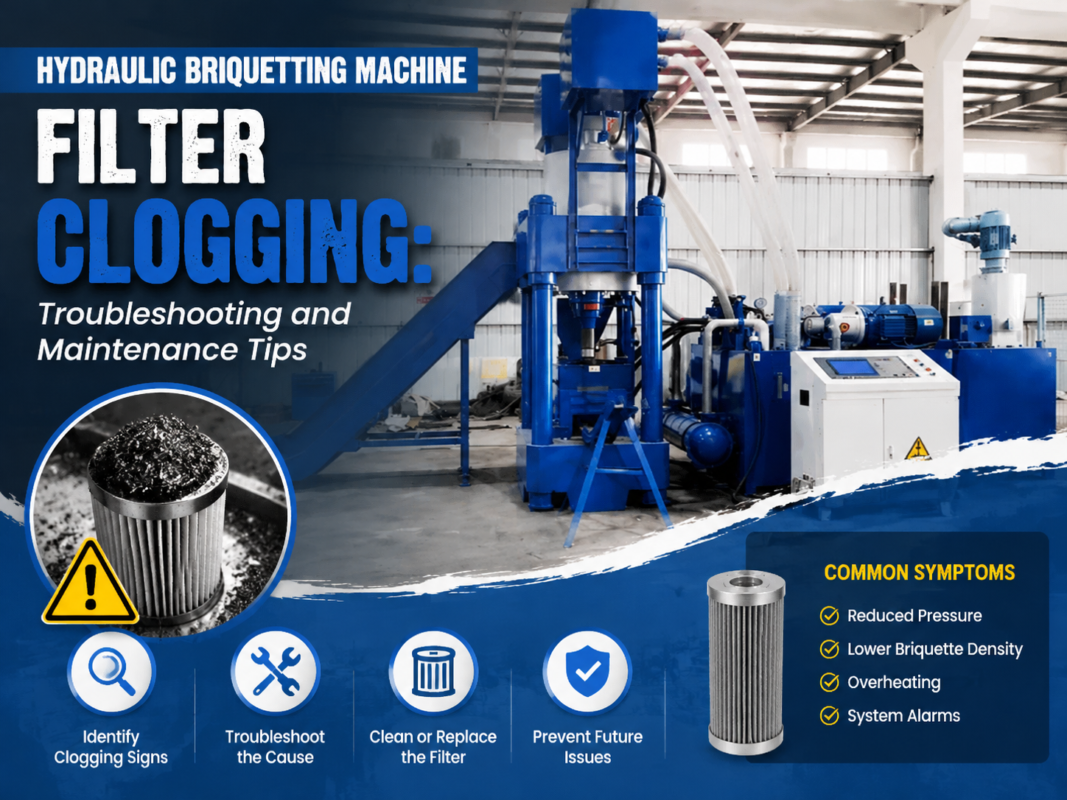
The hydraulic filters must be replaced frequently. A clogged filter causes backpressure and forces the pump to work harder, leading to premature wear and inconsistent flow. Furthermore, the hydraulic cylinders and valves should be inspected for internal leakage. If a solenoid valve is sticking or a cylinder seal is bypassing, the dwell time—the period during which maximum pressure is held—will be insufficient, resulting in briquettes that expand and crack once they are ejected from the mold.
Electrical and Control System Integrity
Modern HARSLE briquetting machines utilize sophisticated PLC (Programmable Logic Controller) systems to manage the timing and pressure of the compression cycles. To keep hydraulic briquettes dense and stable through proper machine care, the electrical system must be kept in top condition. Loose wiring or corroded sensors can send false signals to the controller, causing the machine to short-cycle or fail to reach the target pressure. Regular inspections of the electrical cabinet are necessary to ensure that cooling fans are working and that no dust has entered the sensitive electronic components.
Sensors, particularly pressure transducers and limit switches, are the “eyes” of the machine. If a pressure transducer is out of calibration, the machine might report that it has reached 200 bars of pressure when it has only reached 180. This 10% discrepancy is enough to turn a stable briquette into a fragile one. Periodically verifying the sensor readings against a manual master gauge is a best practice for maintaining high-density output.
Mechanical Components and Mold Care
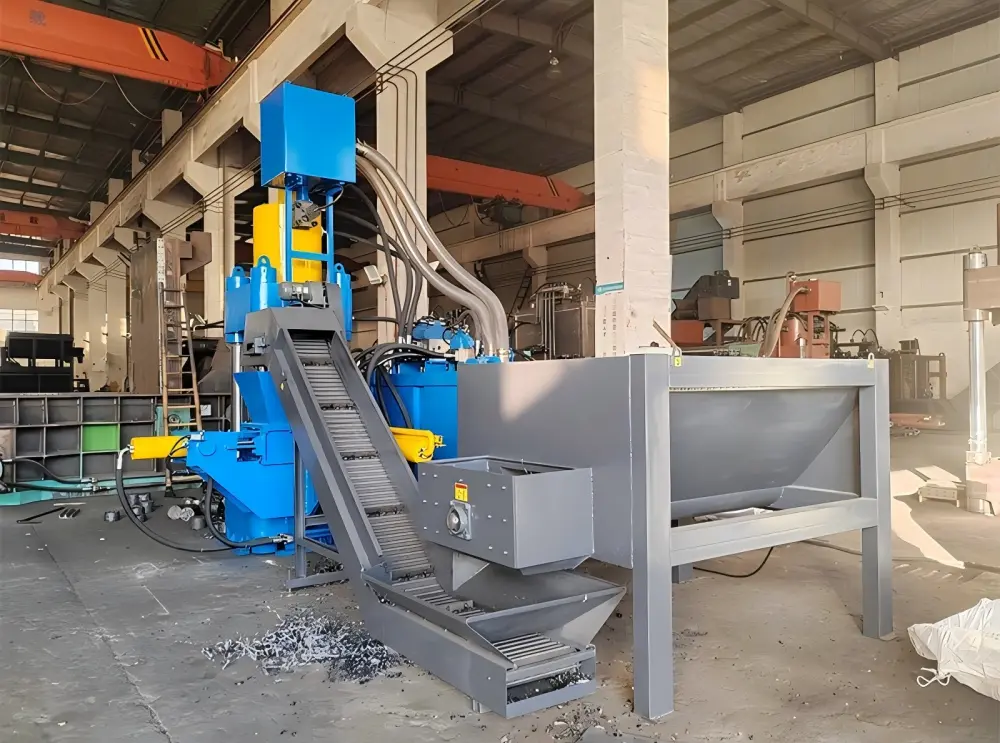
The physical shape and density of the briquette are determined by the mold and the punch. These components are subject to extreme abrasive wear, especially when processing materials like cast iron or aluminum turnings which may contain silica. As the mold wears, the clearance between the punch and the die wall increases. This allows material to escape or “flash” around the edges, reducing the effective pressure applied to the core of the briquette. To keep hydraulic briquettes dense and stable through proper machine care, the mold dimensions must be checked regularly.
When the mold shows signs of significant wear or scoring, it must be refurbished or replaced. A worn mold produces briquettes with uneven surfaces and structural weaknesses. Additionally, the mechanical frame of the machine must be inspected for structural integrity. The massive forces involved in briquetting can cause bolts to stretch or welds to stress over time. Ensuring the frame remains rigid is essential for maintaining the alignment of the punch and die, which prevents uneven density distribution within the briquette.
Comprehensive Lubrication Plan
Lubrication is often overlooked in hydraulic machinery because the oil is “inside,” but the external moving parts—such as the hopper gates, the ejection mechanism, and the guide rails—require consistent greasing. A lack of lubrication leads to increased friction, which consumes energy and slows down the cycle time. More importantly, jerky movements caused by friction can lead to inconsistent feeding of the material into the compression chamber, resulting in briquettes of varying weights and densities.
A proper lubrication plan should specify the type of grease to be used (typically a high-pressure lithium-based grease) and the frequency of application. Automated lubrication systems, if equipped, should be checked daily to ensure the reservoirs are full and the delivery lines are not blocked. For manual systems, a logbook should be kept to track when each point was last serviced. Proper lubrication ensures that the mechanical movements are smooth, allowing the hydraulic force to be focused entirely on material compaction.
Troubleshooting Signals: Identifying Quality Drops
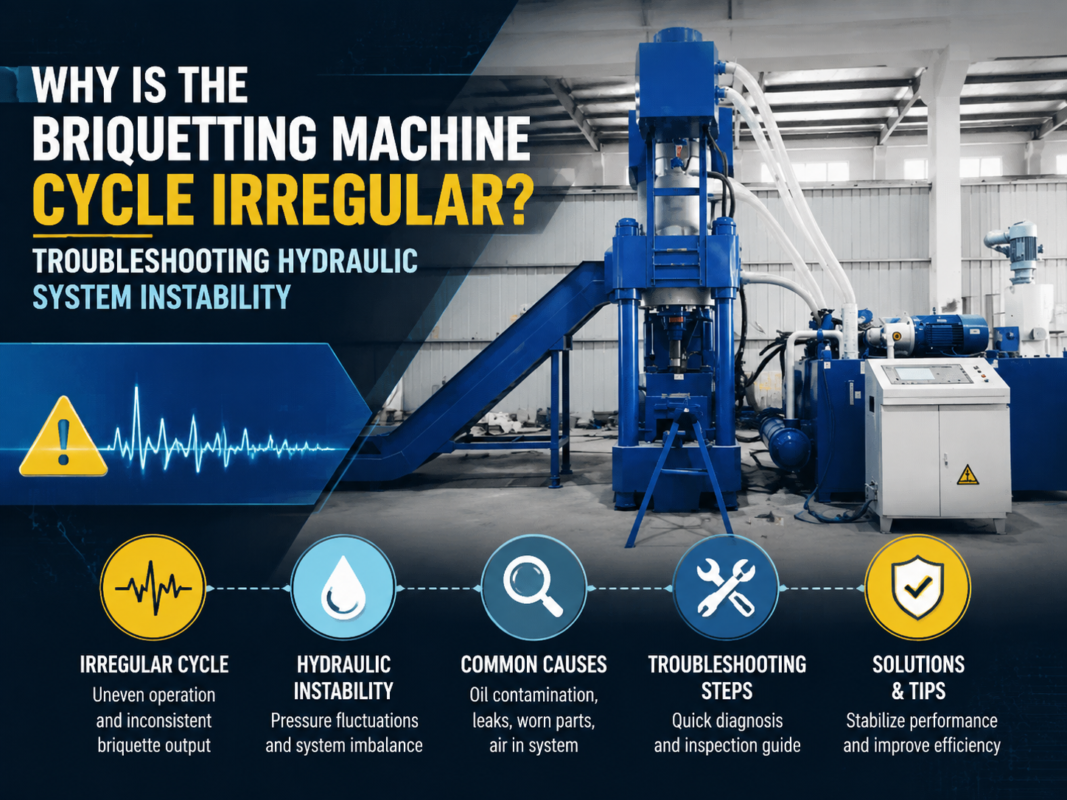
Operators should be trained to recognize the “symptoms” of a machine that is failing to keep hydraulic briquettes dense and stable through proper machine care. One of the most common signals is “spring-back.” If a briquette appears solid when ejected but expands or cracks within minutes, it usually indicates that the air was not fully purged during compression or that the dwell time was too short. This can often be traced back to a faulty valve or a setting error in the PLC.
Another signal is the presence of “soft spots” in the briquette. This is often caused by uneven feeding or a worn punch face that is not distributing pressure evenly. If the machine starts to run hotter than usual, it is a clear sign of hydraulic inefficiency, likely due to an aging pump or contaminated oil. By treating these signals as early warning signs rather than minor annoyances, maintenance teams can intervene before the machine produces a large volume of scrap-grade briquettes.
Maintenance Schedule Table
To assist in your maintenance efforts, use the following table as a baseline for your HARSLE hydraulic briquetting machine care routine.
| Frequency | Component | Action Required | Goal |
|---|---|---|---|
| Daily | Hydraulic Oil Level | Check and top up if necessary | Prevent pump cavitation |
| Daily | Machine Exterior | Clean dust and metal chips | Prevent contamination |
| Daily | Visual Leaks | Inspect hoses and fittings | Maintain system pressure |
| Weekly | Filters | Check indicators; replace if dirty | Ensure oil cleanliness |
| Weekly | Guide Rails | Clean and apply fresh grease | Smooth mechanical movement |
| Monthly | Electrical Cabinet | Vacuum dust; check connections | Prevent control failure |
| Monthly | Mold & Punch | Measure for wear and scoring | Ensure briquette dimensions |
| Quarterly | Hydraulic Oil | Laboratory analysis or replacement | Maintain viscosity and lubrication |
| Yearly | Main Cylinder | Inspect seals and rod condition | Prevent major pressure loss |
Optimizing Material Input for Better Stability
While machine care is paramount, the nature of the material being fed into the machine also plays a role in how well you can keep hydraulic briquettes dense and stable through proper machine care. For instance, if the metal chips are too wet with cutting fluids, the liquid can become trapped during compression, creating internal pressure that causes the briquette to burst upon ejection. A well-maintained machine should include a drainage system to allow these fluids to escape.
Furthermore, the size of the scrap particles matters. A mix of large and small particles usually results in a denser briquette because the smaller pieces fill the voids between the larger ones. If the material is too uniform and large, the machine has to work much harder to achieve the same density. Operators should ensure that the feeding system is delivering a consistent mix and that the machine’s “pre-compression” stage is functioning correctly to remove as much air as possible before the final high-pressure stroke.
Conclusion: The Path to Consistent Briquette Quality
Maintaining a hydraulic briquetting machine is a continuous process that requires attention to detail across hydraulic, mechanical, and electrical systems. By implementing the strategies discussed—ranging from daily visual inspections to rigorous oil analysis and mold measurements—you can effectively keep hydraulic briquettes dense and stable through proper machine care. This not only maximizes the value of your recycled metal but also protects your equipment from premature wear and costly repairs.
HARSLE remains committed to providing high-performance machinery, but the longevity and output quality of these machines are ultimately in the hands of the maintenance team. A well-cared-for machine is a profitable machine. By prioritizing the health of your hydraulic press, you ensure that every briquette produced is a testament to industrial efficiency and quality.
Frequently Asked Questions
1. Why are my briquettes falling apart even though the pressure gauge shows maximum?
This is often due to “dwell time” issues or air trapped in the material. If the pressure is applied and released too quickly, the material doesn’t have time to plastically deform and bond. Check your PLC settings for dwell time and ensure the material is not too loose or aerated before the main compression stroke.
2. How often should I change the hydraulic oil in my HARSLE briquetting machine?
Generally, hydraulic oil should be changed every 2,000 to 4,000 operating hours. However, this depends on the environment. In dusty or hot conditions, more frequent changes or at least quarterly oil analysis is recommended to ensure the oil hasn’t oxidized or become contaminated.
3. Can I briquette different types of metal on the same machine?
Yes, but you may need to adjust the pressure settings and the feeding mechanism. Aluminum, steel, and cast iron all have different compression ratios. To keep briquettes dense and stable, the machine must be calibrated for the specific material being processed at that time.
4. What is the most common cause of a sudden drop in briquette density?
The most common cause is a leak in the hydraulic system, either external (visible oil) or internal (a bypass in the cylinder or valve). Another frequent culprit is a worn mold that allows material to escape, preventing the full force from being applied to the briquette.
5. Does the temperature of the workspace affect briquette quality?
Yes. Extremely cold temperatures can make hydraulic oil too thick, causing sluggish performance, while extreme heat thins the oil, reducing the effective pressure. Maintaining a stable operating temperature for the hydraulic fluid (usually between 40°C and 55°C) is key to consistent density.
6. How do I know when the mold needs to be replaced?
You should replace the mold when you notice a significant increase in “flash” (excess material) around the edges of the briquette, or when the briquettes start to show variations in diameter or shape. Measuring the internal diameter of the die with a micrometer and comparing it to the original specs is the most accurate method.