Signs Your Hydraulic Briquetting Machine Needs Immediate Maintenance: A Comprehensive Guide


The Critical Importance of Maintenance for Hydraulic Briquetting Machines
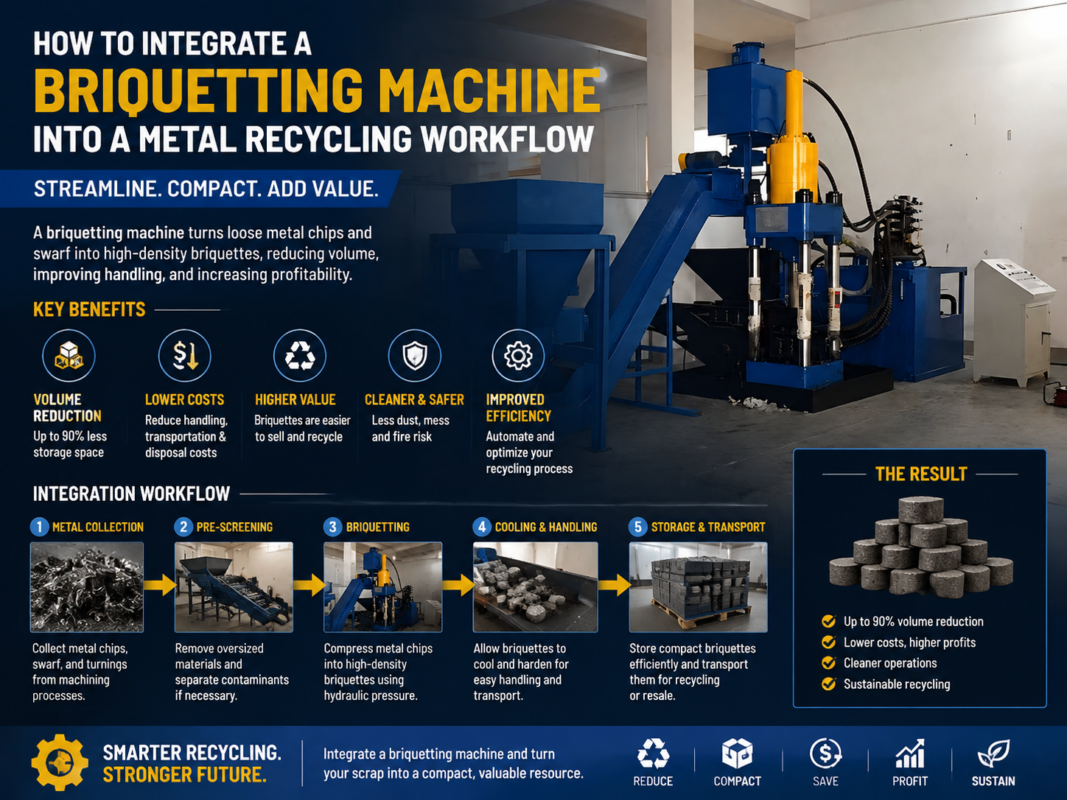
In the world of metal fabrication and scrap management, the hydraulic briquetting machine stands as a cornerstone of efficiency. By transforming loose metal shavings, chips, and turnings into dense, manageable briquettes, these machines significantly reduce storage space, lower transportation costs, and increase the melt value of the scrap. However, like any heavy-duty industrial equipment, the longevity and performance of a hydraulic briquetting machine depend entirely on a rigorous maintenance regimen. Recognizing the Signs Your Hydraulic Briquetting Machine Needs Immediate Maintenance is not just a matter of operational preference; it is a necessity for protecting your capital investment and ensuring workplace safety.
Neglecting maintenance leads to a domino effect of failures. What begins as a minor hydraulic leak can escalate into pump cavitation, overheating, and eventually, a complete system seizure. For high-volume facilities, even a single day of downtime can result in thousands of dollars in lost productivity and logistical bottlenecks. Furthermore, a poorly maintained machine poses significant risks to operators, as high-pressure hydraulic systems can be dangerous if seals or hoses fail catastrophically. Understanding the technical nuances of your machine allows you to move from reactive repairs to proactive optimization.
HARSLE designs its hydraulic briquetting machines with durability in mind, but the harsh environment of metal recycling—characterized by abrasive dust, varying material densities, and continuous operation—demands constant vigilance. This guide provides an in-depth look at the indicators that suggest your machine is struggling and requires professional intervention. By following these guidelines, you can ensure that your equipment operates at peak density and speed for years to come.
Daily Inspection: The First Line of Defense
The most effective way to identify the Signs Hydraulic Briquetting Machine Needs Immediate Maintenance is through a disciplined daily inspection routine. Before the shift begins, operators should perform a visual and auditory sweep of the machine. This initial check often reveals the earliest symptoms of wear that, if addressed immediately, prevent expensive repairs later. Daily inspections should focus on fluid levels, visible leaks, and the general cleanliness of the workspace around the machine.
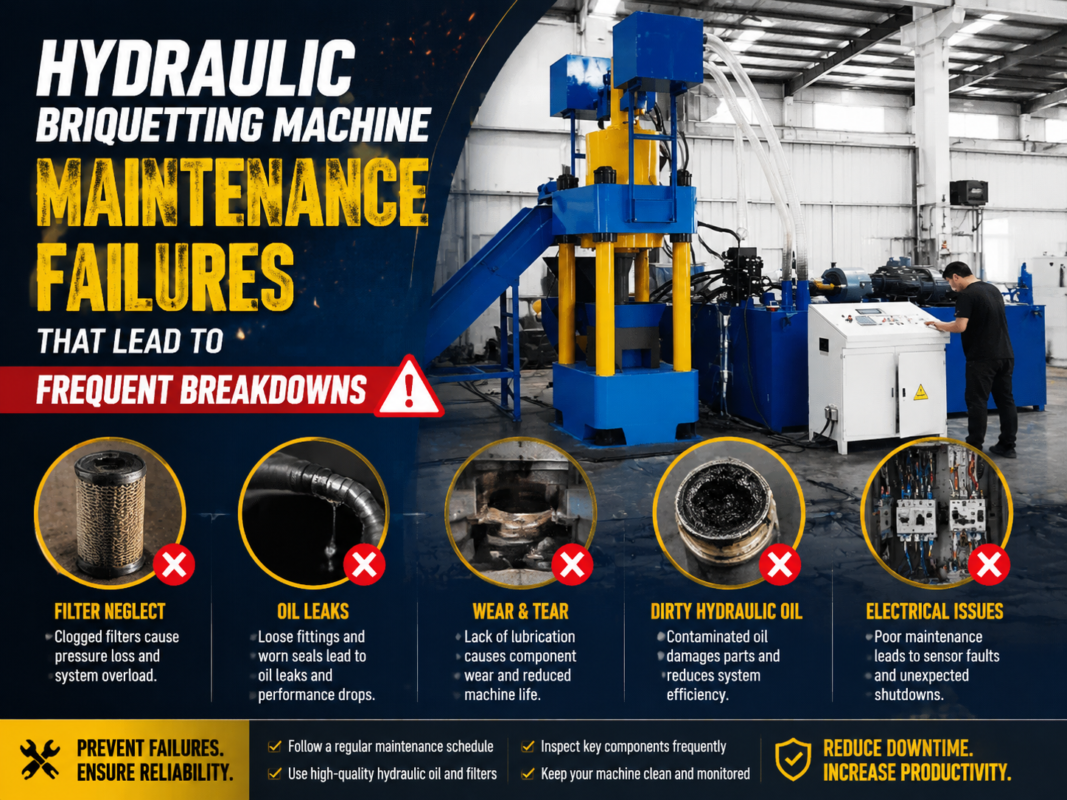
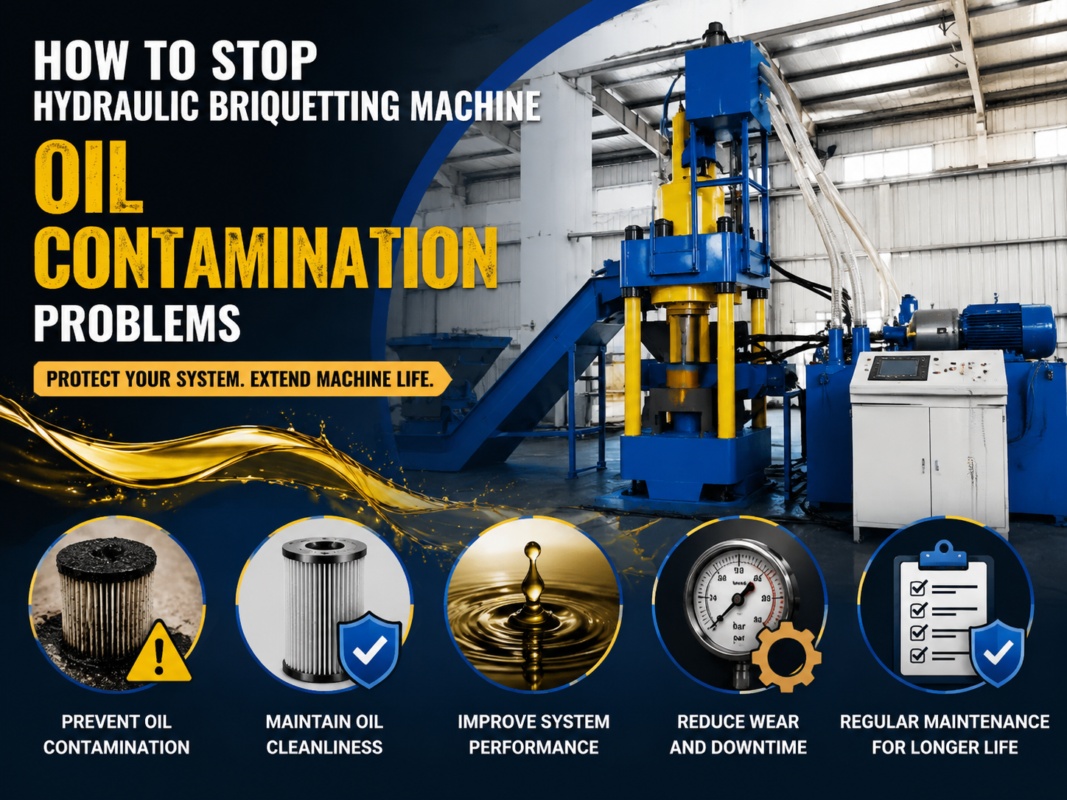
One of the primary daily checks is the hydraulic oil level and its appearance. Hydraulic oil should be clear and amber-colored. If the oil appears milky or cloudy, it indicates water contamination, which can lead to rust and reduced lubrication. If the oil is dark and smells burnt, it has likely oxidized due to excessive heat. Both conditions require an immediate oil change and a check of the cooling system. Additionally, look for ‘sweating’ on hydraulic hoses. While not a full leak yet, a sweating hose indicates that the inner lining is compromised and a burst is imminent.
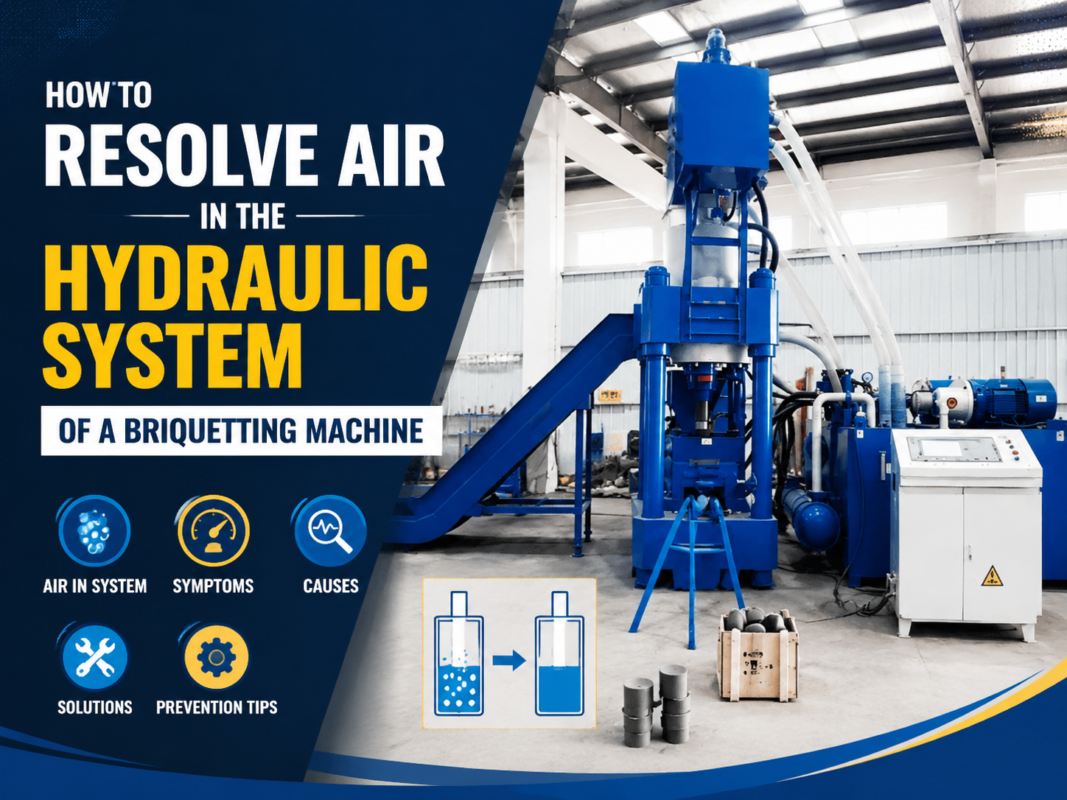
Cleanliness is equally vital. Metal dust and fine particles can accumulate around the piston rods and seals. If left unchecked, these abrasive particles act like sandpaper, grinding down the seals every time the cylinder cycles. A daily wipe-down of the piston rods and ensuring the scrap hopper is free of oversized debris or foreign objects (like stray tools) can prevent mechanical jams and seal failures. Listen for unusual sounds during the startup phase; a high-pitched whine often points to air entering the pump, a condition known as aeration.
Hydraulic System Checks: Pressure and Temperature
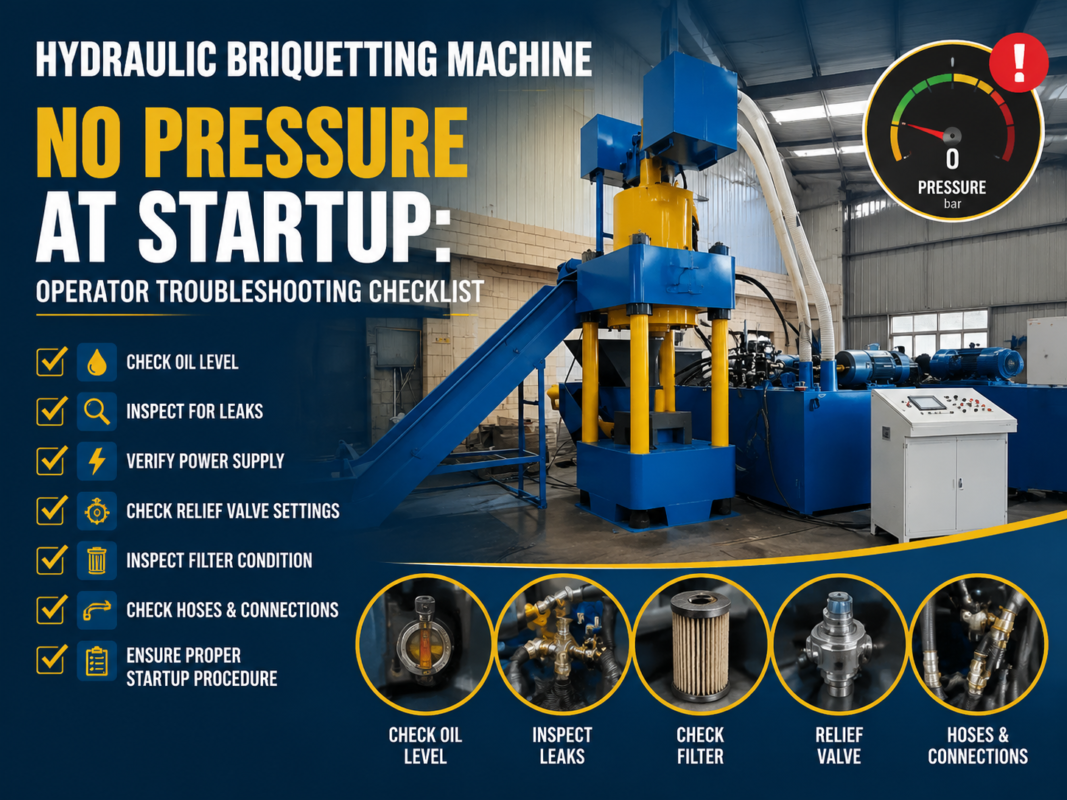
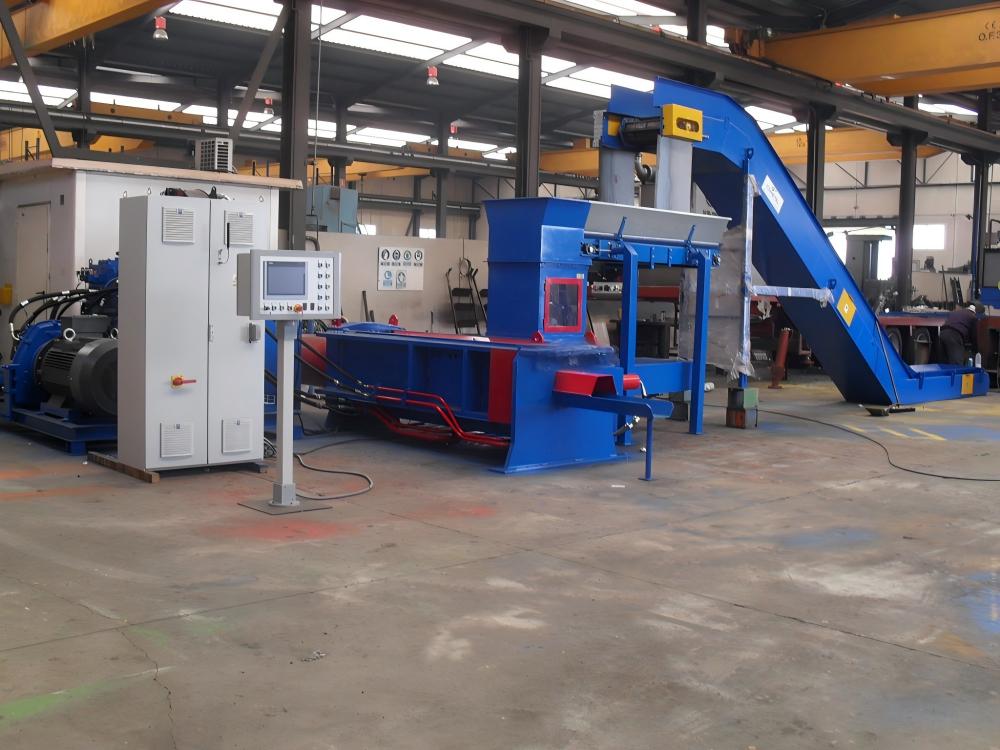
The hydraulic system is the heart of the briquetting machine. It provides the immense force required to compress metal scrap into solid blocks. When this system begins to fail, the signs are usually reflected in pressure fluctuations and temperature spikes. Monitoring the pressure gauge during a full cycle is essential. If the needle flickers or fails to reach the rated pressure, it suggests a problem with the relief valve, a worn-out pump, or internal leakage within the cylinders. Inconsistent pressure results in ‘soft’ briquettes that crumble easily, defeating the purpose of the machine.
Temperature management is another critical factor. Most hydraulic systems are designed to operate between 40°C and 55°C (104°F to 131°F). If the oil temperature exceeds 60°C (140°F), the viscosity drops, leading to increased friction and accelerated wear on all internal components. Overheating is often caused by a clogged oil cooler, a failing cooling fan, or a pump that is working too hard to compensate for internal leaks. If the machine’s frame feels excessively hot to the touch, it is a clear sign that the cooling system needs immediate attention.
Furthermore, check the condition of the hydraulic cylinders. Look for uneven movement or ‘stuttering’ during the stroke. This is often caused by air trapped in the lines or a misaligned cylinder rod. If the cylinder does not retract fully or takes longer than usual, the internal seals may be bypassing oil. Addressing these hydraulic issues promptly ensures that the machine maintains its cycle time and energy efficiency, reducing the overall cost per briquette produced.
Electrical and Control System Integrity
Modern hydraulic briquetting machines rely heavily on sophisticated electrical components and PLC (Programmable Logic Controller) systems to manage the complex sequence of feeding, pressing, and ejecting. Electrical failures can be subtle but are often preceded by specific warning signs. One of the most common indicators of electrical distress is the frequent tripping of circuit breakers or blowing of fuses. This suggests an overload condition, possibly due to a motor struggling against mechanical resistance or a short circuit in the wiring.
Inspect the control cabinet regularly. It should be dust-tight and cool. If you notice a buildup of metal dust inside the cabinet, it can cause ‘tracking’ or short circuits between terminals. Check for loose connections caused by machine vibration; a loose wire on a sensor can cause the machine to stop mid-cycle or fail to initiate the next step. Sensors, such as proximity switches and pressure transducers, are the ‘eyes’ of the machine. If the machine is producing inconsistent briquette lengths, it may be due to a faulty or misaligned sensor that is miscalculating the piston position.
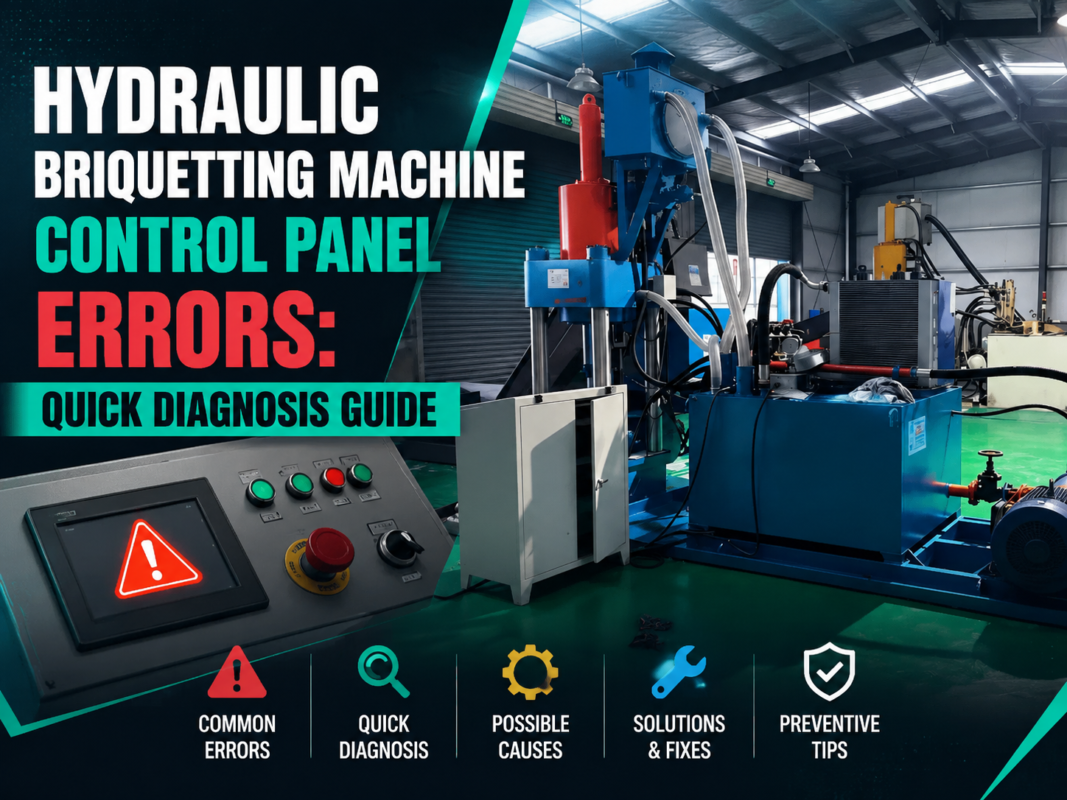
The electric motor also requires attention. Listen for a low humming sound when the motor is supposed to be running; this could indicate a phase loss or a seized bearing. Ensure the motor’s cooling fan is clear of debris. An overheated motor will eventually burn out its windings, leading to a very costly replacement. If the PLC displays error codes, do not simply reset them and continue. Consult the manual or HARSLE technical support to understand the root cause of the fault code, as it is often an early warning of a larger systemic issue.
Mechanical Components and Wear Parts
The mechanical structure of a briquetting machine bears the brunt of the physical force. The most critical wear parts are the molds (dies) and the punches. Over time, the abrasive nature of metal scrap will erode the inner surfaces of the mold. Signs of wear include briquettes that are difficult to eject, briquettes with irregular shapes, or visible scoring on the surface of the finished product. If the clearance between the punch and the mold becomes too large, ‘flashing’ (excess material squeezed out of the gaps) will occur, which can jam the ejection mechanism.
The feeding system, whether it is a screw conveyor or a vibrating hopper, must also be inspected. If the machine is not receiving a consistent volume of material, the briquettes will vary in density and size. Look for wear on the screw flights or any signs of metal fatigue in the hopper walls. Vibrations are a major enemy of mechanical integrity. Check all mounting bolts, especially those securing the main cylinder and the mold assembly. Loose bolts can lead to misalignment, which puts lateral stress on the piston rods, eventually causing them to bend or snap.
Structural integrity is also paramount. Inspect the main frame for any hairline cracks, particularly around the weld joints. The repetitive high-pressure cycles can cause fatigue in the steel over many years. While HARSLE machines are built with high-safety-factor steel, extreme environments or operating beyond the machine’s rated capacity can accelerate fatigue. Early detection of structural issues through visual inspection can allow for reinforcement before a catastrophic failure occurs.
Lubrication Plan: The Key to Longevity
Lubrication is often the most overlooked aspect of industrial maintenance, yet it is the simplest way to prevent premature wear. A hydraulic briquetting machine has several moving parts that are not lubricated by the hydraulic oil itself. These include the pivot points of the hopper, the bearings of the feeding screw, and the sliding guides of the ejection ram. A lack of lubrication in these areas leads to increased friction, heat, and eventual seizing of the components.
A proper lubrication plan should specify the type of grease or oil required for each point, the frequency of application, and the quantity. For example, high-load bearings may require a lithium-based grease with extreme pressure (EP) additives. Over-lubrication can be just as damaging as under-lubrication, as excess grease can attract metal dust, creating a grinding paste that accelerates wear. Automated lubrication systems, available on many HARSLE models, should be checked to ensure the reservoir is full and the delivery lines are not blocked.
Consistency is the hallmark of a good lubrication strategy. Whether it is a weekly manual greasing or a daily check of an automated system, sticking to the schedule is vital. If you hear squeaking or grinding noises during the mechanical movements of the machine, it is a sign that the lubrication has already failed and metal-on-metal contact is occurring. Immediate cleaning and re-lubrication are required to prevent permanent damage to the bushings and shafts.
Troubleshooting Signals: What Your Machine is Telling You
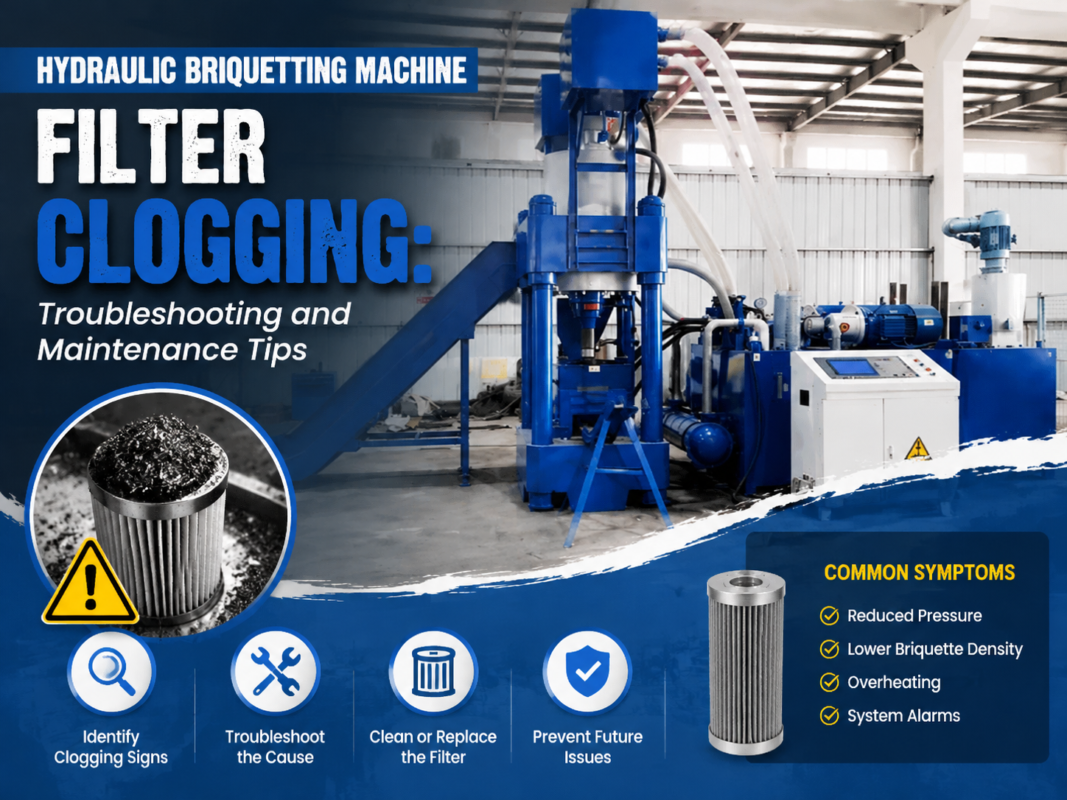
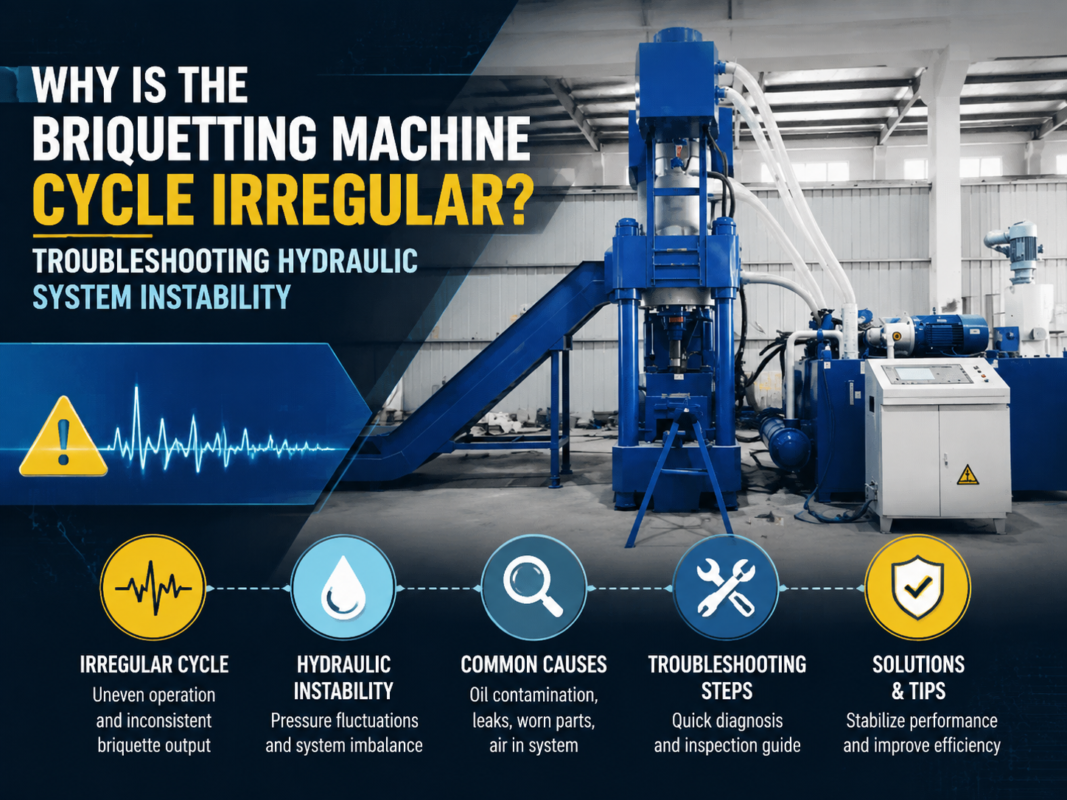
Recognizing the Signs Hydraulic Briquetting Machine Needs Immediate Maintenance requires an intuitive understanding of the machine’s ‘normal’ state. When the machine deviates from this state, it is communicating a problem. One of the most obvious signals is a change in cycle time. If a machine that usually produces a briquette every 20 seconds starts taking 30 seconds, there is a loss of efficiency. This could be due to a worn pump, a leaking valve, or a clogged suction filter restricting oil flow.
Another signal is the quality of the briquette. A high-quality briquette should be dense, uniform, and able to withstand being dropped without shattering. If the briquettes are becoming ‘spongy’ or layered, it indicates that the air is not being properly evacuated during compression or that the pressure is insufficient. This can often be traced back to the hydraulic relief valve settings or a failure in the pre-compression stage of the cycle.
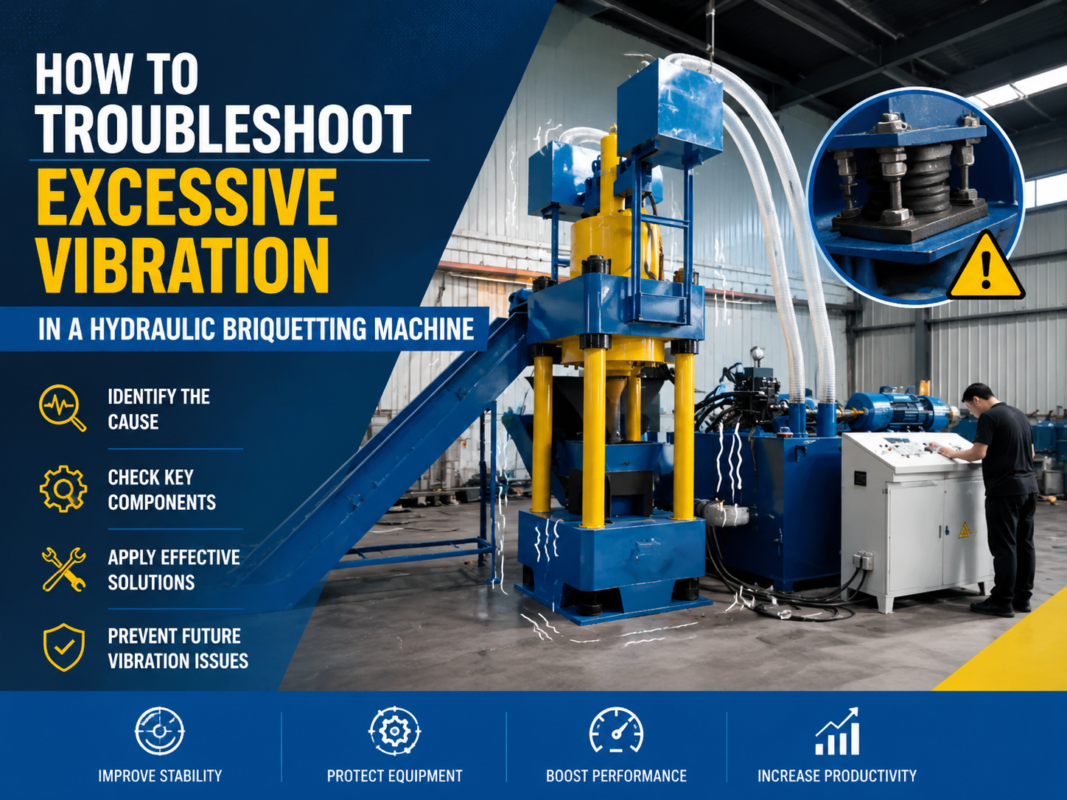
Unusual vibrations are a red flag. While some vibration is normal, excessive shaking can indicate cavitation in the pump, which sounds like marbles rattling inside the casing. Cavitation occurs when the pump cannot get enough oil, causing vacuum bubbles to form and implode with violent force. This will destroy a hydraulic pump in a matter of hours. If you notice the machine ‘jumping’ or vibrating more than usual, shut it down immediately and check the suction filters and oil levels.
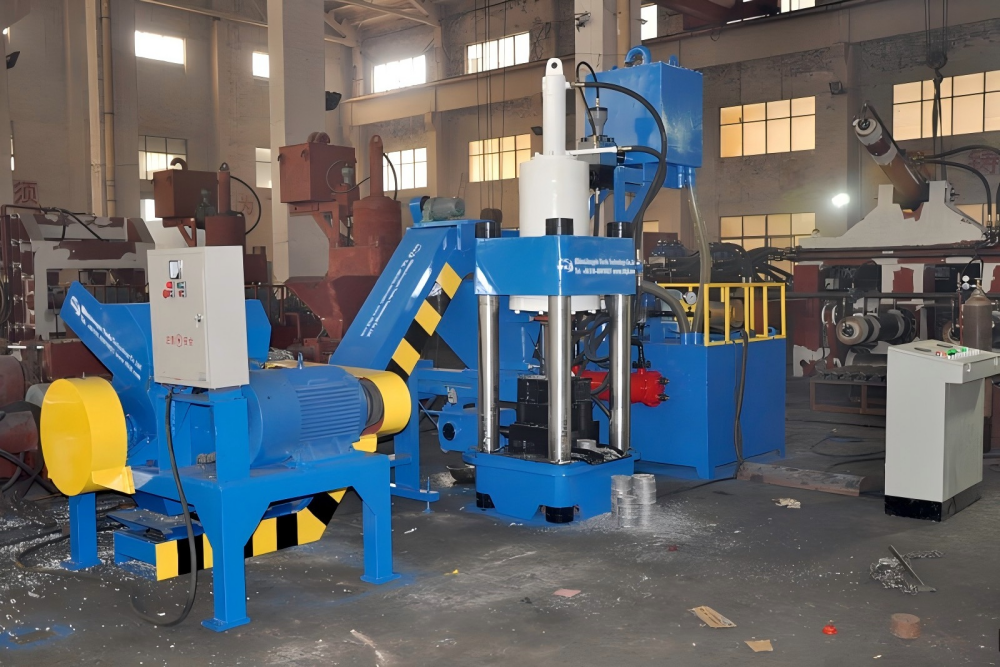
Comprehensive Maintenance Schedule Table
To keep your HARSLE hydraulic briquetting machine in top condition, follow this structured maintenance schedule. This table serves as a baseline for most industrial scrap processing environments.
| Frequency | Component | Action Required |
|---|---|---|
| Daily | Hydraulic Oil | Check level and color; ensure no foaming or cloudiness. |
| Daily | Piston Rods | Wipe clean of dust and debris; check for scoring. |
| Daily | Hoses & Fittings | Inspect for leaks, ‘sweating’, or abrasions. |
| Weekly | Oil Cooler | Clean cooling fins; check fan operation. |
| Weekly | Grease Points | Lubricate all manual grease nipples (bearings, pivots). |
| Weekly | Fasteners | Check and tighten main frame and cylinder bolts. |
| Monthly | Filters | Replace return line filter; inspect suction strainer. |
| Monthly | Electrical Cabinet | Vacuum out dust; check for loose terminal connections. |
| Quarterly | Hydraulic Pump | Check for unusual noise/vibration; verify flow rate. |
| Quarterly | Molds & Punches | Measure wear clearances; inspect for cracks or scoring. |
| Annually | Hydraulic Oil | Perform full oil change and tank cleaning. |
| Annually | System Calibration | Verify pressure transducer accuracy and PLC timings. |
Frequently Asked Questions (FAQ)
1. Why is my hydraulic briquetting machine losing pressure?
Pressure loss is typically caused by three main factors: a worn-out hydraulic pump that can no longer maintain flow, a malfunctioning relief valve that is bypassing oil too early, or internal seal leakage within the main compression cylinder. Start by checking the relief valve settings and inspecting the oil for signs of aeration.
2. How often should I change the hydraulic oil?
For most industrial applications, the hydraulic oil should be changed every 2,000 to 4,000 operating hours, or at least once a year. However, if the oil becomes contaminated with water or overheats, it must be changed immediately regardless of the hours used. Regular oil analysis can help determine the exact timing for your specific environment.
3. What causes the briquettes to come out soft or crumbly?
Soft briquettes are usually the result of insufficient pressure or inconsistent material feeding. If the pressure is correct, check the moisture content and particle size of the scrap metal. Very dry or very large chips may require a binding agent or a different compression setting to form a solid briquette. Also, check for worn molds that allow material to escape during compression.
4. Is it normal for the hydraulic system to be loud?
No, excessive noise is usually a sign of a problem. A high-pitched whine often indicates pump cavitation or aeration (air in the oil). A grinding noise suggests bearing failure in the motor or pump. A rhythmic banging could indicate a loose mechanical component or a hydraulic shock issue. Any new or loud noise should be investigated immediately.
5. Can I use any type of hydraulic oil in my HARSLE machine?
It is critical to use the oil viscosity and type recommended in your HARSLE user manual (typically ISO VG 46 or 68 anti-wear hydraulic oil). Using the wrong oil can lead to poor lubrication at high temperatures or excessive thickness at startup, both of which can damage the pump and valves.
6. How do I prevent the machine from overheating?
Ensure the oil cooler is clean and has adequate airflow. Check that the cooling fan is functioning and that the hydraulic oil is at the correct level. Additionally, ensure the machine is not being operated beyond its rated cycle speed, as this generates excess heat that the cooling system may not be able to dissipate.
Conclusion: Proactive Care for Maximum ROI
Recognizing the Signs Your Hydraulic Briquetting Machine Needs Immediate Maintenance is the hallmark of a professional operation. By paying close attention to the hydraulic, electrical, and mechanical signals your machine provides, you can avoid the catastrophic failures that lead to expensive downtime and safety hazards. A well-maintained HARSLE briquetting machine is not just a tool; it is a high-performance asset that contributes directly to your facility’s bottom line by turning waste into wealth.
Implementing the daily checks and the comprehensive maintenance schedule outlined in this guide will ensure your equipment remains reliable for years. Remember, the cost of preventative maintenance is always a fraction of the cost of emergency repairs. Stay vigilant, keep your machine clean and lubricated, and always address minor issues before they become major problems. For specific technical support or replacement parts, always consult with HARSLE experts to ensure the continued integrity of your metal fabrication machinery.