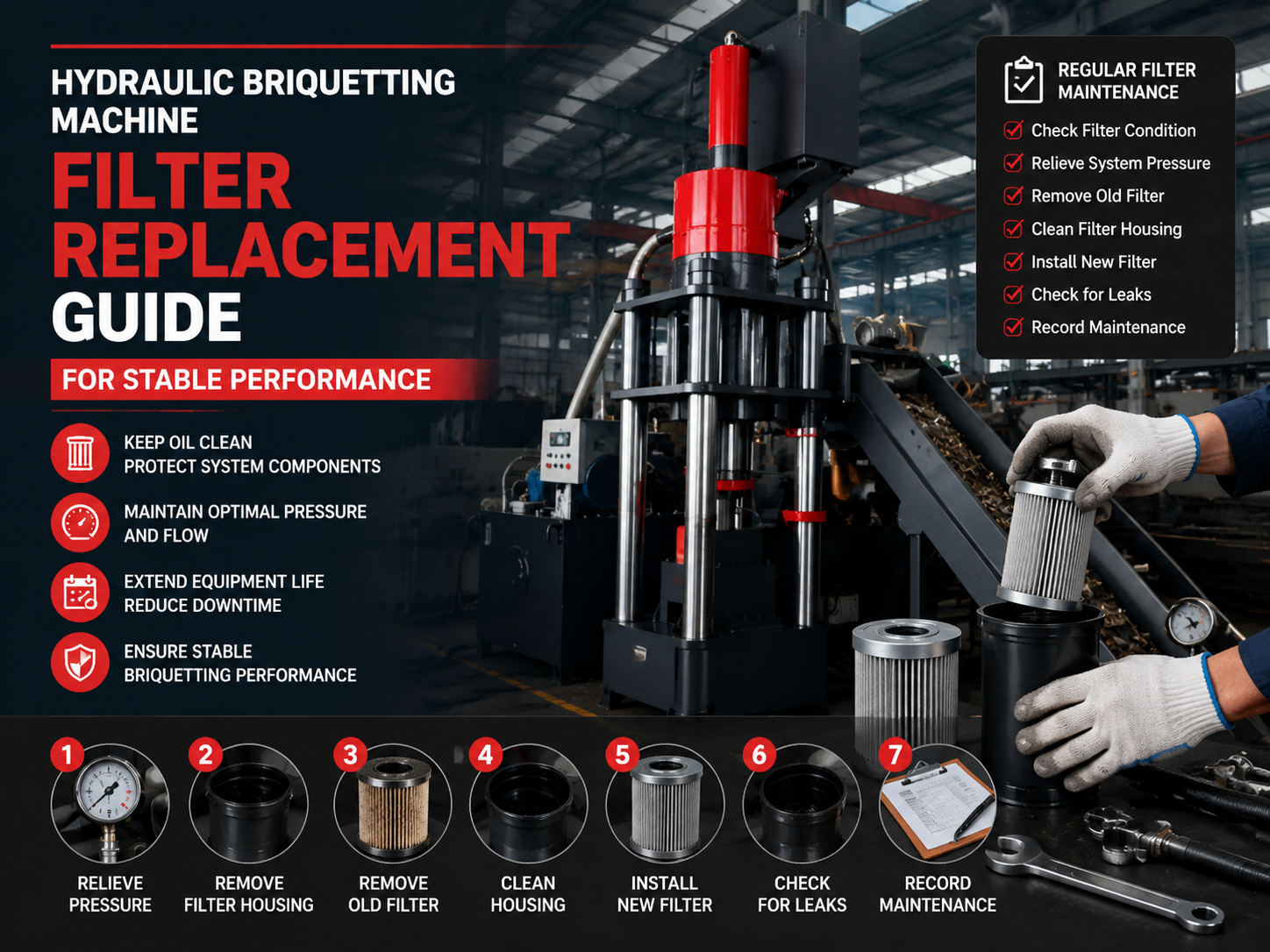
Hydraulic Briquetting Machine Filter Replacement Guide for Stable Performance

The Critical Role of Maintenance in Hydraulic Briquetting Operations
In the world of metal recycling and waste management, the hydraulic briquetting machine stands as a cornerstone of efficiency. By compressing loose metal chips, turnings, and swarf into dense, manageable blocks, these machines significantly reduce storage space and increase the melt value of the material. However, the immense pressure required to achieve this density places significant stress on the machine’s internal components. This is why understanding the Hydraulic Briquetting Machine Filter Replacement Guide for Stable Performance is not just a recommendation—it is a necessity for any industrial facility aiming for long-term operational success.
Maintenance is the proactive shield against unplanned downtime. When a briquetting machine fails, the entire production line often grinds to a halt, leading to accumulated scrap and lost revenue. A well-maintained machine operates with higher precision, consumes less energy, and ensures the safety of the operators. The hydraulic system, being the heart of the machine, is particularly sensitive to contamination. Even microscopic particles can cause catastrophic failure in high-pressure pumps and valves, making the filtration system the most vital line of defense.
Investing time in a structured maintenance routine allows for the early detection of wear and tear. By identifying a failing seal or a clogged filter before it causes a system-wide breakdown, maintenance teams can schedule repairs during planned outages rather than reacting to emergencies. This strategic approach to Hydraulic Briquetting Machine Filter Replacement Stable Performance ensures that the equipment remains a reliable asset for years, rather than a liability that requires constant attention and expensive replacement parts.
Furthermore, consistent maintenance preserves the resale value of the machinery. In the secondary market, a HARSLE briquetting machine with a documented service history and clean hydraulic components commands a much higher price. Beyond the financial aspects, a clean and well-oiled machine reflects a culture of excellence within the workshop, promoting better handling by operators and a safer working environment for everyone involved in the metal fabrication process.
Daily Inspection: The First Line of Defense
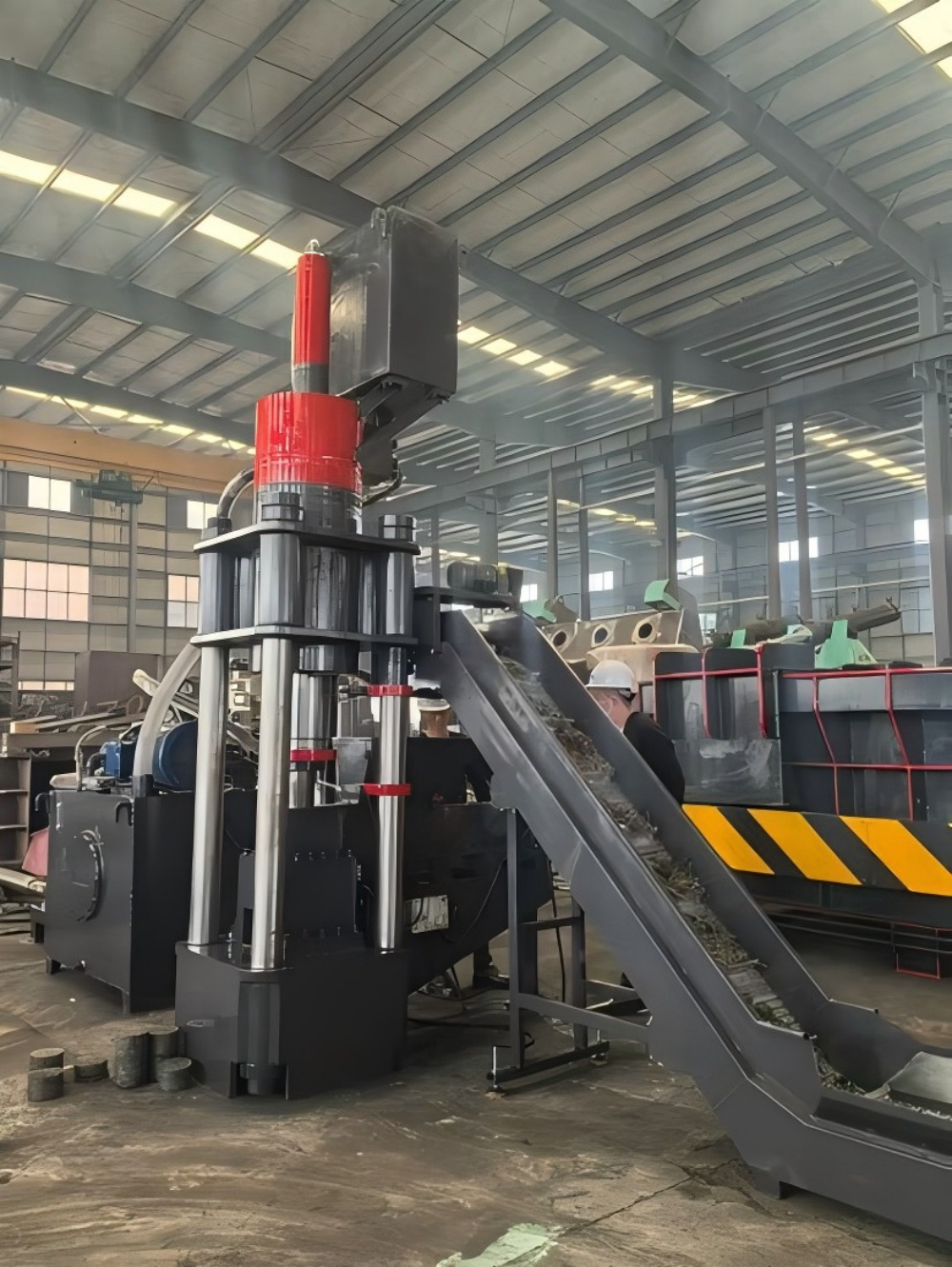
The daily inspection routine is the most effective way to ensure Hydraulic Briquetting Machine Filter Replacement Stable Performance. It requires no specialized tools—only a keen eye and a disciplined approach. Before the shift begins, operators should perform a visual walkthrough of the machine. This includes checking for any visible oil leaks around the hydraulic cylinders, hose connections, and the main pump assembly. Even a small drip can indicate a loose fitting or a degrading seal that could lead to a major leak under high pressure.
Monitoring the oil level and quality is another critical daily task. Most HARSLE machines are equipped with a sight glass on the hydraulic reservoir. The oil should be at the correct level and appear clear and amber-colored. If the oil looks milky, it indicates water contamination; if it looks dark or smells burnt, it suggests overheating or oxidation. In such cases, a simple filter change might not be enough, and a full oil analysis or flush may be required to restore stable performance.
Noise and vibration are the machine’s way of communicating its health. During the initial startup, operators should listen for unusual sounds. A high-pitched whining or screaming noise often points to pump cavitation, which is frequently caused by a clogged suction filter or an air leak in the intake line. Excessive vibration in the hydraulic lines can indicate pressure fluctuations or loose mounting brackets. Addressing these symptoms immediately prevents the “domino effect” where one small vibration leads to the loosening of multiple components over time.
Finally, the daily check should include the cleanliness of the machine’s exterior. Metal dust and debris can accumulate on the cooling fins of the motor and the heat exchanger, leading to overheating. By keeping the machine clean, you ensure that the cooling system can operate at peak efficiency, which in turn protects the hydraulic oil from thermal degradation. A clean machine is also easier to inspect, as leaks and cracks become immediately visible against a clean surface.
Comprehensive Hydraulic, Electrical, and Mechanical Checks
Hydraulic System Integrity
The hydraulic system is the core of the briquetting process. Beyond the filters, it is essential to check the pressure settings regularly. Using the built-in pressure gauges, verify that the machine is reaching its rated tonnage without exceeding it. Over-pressurization can strain the pump and lead to premature hose failure, while under-pressurization results in loose, low-quality briquettes. The Hydraulic Briquetting Machine Filter Replacement Guide for Stable Performance emphasizes that a clean filter is useless if the relief valves are improperly calibrated.
Hoses and fittings must be inspected for “weeping” or bulging. Hydraulic hoses have a finite lifespan, and the constant pulsing of high-pressure fluid eventually weakens the internal reinforcement. If a hose feels brittle or shows signs of cracking in the outer jacket, it should be replaced immediately. It is also vital to ensure that all hydraulic cylinders are moving smoothly. Any jerky motion or “stick-slip” behavior suggests air in the system or internal seal bypass, both of which compromise the stability of the briquetting cycle.
Electrical System and Control Logic
Modern briquetting machines rely heavily on PLC (Programmable Logic Controller) systems and sensors to manage the complex sequence of compression and ejection. Electrical checks should begin with the control cabinet. Ensure that all wiring is secure and that there are no signs of overheating on the contactors or relays. Dust is a major enemy of electrical components; using compressed air to gently clean the cabinet can prevent short circuits and erratic behavior in the sensors.
Sensors, such as limit switches and pressure transducers, must be checked for alignment and functionality. If a proximity sensor is covered in metal shavings, it may fail to trigger, causing the machine to stall or crash the ram into the die. Regularly wiping down these sensors and ensuring their mounting brackets are tight is a simple yet effective way to maintain the machine’s logic flow. Additionally, check the emergency stop buttons and safety interlocks to ensure they are fully operational, as these are critical for operator safety.
Mechanical Structure and Die Wear
The mechanical components, including the ram, the die, and the frame, bear the physical brunt of the briquetting force. Inspect the ram for any scoring or scratches, which can damage the cylinder seals. The die and punches are wear items; as they process thousands of tons of metal, the tolerances will naturally widen. If the briquettes start to show excessive flashing or become difficult to eject, it is likely time to rotate or replace the die inserts. Maintaining tight tolerances in the mechanical assembly is essential for producing consistent briquettes and reducing the load on the hydraulic system.
The Essential Lubrication Plan
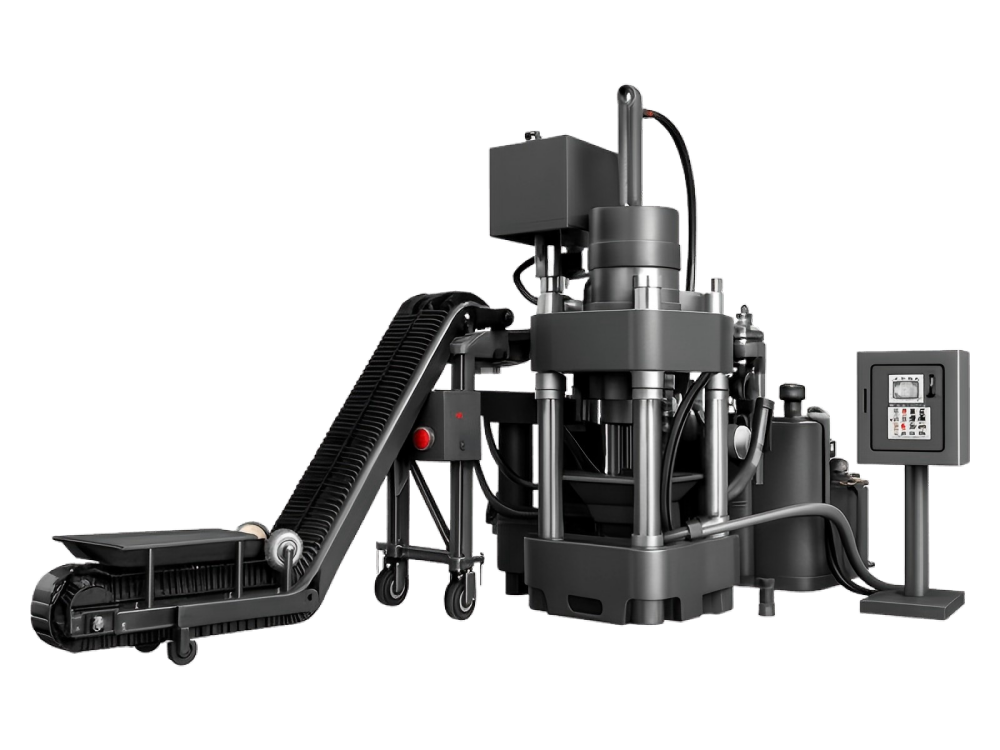
Lubrication is the lifeblood of mechanical movement. In a hydraulic briquetting machine, lubrication serves two primary purposes: reducing friction between moving parts and protecting surfaces from corrosion. A comprehensive lubrication plan should categorize points into those requiring grease and those requiring oil. The main ram guides and pivot points usually require high-pressure grease, which should be applied according to the manufacturer’s schedule—often every 8 to 40 hours of operation depending on the intensity of use.
Choosing the right lubricant is just as important as the frequency of application. Using a generic grease where a high-moly or extreme-pressure (EP) lubricant is specified can lead to rapid wear of the bushings. For the hydraulic system itself, the oil must meet specific viscosity and anti-wear (AW) standards. As part of the Hydraulic Briquetting Machine Filter Replacement Guide for Stable Performance, it is recommended to use high-quality ISO VG 46 or 68 hydraulic oil, depending on the ambient temperature of your facility.
Automatic lubrication systems, if equipped, should be monitored to ensure they are actually delivering grease to the intended points. It is a common mistake to assume the auto-lube is working just because the reservoir is full. Blocked lines or failed pumps in the lubrication circuit can leave critical bearings dry while the operator remains unaware. Manually verifying that a small amount of fresh grease is exiting the bearing seals is the only way to be certain the system is functioning correctly.
Finally, remember that lubrication and filtration go hand-in-hand. Contaminated grease acts like a grinding paste, accelerating wear rather than preventing it. Always wipe grease fittings clean before attaching the grease gun to prevent pushing dirt into the bearing. Similarly, keeping the hydraulic oil clean through regular filter replacements ensures that the internal lubrication of the pump and valves remains effective, preventing the internal metal-to-metal contact that leads to catastrophic failure.
Troubleshooting Signals: Identifying Issues Early
Recognizing the early warning signs of machine distress can save thousands of dollars in repairs. One of the most common signals is a change in the cycle time. If the machine takes longer to compress a briquette than it did a month ago, it usually indicates a loss of hydraulic efficiency. This could be due to a clogged filter restricting flow, a worn pump, or internal leaking in the control valves. By monitoring cycle times, you can catch the gradual decline in Hydraulic Briquetting Machine Filter Replacement Stable Performance before it leads to a total stop.
Temperature spikes are another major red flag. Most hydraulic systems are designed to operate between 40°C and 55°C (104°F to 131°F). If the oil temperature exceeds 60°C, the viscosity drops, leading to poor lubrication and damage to seals. Overheating is often caused by a dirty heat exchanger, a failing cooling fan, or a pump that is working too hard due to a clogged suction filter. Installing a temperature alarm or regularly checking the oil cooler with an infrared thermometer is a wise investment for any high-volume operation.
Erratic pressure readings or “hunting” (where the pressure gauge needle bounces) often point to air in the hydraulic circuit or a failing pressure regulator. Air can enter the system through a loose suction line or a low oil level in the reservoir. This air causes “spongy” operation and can lead to cavitation, which physically pits the internal surfaces of the pump. If you see foam in the oil sight glass, stop the machine immediately and locate the source of the air ingress.
Lastly, pay attention to the quality of the briquettes themselves. If they are crumbling, uneven, or varying in size, it may not be a hydraulic issue at all, but rather a problem with the material feed system or the moisture content of the scrap. However, if the material is consistent but the briquettes are not, it indicates that the machine is not maintaining consistent pressure, likely due to a combination of filter issues and valve wear. Troubleshooting should always follow a logical path: check the easiest things first (filters and oil) before moving to complex components like pumps and PLCs.
Maintenance Schedule Table
To achieve Hydraulic Briquetting Machine Filter Replacement Stable Performance, follow this structured maintenance schedule. Note that these intervals are based on standard 8-hour shifts; for multi-shift operations, frequency should be increased accordingly.
| Frequency | Component | Action Required |
|---|---|---|
| Daily | Hydraulic Oil Level | Check sight glass; top up if necessary with clean oil. |
| Daily | Hoses & Fittings | Visual inspection for leaks, cracks, or abrasions. |
| Daily | Sensors & Switches | Clean off metal dust and verify alignment. |
| Weekly | Main Ram Guides | Apply high-pressure grease to all lubrication points. |
| Weekly | Filter Indicators | Check the differential pressure gauges on the filters. |
| Monthly | Hydraulic Filters | Replace return line filters (or as indicated by gauge). |
| Monthly | Electrical Cabinet | Vacuum/blow out dust; check for loose connections. |
| Quarterly | Oil Analysis | Send a sample to a lab to check for contamination and additives. |
| Quarterly | Heat Exchanger | Clean cooling fins and check fan operation. |
| Annually | Hydraulic Oil | Complete oil change and reservoir tank cleaning. |
| Annually | Suction Strainer | Clean or replace the internal suction filter inside the tank. |
Frequently Asked Questions (FAQ)
1. How often should I really change the hydraulic filters?
While the table suggests monthly checks, the best practice is to follow the filter’s differential pressure indicator. In a clean environment, a filter might last three months, but in a dusty metal shop, it might clog in three weeks. Always change the filter immediately if the indicator enters the “red” zone, as a bypassed filter allows contaminants to circulate freely through the expensive pump and valves.
2. Can I clean and reuse hydraulic filters?
Most modern high-efficiency filters are made of synthetic micro-glass media and are designed to be disposable. Attempting to clean them with compressed air or solvent usually damages the delicate fibers, reducing their filtration efficiency or allowing large particles to pass through. The only exception is stainless steel mesh suction strainers, which can sometimes be cleaned, but even then, replacement is generally safer and more cost-effective.
3. Why is my briquetting machine running hot?
Overheating is usually caused by one of three things: a clogged oil cooler (heat exchanger), a worn-out pump that is generating excessive internal friction, or a relief valve that is stuck open, causing the oil to constantly circulate at high pressure. Check the cleanliness of the cooler first, then the filters, as restricted flow is a common cause of heat buildup.
4. What type of hydraulic oil is best for HARSLE machines?
We generally recommend a high-quality anti-wear (AW) hydraulic oil with an ISO viscosity grade of 46 for temperate climates and 68 for hotter environments. Always ensure the oil is filtered through a 10-micron cart before adding it to the reservoir, as “new” oil from a drum is often not clean enough for high-pressure hydraulic systems.
5. The machine is making a loud banging noise during the compression stroke. What’s wrong?
A loud banging or “water hammer” effect is often caused by air trapped in the cylinders or a loose mechanical component. Check the mounting bolts of the main cylinder and the die holder. If the mechanicals are tight, you may need to bleed the air from the system using the bleed valves located at the highest point of the hydraulic circuit.
6. How do I know if my pump is failing?
The primary signs of pump failure are increased noise (whining), increased oil temperature, and a significant drop in cycle speed or pressure. If you replace the filters and the symptoms persist, an internal inspection of the pump by a qualified technician is necessary. Catching a pump failure early can prevent metal shards from the failing pump from contaminating the entire hydraulic circuit.
By following this Hydraulic Briquetting Machine Filter Replacement Guide for Stable Performance, you ensure that your HARSLE equipment remains a productive and profitable part of your facility. Regular maintenance is not a cost; it is an investment in the reliability and longevity of your industrial assets.