Best Applications for Hydraulic Briquetting Machines in Machine Shops: A Comprehensive Guide

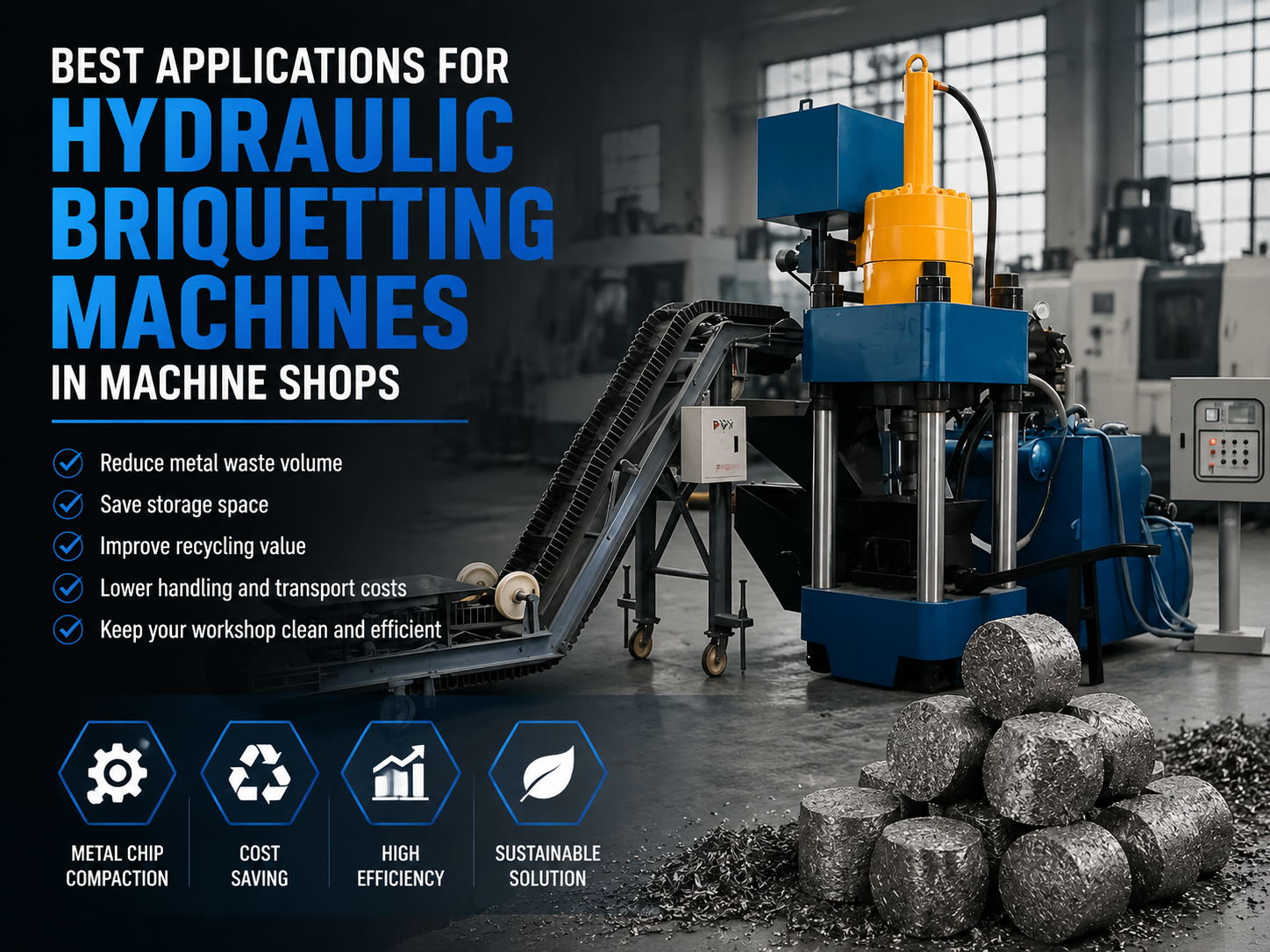
Introduction to Hydraulic Briquetting in Modern Metalworking
In the fast-paced world of modern metal fabrication and CNC machining, the management of waste material is often an overlooked aspect of operational efficiency. As machine shops strive for higher precision and faster throughput, they simultaneously generate vast quantities of metal chips, turnings, and swarf. Traditionally, this waste was treated as a low-value byproduct, often stored in bulky bins that leaked residual coolants and occupied valuable floor space. However, the introduction of the hydraulic briquetting machine has revolutionized how professional machine shops handle their scrap metal. By compressing loose metal shavings into dense, high-quality briquettes, these machines transform a logistical headache into a streamlined revenue stream.
The Best Applications Hydraulic Briquetting Machines In Machine Shops revolve around the principles of volume reduction, environmental sustainability, and resource recovery. A hydraulic briquetting machine uses immense pressure to squeeze the air and fluids out of metal waste, creating solid blocks that are easy to transport, melt, and sell. For a machine shop, this means cleaner floors, reduced disposal costs, and a significant increase in the market value of their scrap. HARSLE, a leader in industrial machinery, provides advanced briquetting solutions designed to integrate seamlessly into various manufacturing environments, ensuring that every ounce of raw material is utilized to its maximum potential.
Understanding where and how to apply this technology is crucial for shop owners looking to optimize their ROI. Whether you are dealing with aluminum, steel, cast iron, or exotic alloys like titanium, the application of hydraulic briquetting can drastically alter your bottom line. This guide explores the most effective ways to implement these machines, the technical nuances of their operation, and the strategic advantages they offer to the modern industrial landscape.
Key Considerations for Implementing Briquetting Technology
Before integrating a hydraulic briquetting machine into a production line, several key factors must be evaluated to ensure the equipment meets the specific needs of the facility. The first consideration is the volume of scrap generated. Small shops producing only a few kilograms of chips per day may not see the same immediate benefits as high-volume facilities. However, for shops operating multiple CNC centers, the accumulation of swarf can quickly become unmanageable. Calculating the daily and monthly scrap output is the first step in determining the required capacity of the briquetting unit.
Another critical factor is the type of material being processed. Different metals have different compression characteristics. For instance, aluminum is highly ductile and compresses easily into dense briquettes, whereas cast iron chips are more brittle and require specific pressure settings to prevent the briquettes from crumbling. The Best Applications Hydraulic Briquetting Machines In Machine Shops often involve mixed-material environments where the machine must be versatile enough to handle various alloys without extensive downtime for reconfiguration.
Coolant recovery is perhaps one of the most significant economic drivers for briquetting. Most metal chips are saturated with expensive cutting fluids and oils. When these chips are compressed, the hydraulic action squeezes out the liquid, which can then be filtered and returned to the machine tools. This not only saves money on purchasing new coolant but also reduces the environmental impact of hazardous waste disposal. Shops must consider the drainage and filtration capabilities of the briquetting machine to maximize this benefit.
Floor space and logistics also play a role. A briquetting machine should be positioned near the source of the scrap to minimize the labor involved in transporting loose chips. Modern designs from HARSLE are compact and can often be placed directly under the discharge conveyors of CNC machines. This creates a closed-loop system where waste is processed immediately, keeping the shop floor clean and reducing the risk of slips and falls associated with oily metal shavings.
Technical Details of Hydraulic Briquetting Systems
The core of a hydraulic briquetting machine lies in its ability to generate consistent, high-pressure force. Most industrial units operate using a multi-stage hydraulic cylinder system. The process begins in the hopper, where loose material is fed into a pre-compression chamber. Here, a horizontal ram pushes the material into the main pressing mold. Once the chamber is full, the main hydraulic ram exerts pressures often exceeding 250 MPa (megapascals) to form the solid briquette. This high pressure is what allows the machine to achieve densities up to 90% of the original solid metal.
Control systems are equally important. Advanced machines utilize Programmable Logic Controllers (PLCs) to monitor the entire cycle. These systems can adjust the pressure based on the resistance of the material, ensuring that every briquette is uniform in size and density. Sensors detect when the hopper is empty or if there is a blockage, allowing for automated, unattended operation. This level of automation is essential for the Best Applications Hydraulic Briquetting Machines In Machine Shops, as it allows the workforce to focus on high-value machining tasks rather than waste management.
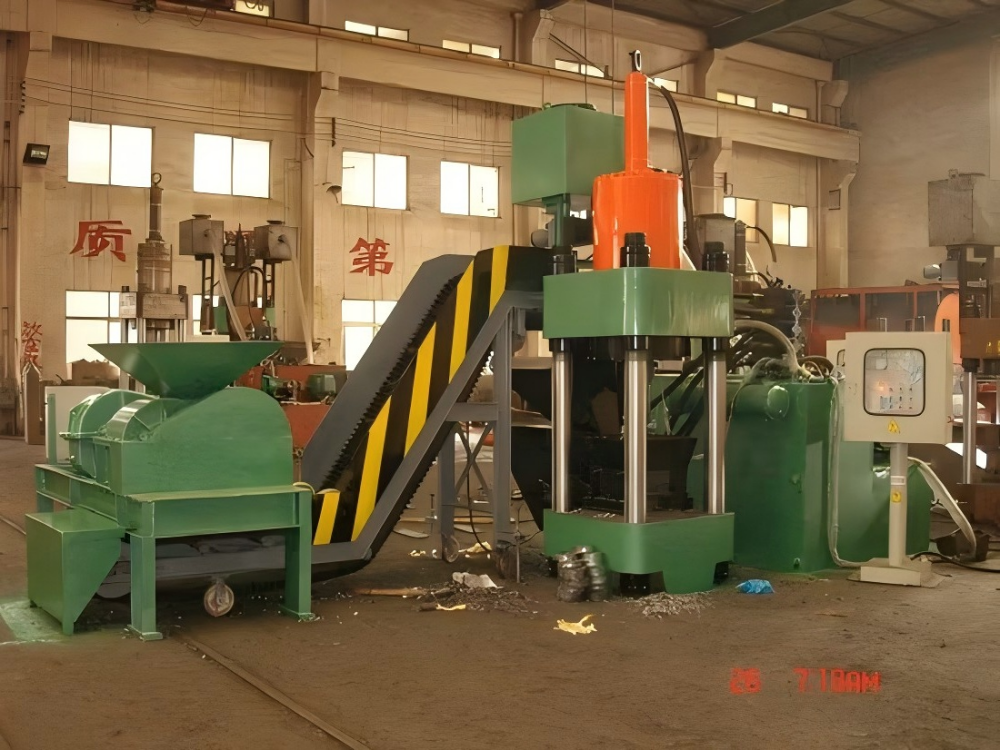
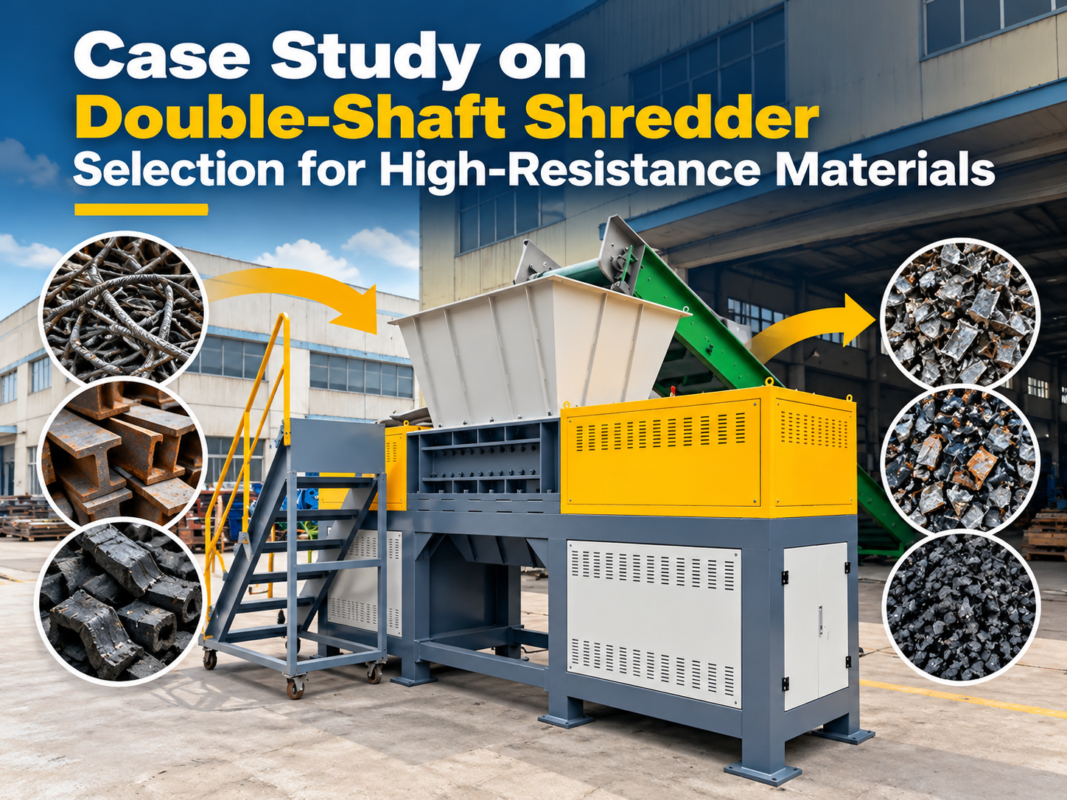
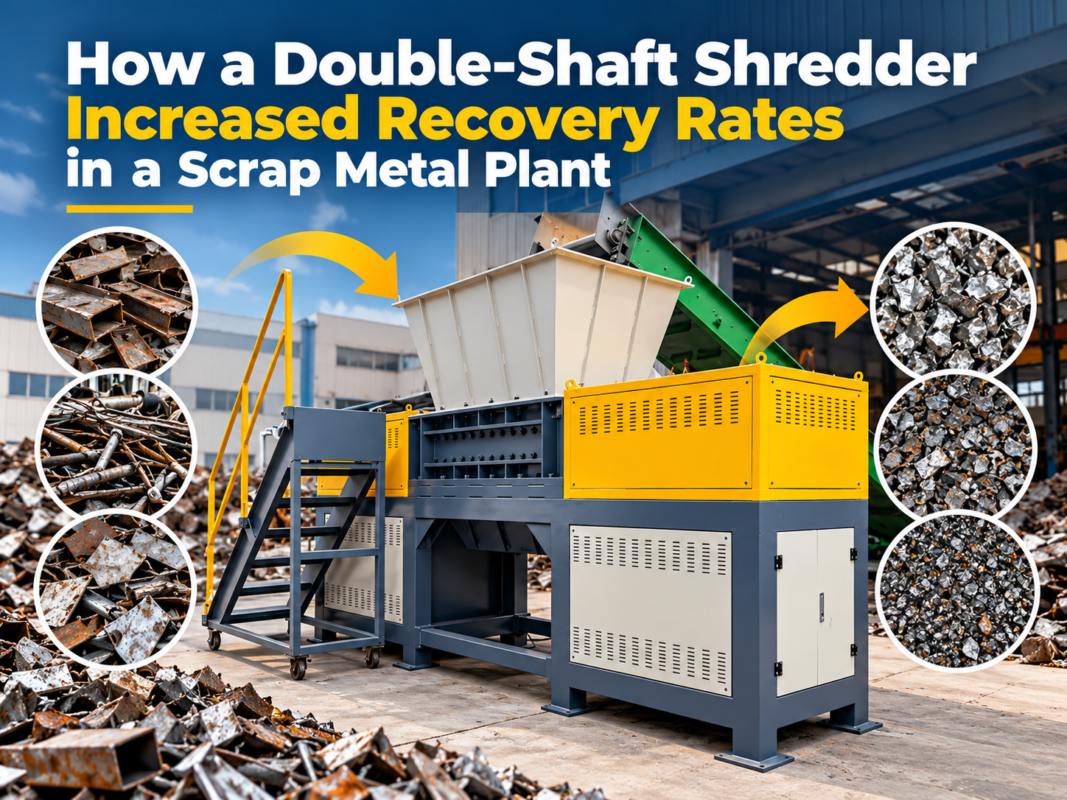
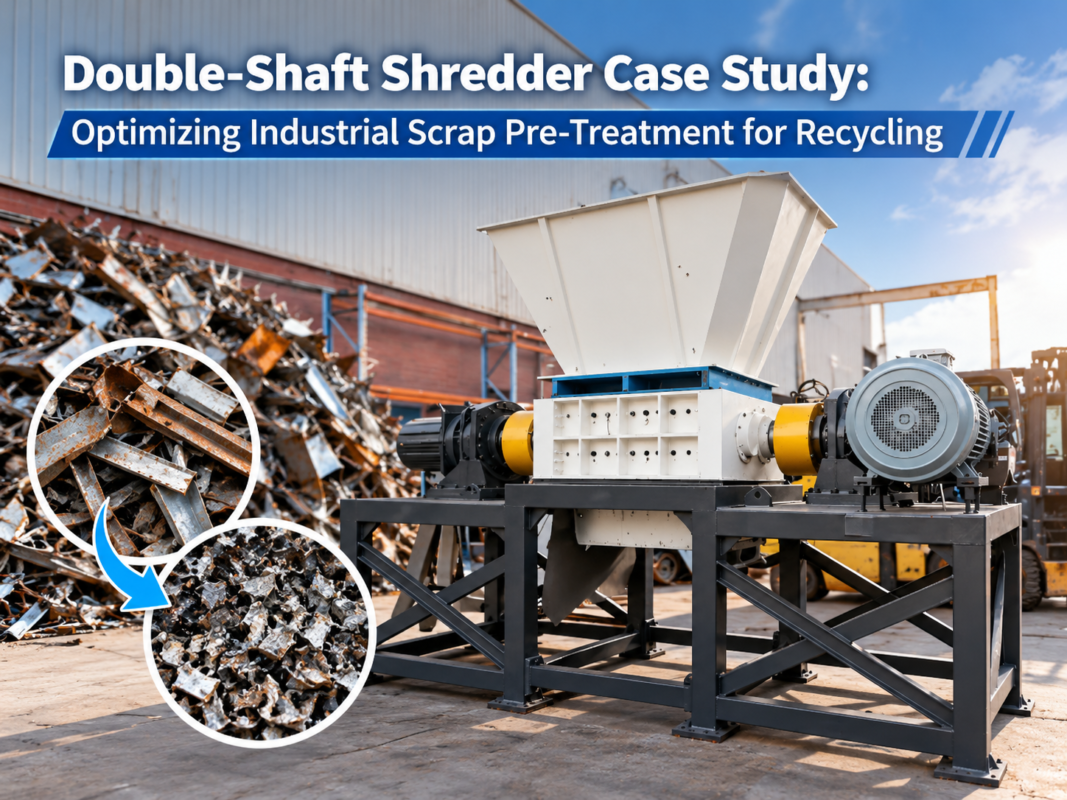
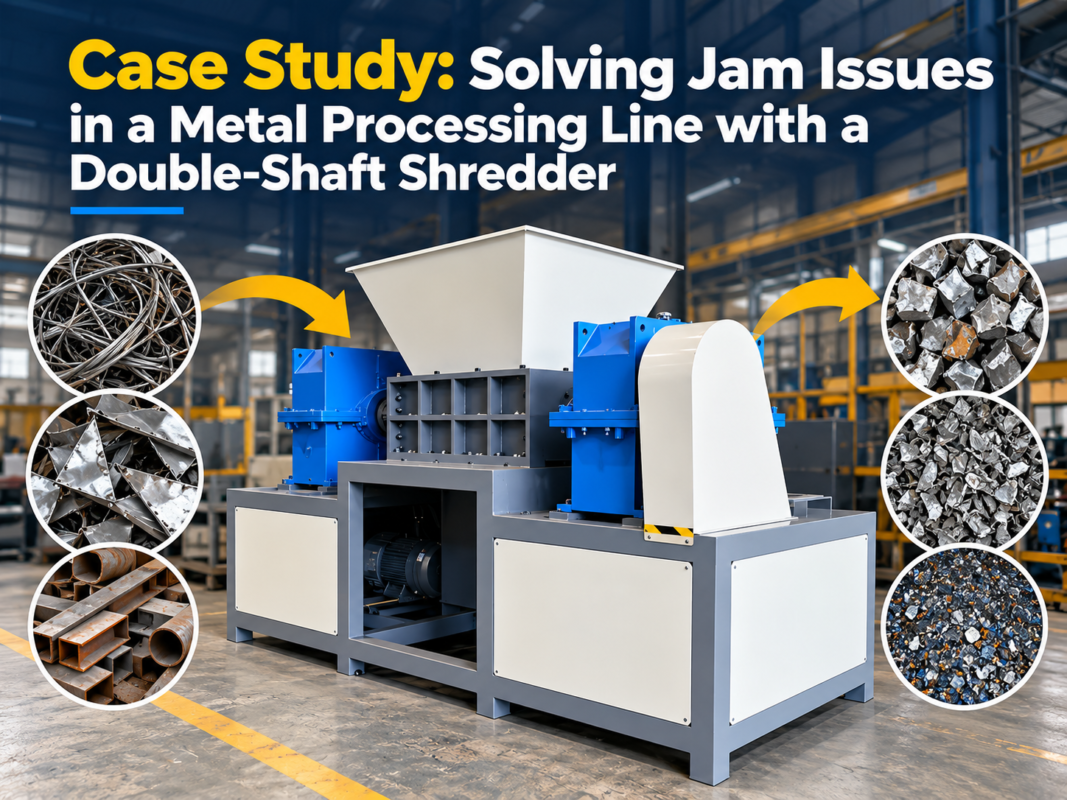
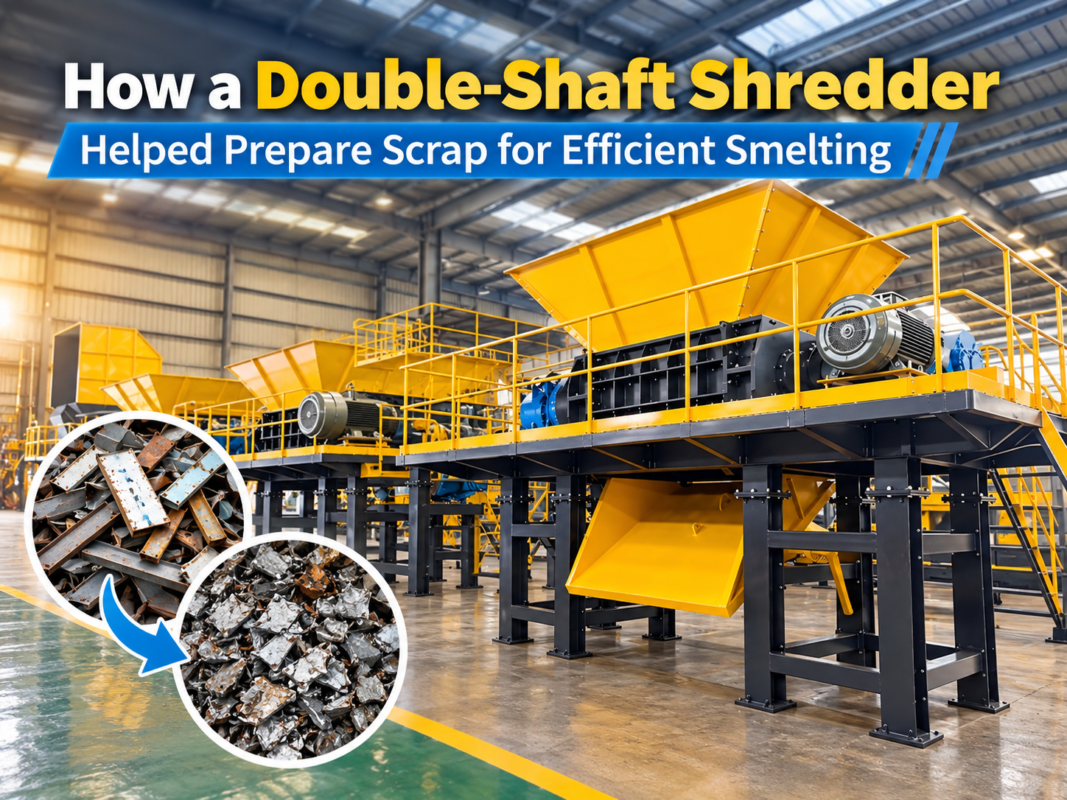
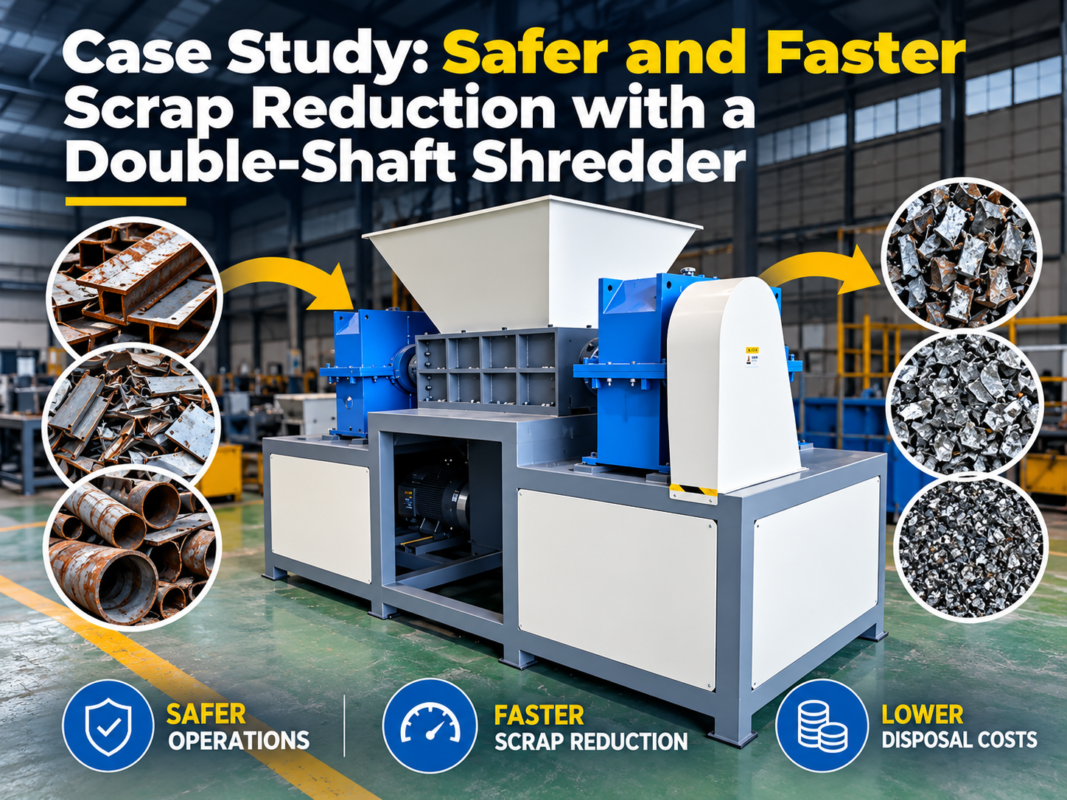
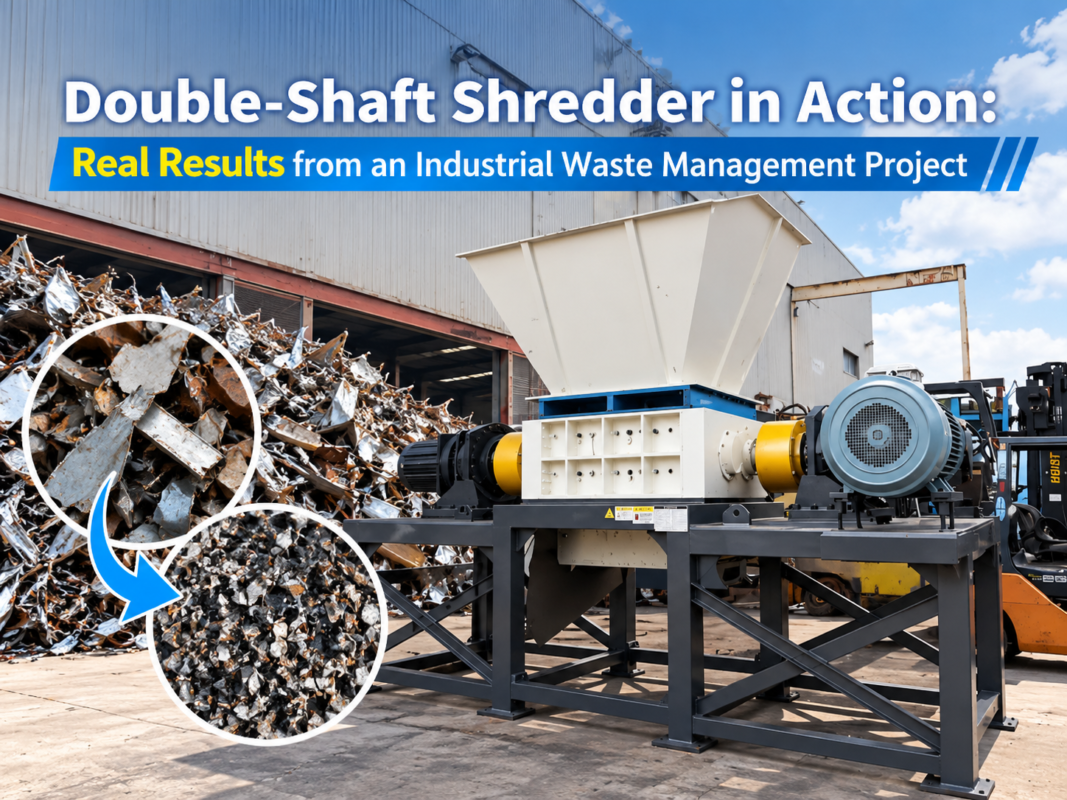
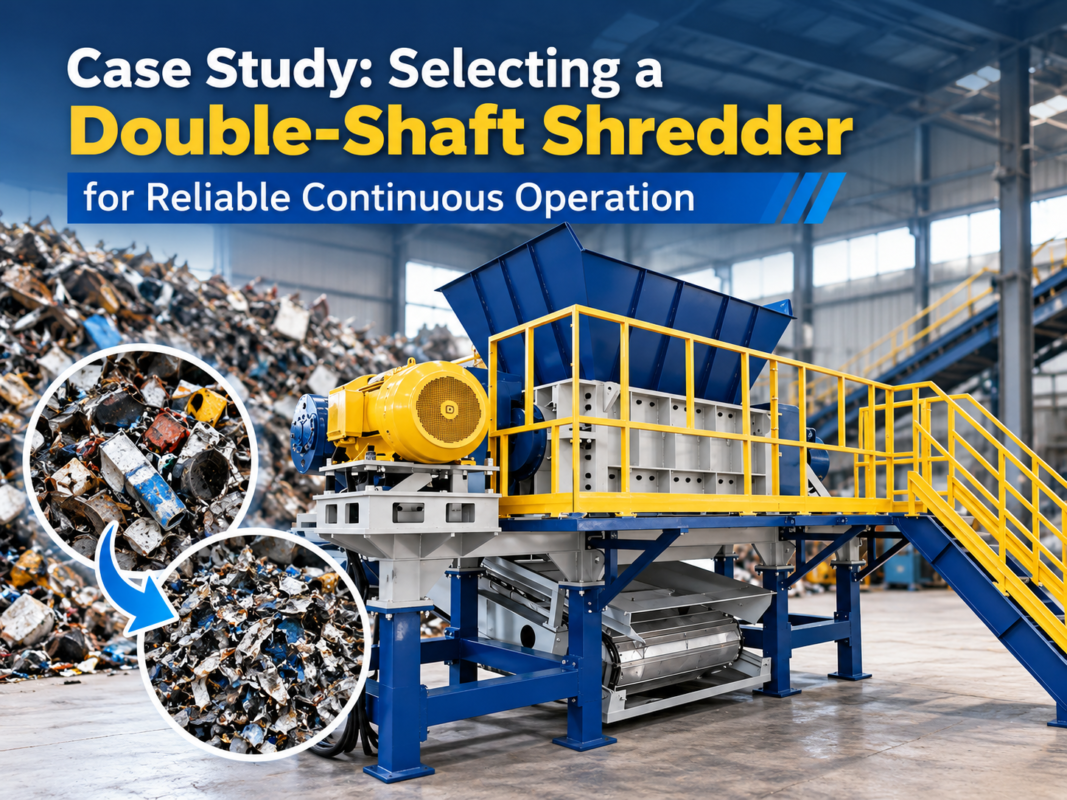
Material handling components, such as screw conveyors and vibratory feeders, are often integrated into the system to facilitate a continuous flow of material. For shops dealing with long, stringy turnings, a shredder or crusher may be required upstream of the briquetting machine. The shredder breaks down the long curls into smaller chips that can be easily fed into the compression chamber. This pre-processing step is vital for maintaining the efficiency of the hydraulic system and preventing mechanical jams.
The durability of the wear parts is a technical detail that buyers must not overlook. The pressing mold and the face of the ram are subject to extreme friction and pressure. High-quality machines use hardened tool steel or specialized alloys for these components to extend their service life. Regular maintenance, such as checking hydraulic oil levels and inspecting seals, ensures that the machine operates at peak efficiency for years. HARSLE machines are engineered with accessibility in mind, making routine servicing straightforward for shop technicians.
Selection Advice: Choosing the Right Machine for Your Shop
Selecting the right hydraulic briquetting machine requires a balance between current needs and future growth. The primary metric for selection is throughput capacity, usually measured in kilograms or pounds per hour. It is advisable to choose a machine that can handle at least 20% more than your current peak scrap output. This buffer ensures that the machine isn’t constantly running at its limit, which can lead to premature wear and increased maintenance costs.
Consider the footprint of the machine in relation to your shop layout. If space is at a premium, look for vertical designs or compact horizontal units that can be tucked into corners. Additionally, evaluate the power requirements. High-pressure hydraulic pumps require significant electrical input, so ensure your facility’s power grid can support the machine without causing voltage drops that might affect sensitive CNC electronics. HARSLE offers a range of models with varying power profiles to suit different industrial environments.
Another selection criterion is the level of customization available. Does the machine need to be integrated with an existing conveyor system? Do you require a specific briquette diameter to fit into your foundry’s melting crucibles? Customization can significantly enhance the Best Applications Hydraulic Briquetting Machines In Machine Shops by tailoring the equipment to the specific logistical and metallurgical requirements of the user. Working with a manufacturer that offers engineering support can make the difference between a standard piece of equipment and a fully optimized solution.
Finally, look at the total cost of ownership, not just the initial purchase price. This includes energy consumption, the cost of replacement wear parts, and the potential labor savings from automation. A machine that is slightly more expensive upfront but offers higher energy efficiency and longer-lasting components will often provide a better ROI over its lifespan. Requesting a trial or a demonstration with your specific scrap material can provide valuable insights into how the machine will perform in your actual shop conditions.
Best Applications for Hydraulic Briquetting Machines
1. High-Volume CNC Milling and Turning Centers
In facilities where dozens of CNC machines run 24/7, the volume of chips produced is staggering. The Best Applications Hydraulic Briquetting Machines In Machine Shops in this context involve placing briquetters at the end of centralized chip conveyor systems. Instead of hauling bins of loose, oily chips across the floor, the chips are automatically fed into the briquetter. This keeps the environment clean, reduces the labor required for waste handling, and ensures that the maximum amount of cutting fluid is recovered for reuse.
2. Aerospace Component Manufacturing
Aerospace shops frequently work with expensive materials like titanium, Inconel, and high-grade aluminum alloys. The scrap value of these materials is significant. However, loose titanium chips are not only bulky but also a fire hazard due to their high surface-area-to-volume ratio. Briquetting these chips reduces the fire risk and creates a dense product that foundries prefer. Because the briquettes are nearly solid, they experience less oxidation during the melting process, resulting in a higher yield of recycled metal and a better price from the scrap dealer.
3. Automotive Parts Production
The automotive industry relies on high-speed production of cast iron and aluminum components. Cast iron, in particular, produces fine dust and small chips that can be difficult to manage. Briquetting transforms this messy byproduct into clean, manageable blocks. In automotive applications, the consistency of the briquette is paramount, as these blocks are often fed directly back into the manufacturer’s own foundry. The hydraulic briquetting machine ensures that the scrap meets the density requirements for efficient furnace charging.
4. Specialized Tool and Die Shops
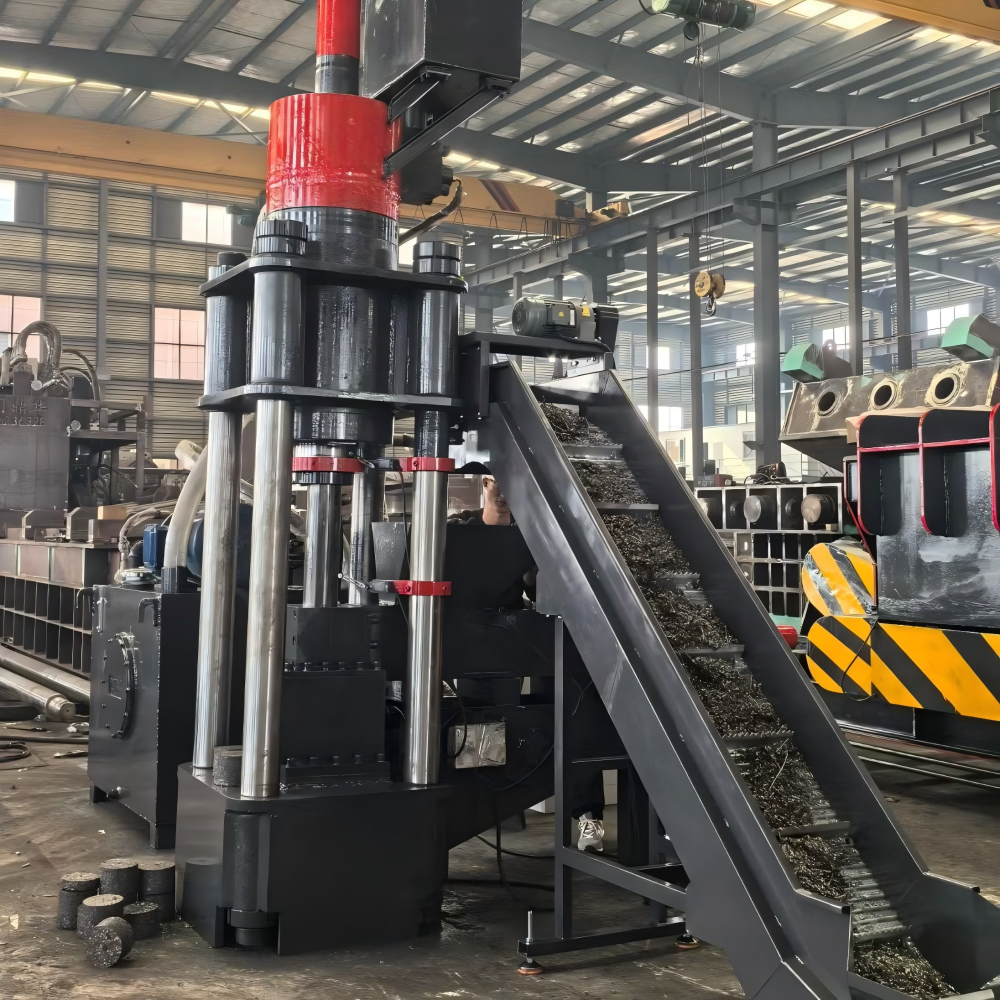
Even in smaller tool and die shops, the variety of metals used—from tool steel to copper—makes scrap segregation a challenge. Using a compact hydraulic briquetting machine allows these shops to process different materials in batches. By creating labeled briquettes of specific alloys, the shop can maintain the purity of their scrap, which is essential for getting the highest possible return from recyclers. This application highlights the versatility of modern briquetting technology in diverse machining environments.
5. Large-Scale Recycling and Scrap Processing Centers
While not a traditional “machine shop,” scrap processing centers are a primary application for heavy-duty hydraulic briquetters. These facilities collect loose swarf from multiple smaller shops and consolidate it. By briquetting the material, they can fit significantly more weight into a single shipping container or truck, drastically reducing transportation costs. For these users, the Best Applications Hydraulic Briquetting Machines In Machine Shops are defined by extreme durability and the ability to run continuously under harsh conditions.
Frequently Asked Questions (FAQ)
What types of metal can be briquetted?
Hydraulic briquetting machines are highly versatile and can process a wide range of metals, including aluminum, steel, cast iron, copper, brass, titanium, and magnesium. The key is adjusting the hydraulic pressure and the feed rate to match the specific physical properties of the metal being compressed.
How much volume reduction can I expect?
Depending on the material and the initial state of the scrap (e.g., loose turnings vs. fine chips), you can expect a volume reduction of anywhere from 5:1 to 20:1. This massive reduction significantly lowers storage space requirements and transportation costs.
Is the recovered coolant clean enough to reuse?
The coolant squeezed out during the briquetting process will contain some fine particles and contaminants. While it is much cleaner than the waste fluid found at the bottom of a scrap bin, it should typically be passed through a secondary filtration or centrifugation system before being returned to the CNC machine’s reservoir to ensure it meets the required purity standards.
How long do the wear parts last?
The lifespan of wear parts like the pressing sleeve and ram head depends on the abrasiveness of the material being processed. For non-abrasive metals like aluminum, parts can last for thousands of hours. For more abrasive materials like certain steel alloys or cast iron, more frequent inspections and replacements may be necessary. HARSLE uses high-grade materials to maximize these intervals.
Can the machine handle mixed metal chips?
While the machine can physically compress mixed chips, it is not recommended from an economic standpoint. Mixed-metal briquettes have a much lower scrap value than pure, segregated material. It is best to process one type of metal at a time to maximize your return on investment.
Conclusion: The Future of Scrap Management
The adoption of hydraulic briquetting technology represents a significant step forward in the evolution of the modern machine shop. No longer is metal scrap viewed as a nuisance to be disposed of as quickly as possible. Instead, through the Best Applications Hydraulic Briquetting Machines In Machine Shops, it is recognized as a valuable resource that can be reclaimed, recycled, and repurposed. The benefits are clear: reduced volume, recovered fluids, increased scrap value, and a cleaner, safer working environment.
As global manufacturing moves toward more sustainable practices and circular economies, the role of the hydraulic briquetting machine will only grow. Facilities that invest in high-quality equipment from reputable manufacturers like HARSLE are positioning themselves for long-term success. By integrating these machines into their daily operations, they not only improve their immediate profitability but also contribute to a more efficient and environmentally responsible industrial sector. Whether you are a small specialized shop or a large-scale production facility, the transition to briquetting is an investment that pays dividends in every cycle.