Comprehensive Guide to Hydraulic Briquetting Machine Uses in Steel, Aluminum, and Copper Processing

Introduction to Hydraulic Briquetting in Modern Metalworking
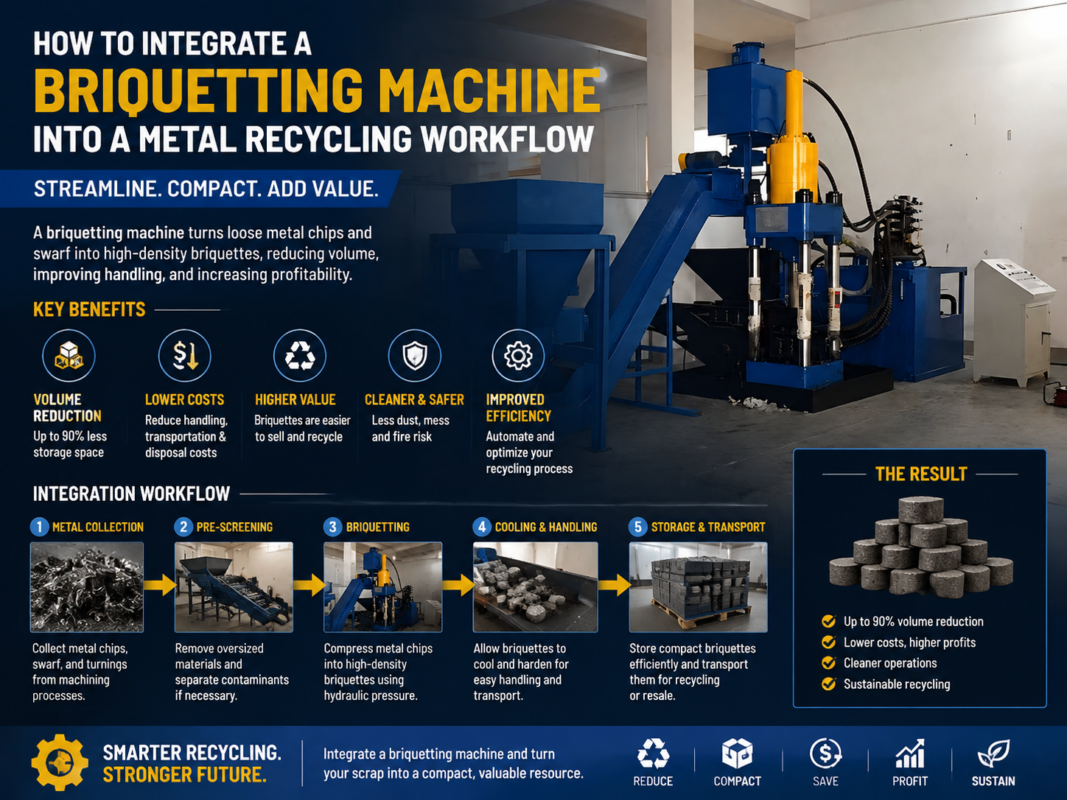
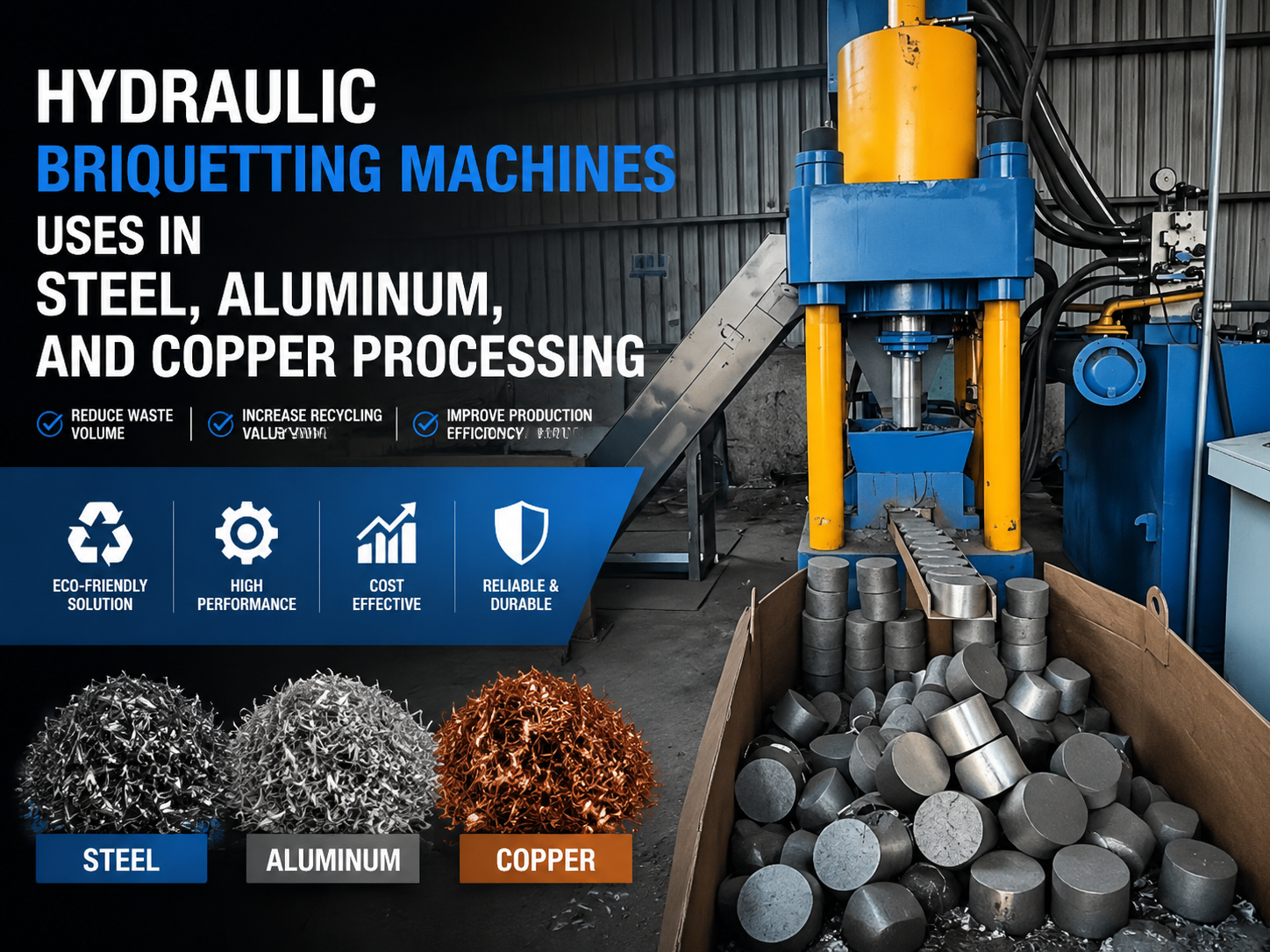
In the contemporary industrial landscape, the management of metal waste has evolved from a logistical burden into a strategic opportunity for cost recovery and environmental stewardship. The Hydraulic Briquetting Machine Uses In Steel, Aluminum, Copper Processing represent a cornerstone of this transformation. As machine shops and foundries generate massive quantities of metal chips, turnings, and swarf, the need for efficient volume reduction and material recovery becomes paramount. A hydraulic briquetting press takes these loose, often oil-soaked metal fragments and compresses them into dense, high-quality blocks known as briquettes.
For manufacturers working with steel, aluminum, and copper, the benefits of briquetting extend far beyond simple waste management. Loose metal chips have a high surface-area-to-volume ratio, which leads to significant oxidation and material loss during the melting process. By compressing these materials into solid briquettes, the surface area is drastically reduced, ensuring a much higher yield during smelting. Furthermore, the hydraulic pressure applied during the process often squeezes out expensive cutting fluids and coolants, which can then be filtered and reused, providing a secondary stream of cost savings.
HARSLE, a leader in metal fabrication machinery, recognizes that the integration of a hydraulic briquetting machine is not just an equipment purchase but a long-term investment in operational efficiency. Whether you are dealing with the heavy, abrasive nature of steel swarf or the light, voluminous chips of aluminum, understanding the specific applications and technical requirements of these machines is essential for maximizing your Return on Investment (ROI). This guide explores the intricate details of how these machines function across different metal types and how to select the right system for your facility.
Key Considerations for Metal Scrap Briquetting
Economic Impact and ROI
The primary driver for adopting hydraulic briquetting technology is the immediate economic impact. Loose metal scrap is often sold at a fraction of the price of solid scrap. By converting chips into briquettes, the material is reclassified into a higher-value category for recyclers and foundries. In many cases, the price difference per ton can pay for the machine within 12 to 24 months. Additionally, the recovery of cutting oils—which can account for up to 20% of the weight of wet chips—adds a significant recurring saving to the bottom line.
Environmental and Regulatory Compliance
Modern industrial regulations are increasingly focused on the ‘Circular Economy.’ Dumping oil-laden metal chips into bins creates environmental hazards, including soil and water contamination from leaking coolants. Hydraulic briquetting machines mitigate this risk by containing the fluids within a closed-loop system. Furthermore, reducing the volume of scrap means fewer truck trips are required for transport, significantly lowering the carbon footprint of the manufacturing facility. This aligns with global ESG (Environmental, Social, and Governance) goals that many Tier 1 and Tier 2 suppliers are now required to meet.
Space Optimization and Logistics
Loose metal chips are notoriously difficult to store. They are bulky, sharp, and prone to ‘nesting,’ which makes them take up excessive floor space. A hydraulic briquetting machine can reduce the volume of metal scrap by a ratio of up to 20:1. This allows facilities to reclaim valuable floor space for production rather than storage. From a logistics perspective, dense briquettes are much easier to handle with forklifts and automated conveyors, streamlining the entire scrap-to-revenue pipeline.
Melting Efficiency in Foundries
For facilities that operate their own foundries, briquettes are a game-changer. When loose chips are thrown into a furnace, they often float on top of the melt and oxidize instantly, turning into dross rather than usable metal. Briquettes, due to their density, sink into the melt, ensuring that the metal is recovered with minimal loss. This is particularly critical for high-value materials like copper and specialized steel alloys where every percentage point of recovery translates to thousands of dollars in savings.
Technical Details of Hydraulic Briquetting Machines
The Hydraulic System and Pressure Dynamics
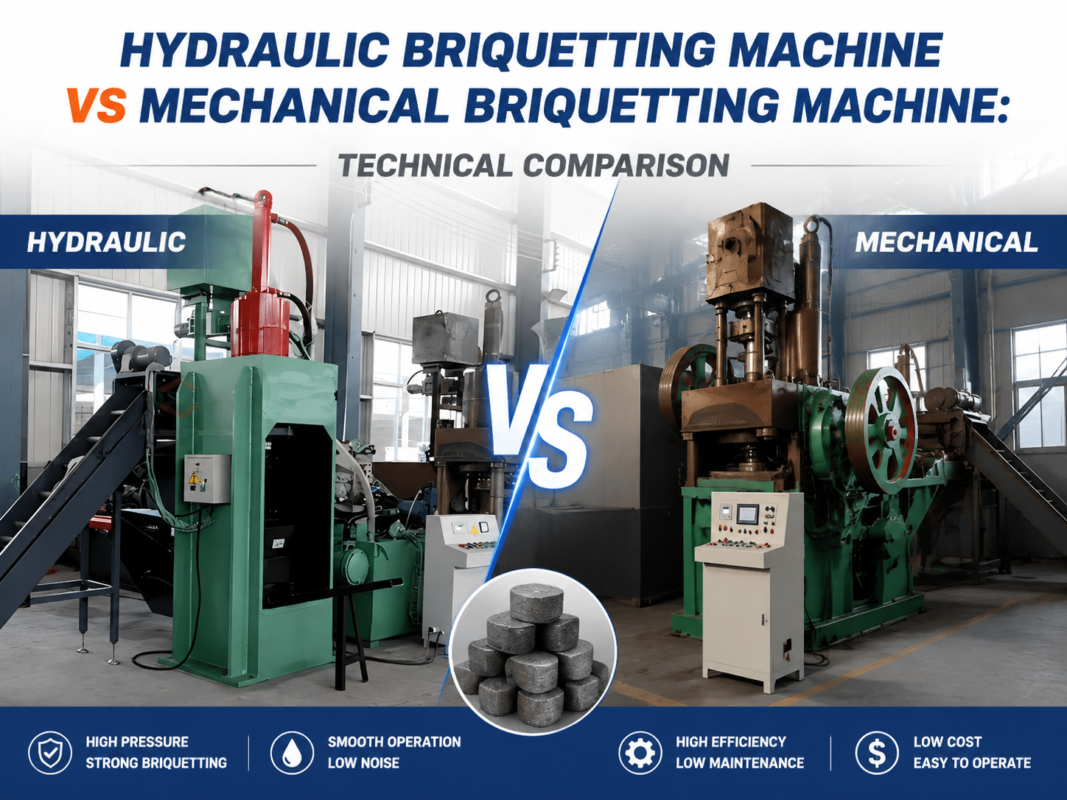
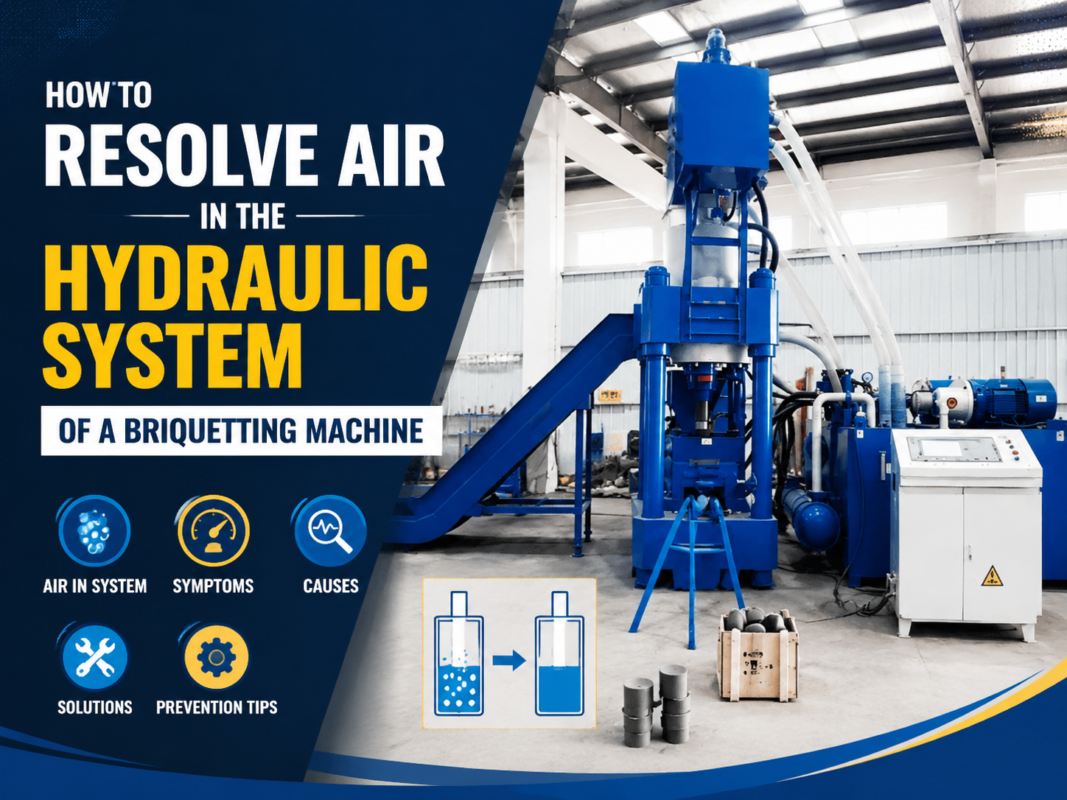
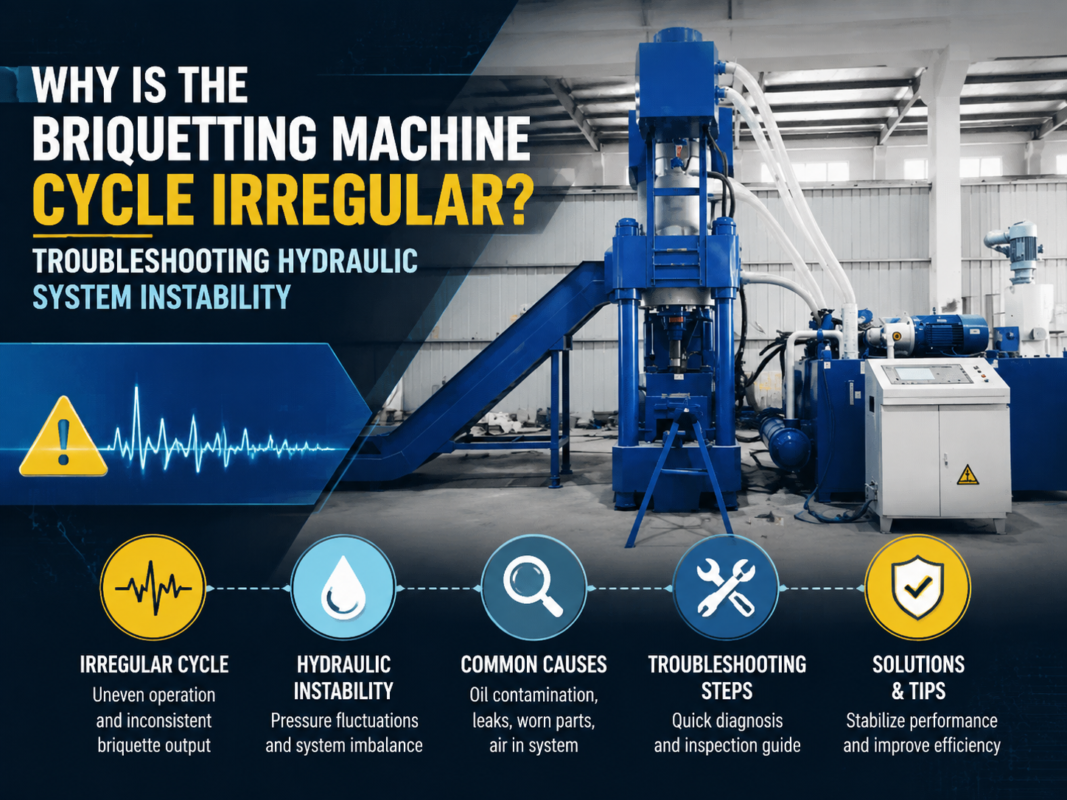
The heart of the briquetting machine is its hydraulic system. Unlike mechanical presses, hydraulic presses provide consistent pressure throughout the entire stroke. This is vital for achieving uniform density in the briquette. For steel processing, pressures often exceed 250 MPa to overcome the material’s inherent hardness. The system typically includes a main cylinder for compression, a feeding cylinder to move material into the chamber, and a block-ejection cylinder. High-quality valves and pumps, often sourced from brands like Rexroth or Vickers, ensure the longevity of the system under continuous 24/7 operation.
Material-Specific Processing Challenges
Each metal presents unique challenges during the briquetting process:
- Steel: Steel chips are often long and stringy. They require a robust feeding mechanism and high compression force. The abrasive nature of steel also means that the molds and punches must be made from high-grade, heat-treated alloy steel to resist wear.
- Aluminum: Aluminum is light and prone to ‘spring-back.’ The machine must be designed to hold the pressure long enough for the chips to deform plastically. Because aluminum is often used with high volumes of coolant, the machine must have an integrated fluid collection tray and filtration system.
- Copper: Copper is highly valuable and relatively soft. The focus here is on purity and density. Copper briquettes must be extremely clean to maintain the high market value of the scrap. The hydraulic system must be finely tuned to prevent over-compression which could lead to tool damage.
Automation and PLC Integration
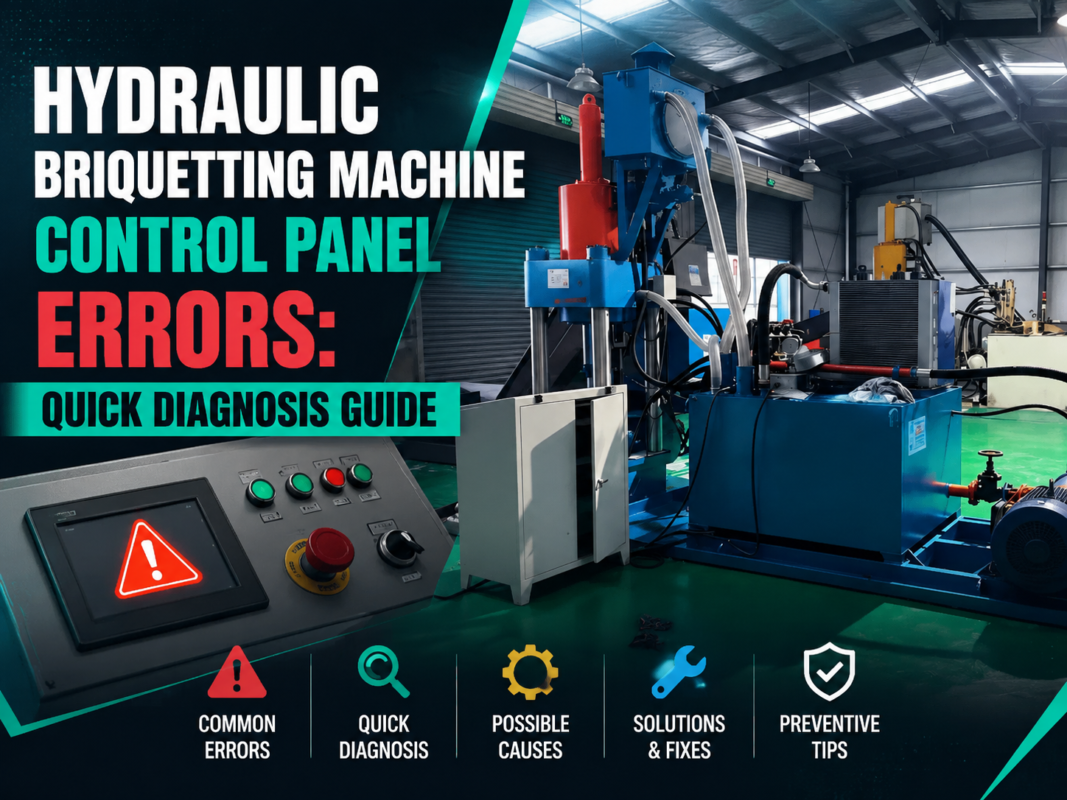
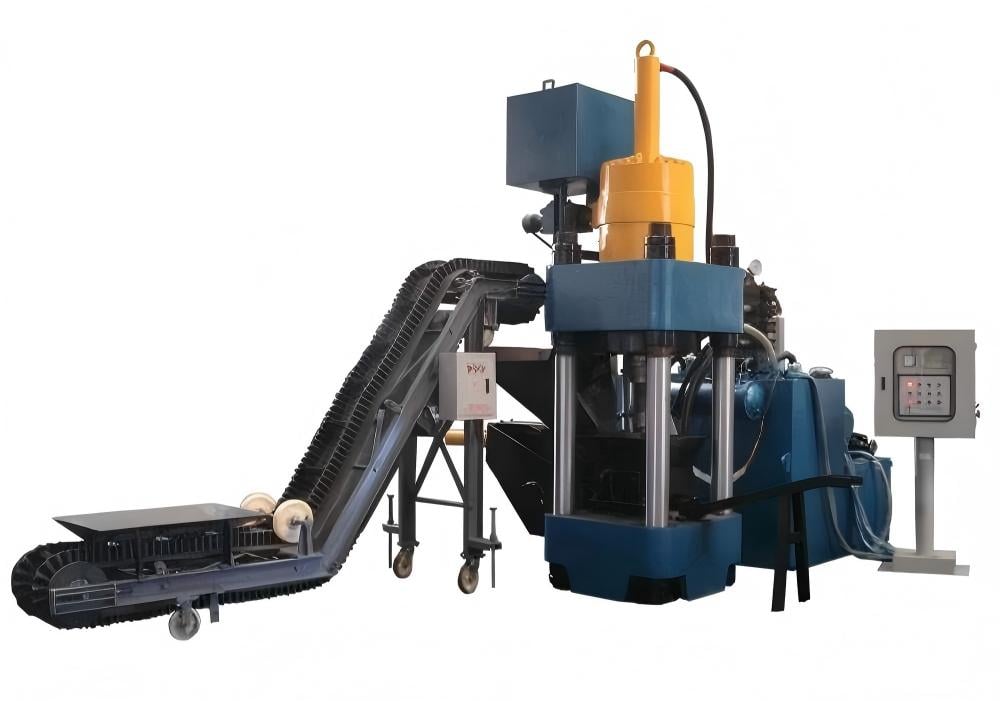
Modern Hydraulic Briquetting Machine Uses In Steel, Aluminum, Copper Processing are rarely standalone manual units. They are integrated into the factory’s IoT ecosystem via PLC (Programmable Logic Controller) systems, such as those from Siemens or Schneider. These systems monitor oil temperature, pressure levels, and cycle times. Sensors can detect when the hopper is full or empty, allowing the machine to run autonomously. This reduces labor costs and ensures that the machine only operates when there is material to process, saving energy.
Cooling and Filtration Systems
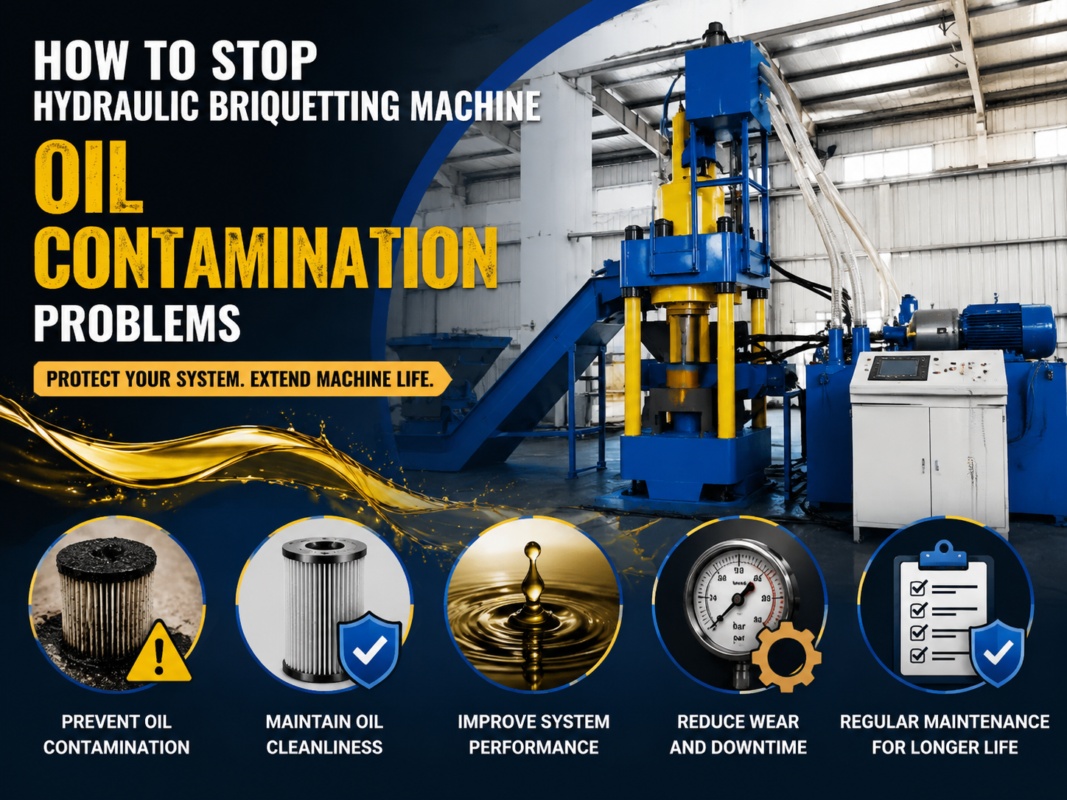
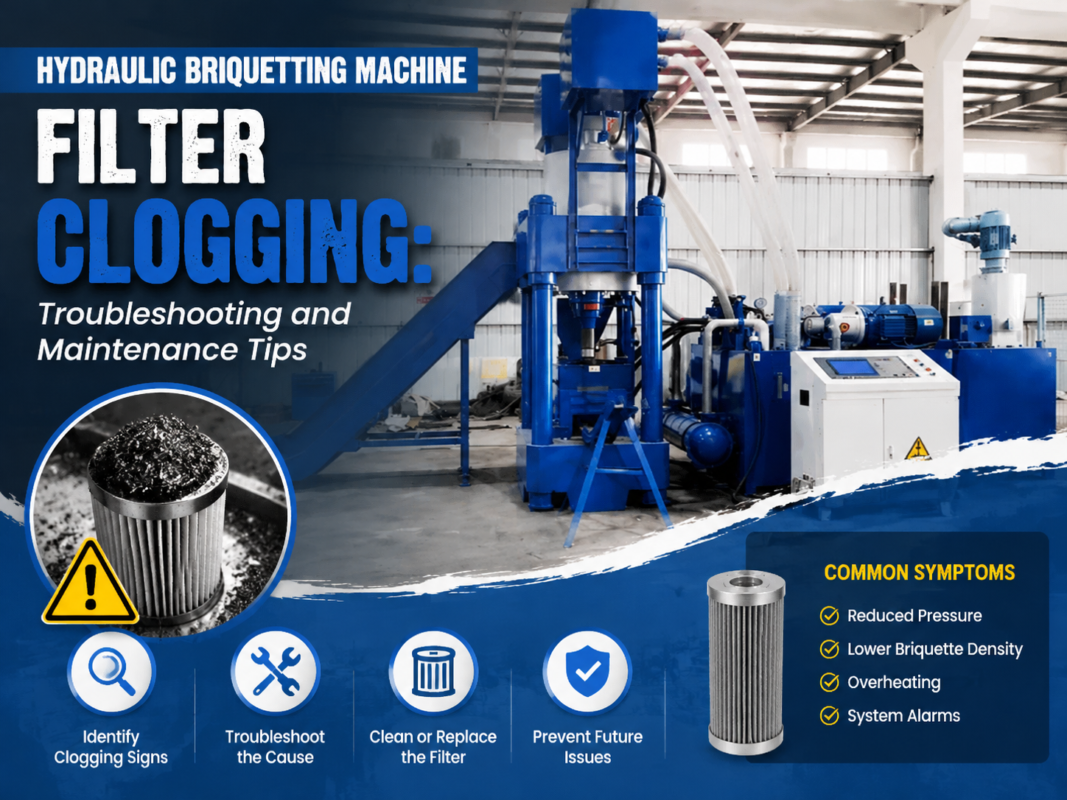
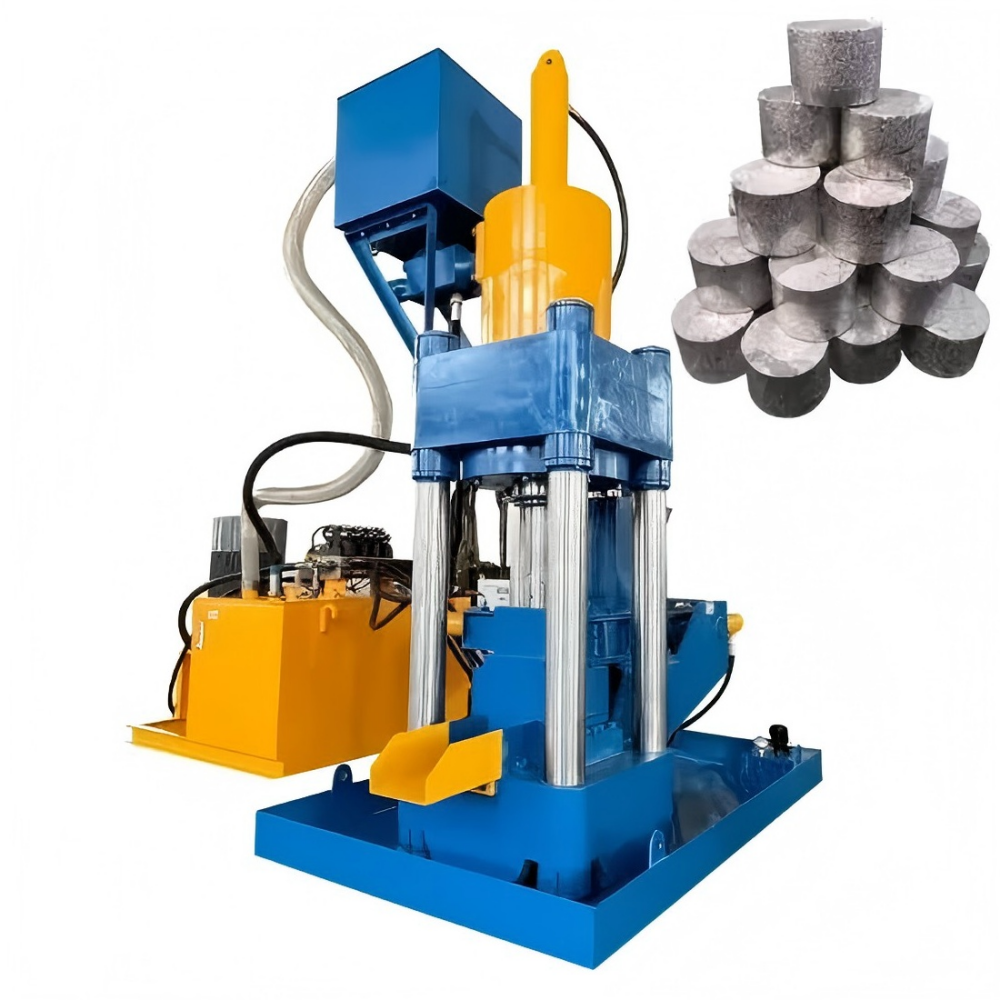
Continuous hydraulic operation generates heat. To maintain the viscosity of the hydraulic oil and protect the seals, integrated cooling systems (either air-cooled or water-cooled) are essential. Furthermore, as coolants are squeezed out of the metal scrap, they carry fine particulates. A multi-stage filtration system is necessary to clean the recovered fluid before it is pumped back into the machine tool’s reservoir or a central collection tank.
Selection Advice: Choosing the Right Briquetting Press
Assessing Your Material Volume
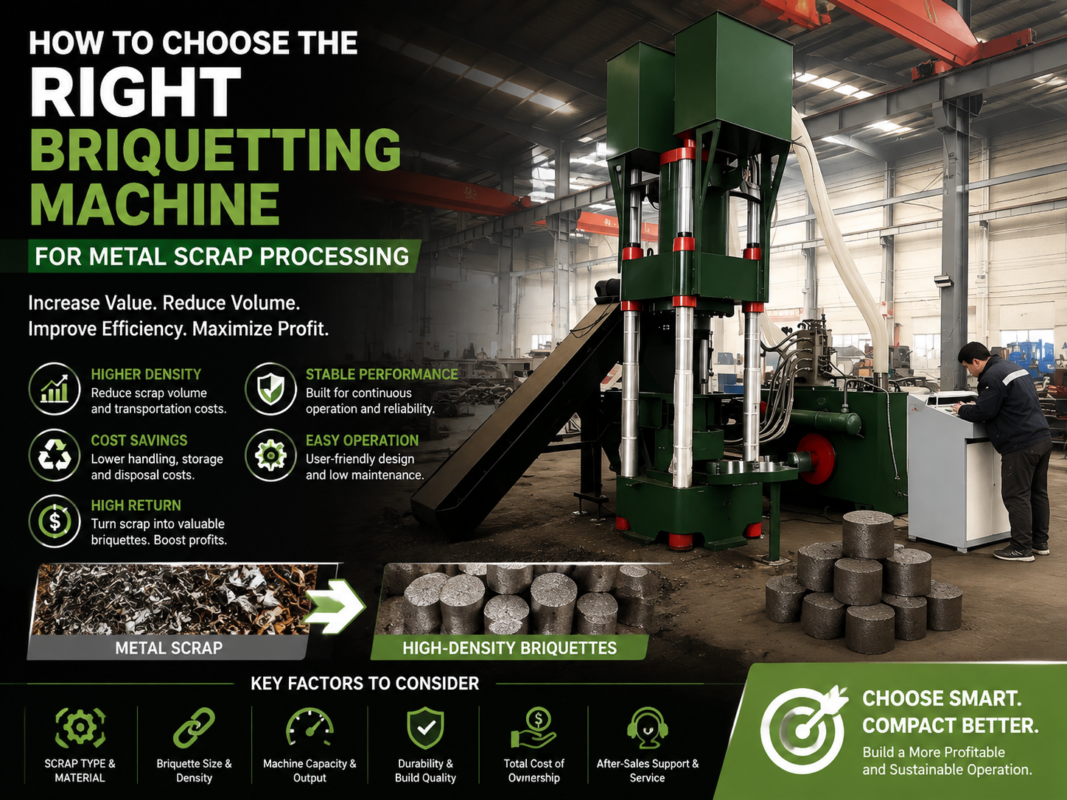
The first step in selection is determining your hourly throughput. Briquetting machines are rated by the weight of material they can process per hour (e.g., 500kg/h, 1000kg/h). It is important to calculate this based on your peak production periods, not just the average. Overloading a machine leads to premature wear, while an undersized machine creates a bottleneck in your production line.
Briquette Density and Diameter
Different industries require different briquette specifications. Foundries often prefer a specific diameter (e.g., 60mm, 80mm, or 100mm) to fit their furnace charging systems. The density of the briquette is also crucial; it must be high enough to withstand transport without crumbling. When selecting a machine, ask for a test compression of your specific material to ensure the resulting briquette meets your density requirements.
Maintenance and Wear Parts
Industrial machinery is only as good as its uptime. Look for machines designed with ‘easy-access’ maintenance points. The molds and punches are the primary wear parts. Ensure that the manufacturer provides high-quality replacements and that the design allows for quick changeovers. A machine that requires 8 hours of teardown just to replace a seal is a liability in a high-volume environment.
Customization Options
No two manufacturing floors are the same. You may need a custom-sized hopper to accommodate your existing conveyor system, or perhaps a specialized discharge chute to drop briquettes directly into shipping containers. HARSLE offers various customization options, including specialized liners for abrasive materials and explosion-proof motors for environments with volatile cutting fluids.
| Feature | Steel Processing | Aluminum Processing | Copper Processing |
|---|---|---|---|
| Compression Force | Very High (250+ MPa) | Medium (150-200 MPa) | Medium-High (200 MPa) |
| Wear Resistance | Critical (Hardened Tools) | Moderate | Moderate |
| Coolant Recovery | High Priority | Very High Priority | Moderate Priority |
| Briquette Density | 70-85% of Solid | 80-90% of Solid | 85-95% of Solid |
| Typical Application | Automotive, Heavy Machining | Aerospace, Die Casting | Electronics, Plumbing |
Frequently Asked Questions (FAQ)
1. Can one machine process different types of metal?
Yes, most hydraulic briquetting machines can process different metals, but the settings (such as pressure and cycle time) must be adjusted. It is also vital to thoroughly clean the machine between different materials to prevent cross-contamination, especially if the scrap is being sold for high-purity recycling.
2. Do I need to add a binder to the metal chips?
In almost all metal briquetting applications, no binder is required. The high hydraulic pressure causes the metal chips to interlock and undergo cold welding at the contact points, creating a solid block. Only in very specific powder metallurgy applications are binders occasionally used.
3. How does moisture or oil content affect the briquette?
High moisture or oil content is actually one of the reasons to use a briquetting machine. The press will squeeze out the majority of the liquid. However, extremely wet material may require a specialized drainage system in the hopper to prevent splashing and to ensure the hydraulic seals are protected from corrosive fluids.
4. What is the typical lifespan of a HARSLE briquetting machine?
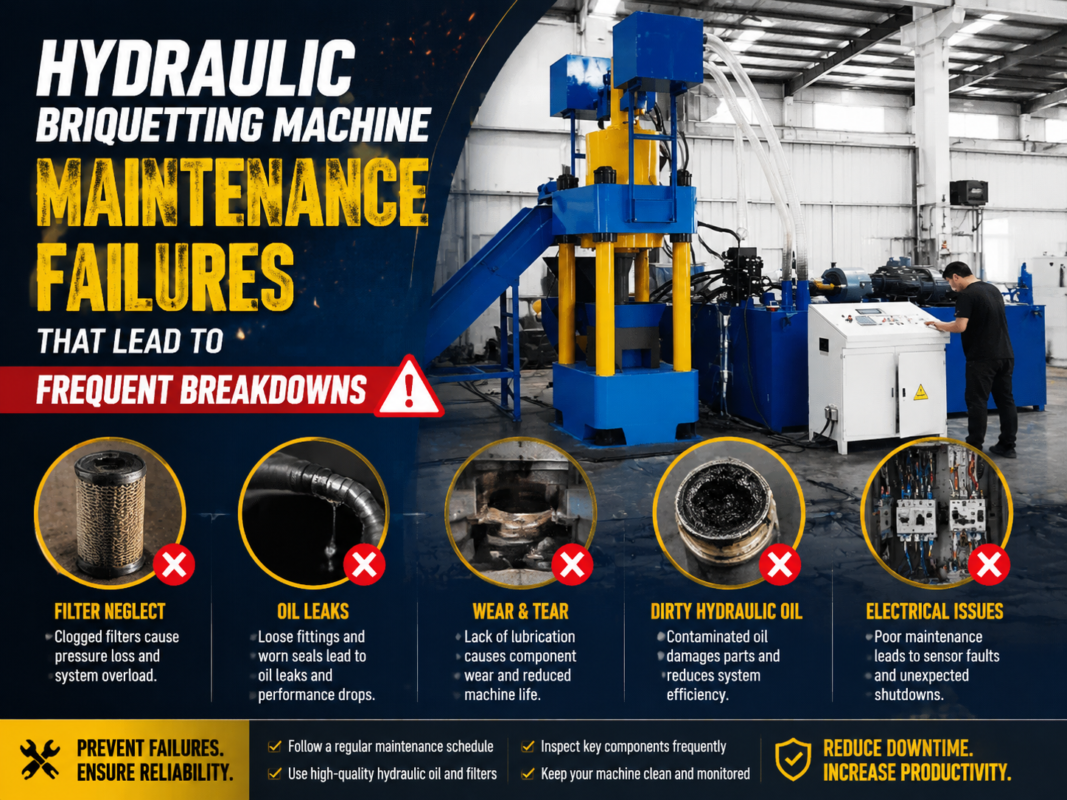
With proper maintenance, including regular oil changes, filter replacements, and monitoring of wear parts, a HARSLE hydraulic briquetting machine can last 10 to 15 years or more in a heavy industrial environment. The structural frame is designed for long-term fatigue resistance.
5. Is it better to have a vertical or horizontal press?
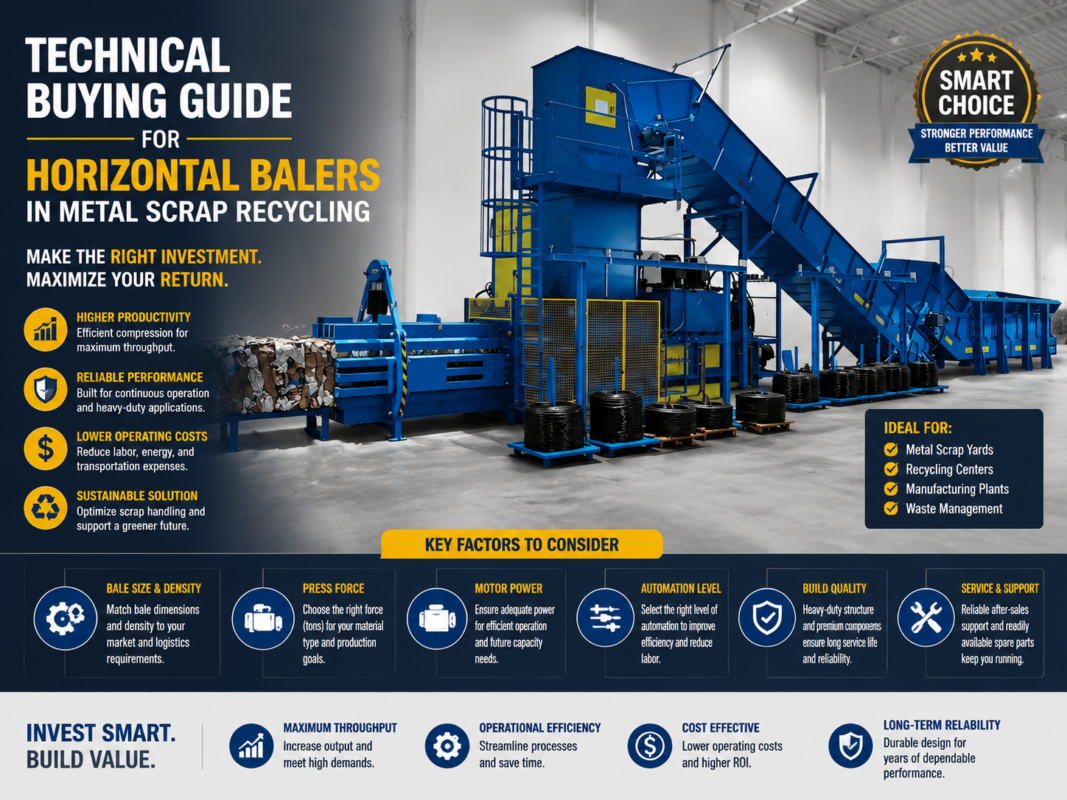
Vertical presses are generally more compact and are excellent for integration into existing production lines where floor space is limited. Horizontal presses are often used for very high-volume applications or when the material characteristics require a specific feeding orientation. Most standard metal chip applications utilize a vertical design for efficiency.
Conclusion: The Future of Metal Scrap Management
The Hydraulic Briquetting Machine Uses In Steel, Aluminum, Copper Processing are a vital component of the modern factory. By turning a waste product into a valuable resource, these machines provide a rare win-win scenario: they increase profitability while simultaneously reducing environmental impact. As the costs of raw materials continue to rise and environmental regulations become stricter, the ability to efficiently recycle and reuse metal scrap will become a defining characteristic of successful manufacturing enterprises.
Investing in a HARSLE hydraulic briquetting machine ensures that your facility is equipped with the latest in hydraulic technology, robust construction, and intelligent automation. Whether you are looking to reclaim expensive cutting oils, reduce your storage footprint, or get the best price for your scrap metal, briquetting is the proven solution. By choosing the right equipment and following a rigorous maintenance schedule, you can transform your scrap management from a cost center into a significant profit driver for years to come.