Why Hydraulic Briquetting Machines Are Essential for Metal Waste Management

Introduction to Modern Metal Waste Challenges
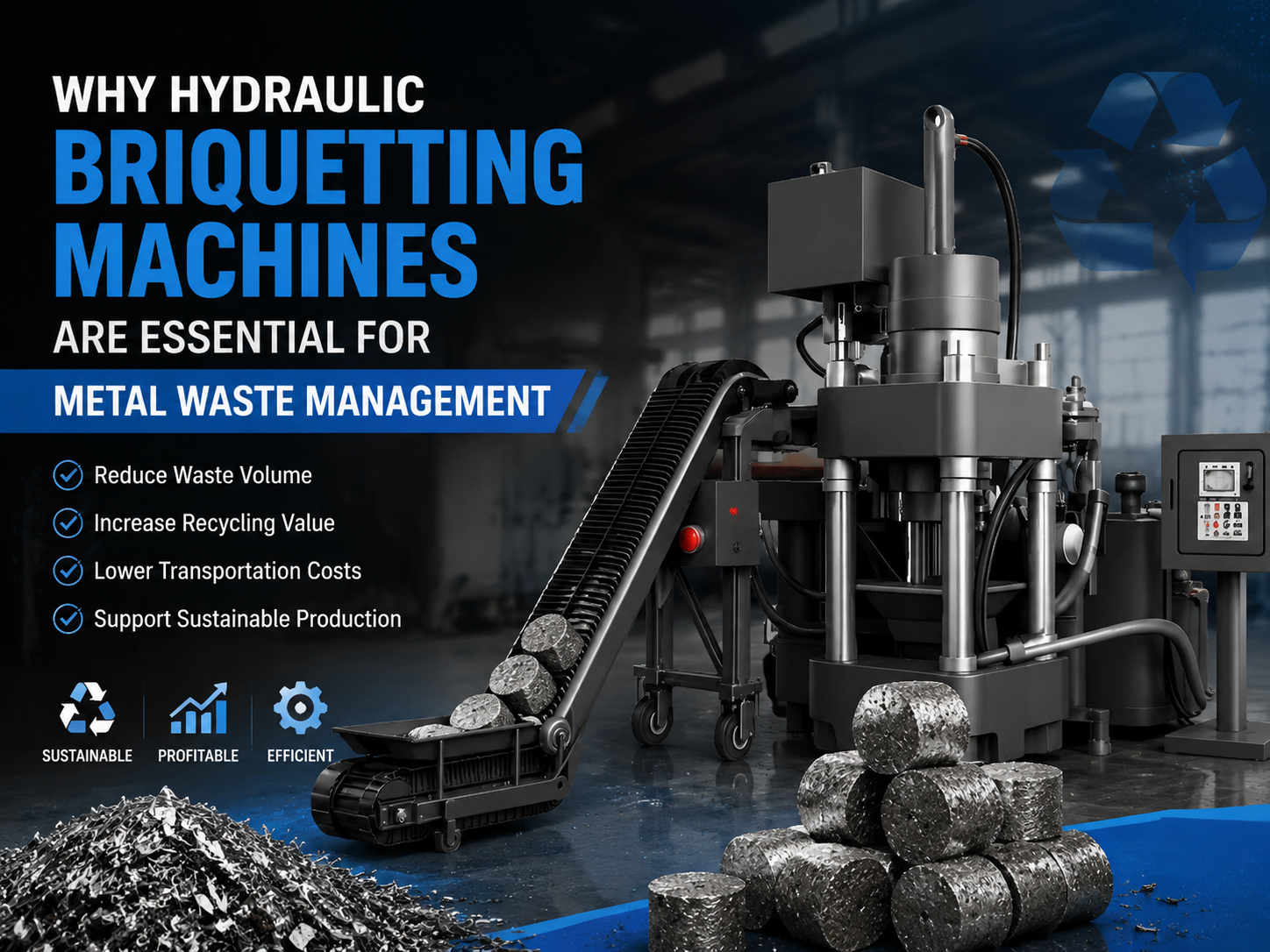
In the fast-paced world of metal fabrication and precision machining, the generation of waste is an inevitable byproduct. Whether it is aluminum shavings from a CNC milling center, steel turnings from a lathe, or cast iron dust from a grinding operation, managing this ‘swarf’ or ‘scrap’ presents a significant logistical and financial challenge. For decades, many facilities treated these residuals as a nuisance, often selling loose, oil-soaked chips to recyclers for a fraction of their potential value. However, as sustainability mandates tighten and raw material costs fluctuate, the industry has realized that Hydraulic Briquetting Machines Are Essential Metal Waste Management tools for any modern factory.
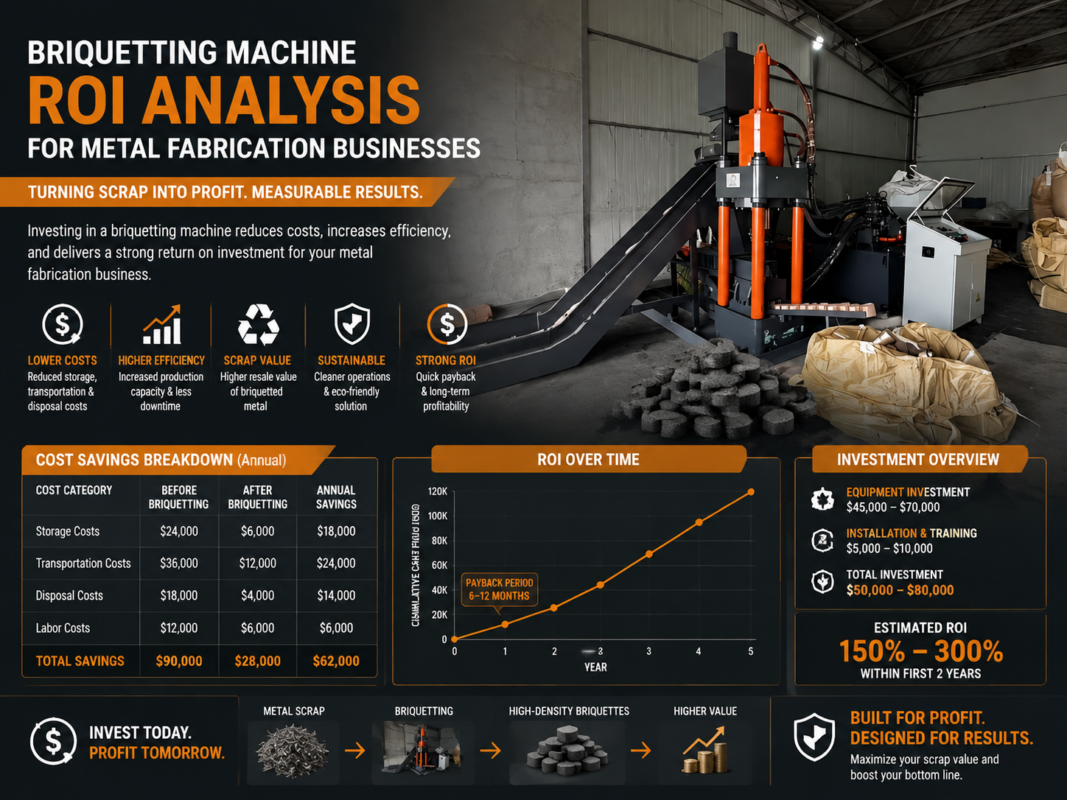
A hydraulic briquetting machine is designed to take loose metal chips, turnings, and filings and compress them into dense, solid blocks known as briquettes. This process is not merely about tidying up the shop floor; it is a sophisticated engineering solution that addresses volume reduction, fluid recovery, and metallurgical purity. By applying immense hydraulic pressure, these machines transform voluminous, low-density waste into high-density assets that are easier to handle, cheaper to transport, and significantly more valuable in the secondary metal market.
HARSLE has been at the forefront of developing high-performance briquetting solutions that cater to diverse industrial needs. From small-scale workshops to massive automotive manufacturing plants, the implementation of a briquetting system marks a transition from traditional waste disposal to a circular economy model. In this comprehensive guide, we will explore the technical, economic, and environmental reasons why these machines have become indispensable in the metalworking sector.
Key Considerations: Why Hydraulic Briquetting Machines Are Essential Metal Waste Management
1. Drastic Volume Reduction and Space Optimization
One of the most immediate benefits of hydraulic briquetting is the reduction in waste volume. Loose metal chips and turnings are incredibly bulky; they are essentially ‘metal fluff’ that occupies a vast amount of floor space. Depending on the material, a briquetting press can reduce the volume of scrap by a ratio of 10:1 or even 20:1. This means that ten bins of loose aluminum chips can be compressed into a single bin of solid briquettes.
For facilities where floor space is at a premium, this reduction is a game-changer. Instead of dedicating large areas to scrap storage, manufacturers can reclaim that space for additional production machinery or inventory. Furthermore, the compact nature of briquettes makes them much easier to move using standard forklifts or automated conveyor systems, reducing the labor hours spent on waste handling.
2. Recovery of Expensive Coolants and Lubricants
Metal chips generated during machining are almost always saturated with cutting oils or water-based coolants. When scrap is stored in loose form, these fluids leak onto the factory floor, creating safety hazards and environmental compliance issues. More importantly, these fluids are expensive. A hydraulic briquetting machine acts as a secondary extraction system; as the metal is compressed, the fluids are squeezed out and collected in a specialized drainage system.
This recovered fluid can often be filtered and returned to the machine tools, leading to substantial savings in annual coolant expenditures. In many high-volume operations, the value of the recovered oil alone can pay for the machine’s operation within a few years. By removing these fluids, the resulting briquettes are also ‘dry,’ which is a requirement for many high-end smelting processes.
3. Maximizing Scrap Value and Smelting Efficiency
Recyclers and foundries prefer briquettes over loose scrap for several metallurgical reasons. When loose chips are thrown into a furnace, their high surface-area-to-volume ratio causes them to oxidize rapidly. A significant portion of the metal literally ‘burns up’ before it can melt, leading to high melt loss. Briquettes, being dense and solid, sink directly into the melt pool, minimizing oxidation and ensuring a much higher yield of usable metal.
Because of this efficiency, foundries are willing to pay a premium for briquetted material compared to loose chips. Furthermore, briquettes are easier to analyze for chemical composition, ensuring that the secondary metal produced is of higher quality. For a manufacturer, this translates directly into higher revenue from scrap sales, turning a waste stream into a profit center.
4. Environmental Compliance and Sustainability
Modern industrial standards, such as ISO 14001, require companies to demonstrate proactive waste management and environmental stewardship. Transporting loose, oil-soaked scrap is an environmental risk; trucks can leak fluids onto public roads, and the sheer number of trips required to move bulky scrap increases the carbon footprint of the facility. By densifying the waste and recovering the oils on-site, companies significantly reduce their environmental impact and simplify their compliance reporting.
Technical Details of Hydraulic Briquetting Systems
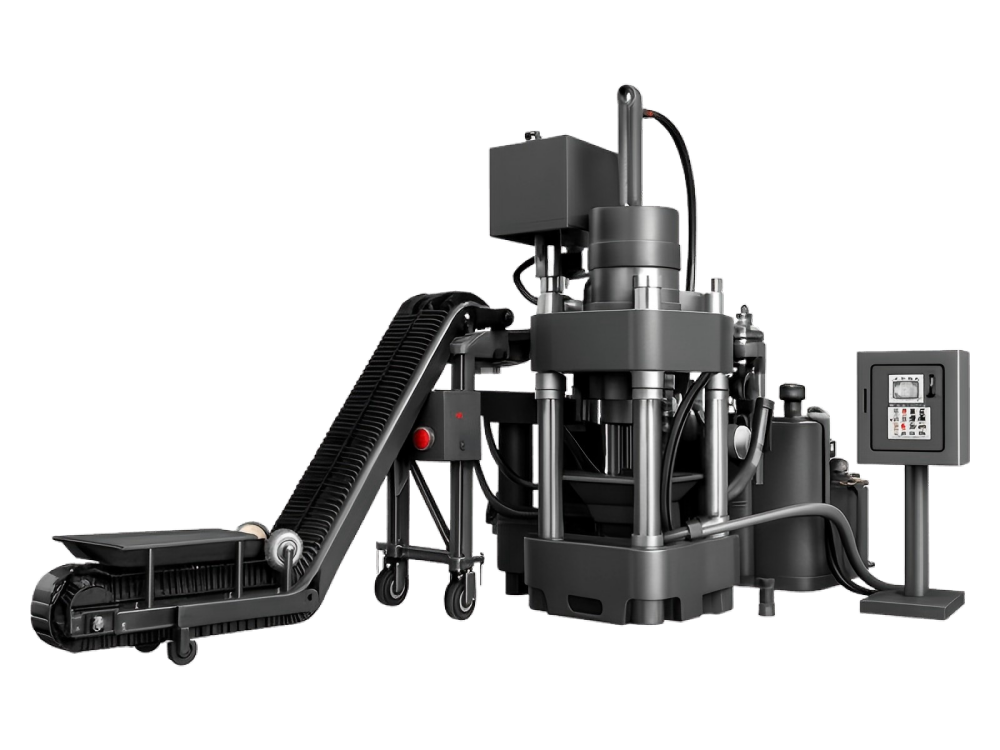
Understanding the internal mechanics of these machines reveals why they are so effective. A HARSLE hydraulic briquetting machine consists of several critical subsystems working in harmony to achieve maximum density and reliability.
The Hydraulic Power Unit (HPU)
The heart of the machine is the hydraulic system. It must deliver consistent, high-pressure force to the compression cylinder. HARSLE utilizes premium pumps and valves to ensure that the pressure is applied smoothly. High-pressure hydraulics (often exceeding 250 bar) are necessary to overcome the elasticity of materials like springy steel turnings or tough titanium chips. The system is typically equipped with oil coolers to maintain optimal viscosity during continuous 24/7 operations.
The Compression Chamber and Tooling
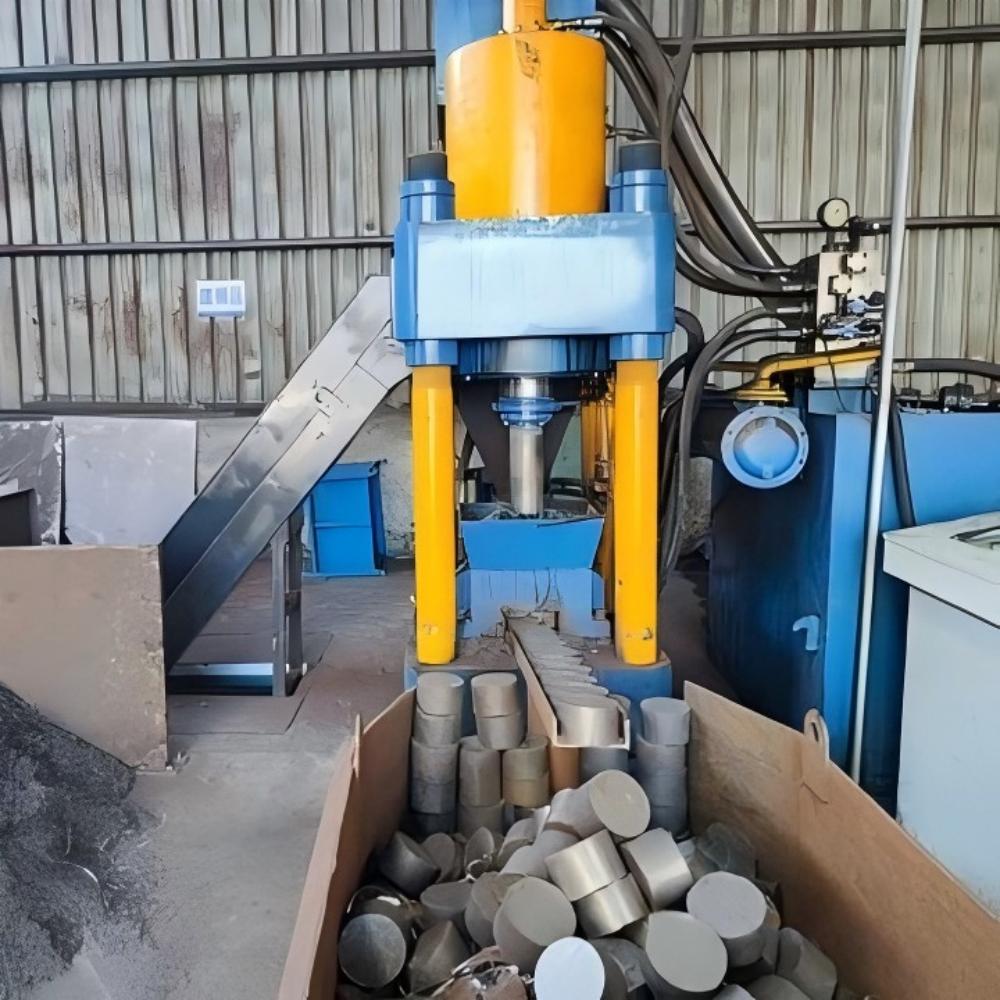
The compression process usually occurs in two or three stages. First, a feeding ram pushes the loose material into the main chamber. Then, a pre-compression cylinder compacts the material to remove air. Finally, the main high-pressure cylinder crushes the metal against a fixed die or a sliding gate to form the final briquette. The dies and punches are made from high-grade, heat-treated tool steel to withstand the abrasive nature of metal scrap.
PLC Control and Automation
Modern briquetting machines are fully automated. Using PLC (Programmable Logic Controller) systems, operators can adjust the compression time, pressure settings, and briquette length. Sensors monitor the hopper level, ensuring the machine only runs when there is material to process, which saves energy. HARSLE machines often feature touch-screen interfaces that provide real-time diagnostics and maintenance alerts, making them user-friendly for shop floor personnel.
Material Compatibility Table
| Material Type | Compression Ratio | Briquette Density | Key Benefit |
|---|---|---|---|
| Aluminum Chips | 10:1 to 15:1 | High | Prevents oxidation in furnace |
| Steel Turnings | 15:1 to 20:1 | Medium-High | Reduces transport costs significantly |
| Cast Iron Borings | 5:1 to 8:1 | Very High | Eliminates dust and improves handling |
| Copper/Brass | 8:1 to 12:1 | High | Recovers high-value cutting oils |
| Titanium | 10:1 to 12:1 | Medium | Critical for high-purity recycling |
Selection Advice: Choosing the Right Machine for Your Facility
Selecting a hydraulic briquetting machine requires a careful analysis of your waste stream and production goals. Not all machines are created equal, and choosing the wrong specifications can lead to inefficiencies or premature wear. Here are the primary factors to consider:
1. Material Type and Characteristics
The physical properties of your scrap dictate the machine’s design. For example, steel turnings are often long and ‘stringy,’ requiring a machine with a robust feeding mechanism or even a pre-shredder to break the turnings down before they enter the compression chamber. Conversely, cast iron dust is very fine and abrasive, requiring specialized seals to prevent the dust from entering the hydraulic system. Always provide your machinery supplier with samples of your scrap to ensure the machine is tuned for your specific material.
2. Required Throughput (Capacity)
How many kilograms or tons of scrap do you generate per hour? Briquetting machines are rated by their hourly output. It is generally advisable to choose a machine with a capacity slightly higher (20-30%) than your peak waste generation rate. This ensures the machine isn’t running at 100% load constantly, which extends its service life and allows for future growth in production.
3. Briquette Size and Shape
The diameter of the briquette affects both the density and the speed of the machine. Smaller diameters usually result in higher density but lower hourly throughput. Most industrial machines produce cylindrical briquettes with diameters ranging from 50mm to 150mm. Consider your end-user (the foundry or recycler) and what size they prefer for their charging buckets or furnaces.
4. Level of Automation
Do you want a standalone machine that an operator feeds manually, or a fully integrated system? For high-volume environments, HARSLE recommends integrated systems where conveyors bring scrap directly from the CNC machines into the briquetter’s hopper. This ‘hands-off’ approach minimizes labor costs and ensures the shop floor remains clean at all times.
Maintenance Best Practices for Longevity
To ensure that Hydraulic Briquetting Machines Are Essential Metal Waste Management assets for years to come, a strict maintenance schedule is required. Because these machines operate under extreme pressure and often deal with abrasive materials, neglect can lead to costly downtime.
- Hydraulic Oil Management: Regularly check oil levels and clarity. Contaminated oil is the number one cause of hydraulic component failure. Replace filters according to the manufacturer’s schedule.
- Seal Inspection: The seals on the main cylinders are subject to intense friction. Inspect for leaks weekly. Replacing a seal early is much cheaper than repairing a scored cylinder rod.
- Die and Punch Wear: Over time, the compression tools will wear down, leading to less dense briquettes. Monitor the quality of the output and rotate or replace tooling when the briquettes become ‘crumbly.’
- Cooling System: Ensure the heat exchanger is clean. If the hydraulic oil overheats, it loses its lubricating properties and can damage the pump.
Frequently Asked Questions (FAQ)
What is the typical ROI for a hydraulic briquetting machine?
Most companies see a Return on Investment (ROI) within 12 to 24 months. This is calculated based on the increased scrap value (typically 15-25% higher), the value of recovered coolants, and the reduction in waste hauling and labor costs.
Can I briquette different types of metal in the same machine?
Yes, but it is not recommended to mix them if you want to maintain the high value of the scrap. You should clean the hopper and chamber between batches of different materials (e.g., switching from aluminum to steel) to avoid cross-contamination, which foundries dislike.
Does the metal need to be shredded before briquetting?
It depends on the form of the scrap. Small chips and borings can go directly into the machine. Long, bird-nest turnings usually require a shredder or a chip breaker to ensure they can be fed into the compression chamber effectively.
How much power do these machines consume?
Power consumption varies by size, but HARSLE machines are designed with energy efficiency in mind. By using variable displacement pumps and smart PLC logic, the machine only draws significant power during the actual compression stroke.
Are the briquettes strong enough to be handled roughly?
Yes. When properly compressed, a metal briquette is nearly as dense as a solid piece of cast metal. They can be dropped, stacked, and transported in bulk without breaking apart.
Conclusion: The Future of Metal Waste Management
As we have explored, the reasons why Hydraulic Briquetting Machines Are Essential Metal Waste Management tools are multifaceted. They bridge the gap between messy, inefficient waste disposal and a streamlined, profitable recycling process. By reducing volume, recovering valuable fluids, and increasing the metallurgical value of scrap, these machines provide a rare ‘win-win’ scenario for both the balance sheet and the environment.
In an era where industrial efficiency is the key to staying competitive, leaving scrap metal in its loose, raw form is no longer a viable option. Investing in a HARSLE hydraulic briquetting system is an investment in the future of your facility. It transforms a logistical headache into a structured, automated, and revenue-generating department. Whether you are looking to reclaim floor space, meet sustainability goals, or simply get the best price for your scrap, the hydraulic briquetting press is the definitive solution for modern metal waste management.