Top Industrial Applications of Hydraulic Briquetting Machines in Manufacturing

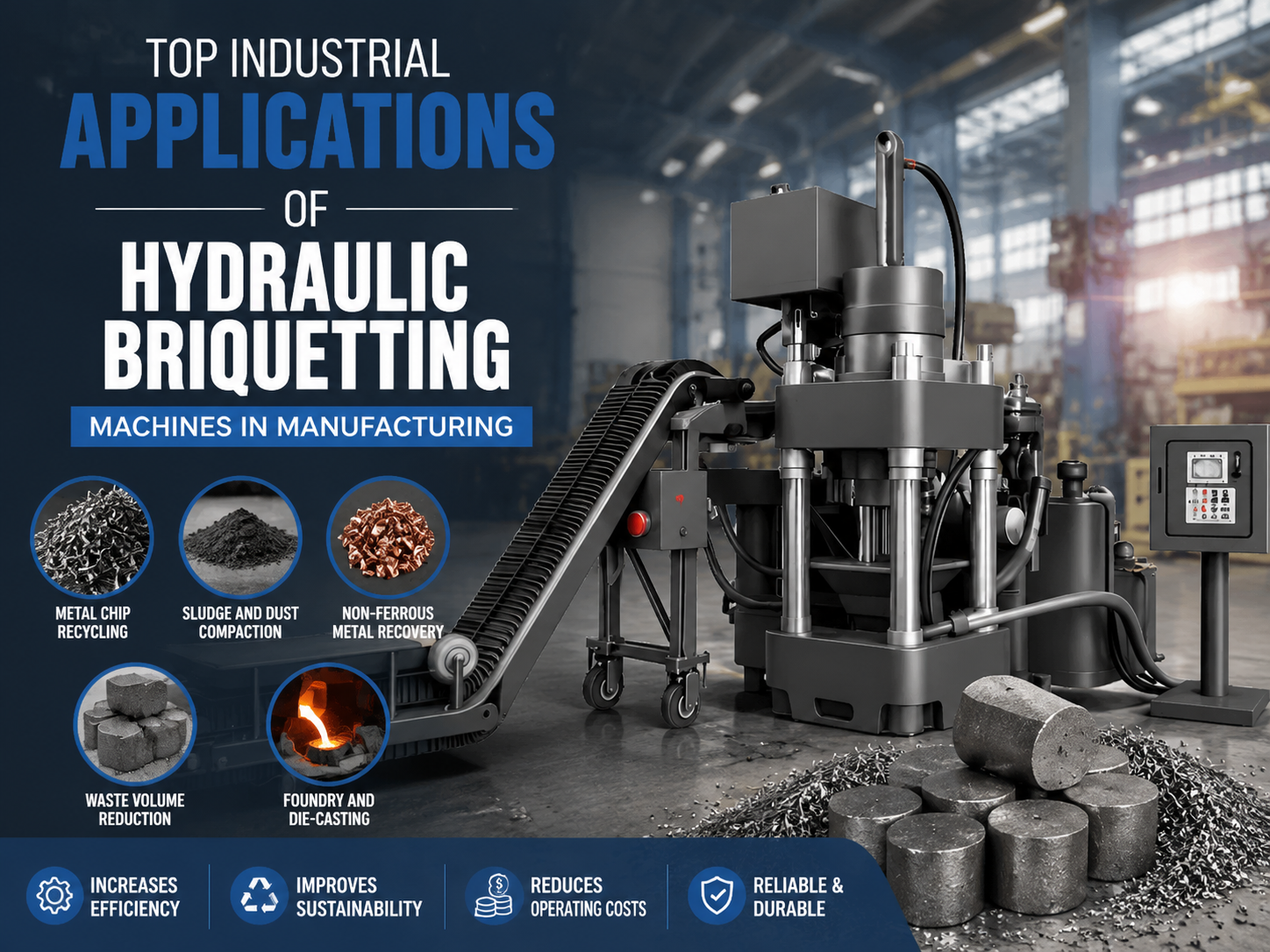
Introduction to Hydraulic Briquetting in Modern Manufacturing
In the contemporary industrial landscape, the drive toward sustainability and operational efficiency has never been more critical. As manufacturing processes evolve, the management of byproduct materials—specifically metal chips, turnings, and filings—has transitioned from a logistical burden to a significant economic opportunity. At the heart of this transformation is the hydraulic briquetting machine. These robust pieces of industrial equipment are designed to compress loose metal scrap into dense, manageable blocks known as briquettes. By utilizing high-pressure hydraulic systems, manufacturers can drastically reduce the volume of their waste, recover expensive cutting fluids, and enhance the resale value of their scrap metal.
HARSLE, a leader in metal fabrication machinery, recognizes that the Top Industrial Applications Of Hydraulic Briquetting Machines In Manufacturing extend far beyond simple waste reduction. These machines are integral to the circular economy within the factory floor. Whether dealing with aluminum, steel, cast iron, or copper, the ability to transform loose debris into solid forms allows for cleaner workspaces, lower transportation costs, and more efficient smelting processes. In this comprehensive guide, we will explore the diverse applications, technical nuances, and strategic advantages of integrating hydraulic briquetting technology into your production line.
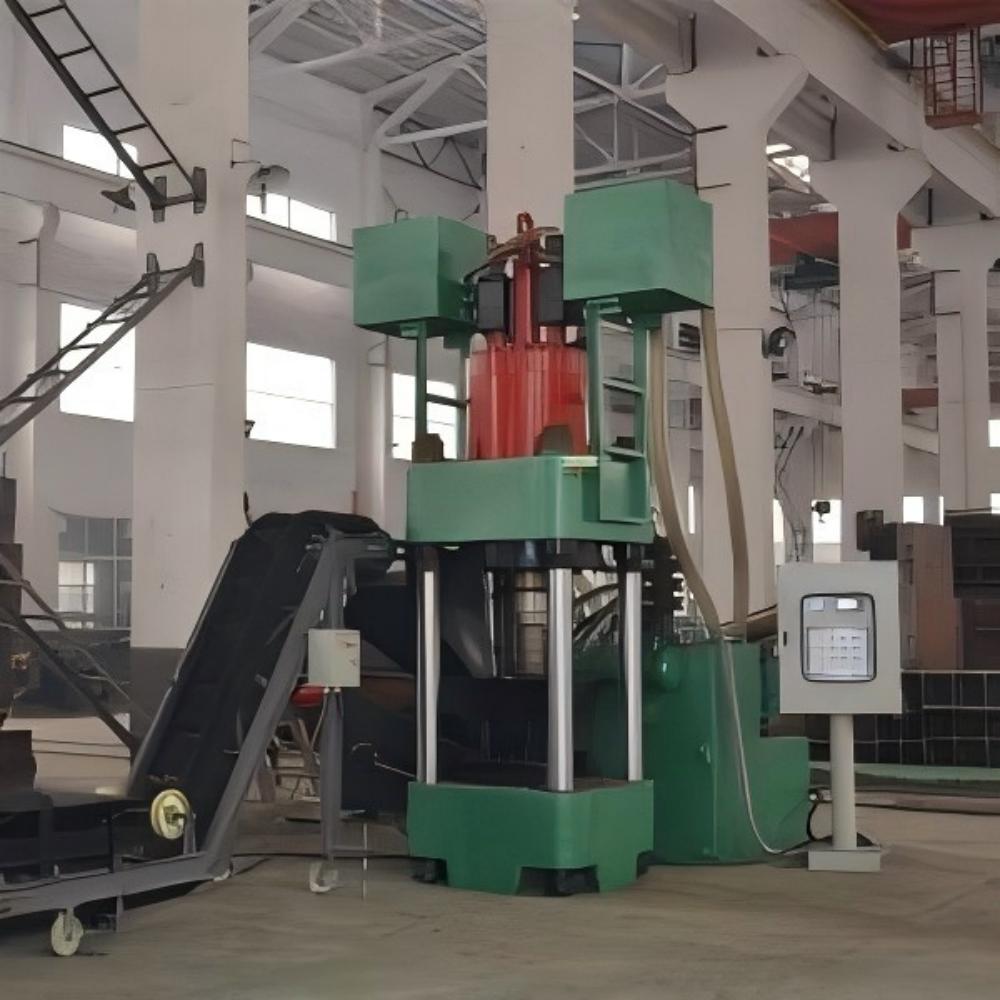
The shift toward automated briquetting solutions reflects a broader trend in Industry 4.0, where data-driven manufacturing meets physical resource optimization. Modern hydraulic briquetting machines are now equipped with advanced PLC (Programmable Logic Controller) systems, allowing for seamless integration into existing production workflows. This ensures that scrap management does not become a bottleneck but rather a streamlined, value-added stage of the manufacturing lifecycle. As we delve deeper into the specific applications, it becomes clear why these machines are becoming a staple in facilities ranging from small precision machine shops to massive automotive assembly plants.
Key Considerations for Implementing Briquetting Technology
Before integrating a hydraulic briquetting machine into a manufacturing environment, several strategic factors must be evaluated. The first and most obvious consideration is the volume of scrap generated. For facilities producing significant amounts of metal turnings or swarf, the ROI (Return on Investment) for a briquetting machine is often realized within a very short period. The reduction in volume—often as high as 20:1—means that the frequency of scrap pickups is reduced, directly lowering logistics and labor costs associated with waste handling.
Another critical factor is the recovery of cutting oils and coolants. During the machining process, metal chips are typically saturated with expensive lubricants. When these chips are compressed in a hydraulic briquetting machine, the fluids are squeezed out and collected in a specialized drainage system. This recovered fluid can then be filtered and reused in the production process, leading to substantial savings in chemical and oil procurement. Furthermore, removing these fluids from the scrap makes the resulting briquettes more environmentally friendly and easier to handle for recyclers.
Environmental compliance and workplace safety also play a major role in the decision-making process. Loose metal chips are often sharp, oily, and prone to creating fire hazards or slipping risks on the factory floor. By containing this waste within a briquetting system, manufacturers can maintain a much cleaner and safer environment. Additionally, many regions have strict regulations regarding the disposal of oily metal waste. Briquetting helps meet these standards by separating the hazardous fluids from the solid metal, simplifying the compliance process and reducing the risk of environmental fines.
Finally, the market value of the scrap itself is a primary driver. Smelters and foundries prefer briquettes over loose chips because briquettes have a much higher density and lower surface area. This leads to significantly less oxidation and “burn-off” during the melting process, resulting in a higher metal yield. Consequently, recyclers are willing to pay a premium for briquetted material compared to loose, contaminated swarf. For a high-volume manufacturer, this price differential can translate into hundreds of thousands of dollars in additional annual revenue.
Technical Details of Hydraulic Briquetting Machines
The engineering behind a HARSLE hydraulic briquetting machine is a testament to precision and power. At its core, the machine consists of a heavy-duty frame, a hydraulic power unit, a compression chamber, and a control system. The process begins when metal scrap is fed into a hopper. From there, a dosing cylinder or screw conveyor moves the material into the main compression chamber. The hydraulic cylinder then exerts immense pressure—often exceeding several hundred tons—to compact the material into a solid block without the need for any binding agents.
The hydraulic system is the lifeblood of the machine. It must be capable of delivering consistent pressure while maintaining thermal stability during continuous operation. High-quality machines feature variable displacement pumps and efficient cooling systems to ensure that the hydraulic oil remains at an optimal temperature, preventing seal wear and maintaining cycle speeds. The use of high-grade steel for the compression molds and rams is also essential, as the abrasive nature of metal chips can cause significant wear over time. HARSLE utilizes hardened alloys to extend the service life of these critical components.
Material Compatibility and Compression Ratios
Different metals behave differently under pressure. For instance, aluminum is relatively soft and ductile, making it easy to form into dense briquettes. Steel and cast iron, being harder, require higher pressures and specific mold designs to prevent the briquette from crumbling. The technical specifications of the machine must be matched to the material type. Below is a general comparison of how different materials respond to briquetting:
| Material Type | Typical Volume Reduction | Coolant Recovery Potential | Briquette Density (kg/m³) |
|---|---|---|---|
| Aluminum Alloys | 10:1 to 15:1 | High | 2,200 – 2,500 |
| Steel / Stainless Steel | 5:1 to 8:1 | Medium | 5,000 – 6,000 |
| Cast Iron | 4:1 to 6:1 | Low (often dry) | 5,500 – 6,500 |
| Copper / Brass | 8:1 to 12:1 | High | 6,500 – 7,500 |
The control system, usually powered by a Siemens or Schneider PLC, allows operators to adjust parameters such as compression time, pressure levels, and cycle frequency. This flexibility is vital for manufacturers who process multiple types of scrap. Advanced sensors can detect when the hopper is full or if there is a blockage, automatically pausing the machine to prevent damage. This level of automation allows the machine to run unattended, further reducing labor costs.
Top Industrial Applications in Manufacturing
1. Automotive Component Manufacturing
The automotive industry is perhaps the largest user of hydraulic briquetting technology. From engine blocks to transmission housings, the amount of aluminum and cast iron scrap generated during CNC milling and boring is staggering. Automotive plants operate on thin margins and high volumes, making the efficiency of the briquetting machine a key component of their profitability. By briquetting their aluminum scrap, these plants can return the material directly to their own foundries or sell it back to suppliers at a premium, creating a closed-loop recycling system.
2. Aerospace and Defense
In aerospace manufacturing, the materials used—such as titanium, Inconel, and high-grade aluminum—are incredibly expensive. Every gram of scrap represents a significant loss if not handled correctly. Hydraulic briquetting machines in this sector are often customized to handle these exotic alloys. Because titanium is highly reactive, the briquetting process must be carefully controlled to avoid contamination. The high density of the resulting briquettes is crucial for aerospace-grade smelting, where material purity is non-negotiable.
3. Precision Machining and Job Shops
Small to medium-sized machine shops benefit from briquetting primarily through space savings and coolant recovery. In a crowded shop floor, barrels of loose chips take up valuable real estate. A compact hydraulic briquetting machine can replace dozens of scrap bins with a single pallet of briquettes. Furthermore, the recovery of expensive synthetic coolants can often pay for the machine’s electricity and maintenance costs, making it a self-sustaining investment for smaller enterprises.
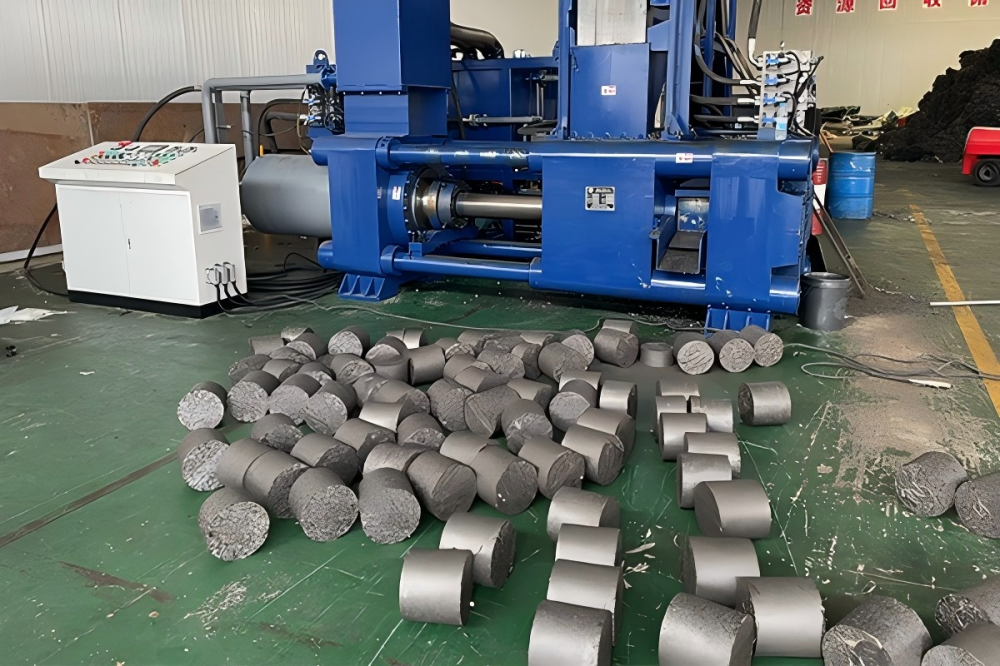
4. Foundries and Smelting Operations
Foundries utilize briquetting machines to prepare their own internal scrap for re-melting. Charging a furnace with loose chips is inefficient; the chips tend to float on top of the molten bath and oxidize, leading to high metal loss and potential slag issues. Briquettes, however, are dense enough to sink into the melt, ensuring that the metal is absorbed quickly and efficiently. This reduces energy consumption and improves the overall quality of the cast product.
5. Electronics and Appliance Manufacturing
The production of consumer electronics and household appliances involves significant stamping and punching of copper and steel sheets. The resulting “skeletons” and small punchings are ideal candidates for briquetting. Copper, in particular, is a high-value commodity. Briquetting copper scrap prevents the loss of small pieces during transport and ensures that the manufacturer receives the maximum possible value from the scrap dealer.
Selection Advice: Choosing the Right Machine for Your Facility
Selecting the appropriate hydraulic briquetting machine requires a thorough analysis of your specific production needs. It is not a one-size-fits-all solution. The first step is to quantify your scrap output. Are you producing 50kg per hour or 2,000kg per hour? HARSLE offers a range of models with varying throughput capacities to match these requirements. Over-specifying a machine leads to unnecessary capital expenditure, while under-specifying leads to premature wear and operational bottlenecks.
Consider the physical characteristics of your scrap. Long, stringy turnings may require a pre-shredder before they can be effectively fed into a briquetting machine. Conversely, fine powders or dust may require a specific hopper design to prevent clogging. You should also evaluate the available floor space and the method of feeding. Some facilities prefer a manual dump-and-run approach, while others require a fully integrated conveyor system that takes scrap directly from the CNC machines to the briquetter.
- Pressure Rating: Ensure the machine can provide enough force for your specific material (e.g., higher pressure for steel).
- Automation Level: Look for PLC controls that allow for remote monitoring and integration with your factory’s ERP system.
- Coolant Recovery: If you use wet machining, ensure the machine has an integrated collection tank and pump.
- Maintenance Access: Choose a design that allows for easy replacement of wear parts like the ram head and mold liners.
- Manufacturer Support: Partner with a reputable brand like HARSLE that provides comprehensive technical support and spare parts availability.
Finally, perform a Total Cost of Ownership (TCO) analysis. This includes the initial purchase price, installation, energy consumption, and maintenance. In most cases, the increase in scrap value and the savings from coolant recovery will result in a payback period of 12 to 24 months. When viewed as a long-term asset, a high-quality hydraulic briquetting machine is one of the most effective ways to improve the bottom line of a manufacturing facility.
Frequently Asked Questions (FAQ)
What types of metal can be processed in a hydraulic briquetting machine?
Most industrial metals can be processed, including aluminum, steel, cast iron, copper, brass, bronze, titanium, and magnesium. The machine’s pressure settings and mold design may need to be adjusted based on the hardness and ductility of the specific metal.
How much volume reduction can I expect?
Volume reduction depends on the initial density of the scrap. For loose aluminum turnings, a reduction of 10:1 to 15:1 is common. For heavier steel chips, the ratio is typically between 5:1 and 8:1. This significantly reduces the footprint of waste storage.
Is it necessary to add a binder to hold the briquette together?
No, HARSLE hydraulic briquetting machines use high pressure to create a mechanical bond between the metal particles. This results in a solid briquette without the need for any chemical binders, which is preferable for smelting as it maintains the purity of the metal.
Can the machine handle wet and oily scrap?
Yes, one of the primary advantages of these machines is their ability to process wet scrap. The compression process squeezes out the fluids, which are then collected in a tray for filtration and reuse. This also makes the briquettes more valuable to recyclers.
What kind of maintenance does a briquetting machine require?
Regular maintenance includes checking hydraulic oil levels and filters, lubricating moving parts, and inspecting the wear plates and molds. Because the process involves abrasive metal scrap, the compression tools will eventually need to be refurbished or replaced to maintain briquette quality.
Does briquetting really increase the value of my scrap?
Absolutely. Recyclers and foundries prefer briquettes because they are easier to transport, take up less space, and have a higher yield during melting. Most scrap dealers offer a significantly higher price per ton for briquetted material compared to loose chips.
Conclusion: The Future of Waste Management in Manufacturing
The Top Industrial Applications Of Hydraulic Briquetting Machines In Manufacturing demonstrate that these machines are no longer optional luxuries but essential tools for the modern factory. By converting voluminous, oily waste into clean, dense, and valuable briquettes, manufacturers can achieve a rare trifecta: improved environmental sustainability, enhanced workplace safety, and increased profitability. As global regulations on industrial waste tighten and the cost of raw materials continues to rise, the ability to efficiently recycle and reuse metal scrap will become a defining characteristic of successful manufacturing enterprises.
HARSLE remains committed to providing the industry with high-performance hydraulic briquetting solutions that are built to last. By investing in the right technology today, companies can ensure they are prepared for the challenges of tomorrow’s manufacturing landscape. Whether you are looking to recover expensive coolants, reduce your carbon footprint, or simply maximize the value of your scrap metal, a hydraulic briquetting machine is a strategic investment that delivers measurable results across every department of your operation.