Where Hydraulic Briquetting Machines Deliver the Highest ROI in Industry

Introduction to the Economic Impact of Hydraulic Briquetting
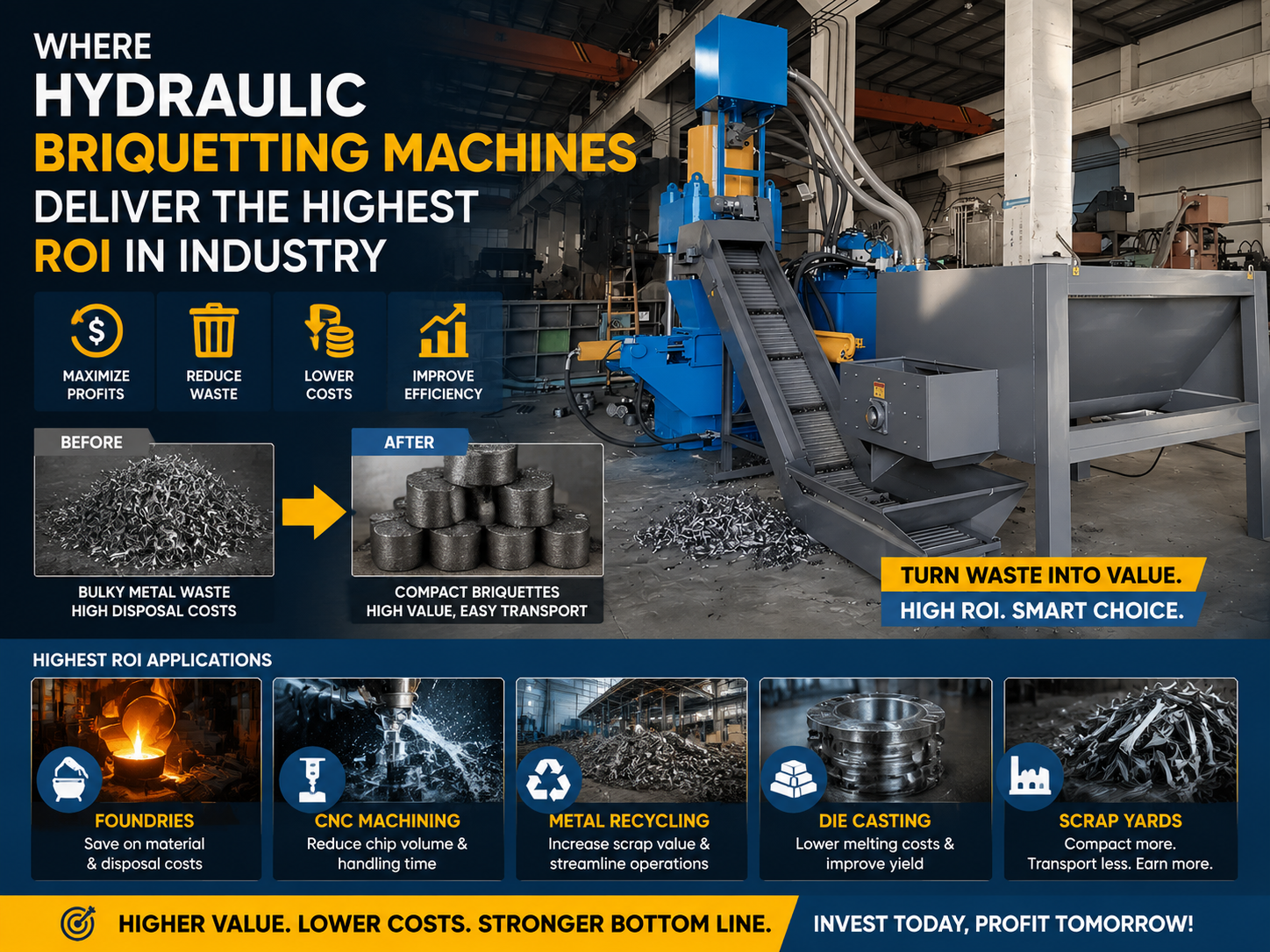
In the modern landscape of high-precision manufacturing and metal fabrication, the management of waste materials has evolved from a logistical burden into a significant revenue stream. The question of Where Hydraulic Briquetting Machines Deliver the Highest ROI in Industry is increasingly relevant as companies strive for lean manufacturing and environmental sustainability. A hydraulic briquetting machine is designed to compress loose metal chips, turnings, and filings into dense, solid blocks or “briquettes.” This process does more than just tidy up the shop floor; it fundamentally changes the economics of scrap metal management.
For decades, machine shops and foundries treated metal swarf as a low-value byproduct. However, with the rising costs of raw materials and the tightening of environmental regulations, the ability to reclaim and reuse these materials has become a competitive advantage. The Return on Investment (ROI) for a hydraulic briquetting machine is not found in a single metric but across a spectrum of operational improvements, including material value appreciation, fluid recovery, and logistical savings. When we analyze the industrial sectors that benefit most, we see a pattern of high-volume production and high-value material usage.
HARSLE, as a leader in metal fabrication machinery, understands that the decision to invest in a briquetting system must be backed by clear financial data. Whether you are dealing with aluminum, steel, cast iron, or copper, the transformation of loose waste into high-density briquettes offers a path to rapid payback. In this comprehensive guide, we will explore the specific industrial applications and technical factors that determine where these machines deliver the most significant financial impact.
Key Considerations for Maximizing ROI
1. Material Value and Market Pricing
The most immediate factor in determining ROI is the difference in market price between loose scrap and briquetted scrap. Foundries and smelters prefer briquettes because they have a much higher density and a lower surface-to-volume ratio. This is critical during the melting process; loose chips often burn off or oxidize before they can melt, leading to significant material loss (melt loss). Briquettes, on the other hand, sink into the melt and provide a much higher yield. Consequently, recyclers and foundries are willing to pay a premium for briquetted material, often ranging from 15% to 50% more than loose swarf.
2. Coolant and Cutting Fluid Recovery
One of the most overlooked aspects of Where Hydraulic Briquetting Machines Deliver the Highest ROI in Industry is the recovery of expensive cutting fluids. Metal chips coming off a CNC machine are typically saturated with coolants or oils. When these chips are compressed in a hydraulic briquetting machine, the fluids are squeezed out and collected. In high-volume operations, the value of the recovered fluid can sometimes pay for the machine’s operating costs alone. Furthermore, removing these fluids makes the scrap “cleaner,” which further increases its resale value and reduces environmental disposal fees for hazardous waste.
3. Logistics and Storage Efficiency
Loose metal chips are incredibly bulky and inefficient to store and transport. A standard container filled with loose aluminum turnings might only weigh a fraction of its capacity because of the air gaps between the chips. A hydraulic briquetting machine can achieve a volume reduction ratio of up to 20:1. This means you can store twenty times more material in the same footprint and reduce the frequency of scrap pickups by 90% or more. For facilities with limited floor space or those located far from recycling centers, the savings in transportation and storage are massive components of the ROI calculation.
4. Environmental Compliance and Sustainability
Modern industries are under increasing pressure to meet ESG (Environmental, Social, and Governance) goals. Briquetting machines contribute to a circular economy by ensuring that nearly 100% of metal waste is returned to the production cycle. Additionally, by extracting oils and coolants, companies prevent the leakage of hazardous materials during transport, reducing the risk of environmental fines and improving the overall safety and cleanliness of the facility.
Technical Details of High-ROI Briquetting Systems
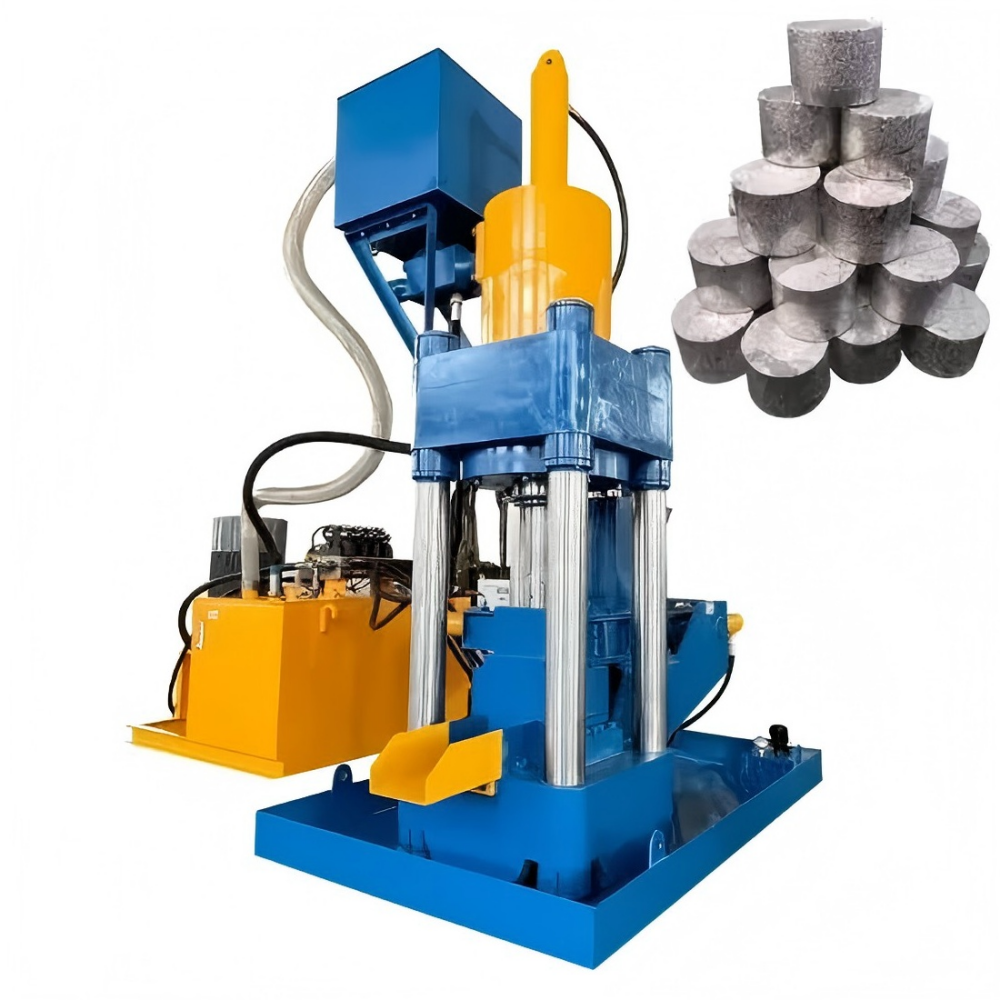
To understand why certain machines perform better than others, we must look at the technical specifications that drive efficiency. A high-ROI machine must balance pressing force, cycle speed, and durability. HARSLE’s Y83 series, for example, is engineered to handle the rigorous demands of 24/7 industrial environments.
Hydraulic System and Pressure Control
The heart of the machine is the hydraulic system. To create a stable briquette that won’t crumble during transport, the machine must exert immense pressure—often exceeding 200 MPa on the material surface. This requires high-quality hydraulic pumps and precision valves. Advanced systems use variable displacement pumps that adjust the flow based on the resistance of the material, which saves energy and reduces heat buildup in the hydraulic oil, extending the life of the seals and components.
PLC Automation and Integration
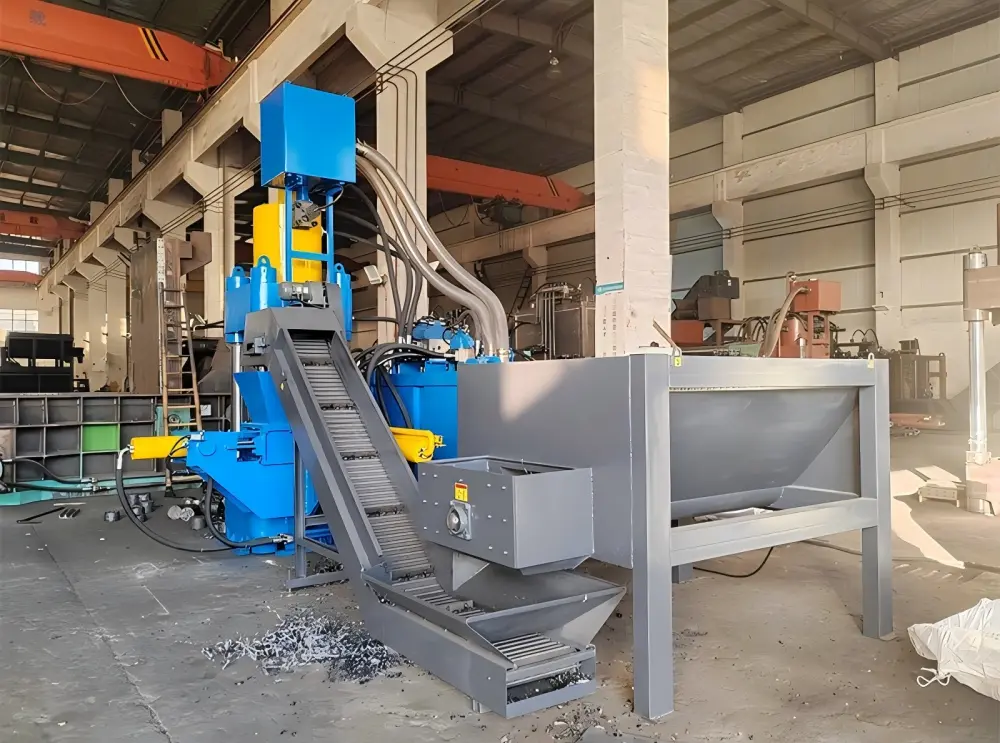
For maximum ROI, the briquetting process should be as hands-off as possible. Modern machines are equipped with PLC (Programmable Logic Controller) systems that allow for fully automatic operation. These systems can be integrated with conveyors that feed scrap directly from the CNC machines into the briquetter’s hopper. Sensors detect the level of material and start the cycle automatically, ensuring that the machine only runs when necessary, thereby reducing wear and energy consumption.
| Feature | Impact on ROI | Technical Specification |
|---|---|---|
| Compression Ratio | Reduces transport costs by up to 90% | Up to 20:1 depending on material |
| Fluid Extraction | Recovers 95%+ of cutting oils | Integrated collection tray and pump |
| Cycle Time | Increases throughput and revenue | 10-15 seconds per briquette |
| Briquette Density | Higher resale value at foundries | >5,500 kg/m³ for steel |
Material-Specific Configurations
Not all metals behave the same under pressure. Aluminum is relatively soft but tends to stick to the molds, requiring specific coatings or ejection mechanisms. Cast iron is brittle and creates a lot of fine dust, necessitating a robust sealing system to protect the hydraulic cylinders. Steel turnings are often long and “springy,” requiring a pre-compression chamber or a shredder to break them down before they enter the main pressing cylinder. Choosing a machine tailored to your specific material is vital for long-term ROI.
Selection Advice: Choosing the Right Machine for Your Facility
When determining Where Hydraulic Briquetting Machines Deliver the Highest ROI in Industry, the selection process is critical. A machine that is too small will become a bottleneck, while one that is too large will have an unnecessarily long payback period due to high initial capital expenditure.
Step 1: Analyze Your Scrap Volume
Calculate the total weight of scrap produced per shift. Most manufacturers categorize machines by their hourly throughput (e.g., 500kg/h, 1000kg/h). It is generally recommended to choose a machine that can handle your peak production volume within 70% of its rated capacity. This allows for future growth and prevents the machine from running at its absolute limit, which can lead to increased maintenance needs.
Step 2: Vertical vs. Horizontal Design
Vertical briquetting machines, like the HARSLE Y83 series, are often preferred for their smaller footprint and ease of gravity-feeding. They are excellent for materials that are relatively uniform. Horizontal machines are sometimes used for specific types of bulky scrap or when the ceiling height is a constraint. For most metal fabrication shops, the vertical design offers the best balance of performance and space efficiency.
Step 3: Evaluate the Level of Automation
Do you need a standalone unit that an operator feeds manually, or a fully integrated system? If your facility produces scrap continuously, an automated system with a conveyor and a chip shredder will deliver a much higher ROI by eliminating labor costs. The goal is to create a “set and forget” system where the only human intervention is moving the finished pallets of briquettes.
Step 4: Consider Maintenance and Support
ROI is quickly eroded by downtime. Look for machines with standard, high-quality components (like Siemens motors or Schneider electrics) that are easy to source locally. HARSLE provides comprehensive support and uses globally recognized components to ensure that maintenance is straightforward and parts are readily available. A machine with a robust frame and oversized hydraulic cylinders will naturally last longer and require fewer repairs over its 10-15 year lifespan.
Industry-Specific ROI Examples
The Automotive Sector
In automotive manufacturing, where thousands of engine blocks and transmission components are machined daily, the volume of aluminum and cast iron chips is staggering. Here, the ROI is driven by the sheer scale of material recovery. By briquetting on-site, automotive plants can feed their own foundries with high-density pucks, creating a closed-loop system that drastically reduces the need to purchase virgin ingots.
Aerospace and High-Value Alloys
In aerospace, materials like titanium and high-grade stainless steel are used. These materials are incredibly expensive. The ROI here isn’t just about volume; it’s about the value of the material. Even a small percentage increase in the resale value of titanium briquettes compared to loose chips can result in hundreds of thousands of dollars in additional annual revenue.
Small to Medium Job Shops
For smaller shops, the ROI often comes from space reclamation and cleanliness. By compressing scrap, they can free up valuable floor space for additional CNC machines. The recovery of cutting oil also keeps the shop floor cleaner and safer, reducing the risk of slip-and-fall accidents and improving the working environment.
Frequently Asked Questions (FAQ)
What is the typical payback period for a hydraulic briquetting machine?
Depending on the material volume and type, most industrial facilities see a full payback within 12 to 24 months. High-volume aluminum or copper operations may see an ROI in as little as 6 to 9 months when considering material value increases and fluid recovery combined.
Can one machine handle different types of metal?
Yes, but it requires adjustment. The pressing pressure and cycle settings may need to be changed via the PLC interface when switching from a soft metal like aluminum to a harder metal like steel. It is also important to clean the machine between different materials to avoid cross-contamination, which can lower the scrap value.
How much maintenance do these machines require?
Routine maintenance involves checking hydraulic oil levels, inspecting seals for leaks, and ensuring the cooling system is functioning. The pressing molds and punches are wear items and will eventually need replacement, but with proper lubrication and clean material, they can last for thousands of hours of operation.
Does the machine require a specialized operator?
No. Modern HARSLE machines are designed for ease of use. Once the PLC is programmed for the specific material, the machine can be operated by general floor staff. Most of the operation is automated, requiring only basic monitoring and the removal of finished briquettes.
What happens to the recovered coolant?
The recovered coolant is typically collected in a reservoir at the base of the machine. From there, it can be pumped through a filtration system and returned directly to the CNC machines’ coolant tanks, significantly reducing the need to purchase new concentrated cutting fluids.
Conclusion: The Strategic Value of Briquetting
Determining Where Hydraulic Briquetting Machines Deliver the Highest ROI in Industry reveals that the benefits extend far beyond simple waste management. For any facility processing significant amounts of metal, a briquetting machine is a strategic investment that addresses financial, operational, and environmental challenges simultaneously. By converting voluminous, oil-soaked scrap into clean, high-density briquettes, manufacturers can unlock hidden capital, reduce logistical headaches, and move toward a more sustainable production model.
HARSLE continues to innovate in this space, providing robust and efficient hydraulic briquetting solutions tailored to the diverse needs of the global manufacturing industry. Whether you are a small job shop looking to reclaim floor space or a massive automotive plant aiming for a closed-loop recycling system, the ROI of a well-chosen briquetting machine is undeniable. As raw material prices continue to fluctuate and environmental standards become more stringent, the ability to process scrap efficiently will remain a cornerstone of industrial profitability.