How Hydraulic Briquetting Machines Support Sustainable Manufacturing

Introduction to Sustainable Manufacturing and Metal Waste
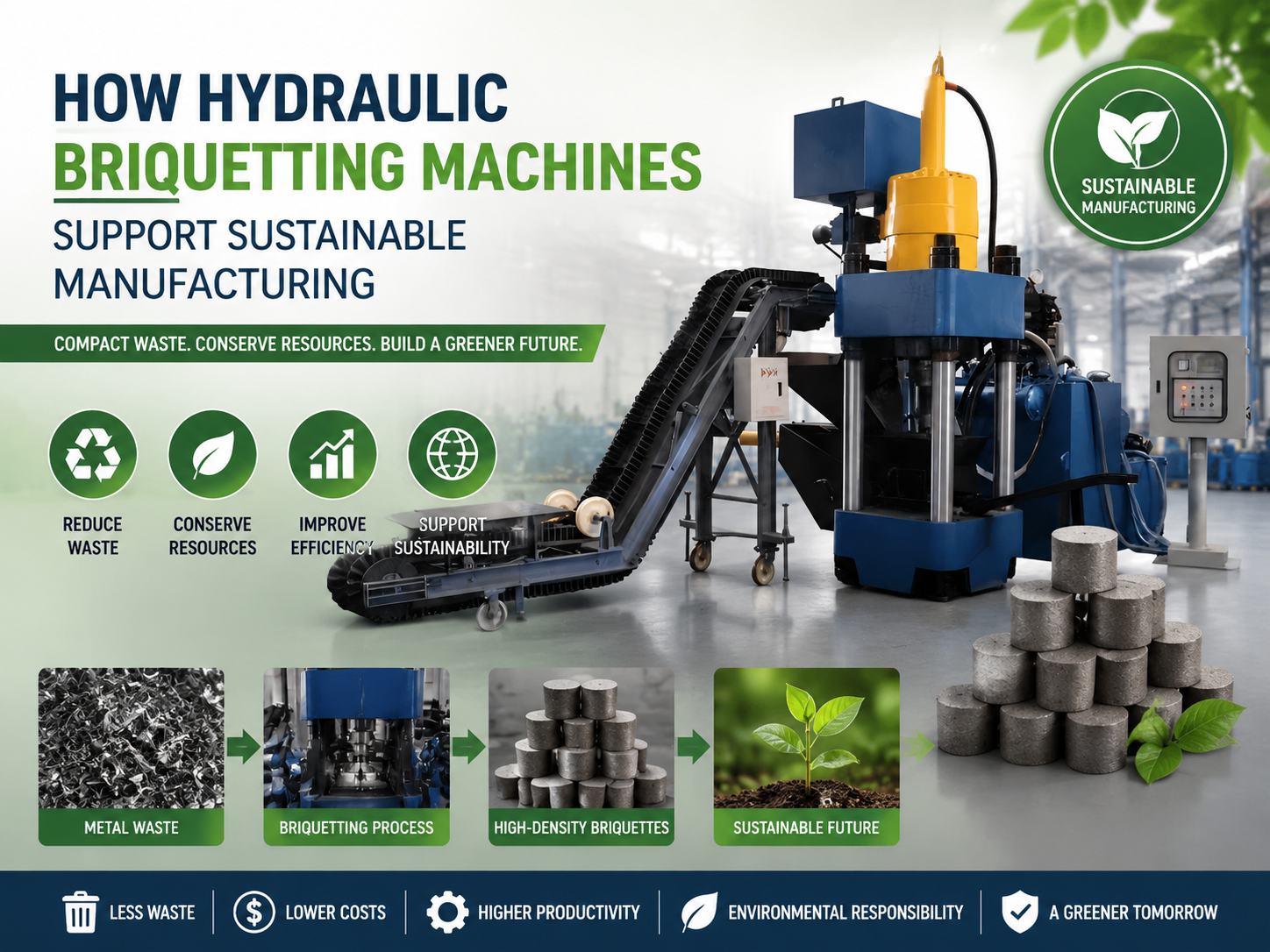
In the modern industrial landscape, the concept of sustainable manufacturing has transitioned from a corporate social responsibility goal to a core operational necessity. As global regulations tighten and the costs of raw materials and waste disposal climb, manufacturers are seeking innovative ways to minimize their environmental footprint while maximizing resource efficiency. One of the most effective tools in this transition is the hydraulic briquetting machine. These robust systems are designed to transform loose metal chips, turnings, and swarf into dense, manageable briquettes, directly addressing the challenges of metal waste management.
Metal fabrication processes, such as milling, turning, and grinding, generate significant amounts of scrap. Traditionally, this scrap was treated as a low-value byproduct, often contaminated with cutting fluids and difficult to transport. However, with the integration of HARSLE’s advanced hydraulic briquetting technology, companies can now reclaim the value of this waste. By compressing loose metal into high-density blocks, manufacturers not only reduce the physical volume of their waste but also create a product that is far more valuable for secondary smelting and recycling.
The shift toward a circular economy requires tools that bridge the gap between production waste and raw material recovery. Hydraulic briquetting machines support sustainable manufacturing by ensuring that every gram of metal and every drop of industrial lubricant is utilized to its fullest potential. This article explores the technical nuances, economic benefits, and environmental impacts of implementing briquetting technology in a modern metalworking facility.
Key Considerations for Implementing Briquetting Systems
When a facility decides to adopt hydraulic briquetting, several strategic factors must be considered to ensure the investment aligns with sustainability and productivity goals. The first consideration is the volume reduction ratio. Loose metal chips can take up an enormous amount of floor space and require frequent transport. A high-quality briquetting machine can reduce the volume of scrap by up to 90%, significantly lowering the carbon footprint associated with logistics and storage.
Another critical factor is coolant and lubricant recovery. During the compression process, the hydraulic press squeezes out residual cutting oils and coolants that are trapped within the metal chips. In a sustainable manufacturing setup, these fluids are collected, filtered, and reused in the production line. This not only reduces the need to purchase new expensive lubricants but also prevents hazardous fluids from leaking into the environment during transport or landfilling.
The purity of the recycled material is also paramount. Briquettes produced under high pressure are largely free of air and moisture, which prevents oxidation during storage. When these briquettes are sent to a furnace for remelting, they submerge more easily into the molten bath compared to loose chips, which often float and burn off (oxidize), leading to significant material loss. By improving the yield of the melting process, briquetting directly supports the conservation of natural resources.
Finally, manufacturers must evaluate the automation and integration capabilities of the machine. To truly support sustainable manufacturing, the briquetting process should be seamless. HARSLE machines often feature PLC-controlled systems that allow for automatic feeding and operation, reducing the labor intensity and energy waste associated with manual scrap handling. Integrating the machine directly into the production cell ensures that waste is processed at the source, minimizing internal logistics.
Technical Details of Hydraulic Briquetting Technology
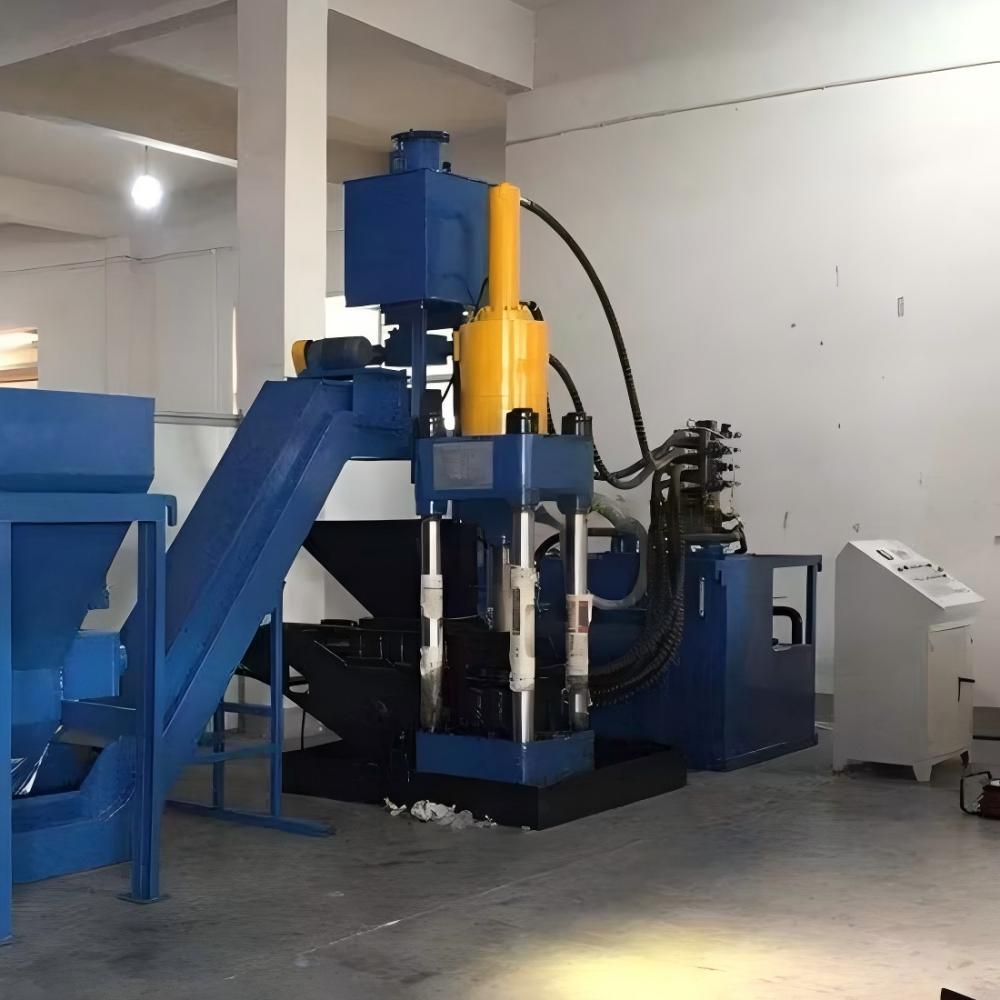
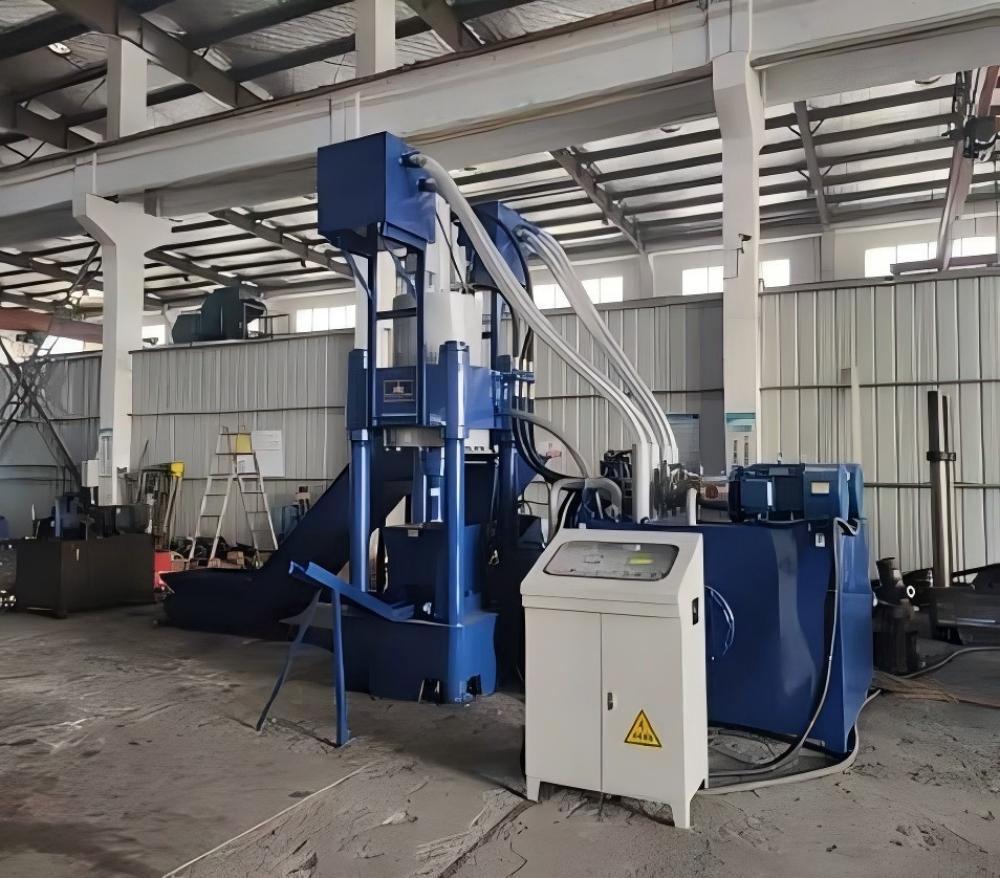
The engineering behind a hydraulic briquetting machine is a testament to the power of fluid mechanics. At its core, the machine consists of a heavy-duty hydraulic cylinder, a compression chamber, and a feeding system. The process begins when metal scrap is fed into a hopper. A pre-compression cylinder or a screw feeder moves the material into the main chamber, where the primary hydraulic ram exerts several hundred tons of pressure to form the briquette.
The Hydraulic Power Unit (HPU)
The HPU is the heart of the machine. It must provide consistent, high-pressure force while maintaining energy efficiency. Modern HARSLE machines utilize variable displacement pumps and high-efficiency motors to ensure that energy is only consumed when the ram is in motion. This “power-on-demand” approach is a cornerstone of sustainable machinery design, reducing the overall electricity consumption of the recycling process.
Material Compatibility and Compression Ratios
Different metals require different pressure settings to achieve optimal density. For instance, aluminum chips are relatively soft but require high pressure to overcome their elasticity, while cast iron borings are brittle and compress easily into very dense blocks. Steel and copper also have unique compression profiles. A versatile hydraulic briquetting machine allows the operator to adjust the pressure and dwell time to suit the specific material, ensuring that the resulting briquettes meet the density requirements of secondary smelters.
Coolant Extraction and Filtration
As the metal is compressed, the volume of the voids between the chips decreases, forcing out any liquid. Advanced briquetting systems include integrated drainage channels and collection tanks. Some systems are equipped with secondary filtration units that remove fine particles from the recovered oil, making it immediately ready for re-introduction into the CNC machines. This closed-loop fluid management is a major contributor to the “zero-waste” manufacturing philosophy.
How Briquetting Enhances the Circular Economy
The circular economy is based on the principle of keeping materials in use for as long as possible. Hydraulic briquetting machines are essential in this cycle because they transform “waste” back into a “raw material” with minimal energy input. When metal scrap is sold as loose chips, it is often downgraded in value because of its high volume and contamination. In contrast, briquettes are treated as high-quality scrap, often fetching a price close to that of primary ingots.
From an environmental perspective, the energy required to produce metal from recycled briquettes is a fraction of what is needed to mine and refine virgin ore. For example, recycling aluminum saves approximately 95% of the energy required for primary production. By making the recycling process more efficient and economically viable for individual machine shops, hydraulic briquetting machines encourage more localized recycling, reducing the need for long-distance transport of bulky waste.
Furthermore, the reduction in oxidation during the melting of briquettes means fewer slag and dross byproducts are created in the furnace. This leads to cleaner air emissions at the foundry and less hazardous waste for disposal. The entire lifecycle of the metal—from the first cut in a CNC machine to its rebirth in a foundry—is made more sustainable through the simple yet powerful act of briquetting.
Selection Advice: Choosing the Right Briquetting Machine
Selecting the appropriate hydraulic briquetting machine requires a thorough analysis of your facility’s waste stream and production goals. Here are the primary factors to guide your decision:
- Material Type: Identify the primary metals you process. If you handle multiple materials (e.g., aluminum and steel), you need a machine with adjustable pressure settings and perhaps separate collection systems to avoid cross-contamination.
- Throughput Requirements: Calculate the weight of scrap generated per hour. Machines are rated by their hourly output (e.g., 500kg/h to 2000kg/h). Choosing a machine that matches your peak production ensures that scrap doesn’t pile up and create a bottleneck.
- Briquette Diameter and Density: Foundries often have specific requirements for the size and density of the briquettes they purchase. Ensure the machine can produce a size that is compatible with your recycler’s or your own furnace’s charging system.
- Footprint and Layout: Consider where the machine will be placed. If space is at a premium, look for compact vertical designs. If the machine is to be integrated into an automated line, ensure it has the necessary I/O ports for communication with other equipment.
- Maintenance and Support: Like all hydraulic machinery, these presses require regular maintenance. Choose a manufacturer like HARSLE that provides clear maintenance schedules, readily available spare parts, and robust technical support.
Maintenance for Longevity and Efficiency
To ensure that a hydraulic briquetting machine continues to support sustainable manufacturing over the long term, a proactive maintenance strategy is essential. The most critical component is the hydraulic oil. It must be kept clean and at the correct temperature. Contaminated oil can damage the precision valves and pumps, leading to energy inefficiency and potential downtime. Regular oil analysis and filter changes are mandatory.
The compression chamber and the ram face are subject to significant wear, especially when processing abrasive materials like cast iron or certain alloys. These components should be inspected regularly for signs of scoring or deformation. Many HARSLE machines feature replaceable wear plates made from hardened steel, which can be swapped out to extend the life of the main structure. Additionally, checking the seals for leaks is vital not only for machine performance but also to prevent environmental contamination from hydraulic fluid spills.
Sensors and PLC components should also be part of the routine check. Ensuring that the pressure transducers and limit switches are calibrated correctly prevents the machine from overworking or producing sub-standard briquettes. A well-maintained machine operates at peak energy efficiency, further contributing to the facility’s sustainability goals.
Frequently Asked Questions (FAQ)
1. What types of metal can be processed by a hydraulic briquetting machine?
Most industrial metals can be briquetted, including aluminum, steel, cast iron, copper, brass, bronze, titanium, and magnesium. The machine’s settings are adjusted based on the material’s ductility and density.
2. How much can I expect to save by using a briquetting machine?
Savings come from three main areas: increased scrap value (often 20-50% higher for briquettes), recovered coolant (up to 90% recovery), and reduced transport/storage costs (up to 90% volume reduction). Most facilities see a return on investment (ROI) within 12 to 24 months.
3. Do the briquettes require a binder or adhesive?
No. High-quality hydraulic briquetting machines use extreme pressure to create a mechanical bond between the metal chips. This ensures the briquettes remain pure and are highly valued by foundries.
4. Can the machine handle wet chips?
Yes, hydraulic briquetting machines are specifically designed to handle chips saturated with coolants or oils. The compression process naturally separates the liquid from the solid metal.
5. Is the machine difficult to operate?
Modern machines are highly automated. Once the parameters are set for a specific material, the operator only needs to ensure the hopper is fed and the finished briquettes are collected. PLC interfaces make the operation intuitive.
Conclusion: The Future of Green Metal Fabrication
The integration of hydraulic briquetting machines is a definitive step toward a more sustainable and profitable future for the metal fabrication industry. By transforming bulky, contaminated waste into high-density, high-value raw materials, these machines solve multiple challenges simultaneously. They reduce the environmental impact of manufacturing, lower operational costs, and support the global transition to a circular economy.
As environmental regulations become more stringent and the cost of resources continues to fluctuate, the ability to recycle in-house becomes a significant competitive advantage. HARSLE remains committed to providing the metalworking industry with the tools necessary to achieve these goals. Investing in a hydraulic briquetting machine is not just an equipment purchase; it is a commitment to sustainable excellence and long-term industrial resilience. By choosing the right technology and maintaining it properly, manufacturers can ensure that their operations are as efficient, clean, and profitable as possible.