Comprehensive Guide to Hydraulic Briquetting Machine Uses In Non-Ferrous Metal Recycling

Introduction to Hydraulic Briquetting in the Non-Ferrous Sector
In the modern industrial landscape, the management of metal waste has evolved from a simple disposal task into a sophisticated resource recovery operation. Non-ferrous metals, including aluminum, copper, brass, bronze, and titanium, represent some of the most valuable materials in the manufacturing stream. However, the machining processes that create these components—such as milling, turning, and drilling—generate vast quantities of loose chips, turnings, and swarf. These loose materials are notoriously difficult to handle, transport, and melt. This is where the Hydraulic Briquetting Machine Uses In Non-Ferrous Metal Recycling become indispensable.
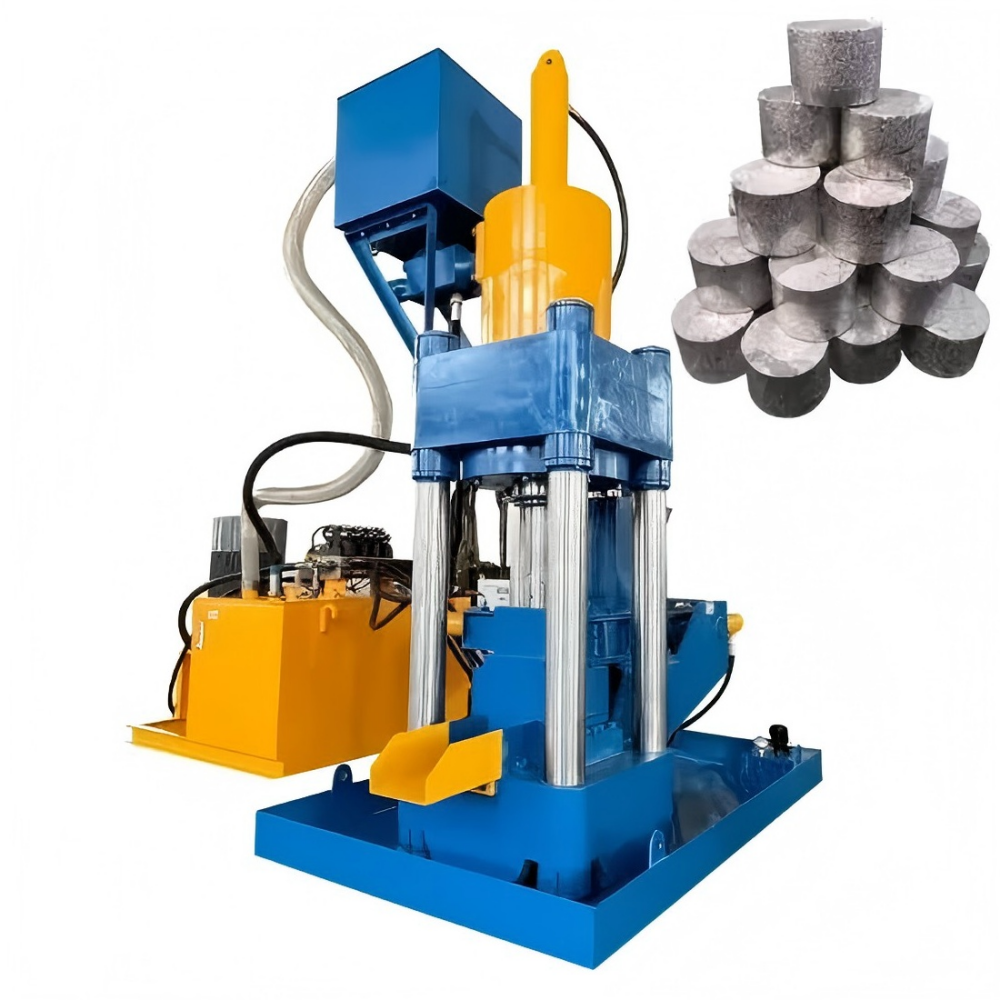
A hydraulic briquetting machine is a high-pressure industrial press designed to compress loose metal scrap into dense, uniform blocks known as briquettes. By applying thousands of pounds of pressure, these machines transform voluminous, air-filled scrap into solid cylinders or rectangles. For non-ferrous metals, this process is not merely about tidiness; it is a critical step in maximizing the economic value of the scrap. HARSLE, a leader in metal fabrication machinery, provides advanced hydraulic solutions that cater specifically to the unique physical properties of non-ferrous alloys, ensuring that manufacturers can close the loop on their material usage efficiently.
The global push toward a circular economy has further heightened the importance of these machines. As primary mining becomes more expensive and environmentally taxing, the ability to recycle non-ferrous metals with minimal loss is a competitive advantage. Throughout this guide, we will explore the technical nuances, economic benefits, and operational strategies involved in utilizing hydraulic briquetting technology for non-ferrous metal recycling.
Key Considerations for Non-Ferrous Metal Briquetting
1. Volume Reduction and Logistics Optimization
One of the most immediate Hydraulic Briquetting Machine Uses In Non-Ferrous Metal Recycling is the drastic reduction in material volume. Loose aluminum or copper chips can take up to 20 times more space than the same weight of briquetted material. This volumetric efficiency translates directly into lower storage costs and significantly reduced transportation expenses. Instead of hauling “air” in half-empty trucks, recyclers can maximize the weight capacity of every shipment, reducing the carbon footprint associated with logistics.
2. Maximizing Melting Yield
When loose metal chips are fed into a melting furnace, their high surface-area-to-volume ratio leads to significant oxidation. In the case of aluminum, thin chips often burn up or turn into dross before they can even submerge into the molten bath, resulting in a loss of up to 20-30% of the material. Briquettes, being dense and solid, sink directly into the melt. This minimizes oxidation and increases the melting yield to nearly 98-99%. For high-value metals like copper or titanium, these percentage gains represent substantial financial returns.
3. Fluid Recovery and Environmental Compliance
Non-ferrous machining almost always involves the use of cutting oils or coolants. Loose scrap is typically saturated with these fluids, which pose environmental hazards if they leak during storage or transport. A hydraulic briquetting machine acts as a secondary extraction tool. As the metal is compressed, the fluids are squeezed out and collected in a dedicated tray. This allows the manufacturer to reuse expensive coolants and ensures that the resulting briquettes are “dry” and ready for the furnace, complying with strict environmental regulations regarding hazardous waste transport.
4. Material Purity and Value Retention
Recyclers and smelters pay a premium for clean, dense scrap. Loose swarf is often suspected of containing contaminants or mixed alloys. By briquetting specific streams of non-ferrous scrap at the source (the machine shop), the purity of the alloy is preserved. This “in-house” processing allows manufacturers to sell their scrap as a high-grade commodity rather than low-value mixed waste. The density of the briquette also serves as a guarantee of material consistency for the end-user.
Technical Details of Hydraulic Briquetting Systems
The Hydraulic Power Unit (HPU)
The heart of the machine is the hydraulic system. For non-ferrous metals, which can vary in hardness and elasticity, the HPU must provide consistent, adjustable pressure. HARSLE machines utilize high-efficiency pumps and precision valves to ensure that the compression cycle is both powerful and energy-efficient. The hydraulic circuit is designed to handle the rapid cycling required for high-volume production while maintaining the structural integrity of the machine frame under intense stress.
Compression Chamber and Mold Design
The geometry of the compression chamber is critical. Non-ferrous metals like copper are highly ductile and can “gall” or stick to the mold walls if the finish is not perfect. Advanced briquetting machines feature hardened, wear-resistant liners and precision-machined rams. The mold design often incorporates tapers to facilitate the easy ejection of the finished briquette. Depending on the application, the machine can produce different diameters and lengths of briquettes to suit specific furnace charging systems.
PLC Control and Automation
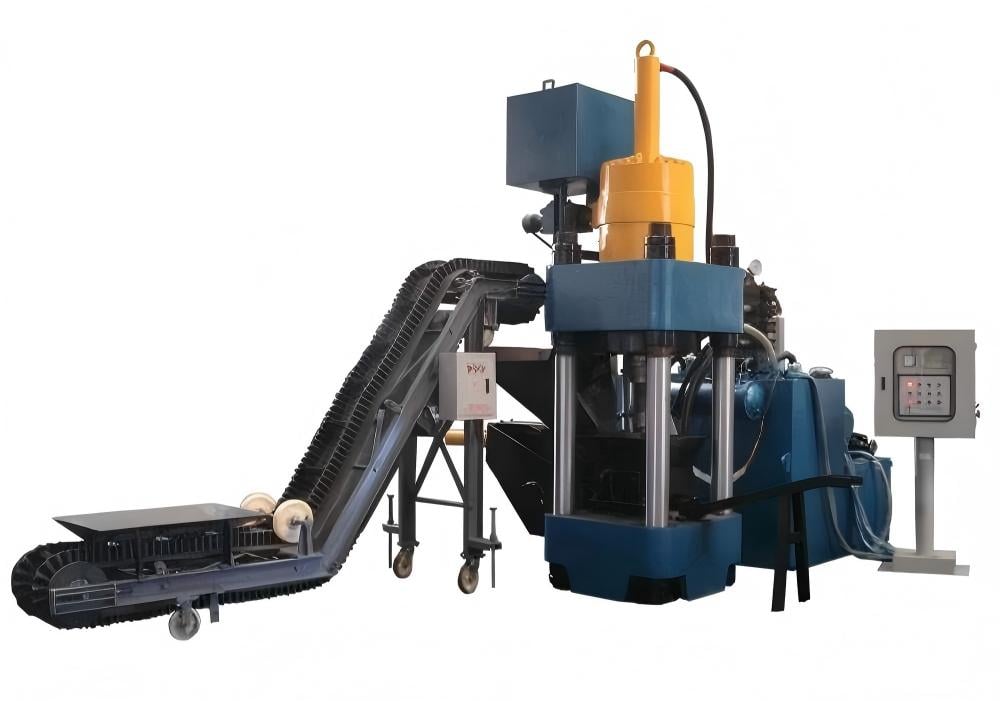
Modern Hydraulic Briquetting Machine Uses In Non-Ferrous Metal Recycling are heavily reliant on sophisticated PLC (Programmable Logic Controller) systems. These controllers manage the timing of the feeder, the primary compression stroke, and the ejection sequence. Sensors monitor the density of the incoming scrap and adjust the stroke length to ensure every briquette meets a target density. Integration with HMI (Human Machine Interface) touchscreens allows operators to switch between material profiles (e.g., switching from Aluminum 6061 to C360 Brass) with the touch of a button.
Cooling and Filtration Systems
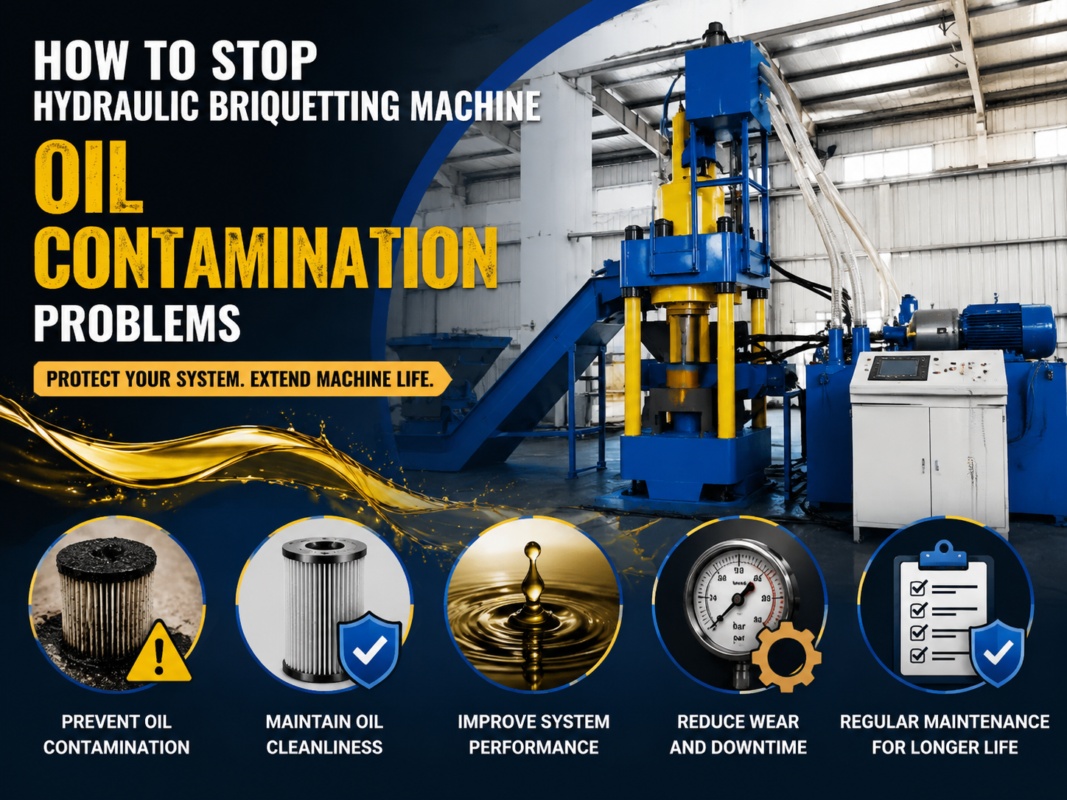
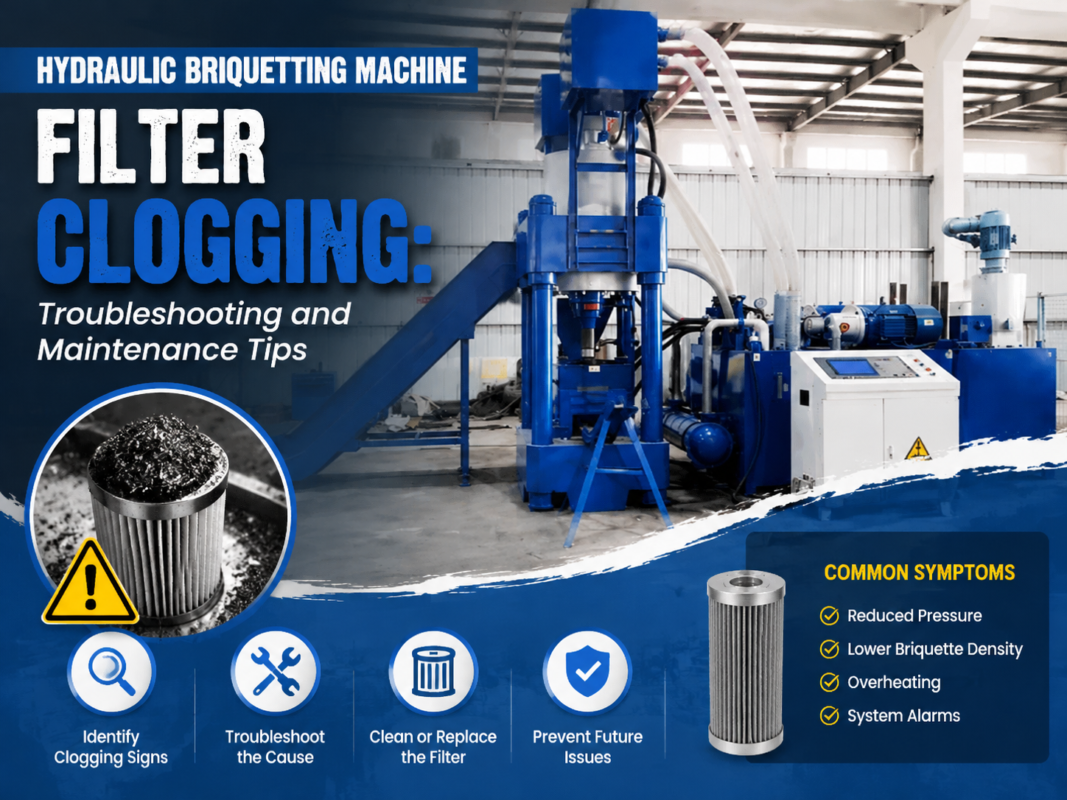
Continuous operation generates heat within the hydraulic oil. To maintain viscosity and protect the seals, integrated oil cooling systems (air or water-cooled) are standard in high-duty cycle machines. Additionally, because the machine is processing scrap that may contain fine metal dust, multi-stage filtration systems are employed to keep the hydraulic fluid clean, extending the lifespan of the pumps and valves.
Selection Advice: Choosing the Right Machine
Assessing Material Type and Volume
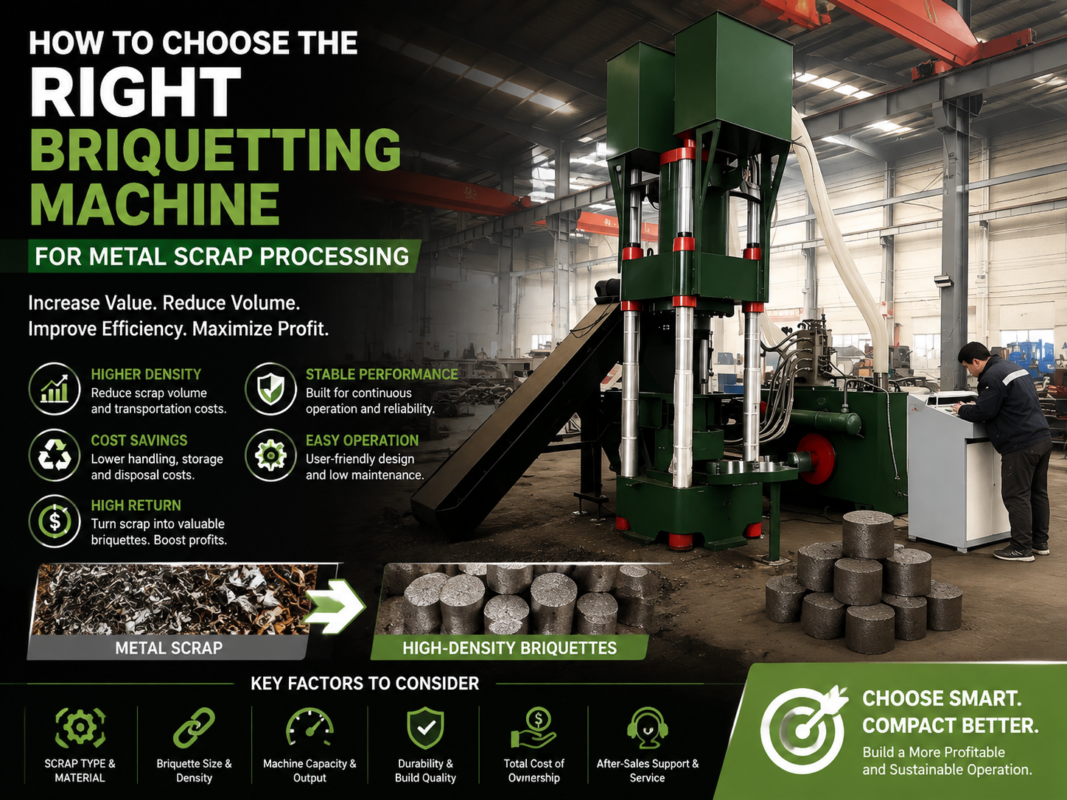
The first step in selection is identifying the primary metal being processed. Aluminum requires different pressure profiles than copper or titanium. Furthermore, the volume of scrap generated per hour determines the size of the machine. A small job shop might only need a compact unit producing 50kg/hr, whereas a large-scale automotive component manufacturer might require a heavy-duty system capable of 2000kg/hr. It is essential to choose a machine that can handle peak production loads without being excessively oversized.
Integration with Existing Production Lines
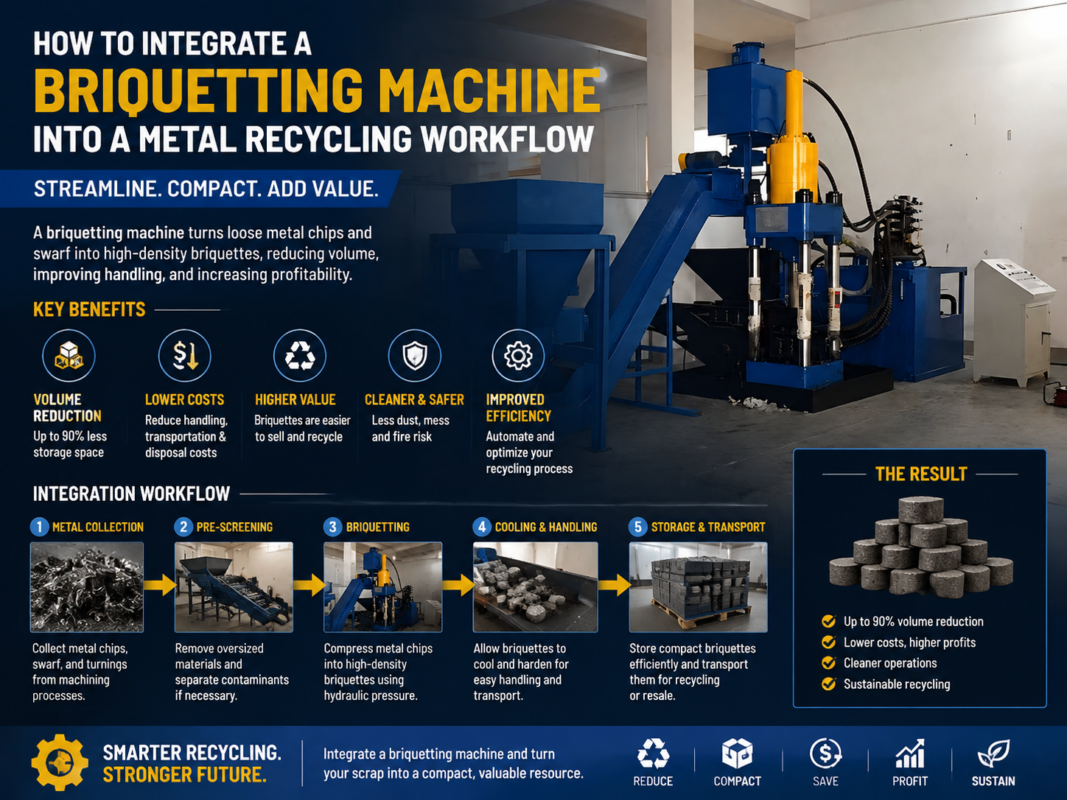
For maximum efficiency, the briquetting machine should be integrated directly into the scrap management workflow. This might involve conveyor belts that transport chips from CNC machines directly into the briquetter’s hopper. When selecting a machine, consider the footprint and the orientation of the intake. HARSLE offers customizable hopper designs to fit various factory layouts, ensuring that the transition to briquetting does not disrupt existing operations.
Briquette Density Requirements
Different smelters have different requirements for briquette density. If the briquette is too loose, it may crumble during transport; if it is too dense, it might take too long to melt in certain types of induction furnaces. Look for a machine that offers adjustable pressure settings. This flexibility allows you to fine-tune the output to meet the specific demands of your scrap buyer or your own internal foundry.
Maintenance and After-Sales Support
Industrial machinery is an investment that requires maintenance. When selecting a manufacturer, prioritize those who offer comprehensive technical support and readily available spare parts. Components like seals, filters, and mold liners are wear items. Choosing a reputable brand like HARSLE ensures that you have access to expert guidance and a reliable supply chain, minimizing downtime and maximizing the return on investment (ROI).
Economic Impact and ROI Analysis
| Factor | Loose Scrap Impact | Briquetted Scrap Impact | Economic Benefit |
|---|---|---|---|
| Transport Cost | High (Low density) | Low (High density) | Up to 80% reduction in freight |
| Melting Loss | 15% – 25% (Oxidation) | 1% – 3% (Submerged melt) | Significant material recovery |
| Coolant Recovery | Lost/Waste | Recovered/Filtered | Reduced coolant purchase costs |
| Market Value | Standard Scrap Price | Premium Grade Price | 5% – 15% increase in sale price |
The ROI for a hydraulic briquetting machine is often realized within 12 to 24 months, depending on the volume of scrap and the current market price of the metal. For high-value non-ferrous metals, the payback period can be even shorter. By calculating the savings in transport, the value of recovered fluids, and the increased revenue from premium scrap sales, manufacturers can clearly see the financial justification for integrating this technology into their facility.
Frequently Asked Questions (FAQ)
What types of non-ferrous metals can be briquetted?
Almost all non-ferrous metals can be briquetted, including aluminum, copper, brass, bronze, magnesium, titanium, and zinc. Each material has specific compression characteristics; for example, aluminum chips are relatively easy to compress, while titanium may require higher pressures and specialized mold coatings due to its strength and tendency to gall.
Does the machine remove all the cutting oil?
While a hydraulic briquetting machine can remove up to 95-98% of free-standing liquids through compression, it does not “thermally” dry the metal. The resulting briquettes are significantly cleaner and safer to handle, and the recovered oil can usually be centrifuged or filtered for reuse in the machining process.
How much maintenance does a HARSLE briquetting machine require?
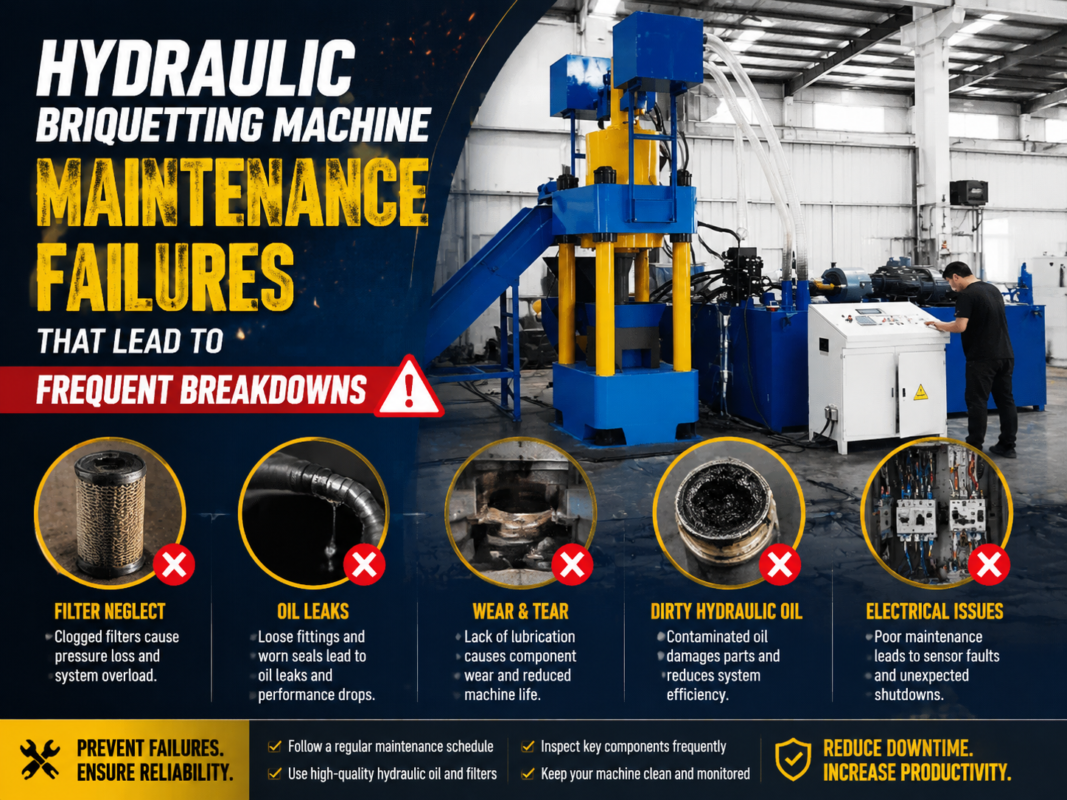
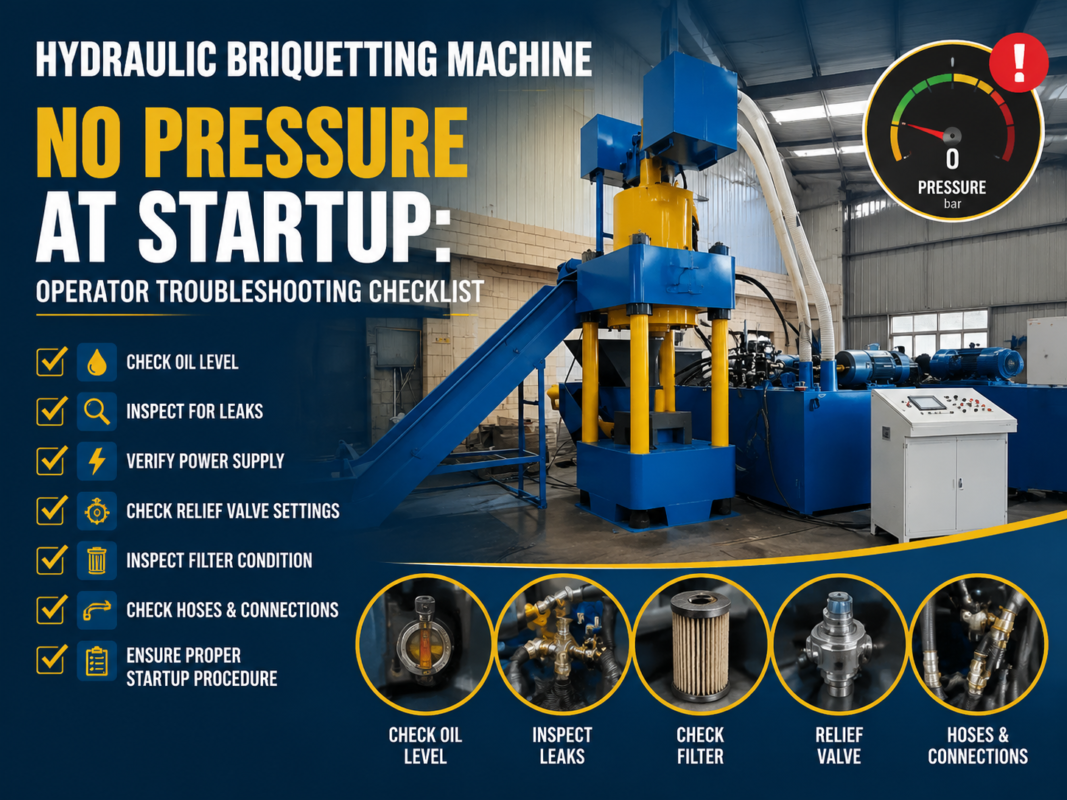
Routine maintenance involves checking hydraulic oil levels, replacing filters, and inspecting the wear plates and mold liners. Because these machines operate in a harsh environment with metal chips, regular cleaning of the hopper and sensors is also recommended. HARSLE machines are designed for durability, but a consistent preventative maintenance schedule is key to long-term reliability.
Can the machine handle different sizes of chips?
Yes, most hydraulic briquetting machines are designed to handle a variety of scrap sizes, from fine dust and powder to long, stringy turnings. However, for extremely long turnings, a pre-shredder or crusher may be necessary to ensure the material feeds consistently into the compression chamber.
Is it possible to automate the entire process?
Absolutely. Many Hydraulic Briquetting Machine Uses In Non-Ferrous Metal Recycling involve fully automated systems. This includes automatic feeding via conveyors, automatic weight and density checks, and robotic palletizing of the finished briquettes. Automation reduces labor costs and ensures a consistent output quality.
Conclusion
The Hydraulic Briquetting Machine Uses In Non-Ferrous Metal Recycling represent a perfect intersection of environmental responsibility and industrial profitability. By transforming loose, messy, and inefficient scrap into dense, high-value briquettes, manufacturers can significantly improve their bottom line while contributing to a more sustainable manufacturing ecosystem. Whether it is through the recovery of expensive cutting fluids, the reduction of transportation costs, or the dramatic improvement in melting yields, the benefits of briquetting are undeniable.
As the non-ferrous metal market continues to grow and the demand for recycled content increases, having the right equipment is essential. HARSLE’s commitment to engineering excellence ensures that our hydraulic briquetting machines provide the power, precision, and reliability needed to thrive in this demanding industry. Investing in a briquetting solution is not just an equipment purchase; it is a strategic move toward a more efficient and profitable future in metal fabrication and recycling.