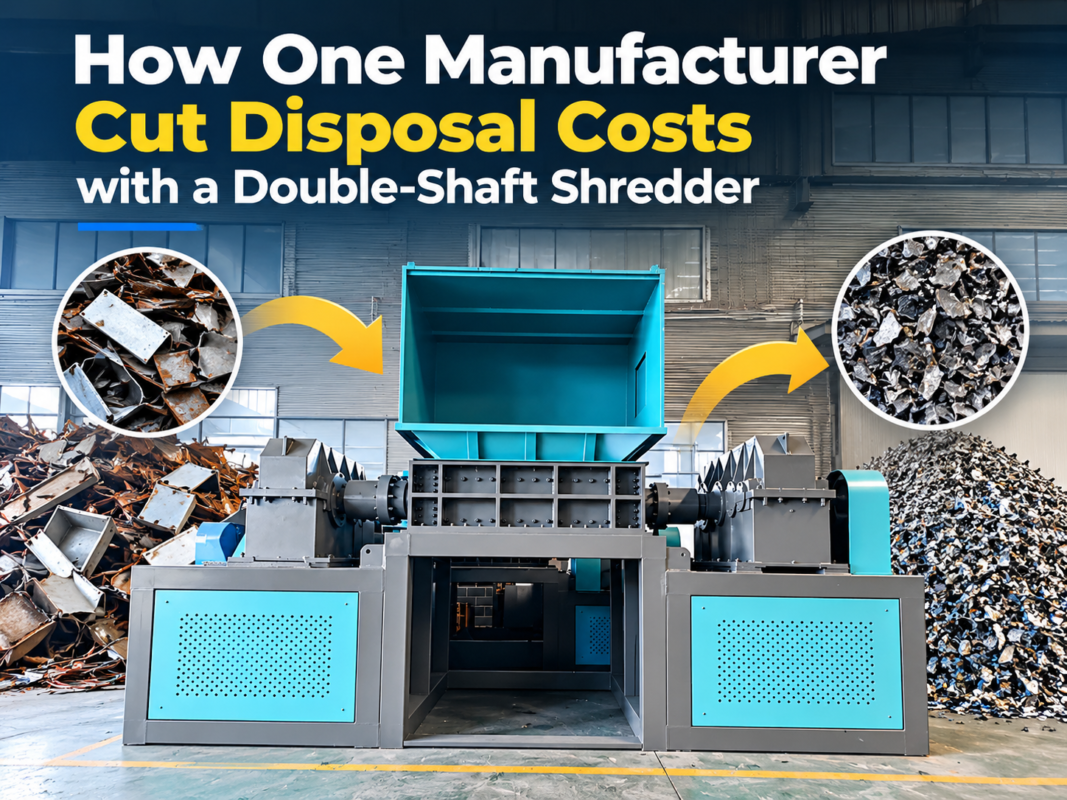
Top Industrial Applications of Aluminium Extrusion Press Machines in 2025

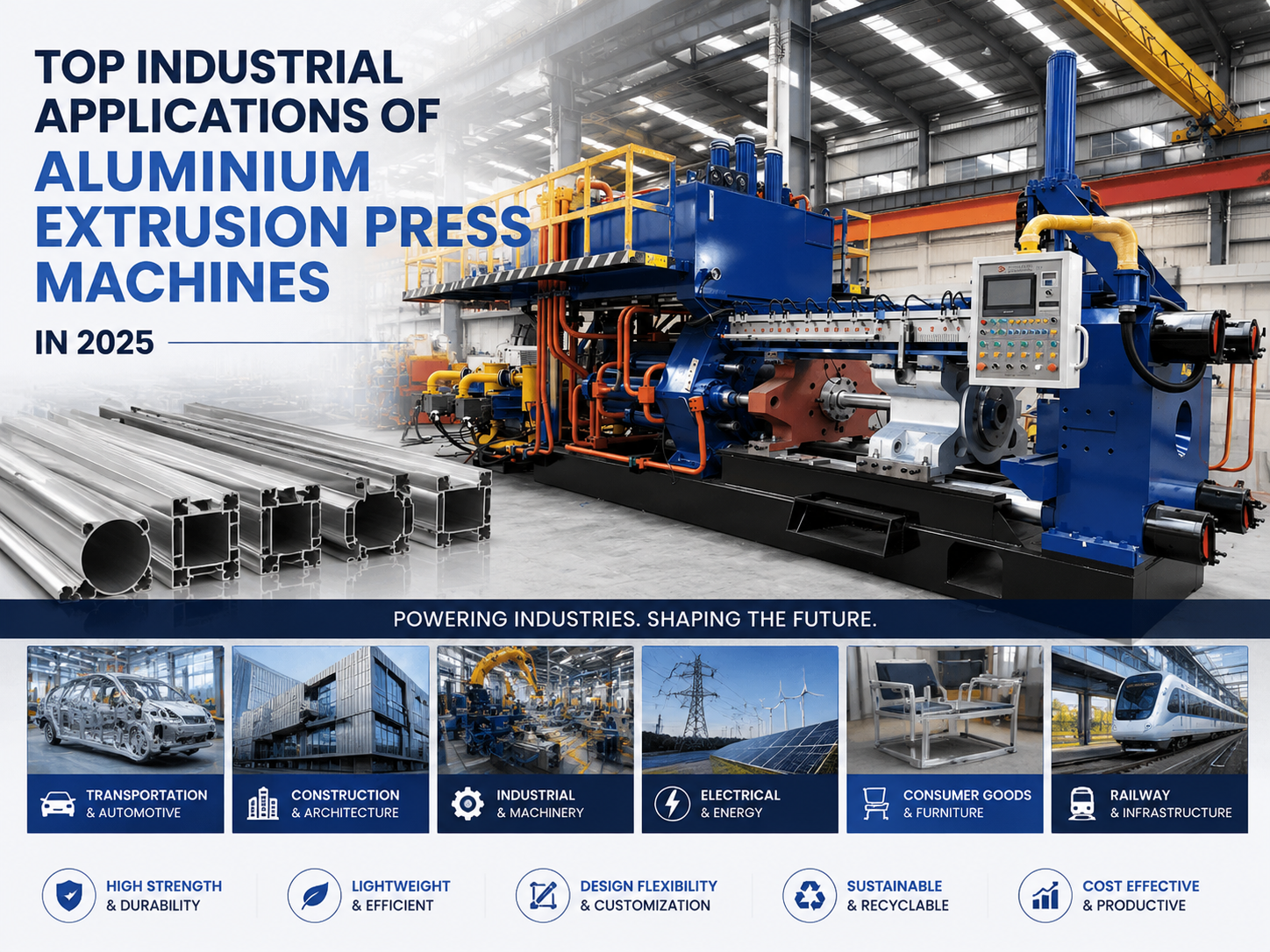
Introduction to Modern Aluminium Extrusion in 2025
The global manufacturing landscape is undergoing a massive paradigm shift driven by sustainability, lightweighting, and high-efficiency production paradigms. At the center of this transformation is the aluminum extrusion process. As industries look to replace heavier steel components with high-strength, lightweight alternatives, the demand for advanced extrusion machinery has skyrocketed. In 2025, the Top Industrial Applications Of Aluminium Extrusion Press Machines In 2025 reflect a deep integration with green energy, electric mobility, and smart infrastructure.
HARSLE, a global leader in metal fabrication equipment, continues to pioneer high-performance hydraulic extrusion presses designed to meet these evolving industrial demands. Modern extrusion presses are no longer just mechanical rams; they are highly automated, data-driven systems capable of handling complex alloys with extreme precision. This comprehensive guide explores the primary application scenarios, material requirements, machine configurations, and operational workflows that define aluminum extrusion excellence today.
Application Scenario: Key Industries Driving Demand in 2025
The versatility of aluminum profiles allows them to be utilized across a vast array of sectors. In 2025, several key industries stand out as the primary drivers of advanced aluminum extrusion press applications:
1. Electric Vehicles (EV) and Automotive Structural Components
The automotive industry’s transition to electric drivetrains has made weight reduction a critical engineering goal. Every kilogram saved directly translates to increased battery range. Aluminium extrusion press machines are heavily utilized to manufacture EV battery trays, crash management systems, side sills, and structural chassis components. These profiles must feature complex multi-hollow cross-sections to absorb impact energy while maintaining structural rigidity.
2. Aerospace and Defense Structural Elements
Aerospace engineering demands materials that offer an exceptional strength-to-weight ratio and resistance to extreme environmental conditions. Extrusion presses produce fuselage frames, wing spars, seat tracks, and cargo handling rails. In 2025, the integration of advanced 7000-series aluminum alloys has expanded the role of extrusion presses in military and commercial aerospace applications, replacing traditional machined components to reduce material waste.
3. Renewable Energy: Solar PV Frames and Wind Components
The global push for net-zero emissions has accelerated the deployment of solar photovoltaic (PV) systems and wind energy infrastructure. Aluminum extrusions are the preferred choice for solar panel mounting frames, tracking rails, and inverter housings due to their corrosion resistance and ease of assembly. Extrusion presses allow for the rapid, high-volume production of these standardized profiles, keeping pace with massive utility-scale solar projects worldwide.
4. Architectural and Structural Building Systems
Modern architecture relies on aluminum for curtain walls, window frames, roofing systems, and modular structural frameworks. In 2025, smart buildings utilize thermal-break aluminum extrusions to improve energy efficiency. Extrusion presses enable architects to design customized, aesthetically pleasing profiles that incorporate integrated channels for wiring, insulation, and structural interlocking mechanisms.
5. Consumer Electronics and High-Density Heat Sinks
From smartphone enclosures to high-density heat sinks for data centers and 5G telecommunications towers, aluminum’s excellent thermal conductivity makes it indispensable. Extrusion presses produce ultra-thin-walled profiles with intricate fin geometries designed to maximize surface area for heat dissipation, ensuring the reliable operation of high-performance electronic systems.
Material and Process Requirements
To successfully execute the top industrial applications of aluminium extrusion press machines in 2025, manufacturers must adhere to strict material and process parameters. The choice of aluminum alloy dictates the extrusion speed, temperature window, and required press tonnage.
| Alloy Series | Primary Applications | Key Characteristics | Extrusion Difficulty |
|---|---|---|---|
| 6000 Series (e.g., 6061, 6063) | Architectural, Solar Frames, Automotive Chassis | Excellent extrudability, good strength, high corrosion resistance. | Low to Medium |
| 7000 Series (e.g., 7075) | Aerospace, High-End EV Crash Barriers | Ultra-high strength, comparable to steel; heat-treatable. | High (Requires high tonnage & precise thermal control) |
| 2000 Series (e.g., 2024) | Aerospace Structural Components | High fatigue resistance, excellent strength at elevated temperatures. | High |
Beyond alloy selection, precise thermal management is critical. Aluminum billets must be preheated uniformly to their plastic deformation temperature (typically between 400°C and 500°C, depending on the alloy). If the billet is too cold, the extrusion pressure required will exceed machine limits, causing die wear or structural failure. If it is too hot, the material may suffer from hot tearing or surface defects, rendering the profile unusable for high-spec industrial applications.
Recommended Machine Configuration
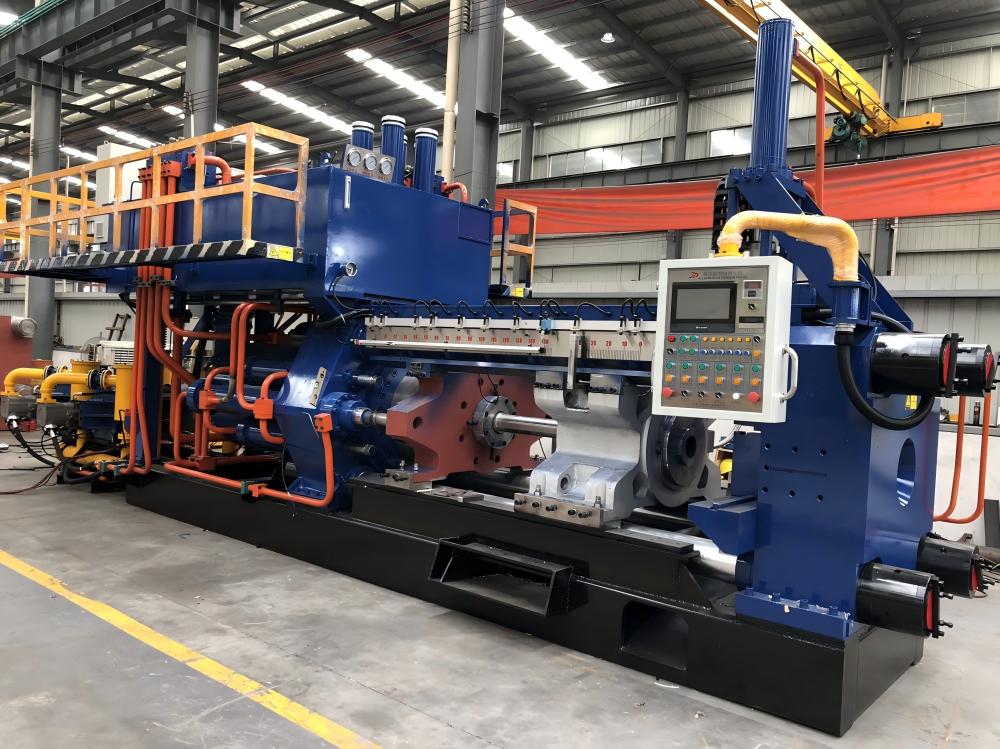
Achieving high productivity and maintaining tight tolerances across diverse applications requires a robust, technologically advanced extrusion press configuration. HARSLE recommends the following machine specifications for industrial-grade operations in 2025:
- Press Tonnage: Ranging from 1000T to 5000T+ depending on profile cross-section and alloy type. For automotive and aerospace applications, a minimum of 2500T is typically recommended to handle high-strength alloys.
- Extrusion Method: Direct extrusion for standard profiles and high-volume production; indirect extrusion for high-precision, uniform mechanical properties across hard alloys (such as the 7000 series).
- Hydraulic System: Closed-loop servo-driven hydraulic systems (utilizing Rexroth or Vickers valves) to ensure precise speed control, smooth pressure transitions, and up to 30% energy savings compared to traditional fixed-displacement pumps.
- Control System: Siemens or Schneider PLC systems integrated with multi-touch HMIs, featuring real-time data logging, recipe management, and remote diagnostics capabilities for Industry 4.0 compatibility.
- Die Heating and Handling: Integrated nitrogen shielding systems at the die exit to prevent oxidation, coupled with automated die ovens to maintain optimal tooling temperatures.
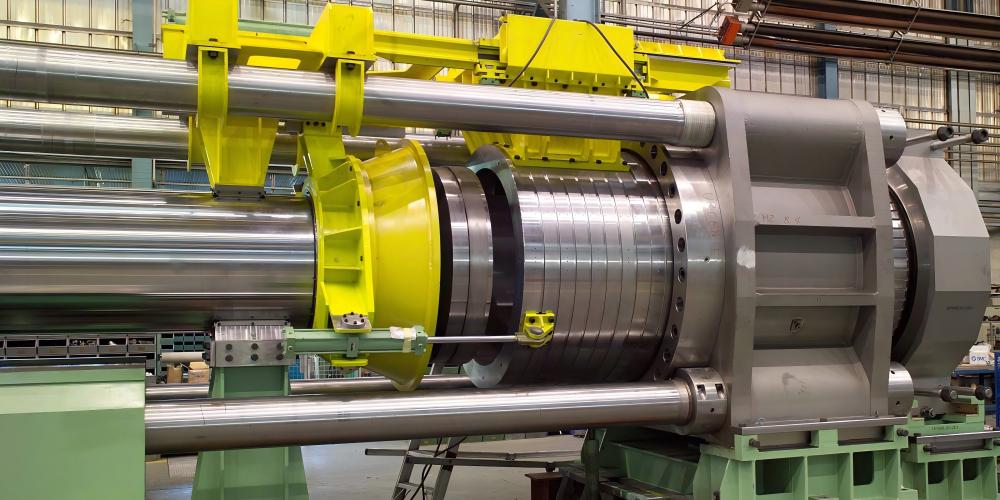
Workflow of an Advanced Aluminium Extrusion Line
The modern aluminum extrusion process is a continuous, highly synchronized workflow that transforms raw cylindrical billets into finished, cut-to-length industrial profiles. The workflow consists of seven distinct stages:
- Billet Preparation and Heating: Raw aluminum billets are cut to length and passed through a gas-fired or induction log heater to reach the optimal extrusion temperature.
- Die Preheating: The extrusion die is heated in a specialized oven to match the billet temperature, preventing thermal shock and ensuring uniform material flow.
- The Extrusion Cycle: The heated billet is transferred to the press container. A hydraulic ram forces the dummy block against the billet, pushing the plasticized aluminum through the precision-machined die cavity to form the desired profile shape.
- Quenching (Cooling): As the profile emerges from the die, it is rapidly cooled using air blasts, water sprays, or water baths. This quenching process locks in the metallurgical properties required for subsequent heat treatment.
- Stretching and Straightening: The extruded profile is transferred to a cooling table. Once cooled to a manageable temperature, a mechanical stretcher grips both ends of the profile and pulls it slightly to eliminate twist, relieve internal stresses, and ensure perfect straightness.
- Precision Cutting: The straightened profiles are moved to a saw table where they are cut to precise commercial or custom lengths using high-speed carbide-tipped saws.
- Age Hardening (Heat Treatment): The cut profiles are placed in an aging oven for a specified duration (typically several hours at temperatures between 150°C and 200°C) to achieve the desired temper (e.g., T5 or T6), maximizing tensile strength and hardness.
Productivity Benefits of HARSLE Extrusion Presses
Investing in a high-quality HARSLE aluminum extrusion press machine delivers measurable competitive advantages for modern manufacturing facilities:
Unmatched Energy Efficiency: By utilizing advanced servo-hydraulic technology, HARSLE presses only consume power when active movement or pressure holding is required. This drastically reduces idle energy consumption, lowering overall operational costs and aligning with corporate sustainability targets.
High Precision and Repeatability: The integration of high-resolution linear transducers and closed-loop control systems ensures that the ram speed remains perfectly constant throughout the extrusion stroke. This level of control minimizes wall thickness variations and guarantees dimensional consistency across thousands of production cycles.
Reduced Scrap Rates: Advanced butt-shear mechanisms and optimized container sealing designs minimize material waste during the cycle transitions. Additionally, real-time temperature monitoring prevents the extrusion of out-of-tolerance material, saving valuable raw alloy resources.
Case Example: EV Battery Tray Production Success
A tier-one automotive component manufacturer based in Europe sought to upgrade their production capabilities to secure a high-volume contract for EV battery tray enclosures. The project required the extrusion of wide, multi-hollow 6000-series aluminum profiles with strict flatness tolerances and zero internal defects to ensure watertight sealing for the battery packs.
The manufacturer integrated a HARSLE 3000-Ton Intelligent Hydraulic Extrusion Press Line into their facility. The line was configured with an automated puller system and a water-glycol quench spray system tailored for automotive-grade alloys.
The results were immediate: production throughput increased by 35% compared to their legacy equipment, while the scrap rate dropped from 6.5% to under 1.8%. The precise speed control of the HARSLE press allowed them to achieve a flawless surface finish, completely eliminating post-extrusion surface rework and allowing them to meet the stringent quality standards of the automotive OEM ahead of schedule.
Frequently Asked Questions (FAQ)
1. What is the difference between direct and indirect aluminum extrusion?
In direct extrusion, the die remains stationary while the hydraulic ram pushes the billet through it, causing friction between the billet and the container wall. In indirect extrusion, the die is mounted on a hollow ram and moves into the stationary billet, eliminating container friction, reducing required force, and providing more uniform material properties.
2. How long does an aluminum extrusion die typically last?
Die longevity depends heavily on the complexity of the profile shape, the alloy being extruded, and maintenance practices. For soft alloys like 6063, a well-maintained die can produce between 15,000 to 30,000 kilograms of aluminum before requiring reconditioning or replacement. Harder alloys like 7075 will reduce die life significantly.
3. Why is nitrogen shielding used during the extrusion process?
Introducing liquid or gaseous nitrogen at the die exit displaces oxygen, creating an inert atmosphere. This prevents the hot aluminum from oxidizing as it exits the die, resulting in a superior surface finish, reduced die wear, and faster allowable extrusion speeds.
4. Can HARSLE extrusion presses handle recycled aluminum billets?
Yes. Modern HARSLE extrusion presses are fully capable of processing high-quality recycled aluminum billets. The advanced control systems adjust pressure profiles dynamically to accommodate minor variations in material flow characteristics often found in recycled alloys.
5. What maintenance is required for a hydraulic extrusion press?
Routine maintenance includes hydraulic oil filtration and testing, lubrication of moving guide rails, inspection of the main ram seals, calibration of heating elements, and regular alignment checks between the container, stem, and die slide.
Conclusion and Call to Action
As we navigate 2025, the Top Industrial Applications Of Aluminium Extrusion Press Machines In 2025 demonstrate that aluminum extrusion is foundational to the next generation of industrial innovation. From powering the electric vehicle revolution to building sustainable infrastructure, the demand for high-precision, energy-efficient extrusion solutions has never been higher.
HARSLE remains committed to providing manufacturers worldwide with the cutting-edge machinery, technical expertise, and comprehensive support needed to excel in this competitive market. Contact HARSLE today to speak with an application engineer about customizing an aluminum extrusion press line tailored to your specific production goals.