Comprehensive Guide to Industrial Shredder Applications in Waste Management Systems

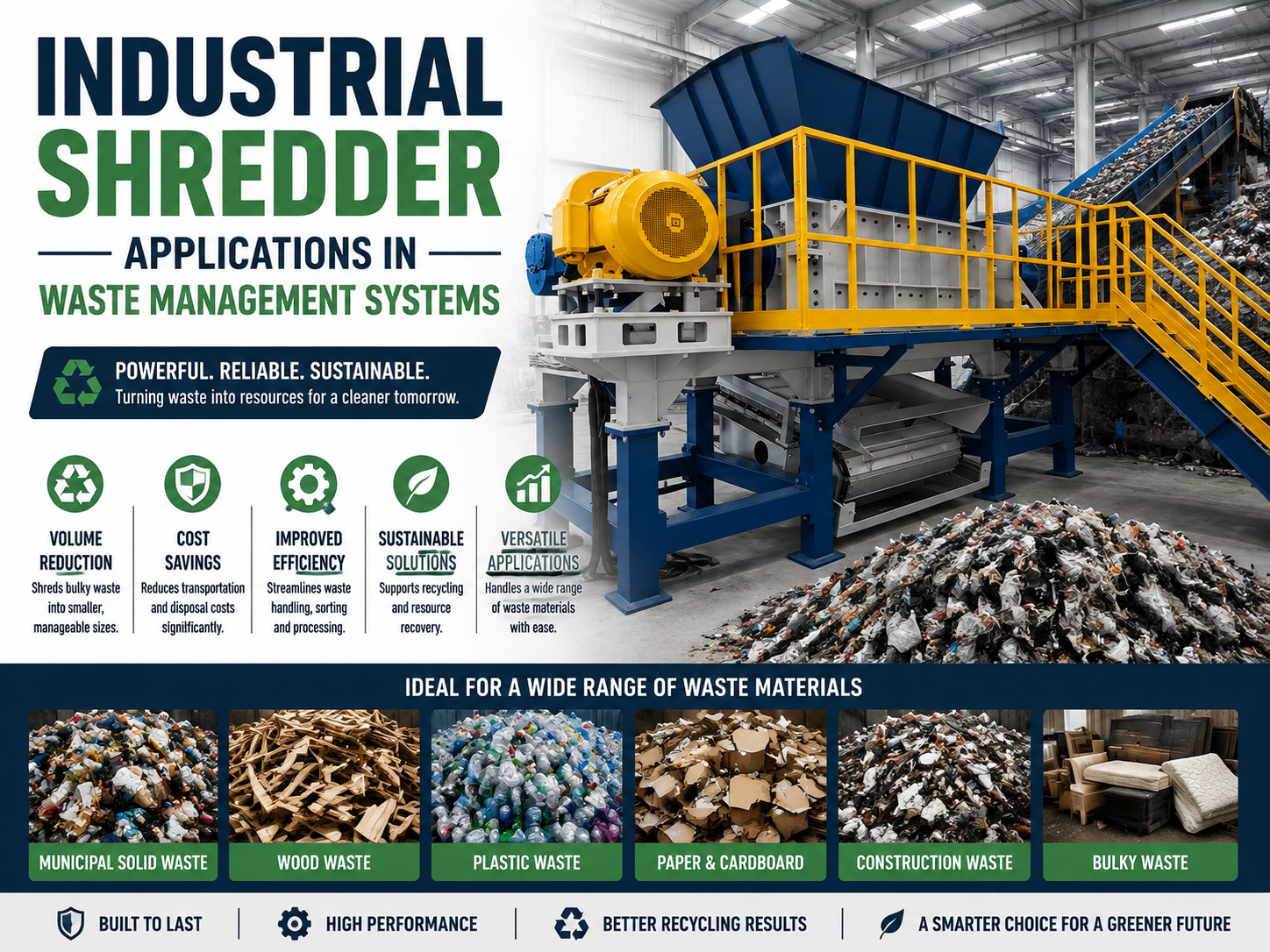
Introduction to Industrial Shredder Applications in Waste Management Systems
In the modern industrial landscape, the management of waste has evolved from a simple disposal task into a complex process of resource recovery and environmental stewardship. Central to this evolution is the industrial shredder. As global populations grow and industrial output increases, the volume of waste generated—ranging from municipal solid waste to hazardous industrial scrap—requires sophisticated processing to minimize environmental impact and maximize the reuse of materials. Industrial Shredder Applications In Waste Management Systems have become the backbone of the circular economy, providing the necessary mechanical force to break down bulky materials into manageable, recyclable components.
HARSLE, a leader in metal fabrication and industrial machinery, recognizes that the efficiency of a waste management system is often dictated by the performance of its shredding equipment. Whether it is reducing the volume of metal drums, processing end-of-life vehicles, or preparing plastic waste for pelletizing, the industrial shredder serves as the primary stage of transformation. This article provides an in-depth exploration of how these machines are integrated into waste management systems, the technical requirements for different materials, and the productivity benefits they offer to modern facilities.
Application Scenarios for Industrial Shredders
Municipal Solid Waste (MSW) Processing
Municipal solid waste is perhaps the most diverse category of waste, containing everything from organic matter and plastics to metals and textiles. In MSW management, industrial shredders are used to homogenize the waste stream. By reducing the size of various items, shredders facilitate easier sorting by automated systems like optical sorters or magnetic separators. Furthermore, shredding MSW is a critical step in the production of Refuse-Derived Fuel (RDF). By breaking down combustible materials into a uniform size, the resulting fuel can be used efficiently in cement kilns or power plants, turning waste into a valuable energy source.
Electronic Waste (E-Waste) Recycling
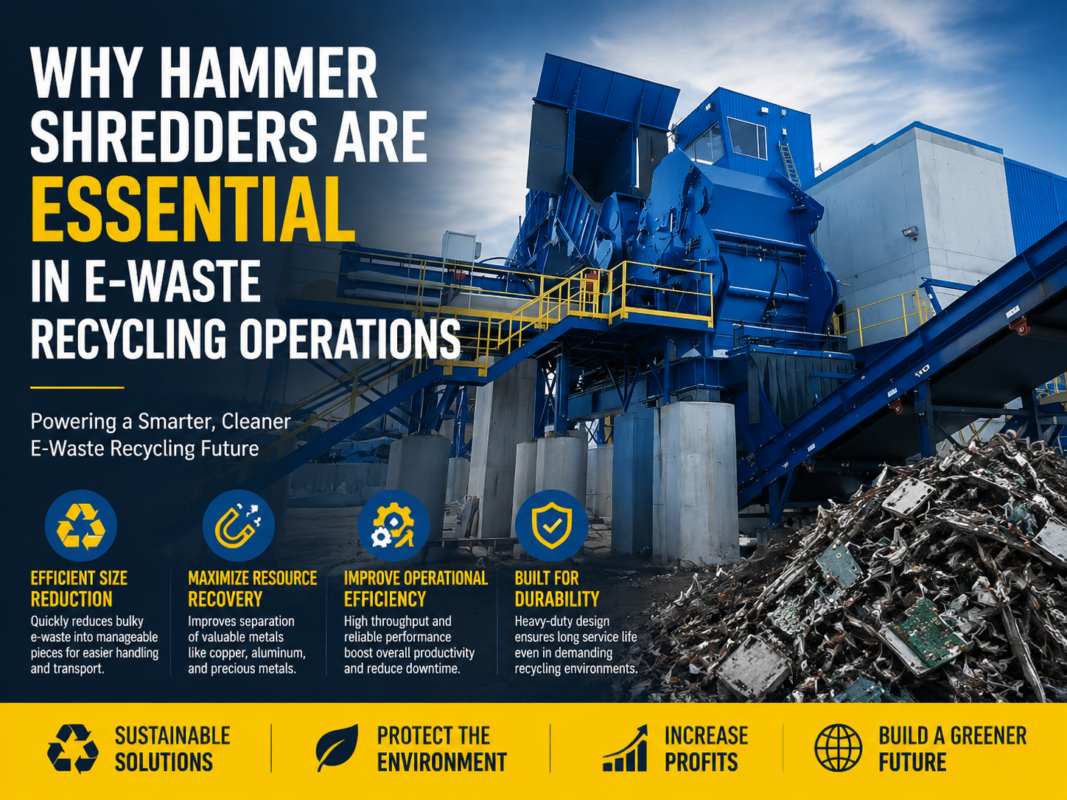
E-waste is one of the fastest-growing waste streams globally. It contains a mix of hazardous materials and precious metals like gold, silver, and copper. Industrial Shredder Applications In Waste Management Systems for e-waste involve multi-stage shredding. Initial shredding breaks down large items like refrigerators and washing machines, while secondary shredding reduces circuit boards and small electronics into fine particles. This allows for the precise separation of plastics from metals, ensuring that toxic components are handled safely while valuable resources are recovered with high purity.
Metal Scrap and Industrial Byproducts
In the metal fabrication industry, scrap is an inevitable byproduct. Large metal sheets, offcuts, and defective parts can be difficult to transport and melt down in their original form. Industrial shredders designed for heavy-duty metal scrap can process aluminum extrusions, steel drums, and even car bodies. By shredding these materials, facilities can significantly increase the bulk density of the scrap, making transportation more cost-effective and improving the efficiency of the smelting process in electric arc furnaces.
Hazardous and Medical Waste Treatment
Safety is paramount when dealing with medical or hazardous waste. Industrial shredders are used to destroy sensitive items such as syringes, surgical tools, and contaminated packaging. Shredding these materials not only renders them unrecognizable—preventing illegal reuse—but also increases the surface area for sterilization processes like autoclaving. In hazardous waste management, shredders can be used to process chemical drums, ensuring that any residual substances are neutralized during the subsequent treatment phases.
Material and Process Requirements
The success of Industrial Shredder Applications In Waste Management Systems depends heavily on matching the machine’s capabilities with the material’s physical properties. Not all shredders are created equal, and understanding the requirements of the input material is the first step in system design.
Material Hardness and Tensile Strength
Materials like reinforced steel or high-density plastics require shredders with high torque and robust blade materials. The tensile strength of the material determines the amount of force required to initiate a shear or tear. For instance, shredding scrap tires requires a machine that can handle both the elastic rubber and the high-tensile steel wires embedded within them. HARSLE machines are engineered with high-strength alloy blades to withstand these stresses without frequent chipping or blunting.
Moisture Content and Corrosiveness
In applications like organic waste processing or certain industrial sludge treatments, the moisture content can be very high. This requires shredders with sealed bearings and corrosion-resistant coatings. If the waste contains acidic or alkaline chemicals, the internal components of the shredder must be made from stainless steel or treated with specialized protective layers to prevent premature failure.
Desired Output Size
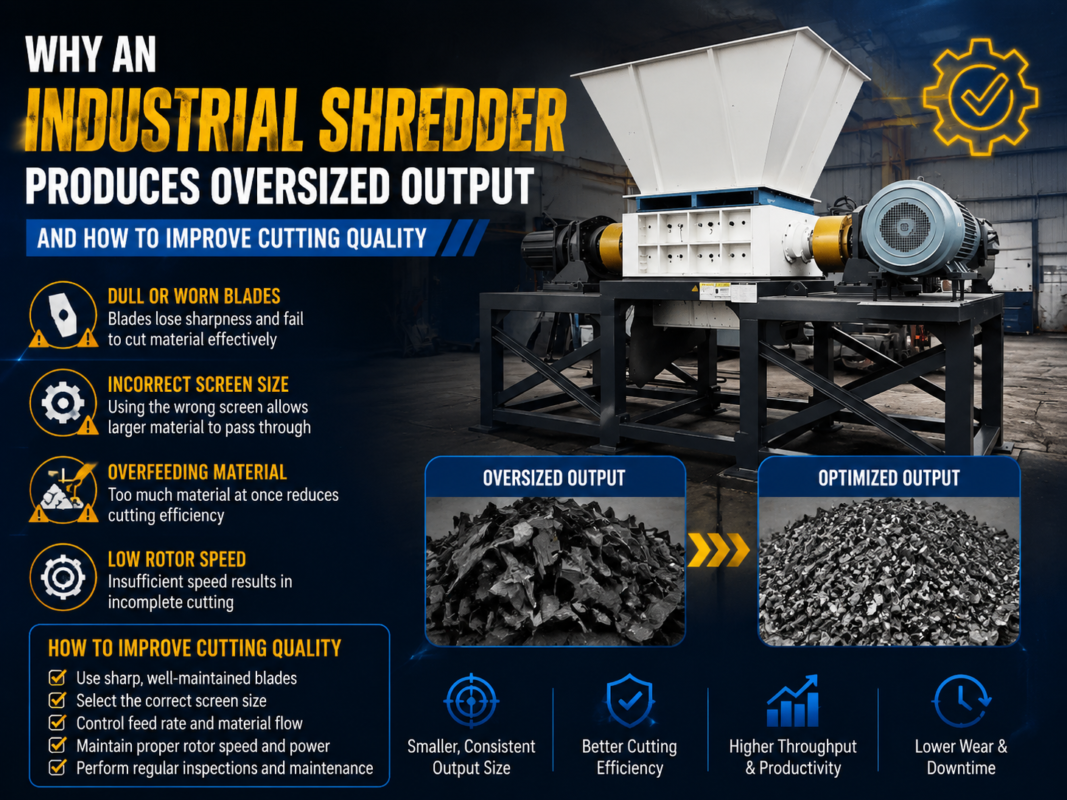
The end goal of the waste management process dictates the required output size. For volume reduction in landfills, a coarse shred might suffice. However, for plastic recycling or RDF production, a precise and consistent particle size is necessary. This is often achieved through the use of screens or grates installed beneath the shredding chamber, which ensure that only material of the correct size exits the machine.
Recommended Machine Configuration
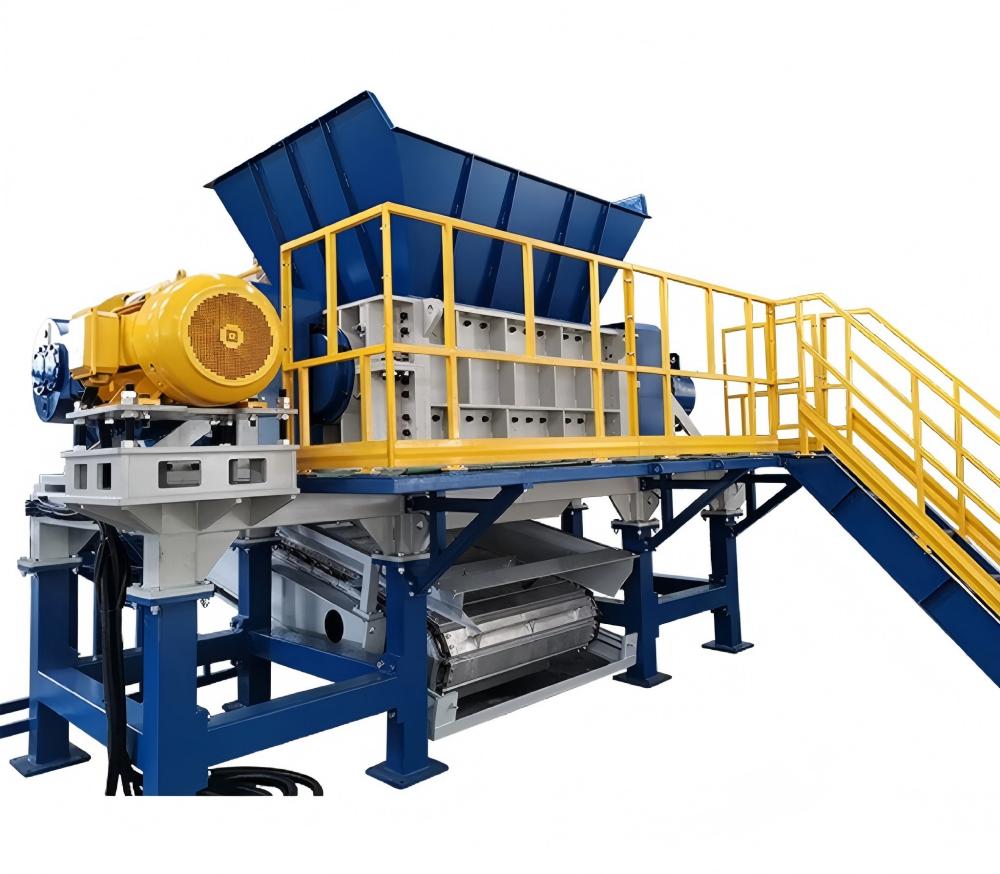
Choosing the right configuration is vital for optimizing Industrial Shredder Applications In Waste Management Systems. The configuration involves the number of shafts, the motor type, and the blade geometry.
Single-Shaft Shredders
Single-shaft shredders are ideal for materials that require a precise output size, such as plastics, wood, and paper. They feature a hydraulic pusher that forces the material against a high-speed rotating shaft equipped with replaceable cutters. These machines are known for their ability to produce a very fine and uniform output, making them a staple in the recycling industry.
Double-Shaft (Twin-Shaft) Shredders
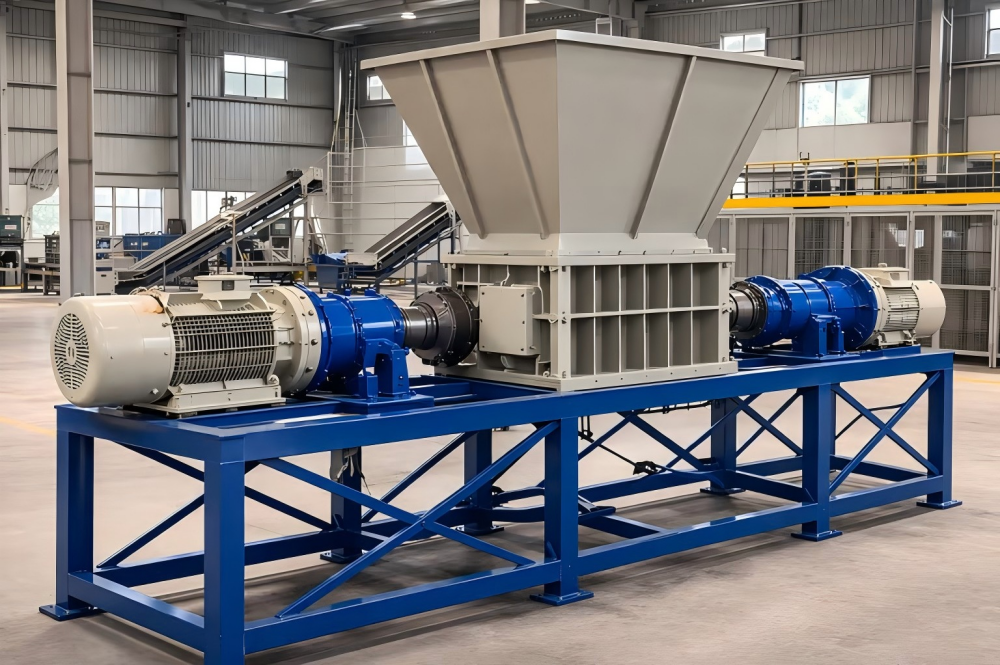
Double-shaft shredders are the workhorses of the waste management industry. They operate at lower speeds but with extremely high torque. The two shafts rotate toward each other, drawing material in and shearing it between the blades. This configuration is perfect for bulky items like tires, metal drums, and MSW. The low-speed operation also minimizes dust and noise, which is a significant advantage in urban waste processing facilities.
Four-Shaft Shredders
For the most demanding applications, four-shaft shredders offer the benefits of both high torque and size control. The two main shafts perform the primary shredding, while the two secondary shafts help to feed the material and ensure it passes through the sizing screen. These are often used in e-waste and hazardous waste applications where consistent sizing and high throughput are required simultaneously.
Blade Material and Geometry
The blades are the most critical wear parts of any shredder. Common materials include D2, SKD-11, and other high-carbon, high-chromium tool steels. The geometry of the blade—whether it is hooked, square, or pointed—must be selected based on whether the material needs to be sheared, torn, or crushed. For example, hooked blades are excellent for grabbing and tearing bulky plastic containers, while square blades are better for shearing flat metal sheets.
Workflow in a Modern Waste Management System
Integrating an industrial shredder into a larger workflow requires careful planning of the material flow. A typical automated waste processing line follows a structured sequence to ensure efficiency and safety.
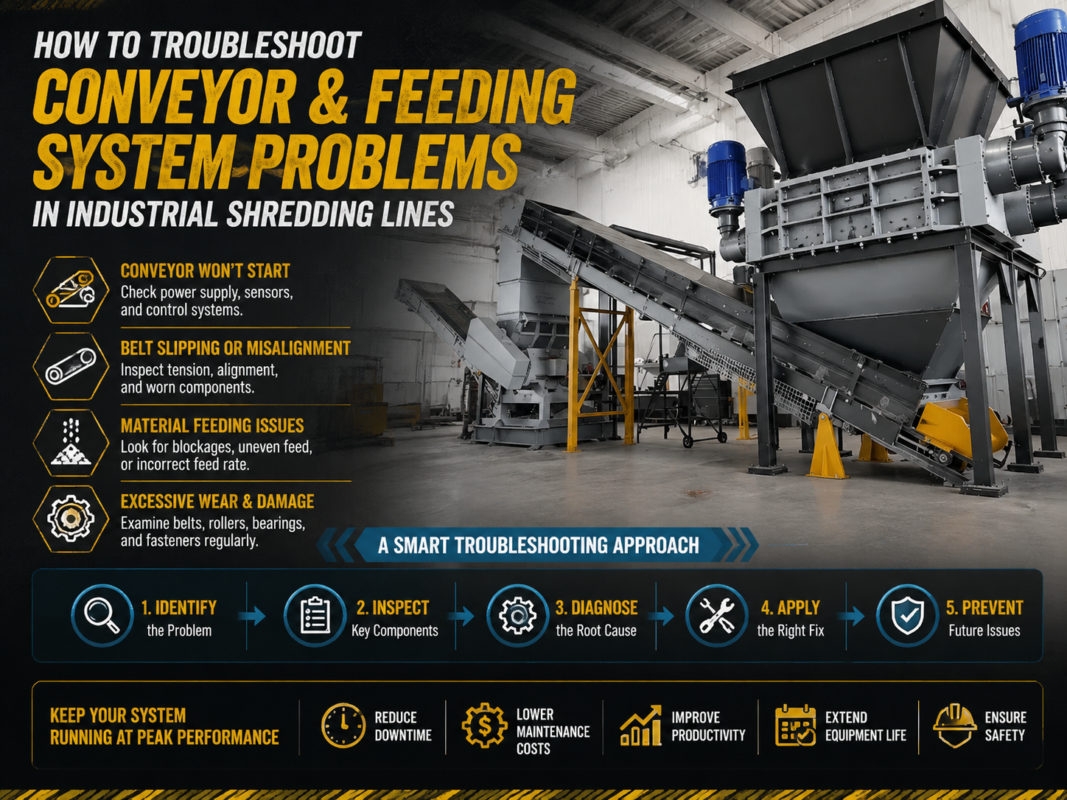
- Feeding Stage: Material is introduced into the system via a conveyor belt, grapple, or vibrating feeder. Automated feeding systems are preferred to maintain a consistent load on the shredder, preventing jams and optimizing power consumption.
- Primary Shredding: The material enters the shredding chamber where it is reduced to a manageable size. Sensors monitor the motor load; if a non-shreddable object is detected, the PLC (Programmable Logic Controller) triggers a reverse rotation to clear the jam.
- Separation and Sorting: After shredding, the material passes under a magnetic separator to remove ferrous metals. Eddy current separators may be used to recover non-ferrous metals like aluminum. Air classifiers can separate light fractions (like film plastic) from heavy fractions.
- Secondary Shredding (Optional): If a finer output is required, the material is fed into a secondary shredder or granulator.
- Collection and Transport: The final processed material is collected in bins or conveyed directly to a baler or storage silo for transport to the next stage of the recycling or disposal process.
Productivity Benefits of Industrial Shredders
The implementation of Industrial Shredder Applications In Waste Management Systems offers numerous economic and operational advantages. These benefits extend beyond simple waste disposal, impacting the entire supply chain.
Significant Volume Reduction
One of the most immediate benefits of shredding is the reduction in waste volume. Bulky items like furniture, crates, and metal tanks can be reduced by up to 80% of their original size. This drastically reduces the number of truckloads required to transport waste, leading to lower fuel costs and reduced carbon emissions. In landfill operations, volume reduction extends the lifespan of the site, providing significant long-term savings for municipalities.
Enhanced Material Recovery
Shredding is the essential precursor to effective material separation. By breaking down complex assemblies (like a computer or a car door), shredders liberate the individual materials. This increases the purity of the recovered streams, which in turn increases their market value. High-purity recycled plastic or metal fetches a much higher price than mixed scrap, directly improving the profitability of the recycling facility.
Energy Efficiency and RDF Production
In the context of Waste-to-Energy (WtE), shredders are indispensable. By creating a uniform particle size, they ensure that the combustion process in a boiler or kiln is stable and efficient. This maximizes the energy yield from the waste. Furthermore, modern shredders from manufacturers like HARSLE are designed with energy-efficient motors and variable frequency drives (VFDs) that adjust power consumption based on the load, reducing operational overhead.
Improved Safety and Compliance
Manual handling of large, sharp, or hazardous waste is a significant safety risk for workers. Industrial shredders automate the breakdown process, keeping personnel away from dangerous materials. Additionally, many industries are subject to strict regulations regarding the destruction of sensitive data or products. Shredding provides a verifiable method of destruction, ensuring compliance with legal and environmental standards.
Case Example: Metal Recycling Facility Upgrade
A mid-sized metal recycling facility in Europe faced challenges with processing large volumes of mixed industrial scrap, including aluminum frames and steel drums. Their existing process relied on manual shearing, which was slow, labor-intensive, and resulted in inconsistent output sizes that were difficult to sell to local foundries.
The facility decided to implement a HARSLE double-shaft industrial shredder as the centerpiece of their new automated line. The machine was configured with high-torque motors and specialized blades for metal shearing. Following the installation, the facility reported a 300% increase in throughput. The shredded metal was more compact, allowing them to fit 40% more material into each shipping container. Furthermore, the consistent size of the output allowed them to secure a contract with a premium foundry that required specific scrap dimensions, significantly increasing their revenue per ton.
Frequently Asked Questions (FAQ)
What is the lifespan of industrial shredder blades?
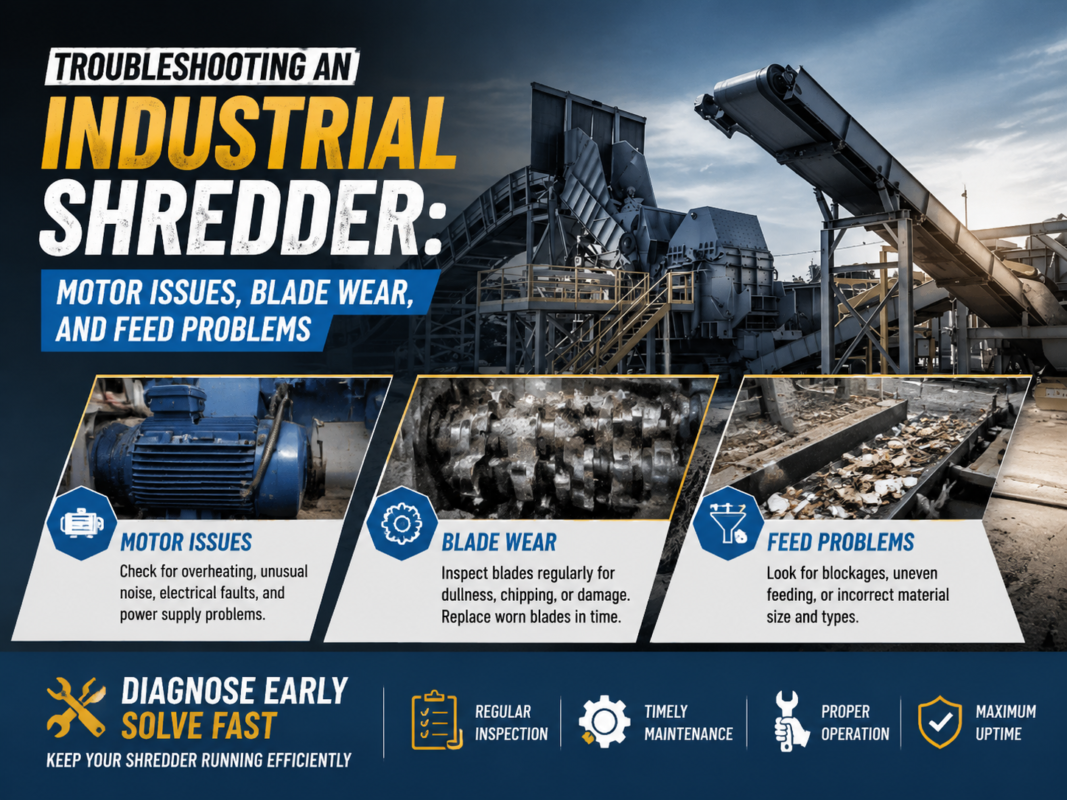
The lifespan of the blades depends entirely on the material being shredded and the frequency of maintenance. For soft materials like plastics, blades can last for several thousand hours. For abrasive materials like glass or contaminated metal scrap, blades may need to be sharpened or replaced every 500 to 1,000 hours. Regular inspection and timely sharpening are key to extending blade life.
Can one shredder handle all types of waste?
While some multi-purpose shredders exist, it is generally more efficient to use a machine optimized for a specific material category. A shredder designed for paper and cardboard will struggle with heavy metal scrap, and a high-torque metal shredder may not provide the fine cut needed for plastic recycling. However, modular designs allow for some flexibility by changing blade configurations.
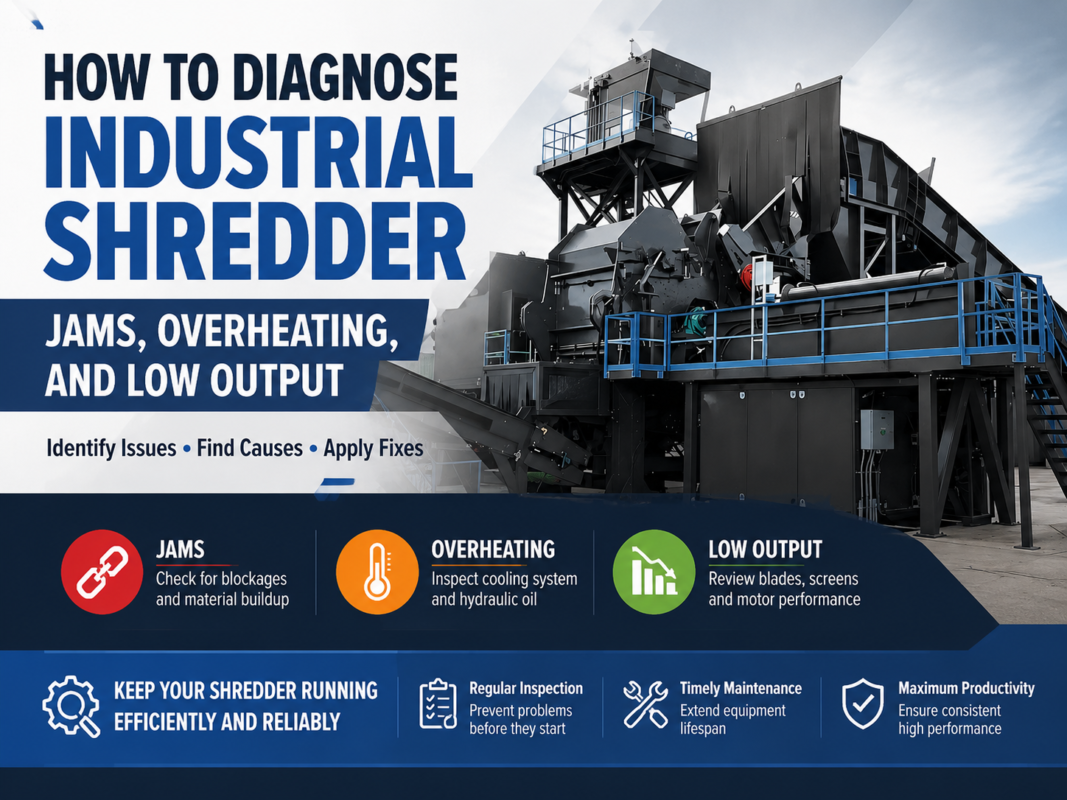
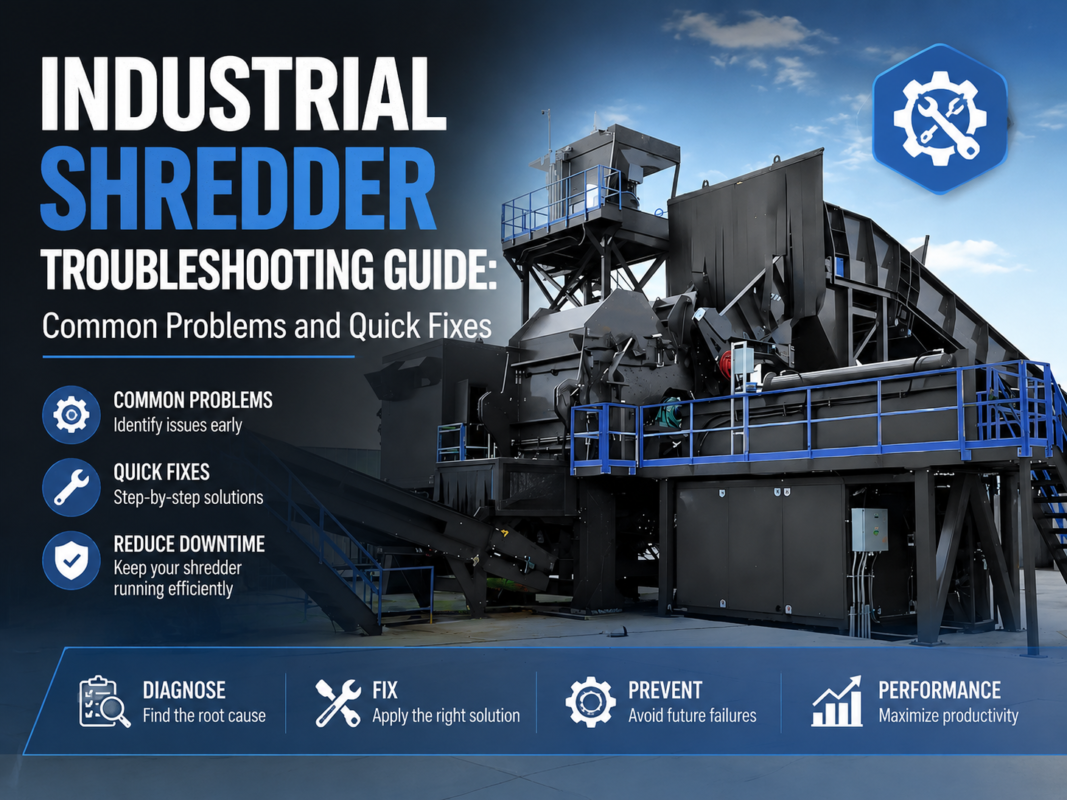
How do I prevent the shredder from jamming?
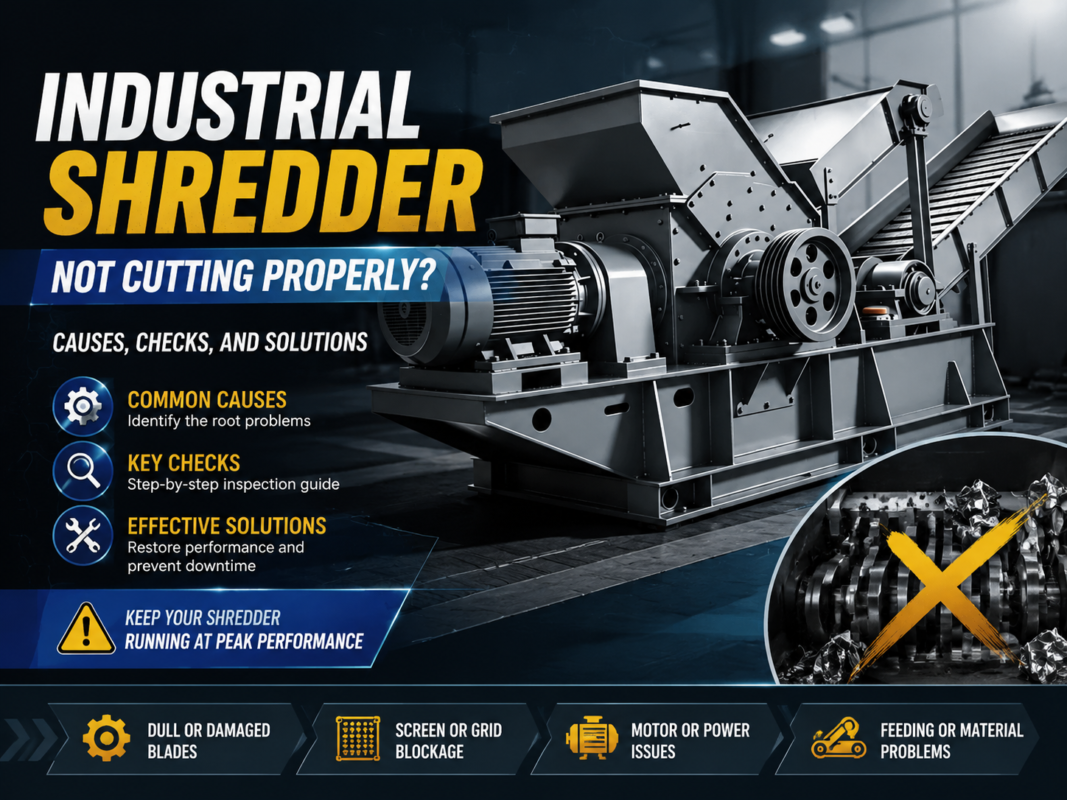
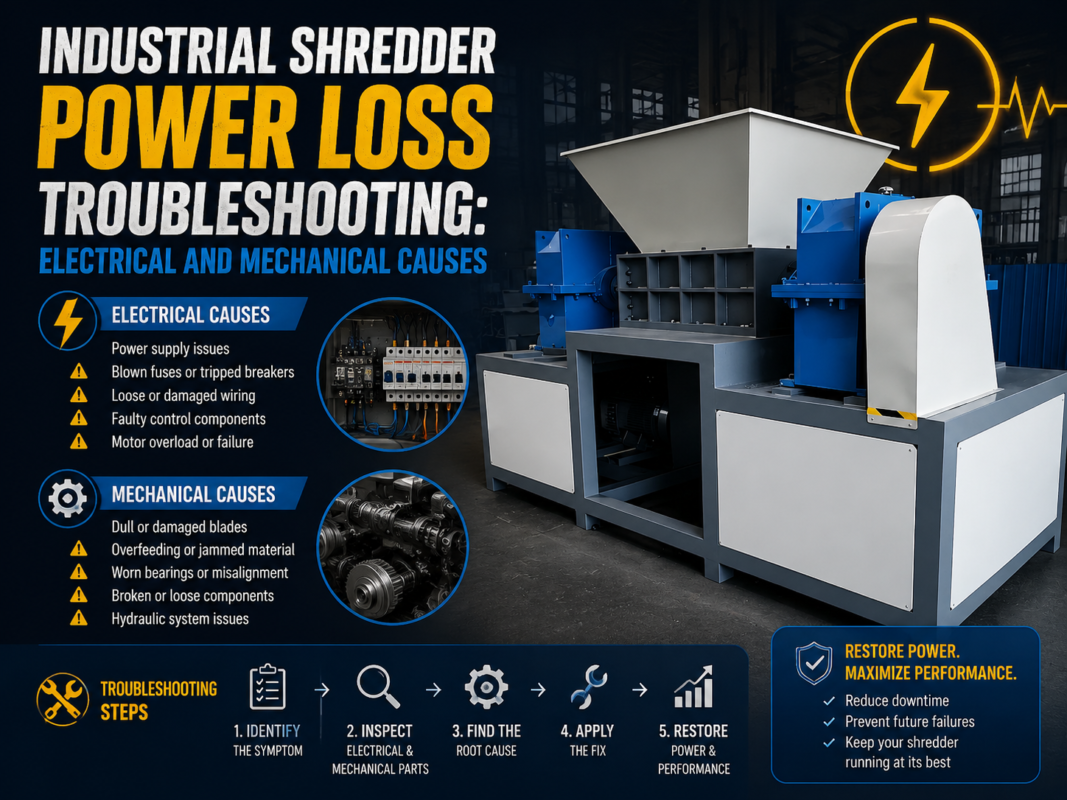
Modern industrial shredders are equipped with PLC systems that monitor the motor’s current. If the current spikes (indicating a jam), the machine automatically stops and reverses the shafts to reposition the material. Proper pre-sorting to remove “unshreddables” like heavy engine blocks or thick steel plates is also essential for preventing downtime.
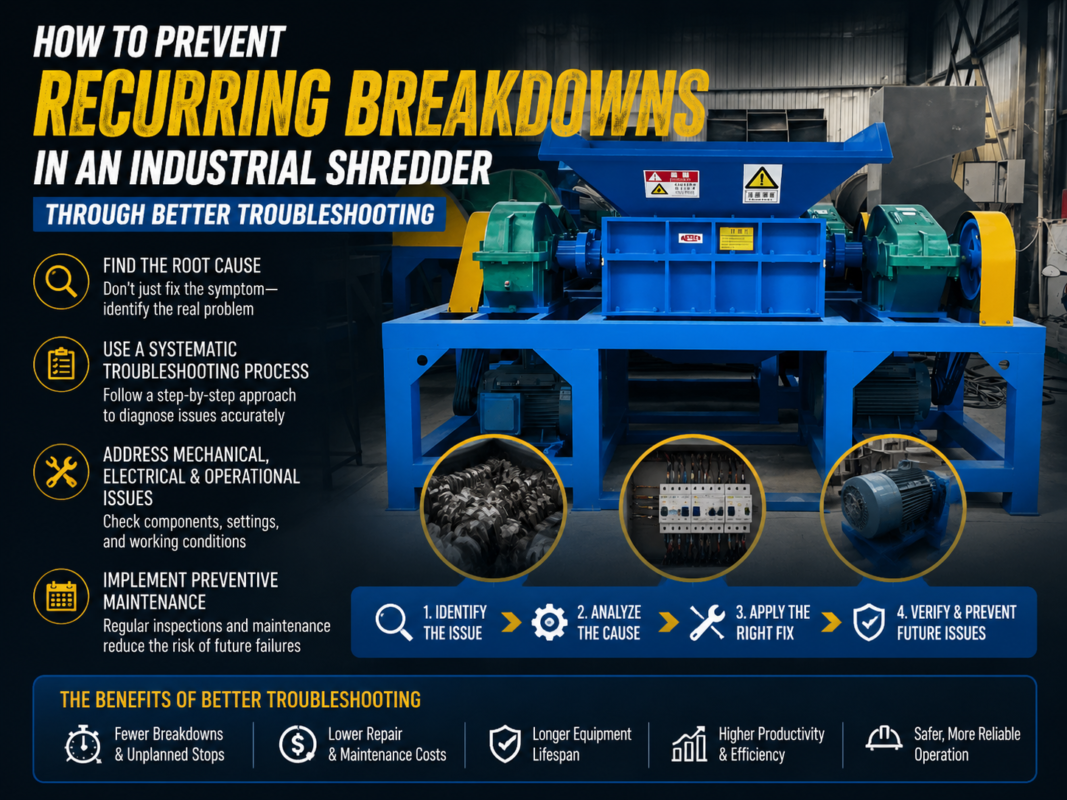
What maintenance is required for an industrial shredder?
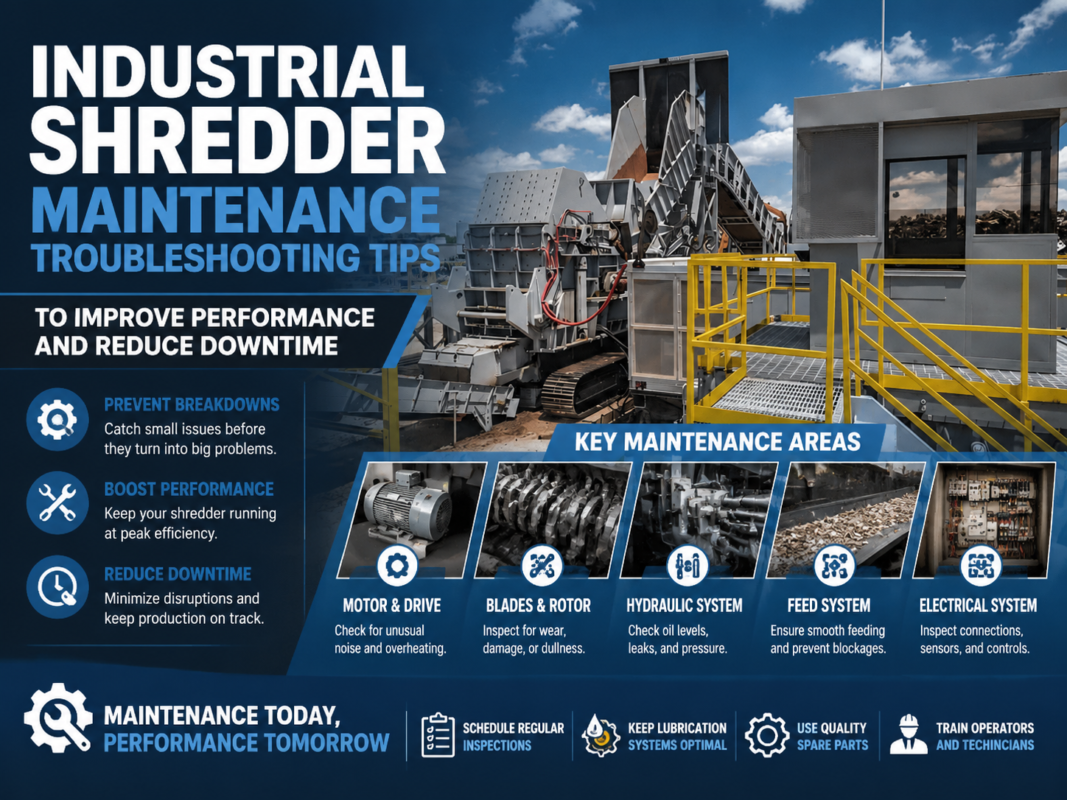
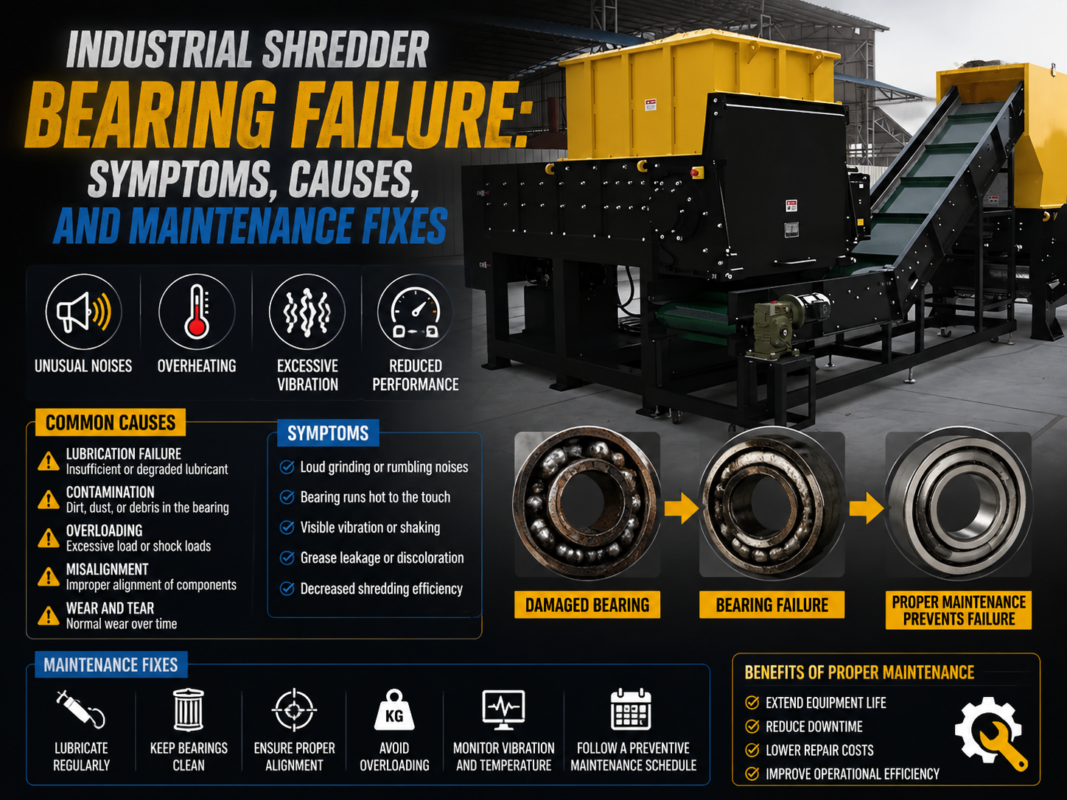
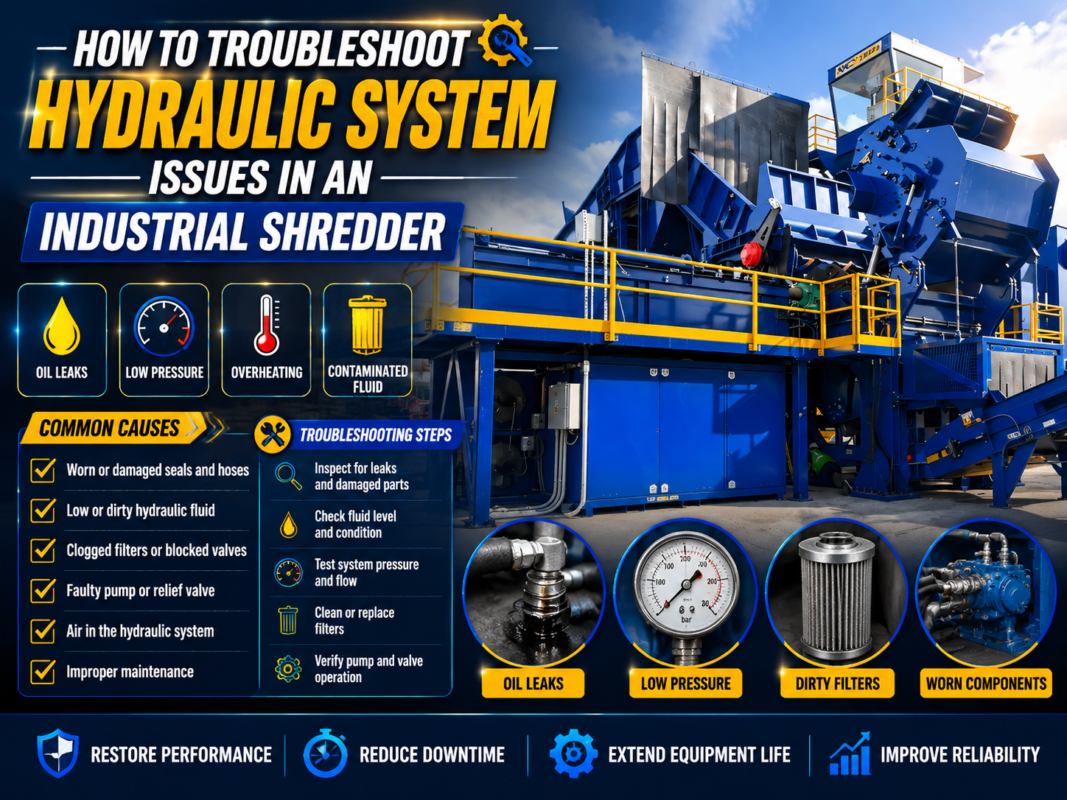
Routine maintenance includes lubricating bearings, checking hydraulic fluid levels, inspecting belt tension, and monitoring blade wear. It is also important to keep the area around the shredder clean to prevent dust buildup in the motor and electrical cabinets. HARSLE provides detailed maintenance schedules with every machine to ensure long-term reliability.
Conclusion and Call to Action
Industrial Shredder Applications In Waste Management Systems are a cornerstone of modern industrial efficiency. By transforming bulky, heterogeneous waste into uniform, valuable resources, these machines enable businesses to meet environmental goals while improving their bottom line. From MSW and e-waste to heavy metal scrap, the right shredding solution can revolutionize how a facility handles its waste stream.
HARSLE is committed to providing high-performance shredding solutions tailored to the unique needs of the waste management and metal fabrication industries. Our machines are built for durability, efficiency, and ease of operation. If you are looking to upgrade your waste processing capabilities or need expert advice on selecting the right machine configuration, contact HARSLE today. Our team of engineers is ready to help you optimize your workflow and achieve superior productivity in your waste management operations.