Industrial Shredder Roles In Copper Non-Ferrous Metal Recycling: A Comprehensive Guide

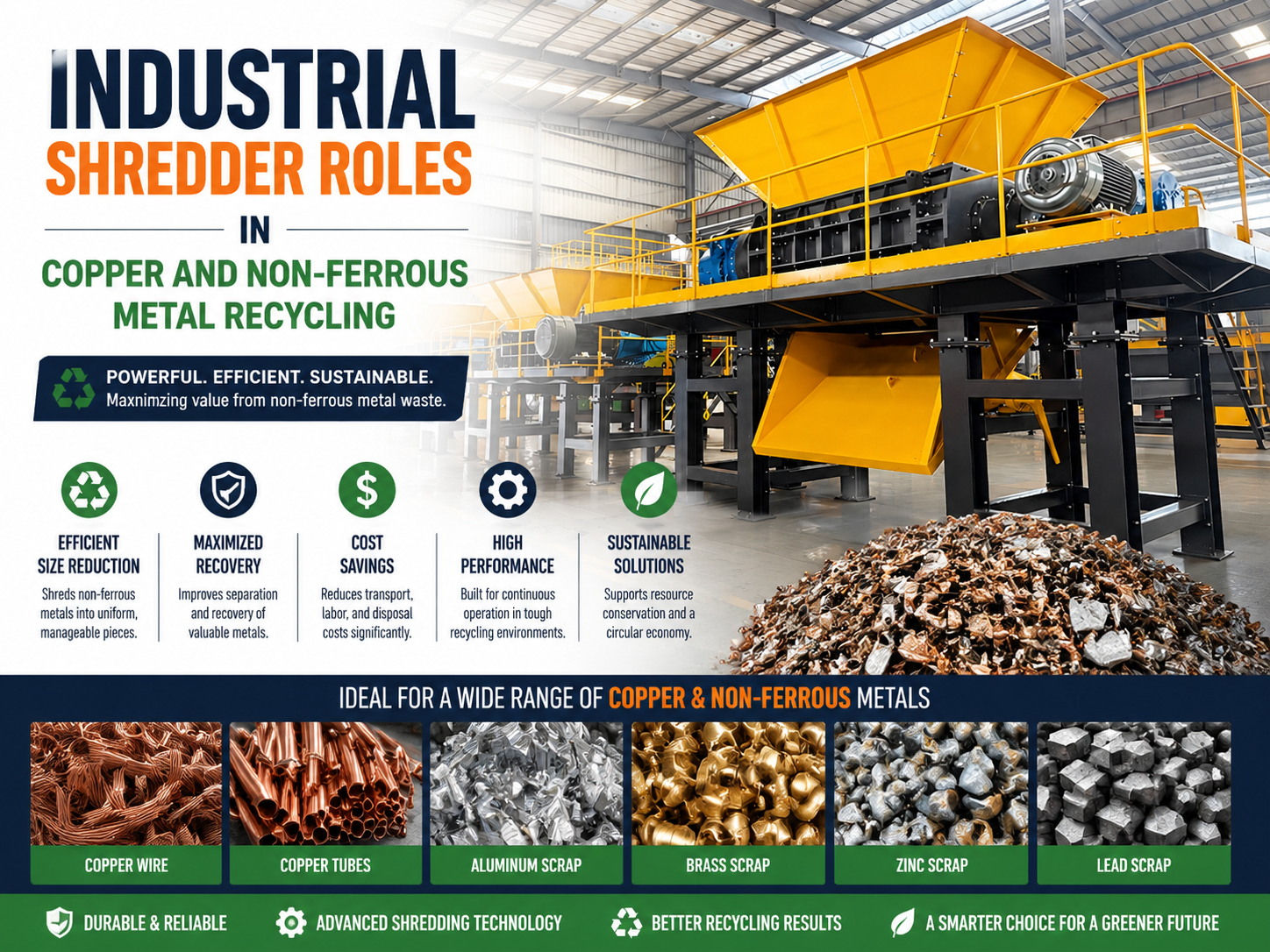
Introduction to Industrial Shredder Roles In Copper Non-Ferrous Metal Recycling
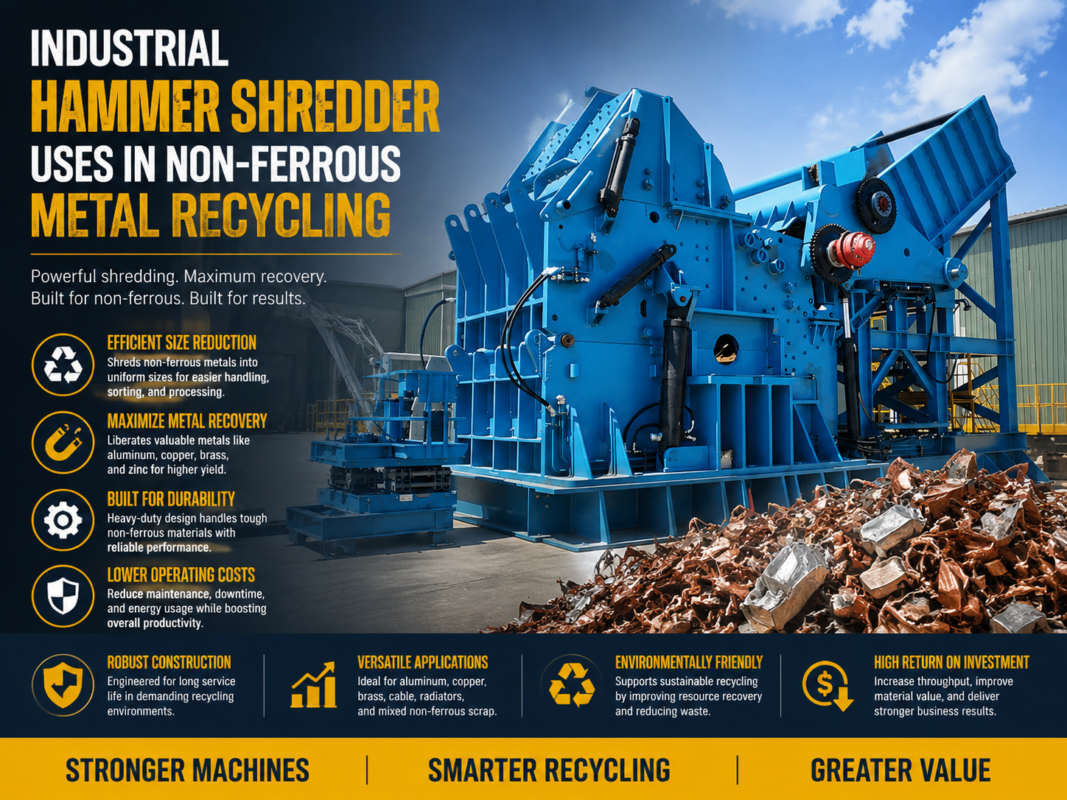
The global shift toward a circular economy has placed immense pressure on the recycling industry to improve efficiency and purity in material recovery. Among the most valuable materials in this cycle are copper and non-ferrous metals such as aluminum, brass, and zinc. The primary challenge in reclaiming these materials lies in their initial form—often entangled in complex assemblies, insulated with plastics, or mixed with ferrous contaminants. This is where the Industrial Shredder Roles In Copper Non-Ferrous Metal Recycling become indispensable. These machines serve as the frontline of the processing plant, breaking down bulky scrap into manageable sizes and facilitating the separation of high-value metals from waste.
Industrial shredders are not merely cutting machines; they are sophisticated systems designed to handle the high ductility of copper and the abrasive nature of various alloys. By reducing the volume of scrap and increasing the surface area, shredders prepare the material for downstream processes like magnetic separation, eddy current separation, and gravity-based sorting. For manufacturers and recycling facilities, choosing the right shredding technology is the difference between a high-purity product that fetches top market prices and a contaminated batch that incurs disposal fees. HARSLE, a leader in metal fabrication and recycling machinery, provides the robust engineering required to meet these demanding industrial needs.
Application Scenarios for Non-Ferrous Metal Shredding
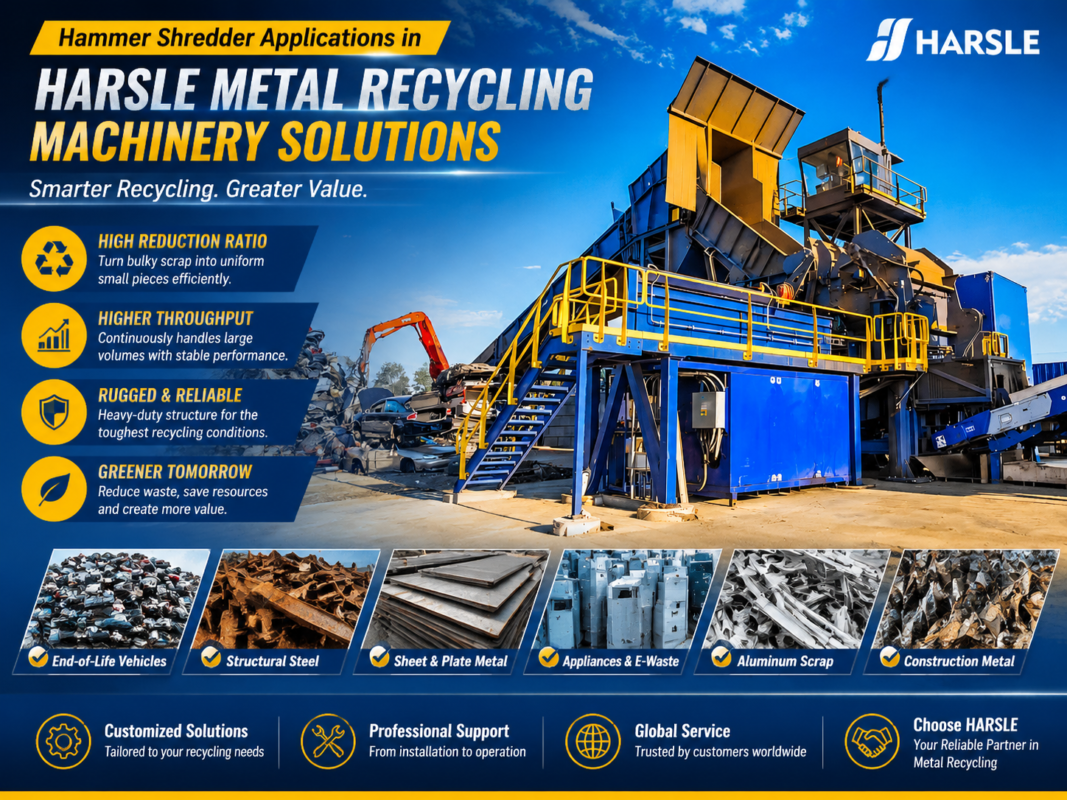
The application of industrial shredders in the non-ferrous sector is diverse, spanning across multiple industries that generate significant scrap. One of the most prominent scenarios is the recycling of electrical cables and wires. Copper is the backbone of global electrical infrastructure, and millions of tons of scrap wire are generated annually from demolition, automotive dismantling, and electronics manufacturing. Shredders are used to chop these cables into small pieces, allowing for the mechanical separation of the copper core from the PVC or rubber insulation.
Another critical application is in the automotive recycling industry. Modern vehicles contain a significant amount of aluminum (engine blocks, wheels, and body panels) and copper (wiring harnesses). Industrial shredders process entire vehicle components, reducing them to a size where non-ferrous metals can be efficiently extracted from the steel and plastic components. This process, often referred to as ‘auto shredder residue’ (ASR) processing, relies heavily on the initial shredding stage to ensure that the non-ferrous fraction is liberated from the ferrous frame.
In the construction and demolition sector, aluminum extrusions from window frames, doors, and siding represent a high-volume scrap stream. These materials are often bulky and difficult to transport. Industrial shredders reduce these long profiles into dense, uniform chips, which significantly lowers logistics costs and prepares the material for smelting. Furthermore, the electronics recycling (e-waste) industry utilizes shredders to process circuit boards, which contain a cocktail of precious and non-ferrous metals. The shredder’s role here is to break the boards down to a fine enough grain to allow for chemical or mechanical refining of the copper and gold content.

Material and Process Requirements
Processing copper and non-ferrous metals requires a deep understanding of material science. Copper, for instance, is highly ductile. Unlike brittle materials that shatter upon impact, copper tends to stretch and deform. This requires shredders with high-torque, low-speed capabilities and precision-engineered blades that can shear the material rather than just crushing it. If the shredder is not configured correctly, copper wire can wrap around the rotor, leading to overheating and mechanical failure.
Aluminum presents a different set of challenges. While it is softer than steel, it can be abrasive depending on the alloy. Furthermore, aluminum has a relatively low melting point; if the shredding process generates excessive heat, the aluminum can soften and ‘gum up’ the blades or screens. Therefore, cooling systems and optimized blade geometries are essential process requirements. The input material often arrives in ‘bales’ or loose piles, containing contaminants like wood, plastic, and ferrous metals. The shredding system must be robust enough to handle occasional ‘unshreddables’ without catastrophic damage, often utilizing hydraulic ‘swing-away’ or ‘auto-reverse’ features.
The desired output size is also a critical requirement. For copper wire recycling, the goal is often a ‘granule’ size of 3-8mm to facilitate air-table separation. For aluminum smelting, a larger ‘chip’ size might be preferred to minimize oxidation during the melting process. Consequently, the shredder must be equipped with interchangeable screens that allow the operator to control the final particle size based on the specific requirements of the downstream buyer or the next stage of the processing line.
Recommended Machine Configuration
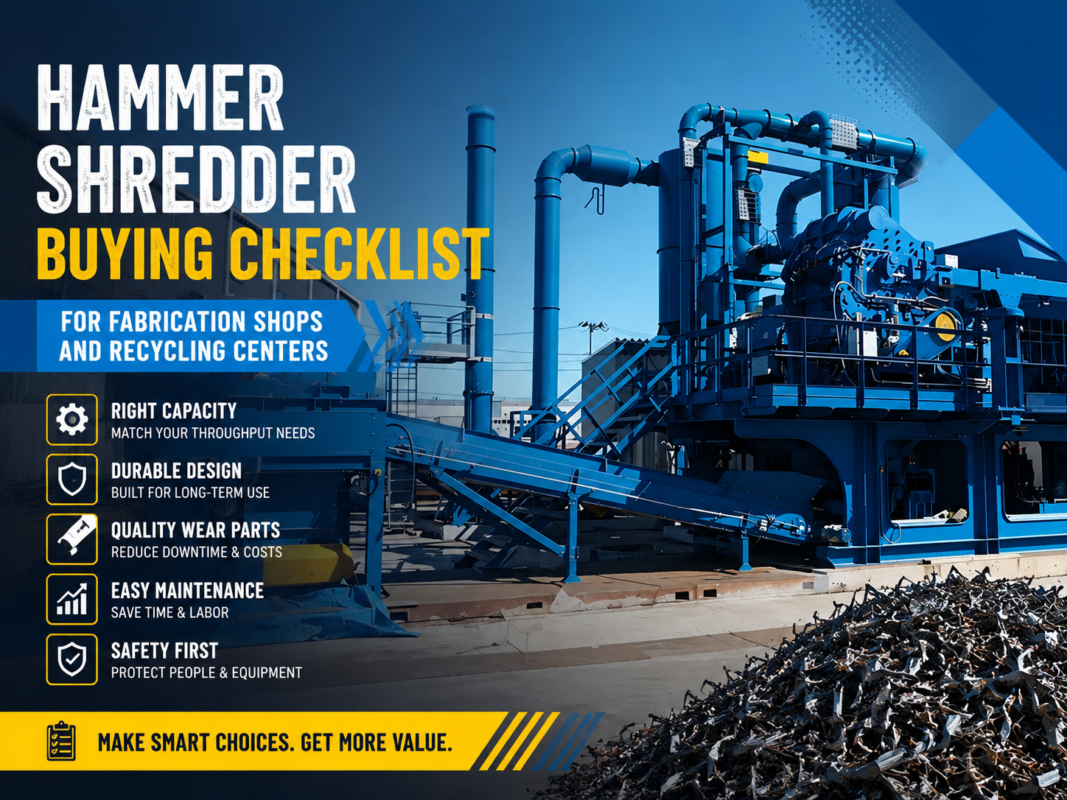
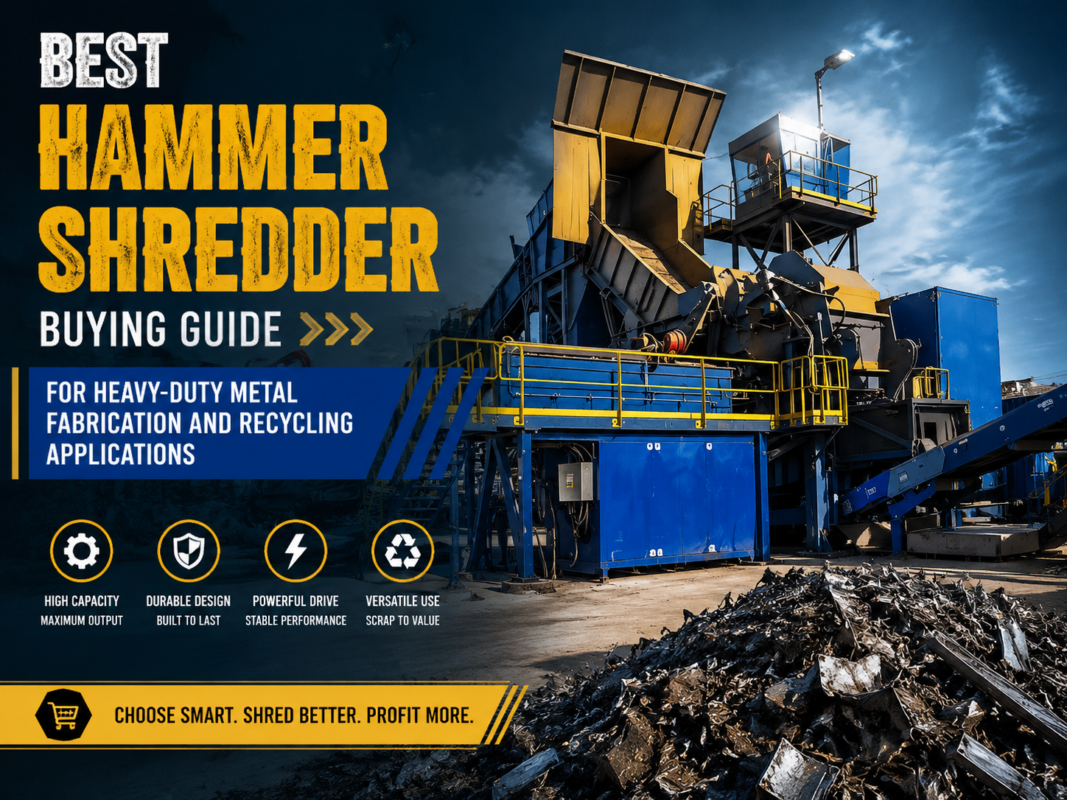
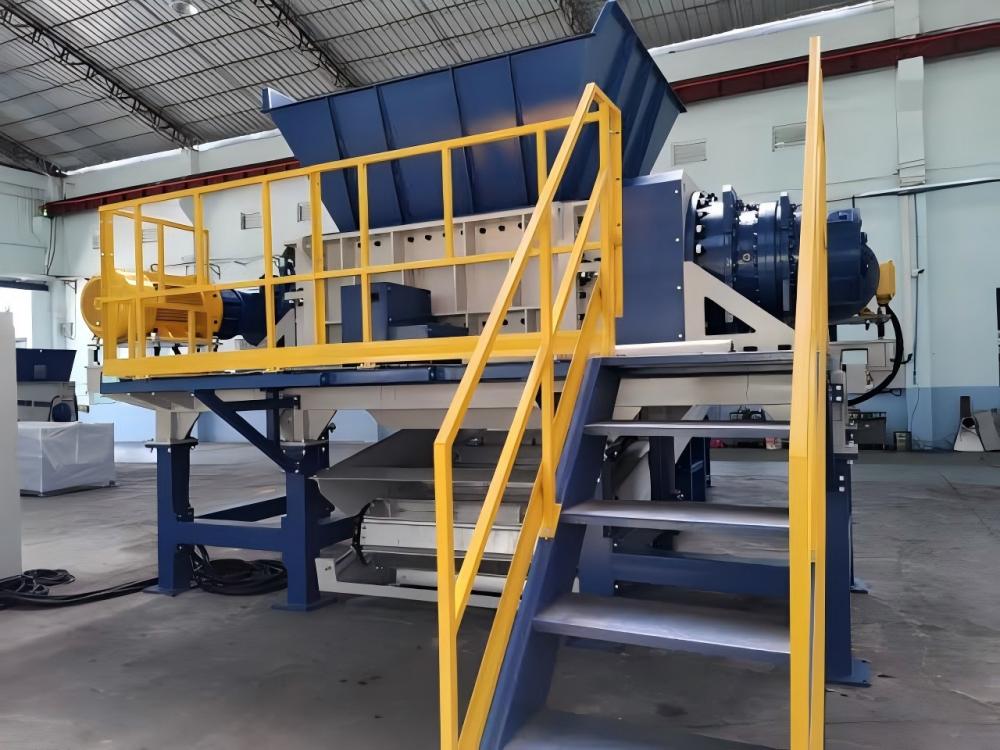
When selecting a machine for Industrial Shredder Roles In Copper Non-Ferrous Metal Recycling, the configuration must match the specific scrap profile. For heavy-duty applications like engine blocks or large aluminum castings, a double-shaft shredder is typically recommended. These machines utilize two counter-rotating shafts with interlocking blades that pull the material into the cutting chamber. This design provides massive torque and is excellent for ‘primary’ shredding where the goal is volume reduction and initial liberation.
For more precise applications, such as copper cable recycling or thin-gauge aluminum profiles, a single-shaft shredder with a hydraulic pusher is often the better choice. The hydraulic pusher forces the material against a high-speed rotor equipped with replaceable cutting inserts. This configuration allows for a very consistent output size, as the material remains in the chamber until it is small enough to pass through a screen located beneath the rotor. The blades should be made from high-wear alloys like D2 or DC53 steel, heat-treated to withstand the rigors of continuous metal-on-metal contact.
Furthermore, the drive system is a vital part of the configuration. While electric motors are standard, high-capacity recycling plants often opt for hydraulic drives. Hydraulic systems offer superior shock absorption and the ability to deliver maximum torque at zero speed, which is invaluable when dealing with dense tangles of copper wire. Additionally, integrated dust suppression systems and magnetic head pulleys on the discharge conveyor are essential components of a professional recycling configuration, ensuring a cleaner workspace and the immediate removal of any ferrous contaminants.
Workflow of a Metal Shredding Plant
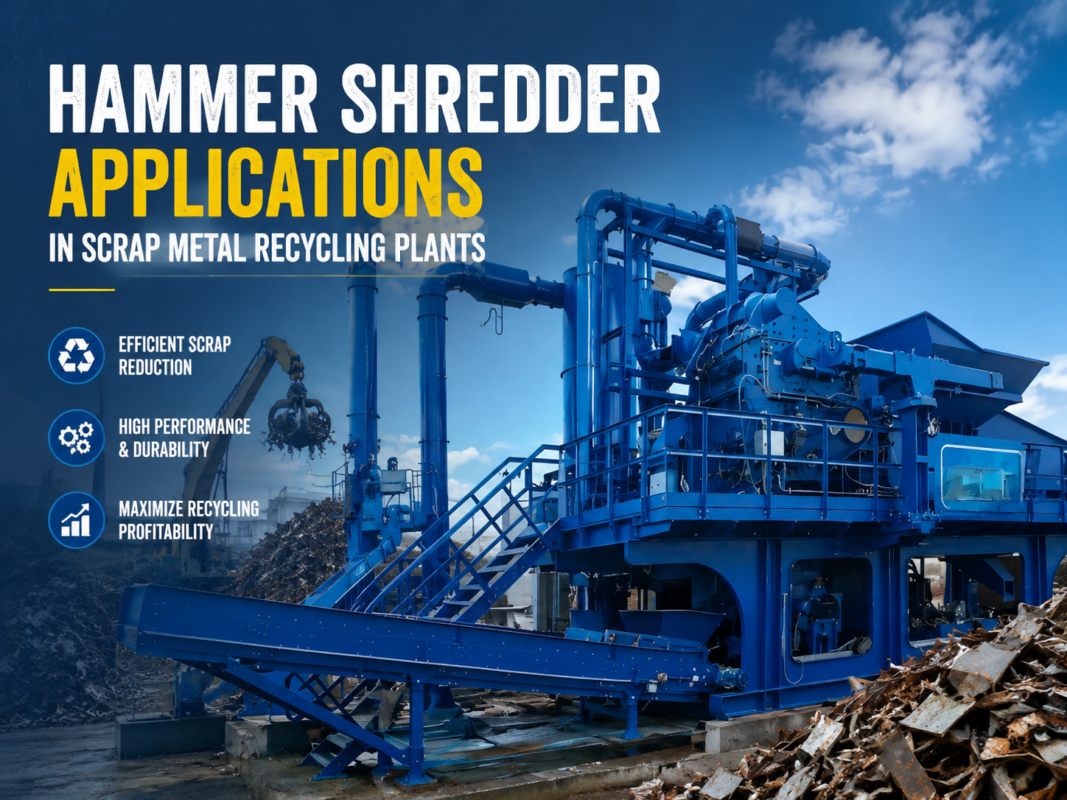
The workflow of a modern non-ferrous recycling facility is a highly choreographed sequence of mechanical actions. It begins with Feeding, where scrap is loaded into the shredder’s hopper via a crane, grapple, or conveyor belt. It is crucial to maintain a steady feed rate to prevent the shredder from ‘slugging’ or running empty, both of which reduce efficiency. Advanced systems use sensors to automate the feed rate based on the motor’s current draw.
The second stage is Primary Shredding. Here, the bulky scrap is reduced to pieces roughly the size of a hand. During this stage, the physical bond between different materials (e.g., plastic insulation on copper wire) is broken. The material then passes through a Magnetic Separator, usually a cross-belt magnet or a magnetic drum, which removes any iron or steel fragments. This is a critical step, as even small amounts of ferrous contamination can significantly devalue a non-ferrous batch.
After the ferrous metals are removed, the remaining mix of non-ferrous metals and waste (plastics, rubber, glass) undergoes Secondary Shredding or Granulation if a finer output is required. The material then moves to an Eddy Current Separator. This machine uses a rapidly rotating magnetic field to induce electrical currents in non-ferrous metals, creating a repulsive force that ‘jumps’ the metal away from the non-metallic waste. Finally, the separated copper or aluminum is collected, while the ‘lights’ (plastics and dust) are sent to a dust collection system or a separate waste stream. The result is a high-purity metal product ready for the furnace.
Productivity and Economic Benefits
Investing in high-quality shredding equipment yields significant productivity benefits. Firstly, Volume Reduction is a major factor. Raw scrap is often light and bulky, making it expensive to transport. Shredding can increase the bulk density of aluminum scrap by up to 300%, allowing for more efficient shipping and storage. This directly impacts the bottom line by reducing logistics overhead.
Secondly, the Purity of the Final Product is greatly enhanced. By using a multi-stage shredding and separation workflow, facilities can achieve copper purity levels exceeding 99%. High-purity scrap commands a premium price on the global market, often several hundred dollars more per ton than ‘mixed’ scrap. Furthermore, the automation of the shredding process reduces the need for manual sorting, which is slow, dangerous, and increasingly expensive due to rising labor costs.
From an environmental and compliance perspective, industrial shredders help facilities meet strict waste management regulations. By effectively separating hazardous materials (like lead or certain plastics) from the metal stream, companies avoid fines and contribute to a more sustainable manufacturing ecosystem. The energy efficiency of modern HARSLE shredders also means that the ‘carbon footprint’ per ton of recycled metal is significantly lower than that of primary metal production from ore, which requires vastly more energy and water.
Case Example: Copper Cable Recycling Facility
Consider a mid-sized recycling facility that previously relied on manual stripping and small-scale granulators to process copper cables. They faced issues with low throughput, high labor costs, and a significant amount of copper being lost in the plastic waste stream. Upon upgrading to a HARSLE integrated shredding line, the facility saw immediate improvements. The new system featured a primary double-shaft shredder followed by a high-speed granulator and an air-separation table.
The primary shredder allowed them to process armored cables and large-diameter industrial wiring that their previous equipment couldn’t handle. The automated workflow increased their daily processing capacity from 2 tons to 10 tons. More importantly, the precision of the HARSLE granulator ensured that the copper was completely liberated from the insulation. The air-separation table then achieved a 99.5% recovery rate of the copper. Within 14 months, the increased revenue from the higher-quality copper and the savings in labor costs allowed the facility to achieve a full return on their investment (ROI), proving the economic viability of advanced shredding technology.
Frequently Asked Questions (FAQ)
1. How often do the blades need to be replaced in a metal shredder?
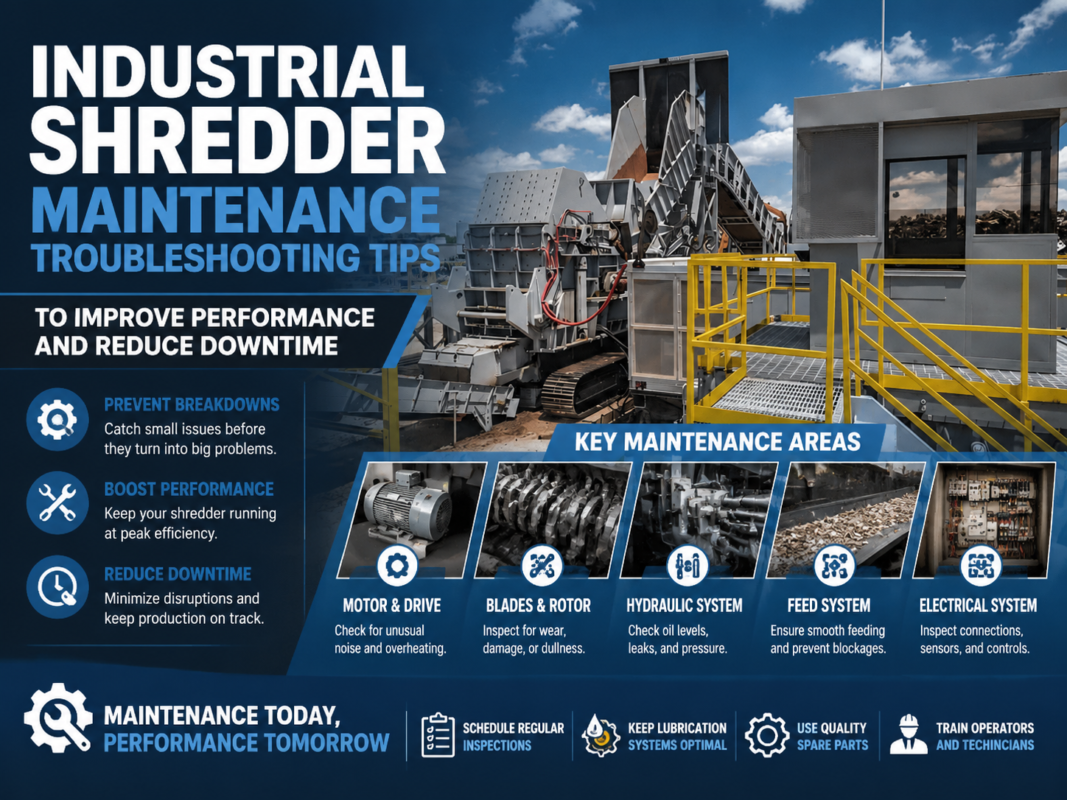
Blade lifespan depends heavily on the material being processed. For clean copper wire, blades can last several hundred hours before needing sharpening or rotation. However, if the scrap contains high amounts of sand, glass, or hardened steel contaminants, the wear will be faster. Most HARSLE shredders feature four-sided reversible blades to extend the service life before a full replacement is necessary.
2. Can one shredder handle both aluminum and copper?
Yes, most industrial shredders are versatile enough to handle various non-ferrous metals. However, the settings (such as rotor speed and screen size) should be adjusted when switching between materials. Aluminum is lighter and may require different feeding techniques compared to the denser, more ductile copper.
3. What is the difference between a shredder and a granulator?
A shredder is typically a low-speed, high-torque machine used for initial volume reduction and breaking down large objects. A granulator is a high-speed machine used to reduce material into very small, uniform grains (granules). In a complete recycling line, the shredder usually precedes the granulator.
4. How does the machine handle ‘unshreddable’ items like large steel shafts?
HARSLE shredders are equipped with intelligent PLC control systems. If the machine encounters an object it cannot shred, the motor current spikes, and the system automatically reverses the shafts to clear the jam. If the object remains, the machine will shut down and alert the operator to prevent damage to the motor or blades.
5. Is dust a major concern in metal shredding?
Yes, shredding non-ferrous metals—especially e-waste or insulated wire—can generate significant dust. Professional setups include integrated pulse-jet dust collectors that extract fine particles from the cutting chamber and conveyor transition points, ensuring a safe breathing environment for workers and preventing explosive dust accumulations.
Conclusion and Call to Action
The Industrial Shredder Roles In Copper Non-Ferrous Metal Recycling are fundamental to the success of modern scrap processing. By transforming chaotic waste into high-value raw materials, these machines empower businesses to thrive in a competitive global market while supporting environmental sustainability. Whether you are processing automotive scrap, industrial cables, or consumer electronics, the right shredding solution is the cornerstone of your operational efficiency.
At HARSLE, we specialize in providing heavy-duty, high-performance machinery tailored to the rigors of the recycling industry. Our shredders are engineered for durability, ease of maintenance, and maximum recovery rates. Don’t let valuable metal go to waste due to inefficient processing. Contact HARSLE today to consult with our technical experts and find the perfect shredding configuration for your facility. Let us help you turn your scrap into profit with the industry’s most reliable metal fabrication and recycling equipment.