Scrap Metal Shear Applications in Compacting and Pre-Shredding Lines: A Comprehensive Guide

Introduction to Scrap Metal Shear Applications in Modern Recycling
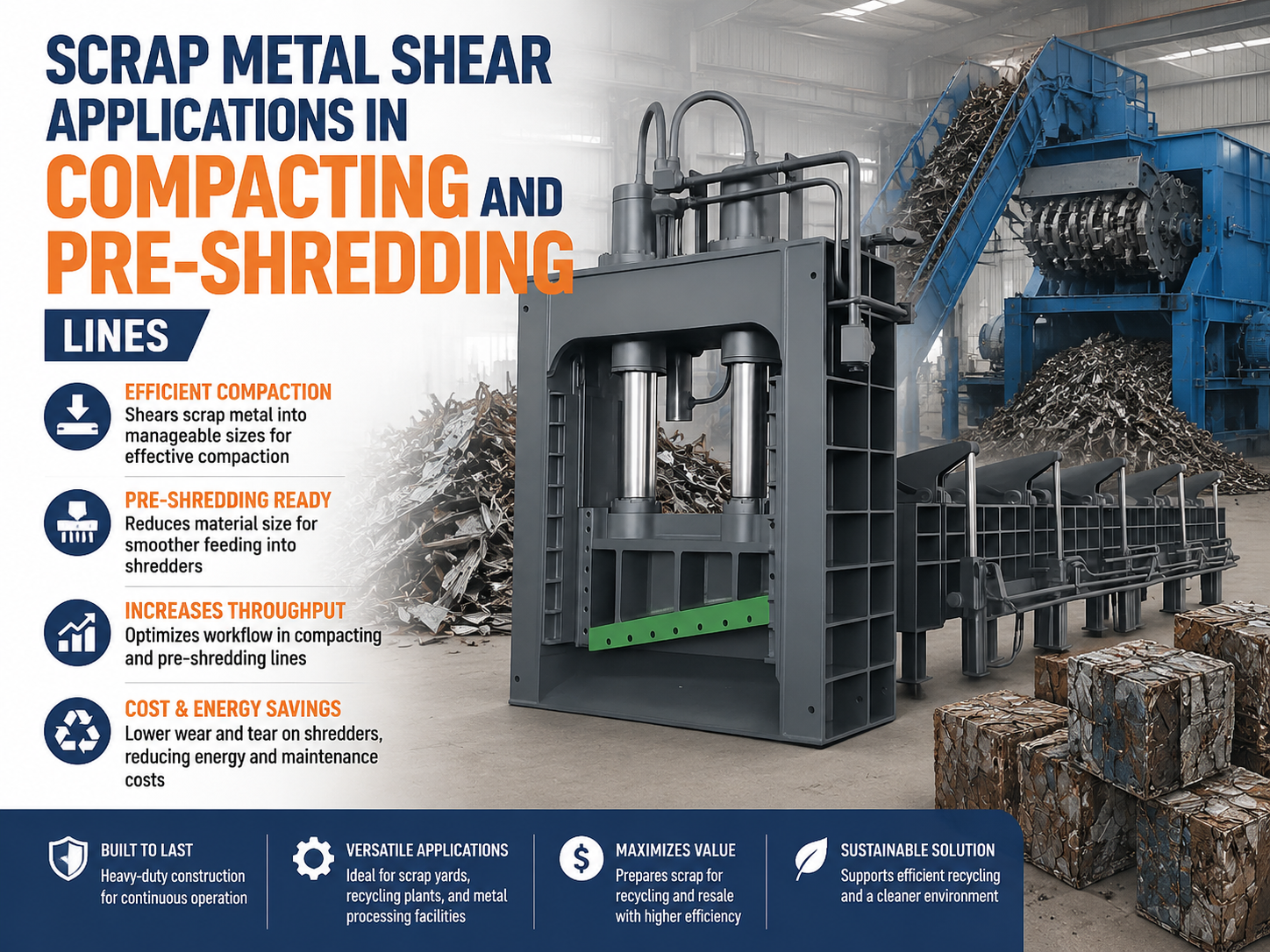
In the rapidly evolving landscape of global metal recycling, the efficiency of processing heavy-duty scrap is paramount. Scrap metal shear applications in compacting and pre-shredding lines have become the backbone of high-volume recycling facilities. These machines are not merely cutting tools; they are sophisticated hydraulic systems designed to transform oversized, irregular metal waste into manageable, high-density furnace-ready material. As steel mills and foundries demand higher purity and specific dimensions for their feedstock, the role of the scrap metal shear has transitioned from a standalone tool to a critical component of integrated processing lines.
The integration of scrap metal shears into compacting and pre-shredding lines addresses several logistical and operational challenges. Large-scale scrap, such as decommissioned industrial machinery, structural steel beams, and automotive frames, cannot be fed directly into standard shredders without causing significant wear or catastrophic failure. By utilizing a shear as a pre-processor, facilities can significantly extend the lifespan of their downstream equipment while optimizing the density of the material for transport and melting. This article explores the technical nuances, application scenarios, and productivity benefits of these powerful machines in the context of modern industrial recycling.
Application Scenarios for Scrap Metal Shears
The primary application scenario for scrap metal shears is within large-scale recycling yards that handle diverse streams of ferrous and non-ferrous metals. In these environments, the shear acts as the first line of defense. For instance, in demolition projects, massive I-beams and reinforced steel bars are often too long for transport. A mobile or stationary gantry shear can quickly reduce these lengths, making them suitable for compacting lines. This initial reduction is crucial for maximizing the payload of transport vehicles, thereby reducing carbon footprints and logistics costs.
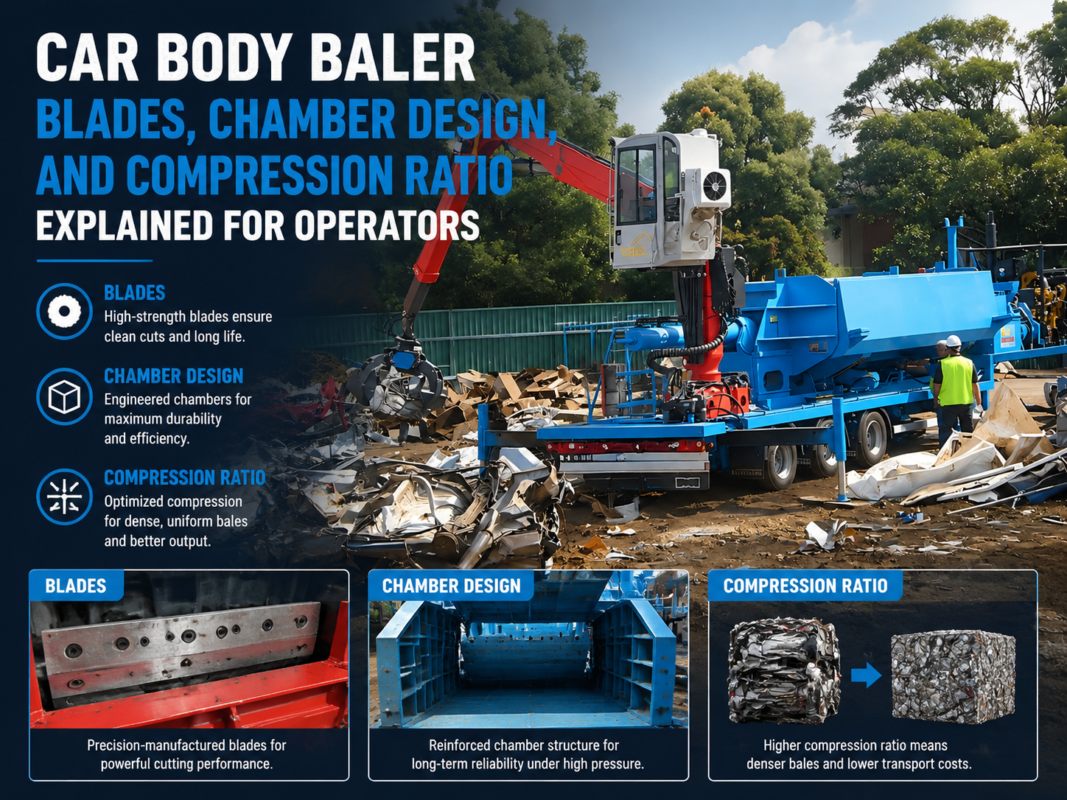
Another critical scenario is the pre-shredding phase in automotive recycling. Modern vehicles contain a mix of high-strength alloys and heavy structural components. Feeding a whole car body into a hammer mill shredder is energy-intensive and causes rapid hammer wear. By applying scrap metal shear applications in compacting and pre-shredding lines, the vehicle frame is first flattened and then sheared into smaller sections. This process ensures that the shredder operates at peak efficiency, focusing on liberating different materials rather than struggling with oversized structural members.
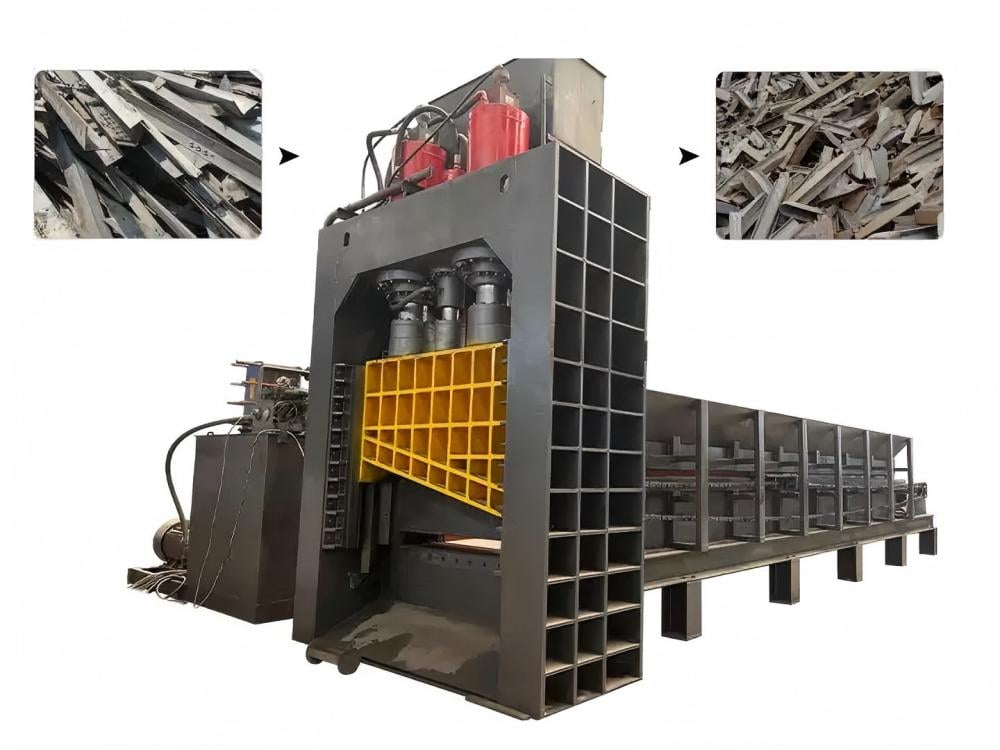
Furthermore, steel mills utilize scrap shears to prepare “Heavy Melting Scrap” (HMS 1 and 2). The mills require scrap to be cut to specific lengths (usually under 1.5 meters) to fit into electric arc furnaces (EAF). Shears integrated with compacting boxes can press the scrap into dense logs before cutting, ensuring that each piece of scrap has a high weight-to-volume ratio. This density is vital for the thermal efficiency of the furnace, as it allows for faster melting times and lower energy consumption per ton of steel produced.
Material and Process Requirements
When considering scrap metal shear applications in compacting and pre-shredding lines, understanding the material properties is essential. The shear must be capable of handling a wide range of tensile strengths, from soft aluminum extrusions to high-carbon structural steel. The process requirements dictate that the machine must exert enough force to overcome the material’s shear strength while maintaining a clean cut to prevent excessive burring or material deformation that could interfere with downstream sorting equipment.
The thickness of the material is a primary factor in machine selection. For light-gauge scrap like roofing sheets or thin-walled pipes, a high-speed alligator shear might suffice for manual sorting lines. However, for industrial-grade scrap exceeding 20mm in thickness, a hydraulic gantry shear with a compression box is required. The compression box serves two purposes: it reduces the volume of the scrap through lateral and longitudinal pressure, and it holds the material firmly in place during the shearing stroke. This stability is critical for preventing blade damage and ensuring consistent output sizes.
Process requirements also include the “cycle time” and “throughput capacity.” In a pre-shredding line, the shear must keep pace with the shredder’s intake capacity. This often requires automated feeding systems, such as vibrating conveyors or heavy-duty hydraulic grabbers. The integration of PLC (Programmable Logic Controller) systems allows the shear to communicate with the rest of the line, adjusting its speed based on the volume of material detected in the hopper. This synchronization prevents bottlenecks and ensures a continuous flow of material through the recycling plant.
Recommended Machine Configuration
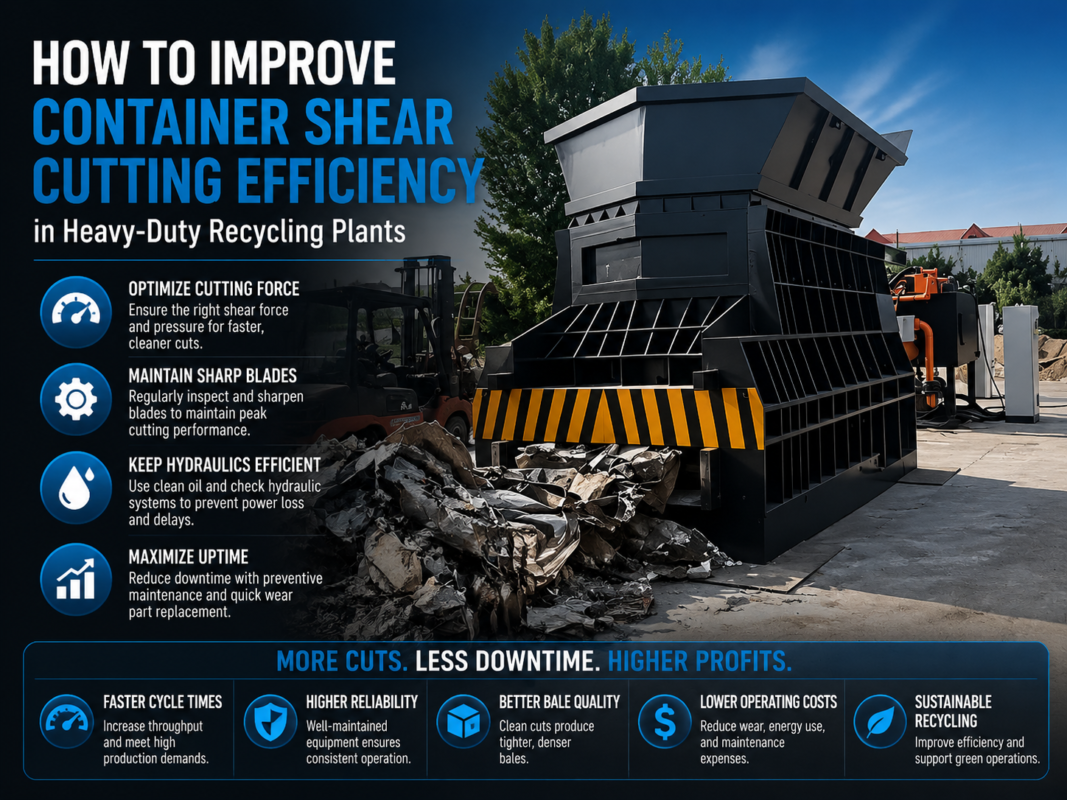
For optimal performance in compacting and pre-shredding lines, the machine configuration must be robust and technologically advanced. HARSLE recommends a gantry-style hydraulic shear for high-volume applications. These machines are characterized by their vertical cutting action and massive frame stability. Key components include a high-pressure hydraulic pump station, often powered by multiple motors to provide redundancy and variable flow rates. This allows the shear to operate at high speeds during the closing stroke and switch to high torque during the actual cut.
- Hydraulic System: Look for systems with logic valves and high-efficiency cooling units. Since shearing generates significant heat, maintaining oil viscosity is crucial for long-term reliability.
- Blade Quality: The blades should be made from high-chromium tool steel, heat-treated to withstand both impact and abrasion. Four-sided rotatable blades are preferred to extend the interval between sharpenings.
- Compression Box: A three-dimensional compression box (side press, lid press, and pusher) is ideal for compacting bulky scrap into a dense “log” before it reaches the shear throat.
- Control System: A touch-screen interface with remote diagnostic capabilities allows operators to monitor pressure levels, cycle counts, and maintenance alerts in real-time.
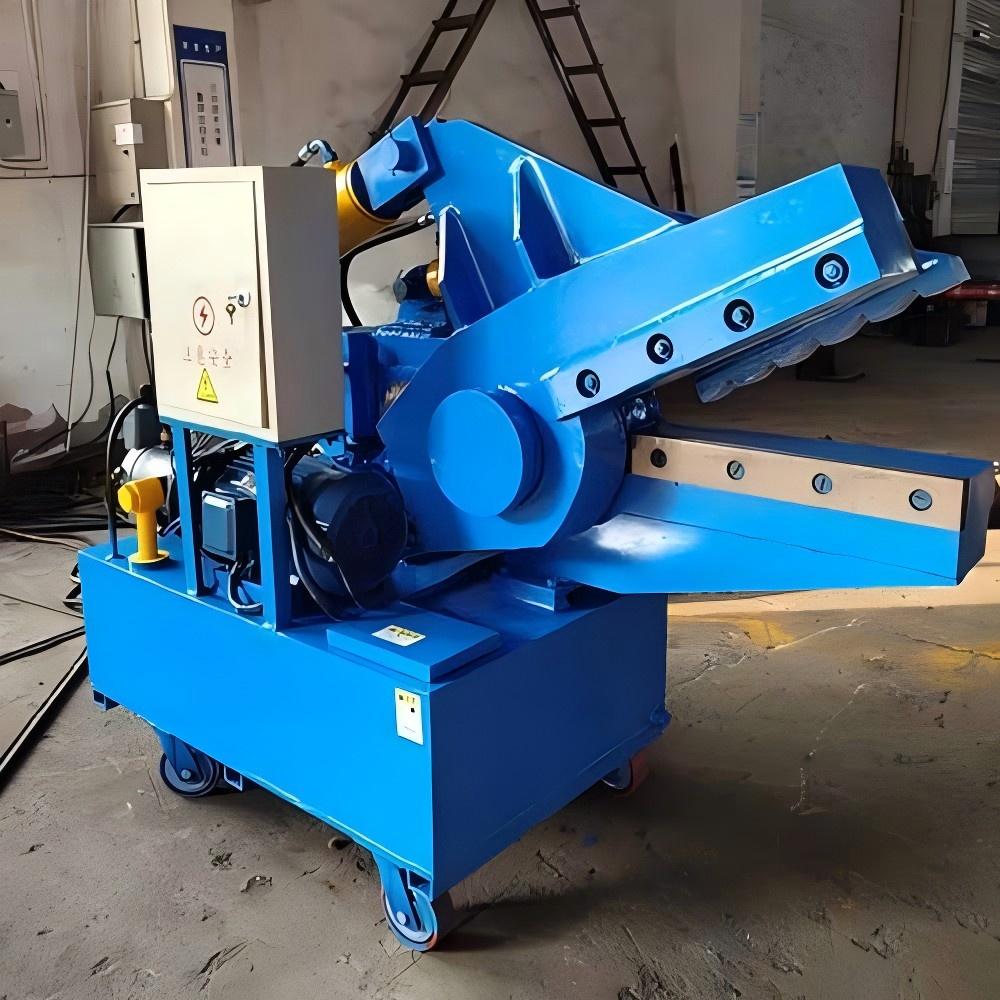
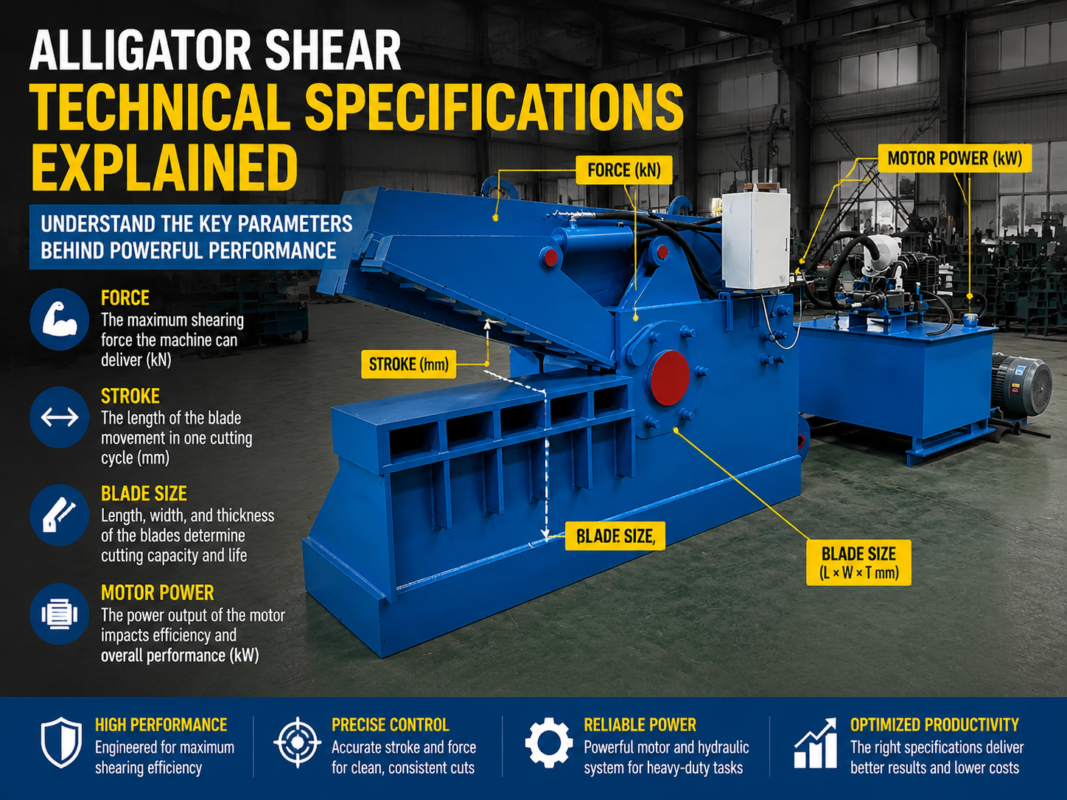
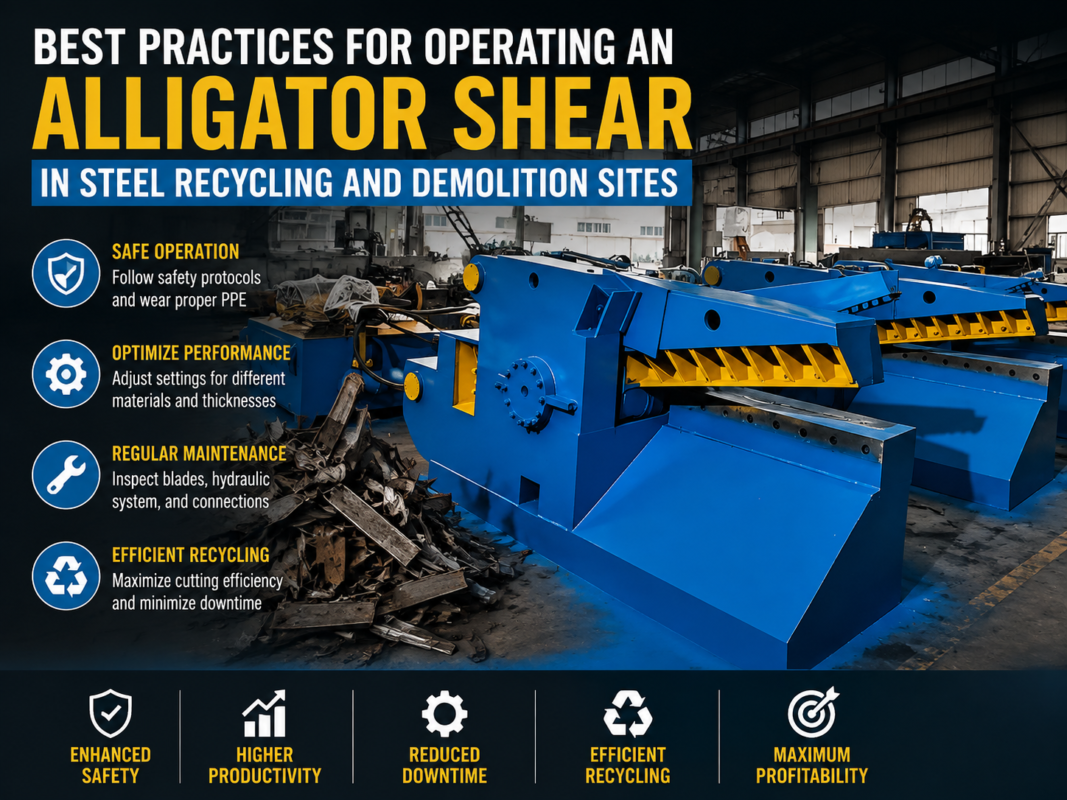
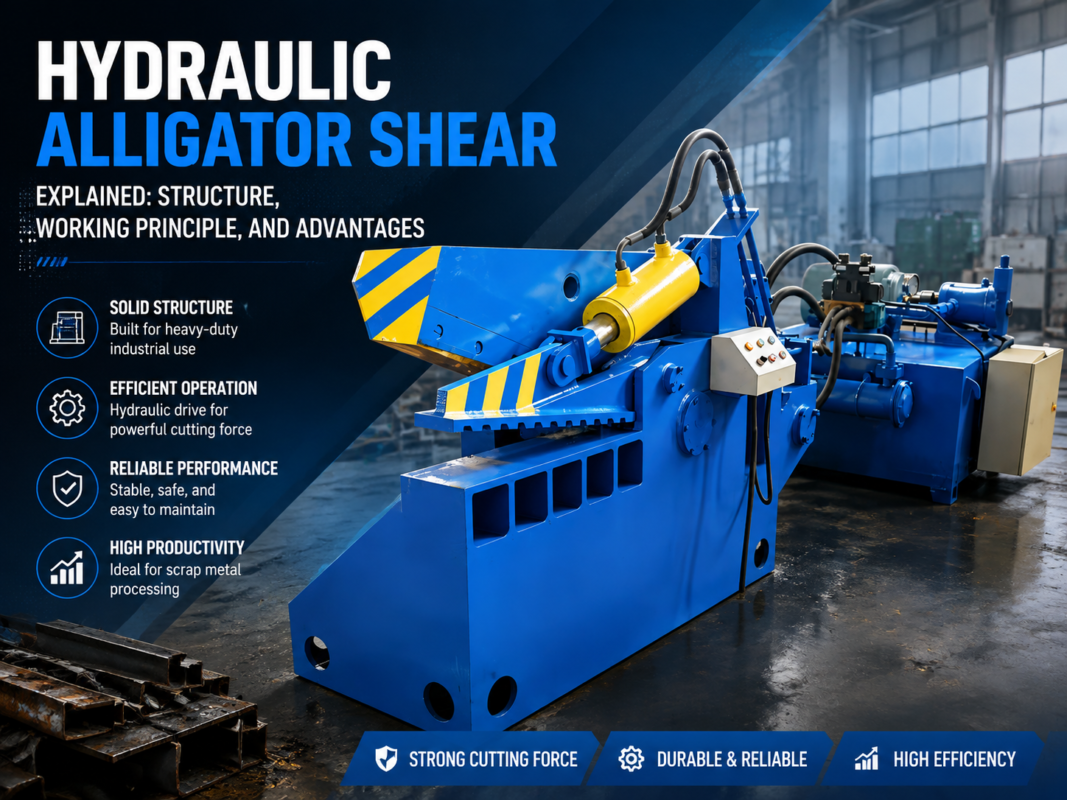
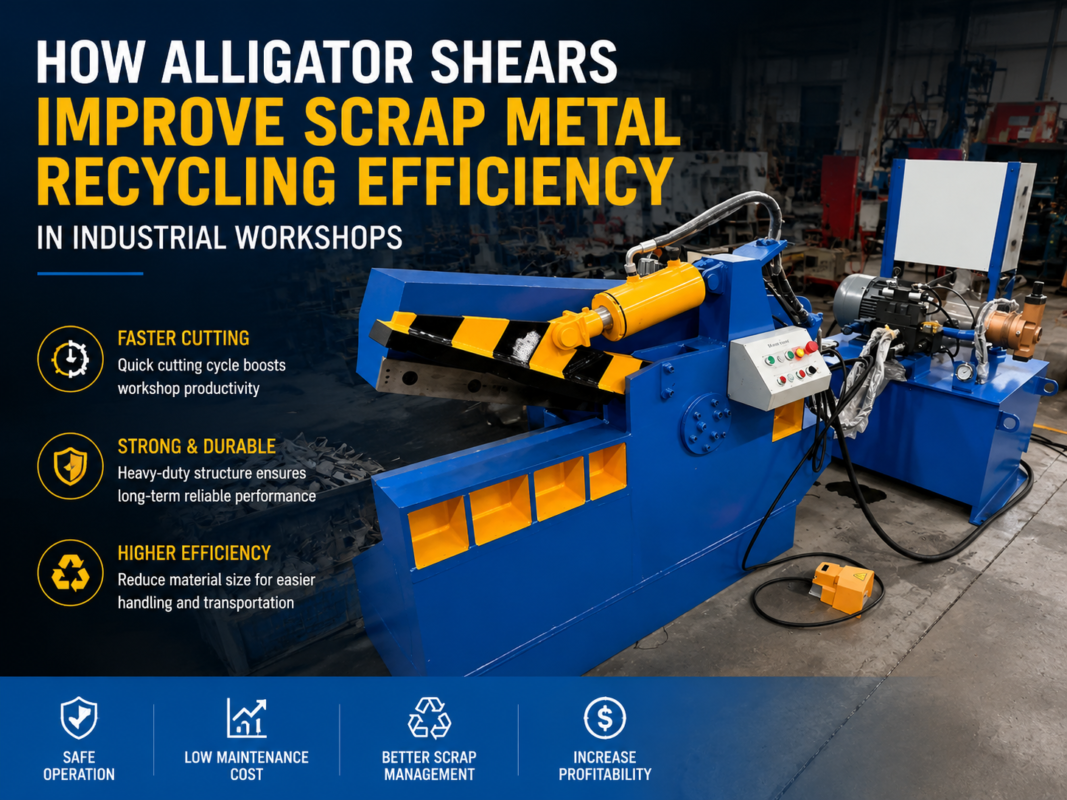
For smaller facilities or specific non-ferrous lines, an alligator shear configuration might be more appropriate. These machines are simpler to maintain and offer high flexibility for cutting pipes, cables, and smaller profiles. When integrated into a pre-shredding line, alligator shears are often used to remove “unshreddables”—heavy pieces of steel that could damage the shredder—before the rest of the material proceeds to the main conveyor.
Workflow in a Compacting and Pre-Shredding Line
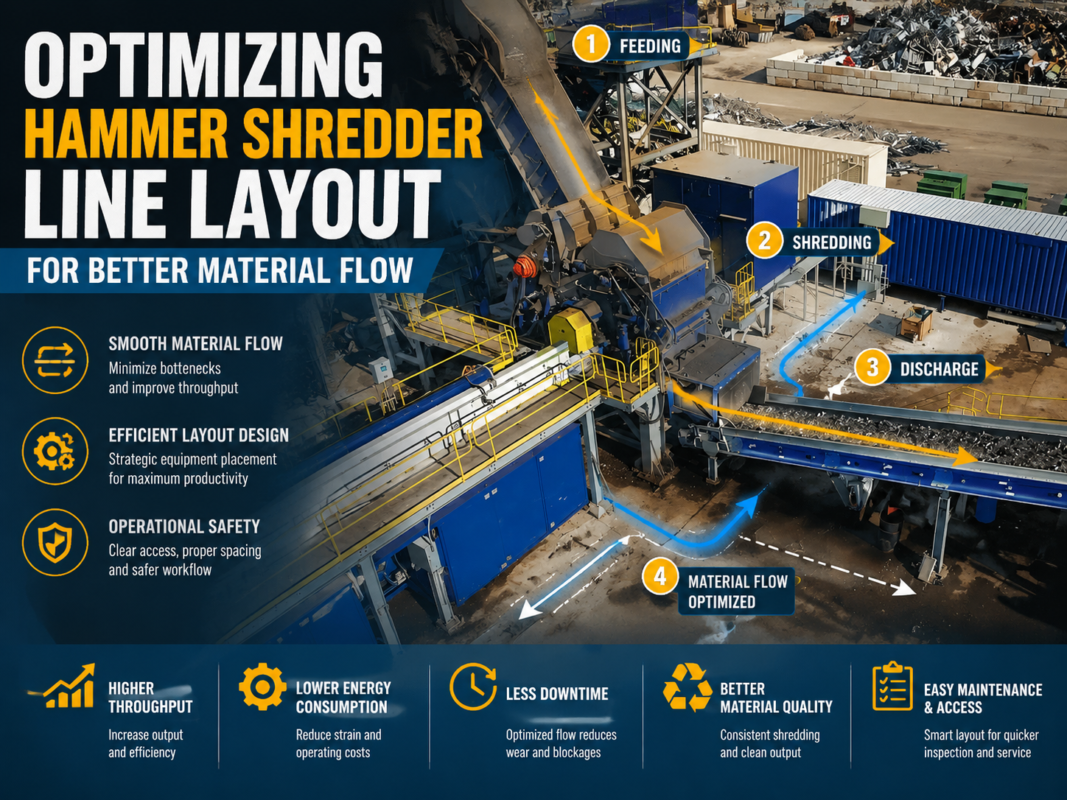
The workflow of scrap metal shear applications in compacting and pre-shredding lines is a choreographed sequence of mechanical actions. It begins with the Feeding Phase, where raw scrap is loaded into the charging hopper. In automated lines, sensors detect the weight and volume of the load. If the scrap is too bulky, the Compacting Phase begins. The hydraulic lid closes, followed by the side press, squeezing the scrap into a rectangular shape that fits the shear’s throat dimensions.
Once compacted, the Feeding Cylinder (or pusher) advances the scrap log toward the shearing blades. The operator or the PLC sets the desired cut length. As the material reaches the cutting zone, the Hold-down Ram descends, pinning the scrap to the bed knife. This prevents the material from kicking up during the cut, which is a major safety hazard and a cause of machine wear. The Shearing Stroke then occurs, with the upper blade descending with hundreds of tons of force to sever the metal.
The final stage is the Discharge and Sorting Phase. The cut pieces fall onto a discharge conveyor, which often leads to a magnetic separator to remove ferrous metals from non-ferrous contaminants. In a pre-shredding setup, these uniform pieces are then fed into the shredder. Because the pieces are already sized and densified, the shredder can process them with minimal energy spikes, resulting in a more consistent end product (proler) that is highly valued by steel manufacturers.
Productivity and Economic Benefits
The economic justification for investing in scrap metal shear applications in compacting and pre-shredding lines is compelling. Firstly, there is a significant reduction in Operational Costs. By pre-shearing scrap, the wear and tear on expensive shredder hammers and liners are reduced by up to 40%. This translates to fewer maintenance shutdowns and lower spare parts inventory. Additionally, sheared and compacted scrap has a higher bulk density, allowing for more efficient furnace charging and reduced melting loss (burn-off), which mills reward with higher purchase prices.
Secondly, Logistics Optimization plays a huge role. Loose scrap is notoriously difficult to transport efficiently. A truck filled with loose structural steel might reach its volume limit long before it reaches its weight limit. By compacting and shearing the material, facilities can maximize every load, significantly reducing the cost per ton of transported material. In many cases, the savings in transport costs alone can pay for the investment in a high-quality shear within a few years of operation.
| Feature | Benefit to Productivity | Economic Impact |
|---|---|---|
| Pre-Compaction | Increases material density before cutting | Lower transport costs & better furnace efficiency |
| Automated Feeding | Reduces idle time between cycles | Higher tons-per-hour (TPH) throughput |
| Multi-Sided Blades | Minimizes downtime for blade changes | Reduced labor and maintenance costs |
| Hydraulic Efficiency | Optimizes power consumption during idle | Lower monthly electricity bills |
Finally, Safety and Environmental Compliance are enhanced. Manual torch cutting of large scrap is slow, dangerous, and produces harmful fumes. Transitioning to a hydraulic shear eliminates these risks, providing a cleaner and safer working environment. Furthermore, the ability to process scrap more efficiently supports circular economy goals, ensuring that metal waste is returned to the production cycle with minimal environmental impact.
Case Example: Upgrading a Regional Recycling Center
Consider a regional recycling center that previously relied on manual sorting and a small, aging shredder. They faced high maintenance costs and were unable to accept heavy industrial scrap, losing contracts to larger competitors. By implementing a HARSLE Gantry Shear as part of a new compacting and pre-shredding line, the facility transformed its operations. The new shear allowed them to process HMS 1/2 scrap that was previously too large for their equipment.
Within the first six months, the facility reported a 50% increase in total throughput. The pre-shredding stage ensured that the shredder output was of a much higher quality, allowing the center to negotiate better rates with local steel mills. Moreover, the automation of the shearing process reduced the need for manual labor in hazardous areas, leading to a significant improvement in their safety record. This case illustrates how scrap metal shear applications in compacting and pre-shredding lines can provide a competitive edge in a crowded market.
Frequently Asked Questions (FAQ)
1. What is the difference between a gantry shear and an alligator shear?
A gantry shear is a large, stationary machine that uses a vertical guillotine-style blade and often includes a compression box for heavy, bulky scrap. An alligator shear has a hinged blade (resembling an alligator’s jaw) and is typically used for smaller profiles, pipes, and manual cleaning of scrap. Gantry shears are better for high-volume pre-shredding lines, while alligator shears are ideal for sorting and smaller tasks.
2. How often do the blades need to be replaced?
Blade life depends on the material being cut and the maintenance schedule. High-quality blades can typically be rotated four times (using each edge) before they need professional regrinding. In a high-volume environment, a single edge might last 200-500 hours of active cutting. Regular lubrication and ensuring the hold-down ram is functioning correctly can significantly extend blade life.
3. Can these shears handle non-ferrous metals like aluminum and copper?
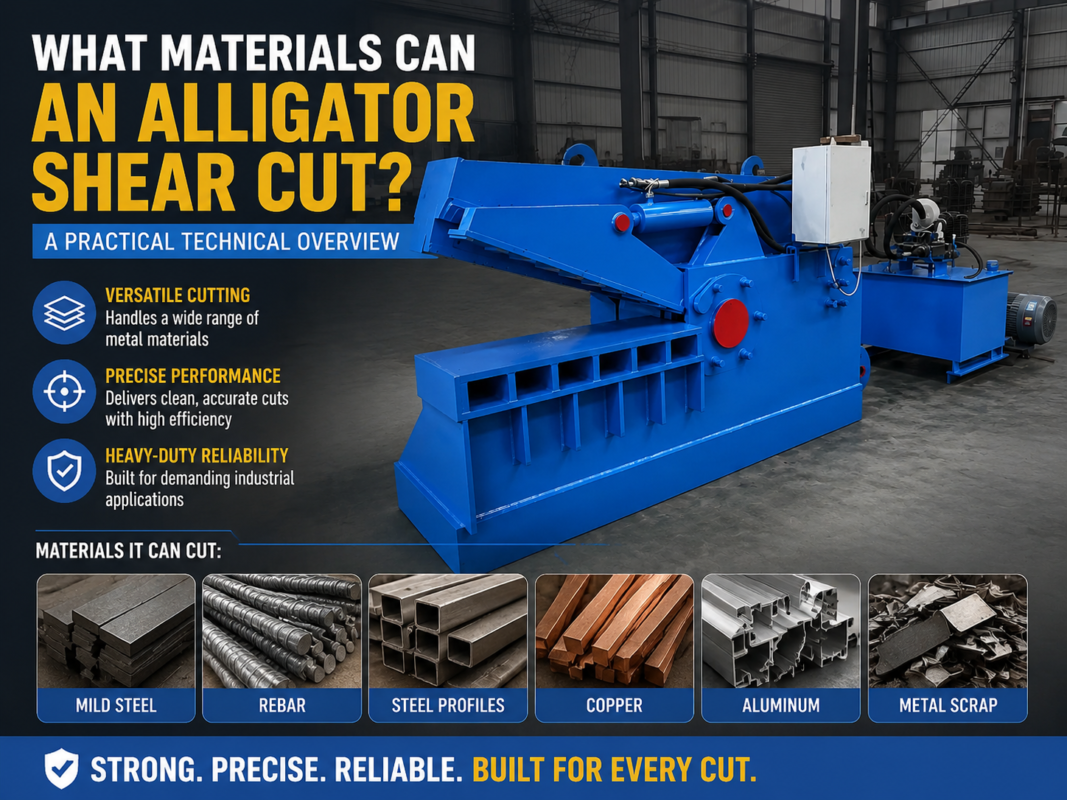
Yes, scrap metal shears are highly effective for non-ferrous metals. In fact, because non-ferrous metals are often softer, the shear can operate at higher speeds. Shears are frequently used in aluminum extrusion plants to cut scrap into furnace-ready sizes or in cable recycling to pre-cut thick power lines before they enter a granulator.
4. What maintenance is required for the hydraulic system?
The hydraulic system is the heart of the shear. Key maintenance tasks include regular oil analysis to check for contamination, replacing filters according to the manufacturer’s schedule, and ensuring the cooling system is free of debris. It is also important to check hydraulic hoses for signs of wear or leaks, especially in high-vibration environments.
5. Is it possible to automate the entire shearing process?
Absolutely. Modern scrap metal shear applications in compacting and pre-shredding lines are often fully automated. Using sensors, PLC systems, and remote monitoring, the machine can load, compact, shear, and discharge material with minimal human intervention. This increases consistency and safety while reducing labor costs.
Conclusion: Choosing HARSLE for Your Scrap Processing Needs
The integration of scrap metal shear applications in compacting and pre-shredding lines is a strategic move for any recycling operation looking to scale. By selecting the right machine configuration and understanding the workflow requirements, businesses can achieve unprecedented levels of efficiency and profitability. HARSLE is committed to providing high-performance hydraulic shears that meet the rigorous demands of the modern recycling industry. Our machines are engineered for durability, precision, and ease of maintenance, ensuring that your investment delivers value for years to come.
Whether you are looking to upgrade an existing line or design a new facility from the ground up, HARSLE’s team of experts is ready to assist you. We offer a range of gantry and alligator shears tailored to various capacities and material types. Contact us today to learn more about how our scrap metal processing solutions can optimize your workflow and boost your bottom line.