Key Factors to Consider Before Purchasing an Aluminium Extrusion Press

Introduction to Aluminium Extrusion Technology
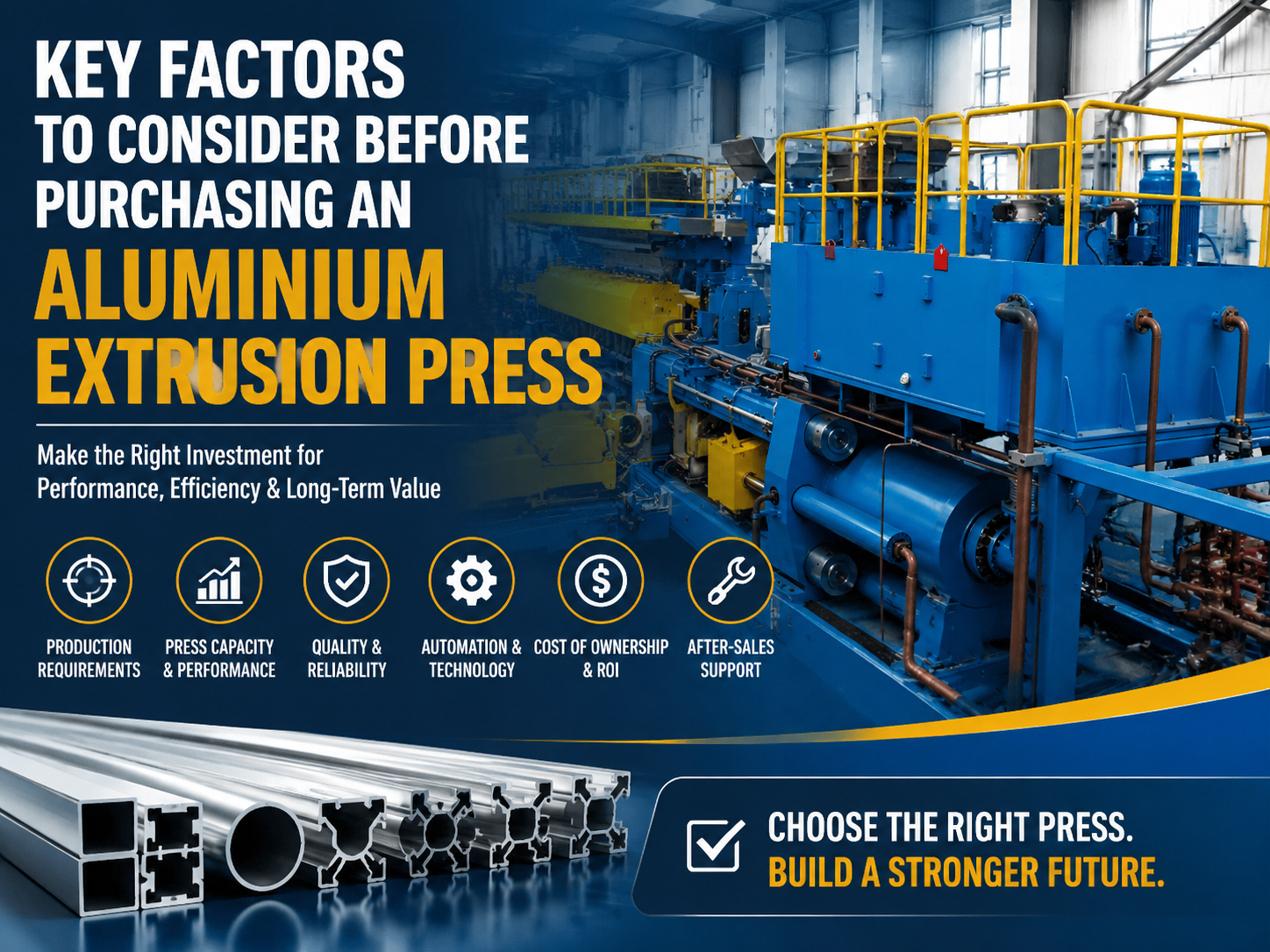
The aluminium extrusion process is a cornerstone of modern manufacturing, enabling the creation of complex profiles used in everything from aerospace components to window frames. However, investing in an aluminium extrusion press is a significant capital expenditure that requires meticulous planning and technical evaluation. Understanding the Key Factors Consider Before Purchasing An Aluminium Extrusion Press is essential for ensuring that your facility achieves high productivity, minimal downtime, and a rapid return on investment.
As global demand for lightweight and sustainable materials grows, the aluminium extrusion industry is evolving. Modern presses are no longer just heavy pieces of hydraulic machinery; they are integrated systems featuring advanced automation, energy-saving technologies, and precision control systems. For a business looking to enter this market or upgrade existing capacity, the choice of machinery will dictate the range of products they can offer and their overall competitiveness in the market.
In this guide, we will break down the essential elements of the purchasing process, from understanding market pricing to evaluating technical configurations and calculating long-term ROI. Whether you are looking for a compact 600-ton press for specialized profiles or a massive 5000-ton system for industrial structural components, the principles of selection remain the same: efficiency, reliability, and precision.
Price Range Overview: Understanding the Investment Tiers
The cost of an aluminium extrusion press varies significantly based on its pressing force (tonnage), the level of automation, and the quality of the integrated components. Generally, the market is divided into three main tiers. Entry-level presses, typically ranging from 600 to 1000 tons, are designed for small profiles and architectural trim. These machines are often the starting point for new businesses and can range from $200,000 to $500,000 depending on the auxiliary equipment included.
Mid-range presses, falling between 1250 and 2500 tons, represent the bulk of the industrial market. These machines are capable of producing a wide variety of profiles for the automotive and construction sectors. A complete line in this category, including the furnace, puller, and cooling table, can cost between $800,000 and $2.5 million. The price fluctuation here is largely driven by the sophistication of the hydraulic system and the degree of PLC integration.
Heavy-duty presses, exceeding 3000 tons and reaching up to 10,000 tons or more, are specialized machines for large-scale industrial applications like high-speed rail components or large structural beams. These systems are multi-million dollar investments and are almost always custom-built to the specific requirements of the client. When considering the Key Factors Consider Before Purchasing An Aluminium Extrusion Press, it is vital to match the tonnage to your specific product portfolio to avoid over-investing in capacity you won’t use.
Main Cost Drivers: What Influences the Final Quote?
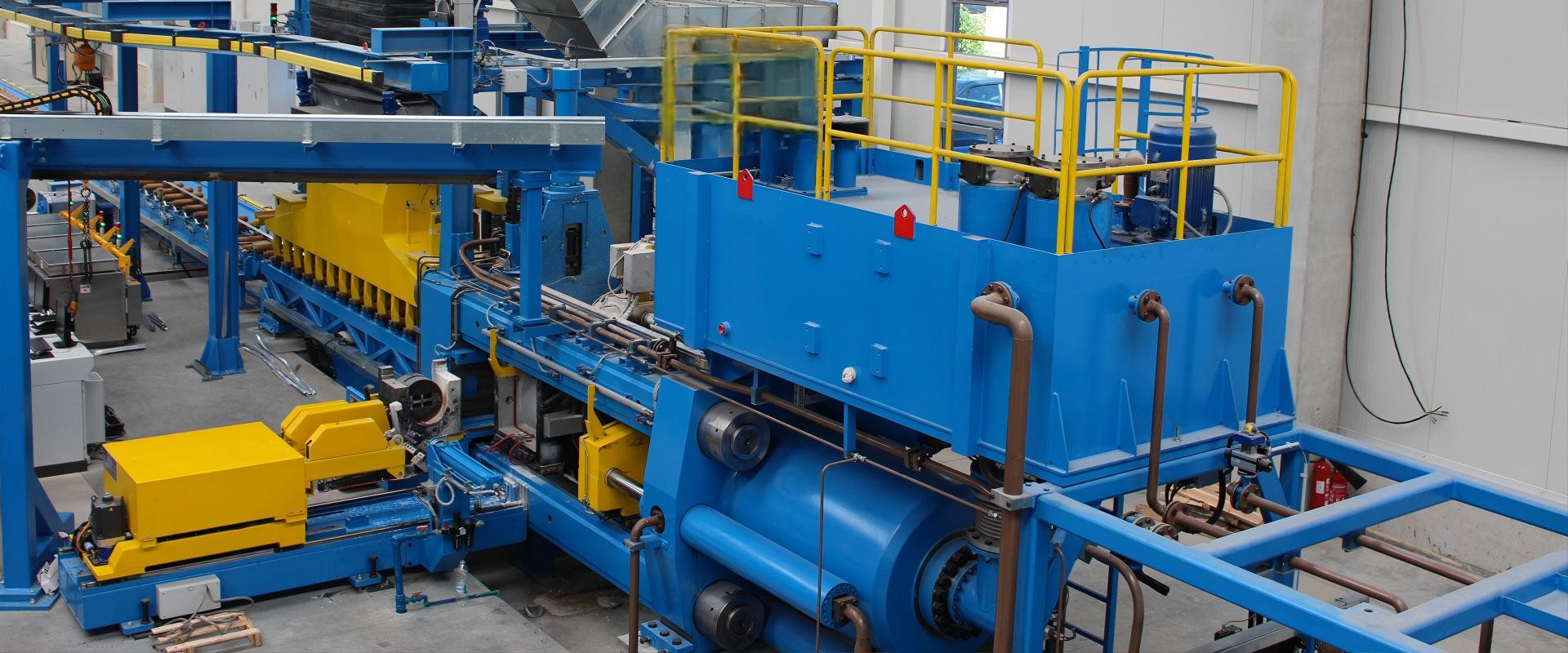
When you receive a quote for an extrusion press, several technical factors drive the final number. The first is the hydraulic system. High-end presses utilize pumps and valves from reputable brands like Rexroth or Vickers. While these increase the initial cost, they offer superior reliability and easier access to spare parts globally. A cheaper, generic hydraulic system might save money upfront but can lead to catastrophic downtime later.
The second major driver is the control system. Modern extrusion requires precise speed and pressure control to maintain profile consistency. Systems equipped with Siemens or Schneider PLCs and high-resolution sensors allow for “isothermal extrusion,” where the temperature is kept constant throughout the cycle. This technology significantly improves product quality but adds to the machine’s complexity and price.
Thirdly, the construction of the press frame itself is a factor. Pre-stressed tie-rod designs offer better rigidity and alignment over time compared to standard welded frames. A rigid frame ensures that the container and the die remain perfectly aligned, reducing wear on expensive tooling and ensuring the wall thickness of the extruded profiles remains within tight tolerances. Finally, the inclusion of energy-saving servo-motor drives can increase the price but drastically reduce operational electricity costs.
Configuration Impact: Tailoring the Machine to Your Production Needs
The configuration of an aluminium extrusion line is just as important as the press itself. One of the primary decisions is between direct and indirect extrusion. Direct extrusion is the most common, where the ram pushes the billet through a stationary die. Indirect extrusion, where the die moves toward the billet, reduces friction and is often preferred for high-strength alloys, though the machinery is more complex and expensive.
Another critical configuration factor is the billet heating method. You can choose between gas-fired furnaces and induction heaters. Gas furnaces are generally cheaper to operate in regions with low natural gas prices and are better for high-volume production. Induction heaters, however, provide much faster heating and better temperature control, which is essential for high-quality architectural or aerospace alloys. The choice here directly impacts the “dead cycle time” of your production line.
- Single vs. Double Action: Double-action presses include an internal mandrel for producing seamless tubes, whereas single-action presses are standard for most profiles.
- Puller Systems: Single or double pullers help maintain profile straightness and reduce scrap by managing the tension as the profile leaves the die.
- Cooling Tables: The length and type of cooling (air vs. water quench) must match the thickness and alloy type of your profiles.
- Log Shear vs. Billet Shear: Choosing between shearing a long log or using pre-cut billets affects material yield and labor costs.
Hidden Costs: Beyond the Initial Purchase Price
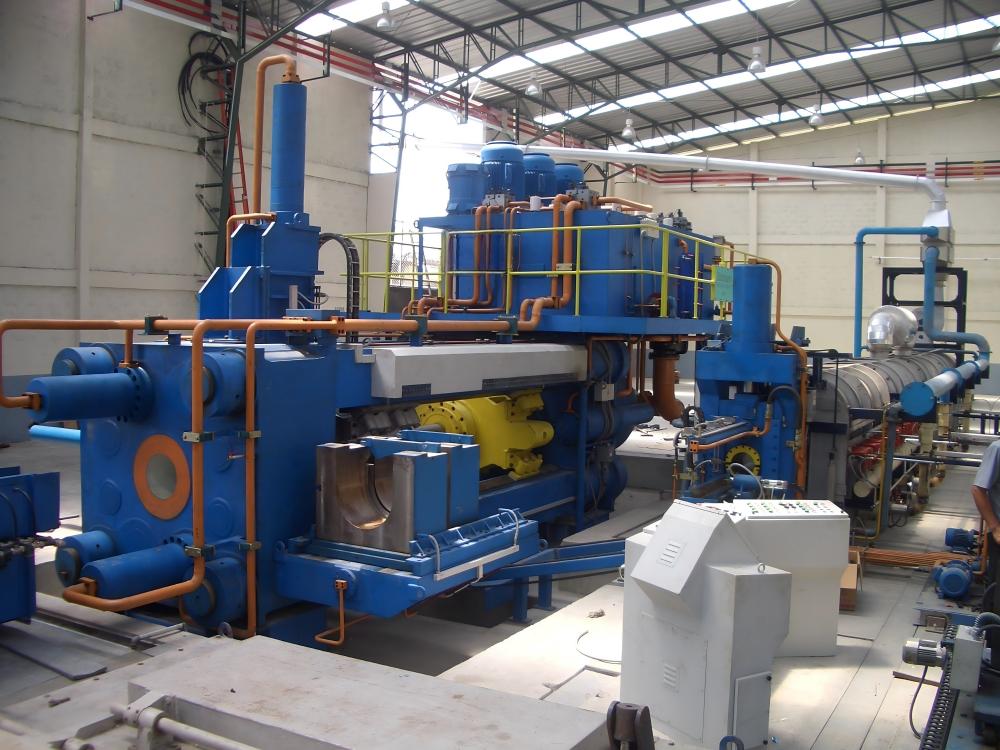
Many first-time buyers focus solely on the machine’s sticker price, but the Key Factors Consider Before Purchasing An Aluminium Extrusion Press must include the “hidden” costs of installation and operation. Civil engineering is often the largest surprise; these machines require massive, reinforced concrete foundations to handle the vibration and weight. Depending on your soil conditions, this can cost tens of thousands of dollars.
Logistics and shipping are also significant. An extrusion press is an oversized load that requires specialized heavy-lift transport and ocean freight. Once it arrives, you will need a team of specialized technicians to assemble the components, align the hydraulic systems, and calibrate the electronics. This process can take several weeks, during which you are paying for expert labor and equipment rentals like heavy-duty cranes.
Operational hidden costs include the initial fill of hydraulic oil, which for a medium press can be several thousand liters. There is also the cost of die sets, which are consumables and must be replaced or refurbished regularly. Finally, don’t forget the cost of training. Your operators need to understand not just how to run the machine, but how to maintain it and troubleshoot common issues to prevent minor problems from turning into expensive repairs.
ROI Calculation: Measuring the Long-Term Value
Calculating the Return on Investment (ROI) for an aluminium extrusion press involves more than just looking at the production output. You must consider the “Total Cost of Ownership” (TCO). A more expensive press with a high-efficiency servo-hydraulic system might save $20,000 a year in electricity alone. Over a 10-year lifespan, that’s $200,000 in savings that offsets the higher initial price.
Productivity gains are the biggest driver of ROI. Modern presses have shorter “dead cycle times” (the time when the machine is not extruding, such as during billet loading). If a new press can shave 5 seconds off a 60-second cycle, that represents an 8% increase in total output. For a high-volume factory, this extra capacity can result in hundreds of thousands of dollars in additional annual revenue.
| Factor | Impact on ROI | Estimated Savings/Gain |
|---|---|---|
| Energy Efficiency | Reduces monthly utility bills | 15% – 30% reduction |
| Scrap Reduction | Better precision means less wasted aluminium | 2% – 5% yield improvement |
| Automation | Reduces manual labor requirements | 1-2 operators per shift |
| Downtime Reduction | High-quality components last longer | 100+ hours of extra production/year |
Professional Buying Advice: Selecting the Right Partner
When you are ready to make a purchase, selecting the right manufacturer is as important as the machine’s specs. Look for a supplier like HARSLE that has a proven track record in metal fabrication machinery. A good partner will provide a detailed technical consultation to ensure the press tonnage and configuration match your specific alloy requirements and profile complexities. They should also offer a comprehensive warranty and a clear path for technical support.
Before signing a contract, request a factory visit or a video demonstration of the machine in operation. Pay close attention to the quality of the welds, the organization of the hydraulic piping, and the responsiveness of the control interface. Ask about the availability of spare parts in your region. If a critical valve fails, you cannot afford to wait three weeks for a replacement to ship from overseas. A reputable manufacturer will often have local distributors or a rapid-response service team.
Finally, consider the future-proofing of the machine. Does the PLC allow for remote diagnostics? Can the system be integrated into an Industry 4.0 factory management software? As manufacturing becomes more data-driven, having a machine that can communicate its performance metrics will be a significant advantage in optimizing your production flow and predictive maintenance schedules.
FAQ: Frequently Asked Questions
What is the average lifespan of an aluminium extrusion press?
With proper maintenance, a high-quality aluminium extrusion press can last 20 to 30 years. Many components like hydraulic pumps and PLC systems will need to be upgraded or replaced during this time, but the heavy steel frame and main cylinder are designed for decades of service.
How do I determine the correct tonnage for my needs?
The tonnage is determined by the circumscribing circle diameter (CCD) of your profiles and the specific aluminium alloy you are using. Harder alloys (like the 7000 series) require significantly more pressure than softer architectural alloys (like the 6000 series). Consult with a HARSLE engineer to match your profile drawings to the correct press size.
Can I extrude different alloys on the same press?
Yes, but it requires changing the extrusion parameters such as temperature, speed, and pressure. Some alloys may also require different cooling methods (water quench vs. air cooling) on the run-out table. It is important to ensure your press configuration is versatile enough to handle the range of alloys you plan to produce.
What are the most common maintenance tasks?
Regular maintenance includes monitoring hydraulic oil cleanliness, checking for leaks, lubricating moving parts, and inspecting the alignment of the container and die. Periodic calibration of temperature sensors and pressure gauges is also essential for maintaining product quality.
Is automation worth the extra cost?
In most cases, yes. Automation in billet loading, puller operation, and profile handling not only reduces labor costs but also ensures a more consistent production rhythm, which leads to higher quality profiles and less scrap material.