Aluminium Extrusion Press Buying Checklist for Manufacturers and Fabricators

Introduction to Aluminium Extrusion Press Investment
For manufacturers and fabricators, investing in an aluminium extrusion press is a transformative step that can significantly expand production capabilities. Aluminium extrusion is a process used to create objects of a fixed cross-sectional profile by pushing material through a die of the desired cross-section. Its advantages include the ability to create very complex cross-sections and to work materials that are brittle, because the material only encounters compressive and shear stresses. It also produces parts with an excellent surface finish.
However, the acquisition of an aluminium extrusion press is a high-stakes capital investment. Whether you are a seasoned manufacturer looking to upgrade your facility or a fabricator bringing extrusion capabilities in-house for the first time, the complexity of these machines requires a rigorous evaluation process. This guide provides a comprehensive Aluminium Extrusion Press Buying Checklist Manufacturers Fabricators can use to navigate the market, understand the technical nuances, and ensure a high return on investment.
The global demand for aluminium profiles is surging, driven by the automotive industry’s shift toward lightweight electric vehicles, the construction sector’s need for sustainable materials, and the aerospace industry’s constant requirement for high-strength alloys. To remain competitive, fabricators must select machinery that offers not just raw power, but precision, energy efficiency, and long-term reliability. This article breaks down every critical factor from initial pricing to long-term operational costs.
Price Range Overview: From Entry-Level to Industrial Giants
The price of an aluminium extrusion press varies wildly based on tonnage, technology, and the country of origin. Generally, the market is divided into three main tiers. Entry-level presses, often ranging from 600 to 1,000 tons of pressure, are suitable for small profiles and architectural components. These machines typically cost between $250,000 and $600,000, depending on the level of automation included in the handling system.
Mid-range presses, which are the workhorses of the industry, usually fall between 1,400 and 2,500 tons. These machines are capable of producing larger profiles for industrial applications and automotive parts. Prices for these units often range from $700,000 to $1.5 million. At this level, manufacturers expect more sophisticated control systems, better energy efficiency, and faster cycle times. The investment here is not just in the press itself, but in the integrated production line including the billet heater and the cooling table.
High-end, heavy-duty presses exceeding 3,000 tons and reaching up to 10,000 tons or more are reserved for specialized industrial applications like aerospace structural components or large-scale infrastructure. These machines can cost anywhere from $3 million to over $10 million. These systems are almost always custom-engineered and include advanced features like double-action capabilities and fully automated profile handling and aging ovens.
Main Cost Drivers in Aluminium Extrusion Machinery
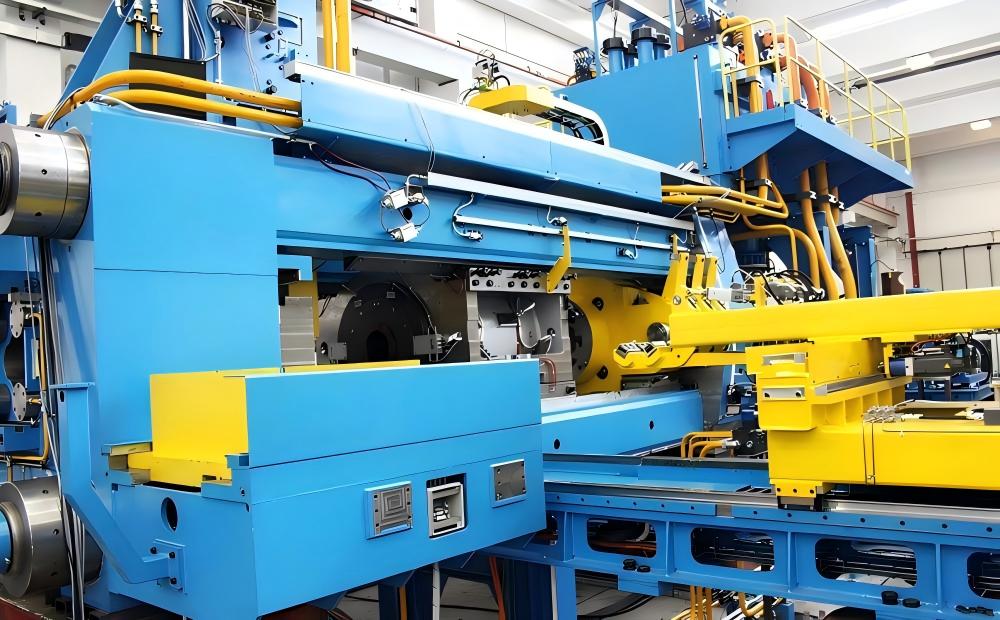
When reviewing an Aluminium Extrusion Press Buying Checklist Manufacturers Fabricators must understand what actually drives the price tag. The most significant driver is the press tonnage. Higher tonnage requires larger hydraulic cylinders, thicker steel frames, and more robust tie rods. The engineering required to manage thousands of tons of pressure without frame deflection is a major component of the cost.
The hydraulic system is another primary cost driver. High-end presses utilize variable frequency drives (VFDs) and servo-driven pumps (like those from Rexroth or Vickers) to reduce energy consumption. While these systems increase the initial purchase price, they can reduce electricity costs by up to 30-50%, making them a vital consideration for long-term profitability. Cheap hydraulic systems often lead to higher maintenance costs and more frequent downtime.
Automation and the “back-end” equipment also play a massive role. A press is only as fast as its handling system. If you invest in a high-speed press but use a manual cooling table and puller, you create a bottleneck. Automated pullers, sophisticated cooling systems (air and water quench), and automated stacking systems can double the price of a basic press but are essential for high-volume fabricators who need to minimize labor costs and maximize throughput.
Finally, the quality of the control system (PLC) and software impacts the price. Modern presses feature Industry 4.0 integration, allowing for remote diagnostics, real-time production tracking, and precise control over extrusion speed and temperature. Systems using Siemens or Schneider Electric components are generally more expensive but offer better global support and reliability compared to proprietary or lesser-known brands.
Configuration Impact: Tailoring the Press to Your Production Needs
The configuration of the press determines what types of products you can manufacture. The first choice is between direct and indirect extrusion. Direct extrusion is the most common, where the ram moves toward the die. It is versatile and simpler to maintain. Indirect extrusion, where the die moves toward the billet, reduces friction and allows for more uniform grain structure, which is often required for high-performance aerospace alloys. However, indirect presses are more complex and expensive.
Another critical configuration choice is single-action versus double-action. Single-action presses are standard for solid profiles. Double-action presses include an internal mandrel movement, which is necessary for producing seamless tubes and complex hollow profiles. If your fabrication business focuses on high-pressure tubing or fluid handling components, a double-action press is a non-negotiable requirement despite the higher cost.
The billet heating method also impacts the configuration. You can choose between gas-fired furnaces and induction heaters. Gas furnaces are generally cheaper to operate in regions with low natural gas prices and are better for heating large batches of billets. Induction heaters, however, provide much more precise temperature control and can heat a single billet to the exact required temperature in minutes, which is ideal for high-precision extrusion where temperature consistency is critical for profile quality.
Hidden Costs: What Manufacturers Often Overlook
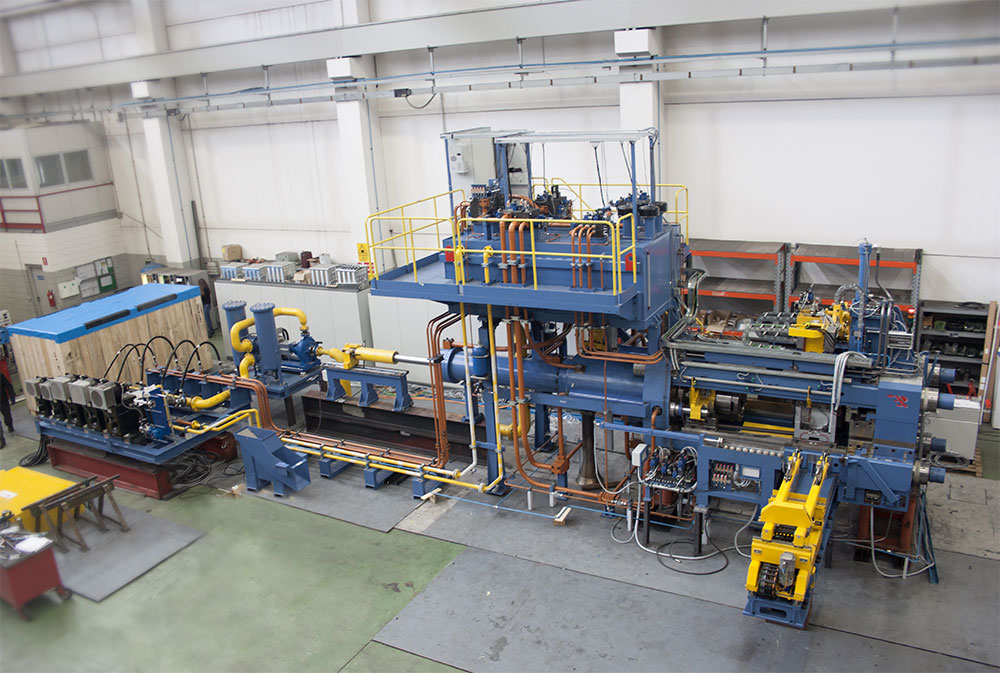
The purchase price of the machine is just the beginning. One of the most significant hidden costs is the foundation and civil engineering. An extrusion press weighs hundreds of tons and exerts massive dynamic forces. You cannot simply place it on a standard factory floor. You will likely need a reinforced concrete pit with specific vibration-dampening characteristics. This construction can cost tens of thousands of dollars and take weeks to complete before the machine even arrives.
Shipping and logistics are also substantial. These machines are oversized and heavy, often requiring specialized sea freight and heavy-lift inland transport. Once on-site, you will need to hire professional riggers and millwrights to assemble the components. Furthermore, the initial fill of hydraulic oil can be a shock; a medium-sized press might require 5,000 to 10,000 liters of high-quality hydraulic fluid, which is a significant upfront expense.
Training and commissioning are often underestimated. Your operators need to understand not just how to run the press, but how to maintain the dies, manage the quench system, and troubleshoot the PLC. Most reputable manufacturers like HARSLE include some training, but you should budget for ongoing education and the potential for lower productivity during the first three to six months of the learning curve. Additionally, consider the cost of spare parts kits—critical seals, sensors, and heating elements should be kept in stock to avoid weeks of downtime if a minor component fails.
ROI Calculation: Measuring the Success of Your Investment
To justify the investment, fabricators must perform a detailed Return on Investment (ROI) calculation. The primary factor is the increase in production capacity. If bringing extrusion in-house allows you to eliminate the markup from external suppliers and reduce lead times from weeks to days, the ROI can be very rapid. Calculate the “cost per kilogram” of extruded aluminium, including raw material (billet) costs, energy, labor, and overhead.
Energy efficiency is a major component of ROI. A modern press with servo-hydraulics might save $2,000 to $5,000 per month in electricity compared to an older, fixed-pump machine. Over a 10-year lifespan, this energy saving alone can pay for a significant portion of the machine’s cost. Additionally, look at scrap reduction. Advanced presses with precise speed and pressure control produce fewer “off-spec” profiles, meaning more of your raw material ends up as a sellable product rather than being sent back to the remelt furnace.
Labor savings through automation should also be factored in. An automated handling system might allow a single operator to manage the entire line, whereas a manual system might require three or four workers. In regions with high labor costs, the move toward automation is often the single biggest driver of a positive ROI. Finally, consider the market expansion possibilities. Having your own press allows you to experiment with custom alloys and complex geometries that external extruders might refuse to run, opening up high-margin niche markets.
Buying Advice: The Ultimate Checklist for Fabricators
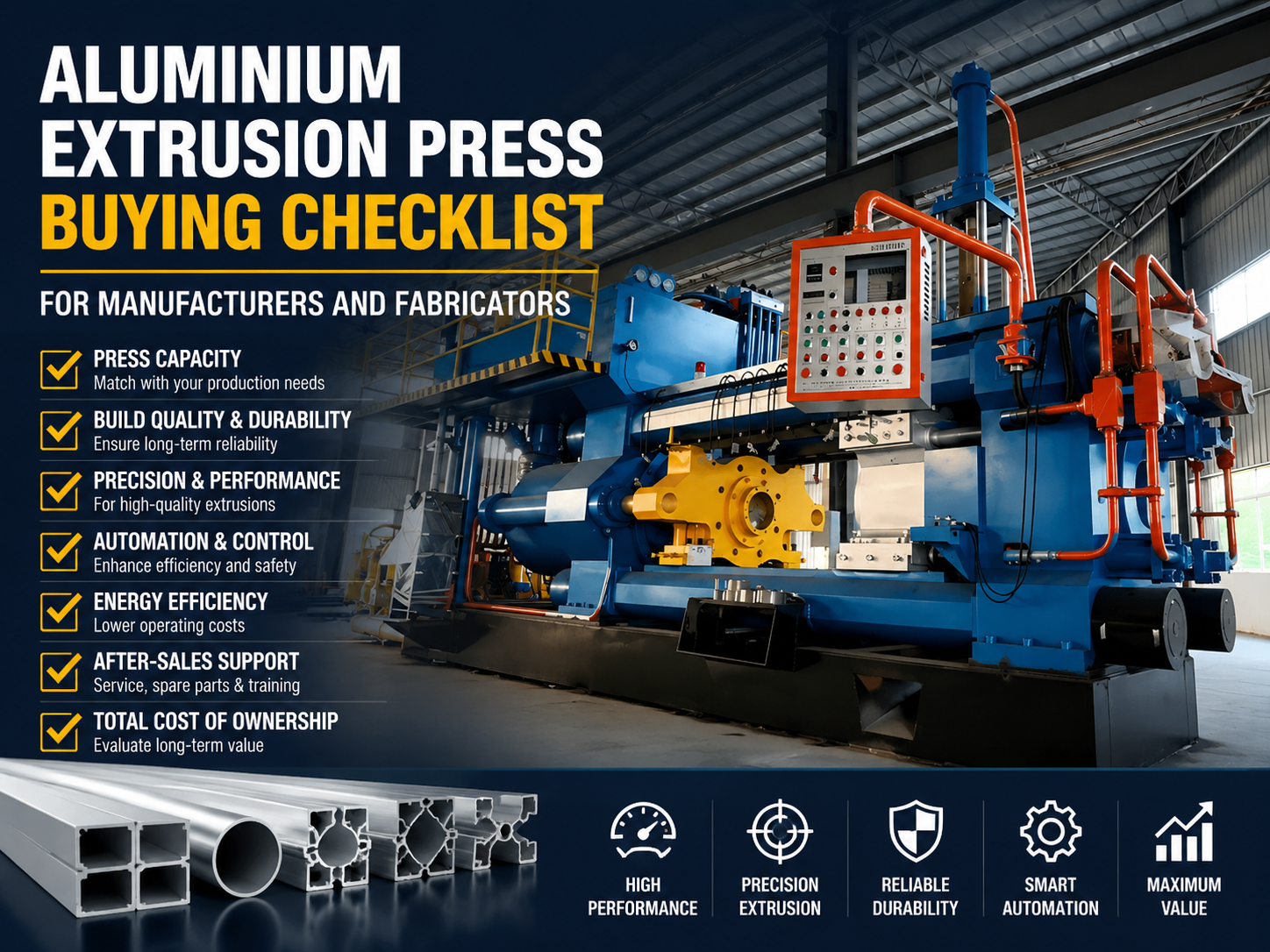
When you are ready to move forward, use this Aluminium Extrusion Press Buying Checklist Manufacturers Fabricators to evaluate potential suppliers and machines:
- Technical Specifications: Does the tonnage match your thickest profile requirements? Is the container size compatible with standard billet diameters in your region?
- Hydraulic Quality: Are the pumps and valves from a recognized global brand (Rexroth, Parker, Vickers)? This is critical for future maintenance.
- Frame Integrity: Is the press frame pre-stressed? Check the quality of the tie rods and the thickness of the main platens to ensure minimal deflection under load.
- Control Systems: Does the PLC offer remote diagnostic capabilities? Is the interface user-friendly and available in your local language?
- Supplier Reputation: Does the manufacturer have a track record in your industry? Ask for references and, if possible, visit a factory where their machines are currently in operation.
- After-Sales Support: What is the guaranteed response time for technical support? Does the supplier have a local service team or a robust online support system?
- Safety Compliance: Does the machine meet local safety standards (CE, OSHA, etc.)? Ensure it has proper guarding, emergency stops, and hydraulic safety blocks.
- Energy Efficiency: Ask for a projected energy consumption report based on your expected production cycles.
Choosing a partner like HARSLE ensures that you are getting a machine built with precision engineering and backed by years of industrial expertise. Always prioritize long-term reliability over the lowest initial price; in the world of heavy machinery, the cheapest option often becomes the most expensive over time due to repairs and lost production.
Frequently Asked Questions (FAQ)
1. What is the typical lifespan of an aluminium extrusion press?
With proper maintenance, a high-quality aluminium extrusion press can last 20 to 30 years. Many components like hydraulic pumps and PLC systems will need to be upgraded or replaced during that time, but the heavy steel frame and main cylinder are built for decades of service.
2. How much space is required for a complete extrusion line?
A standard 1,000-ton press line, including the billet heater, the press itself, the cooling table, and the stretcher, typically requires a space of at least 30 to 40 meters in length and 10 meters in width. Larger presses require significantly more space, especially for the run-out tables.
3. Can I extrude different alloys on the same press?
Yes, most presses can handle a variety of aluminium alloys (e.g., 6061, 6063, 7075). However, different alloys require different extrusion speeds, temperatures, and pressures. Harder alloys (like the 7000 series) will require more tonnage for the same profile size compared to softer alloys (like the 6000 series).
4. How often does the hydraulic oil need to be changed?
Hydraulic oil doesn’t necessarily need to be changed on a fixed schedule if it is properly filtered and cooled. Most manufacturers recommend annual oil analysis. If the oil remains clean and the additive package is intact, it can last several years. However, filters should be changed regularly, usually every 2,000 to 4,000 operating hours.
5. What is the difference between a front-loading and back-loading press?
This refers to how the billet is loaded into the container. Front-loading presses are generally more compact and have shorter cycle times because the billet is loaded closer to the die. Back-loading presses are the traditional design and are often easier to access for certain types of maintenance, though they typically occupy more floor space.
6. Is it better to buy a new or used extrusion press?
While used presses are cheaper, they often come with hidden wear, outdated controls, and inefficient hydraulics. For a primary production tool, a new press is usually recommended because it includes a warranty, modern energy-saving technology, and the latest safety features, which are often difficult to retrofit onto older machines.