How to Evaluate Aluminium Extrusion Press Quality, Performance, and Efficiency

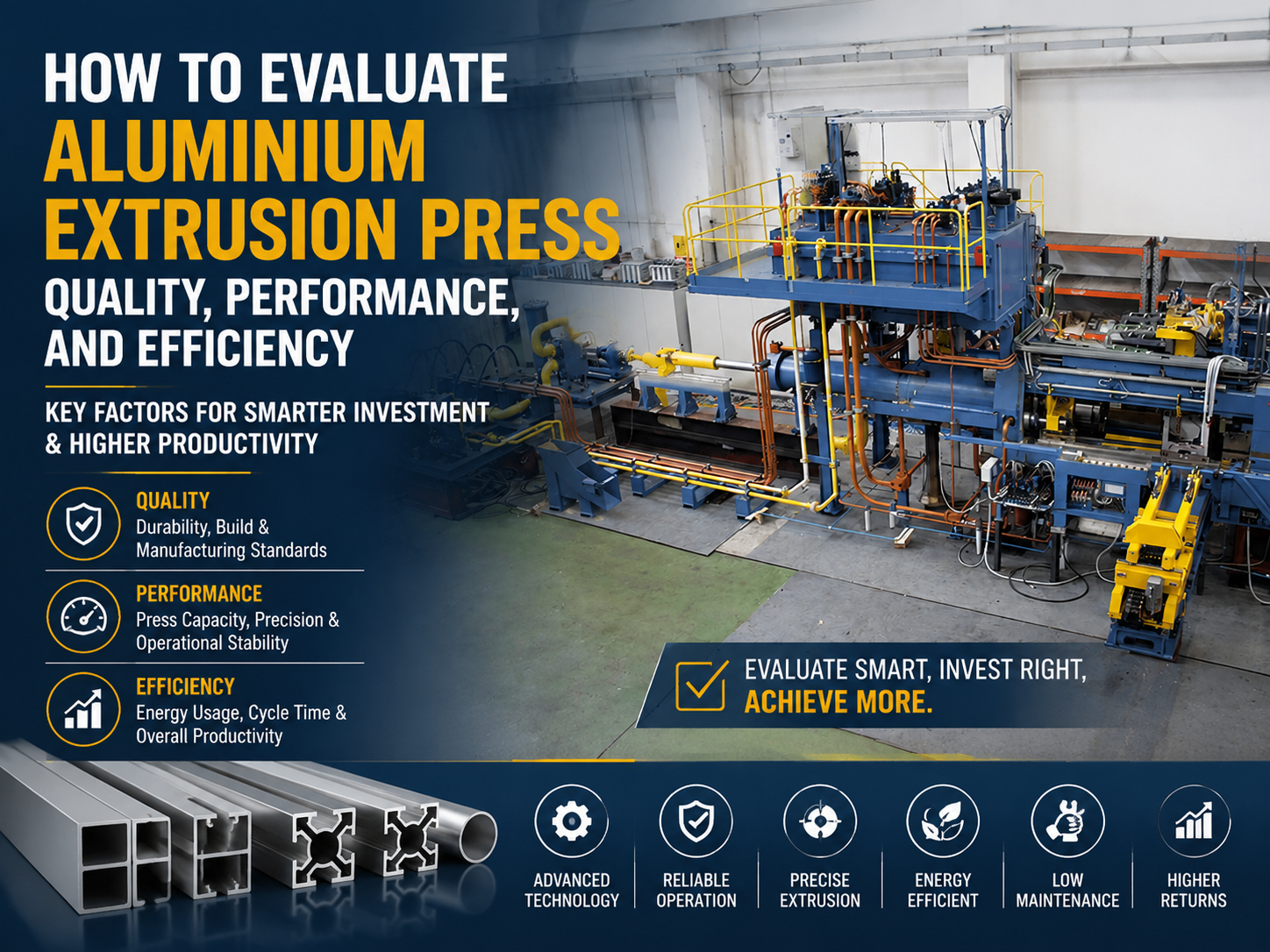
Introduction to Aluminium Extrusion Press Evaluation
In the rapidly evolving landscape of metal fabrication, the aluminium extrusion press stands as a cornerstone of modern manufacturing. From automotive components and aerospace structures to architectural frames and consumer electronics, the demand for high-precision aluminium profiles is at an all-time high. However, investing in an aluminium extrusion press is a significant capital expenditure that requires a meticulous evaluation process. To ensure long-term profitability, manufacturers must look beyond the initial sticker price and deeply analyze the quality, performance, and efficiency of the machinery.
Evaluating an aluminium extrusion press involves understanding the synergy between mechanical rigidity, hydraulic precision, and electronic control. A high-quality press does not merely push metal through a die; it manages thermal gradients, maintains structural alignment under immense pressure, and minimizes non-productive time. As global energy costs rise and sustainability becomes a regulatory requirement, the efficiency of the press—measured in kilowatt-hours per ton of extruded material—has become just as critical as its maximum tonnage. This guide provides a comprehensive framework for procurement managers and engineers to assess these complex machines effectively.
Price Range Overview: Understanding the Market Tiers
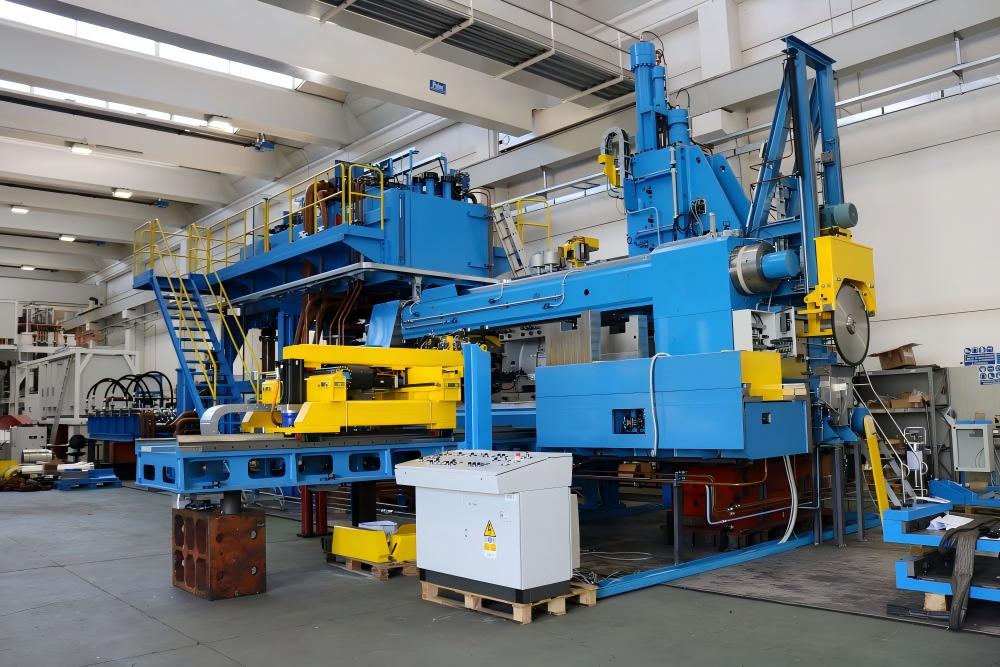
The market for aluminium extrusion presses is diverse, with pricing varying significantly based on tonnage, origin, and technology level. Generally, presses are categorized by their extrusion force, ranging from small 600-ton units for delicate profiles to massive 10,000-ton-plus machines for heavy industrial applications. For most commercial applications, the 1,000-ton to 3,600-ton range is the most common.
Entry-level presses, often sourced from regional manufacturers with basic hydraulic systems, may range from $200,000 to $500,000 for a 1,000-ton model. While these offer a lower barrier to entry, they often lack advanced energy-saving features and high-speed dead cycle times. Mid-range machines, such as those offered by HARSLE, provide a balance of high-end components (like Rexroth hydraulics and Siemens PLC) and competitive pricing, typically falling between $500,000 and $1,200,000 for medium-tonnage units. High-end European or Japanese presses can exceed $2,000,000 for the same tonnage, justified by extreme precision and integrated Industry 4.0 capabilities.
| Press Tonnage | Typical Application | Estimated Price Range (USD) |
|---|---|---|
| 600T – 1000T | Small profiles, lighting, heat sinks | $150,000 – $450,000 |
| 1450T – 2500T | Architectural, automotive, furniture | $500,000 – $1,100,000 |
| 3000T – 5000T | Heavy transport, structural beams | $1,200,000 – $3,500,000 |
| 6000T+ | Aerospace, high-speed rail | $4,000,000+ |
Main Cost Drivers in Extrusion Press Manufacturing
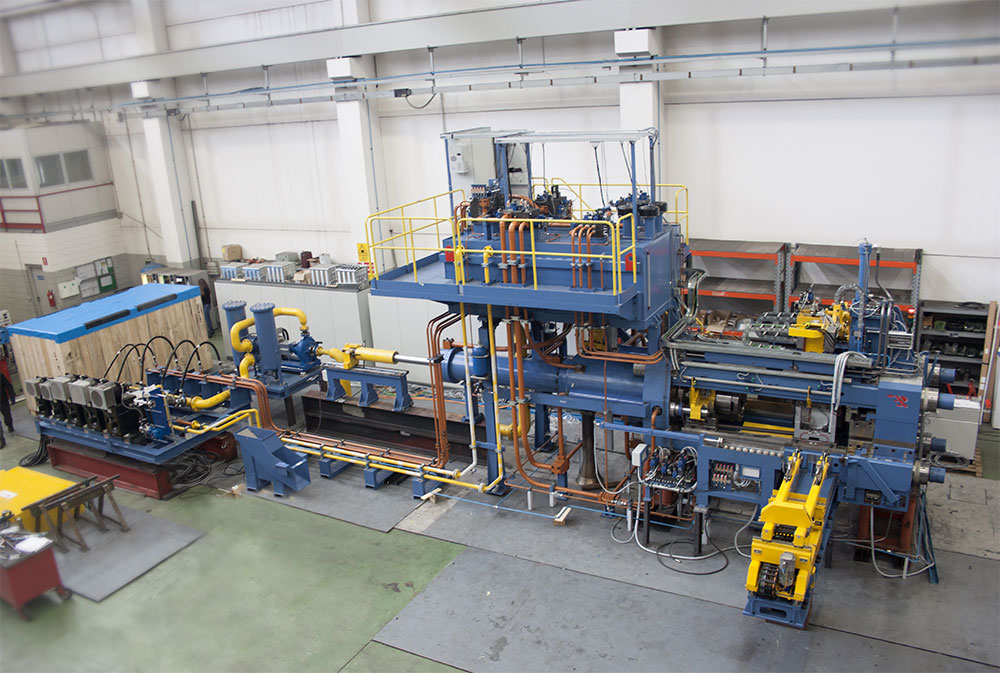
The cost of an aluminium extrusion press is primarily driven by the quality of its core components and the engineering required to manage high-pressure cycles. The first major driver is the main cylinder and frame construction. High-quality presses utilize forged steel cylinders and pre-stressed tie-rod or frame designs to prevent deformation. The cost of high-grade 35CrMo or 40Cr steel and the precision machining required for the main ram significantly impact the final price.
The hydraulic system is the second most critical cost driver. Modern presses utilize sophisticated manifold blocks and high-response valves. The inclusion of servo-driven pumps rather than traditional fixed-displacement pumps increases the initial cost but drastically reduces energy consumption. Furthermore, the control system—the “brain” of the machine—adds cost through advanced software licenses, sensors for isothermal extrusion, and remote diagnostic capabilities. Finally, the heating and handling systems, including billet heaters (induction vs. gas) and the cooling table, can represent up to 40% of the total line cost.
Configuration Impact on Performance and Versatility
When evaluating a press, the configuration determines what types of products you can manufacture and how fast you can do it. The choice between Direct and Indirect Extrusion is fundamental. Direct extrusion is the industry standard for its simplicity and versatility, while indirect extrusion reduces friction between the billet and the container, allowing for faster speeds and more uniform grain structures in high-strength alloys. However, indirect presses are more complex and expensive to maintain.
Another configuration factor is Single-Action vs. Double-Action. Double-action presses include an internal piercer, which is essential for producing seamless tubes. If your product portfolio includes high-pressure fluid lines or structural tubing, a double-action press is a necessity. Furthermore, the loading style (front-loading vs. back-loading) affects the “dead cycle time”—the time when the press is not extruding. Front-loading designs are generally more compact and faster, leading to higher hourly output. Automation levels, such as automatic die changers and robotic billet loaders, also fall under configuration and directly impact labor costs and safety.
Hidden Costs of Owning an Aluminium Extrusion Press
The purchase price is only the tip of the iceberg. One of the most significant hidden costs is foundation and installation. An extrusion press requires a massive, reinforced concrete foundation with specific vibration-dampening properties. Excavation, piling, and specialized rigging can cost tens of thousands of dollars. Additionally, utility infrastructure upgrades—such as high-voltage electrical substations and large-scale water cooling towers—are often required to support the press’s peak loads.
Operational maintenance is another ongoing expense. This includes the cost of hydraulic oil (which must be kept meticulously clean), wear parts like dummy blocks, stems, and containers, and the nitrogen gas used for die cooling to increase extrusion speeds. Energy consumption is perhaps the largest hidden cost; an inefficient press can cost $50,000 more per year in electricity than a modern servo-equipped model. Finally, consider the cost of training and technical support. A machine is only as good as its operator, and high-turnover environments may require frequent, costly training sessions from the OEM.
ROI Calculation: Measuring the Value of Efficiency
To justify the investment, a detailed Return on Investment (ROI) calculation is essential. The formula for ROI in extrusion is: (Annual Net Profit from Extrusion / Total Investment Cost) x 100. However, to get an accurate figure, you must look at the Yield Rate and Uptime. A press that produces 5% less scrap due to better thermal control will save hundreds of thousands of dollars in raw material costs over its lifespan.
Consider a scenario where Press A costs $800,000 with a 25-second dead cycle, and Press B costs $1,000,000 with a 15-second dead cycle. Over a 24-hour shift, Press B will complete significantly more cycles. If each cycle produces 50kg of aluminium, the 10-second difference can result in an additional 1,500 tons of production per year. At a margin of $0.50 per kg, Press B pays for its $200,000 premium in less than a year through increased throughput alone. This is why evaluating performance metrics like dead cycle time and extrusion speed is more important than the initial price tag.
Buying Advice: How to Select the Right Manufacturer
Choosing the right partner, such as HARSLE, involves more than comparing technical data sheets. First, perform a factory audit or request a virtual tour of the manufacturing facility. Observe the cleanliness, the precision of their machining centers, and their quality control protocols. A manufacturer that uses CNC boring machines for their press frames is far more likely to deliver a machine that stays aligned for 20 years.
Second, scrutinize the component list. Ensure that critical parts like pumps, valves, and PLCs are from globally recognized brands with local support in your region. Third, ask for customer references in your specific industry. If you plan to extrude 7000-series aerospace alloys, talk to a company doing exactly that with the manufacturer’s equipment. Finally, evaluate the After-Sales Service Agreement. Does the manufacturer offer remote troubleshooting? What is the lead time for critical spare parts? A week of downtime can cost more than the machine itself, making rapid support a top priority.
Frequently Asked Questions (FAQ)
1. What is the typical lifespan of an aluminium extrusion press?
With proper maintenance, a high-quality aluminium extrusion press can last 25 to 30 years. Many presses are “retrofitted” after 15 years with new hydraulic and control systems to extend their life and improve efficiency to modern standards.
2. How does servo-drive technology improve efficiency?
Traditional presses use motors that run at full speed constantly, bypassing oil when pressure isn’t needed. Servo-drives only rotate the pumps at the speed required for the current movement, reducing energy consumption by 30% to 50% and lowering oil temperature, which extends seal life.
3. What is ‘Dead Cycle Time’ and why does it matter?
Dead cycle time is the interval between the end of one extrusion stroke and the beginning of the next (including die closing, billet loading, and pressure buildup). Reducing this time is the most effective way to increase total plant capacity without adding more presses.
4. Can I extrude different alloys on the same press?
Yes, but different alloys require different pressures and speeds. Harder alloys (like the 7000 series) require higher specific pressure, meaning you might need a higher tonnage press for a relatively small profile compared to softer 6000-series alloys.
5. What are the signs of a poor-quality extrusion press?
Common red flags include excessive vibration during the stroke, frequent hydraulic leaks, inconsistent wall thickness in the extruded profiles (indicating alignment issues), and a control system that frequently crashes or loses calibration.
6. How important is the billet heating method?
Extremely important. The press and the heater must work in tandem. Induction heating allows for “taper heating,” where the back of the billet is cooler than the front to compensate for frictional heat generated during extrusion, leading to more consistent exit temperatures and better profile quality.