
Four-Shaft Shredder Maintenance and Safety Factors to Check Before Purchase

Introduction to Four-Shaft Shredder Technology
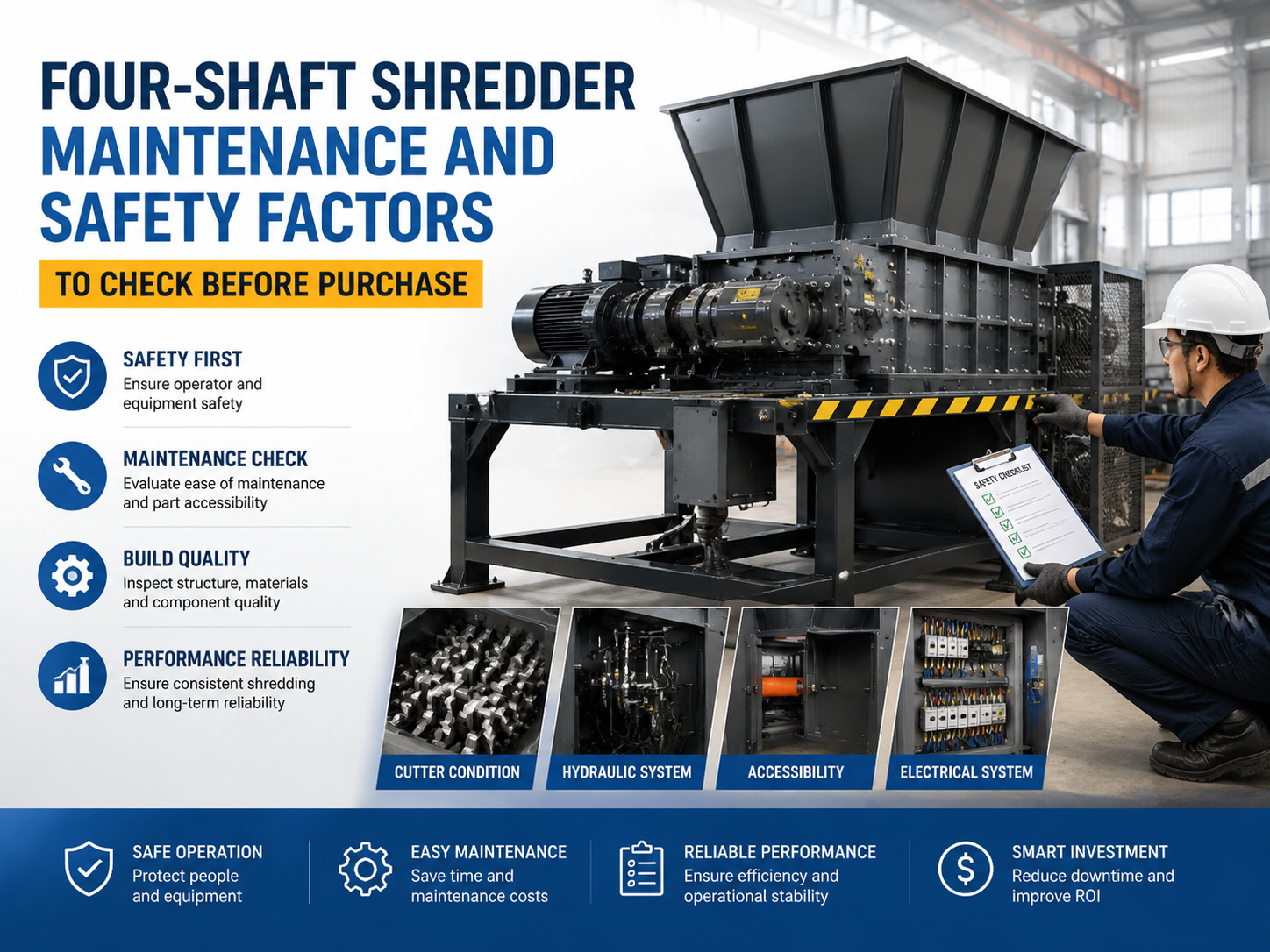
In the modern industrial landscape, the demand for efficient waste reduction and material recycling has never been higher. The four-shaft shredder stands as a pinnacle of engineering in this sector, offering unparalleled torque, precision, and throughput compared to its single or double-shaft counterparts. However, investing in such a machine is not merely about comparing horsepower and price tags. To ensure a sustainable operation, one must prioritize Four-Shaft Shredder Maintenance Safety Factors Check Before Purchase. This comprehensive guide explores the intricacies of these machines, focusing on how maintenance accessibility and safety features should dictate your purchasing decision.
HARSLE, a leader in metal fabrication and industrial machinery, understands that a shredder is a long-term asset. A four-shaft shredder utilizes two main cutting shafts and two auxiliary shafts that help pull material into the cutters and ensure a consistent output size through an integrated screen. This complexity means that maintenance is more involved, and safety risks are inherently higher if the machine is not designed with the operator in mind. Before signing a purchase agreement, a deep dive into the mechanical integrity and safety protocols of the unit is essential for any facility manager or business owner.
Price Range Overview: Investing in Quality
The price of a four-shaft shredder can vary significantly based on its capacity, material processing capabilities, and the sophistication of its control systems. Generally, industrial-grade four-shaft shredders fall into three primary price brackets. Entry-level units, often designed for lighter plastics or electronic waste, typically range from $30,000 to $60,000. These machines offer the basic benefits of four-shaft shredding but may lack advanced automated maintenance alerts or heavy-duty alloy blades.
Mid-range shredders, which are the workhorses of the recycling industry, usually cost between $70,000 and $150,000. These units feature robust frames, high-torque gearboxes, and better accessibility for blade replacement. At this level, you begin to see more comprehensive safety features, such as advanced PLC (Programmable Logic Controller) integration and specialized sensors that prevent catastrophic failure during jams. For many medium-sized fabrication shops and recycling centers, this bracket offers the best balance between initial investment and long-term reliability.
High-end, heavy-duty four-shaft shredders can exceed $250,000. These machines are designed for 24/7 operation, processing difficult materials like scrap metal, large tires, or hazardous waste. The higher price point reflects the use of premium materials, such as specialized heat-treated tool steel for blades, and sophisticated hydraulic drive systems. When considering the Four-Shaft Shredder Maintenance Safety Factors Check Before Purchase, these high-end models often include self-diagnostic tools and modular components that significantly reduce downtime, justifying their higher upfront cost through lower operational expenses.
Main Cost Drivers in Four-Shaft Shredders
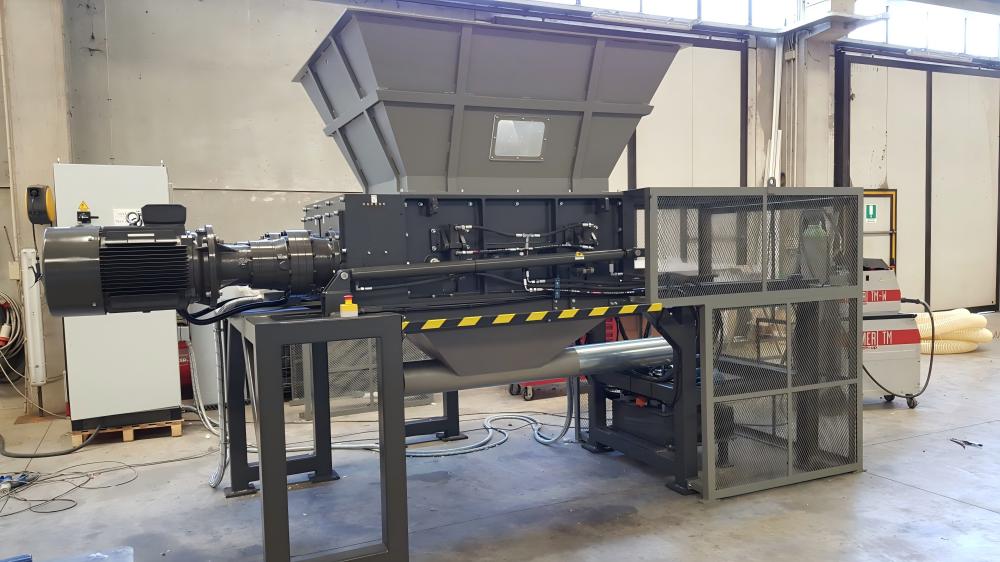
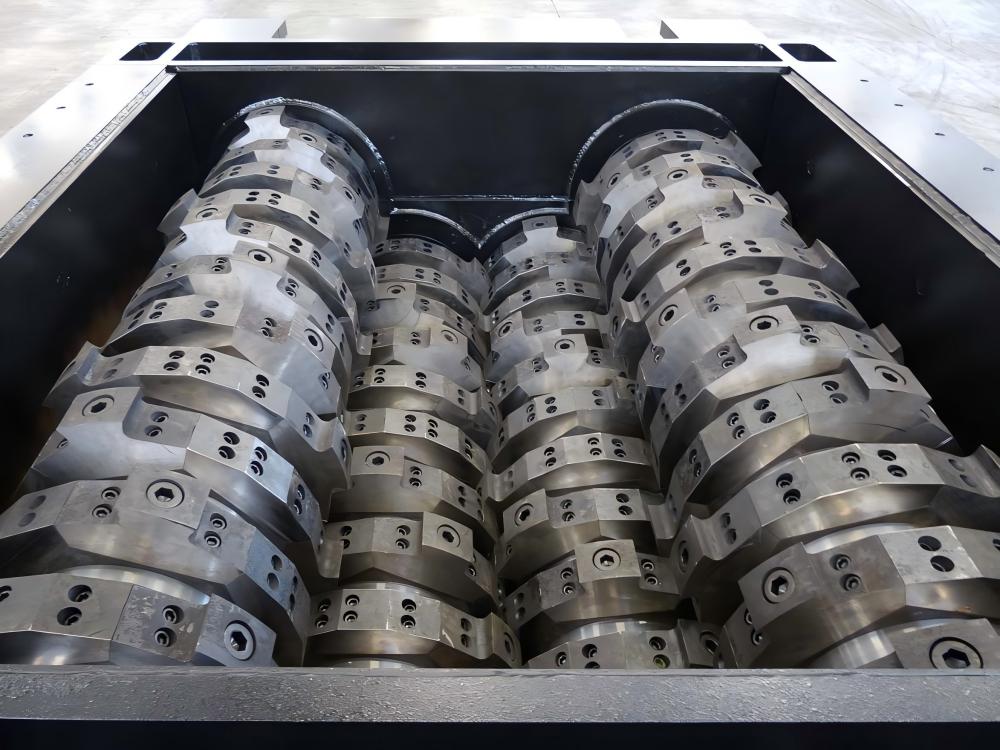
Understanding what drives the cost of a four-shaft shredder is crucial for evaluating whether a machine is priced fairly. The primary cost driver is the cutting system. Unlike two-shaft shredders, the four-shaft design requires double the number of shafts and a more complex arrangement of blades. The quality of the steel used in these blades—such as D2, SKD-11, or DC53—directly impacts the price. High-wear resistance is expensive but necessary for processing abrasive materials without frequent sharpening.
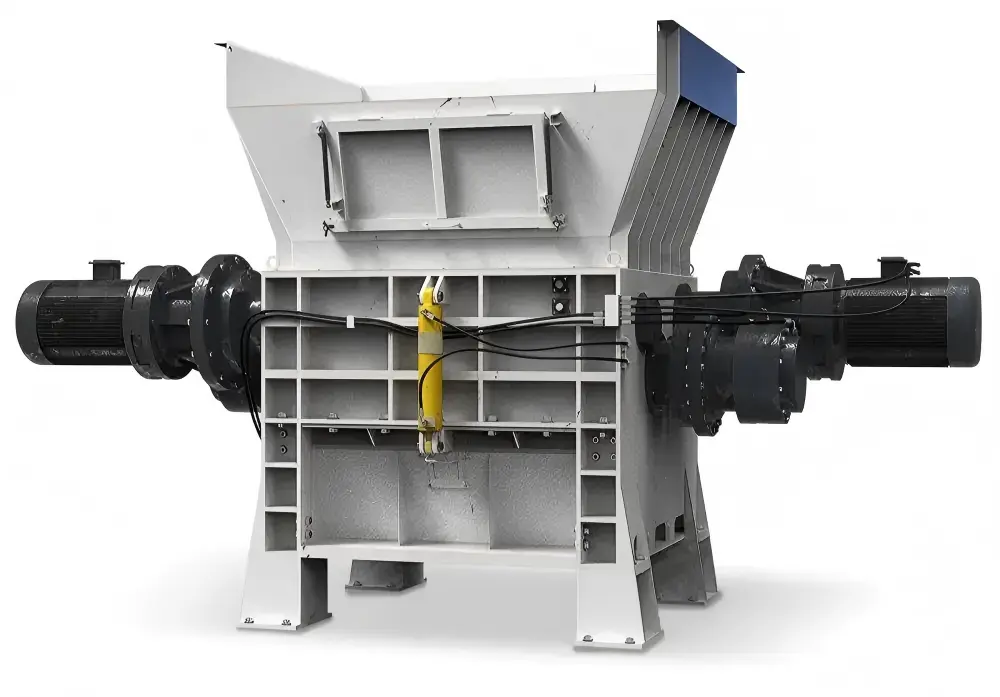
The drive system is another significant factor. You typically choose between electric motor drives and hydraulic drives. Electric drives are generally more cost-effective and easier to maintain for standard applications. However, hydraulic drives offer superior torque control and shock absorption, which is vital for heavy-duty shredding. The inclusion of high-efficiency gearboxes from reputable brands also adds to the cost but ensures that the power from the motor is effectively translated into cutting force with minimal energy loss.
Furthermore, the structural integrity of the machine frame and the hopper design contribute to the final price. A heavy, vibration-dampening frame prevents the internal components from shifting under load, which is a critical safety and maintenance factor. Cheaply made frames can lead to shaft misalignment, resulting in premature bearing failure and dangerous mechanical breakdowns. When performing a Four-Shaft Shredder Maintenance Safety Factors Check Before Purchase, always inspect the weld quality and the thickness of the steel plates used in the machine’s construction.
Configuration Impact on Performance and Safety
The configuration of a four-shaft shredder determines its suitability for specific tasks. One of the most important configuration choices is the blade profile and thickness. Thinner blades allow for a finer shred but are more susceptible to damage from non-shreddable contaminants. Conversely, thicker blades are more durable but produce a coarser output. The ability to customize this configuration before purchase is a hallmark of a quality manufacturer like HARSLE.
The screen size and design also play a pivotal role. In a four-shaft shredder, the material remains in the cutting chamber until it is small enough to pass through the screen located beneath the shafts. A well-configured screen should be easy to remove and clean. If the screen is difficult to access, operators may neglect cleaning it, leading to heat buildup and potential fire hazards—a major safety concern. Therefore, the ease of screen replacement is a key maintenance factor to check.
Automation and control configurations are equally important. Modern shredders should come equipped with an intelligent PLC that monitors the load on each shaft. If a jam occurs, the system should automatically reverse the shafts to clear the obstruction and then resume shredding. This “auto-reverse” feature is both a maintenance saver (preventing motor burnout) and a safety feature (preventing the need for manual intervention in the cutting chamber). Always verify the responsiveness and programming logic of these control systems during the pre-purchase phase.
Hidden Costs of Shredder Ownership
While the purchase price is the most visible expense, the hidden costs of owning a four-shaft shredder can quickly add up if not properly accounted for. The most significant hidden cost is blade maintenance. Because there are four shafts, the labor and material costs for sharpening or replacing blades are higher than for other shredder types. Buyers should ask for the expected lifespan of the blades under specific material loads and the cost of a full replacement set.
Energy consumption is another ongoing expense. Four-shaft shredders require significant power to generate the necessary torque. A machine that lacks an energy-efficient motor or a smart control system may cost thousands of dollars more in electricity over its lifespan. Additionally, consider the cost of consumables like specialized lubricants and hydraulic fluids. High-quality lubricants are essential for the longevity of the bearings and gears, but they represent a recurring operational cost.
Downtime is perhaps the most expensive hidden cost. Every hour the shredder is offline for maintenance or repair is an hour of lost production. This is why the Four-Shaft Shredder Maintenance Safety Factors Check Before Purchase is so vital. A machine that is difficult to service will inevitably stay offline longer. Look for features like “easy-access” maintenance doors, modular shaft designs, and readily available spare parts. Choosing a manufacturer with a robust support network and fast shipping for components can mitigate the financial impact of unexpected breakdowns.
ROI Calculation for Industrial Shredders
Calculating the Return on Investment (ROI) for a four-shaft shredder involves more than just looking at the throughput (tons per hour). You must factor in the value of the processed material, the reduction in waste disposal fees, and the operational costs. For example, if shredding metal scrap allows you to sell it at a 20% higher price to a smelter, that increased margin contributes directly to your ROI. Similarly, reducing the volume of waste can significantly lower the frequency and cost of waste hauling services.
To get an accurate ROI, use the following formula: (Annual Revenue from Shredded Material + Annual Savings in Disposal) – (Annual Operating Costs + Annual Maintenance Costs + Depreciation). If the resulting figure allows you to recoup the initial investment within 18 to 36 months, the purchase is generally considered financially sound. However, this calculation depends heavily on the machine’s uptime. A shredder that requires frequent, expensive repairs will see its ROI timeline extended indefinitely.
Safety also plays a role in ROI. An accident on the shop floor can lead to massive legal fees, increased insurance premiums, and a total halt in production. By prioritizing safety factors during the purchase, you are effectively protecting your ROI. Features like emergency stop buttons, safety interlocks on access panels, and overload protection are not just regulatory requirements; they are financial safeguards that ensure the machine continues to generate value without interruption.
Buying Advice: Maintenance and Safety Checklist
When you are ready to evaluate specific models, use this checklist to ensure the Four-Shaft Shredder Maintenance Safety Factors Check Before Purchase is thorough. First, examine the bearing protection. In shredding applications, dust and liquids can easily penetrate bearings, leading to failure. Look for machines with multi-sealed bearings and independent bearing housings that are separated from the cutting chamber. This design prevents contaminants from reaching the critical mechanical parts.
Second, check the ease of blade replacement. Can the shafts be removed individually, or does the entire cutting block need to be disassembled? Modular designs that allow for quick blade changes can save dozens of labor hours per year. Third, inspect the safety guarding. The hopper should be designed to prevent “fly-back” (material being ejected from the chamber), and all moving parts, such as belts and couplings, must be fully enclosed. Ensure that the machine complies with international safety standards like CE or OSHA.
Finally, evaluate the manufacturer’s reputation for service. A great machine is useless without technical support. Ask the vendor for a maintenance schedule and a list of recommended spare parts to keep on hand. At HARSLE, we provide detailed documentation and support to ensure our clients can maintain their equipment at peak performance. Remember, the cheapest machine on the market is often the most expensive to maintain. Invest in a shredder that prioritizes accessibility and operator protection to ensure a safe and profitable operation.
Frequently Asked Questions (FAQ)
1. Why choose a four-shaft shredder over a two-shaft model?
A four-shaft shredder provides better control over the final particle size because of the integrated screen and the auxiliary shafts that recirculate oversized material back into the cutters. It is ideal for applications requiring a specific output size in a single pass, whereas a two-shaft shredder often produces long, irregular strips.
2. How often should the blades be sharpened?
The frequency of sharpening depends entirely on the material being processed. For soft plastics, blades may last for hundreds of hours. For abrasive materials like glass-filled polymers or contaminated metals, sharpening may be required every 40-80 hours of operation. Regular inspection is key to determining the optimal sharpening interval.
3. What are the most critical safety features to look for?
The most critical features include an easily accessible Emergency Stop (E-Stop), safety interlocks that prevent the machine from starting when maintenance doors are open, and an automatic reverse function to clear jams without manual intervention. Additionally, proper hopper guarding to prevent material ejection is essential.
4. Can a four-shaft shredder handle metal contaminants?
While four-shaft shredders are robust, they are not indestructible. Most are designed to handle light metals (like aluminum cans or thin sheets), but heavy steel chunks can damage the blades. If your waste stream contains metal, ensure the shredder is equipped with a high-torque hydraulic drive and shock-resistant blade alloys.
5. How does the screen impact maintenance?
The screen is a wear item. If it becomes clogged or damaged, the shredder’s efficiency drops, and the motor works harder, leading to heat buildup. A well-designed shredder allows for quick screen removal for cleaning or replacement, which is a vital part of routine maintenance.
6. What is the typical lifespan of an industrial four-shaft shredder?
With proper maintenance and regular blade replacement, a high-quality four-shaft shredder from a reputable manufacturer like HARSLE can last 10 to 15 years or more. The frame and gearbox are designed for longevity, while the wear parts (blades, screens, bearings) are intended to be replaced periodically.
7. Is it better to have an electric or hydraulic drive?
Electric drives are more energy-efficient and easier to maintain for consistent, lighter loads. Hydraulic drives are superior for heavy-duty, variable loads where frequent jams are expected, as they can provide maximum torque at zero speed and are more resilient to mechanical shocks.


