
How to Buy the Right Four-Shaft Shredder for Plastic Drum and Pallet Recycling

Introduction to Four-Shaft Shredding Technology
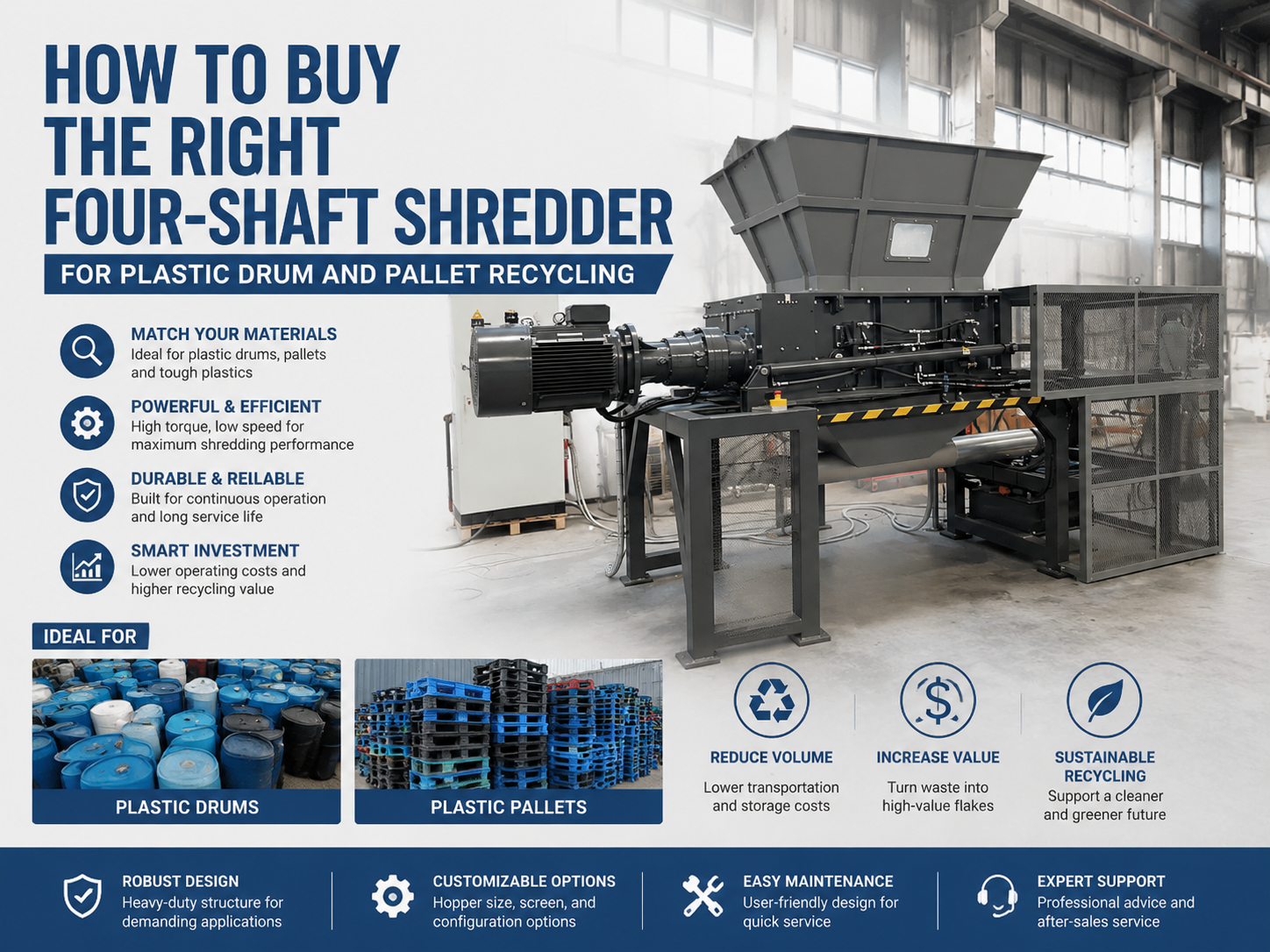
In the modern industrial landscape, the management of bulky waste such as plastic drums and shipping pallets has become a critical operational challenge. Whether you are dealing with high-density polyethylene (HDPE) chemical drums or large-scale wooden and plastic pallets, the goal is the same: volume reduction and material recovery. To achieve this efficiently, many facilities look to buy four-shaft shredder plastic drum pallet recycling systems. Unlike single or double-shaft alternatives, the four-shaft shredder offers a unique combination of high torque, controlled output size, and the ability to process hollow, voluminous items without the need for manual pre-crushing.
HARSLE has pioneered several advancements in this field, ensuring that industrial operators can achieve consistent throughput while minimizing energy consumption. A four-shaft shredder utilizes two main cutting shafts and two auxiliary shafts that work in tandem to grab, tear, and shear material. This design is particularly effective for plastic drums because the upper shafts act as feeders, pulling the bulky containers into the primary cutting zone. In this guide, we will break down everything you need to know to make an informed investment in this heavy-duty machinery.
Price Range Overview: What to Expect
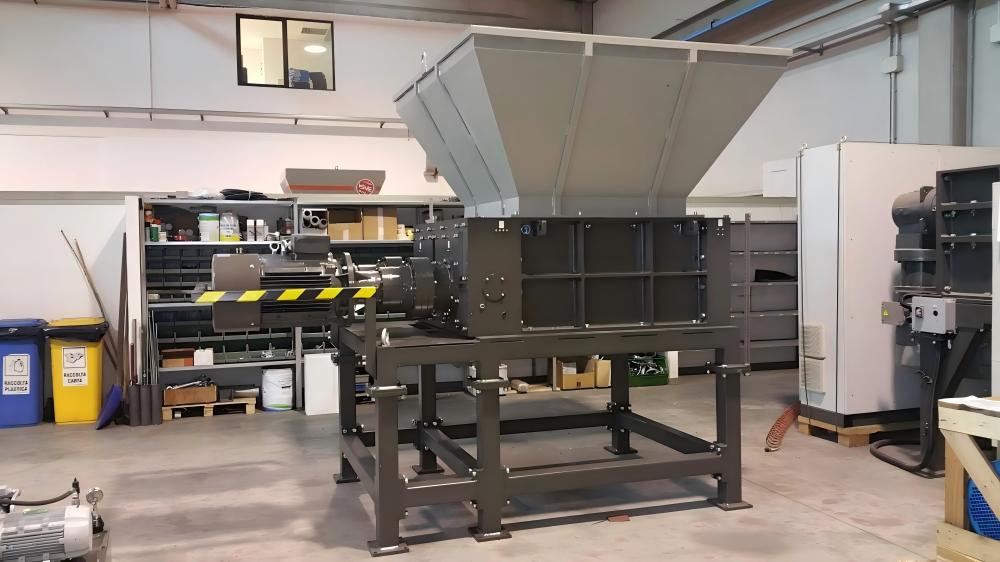
When you begin your journey to buy four-shaft shredder plastic drum pallet recycling equipment, the first question is usually regarding the budget. The price of these machines varies significantly based on capacity, build quality, and automation features. Generally, the market is divided into three main tiers:
- Entry-Level / Small Scale ($20,000 – $45,000): These machines are designed for lower volumes, perhaps processing 300-800 kg per hour. They often feature smaller motor sizes (15kW – 30kW) and are suitable for small recycling centers or internal factory waste management.
- Mid-Range Industrial ($50,000 – $95,000): This is the most common category for dedicated recycling facilities. These shredders can handle 1,000-2,500 kg per hour and feature robust frames, advanced PLC controls, and high-grade alloy steel blades. They are capable of running 8-12 hours a day consistently.
- High-Capacity / Heavy-Duty ($100,000 – $250,000+): These are massive installations designed for 24/7 operation. They often feature dual-drive systems, integrated conveyors, and specialized cooling systems for the hydraulics and gearboxes. They can process several tons of pallets and drums per hour.
It is important to note that the “sticker price” is only one part of the equation. A cheaper machine with lower-quality blades may end up costing more in maintenance and downtime over a five-year period than a premium HARSLE model designed for longevity.
Main Cost Drivers in Four-Shaft Shredders
Understanding why one machine costs $40,000 and another costs $80,000 requires a look under the hood. Several key components drive the manufacturing cost and, consequently, the performance of the shredder.
1. Motor Power and Drive Systems
The heart of the shredder is its motor. High-torque motors from reputable brands like Siemens or ABB command a premium but offer superior reliability and energy efficiency. Furthermore, the choice between a purely electric drive and a hydraulic drive system impacts the price. Hydraulic drives are often more expensive but provide better protection against sudden shocks when shredding extremely tough materials like thick-walled plastic drums or pallets with metal fasteners.
2. Blade Material and Heat Treatment
The blades (or cutters) are the most critical wear part. High-quality four-shaft shredders use alloy steels such as D2, SKD-11, or DC53. The process of vacuum heat treatment ensures that the blades have the right balance of hardness (to maintain an edge) and toughness (to prevent cracking). Cheaper machines often use inferior carbon steel that requires frequent sharpening, leading to increased operational costs.
3. Gearbox Quality
The gearbox translates the motor’s high-speed rotation into the high-torque, low-speed rotation required for shredding. Precision-engineered gearboxes from manufacturers like Bonfiglioli or SEW-Eurodrive are essential for handling the immense stress of pallet recycling. A failure in the gearbox is often the most expensive repair a shredder can undergo, so investing in quality here is paramount.
Configuration Impact: Tailoring the Machine to Your Needs
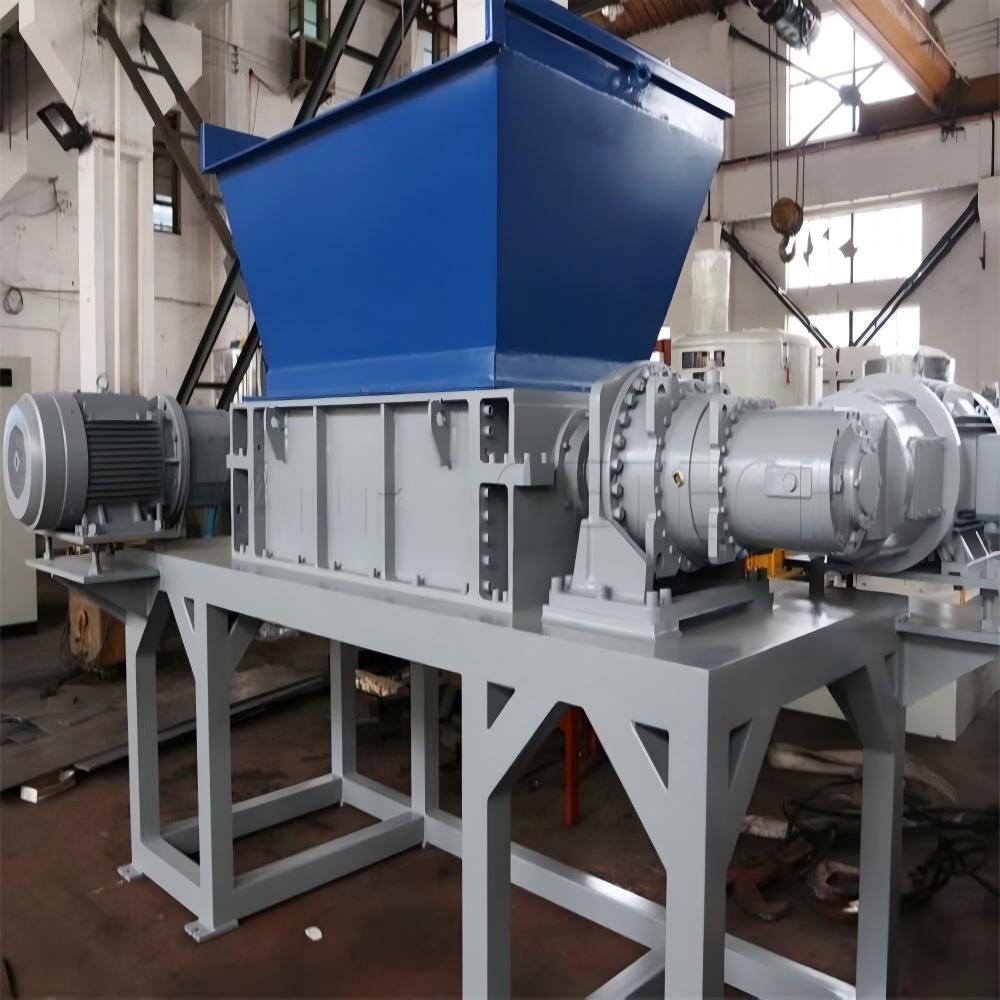
When you buy four-shaft shredder plastic drum pallet recycling systems, the configuration must match your specific waste stream. A machine configured for light plastic film will fail miserably when faced with heavy HDPE drums or reinforced wooden pallets.
Screen Size and Output Control
One of the primary advantages of a four-shaft shredder is the integrated screen located beneath the cutting shafts. Material that is not yet small enough to pass through the screen is carried back up by the teeth of the shafts for another round of shredding. If your goal is to produce a specific flake size for an extruder, you will need a smaller screen (e.g., 20mm-40mm). However, smaller screens reduce throughput. Balancing output size with production speed is a critical configuration step.
Hopper Design and Feeding Mechanisms
For plastic drums, the hopper must be large enough to accommodate the volume without bridging (where the drums get stuck above the blades). HARSLE offers custom hopper designs with hydraulic pushers that force the material into the blades, ensuring the machine is always working at maximum capacity. For pallets, a wider hopper is necessary to allow the pallets to lay flat or be fed vertically without jamming.
Shaft Speed and Torque Ratios
The four shafts do not all spin at the same speed. Usually, the outer shafts spin faster to grab the material, while the inner shafts spin slower with higher torque to perform the actual shearing. Adjusting these ratios based on whether you are shredding brittle plastic or fibrous wood pallets can significantly improve efficiency and reduce blade wear.
Hidden Costs of Ownership
The purchase price is just the beginning. To truly understand the cost of a four-shaft shredder, you must account for the following:
- Installation and Commissioning: Large shredders require specialized electrical setups and often need to be integrated into existing conveyor lines. Professional installation by HARSLE technicians ensures the machine is calibrated correctly from day one.
- Consumable Parts: Blades, spacers, and screens are consumables. Depending on the material being shredded (especially if pallets contain nails or screws), blades may need sharpening every 500-1,000 hours. A full set of replacement blades can cost several thousand dollars.
- Energy Consumption: A 75kW motor running 10 hours a day can result in significant utility bills. Modern shredders with VFD (Variable Frequency Drive) technology can reduce these costs by adjusting power usage based on the load.
- Maintenance Labor: Regular lubrication of bearings and inspection of the gearbox oil are required. Neglecting these simple tasks can lead to catastrophic failures.
ROI Calculation: Is the Investment Worth It?
Calculating the Return on Investment (ROI) is essential before you buy four-shaft shredder plastic drum pallet recycling equipment. To do this, consider the following formula:
ROI = (Annual Savings + Annual Revenue) / (Annual Operating Costs + Initial Investment)
Revenue and Savings Streams
1. Volume Reduction: Shredding plastic drums can reduce their volume by a ratio of 5:1 or even 10:1. This drastically reduces the number of truckloads required to transport waste, saving thousands in logistics costs.
2. Material Resale: Clean HDPE flakes from shredded drums have a high market value. Similarly, shredded wood from pallets can be sold as biomass fuel or for particleboard production.
3. Labor Savings: Automated shredding systems require far less manual labor than traditional methods of breaking down pallets or drums with saws or manual crushers.
Most industrial users find that a well-utilized HARSLE four-shaft shredder pays for itself within 12 to 24 months, depending on the local market for recycled materials and the volume of waste processed.
Buying Advice: A Step-by-Step Checklist
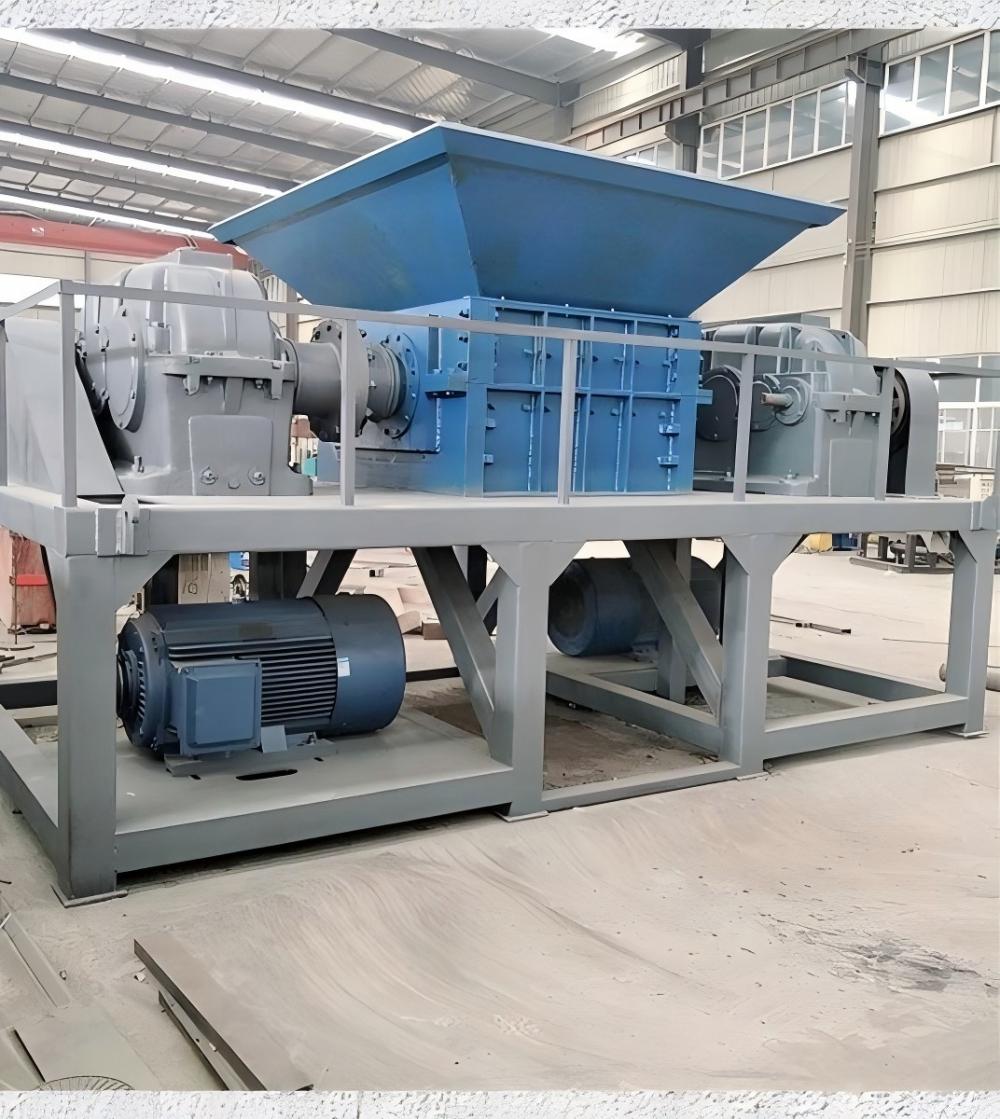
To ensure you select the right machine, follow this professional checklist:
- Define Your Material: Be specific. Are the drums contaminated? Do the pallets have metal reinforcements? Provide samples to the manufacturer for testing.
- Determine Required Throughput: Don’t buy a machine that is too small; running a shredder at 100% capacity constantly will shorten its lifespan. Aim for a machine that meets your needs at 70-80% capacity.
- Check the Blade Access: Maintenance is inevitable. Choose a design where the shafts and blades are easily accessible for cleaning and replacement.
- Verify Safety Features: Ensure the machine has emergency stops, overload protection (auto-reverse), and safety interlocks on all access panels.
- Evaluate the Manufacturer: Does the supplier offer spare parts? Do they have a service team? HARSLE provides comprehensive after-sales support, which is vital for industrial machinery.
- Request a Video Test: Before shipping, ask for a video of the machine shredding your specific material. This confirms the configuration is correct.
Frequently Asked Questions (FAQ)
Can a four-shaft shredder handle metal nails in pallets?
Yes, four-shaft shredders are designed to handle occasional non-shreddable items like nails and bolts. The blades are made of toughened alloy steel, and the PLC system will trigger an auto-reverse if it detects an un-shreddable object to prevent damage. However, consistent shredding of heavy metal will accelerate blade wear.
What is the difference between a two-shaft and a four-shaft shredder?
A two-shaft shredder is excellent for general volume reduction but often produces long, irregular strips. A four-shaft shredder uses the extra shafts and an integrated screen to ensure the output is a consistent, smaller size, which is often required for further processing or resale.
How often do the blades need to be sharpened?
This depends entirely on the material. For clean plastic drums, blades may last 1,500 hours before needing attention. For pallets with dirt and nails, you might need to sharpen or rotate the blades every 600-800 hours. Using high-quality D2 steel extends these intervals.
Is it better to buy a new or used shredder?
While used machines are cheaper, shredders are high-wear items. A used machine may have hidden fatigue in the gearbox or shafts that is expensive to repair. Buying new from HARSLE ensures you have a warranty, the latest energy-efficient technology, and blades with a full service life ahead of them.
What power supply is required?
Most industrial four-shaft shredders require a three-phase power supply (380V-480V). It is important to check your facility’s electrical capacity, as the startup current for large motors can be quite high unless a soft-starter or VFD is used.
Conclusion
Choosing to buy four-shaft shredder plastic drum pallet recycling equipment is a significant step toward operational efficiency and environmental sustainability. By focusing on high-quality components, the correct configuration for your specific waste, and a clear understanding of the total cost of ownership, you can transform a waste management headache into a profitable resource recovery stream. HARSLE remains committed to providing the robust, high-performance machinery needed to meet these industrial challenges head-on. Whether you are a dedicated recycler or a manufacturer looking to optimize your waste flow, the right four-shaft shredder is an investment that will pay dividends for years to come.


