
Four-Shaft Shredder Vs. Other Shredders: Which Is Operation?

Introduction to Industrial Shredding Solutions
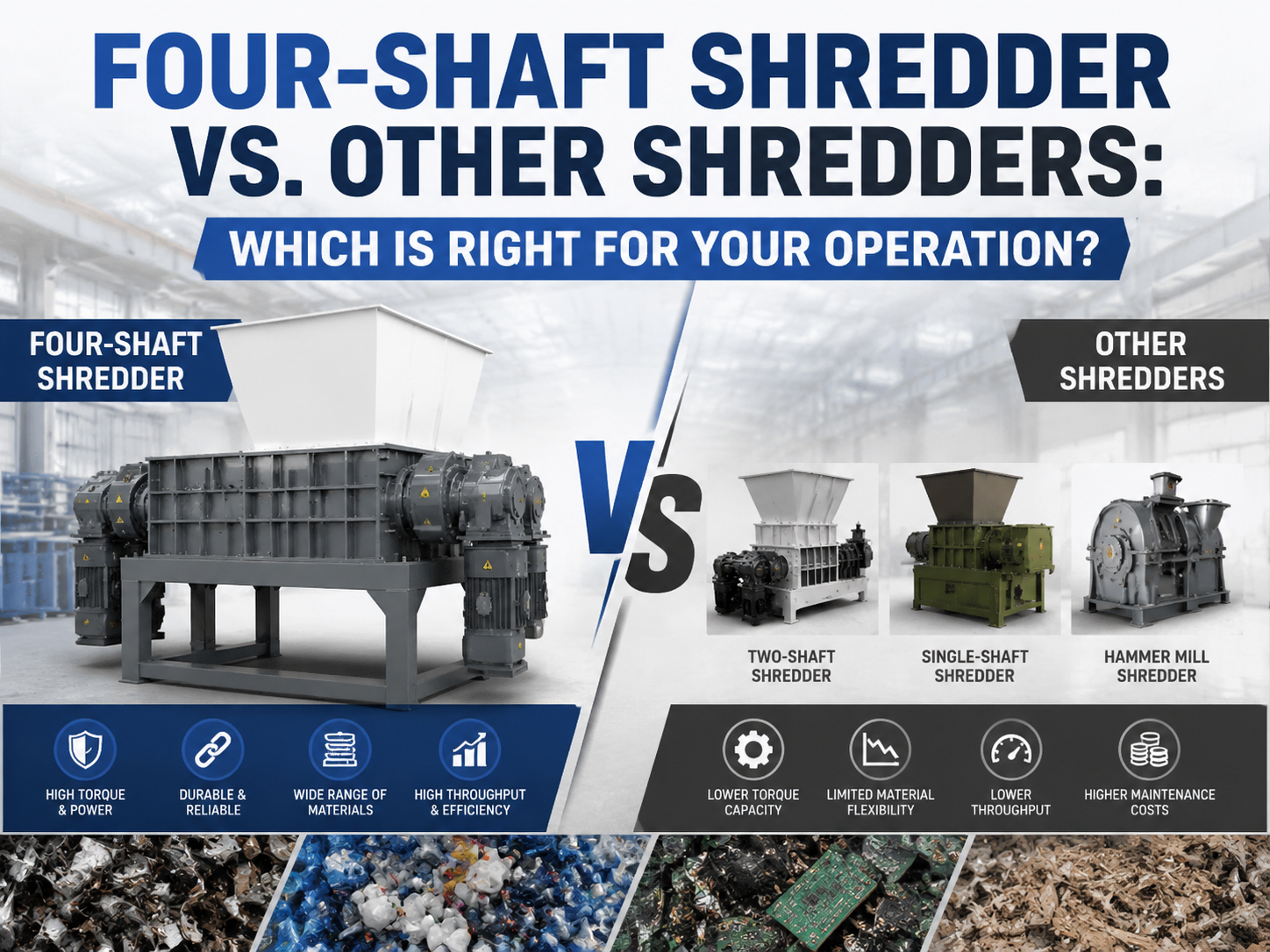
In the modern industrial landscape, waste management and material recycling have transitioned from secondary concerns to primary operational priorities. Whether you are dealing with metal scrap, electronic waste, plastics, or bulky municipal waste, selecting the right shredding technology is critical for efficiency. The question often arises: Four-Shaft Shredder Vs. Other Shredders: Which Is Operation? This inquiry focuses on which machine configuration best suits the specific operational demands of a facility, balancing throughput, particle size control, and long-term maintenance costs.
Industrial shredders are generally categorized by the number of shafts they utilize: single, double, or four. While single and double-shaft machines are common in many facilities, the four-shaft shredder represents a pinnacle of versatility and precision. It combines the high-torque capabilities of a double-shaft machine with the integrated screening and sizing capabilities typically found in single-shaft units. Understanding the nuances of these machines is the first step toward optimizing your recycling line and ensuring a high return on investment.
Price Range Overview: Investing in Shredding Technology
When evaluating the cost of industrial shredders, it is essential to look beyond the initial purchase price. However, the upfront investment provides a clear indication of the machine’s complexity and intended application. Generally, shredder pricing scales with the number of shafts, motor power, and the sophistication of the control systems.
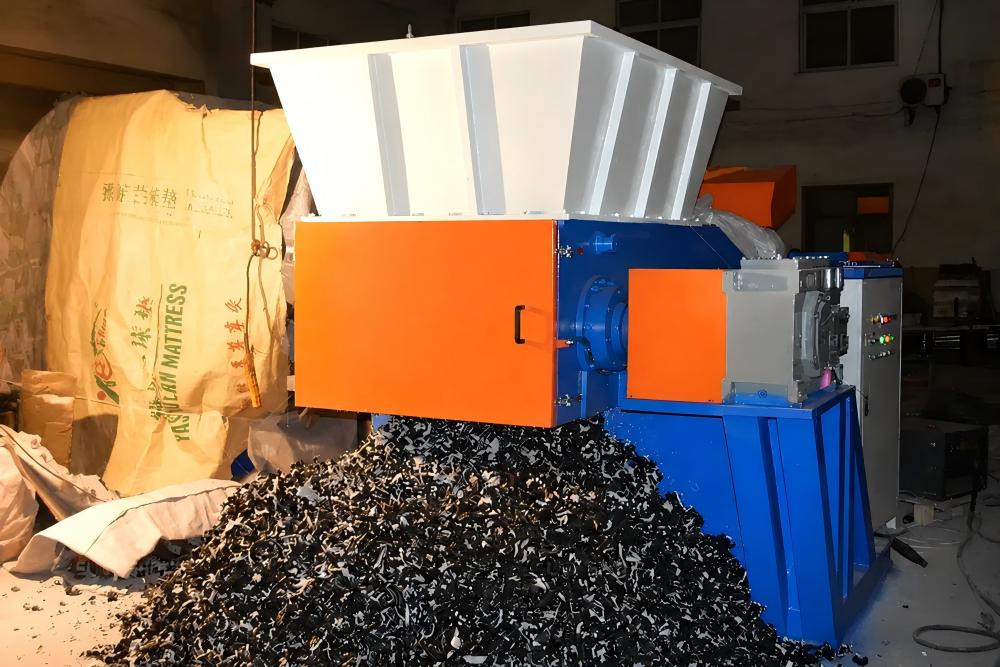
- Single-Shaft Shredders: These are often the most affordable entry point for controlled-size shredding. Prices typically range from $15,000 for small, specialized units to over $80,000 for high-capacity models. They are ideal for plastics and wood where a uniform output is required.
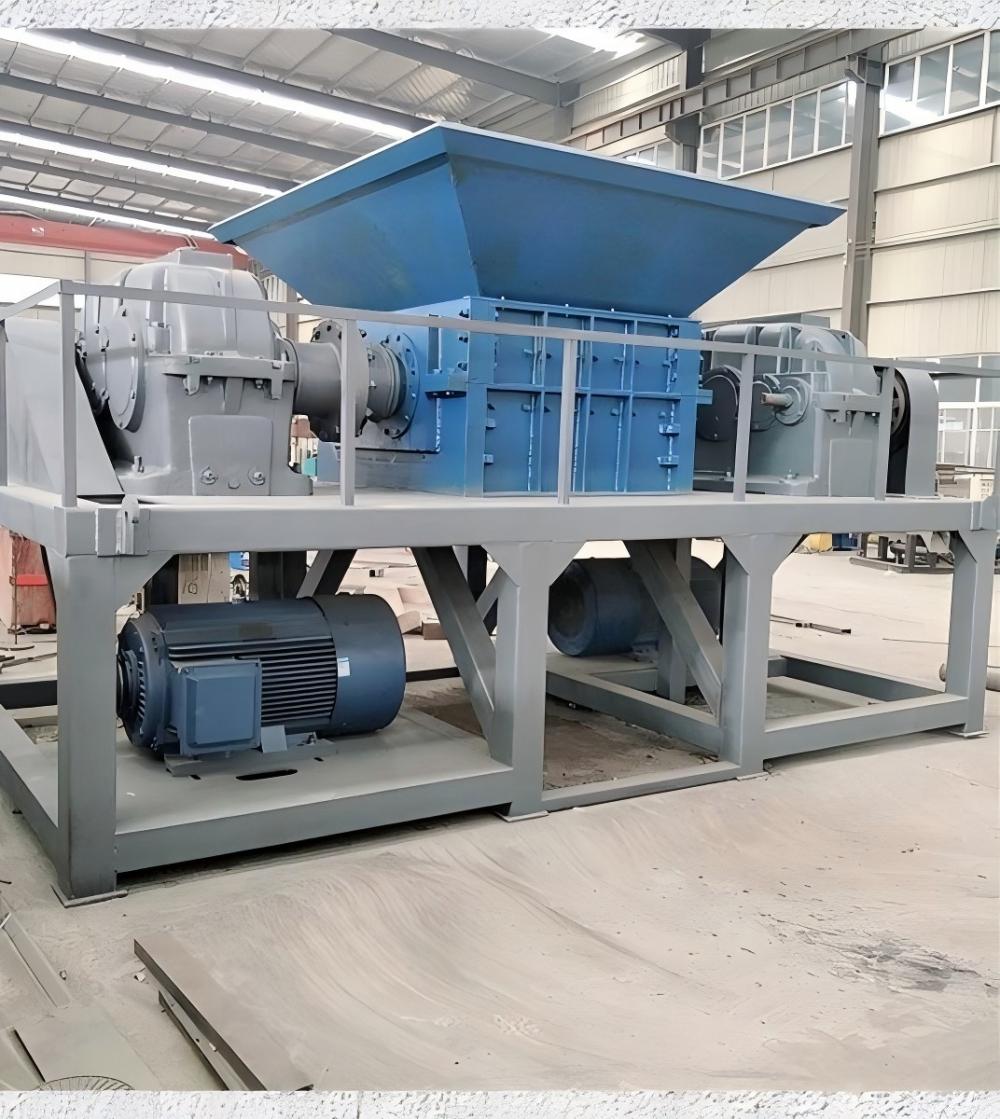
- Double-Shaft Shredders: Known as shear shredders, these machines focus on volume reduction. Prices range from $30,000 to $150,000. They excel at handling bulky items like tires and metal drums but do not offer precise particle size control without secondary processing.
- Four-Shaft Shredders: These are the most complex and robust units. Due to the additional shafts, gearboxes, and integrated screening systems, prices usually start at $60,000 and can exceed $350,000 for heavy-duty, high-torque industrial configurations.
The higher price tag of the four-shaft shredder is justified by its ability to perform the work of two machines in one pass. By integrating the “grab” of a double-shaft machine with the “sizing” of a screen-equipped unit, it eliminates the need for separate primary and secondary shredders in many applications, potentially saving the operator significant capital on a complete line setup.
Main Cost Drivers in Shredder Procurement
Understanding what drives the price of a shredder helps in making an informed decision. It is not merely about the number of shafts; it is about the quality of the components that must withstand thousands of hours of high-stress operation. In the context of Four-Shaft Shredder Vs. Other Shredders: Which Is Operation?, the cost drivers often dictate the machine’s reliability in a 24/7 production environment.
1. Blade Material and Manufacturing
The blades (or cutters) are the heart of the shredder. High-quality shredders use specialized alloy steels such as D2, DC53, or H13. These materials are heat-treated to achieve a balance between hardness (to maintain a sharp edge) and toughness (to prevent cracking under impact). Four-shaft shredders require more blades than their counterparts, which increases both the initial cost and the eventual replacement cost.
2. Drive Systems and Motors
The choice between electric and hydraulic drives significantly impacts the price. Electric drives with high-efficiency motors (like Siemens or ABB) are common for consistent materials. However, hydraulic drives offer superior torque management and shock absorption for unpredictable waste streams like heavy metal scrap. The inclusion of high-ratio planetary gearboxes also adds to the cost but ensures the machine can handle massive resistance without stalling.
3. Control Systems and Automation
Modern industrial operations require smart machinery. Advanced PLC (Programmable Logic Controller) systems from brands like Schneider or Mitsubishi allow for automatic reversal when the machine detects an overload. This prevents blade damage and reduces downtime. In four-shaft models, the control logic is more complex as it must synchronize four separate shafts, contributing to the higher price point.
Configuration Impact: How Design Dictates Performance
The physical configuration of the shredder determines its “appetite” and the quality of its output. When comparing Four-Shaft Shredder Vs. Other Shredders: Which Is Operation?, the configuration of the shafts and the presence of a screen are the most significant factors.
The Four-Shaft Advantage
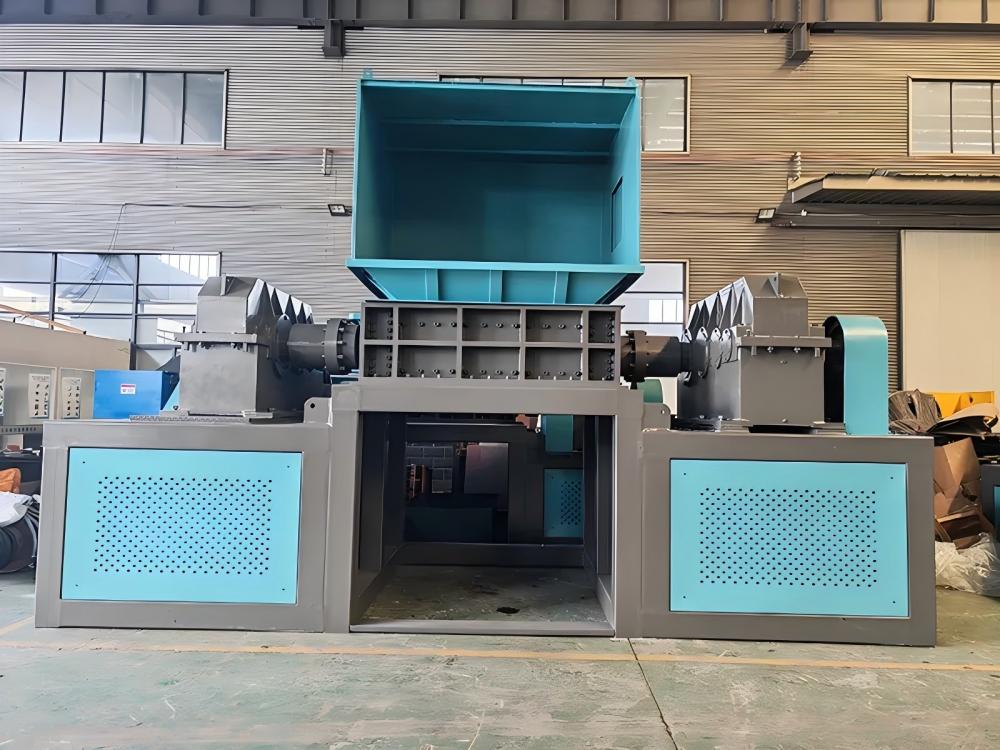
In a four-shaft design, the two outer shafts act as “feed shafts,” grabbing the material and pulling it down into the two inner “cutting shafts.” This design is particularly effective for bulky, hollow objects like plastic crates or metal barrels that might otherwise “bounce” on top of a double-shaft shredder. Furthermore, the four-shaft shredder features a screen located beneath the cutting chamber. Material that is not yet small enough to pass through the screen is carried back up by the teeth and re-shredded. This internal recirculation ensures a consistent output size in a single pass.
Single vs. Double Shaft Configurations
Single-shaft shredders utilize a hydraulic pusher to press material against a high-speed rotating shaft. This is excellent for achieving very small, uniform particles but struggles with large, heavy metal objects. Double-shaft shredders, conversely, use high torque and low speed to tear material apart. They are the workhorses of volume reduction but produce irregular, long strips of material. If your operation requires a specific 30mm or 50mm output for downstream processing, a double-shaft machine will require an additional granulator, whereas a four-shaft machine handles it alone.
Hidden Costs of Shredder Ownership
The purchase price is only the beginning. To truly answer Four-Shaft Shredder Vs. Other Shredders: Which Is Operation?, one must account for the ongoing expenses that can erode profit margins if not managed correctly.
| Cost Category | Single-Shaft | Double-Shaft | Four-Shaft |
|---|---|---|---|
| Blade Maintenance | Moderate (Rotatable inserts) | High (Welding/Grinding) | Very High (Multiple shafts) |
| Energy Consumption | Medium | High | High |
| Wear Parts (Screens) | Frequent replacement | N/A | Moderate replacement |
| Labor Requirements | Low | Low | Low to Medium |
Blade maintenance is the most significant hidden cost. In a four-shaft shredder, the complexity of the blade stack means that disassembly for sharpening or replacement takes longer than in a single-shaft machine. Additionally, the energy required to drive four shafts is higher, though this is often offset by the fact that the machine processes material more efficiently, leading to shorter run times for the same volume of waste.
ROI Calculation: Is the Four-Shaft Shredder Worth It?
Calculating the Return on Investment (ROI) for a four-shaft shredder involves looking at three key areas: throughput, material value, and operational savings. For many high-volume operations, the four-shaft model pays for itself faster than cheaper alternatives due to its multi-functional nature.
1. Throughput Efficiency: Because the four-shaft design prevents “bridging” (where material sits on top of the shafts without being grabbed), the machine maintains a higher average throughput. If a four-shaft machine processes 20% more material per hour than a double-shaft machine of the same power, the labor and energy cost per ton drops significantly.
2. Increased Material Value: Shredded material that is uniform in size commands a higher price in the recycling market. For example, uniform plastic chips are easier to wash and pelletize than irregular chunks. By producing a high-quality, screened output, the four-shaft shredder allows the operator to sell their waste at a premium.
3. Logistics Savings: Volume reduction is a major driver of ROI. Shredding bulky waste can reduce its volume by up to 80%. This means fewer trucks are needed for transport, leading to massive savings in fuel and logistics costs. The precision of the four-shaft shredder ensures that the material is packed as densely as possible.
Buying Advice: Choosing the Right Machine for Your Operation
Selecting the right shredder requires a deep dive into your specific material stream. Here is a checklist to help you decide if a four-shaft shredder is the right choice for your operation:
- Material Type: If you are processing mixed waste, e-waste, or bulky plastics, the four-shaft’s ability to “grab” and “size” is unmatched. For pure metal scrap where size doesn’t matter, a double-shaft is more cost-effective.
- Required Output: Do you need a specific particle size? If yes, and the material is tough, the four-shaft is the best option. If the material is soft (like film or paper), a single-shaft shredder is better.
- Space Constraints: A four-shaft shredder is a compact solution for achieving screened output. If you don’t have room for a primary shredder followed by a secondary granulator and conveyor system, the four-shaft machine is the logical choice.
- Budget vs. Long-term Value: While the initial cost is higher, the four-shaft shredder’s versatility often leads to lower total system costs. Evaluate your budget over a 5-year period rather than just the initial purchase.
At HARSLE, we recommend conducting a material test before purchase. Sending a sample of your specific waste to the manufacturer allows them to calibrate the blade profile and screen size to your exact needs, ensuring that the machine you buy is the machine that will perform.
Frequently Asked Questions (FAQ)
1. How often do the blades on a four-shaft shredder need to be replaced?
Blade life depends entirely on the material being shredded. For clean plastics, blades can last over 2,000 hours. For abrasive materials like glass-filled plastics or contaminated metals, they may need attention every 500-800 hours. Many modern blades are designed to be sharpened multiple times before replacement.
2. Can a four-shaft shredder handle heavy metal scrap?
Yes, but it must be specifically configured for it. Heavy-duty four-shaft shredders with high-torque hydraulic drives can process light to medium metal scrap (like aluminum extrusions or thin steel drums). For heavy structural steel, a specialized scrap shear is usually required.
3. What is the main advantage of a four-shaft shredder over a double-shaft shredder?
The main advantage is the integrated screen. A double-shaft shredder will produce long, irregular pieces. A four-shaft shredder uses the screen to ensure that only material of a specific size leaves the machine, recirculating larger pieces automatically.
4. Is maintenance more difficult on a four-shaft machine?
It is more complex because there are more shafts and bearings to monitor. However, most high-quality manufacturers design these machines with “easy-access” chambers that allow the shaft stacks to be lifted out for maintenance without dismantling the entire frame.
5. Which is operation: Four-shaft or Single-shaft for plastic recycling?
For large, bulky plastic items (like car bumpers or pallets), the four-shaft is superior because it grabs the material better. For small, consistent items or film, the single-shaft is generally more efficient and easier to maintain.


