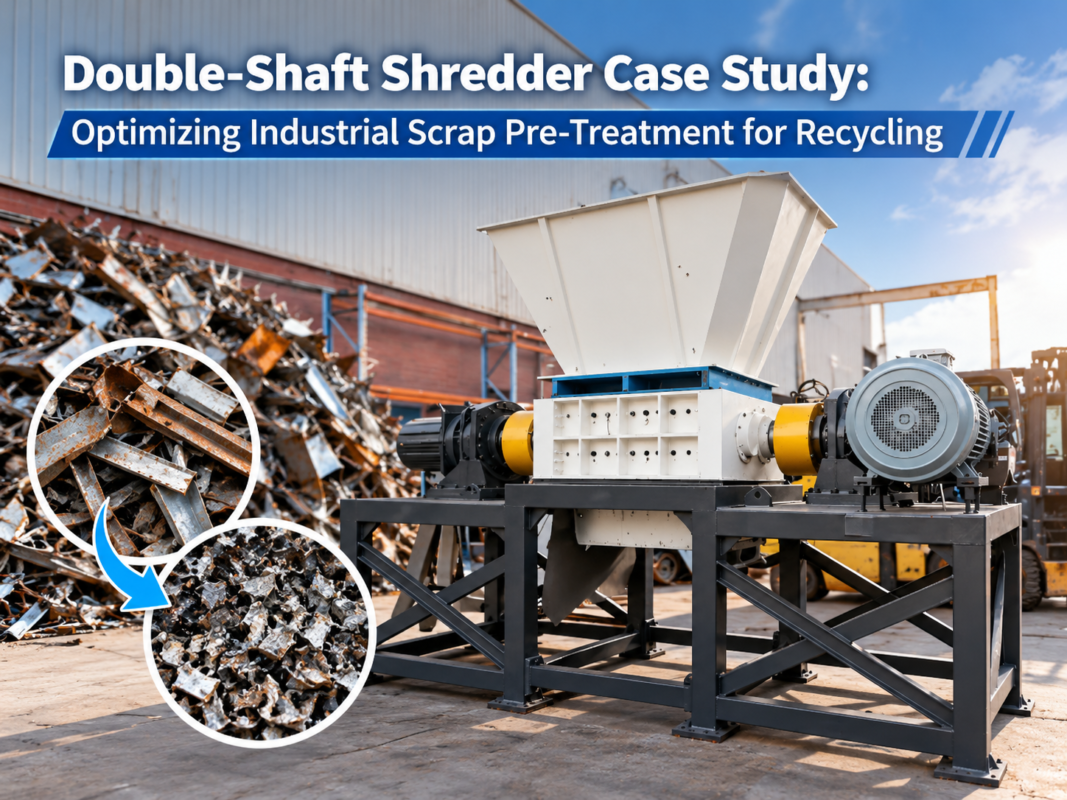
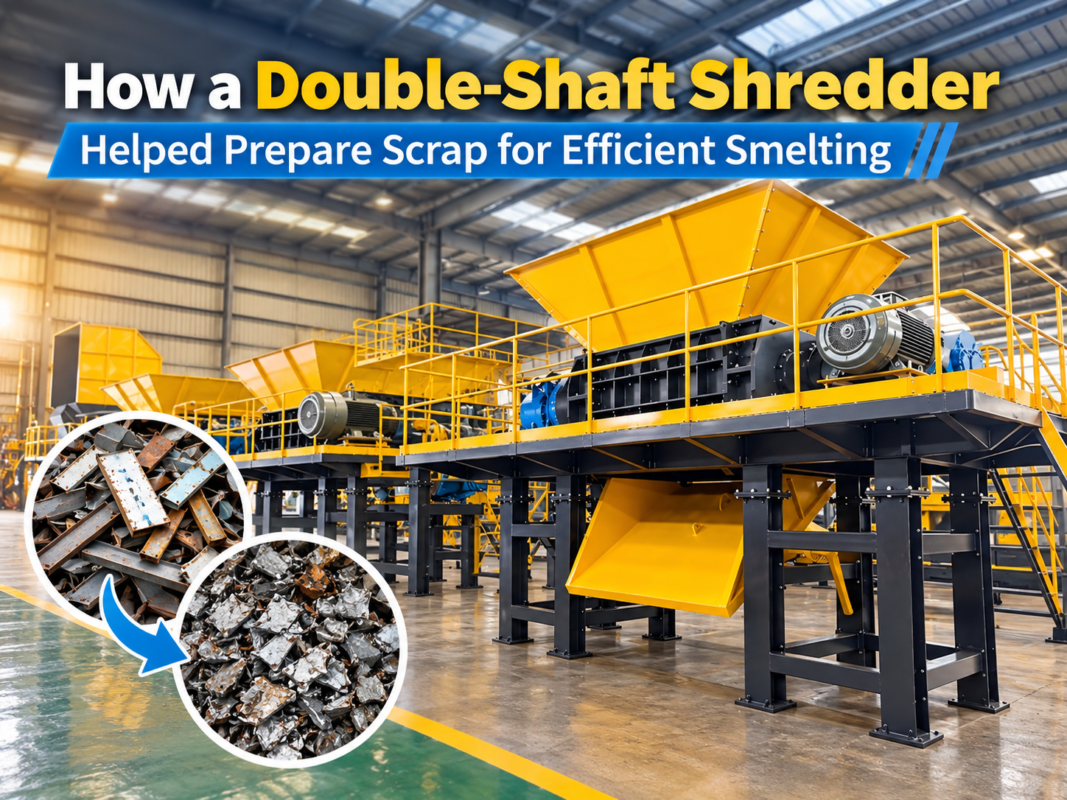
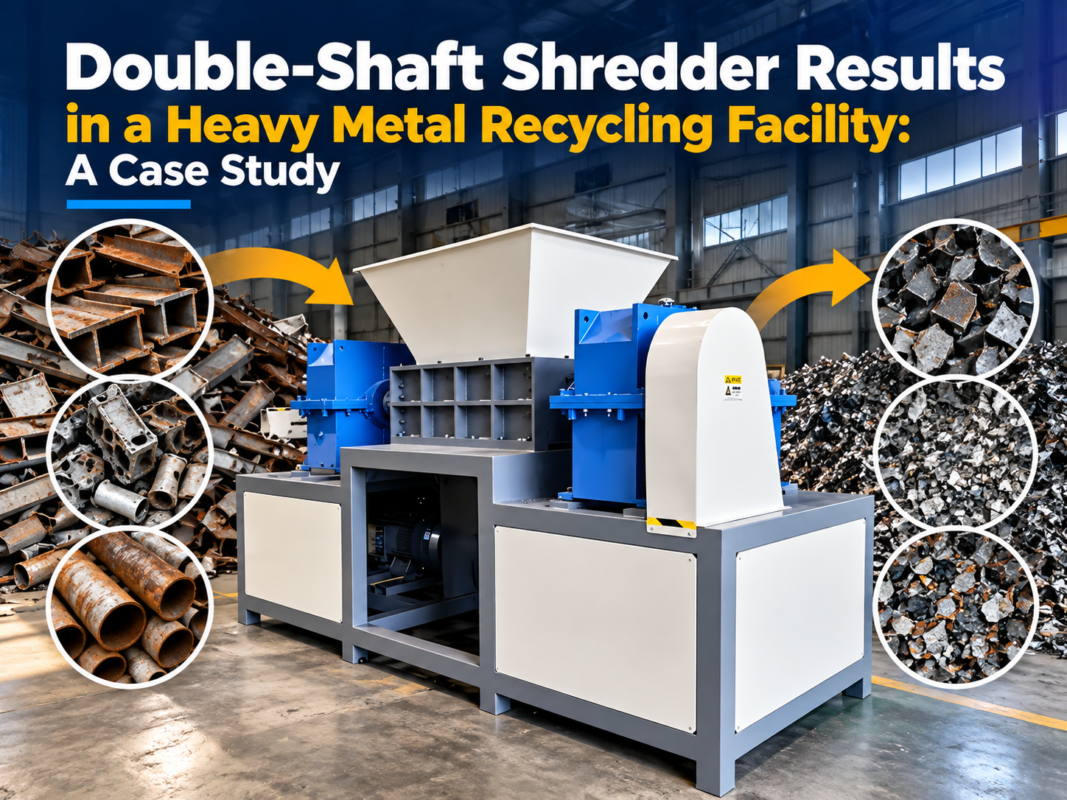
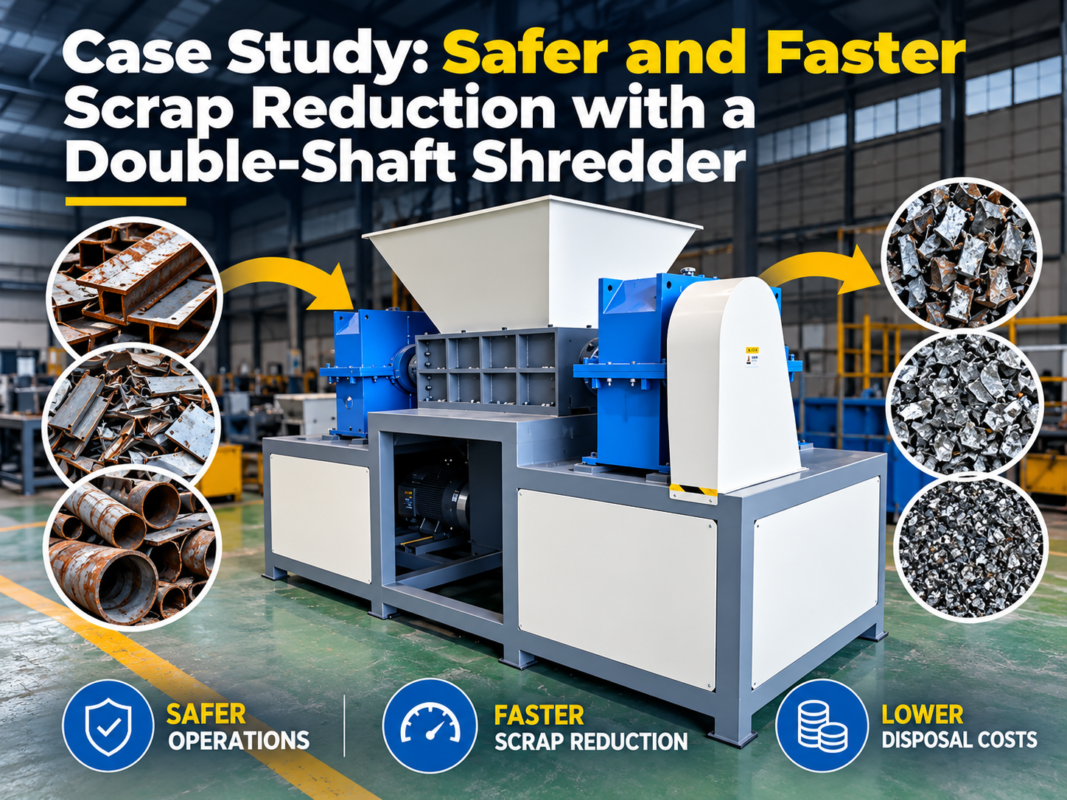
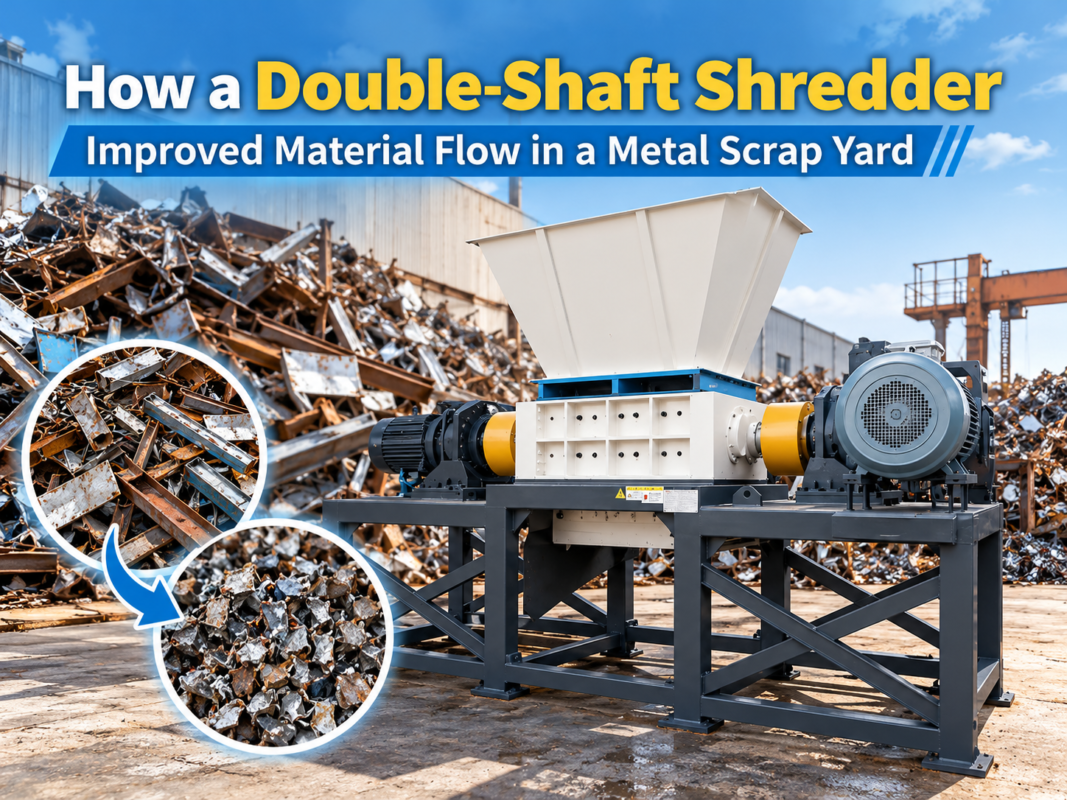
Double-Shaft Shredder Buying Tips for Manufacturers: Torque, Cutting System, and Maintenance Factors

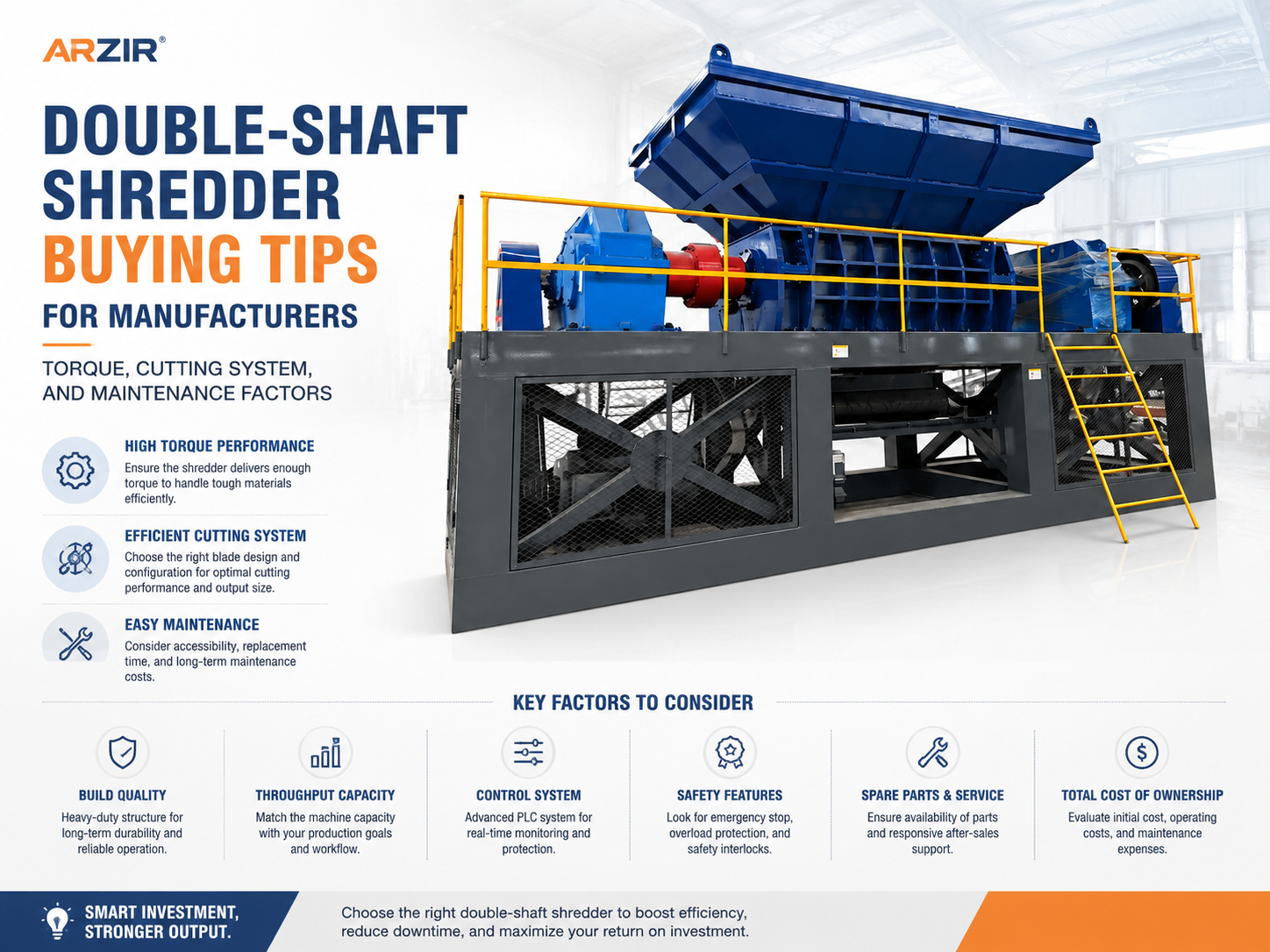
Introduction to Industrial Double-Shaft Shredders
In the modern manufacturing landscape, waste management and material recycling have transitioned from secondary concerns to primary operational priorities. The double-shaft shredder, often referred to as a dual-shear shredder, stands as the workhorse of the recycling industry. For manufacturers dealing with high volumes of metal scrap, plastic waste, electronic components, or bulky industrial refuse, selecting the right equipment is a high-stakes decision. This guide provides comprehensive Double-Shaft Shredder Buying Tips Manufacturers: Torque, Cutting System, Maintenance Factors to ensure your investment delivers long-term value and operational efficiency.
A double-shaft shredder operates using two counter-rotating shafts equipped with hooked blades. These blades pull material into the cutting chamber, where it is sheared, torn, and crushed. Unlike high-speed granulators, double-shaft shredders operate at low speeds with incredibly high torque. This allows them to process tough, oversized materials that would stall or damage other types of machinery. However, the market is flooded with various configurations, and understanding the technical nuances is essential for any procurement officer or plant manager.
Price Range Overview: What to Expect
The price of a double-shaft shredder can vary significantly based on its capacity, motor power, and the materials it is designed to process. For manufacturers, understanding these price brackets is the first step in budgeting. Entry-level industrial shredders, typically used for light plastics or thin aluminum scrap, generally start in the $15,000 to $35,000 range. These machines are suitable for small-scale operations but may lack the structural integrity required for 24/7 heavy-duty cycles.
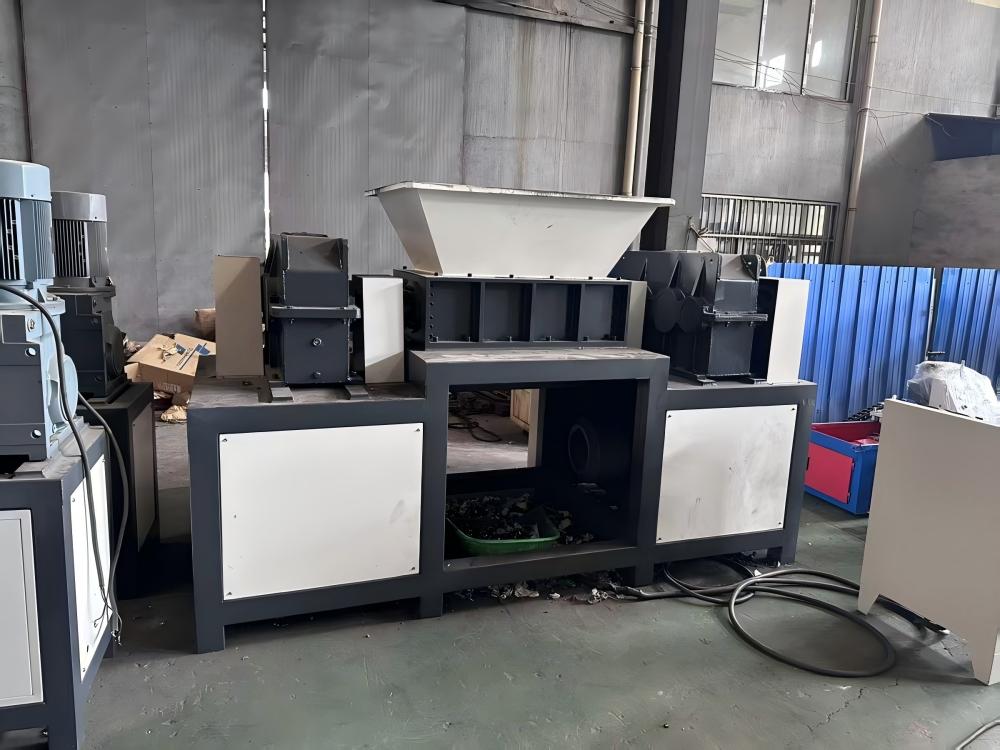
Mid-range shredders, which are the most common choice for medium-sized manufacturing facilities, typically fall between $40,000 and $95,000. These units feature more robust gearboxes, higher-grade alloy blades, and advanced PLC (Programmable Logic Controller) systems that can handle a wider variety of materials, including rubber tires and thicker metal extrusions. At this level, you begin to see features like auto-reverse functions to prevent jamming and more sophisticated cooling systems for the hydraulics or motors.
High-capacity, heavy-duty shredders designed for scrap yards or large-scale industrial recycling plants can exceed $150,000 and reach upwards of $500,000 for custom-engineered solutions. These machines are built with massive torque capabilities, often utilizing dual-drive systems and specialized blade geometries. When evaluating the price, it is crucial to look beyond the initial sticker price and consider the total cost of ownership, which includes energy consumption and the frequency of blade replacements.
Main Cost Drivers in Shredder Procurement
Several factors dictate the final cost of a double-shaft shredder. The most significant driver is the Drive System. Manufacturers must choose between electric and hydraulic drives. Electric drives are generally more energy-efficient and easier to maintain, making them ideal for consistent material streams. Hydraulic drives, while more expensive, offer superior shock absorption and variable speed control, which is essential when processing unpredictable or extremely tough materials that might cause sudden torque spikes.
The Gearbox is another critical component. A high-quality planetary gearbox is essential for converting the motor’s high-speed rotation into the low-speed, high-torque force required for shredding. Brands like SEW-Eurodrive or Siemens often command a premium but offer significantly higher reliability and longer service lives. A cheap gearbox is often the first point of failure in a budget shredder, leading to catastrophic downtime.
Blade Material and Manufacturing also play a massive role in pricing. Blades made from high-strength alloys like D2, DC53, or H13 that have undergone specialized heat treatment processes are more expensive but offer much higher wear resistance. Furthermore, the complexity of the blade design—whether they are single-piece or feature replaceable inserts—will affect both the initial cost and the ongoing maintenance budget. Finally, the Frame Construction; a heavy, welded steel frame is necessary to dampen vibrations and maintain shaft alignment under the immense stresses of shredding.
Configuration Impact: Torque and Cutting Systems
When discussing Double-Shaft Shredder Buying Tips Manufacturers: Torque, Cutting System, Maintenance Factors, torque is arguably the most important technical specification. Torque is the rotational force that allows the blades to bite into and shear through material. For manufacturers, the rule of thumb is: the tougher the material, the higher the torque required. If you are shredding light plastic, speed might be more important for throughput; however, for metal fabrication scrap, torque is king. Insufficient torque leads to frequent jams, motor overheating, and premature wear on the drive train.
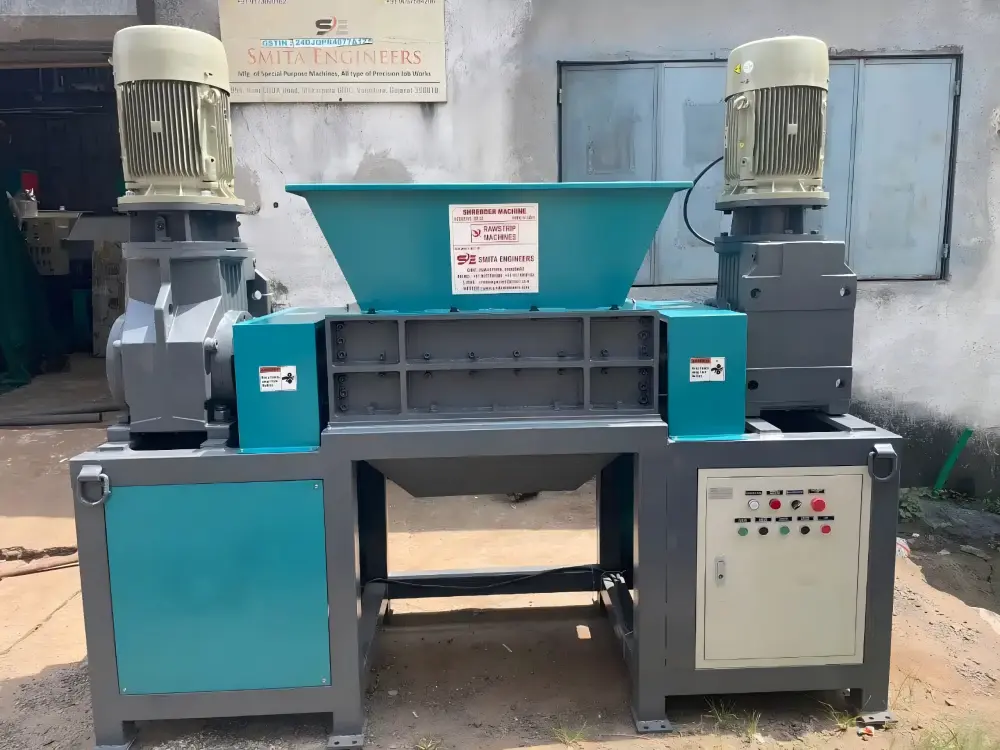
The Cutting System configuration involves the blade thickness, the number of hooks, and the blade diameter. Thinner blades produce a smaller output size but are more susceptible to breaking if they hit an un-shreddable object. Conversely, thicker blades are more durable but result in a coarser shred. The number of hooks on each blade determines how aggressively the machine pulls material in. For bulky items like barrels or crates, fewer, larger hooks are often more effective at grabbing the material, whereas more hooks are better for consistent, smaller items.
Another configuration factor is the Shaft Diameter and Material. The shafts must be able to withstand the torsional stress of the shredding process without flexing. High-alloy, heat-treated shafts are standard in quality machines. Furthermore, the distance between the shafts and the precision of the blade tolerances will dictate the efficiency of the shearing action. A tighter tolerance ensures a cleaner cut and reduces the amount of material that simply “slips” through the blades without being processed.
Hidden Costs of Owning a Double-Shaft Shredder
The purchase price is only the beginning. One of the most overlooked hidden costs is Blade Maintenance and Replacement. Shredder blades are consumables. Depending on the material being processed (e.g., abrasive glass-filled plastics vs. soft aluminum), blades may need to be sharpened or replaced every few months or every year. The cost of a full set of replacement blades can be 10-20% of the machine’s original price. Manufacturers should inquire about the possibility of “hard-facing” or welding the blades to extend their life before a full replacement is needed.
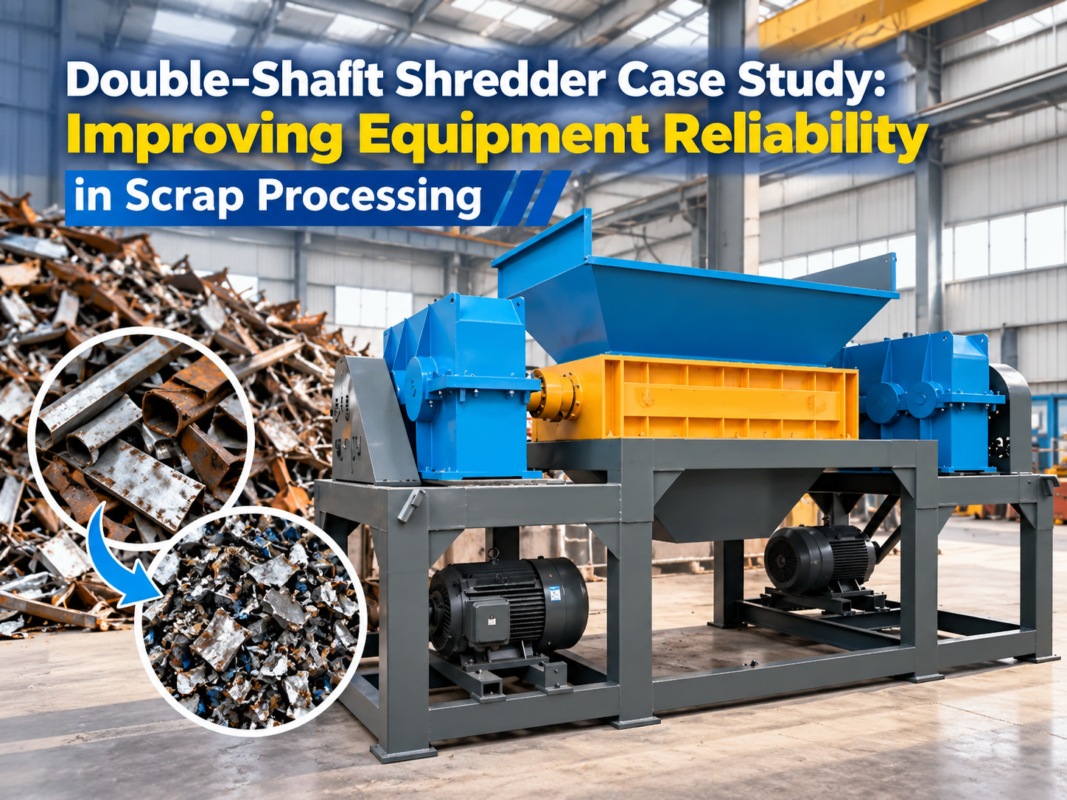
Energy Consumption is another ongoing cost. Large shredders require significant power. Utilizing Variable Frequency Drives (VFDs) can help manage power surges during startup and optimize energy use based on the load, but these systems add to the initial cost. Additionally, Downtime Costs can be devastating. If the shredder is a bottleneck in your production or recycling line, a single day of downtime can cost thousands of dollars in lost productivity and accumulated waste. This makes the availability of spare parts and local technical support a vital consideration.
Lastly, consider Installation and Integration. A double-shaft shredder rarely stands alone. It often requires conveyors for feeding and discharge, magnetic separators to remove ferrous metals, and dust extraction systems. The cost of these peripheral components, along with the electrical infrastructure upgrades required to power a heavy-duty motor, can add 30-50% to the total project budget. Manufacturers must plan for the floor space and the structural requirements of the installation site, as these machines generate significant vibration.
ROI Calculation: Is the Investment Worth It?
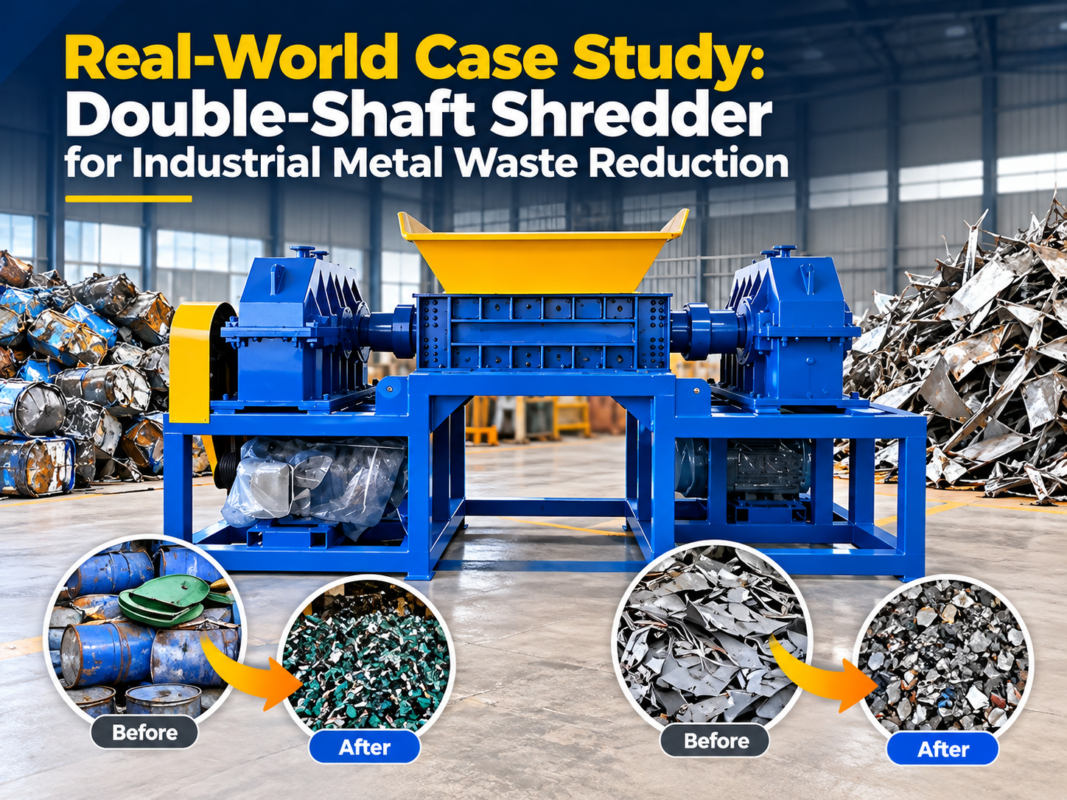
Calculating the Return on Investment (ROI) for a double-shaft shredder involves looking at several key metrics. The most immediate benefit is Volume Reduction. By shredding waste, manufacturers can reduce the volume of their scrap by up to 80%, significantly lowering the cost of waste hauling and landfill fees. In many cases, the savings on transportation alone can pay for the machine within 18 to 24 months.
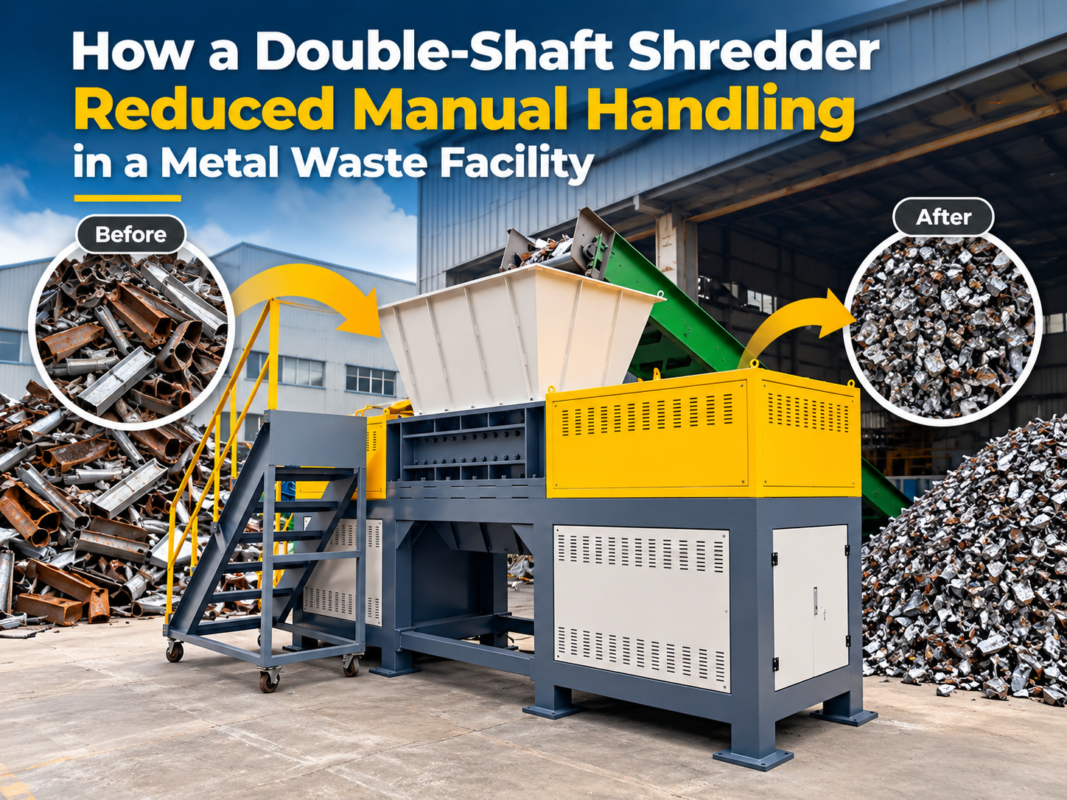
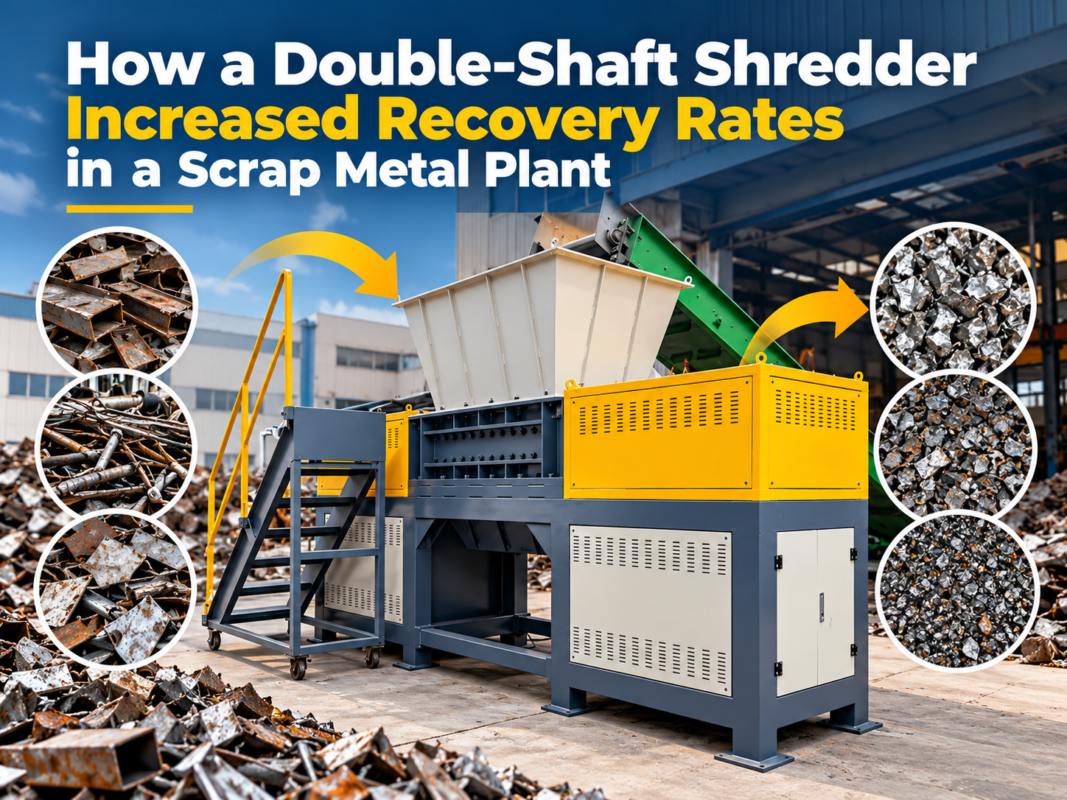
Another factor is Material Resale Value. Shredded, uniform material is often worth more to recyclers than bulky, unprocessed scrap. For example, shredded aluminum or copper can be sold at a premium because it is ready for the furnace. If your facility processes high-value metals, the shredder becomes a profit center rather than a cost center. Additionally, Labor Savings should be considered. Manually breaking down large items is labor-intensive and carries safety risks. An automated shredding system reduces the need for manual intervention, allowing staff to be redeployed to higher-value tasks.
| Factor | Impact on ROI | Estimated Savings/Gain |
|---|---|---|
| Waste Volume Reduction | Lower hauling frequency | 30% – 60% reduction in fees |
| Material Purity | Higher resale price | 10% – 25% increase in scrap value |
| Labor Efficiency | Reduced manual handling | 1-2 full-time employees saved |
| Safety/Compliance | Lower insurance/fines | Variable, but significant risk reduction |
Buying Advice for Manufacturers
When you are ready to purchase, start by Defining Your Material Stream. Be specific. Don’t just say “plastic”; specify if it’s HDPE pipes, PET bottles, or nylon purgings. Send samples of your toughest material to the manufacturer for a test shred. A reputable supplier like HARSLE will provide a video of the test and a detailed analysis of the output size and throughput rate. This is the only way to guarantee the machine will perform as expected in your specific environment.
Focus on the Maintenance Factors. Ask the supplier for a detailed maintenance schedule. How easy is it to access the shafts? Can the blades be changed without dismantling the entire machine? Look for features like “split-bearing housings” which allow for much faster shaft removal. Also, check the PLC features. Does it have remote diagnostic capabilities? In the age of Industry 4.0, being able to troubleshoot a machine via the internet can save days of waiting for a technician to arrive on-site.
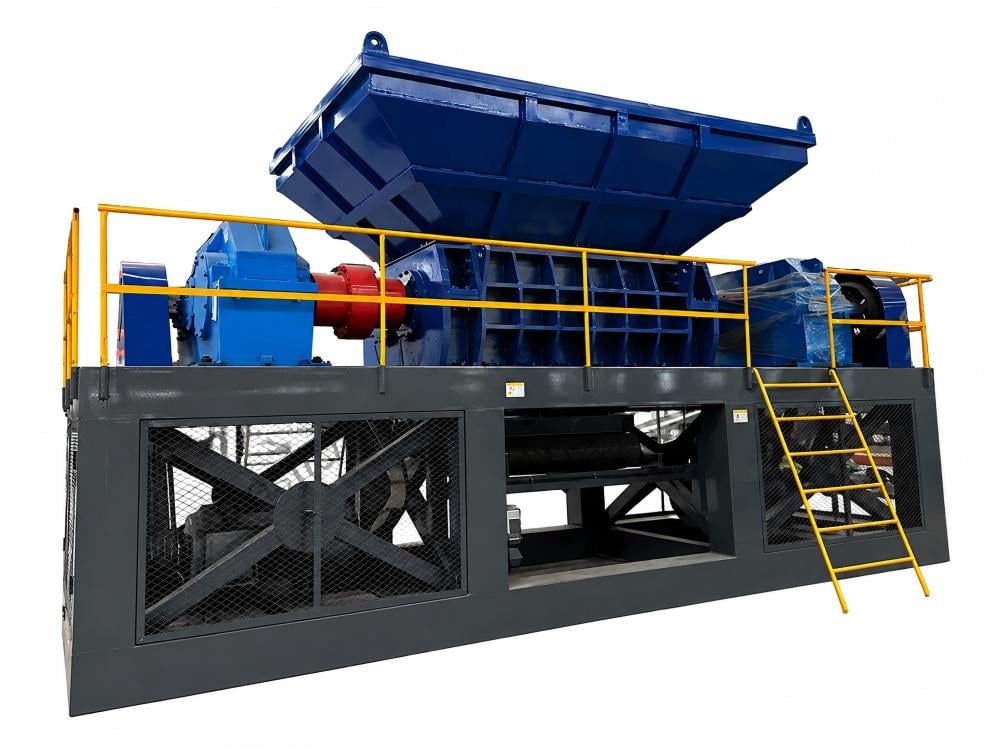
Finally, evaluate the Supplier’s Reputation and Support. A double-shaft shredder is a long-term investment. You need a partner who will be there five or ten years down the line with spare parts and technical advice. Check references from other manufacturers in your industry. A cheaper machine from an unknown supplier often ends up being more expensive due to poor support and lack of parts availability. Prioritize manufacturers who offer comprehensive warranties and have a proven track record in heavy-duty industrial machinery.
Frequently Asked Questions (FAQ)
1. What is the difference between a single-shaft and a double-shaft shredder?
Single-shaft shredders use a hydraulic pusher to press material against a high-speed rotating shaft with small blades, making them ideal for uniform output and plastics. Double-shaft shredders use two low-speed, high-torque shafts to shear material, making them better for bulky, tough, or mixed materials like metal, tires, and large drums.
2. How often do the blades need to be sharpened?
This depends entirely on the material. For soft plastics, blades might last 1,000 to 2,000 hours. For abrasive materials or metals, they may need attention every 400 to 800 hours. Many modern blades can be sharpened several times before needing replacement.
3. Can a double-shaft shredder handle “un-shreddable” objects?
Most high-quality shredders feature an auto-reverse function. If the sensors detect a torque spike (caused by a thick piece of steel, for example), the shafts will stop and reverse to clear the jam. However, consistently feeding un-shreddable items will eventually damage the blades or the gearbox.
4. What power supply is required for an industrial shredder?
Most industrial double-shaft shredders require a 3-phase power supply (380V-480V). The amperage required depends on the motor size, which can range from 15kW to over 200kW. Always consult with an electrician to ensure your facility’s infrastructure can handle the load.
5. Is it better to have an electric or hydraulic drive?
Electric drives are more common and cost-effective for standard applications. Hydraulic drives are preferred for extremely heavy-duty or varied waste streams where the machine needs to handle frequent shocks and stalls without damaging the motor.
6. How do I choose the right blade thickness?
Blade thickness determines the width of the shredded strips. If you need a fine shred for further processing, choose thinner blades. If you are primarily interested in volume reduction and durability, thicker blades (e.g., 40mm to 75mm) are generally more robust.