How to Choose the Right Double-Shaft Shredder for Your Production Line

Introduction to Double-Shaft Shredders in Modern Production
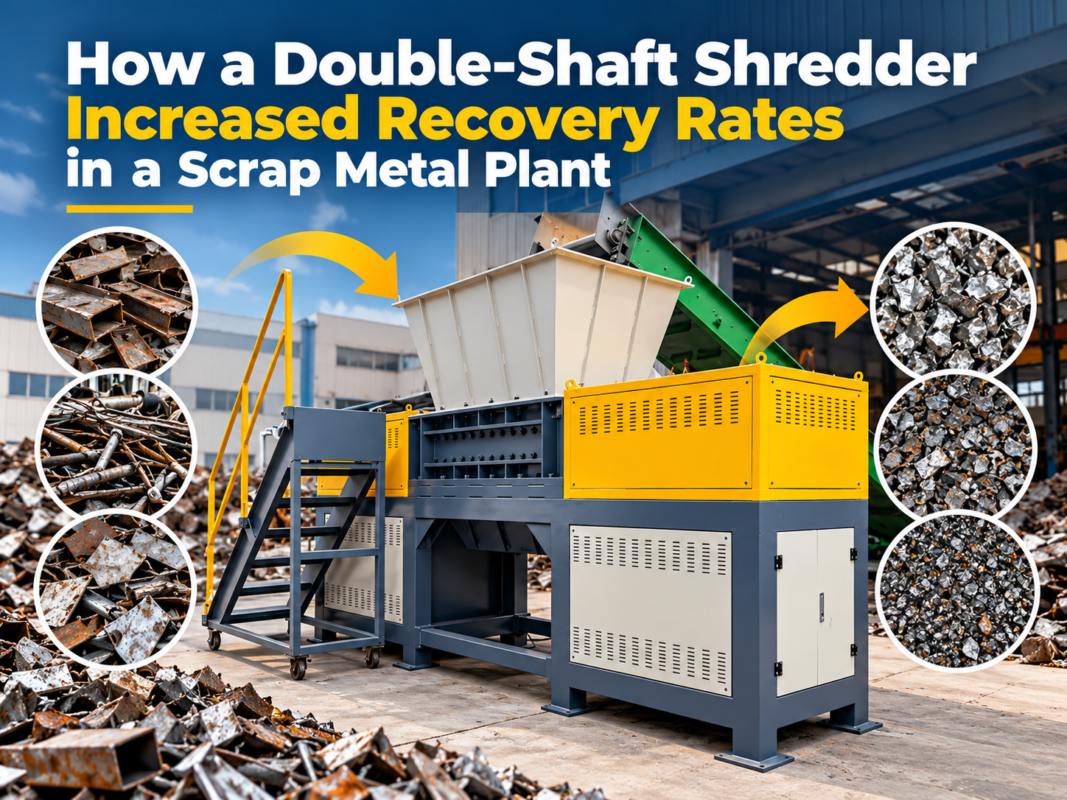
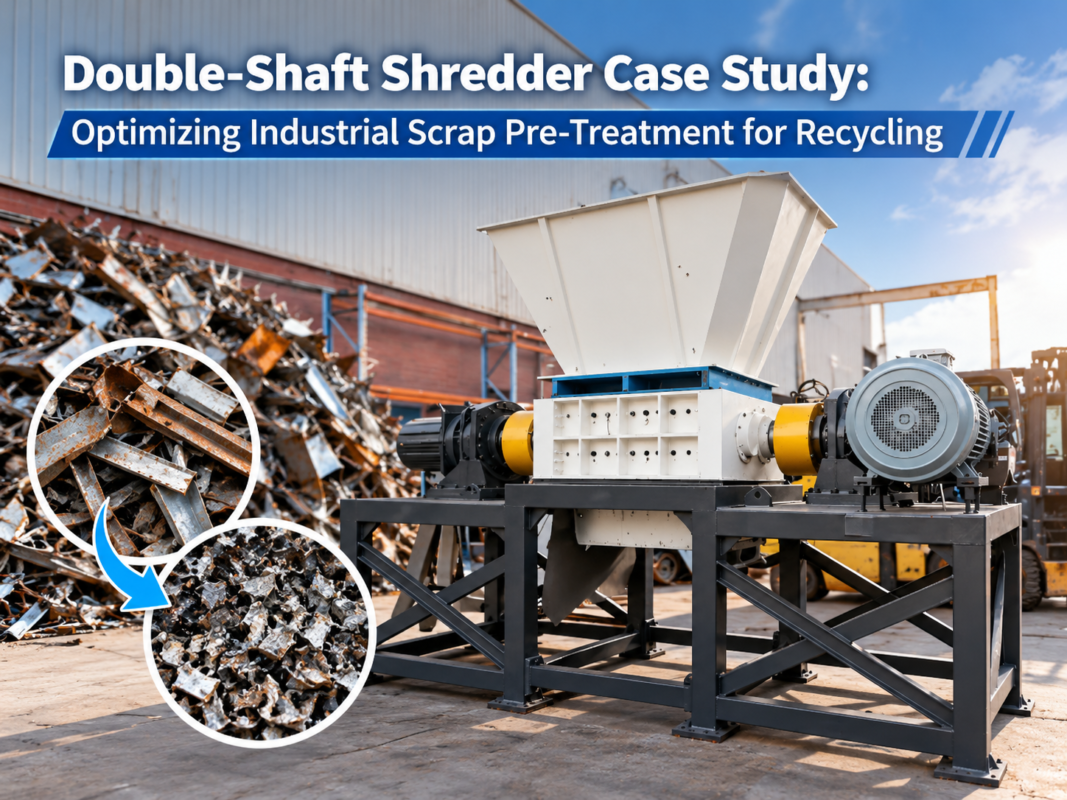
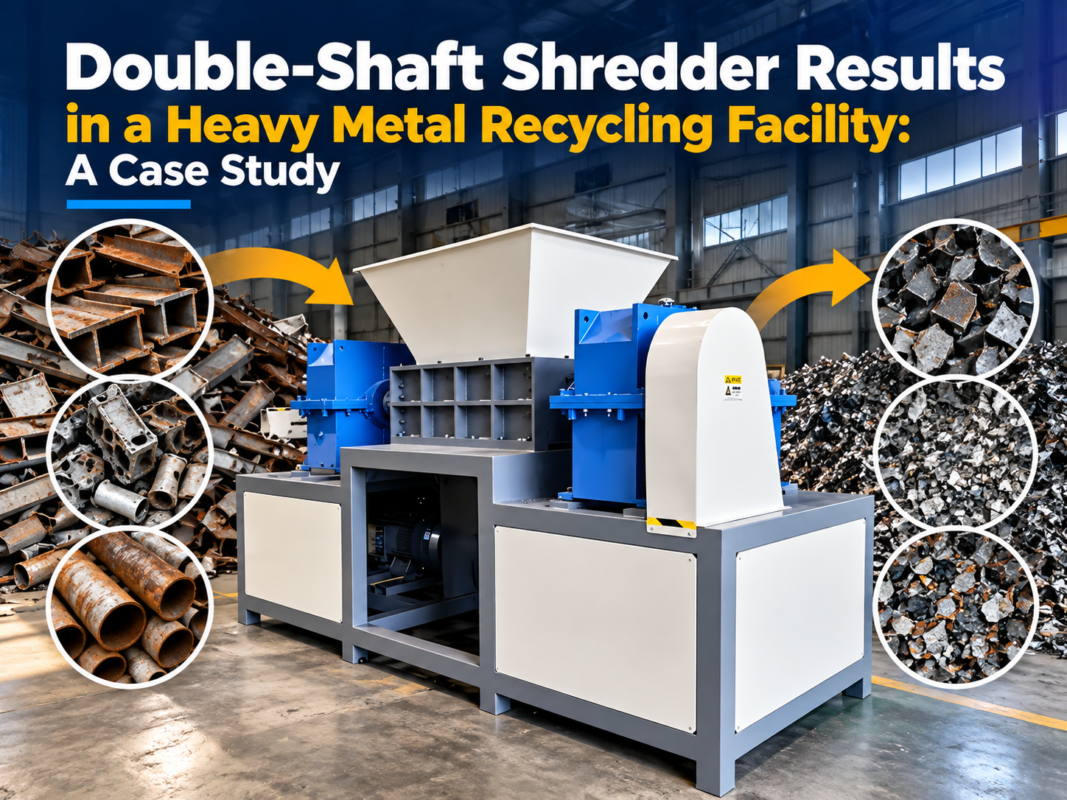
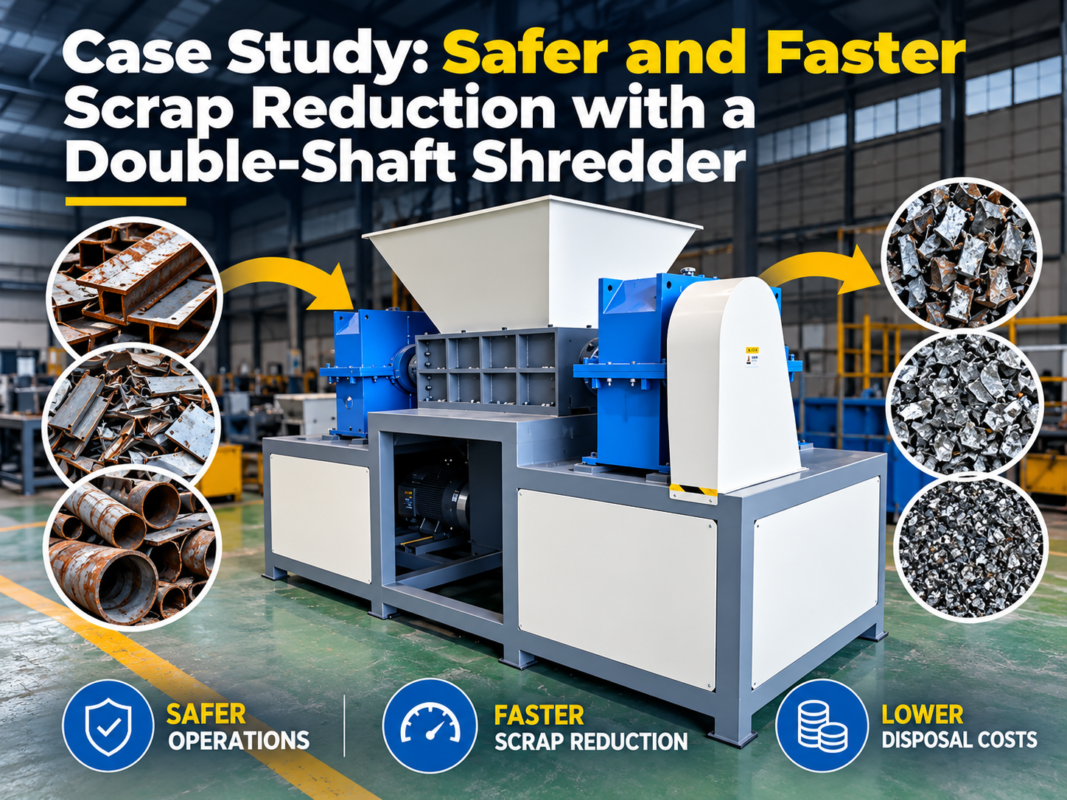
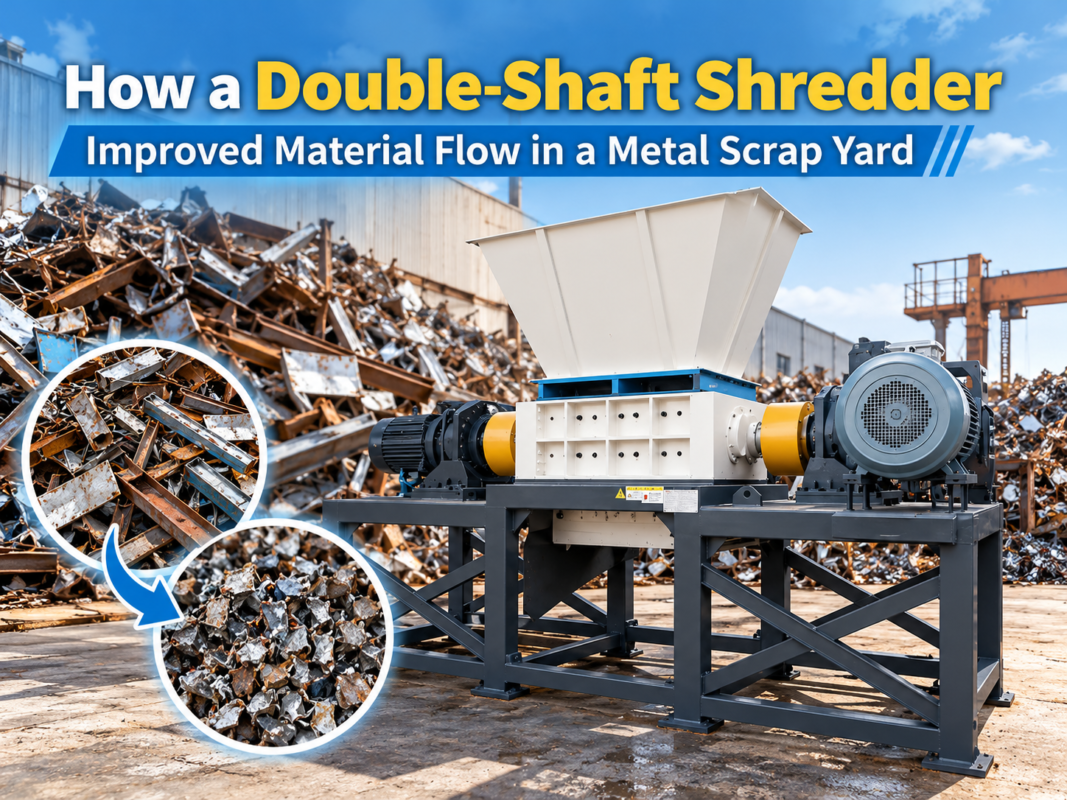
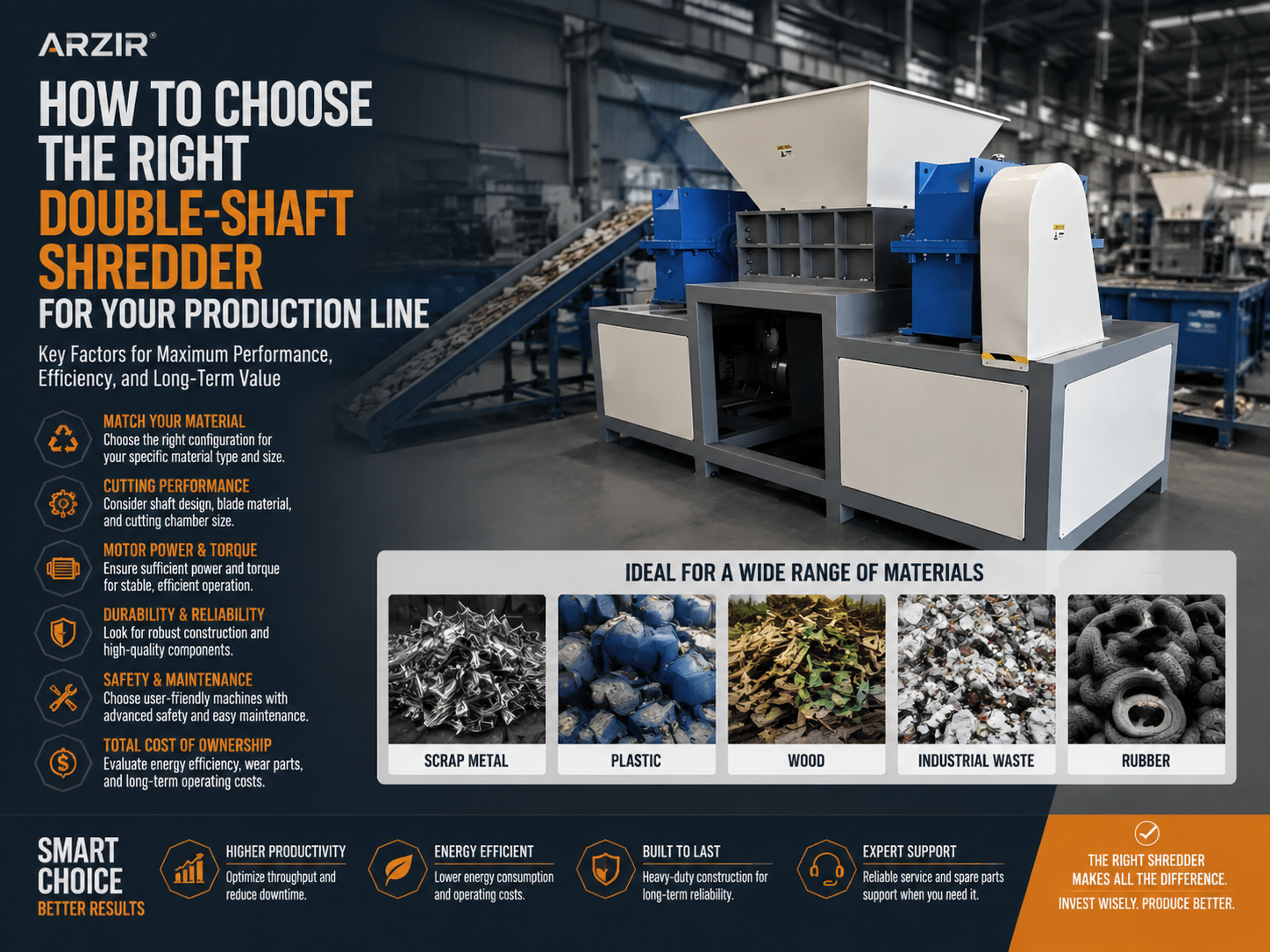
In the rapidly evolving landscape of industrial recycling and waste management, the double-shaft shredder has emerged as a cornerstone of efficiency. Whether you are processing scrap metal, plastics, electronic waste, or industrial tires, the ability to choose the right double-shaft shredder for your production line can mean the difference between a profitable operation and a logistical nightmare. These machines, often referred to as dual-shaft or twin-shaft shredders, utilize low-speed, high-torque technology to shear and tear materials into manageable sizes.
HARSLE understands that integrating a shredder into an existing production line requires more than just buying a machine; it requires a strategic assessment of material flow, throughput requirements, and long-term durability. A double-shaft shredder operates using two counter-rotating shafts equipped with interlocking blades. This design is particularly effective for bulky, high-volume materials that would stall a single-shaft granulator. By focusing on the specific needs of your facility, you can optimize your workflow and significantly reduce volume for transport or further processing.
As global regulations on waste disposal tighten and the demand for recycled raw materials increases, the role of the shredder has shifted from a luxury to a necessity. This guide will walk you through every critical aspect of the selection process, from understanding the initial investment to calculating the return on investment (ROI) and identifying the technical configurations that will best serve your specific industrial applications.
Price Range Overview: What to Expect
The market for double-shaft shredders is vast, with prices varying significantly based on capacity, build quality, and automation features. Understanding the price tiers is the first step in budgeting for your production line. Generally, industrial shredders can be categorized into three main price brackets: entry-level/small-scale, mid-range industrial, and heavy-duty custom solutions.
Entry-level double-shaft shredders typically range from $8,000 to $25,000. These units are designed for lighter materials like thin plastics, cardboard, or small electronic components. They usually feature lower horsepower motors (15HP to 30HP) and smaller cutting chambers. While affordable, they may lack the torque required for heavy metals or large-diameter tires. These are ideal for small recycling centers or facilities that process consistent, low-density waste.
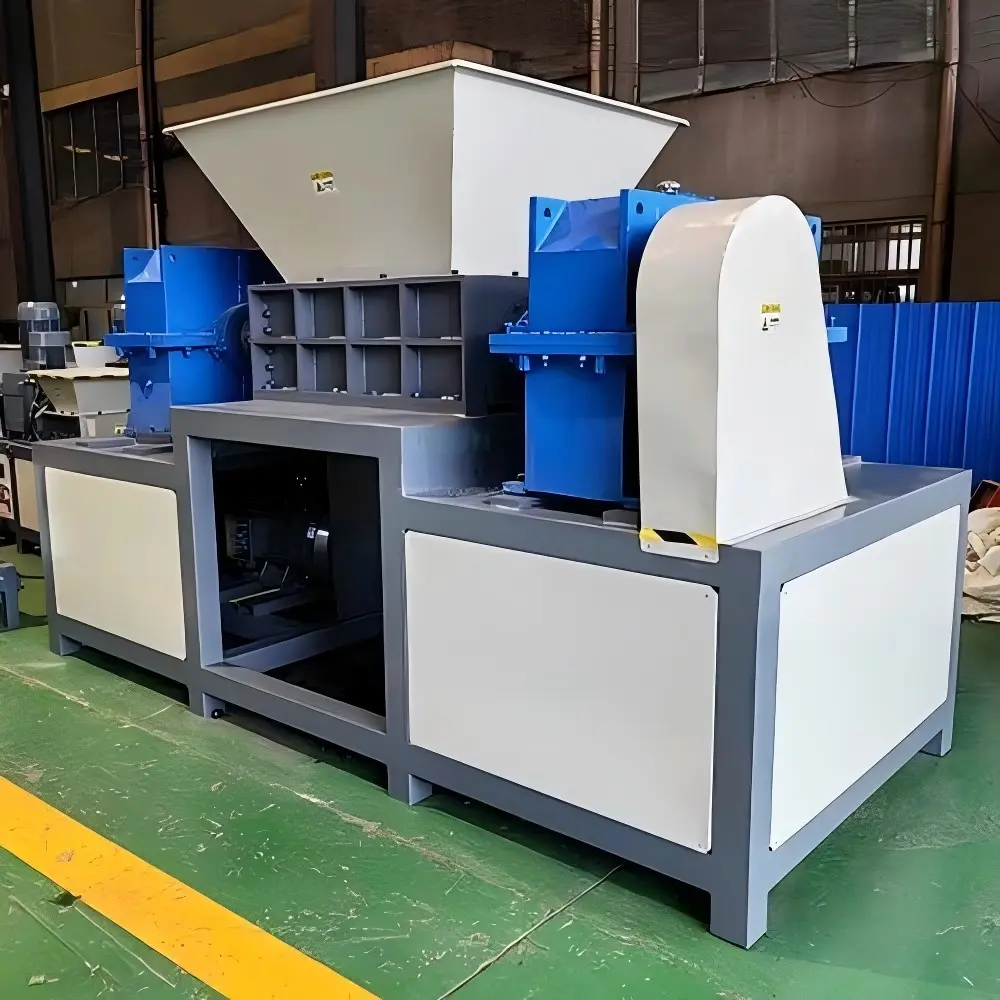
Mid-range industrial shredders, priced between $30,000 and $85,000, are the workhorses of the industry. These machines are built with reinforced frames and high-grade alloy steel blades. They often feature dual motors (ranging from 50HP to 150HP combined) and advanced PLC control systems. This category is where most metal fabrication shops and medium-sized recycling plants find their ideal balance between cost and performance. They can handle scrap aluminum, copper wire, and industrial plastics with ease.
Heavy-duty and custom-engineered shredders can exceed $150,000. These are massive installations designed for 24/7 operation, processing car bodies, large truck tires, or hazardous waste drums. These units often include specialized feeding systems, magnetic separators, and custom-designed blade profiles to maximize throughput. When you choose a double-shaft shredder for a production line of this scale, you are investing in a long-term infrastructure asset.
| Category | Price Range (USD) | Typical Motor Power | Primary Applications |
|---|---|---|---|
| Small/Entry-Level | $8,000 – $25,000 | 15HP – 30HP | Plastics, E-waste, Cardboard | Mid-Range Industrial | $30,000 – $85,000 | 50HP – 150HP | Aluminum, Copper, Industrial Waste | Heavy-Duty | $100,000+ | 200HP+ | Car Bodies, Tires, Large Metal Scrap |
Main Cost Drivers: Why Prices Vary
When comparing quotes for double-shaft shredders, it is essential to look beneath the surface. The primary cost driver is the quality of the cutting system. The blades (or knives) are the most expensive consumable part of the machine. High-quality blades made from D2, SKD-11, or Cr12MoV steel undergo rigorous heat treatment to achieve the perfect balance of hardness and toughness. A shredder using cheaper, low-grade steel will have a lower upfront cost but will require frequent sharpening and replacement, leading to higher operational expenses.
The gearbox and motor configuration also play a massive role in pricing. High-torque applications require planetary gearboxes, which are more expensive than standard spur or helical gearboxes but offer much higher efficiency and durability under shock loads. Furthermore, the use of premium electrical components (such as Siemens or Schneider PLCs and motors) adds to the initial cost but ensures reliability and ease of sourcing spare parts globally.
Frame construction and material thickness are often overlooked. A heavy-duty shredder requires a thick, welded steel frame to absorb the vibrations and stresses generated during the shredding process. A machine that is too light will vibrate excessively, leading to premature bearing failure and structural cracks. HARSLE emphasizes the use of heavy-plate steel frames to ensure that the machine remains stable even when processing the toughest materials.
Configuration Impact: Tailoring the Machine to Your Needs
The configuration of a double-shaft shredder must be precisely matched to the material it will process. One of the most critical decisions is the blade profile. Blades come in various thicknesses and tooth counts. For example, a single-hook blade is excellent for grabbing and tearing large items like tires, while multi-hook blades are better for creating a smaller, more uniform output size in plastics or paper.
Shaft design is another variable. Hexagonal shafts are generally preferred over square shafts because they provide better torque distribution and make it easier to replace individual blades. The distance between the shafts and the clearance between the blades determine the final size of the shredded material. If your production line requires a specific output size for downstream processing (like a granulator or an extruder), the shredder configuration must be adjusted accordingly.
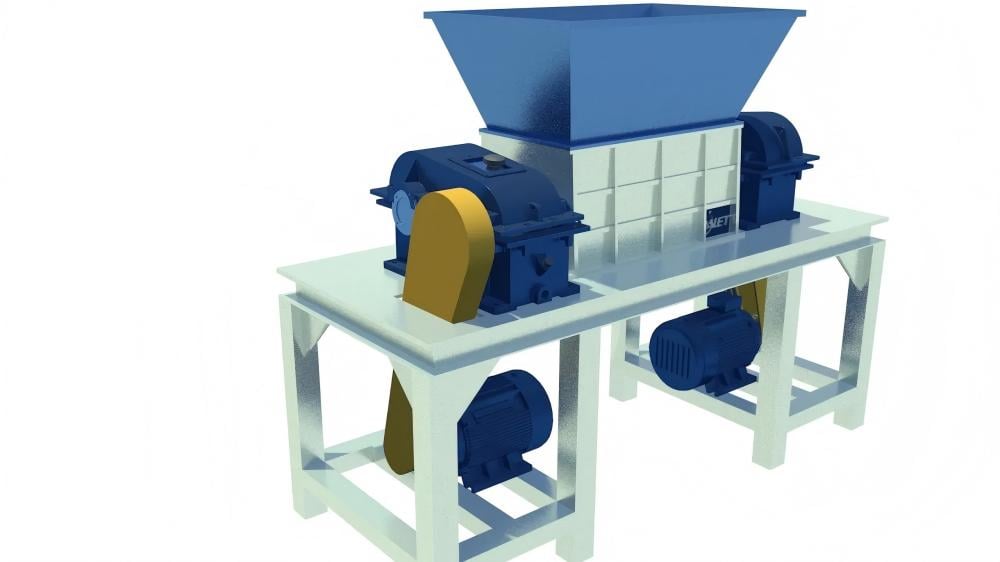
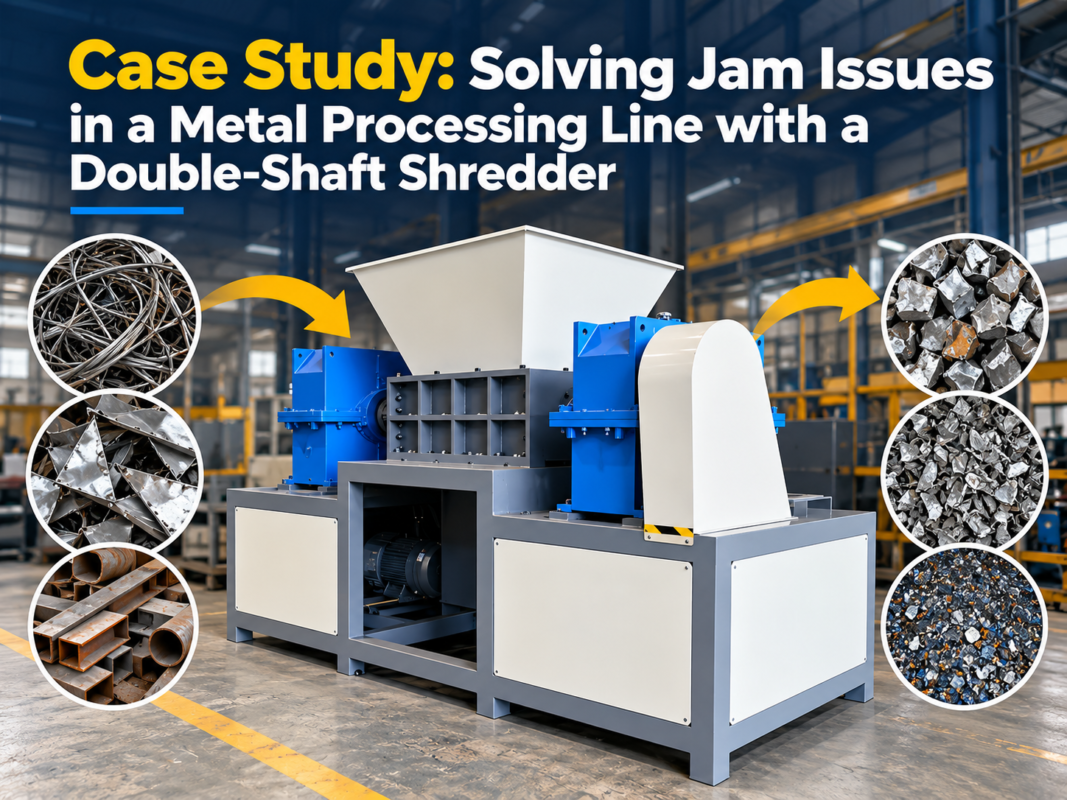
Automation and safety features also impact the configuration. Modern shredders include an “auto-reverse” function. When the PLC detects an overload or a jam, it automatically reverses the shafts to clear the material before attempting to shred again. This prevents motor burnout and reduces manual intervention. Additionally, the inclusion of hydraulic feeders or hoppers can significantly increase the efficiency of the feeding process, especially for bulky or lightweight materials that don’t gravity-feed well.
Hidden Costs of Owning a Double-Shaft Shredder
The purchase price is only the beginning of the total cost of ownership (TCO). One of the most significant hidden costs is energy consumption. A 100HP shredder running 8 hours a day can result in substantial monthly utility bills. Choosing a machine with high-efficiency motors and a gearbox optimized for the specific material can reduce these costs over time. Some modern systems also use variable frequency drives (VFDs) to match power consumption to the load.
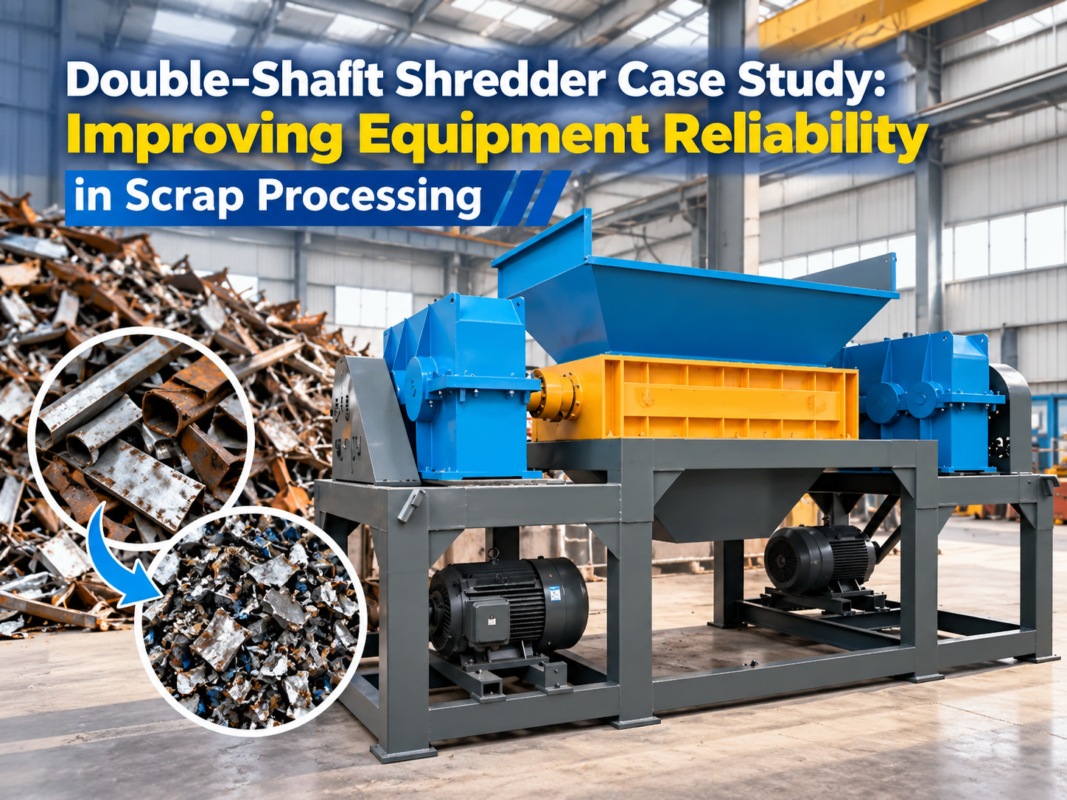
Maintenance and wear parts represent another ongoing expense. Blades will eventually dull. Depending on the material (e.g., abrasive glass-filled plastics vs. soft aluminum), you may need to sharpen blades every few months or every few years. The cost of downtime during blade changes can be high, so look for designs that allow for easy access to the cutting chamber. Lubrication systems, bearing replacements, and hydraulic fluid changes must also be factored into the annual budget.
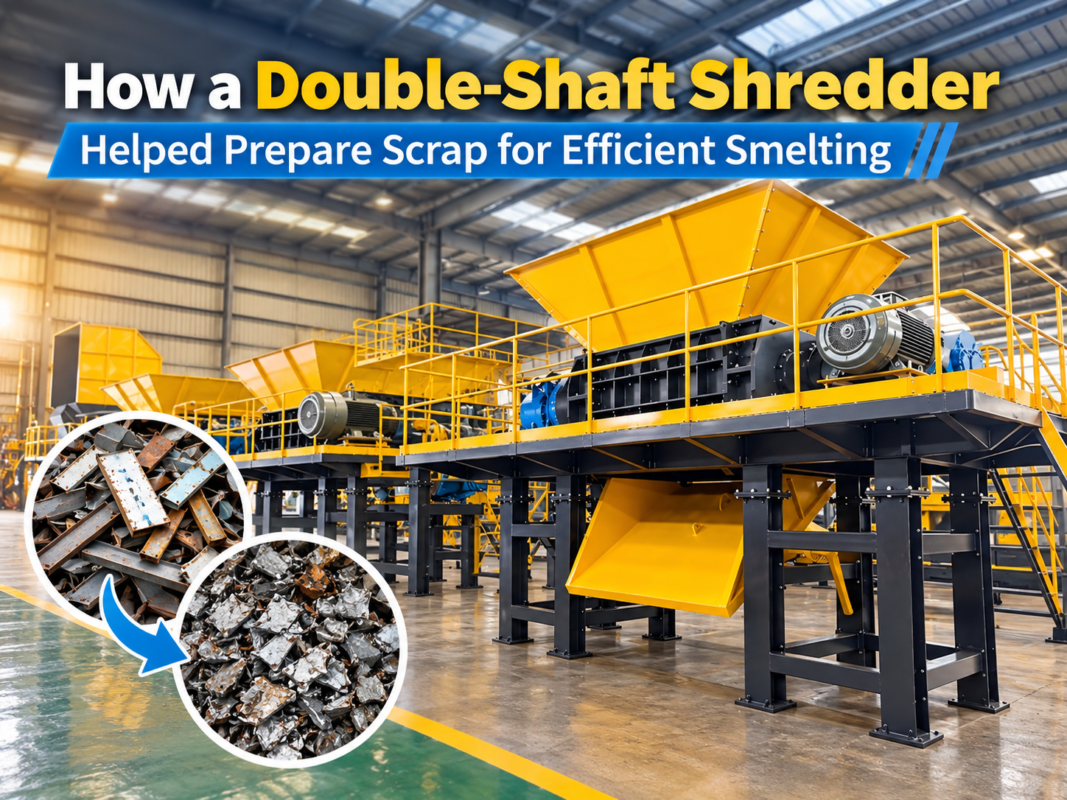
Logistics and installation are often underestimated. These machines are heavy and may require specialized rigging and foundation work. Furthermore, if the shredder is part of a larger line, you may need conveyors, magnetic separators, or dust extraction systems to manage the output. Integrating these components requires engineering time and additional hardware, which should be accounted for during the initial planning phase of your double-shaft shredder production line.
ROI Calculation: Is the Investment Worth It?
To justify the purchase of a double-shaft shredder, you must calculate the Return on Investment (ROI). The primary way a shredder generates value is through volume reduction. For many companies, waste disposal costs are based on the number of pickups or the volume of the bins. By shredding waste, you can often reduce the volume by a ratio of 3:1 or even 5:1, drastically cutting disposal fees.
Another factor is the resale value of processed material. Unprocessed scrap metal or plastic often fetches a lower price than clean, shredded material that is ready for melting or pelletizing. If your shredder allows you to turn a waste product into a sellable commodity, the machine can pay for itself in a matter of months. For example, a facility processing 2 tons of plastic waste per day might see a $200 increase in material value per ton after shredding, leading to $400 in daily additional revenue.
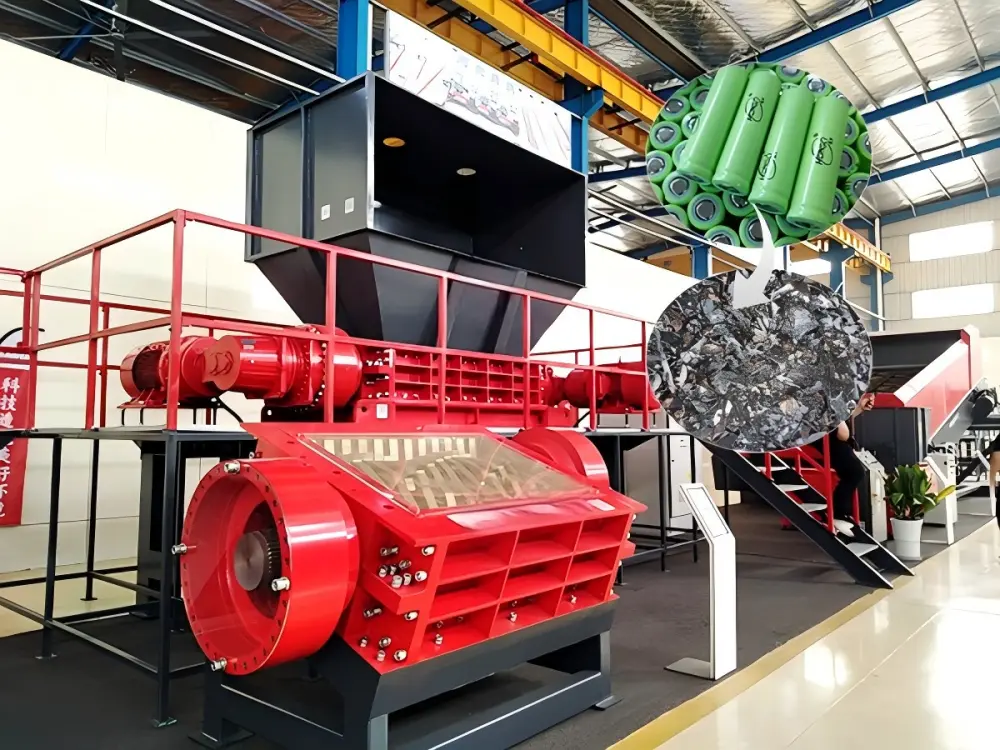
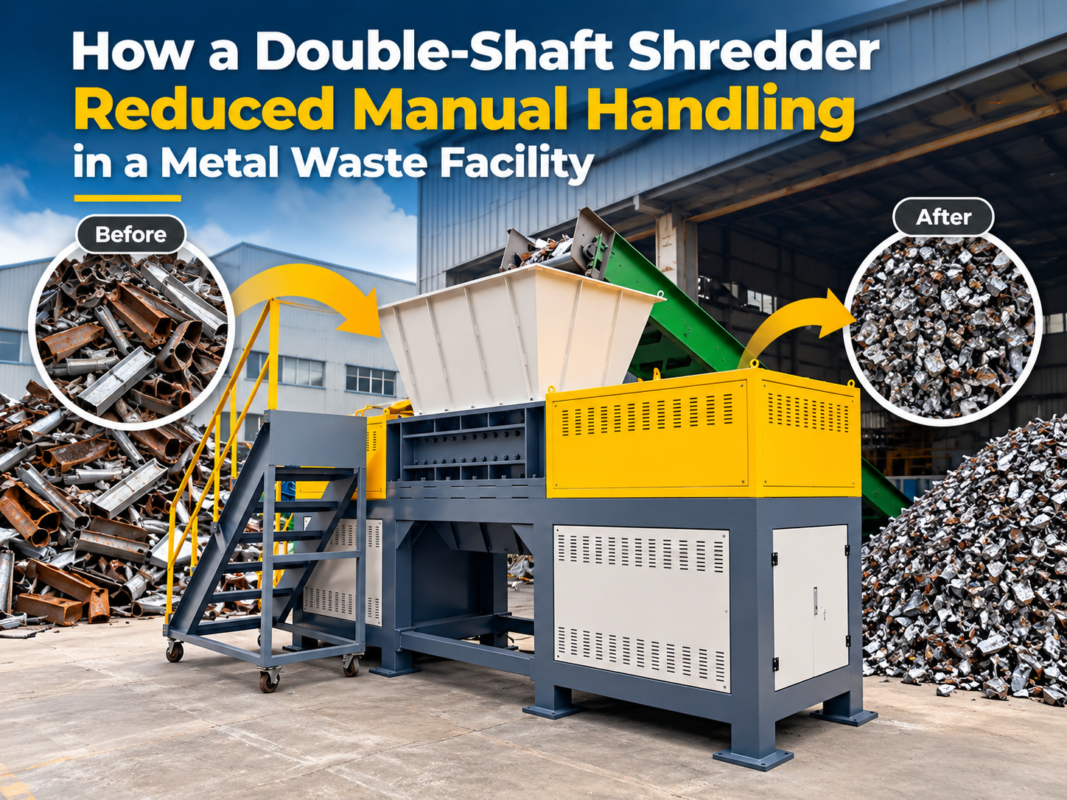
Labor savings should also be considered. Manually breaking down large items is slow and dangerous. An automated shredding line reduces the need for manual labor and improves workplace safety. To calculate ROI, use the formula: (Annual Savings + Annual Revenue Increase – Annual Operating Costs) / Initial Investment. Most high-quality HARSLE shredders see a full ROI within 12 to 24 months, depending on the throughput and material type.
Buying Advice: How to Choose the Right Partner
When you are ready to choose a double-shaft shredder for your production line, the manufacturer you select is as important as the machine itself. Start by requesting a material test. A reputable manufacturer like HARSLE will often allow you to send samples of your specific waste material to be tested on their machines. This ensures that the blade profile, torque, and throughput meet your expectations before you commit to a purchase.
Evaluate the after-sales support. Does the manufacturer provide detailed manuals, a comprehensive spare parts list, and technical support? In the world of industrial machinery, downtime is the enemy. Knowing that you can get replacement blades or a new PLC module quickly is vital. Check for certifications like CE or ISO, which indicate that the machine meets international safety and quality standards.
Finally, consider future-proofing. Your production needs today might not be the same as they are in five years. Choosing a machine with a slightly higher capacity than currently required can prevent the need for a costly upgrade later. Look for modular designs where components like the motor or gearbox can be upgraded, or where additional downstream equipment can be easily integrated into the existing control system.
Frequently Asked Questions (FAQ)
1. Can a double-shaft shredder handle all types of metal?
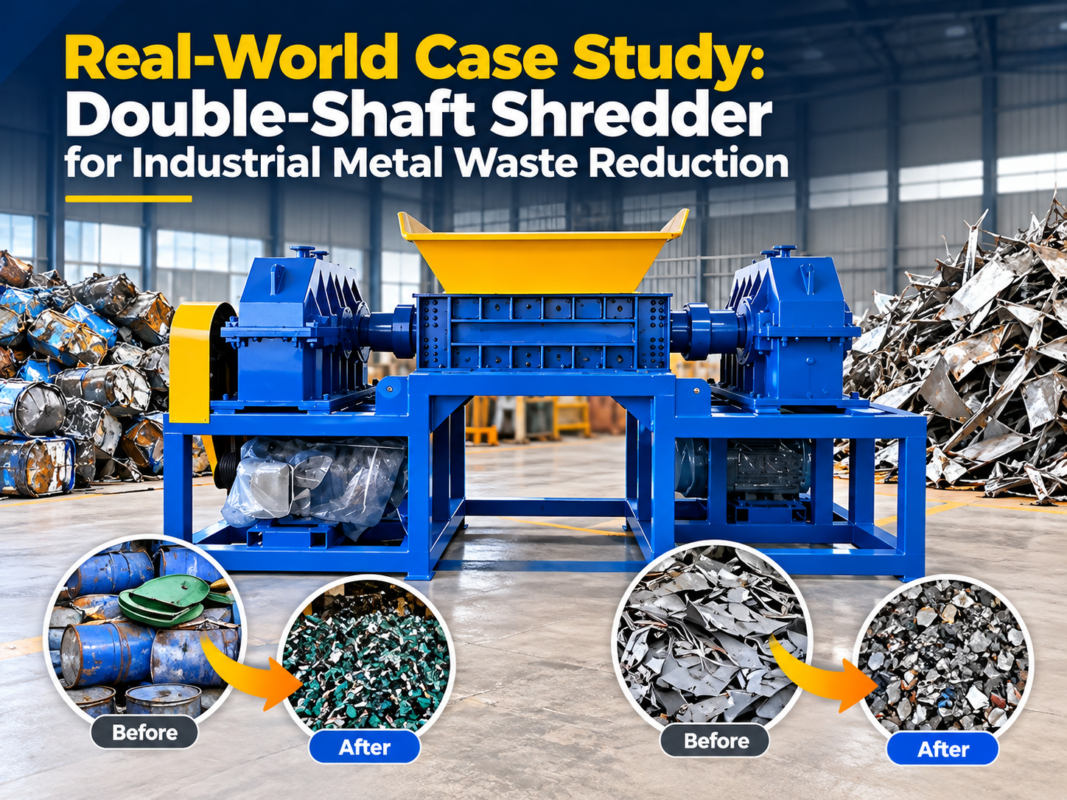
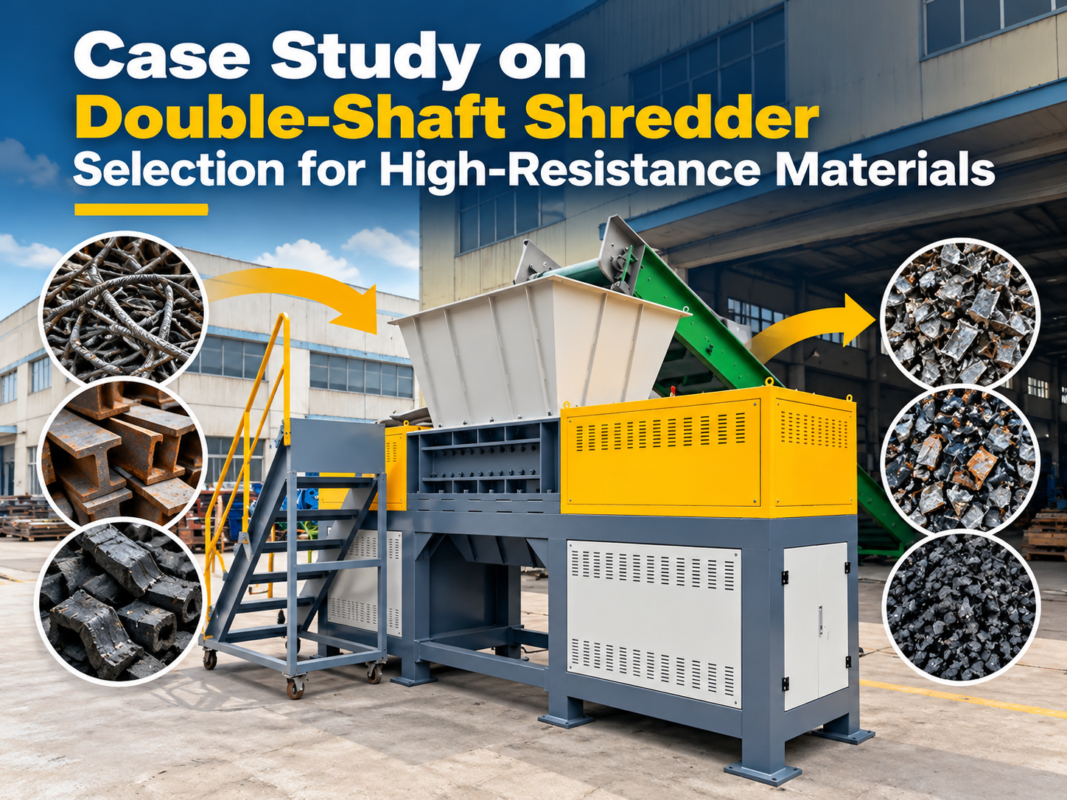
While double-shaft shredders are excellent for light to medium metals like aluminum extrusions, copper wire, and thin steel sheets, they are not typically designed for thick structural steel or heavy engine blocks. For those materials, a specialized metal crusher or a much larger, high-horsepower shredder is required. Always consult with the manufacturer regarding the maximum thickness and hardness of the metal you intend to process.
2. How often do the blades need to be replaced?
Blade life depends entirely on the material being shredded and the blade’s metallurgy. For non-abrasive plastics, blades can last for several thousand hours. For abrasive materials like glass-reinforced polymers or contaminated scrap metal, they may need sharpening every 500-1,000 hours. Many HARSLE blades are designed to be sharpened multiple times before needing a full replacement.
3. What is the difference between a single-shaft and a double-shaft shredder?
A single-shaft shredder uses a high-speed rotor with small cutters and a hydraulic pusher to press material against the rotor; it is best for achieving a small, uniform particle size in plastics. A double-shaft shredder uses low-speed, high-torque counter-rotating shafts; it is better for bulky, heavy materials and high-volume throughput where a specific, tiny particle size is less critical than volume reduction.
4. Does the machine require a special foundation?
Small and medium shredders can usually be placed on a standard reinforced concrete factory floor. However, very large, heavy-duty shredders may require a dedicated foundation to manage the weight and the dynamic loads (vibrations) produced during operation. Always check the machine’s technical specifications for floor loading requirements.
5. Can the output size be adjusted?
In a double-shaft shredder, the output size is primarily determined by the width of the blades and the number of hooks. Unlike single-shaft shredders, they do not typically use a screen. If you need a very specific output size, you may need to follow the double-shaft shredder with a granulator or choose a specific blade configuration tailored to that size.