How to Select a Double-Shaft Shredder for Metal Recycling and Industrial Waste

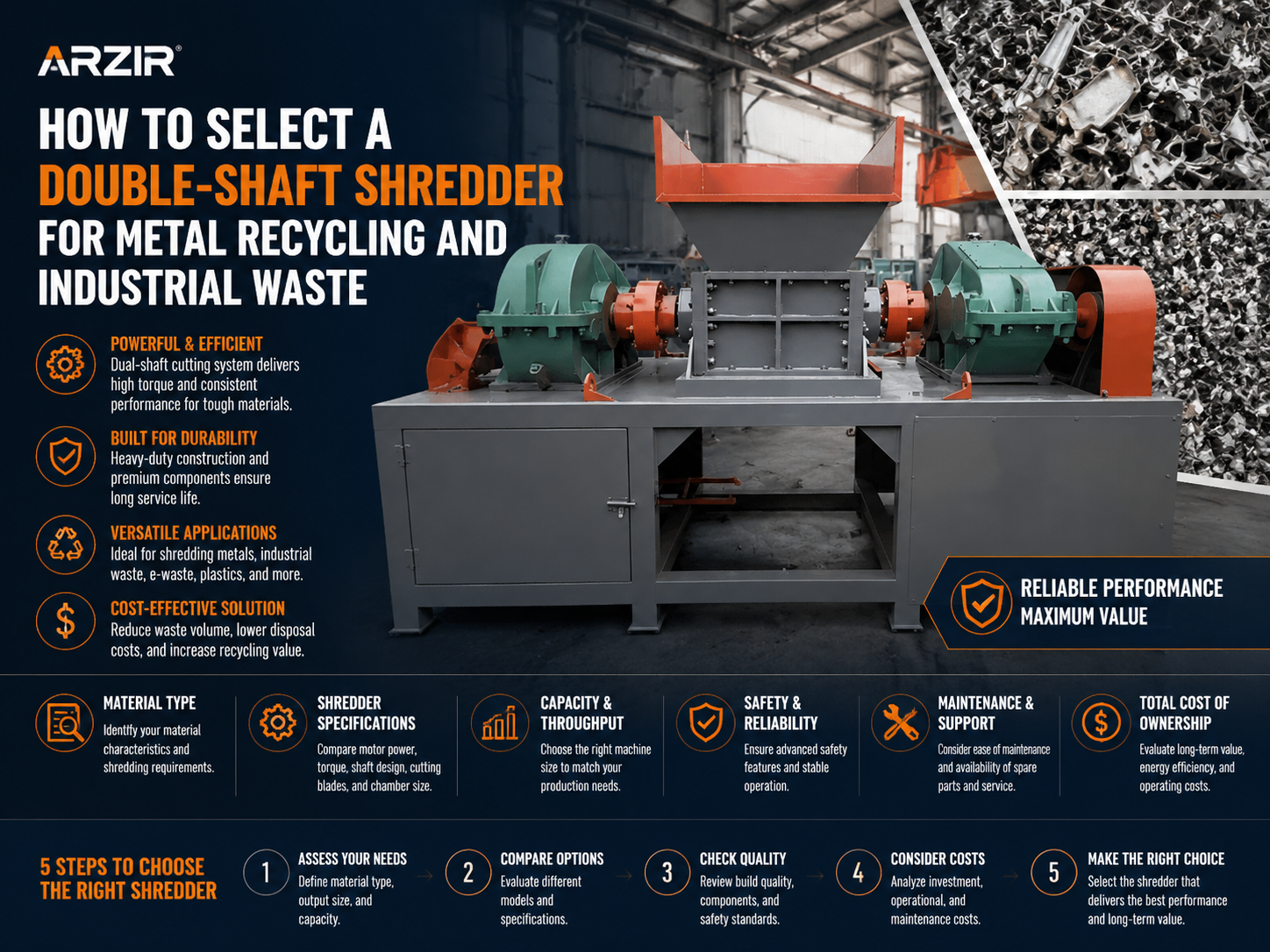
Introduction to Double-Shaft Shredders in Modern Industry
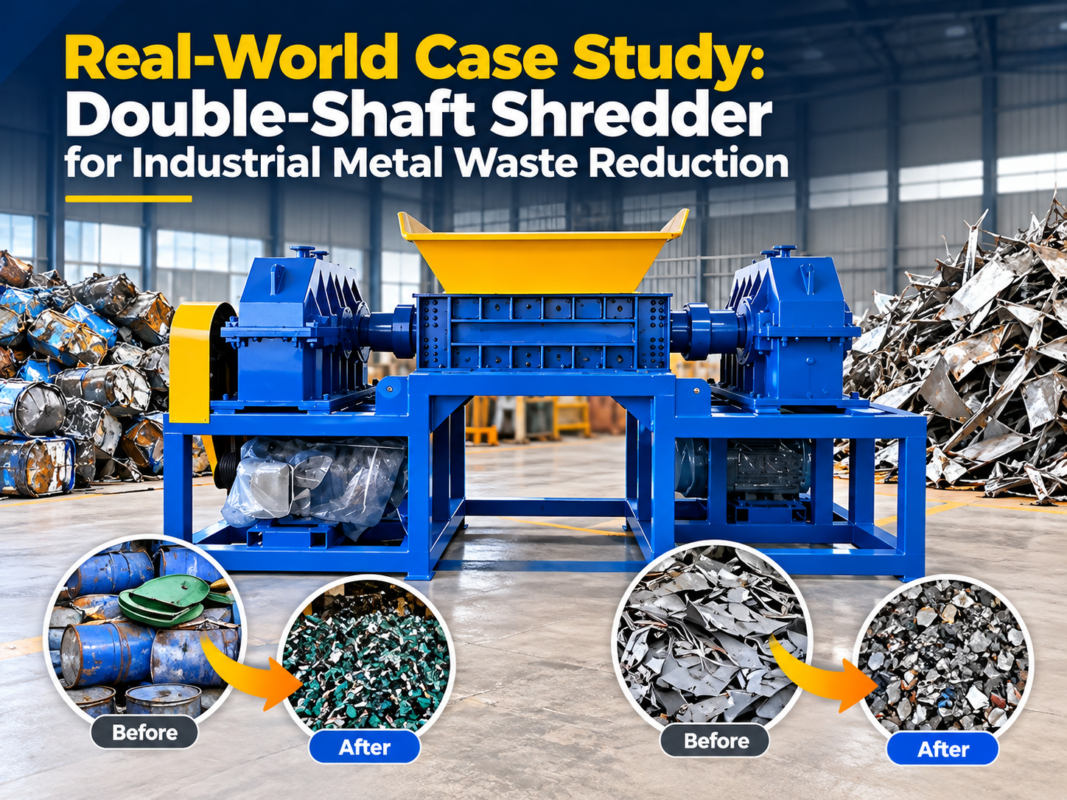
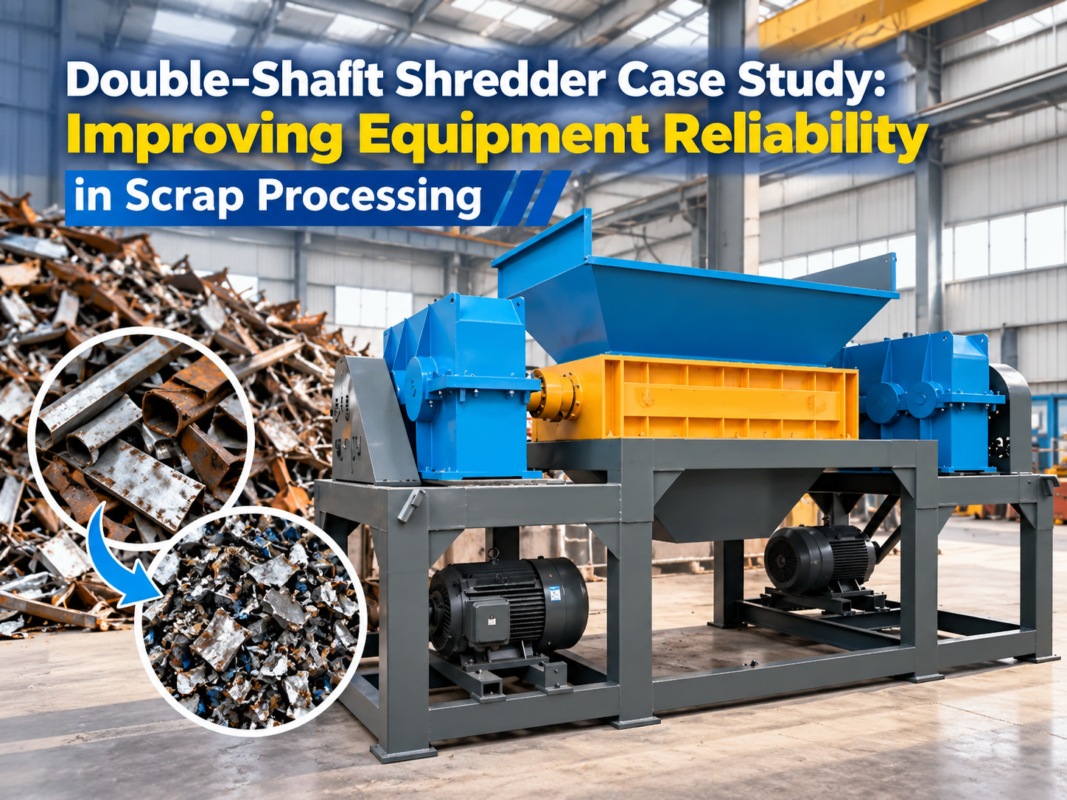
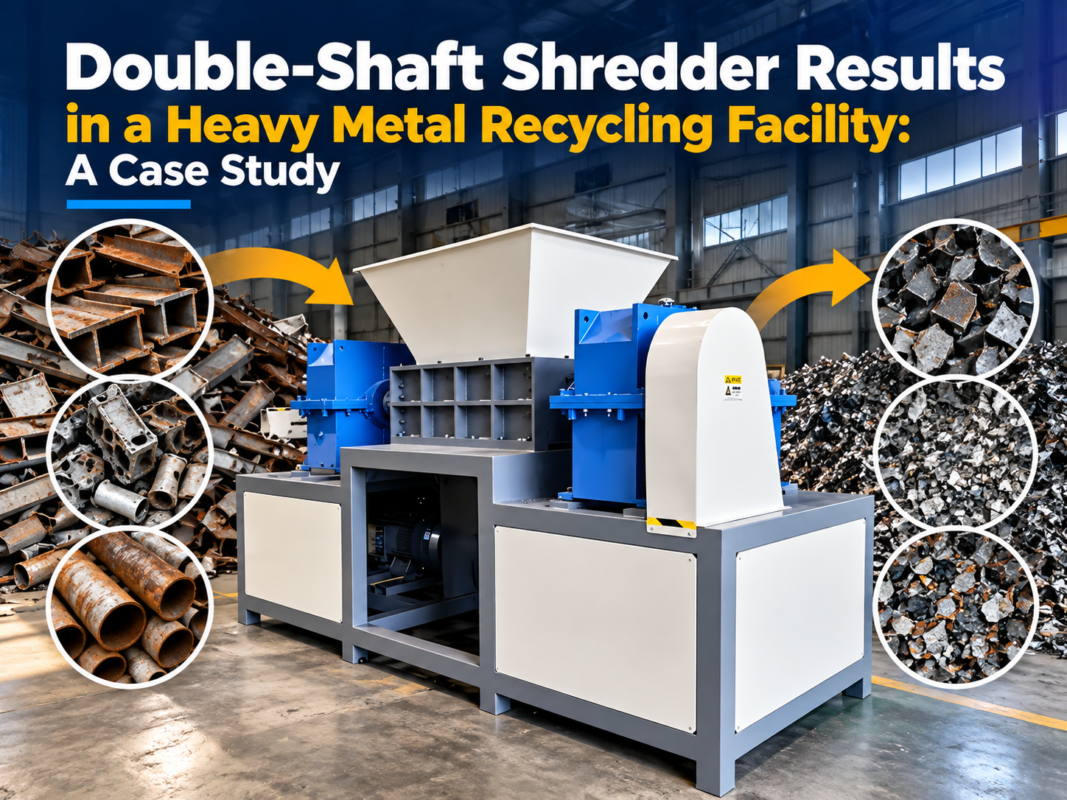
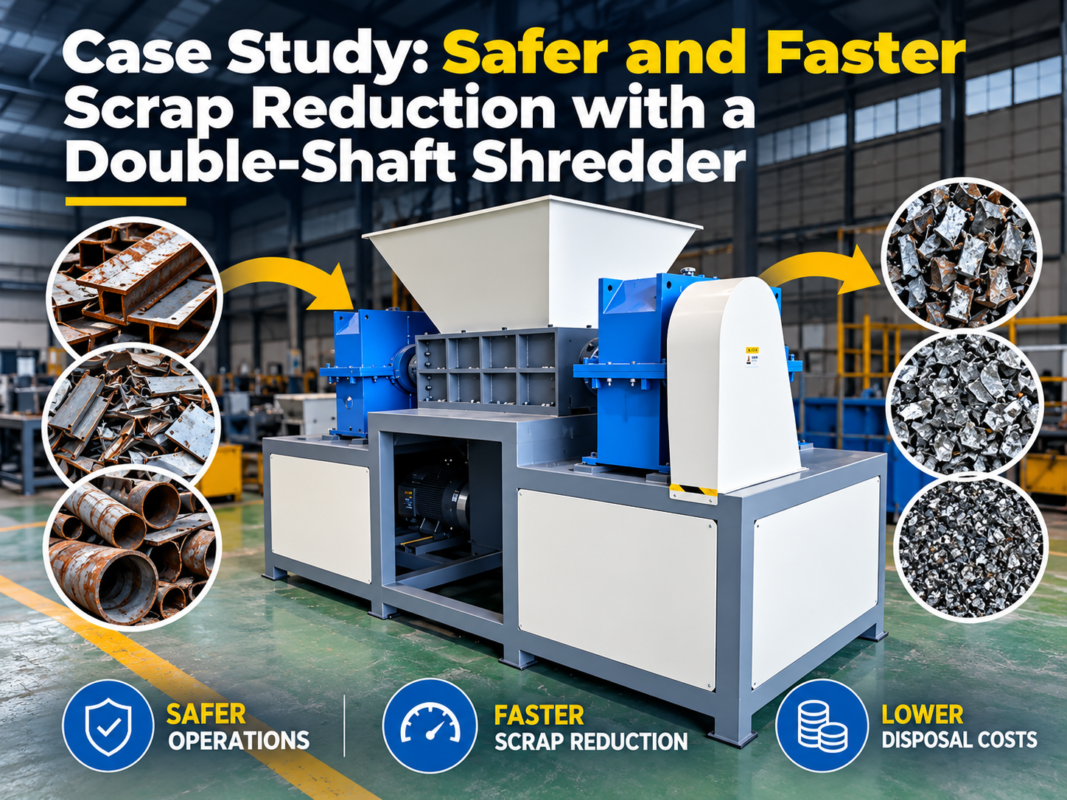
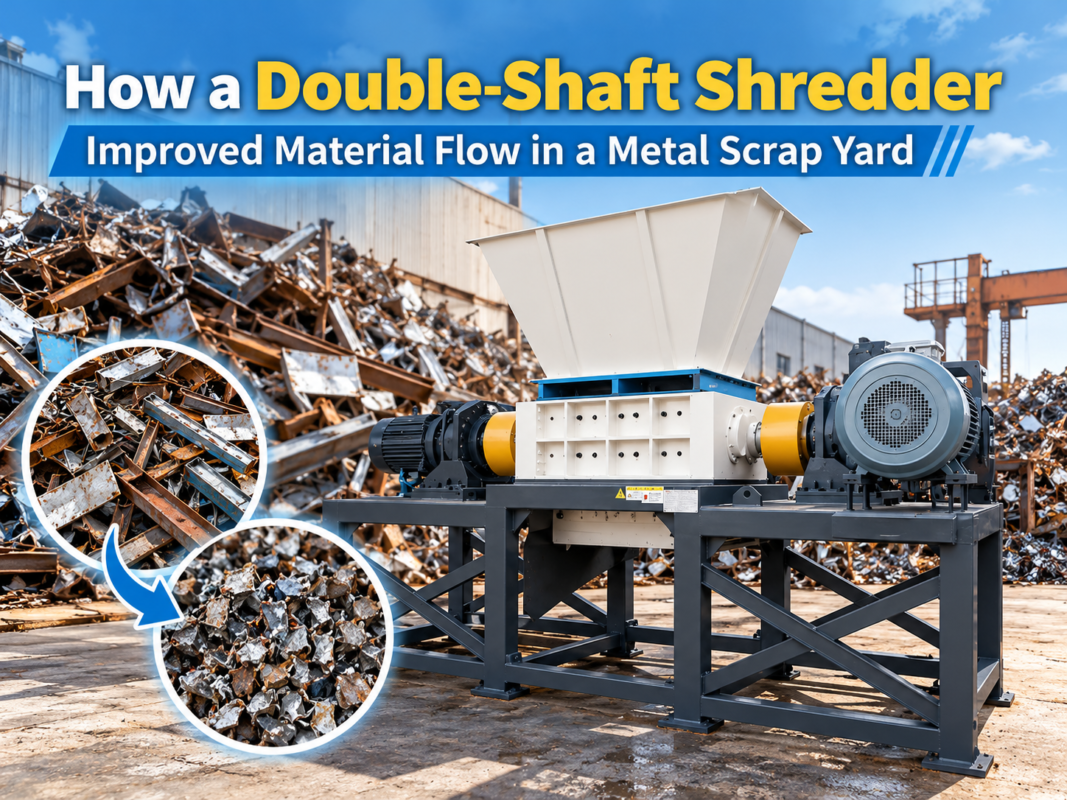
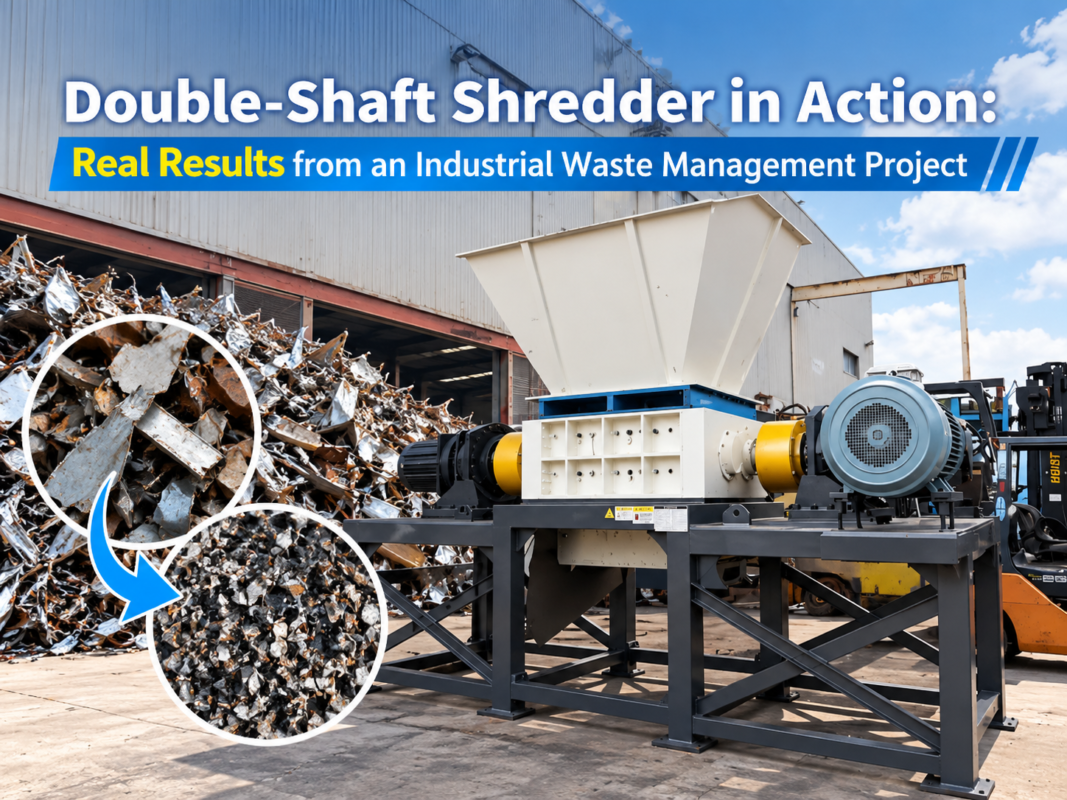
In the rapidly evolving landscape of global manufacturing and environmental stewardship, the ability to efficiently process waste is no longer just a regulatory requirement—it is a competitive advantage. When you decide to Select A Double-Shaft Shredder Metal Recycling Industrial Waste, you are investing in the backbone of a circular economy. These machines, often referred to as shear shredders, utilize two counter-rotating shafts equipped with interlocking blades to tear, cut, and compress bulky materials into manageable sizes. Whether you are dealing with car shells, electronic waste (e-waste), industrial plastics, or municipal solid waste (MSW), the double-shaft shredder offers the high torque and low speed necessary to handle the toughest materials.
Selecting the right equipment requires a deep understanding of your material stream and your end-goal requirements. A shredder designed for light plastic scrap will fail catastrophically if fed heavy-duty steel reinforcements. Conversely, over-specifying a machine for light tasks leads to unnecessary capital expenditure and inflated operational costs. This guide is designed to walk you through the technical nuances, financial considerations, and operational realities of choosing a HARSLE double-shaft shredder that aligns with your industrial objectives.
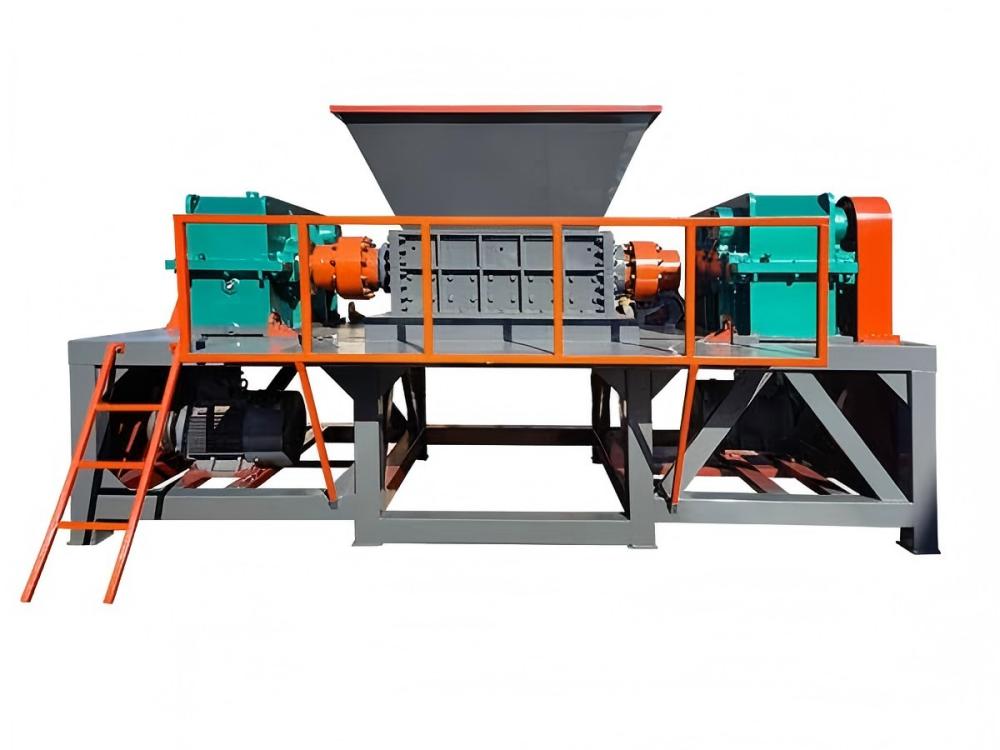
Price Range Overview: Understanding the Investment
The market for double-shaft shredders is broad, with prices reflecting the machine’s capacity, durability, and technological sophistication. Generally, the investment can be categorized into three main tiers based on the scale of operation and the nature of the waste being processed.
Entry-Level and Small-Scale Shredders ($15,000 – $45,000)
Small-scale shredders are typically designed for light industrial waste, such as thin plastics, aluminum cans, electronic components, and wood scrap. These machines usually feature motors ranging from 15kW to 30kW. While they are affordable, their throughput is limited, often capping at 500kg to 1,500kg per hour depending on the material. These are ideal for localized recycling centers or manufacturing plants looking to reduce the volume of their internal waste stream before disposal.
Mid-Range Industrial Shredders ($50,000 – $130,000)
This is the most common category for professional metal recycling facilities. These machines are built with reinforced frames and higher-grade alloy blades (such as Cr12MoV or SKD-11). With power ratings between 45kW and 110kW, they can handle tougher materials like car tires, light gauge metal scrap, and bulky industrial drums. Throughput in this range typically scales from 2 to 8 tons per hour. HARSLE’s mid-range models are frequently selected for their balance of price and performance, offering the durability needed for multi-shift operations.
Heavy-Duty and Custom Shredding Systems ($150,000 – $500,000+)
For large-scale scrap yards and municipal waste processing plants, heavy-duty shredders are a necessity. These units feature massive torque densities, often utilizing dual 75kW or 110kW motors and planetary gearboxes. They are capable of shredding whole car bodies, thick-walled metal pipes, and large quantities of MSW. These systems often include integrated conveyors, magnetic separators, and advanced PLC control systems to automate the entire recycling line. The price reflects not just the machine, but the engineering required to ensure 24/7 reliability under extreme stress.
Main Cost Drivers: What Are You Paying For?
When you Select A Double-Shaft Shredder Metal Recycling Industrial Waste, several key components dictate the final price tag. Understanding these drivers helps you prioritize features that offer the most value for your specific application.
1. Blade Material and Manufacturing Process
The blades are the primary wear part of any shredder. High-quality blades are made from specialized alloy steels like D2, DC53, or specialized heat-treated manganese steel. The cost increases with the complexity of the blade design (e.g., multi-hook vs. single-hook) and the precision of the machining. Investing in superior blade material reduces the frequency of sharpening and replacement, which is critical for long-term cost control.
2. Motor and Drive System
The choice between electric and hydraulic drives is a significant cost factor. Electric drives with high-efficiency motors (like Siemens or ABB) and planetary gearboxes provide excellent torque and energy efficiency for most metal recycling tasks. Hydraulic drives, while often more expensive, offer superior shock absorption and variable speed control, which is beneficial when processing highly unpredictable waste streams that may contain non-shreddable items.
3. Frame and Structural Integrity
A shredder is subject to immense vibration and structural stress. A cheaper machine often uses thinner steel plates for the housing and a lighter-weight chassis. Premium machines, such as those from HARSLE, utilize thick, CNC-machined steel plates and heavy-duty bearings to ensure the shafts remain perfectly aligned even under maximum load. This structural rigidity prevents premature bearing failure and housing cracks.
4. Control Systems and Automation
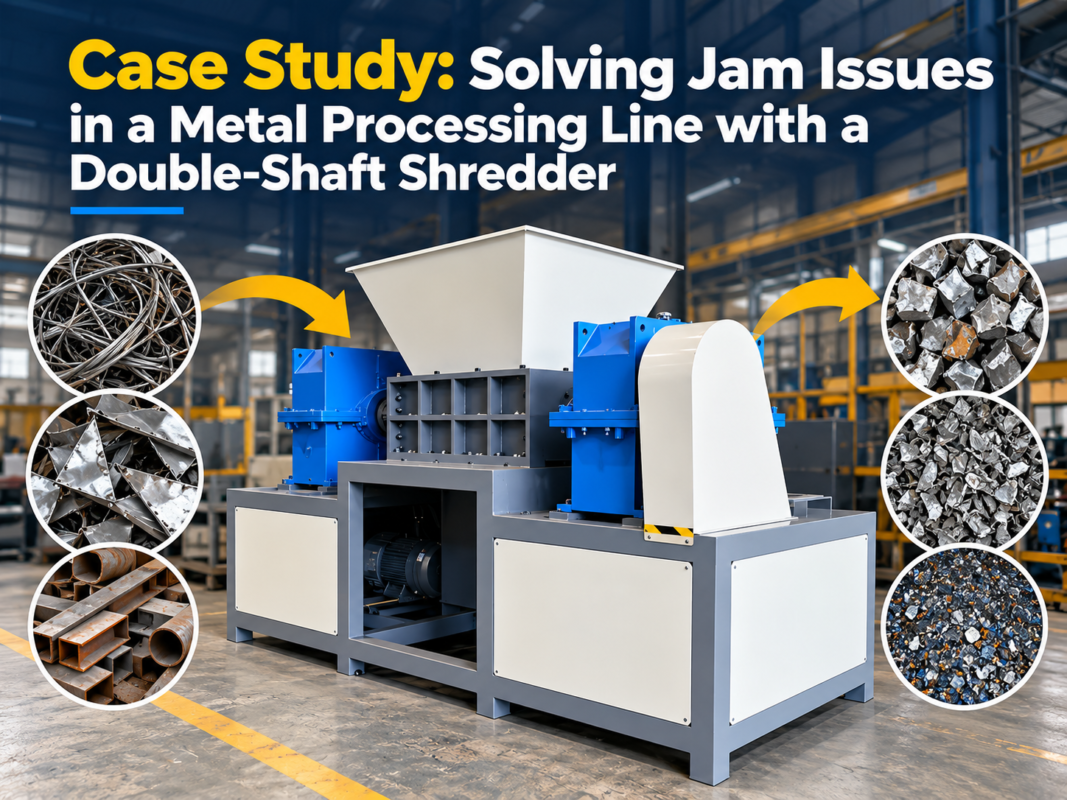
Modern industrial shredders rely on sophisticated PLC (Programmable Logic Controller) systems. These systems monitor the motor load in real-time. If the machine encounters a jam, the PLC triggers an automatic reverse function to clear the obstruction before resuming shredding. Advanced touch-screen interfaces, remote monitoring capabilities, and integration with upstream/downstream equipment add to the initial cost but significantly improve safety and efficiency.
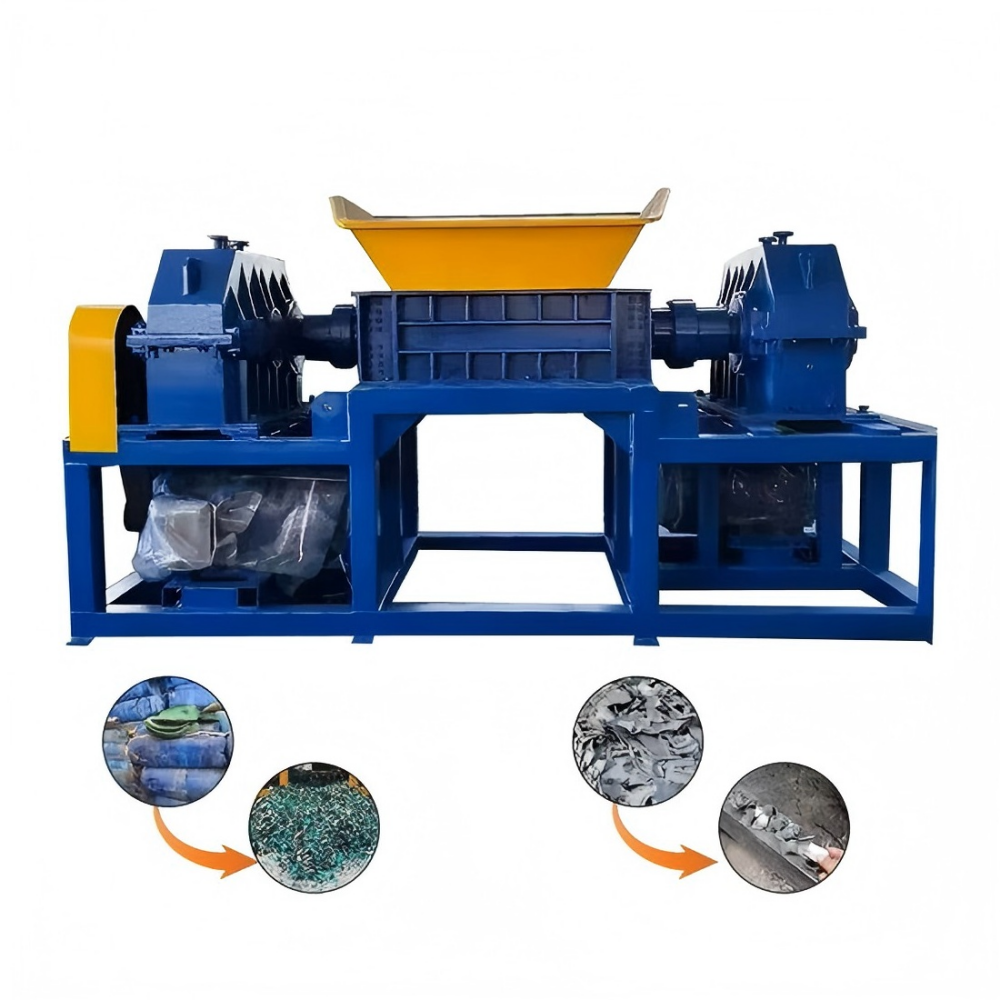
Configuration Impact: Tailoring the Machine to the Material
The configuration of a double-shaft shredder must be matched to the physical properties of the waste. A “one size fits all” approach rarely works in industrial recycling.
Shaft Design and Blade Thickness
The thickness of the blades determines the width of the shredded output. For metal recycling where the goal is high-density scrap for smelting, thinner blades might be used to create smaller fragments. For volume reduction of bulky waste, thicker blades are more efficient. Additionally, the number of “hooks” or “teeth” on each blade affects how the machine grabs the material. Aggressive multi-hook designs are better for bulky plastics and tires, while flatter profiles may be used for consistent metal shearing.
Hopper and Feeding Mechanism
The size of the hopper must accommodate the largest piece of waste you intend to process. For light, voluminous materials like plastic bottles or aluminum shavings, a standard gravity-fed hopper is sufficient. However, for bulky items that might “bridge” or float on top of the shafts, a hydraulic pusher or ram is necessary to force the material into the cutting chamber. This configuration change can significantly impact throughput and machine footprint.
Discharge and Sizing Screens
While double-shaft shredders are primarily “primary” shredders (meaning they produce a rough output), some configurations allow for the installation of screens underneath the shafts. These screens ensure that only material smaller than the hole size can exit the machine. While this provides a more uniform product, it can also reduce throughput and increase the risk of heat buildup if the material is recirculated too many times.
Hidden Costs: Beyond the Initial Purchase
The sticker price of a shredder is only the beginning. To truly understand the cost of ownership, you must account for the “hidden” expenses that occur over the machine’s lifecycle.
- Energy Consumption: Shredding metal is energy-intensive. A machine that is 10% more energy-efficient can save tens of thousands of dollars in electricity over five years. Look for high-efficiency motors and optimized gearbox ratios.
- Blade Maintenance: Blades will eventually dull. The cost of removing, sharpening, and re-installing blades—or replacing them entirely—is a major operational expense. Consider the ease of access to the cutting chamber when selecting a model.
- Wear Parts: Beyond blades, items like spacers, cleaning fingers, and bearings require periodic replacement. Sourcing these parts from a reliable manufacturer like HARSLE ensures you aren’t paying inflated prices for proprietary components.
- Downtime: The most significant hidden cost is the loss of production. A machine that is difficult to service or has a long lead time for spare parts can halt your entire recycling line.
ROI Calculation: Making the Business Case
To justify the purchase of a double-shaft shredder, you must calculate the Return on Investment (ROI). This involves comparing the total cost of ownership against the revenue or savings generated.
Revenue Generation from Scrap Value
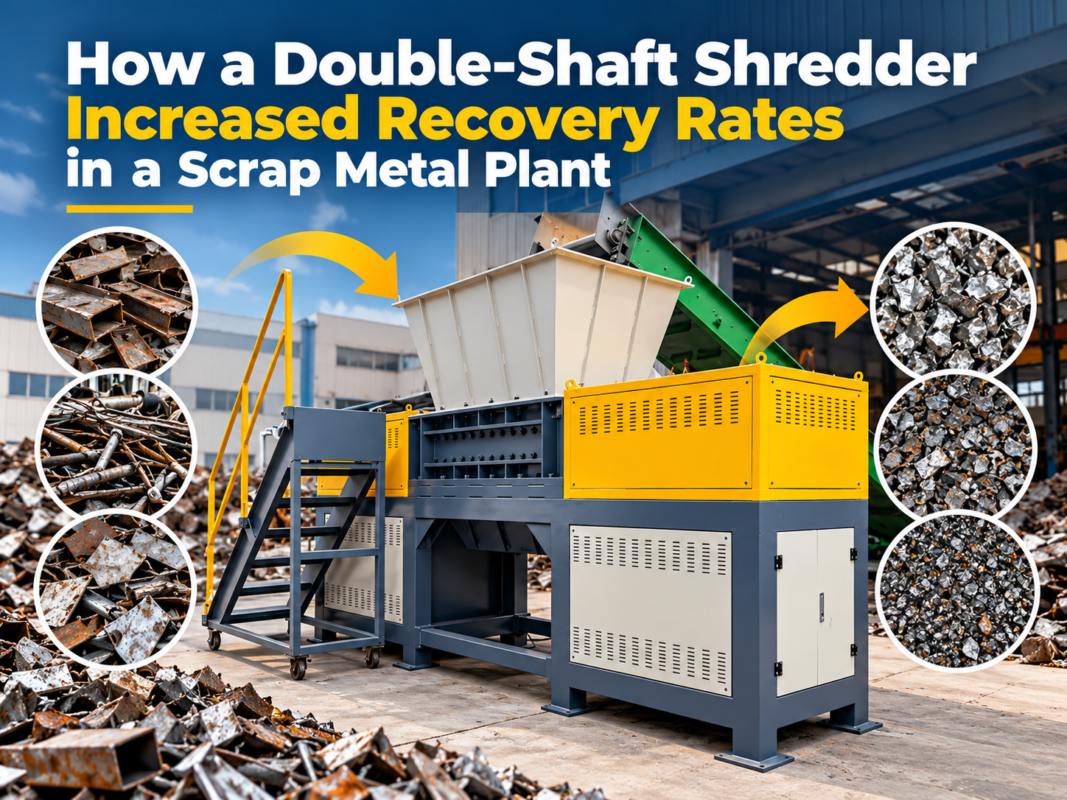
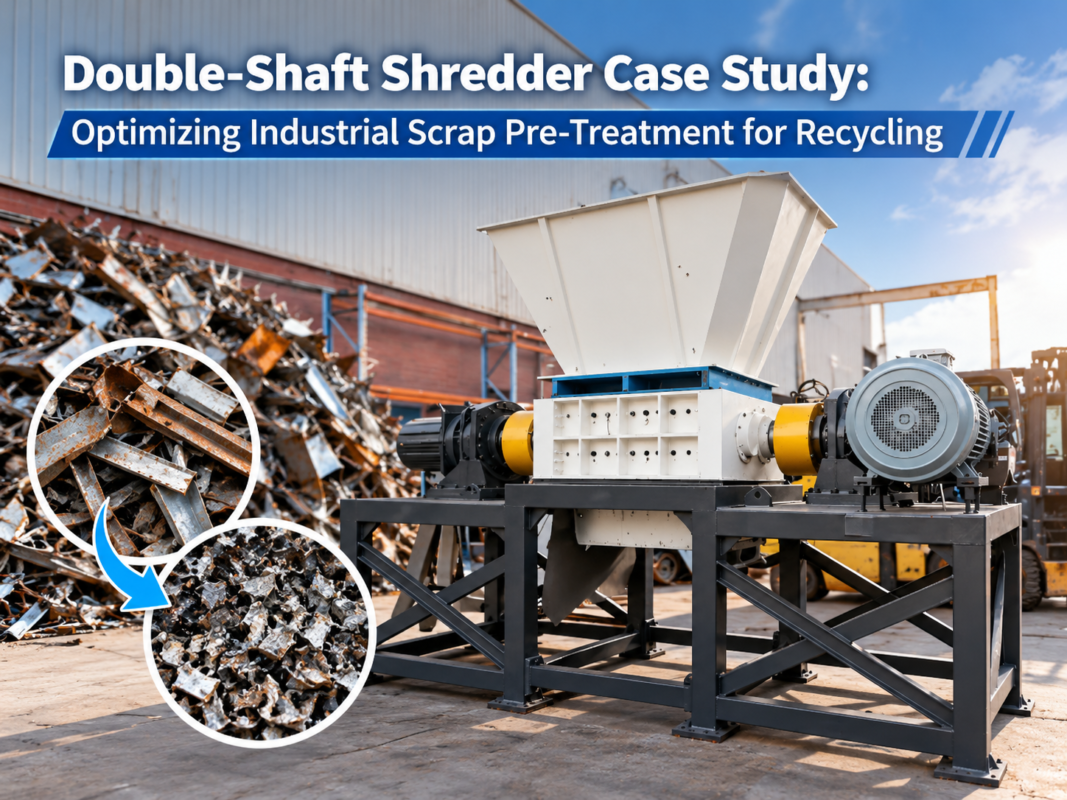
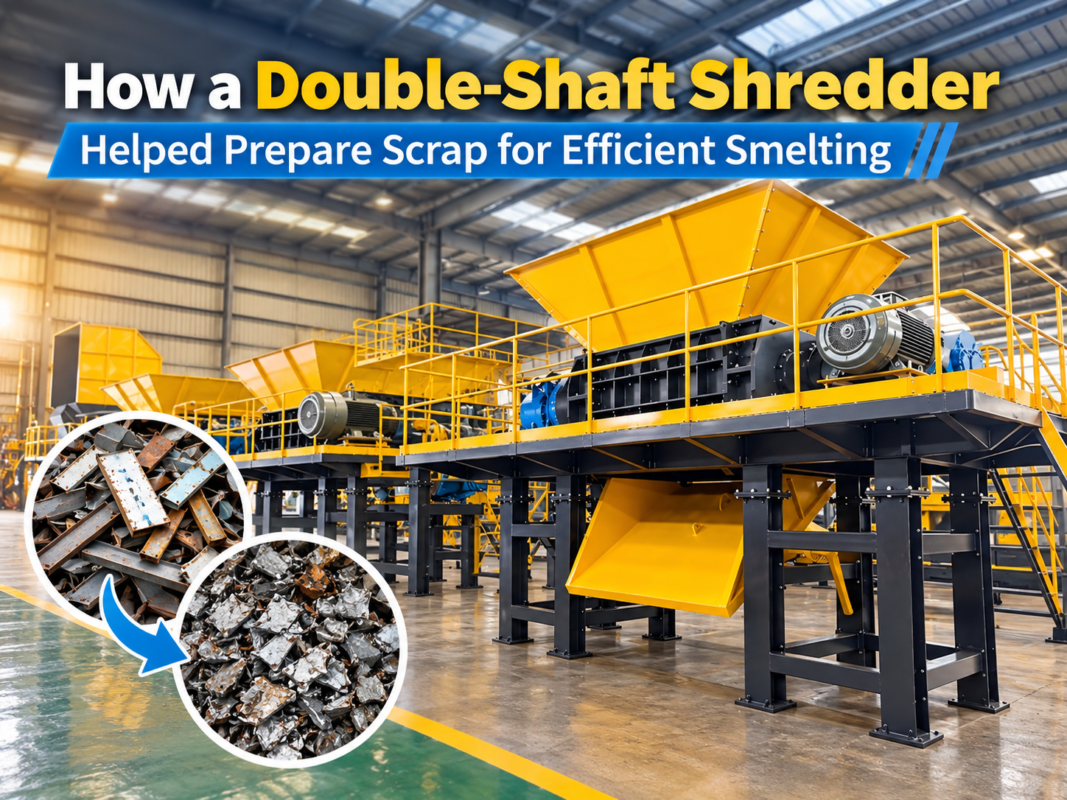
Shredded metal often commands a higher price per ton than bulky scrap. Smelters prefer shredded material because it has a higher bulk density and fewer impurities, leading to more efficient melting. By shredding your waste, you can often move from selling “mixed scrap” to “premium shredded scrap,” significantly increasing your margins.
Logistics and Storage Savings
Bulky industrial waste is expensive to transport. A double-shaft shredder can achieve a volume reduction ratio of up to 8:1. This means you need fewer trucks to transport the same weight of material, drastically reducing fuel and labor costs. Additionally, shredded material takes up less space in your facility, freeing up valuable floor area for other operations.
Labor Reduction
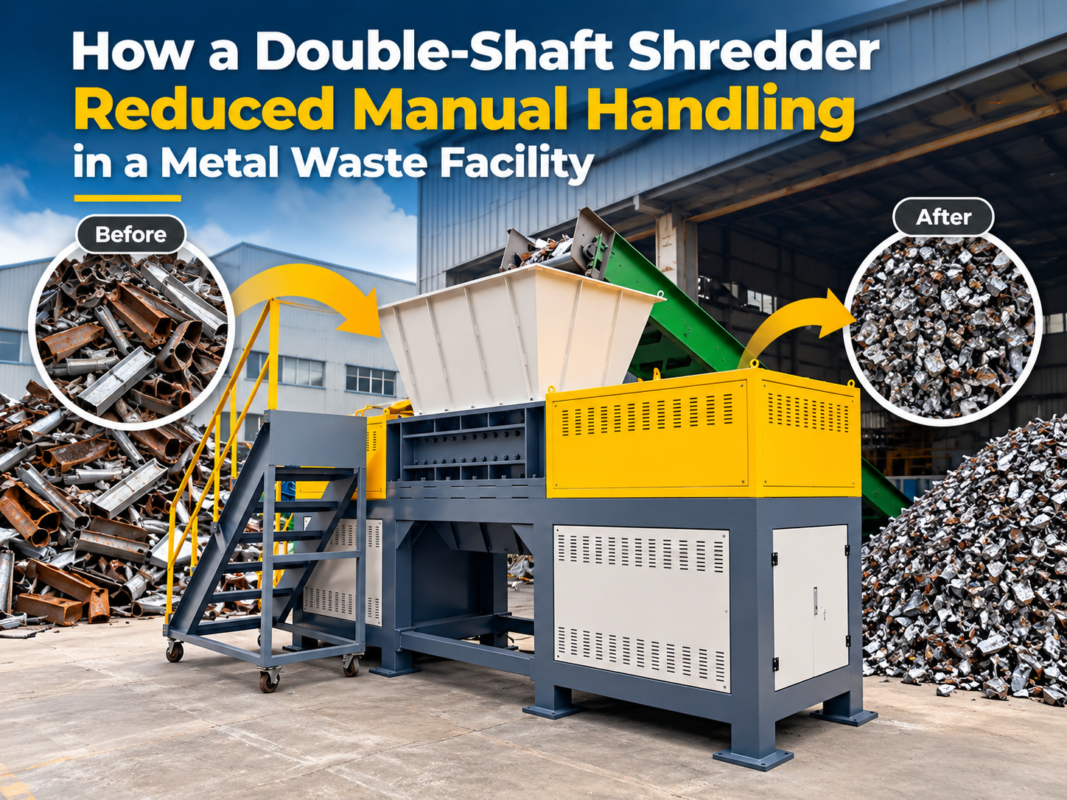
Automated shredding systems require minimal supervision compared to manual sorting and cutting. By integrating a HARSLE shredder into your workflow, you can reallocate labor to higher-value tasks, further improving your bottom line.
Buying Advice: How to Select the Right Partner
When you are ready to Select A Double-Shaft Shredder Metal Recycling Industrial Waste, follow these steps to ensure a successful acquisition:
- Perform a Material Test: Never buy a shredder without seeing how it handles your specific waste. Reputable manufacturers like HARSLE offer material testing services where you can send samples of your waste to be processed, providing proof of throughput and output quality.
- Check the Build Quality: Inspect the welding, the thickness of the frame, and the brand of the electrical components. A machine that looks “light” usually is, and it won’t stand up to the rigors of metal recycling.
- Evaluate After-Sales Support: Ask about the availability of spare parts and the technical support structure. Does the manufacturer have a global presence? Can they provide remote troubleshooting?
- Safety First: Ensure the machine complies with international safety standards (CE, UL). Features like emergency stops, safety interlocks on access doors, and overload protection are non-negotiable in an industrial setting.
Frequently Asked Questions (FAQ)
Can a double-shaft shredder handle stainless steel?
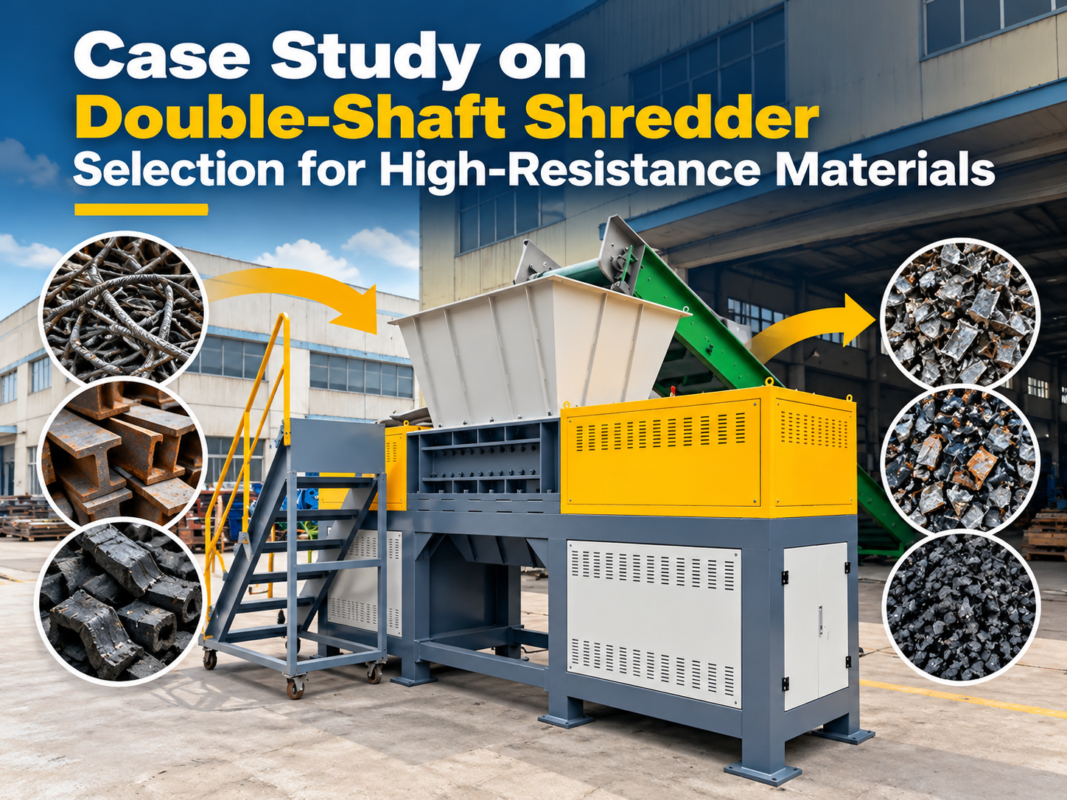
Yes, but it requires specific blade alloys and higher torque configurations. Stainless steel is much harder than mild steel or aluminum, so the machine must be rated for “heavy metal” processing to avoid premature blade chipping or motor burnout.
How often do the blades need to be sharpened?
This depends entirely on the material. Shredding clean plastic might allow blades to last for 1,000+ hours, while shredding contaminated metal scrap might require sharpening every 200-400 hours. Regular inspection is key to maintaining efficiency.
What is the difference between a single-shaft and a double-shaft shredder?
Single-shaft shredders use a high-speed rotor and a hydraulic pusher, making them excellent for achieving small, uniform particle sizes in plastics and wood. Double-shaft shredders use low-speed, high-torque shearing, making them much better for bulky, tough materials like metal, tires, and large industrial waste where volume reduction is the primary goal.
Is a hydraulic drive better than an electric drive?
Hydraulic drives are better for extremely tough, unpredictable materials because they can handle sudden stalls and shocks more gracefully. However, electric drives are generally more energy-efficient, easier to maintain, and sufficient for 90% of standard metal recycling applications.
What is the typical lead time for a HARSLE shredder?
Standard models typically have a lead time of 30 to 60 days, while highly customized systems for specific industrial waste streams may take 90 days or more to ensure precision engineering and testing.
Conclusion
To Select A Double-Shaft Shredder Metal Recycling Industrial Waste is a strategic decision that impacts your facility’s efficiency, safety, and profitability. By focusing on the technical requirements of your material, understanding the true cost of ownership, and partnering with a proven manufacturer like HARSLE, you can secure a machine that provides reliable service for decades. Whether you are looking to reduce waste volume, prepare material for smelting, or process complex industrial streams, the right double-shaft shredder is the key to unlocking the value hidden in your waste.