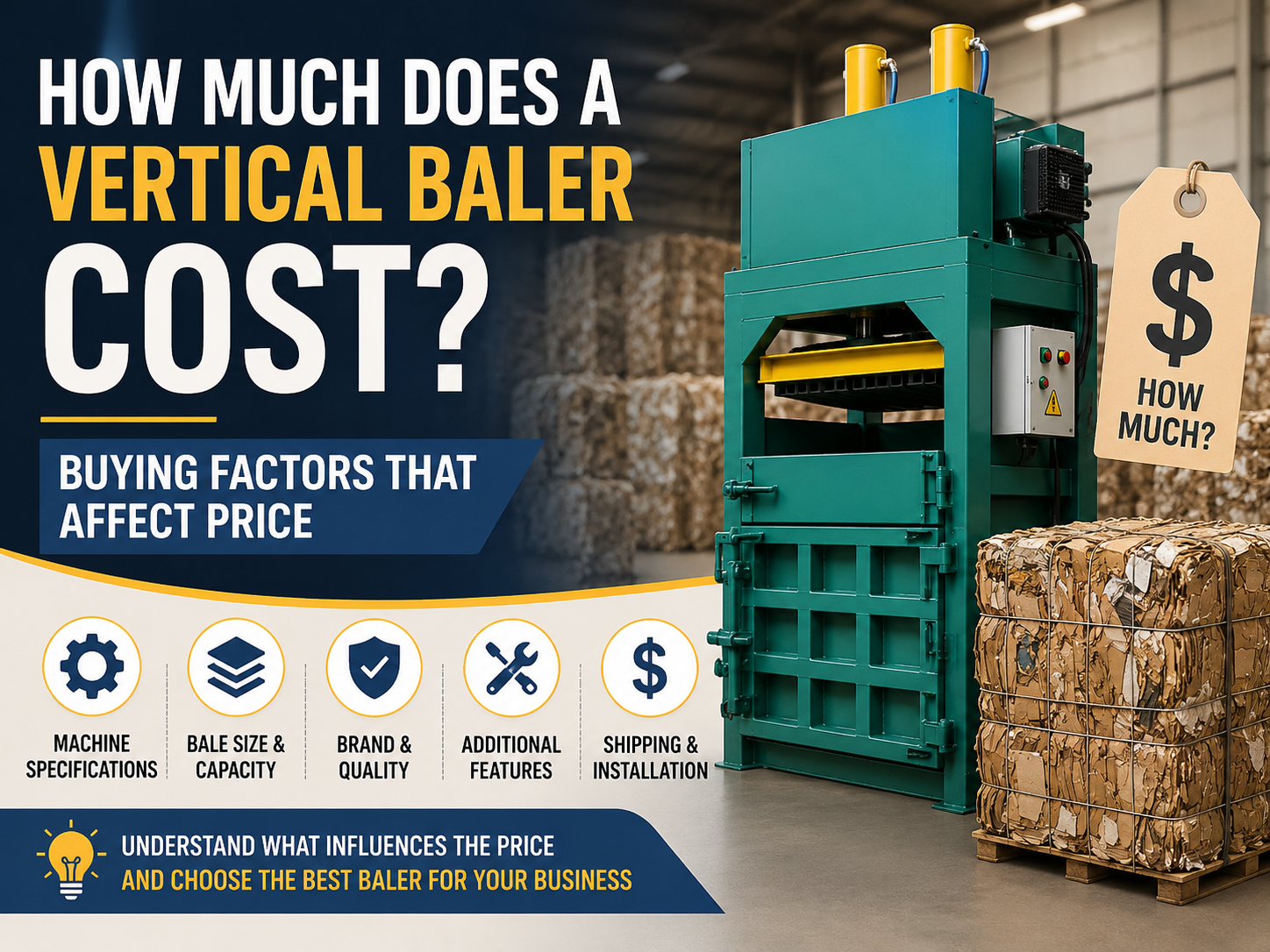
How Much Does A Vertical Baler Cost? Buying Factors That Affect Price

Introduction to Vertical Baler Investment
In the modern industrial landscape, waste management is no longer just a logistical necessity; it is a critical component of operational efficiency and sustainability. For businesses dealing with high volumes of cardboard, plastic, textiles, or light metal scraps, a vertical baler is an indispensable tool. However, the most common question procurement managers and business owners ask is: Much Does A Vertical Baler Cost? Buying Factors That Affect Price are numerous and complex, ranging from raw material costs to advanced hydraulic configurations.
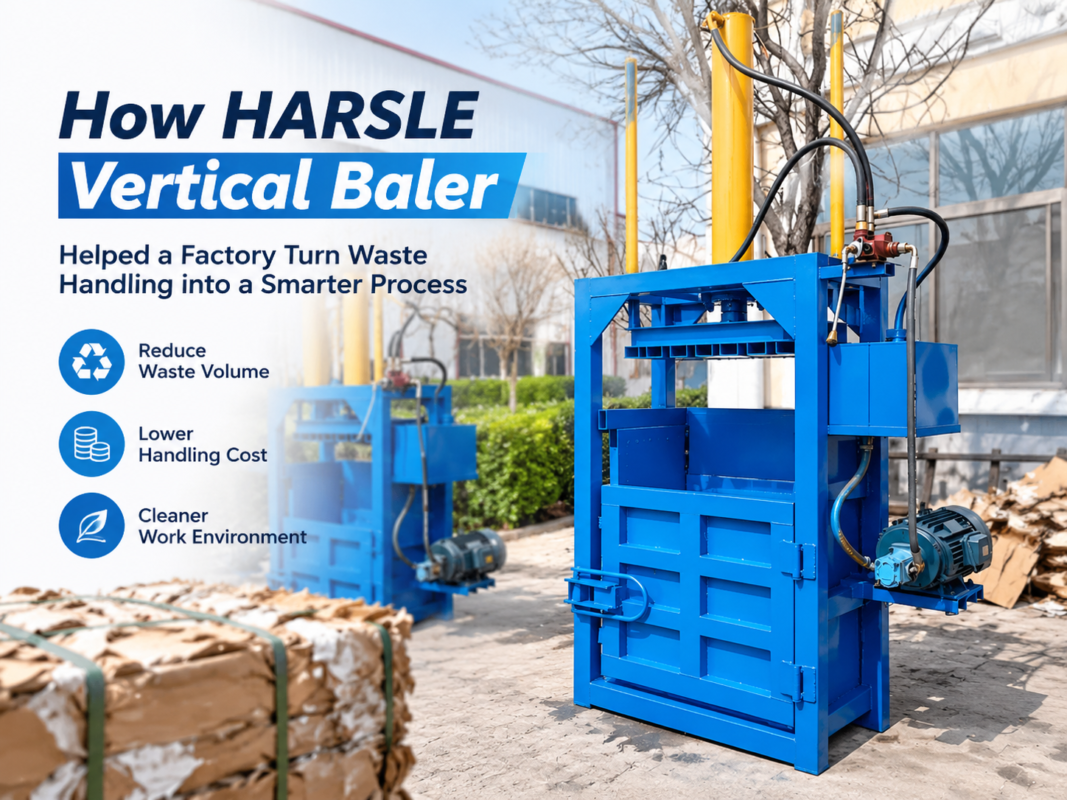
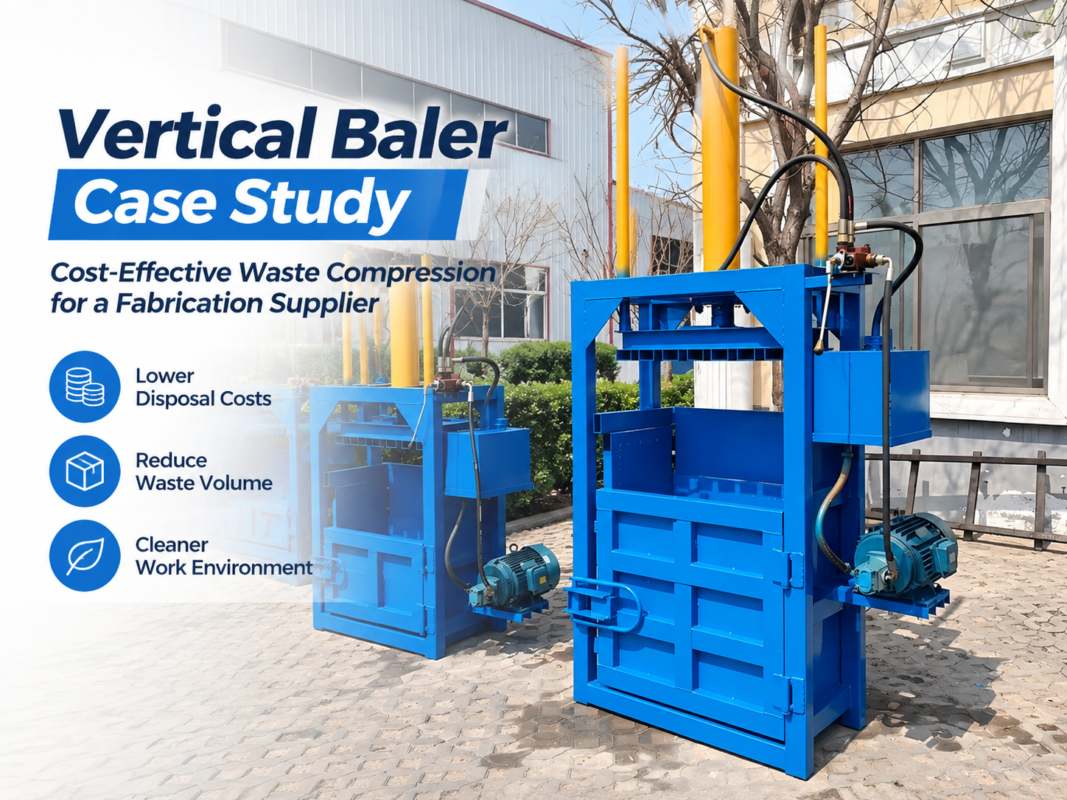
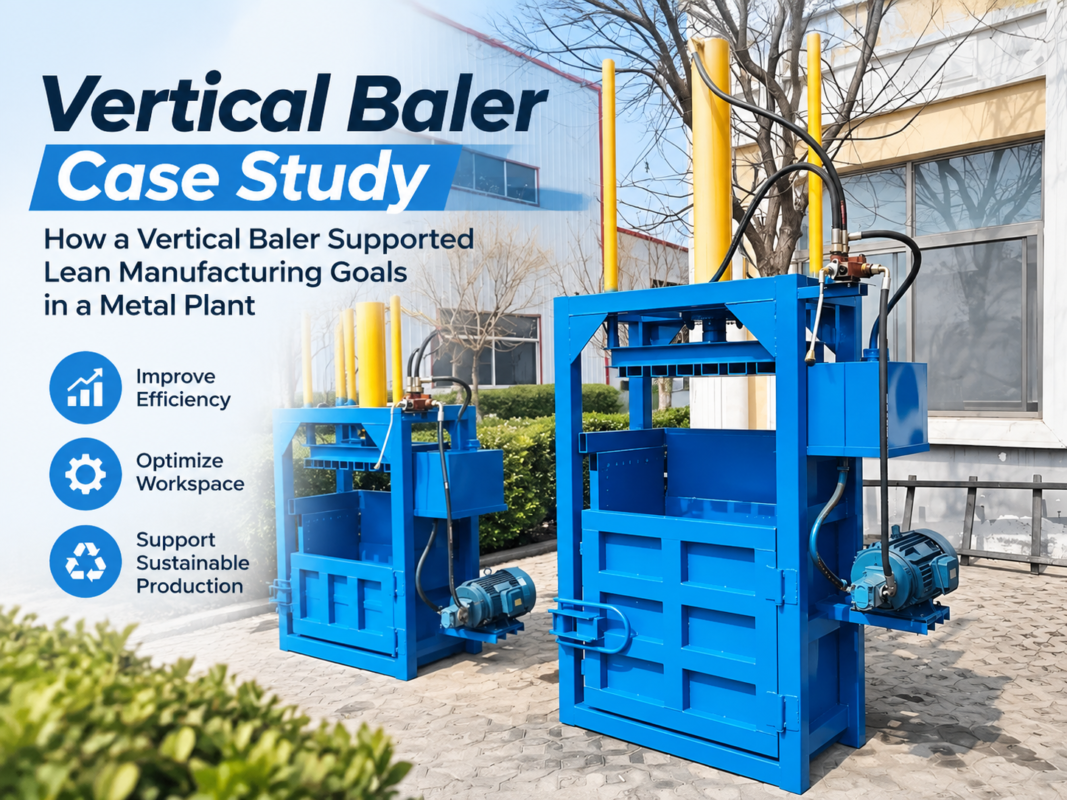
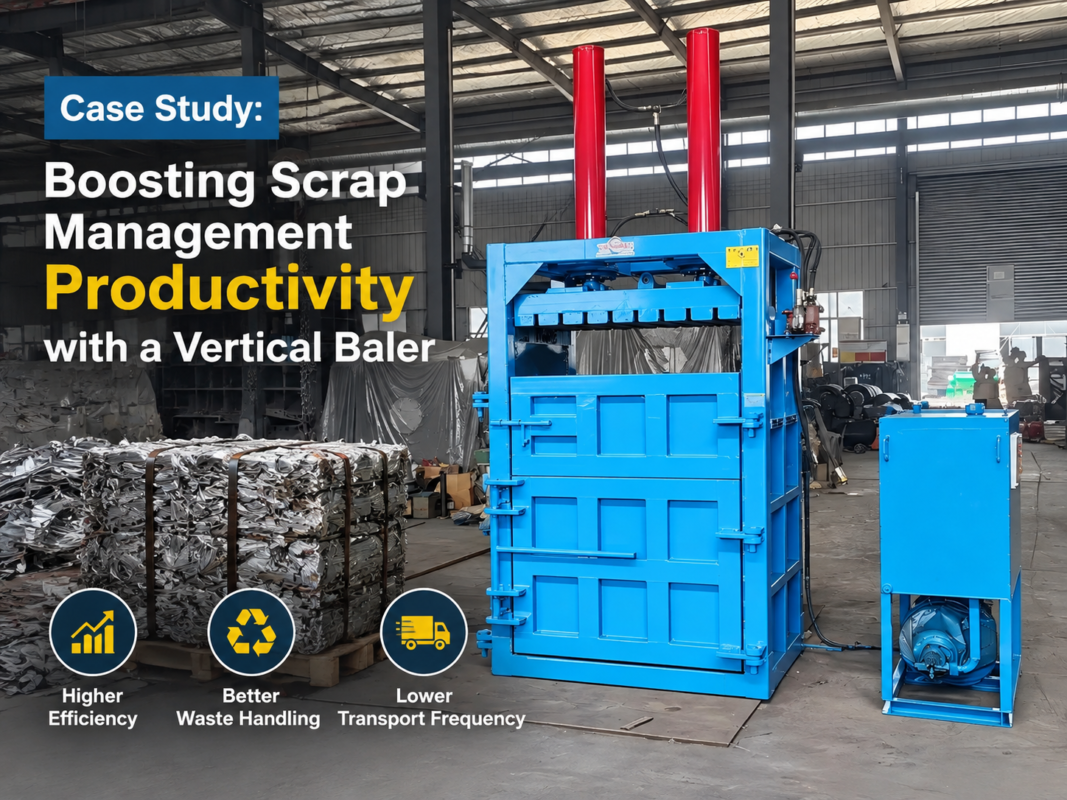
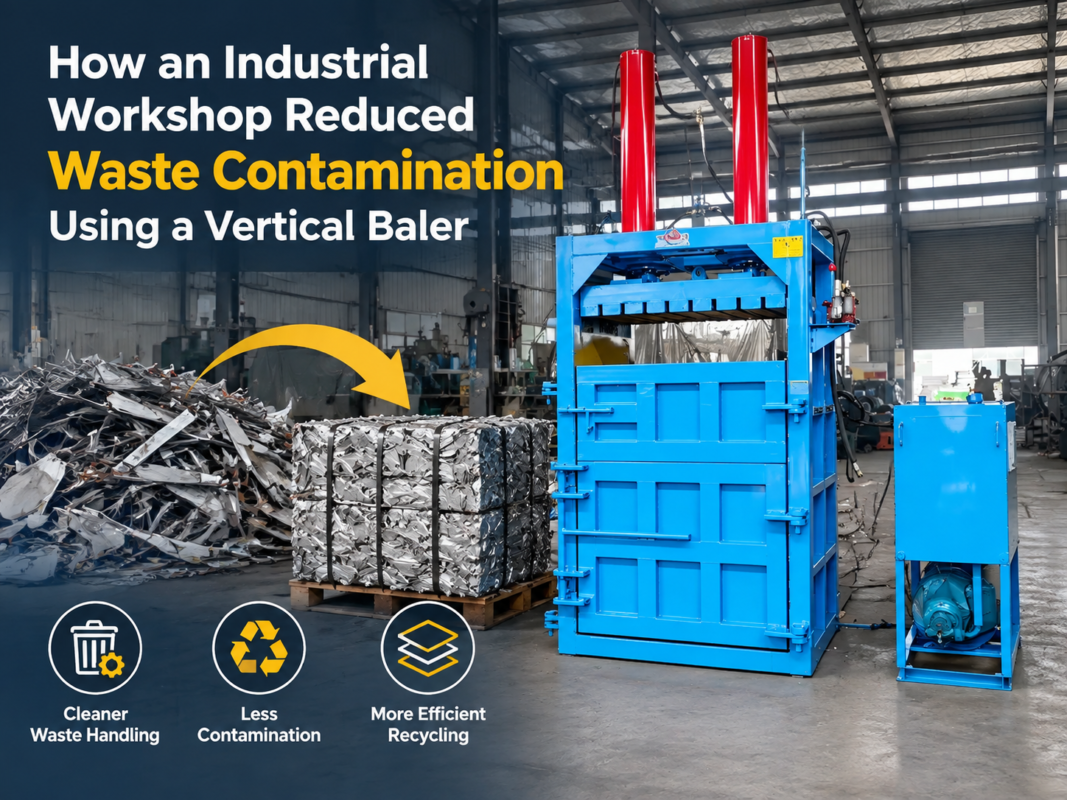
Understanding the price of a vertical baler requires looking beyond the initial sticker price. It involves evaluating the machine’s capacity, the durability of its components, and the long-term value it brings to your facility. A vertical baler works by using hydraulic pressure to compress loose waste into dense, manageable bales, which can then be sold to recyclers or disposed of more efficiently. Because these machines vary from small 10-ton units to massive 100-ton industrial powerhouses, the price spectrum is broad.
In this comprehensive guide, we will break down the financial aspects of acquiring a vertical baler. We will explore the primary cost drivers, configuration options that influence the final quote, and the hidden expenses that many first-time buyers overlook. By the end of this article, you will have a clear understanding of how to budget for this essential piece of metal fabrication and waste management equipment.
Price Range Overview: What to Expect
The cost of a vertical baler typically falls into three distinct categories based on size, power, and intended application. While these figures are estimates, they provide a baseline for your budgetary planning. It is important to note that market fluctuations in steel prices and shipping costs can influence these ranges.
Entry-Level/Small Vertical Balers ($3,000 – $7,000)
Small vertical balers are designed for retail environments, small warehouses, or businesses with limited floor space. These machines usually offer a pressing force of 10 to 20 tons. They are ideal for baling cardboard and soft plastics. While affordable, they have smaller feed openings and produce lighter bales (typically 100-300 lbs), which may not be as attractive to high-volume recycling collectors.
Mid-Range Industrial Balers ($8,000 – $18,000)
This is the most popular category for medium-sized manufacturing plants and distribution centers. These machines offer 30 to 60 tons of pressure and can handle a wider variety of materials, including heavy-duty plastics and aluminum cans. They produce standard-sized bales (up to 1,000 lbs) that meet the requirements of most commercial recycling programs. At this price point, you begin to see more robust hydraulic systems and improved safety features.
Heavy-Duty and Specialized Balers ($20,000 – $50,000+)
High-capacity vertical balers are built for 24/7 operations and difficult materials like tires, heavy metal scraps, or high-density fibers. These machines often feature 80 to 100+ tons of pressure, reinforced frames, and high-horsepower motors to ensure fast cycle times. Specialized configurations, such as those used in large-scale metal fabrication facilities, fall into this premium price bracket due to the engineering required to withstand extreme stress.
Main Cost Drivers: Why Prices Vary
When asking Much Does A Vertical Baler Cost? Buying Factors That Affect Price, you must look at the technical specifications. Several core components dictate the manufacturing cost and, consequently, the retail price.
1. Pressing Force (Tonnage)
The amount of hydraulic pressure the machine can exert is the single biggest factor in pricing. Higher tonnage requires larger hydraulic cylinders, more robust steel frames to prevent warping, and more powerful pumps. A 50-ton baler requires significantly more raw material and engineering than a 15-ton model. If you are baling resilient materials like plastic PET bottles, you need higher tonnage to overcome the material’s natural elasticity, which increases the machine’s cost.
2. Motor Power and Cycle Time
Efficiency is money. A baler with a 20HP motor will complete a compression cycle much faster than one with a 5HP motor. Faster cycle times mean your staff spends less time waiting for the machine and more time on productive tasks. High-performance motors and high-flow hydraulic pumps add to the upfront cost but significantly reduce labor costs over the machine’s lifespan.
3. Build Quality and Steel Grade
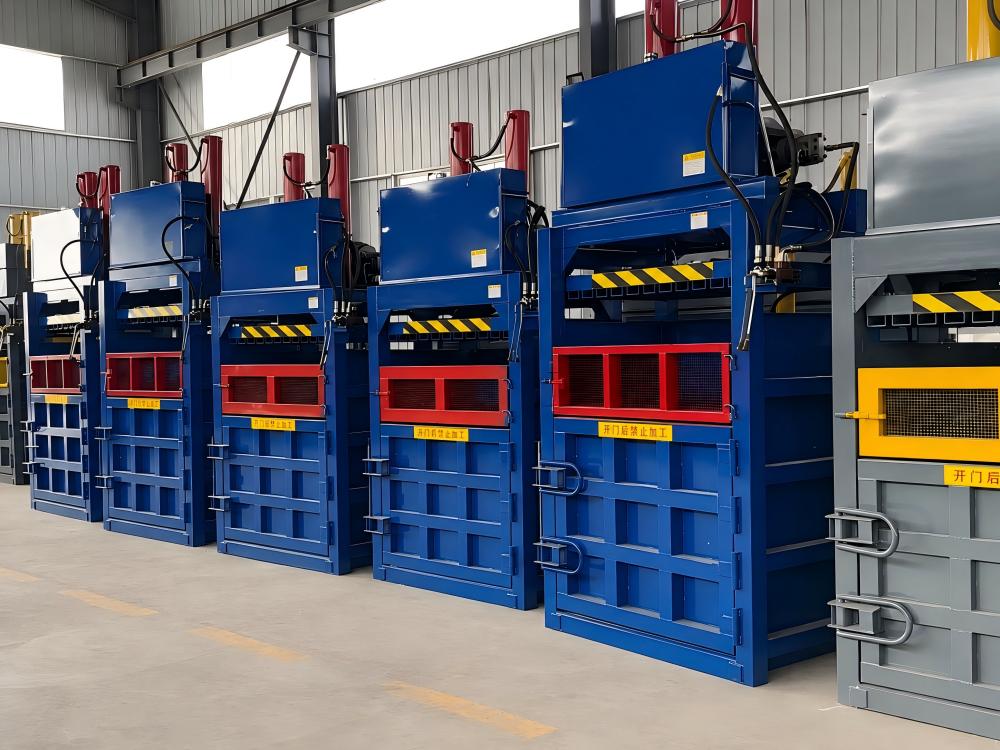
Not all steel is created equal. Premium manufacturers like HARSLE use high-grade, thick-walled structural steel to ensure the frame does not flex under pressure. A cheaper baler might use thinner plates, which can lead to structural failure after a few years of heavy use. The quality of the welding and the finish (such as powder coating vs. standard paint) also contributes to the price and the machine’s resistance to corrosion.
Configuration Impact: Customizing for Your Needs
The base price of a baler often covers the standard model, but specific configurations tailored to your facility can add to the total investment. These choices are crucial for safety and operational flow.
Control Systems and Automation
Modern vertical balers often come equipped with PLC (Programmable Logic Controller) systems. A basic manual lever-operated baler is the cheapest option, but it requires constant operator attention. Automated systems with touchscreens, bale-full indicators, and automatic cycle starts increase the price but enhance safety and ease of use. Brands like Siemens or Schneider for electrical components will command a premium due to their reliability and global availability of spare parts.
Safety Features
Safety is paramount in industrial environments. Advanced safety features such as infrared light curtains, magnetic interlock switches on doors, and emergency stop circuits are standard on high-end models but may be optional upgrades on budget machines. Investing in these features prevents workplace injuries and ensures compliance with OSHA or CE standards, which can save thousands in potential fines and insurance premiums.
Ejection Systems
How the bale is removed from the machine affects the price. Manual ejection requires the operator to physically pull the bale out, which is labor-intensive and potentially dangerous for heavy bales. Hydraulic bale ejectors, which automatically tip the bale onto a pallet, are a common and highly recommended upgrade that adds to the machine’s complexity and cost.
Hidden Costs of Owning a Vertical Baler
The purchase price is just the beginning. To accurately answer Much Does A Vertical Baler Cost? Buying Factors That Affect Price, you must account for the total cost of ownership (TCO).
- Shipping and Logistics: Vertical balers are heavy, often weighing several tons. Freight costs can be significant, especially if the machine requires a flatbed truck or specialized rigging for delivery.
- Installation and Electrical Setup: Most industrial balers require 3-phase power. If your facility is not currently wired for this, an electrician will need to install new circuits. Additionally, some machines require professional commissioning to ensure the hydraulics are calibrated correctly.
- Consumables: You cannot operate a baler without baling wire or strapping. Depending on your volume, you may spend hundreds or thousands of dollars annually on high-tensile wire.
- Maintenance and Wear Parts: Like any hydraulic machine, balers require regular oil changes, filter replacements, and seal inspections. Budgeting for an annual maintenance contract is a wise move to prevent costly downtime.
| Cost Category | Estimated Expense | Frequency |
|---|---|---|
| Baling Wire/Twine | $200 – $1,000 | Annual (Variable) |
| Hydraulic Oil Change | $300 – $600 | Every 12-24 Months |
| Electrical Installation | $500 – $2,500 | One-time |
| Freight/Shipping | $500 – $3,000 | One-time |
ROI Calculation: Turning Waste into Profit
While the cost may seem high, the Return on Investment (ROI) for a vertical baler is often realized within 12 to 24 months. There are three primary ways a baler pays for itself:
1. Reduced Disposal Fees: Waste management companies charge by the “pull” (each time they empty a bin). By compacting waste into bales, you significantly reduce the number of pickups required. Many businesses see a 50-70% reduction in their monthly waste hauling bills.
2. Revenue from Recyclables: Loose cardboard is often treated as trash. However, dense, mill-sized bales of cardboard, plastic, or aluminum have market value. Recyclers will often pay you for these bales, turning a waste expense into a revenue stream.
3. Labor Efficiency: Without a baler, employees spend hours breaking down boxes and walking to outdoor dumpsters. A vertical baler located near the source of the waste streamlines this process, allowing staff to focus on their primary job functions.
Buying Advice: How to Choose the Right Baler
Choosing the right machine involves a balance between your current needs and future growth. Here are some expert tips for navigating the purchase process.
Assess Your Material Volume
Before requesting a quote, track your waste volume for a month. If you produce more than 10 tons of cardboard per month, a mid-to-large baler is necessary. If you only produce a few bales a week, an entry-level model will suffice. Buying too small a machine will lead to premature wear and frustration, while buying too large is an unnecessary capital expenditure.
Consider Space Constraints
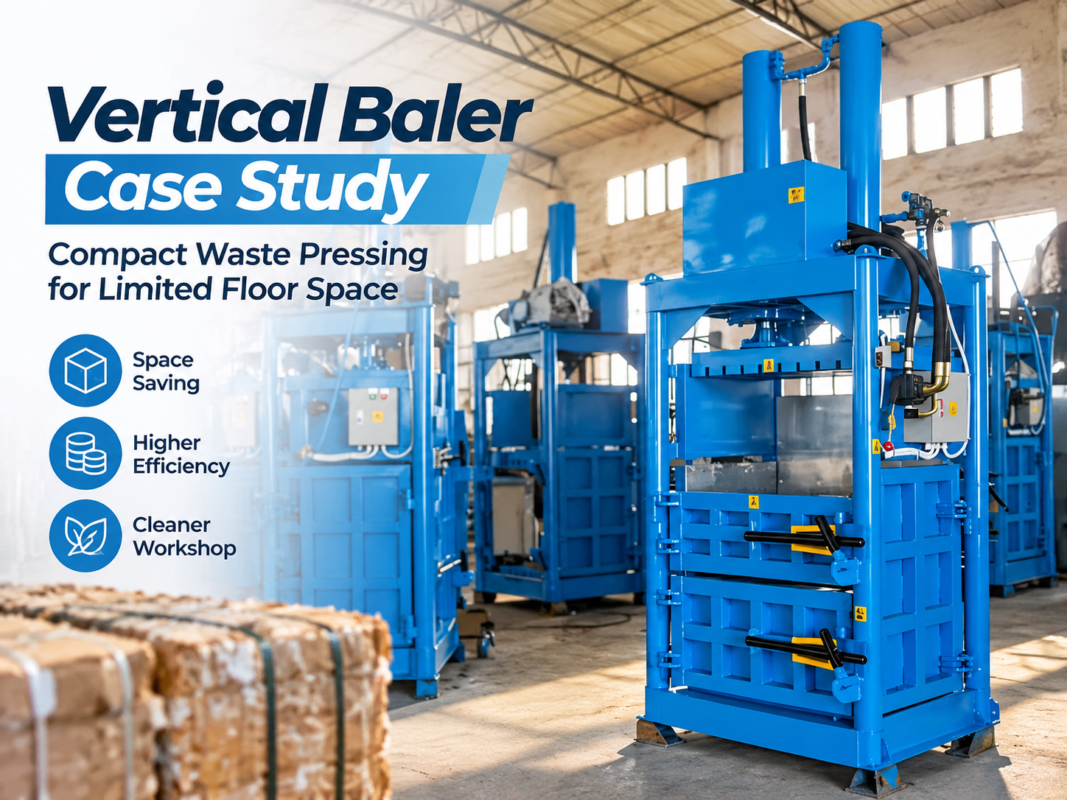
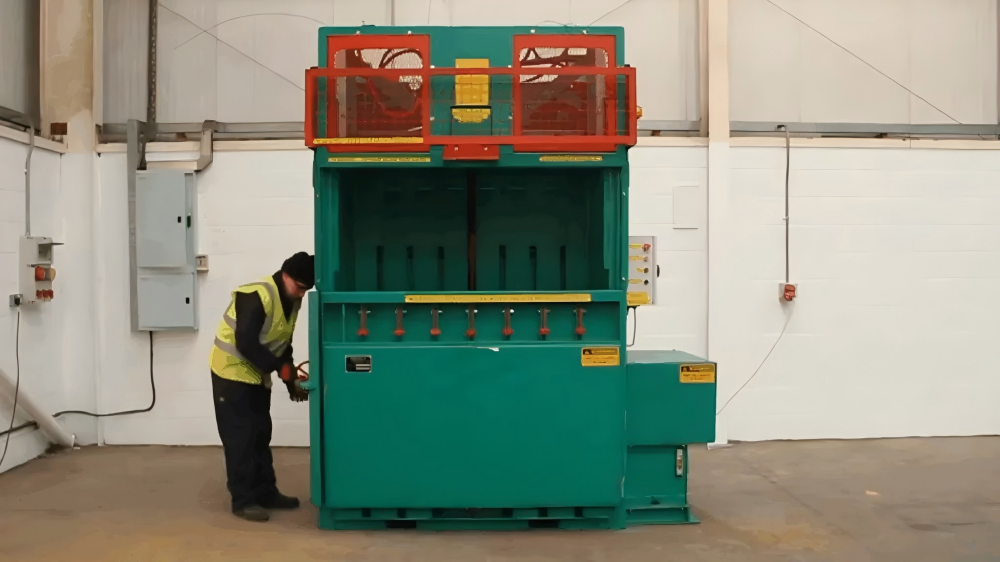
Vertical balers are prized for their small footprint compared to horizontal balers, but they still require significant vertical clearance for the hydraulic ram to extend. Measure your ceiling height and ensure there is enough room for the door to swing open and for a forklift to remove the finished bales.
New vs. Used
A used baler can save you 30-50% upfront. However, hydraulics can be expensive to repair. If you buy used, ensure you see the machine in operation and check for leaks or frame cracks. For most businesses, a new machine from a reputable manufacturer like HARSLE is the better choice due to the warranty, modern safety features, and long-term reliability.
Why Choose HARSLE for Your Vertical Baler?
HARSLE has established itself as a leader in the metal fabrication and industrial machinery industry by focusing on the intersection of durability and value. When you invest in a HARSLE vertical baler, you are not just buying a machine; you are investing in a partnership. Our machines are engineered with high-quality hydraulic systems, reinforced structural components, and intuitive controls designed to withstand the rigors of daily industrial use.
We understand that every facility has unique requirements. Whether you need a compact unit for a retail backroom or a high-tonnage baler for a scrap yard, HARSLE provides detailed technical support to help you calculate your ROI and select the configuration that maximizes your efficiency. Our commitment to after-sales service ensures that your investment remains productive for years to come.
Frequently Asked Questions (FAQ)
1. How long does a vertical baler typically last?
With proper maintenance, a high-quality vertical baler can last 10 to 15 years or more. The lifespan depends heavily on the volume of material processed and the regularity of hydraulic system checks and oil changes.
2. Can I bale different materials in the same machine?
Yes, most vertical balers are versatile. You can bale cardboard, then switch to plastic film. However, you should never mix materials within a single bale, as this significantly reduces the recycling value. Some materials, like tires or metal, require specific heavy-duty models.
3. What electrical requirements should I prepare for?
Most industrial-grade vertical balers require a 208V, 230V, or 460V three-phase power supply. Smaller, portable units may run on standard 110V power, but they are much slower and less powerful.
4. Is operator training necessary?
Absolutely. While vertical balers are generally easy to operate, improper loading or tying can lead to machine jams or safety hazards. Most manufacturers provide a manual and basic training videos to ensure safe operation.
5. How do I know if I need a vertical or horizontal baler?
Vertical balers are best for low-to-medium volumes (up to 2 tons per hour) and where floor space is limited. Horizontal balers are designed for high-volume, continuous processing and are significantly more expensive, often starting at $50,000.
Conclusion
Determining Much Does A Vertical Baler Cost? Buying Factors That Affect Price is a vital step in optimizing your facility’s waste management strategy. By considering the tonnage, motor power, safety features, and long-term ROI, you can make a purchase that not only saves money on disposal but also contributes to a cleaner, more organized workspace. Whether you are a small business looking to manage cardboard or a large manufacturer handling scrap metal, the right vertical baler is a cornerstone of industrial efficiency. Invest in quality, prioritize safety, and choose a manufacturer like HARSLE that stands behind its machinery.