Vertical Baler Buying Guide: Capacity, Bale Size, and Safety Features Explained

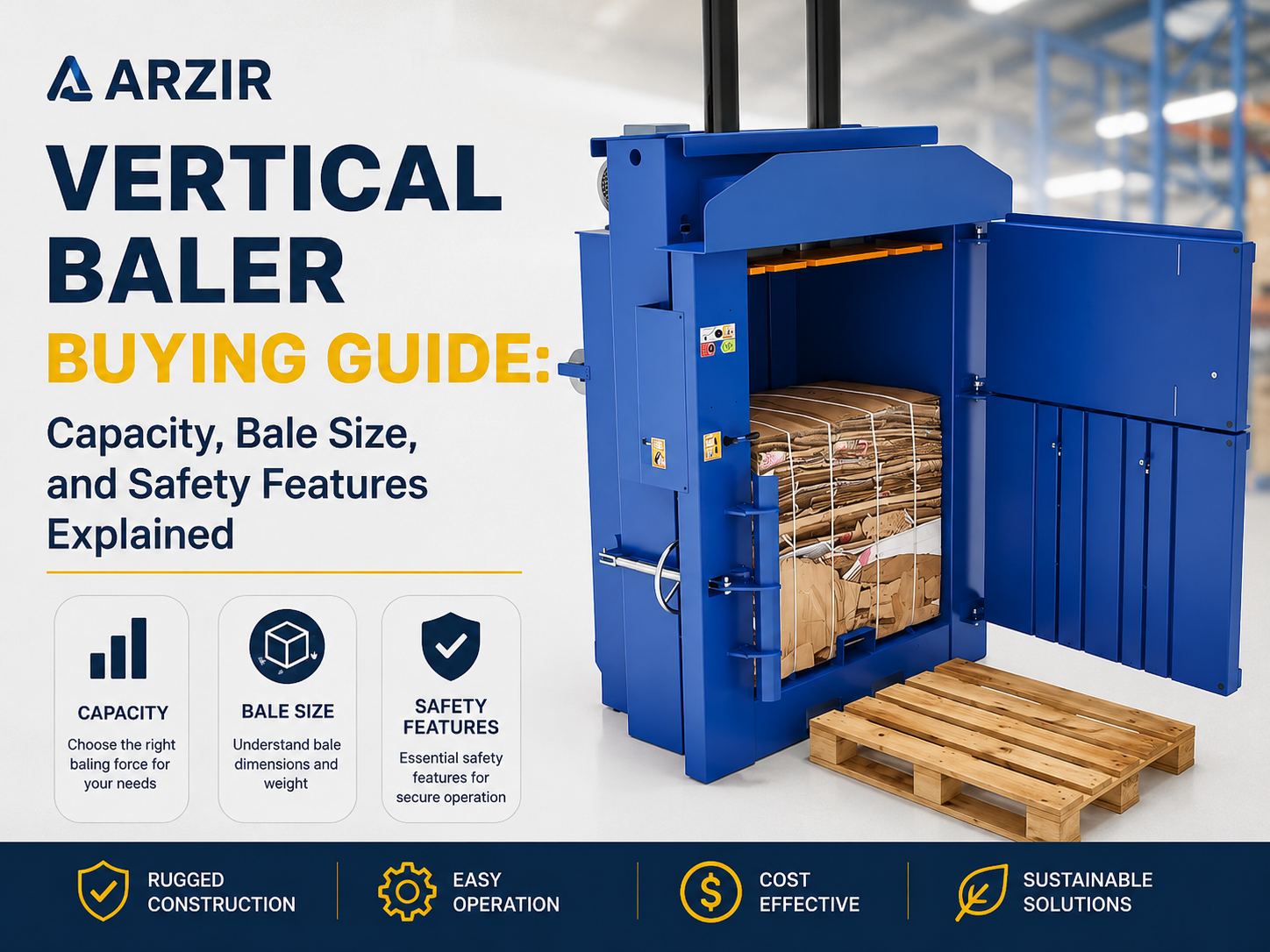
Introduction to Vertical Baler Procurement
In the modern industrial landscape, waste management is no longer just a logistical necessity; it is a critical component of operational efficiency and sustainability. For facilities dealing with high volumes of cardboard, plastic, textiles, or light metals, a vertical baler is an indispensable tool. This Vertical Baler Buying : Capacity, Bale Size, Safety Features Explained guide is designed to help facility managers, procurement officers, and business owners navigate the complexities of selecting the right machinery for their specific needs.
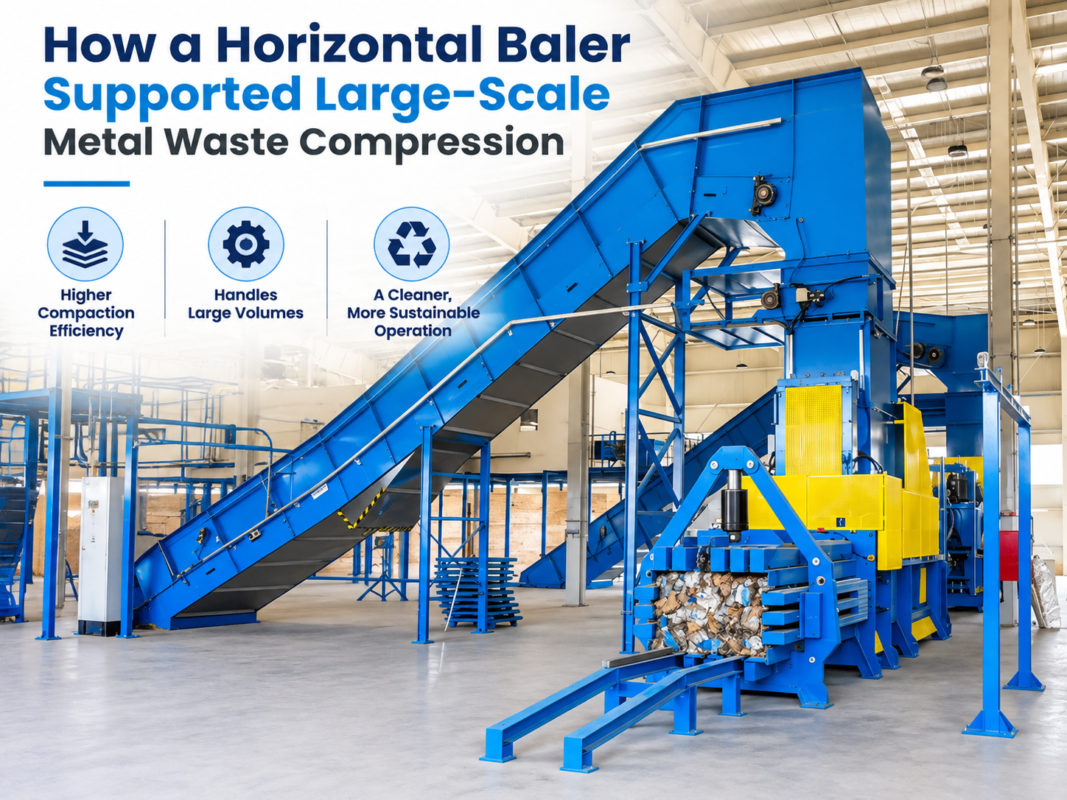
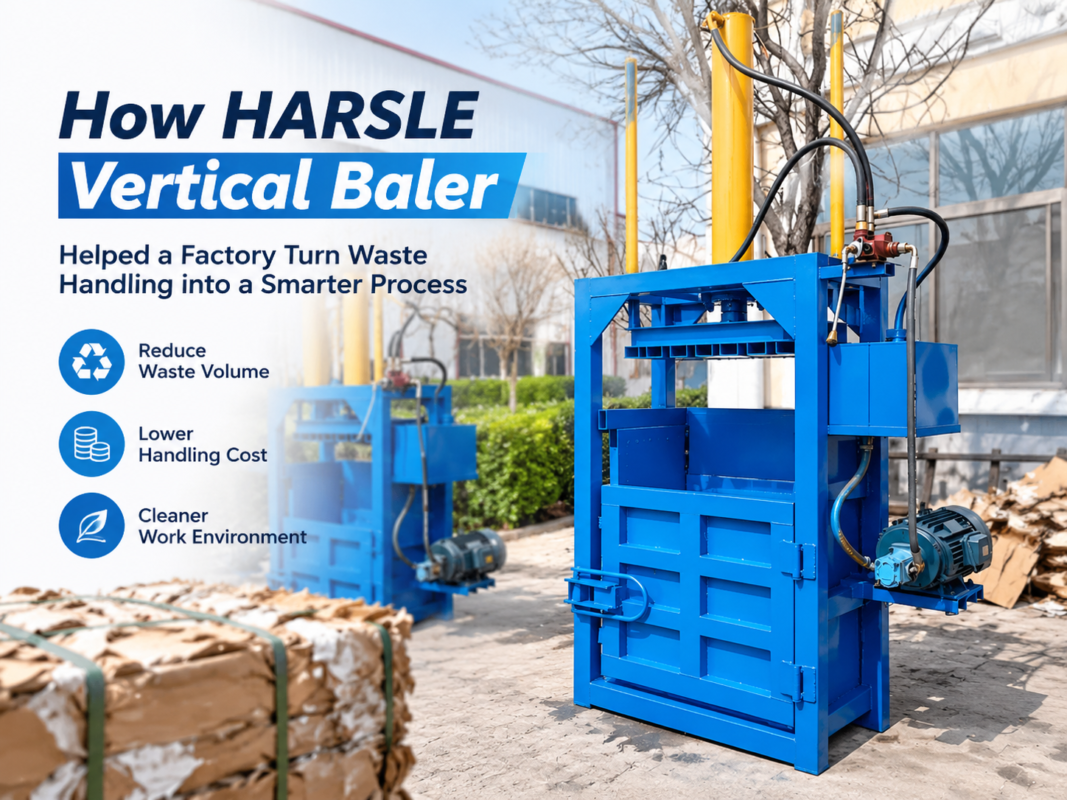
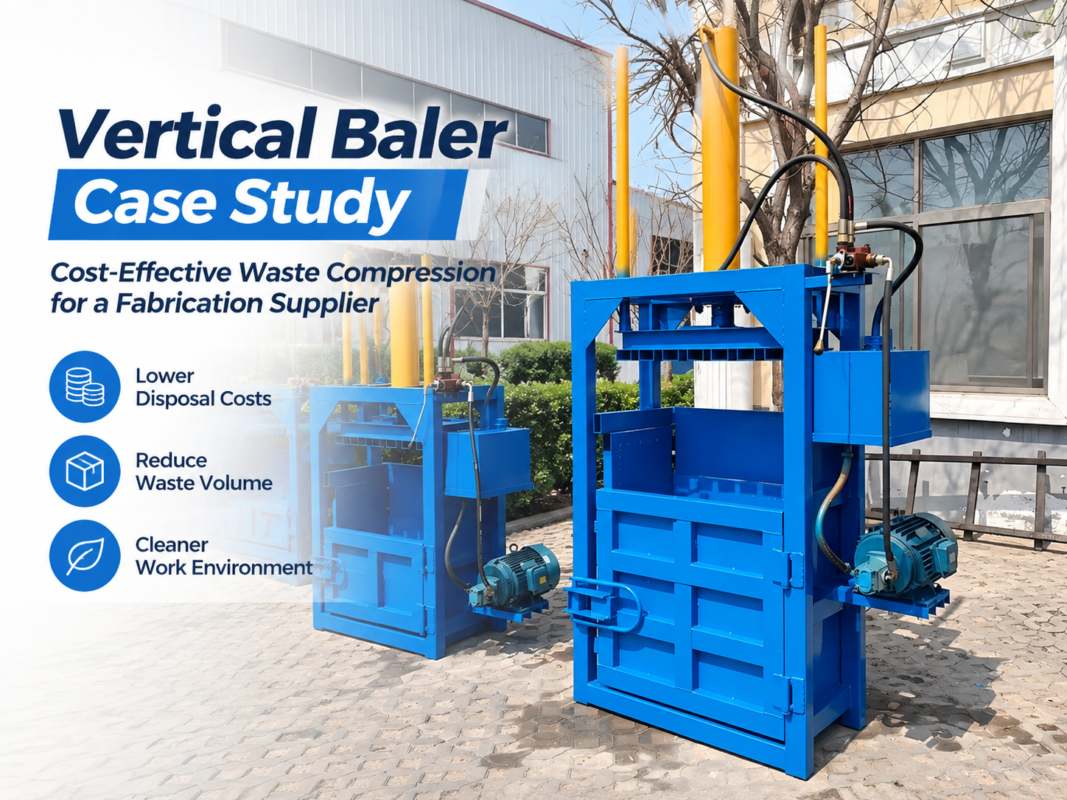
Vertical balers are preferred for their compact footprint and ease of operation. Unlike horizontal balers, which require significant floor space and are often designed for continuous, high-volume throughput, vertical models are ideal for businesses that generate moderate to high amounts of waste but have limited space. HARSLE, a leader in metal fabrication and industrial machinery, understands that the right baler can transform a waste stream from a cost center into a revenue-generating asset. By compressing loose materials into dense, manageable bales, companies can significantly reduce disposal fees and even sell the baled material to recyclers.
However, choosing the wrong machine can lead to operational bottlenecks, safety hazards, and poor return on investment. This guide will break down the essential factors—from hydraulic tonnage to safety protocols—that define a high-quality vertical baler. Whether you are looking for a small unit for a retail backroom or a heavy-duty industrial press for a manufacturing plant, understanding these technical nuances is the first step toward a successful purchase.
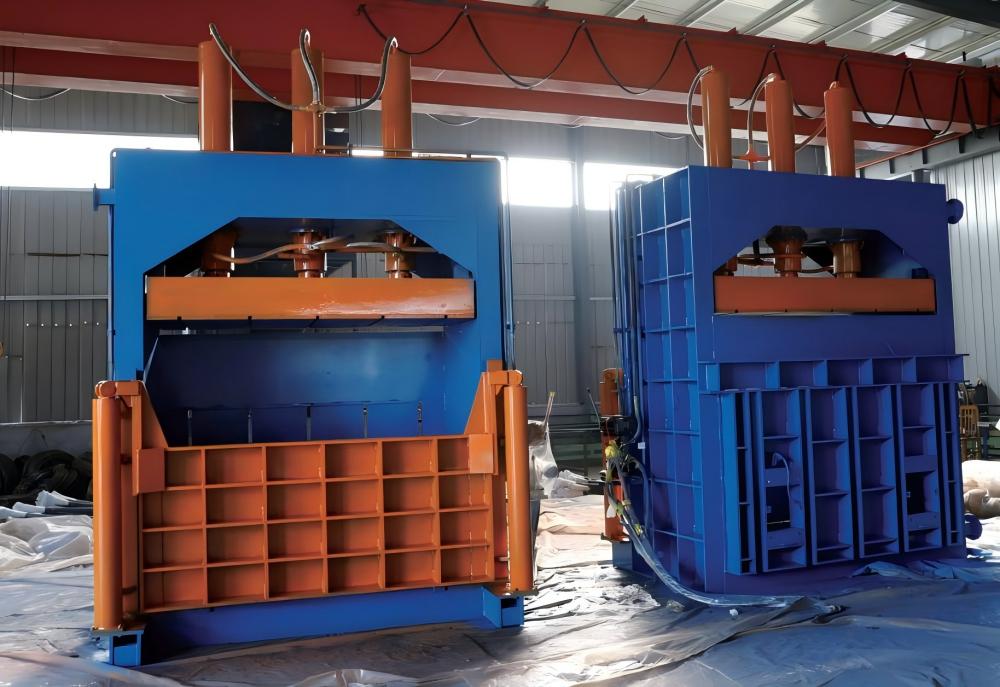
Price Range Overview: What to Expect
The cost of a vertical baler varies significantly based on its capacity, construction quality, and automation features. Generally, the market is divided into three primary price tiers. Understanding these tiers helps in setting a realistic budget and aligning expectations with the machine’s capabilities.
Entry-Level/Light-Duty Balers ($3,000 – $8,000): These machines are typically designed for small retail outlets or offices. They usually offer a pressing force between 10 and 20 tons and produce smaller bales (often 30 to 48 inches wide). While affordable, they have slower cycle times and are not built for 24/7 industrial use. They are perfect for baling cardboard and light plastics in low volumes.
Mid-Range Industrial Balers ($10,000 – $25,000): This is the most common category for manufacturing facilities and large distribution centers. These balers provide 30 to 60 tons of pressing force and produce “mill-size” bales (60 inches wide). Mill-size bales are the industry standard for recycling, meaning they fetch the highest market value. These machines feature more robust hydraulic systems, faster cycle times, and enhanced safety features.
Heavy-Duty and Specialized Balers ($30,000 – $60,000+): At the top end of the spectrum are balers designed for difficult materials like non-ferrous metals, heavy plastics, or high-density fibers. These machines often feature reinforced frames, high-horsepower motors (20HP+), and advanced PLC controls. They are built to withstand the extreme stresses of compressing resilient materials and are designed for high-throughput environments where the machine operates continuously throughout multiple shifts.
Main Cost Drivers in Vertical Baler Selection
When evaluating the price of a vertical baler, several technical factors drive the final quote. It is important to look beyond the sticker price and understand what components contribute to the machine’s longevity and performance.
1. Hydraulic System and Tonnage
The hydraulic system is the heart of the baler. The tonnage, or pressing force, determines what materials the machine can handle. A 50-ton baler requires a larger cylinder, a more powerful pump, and more robust valves than a 20-ton model. High-quality hydraulic components from reputable brands ensure that the machine maintains consistent pressure over thousands of cycles without leaking or losing power. The diameter of the hydraulic cylinder bore is a key metric here; a larger bore allows for higher force at lower pressures, which can extend the life of the seals and pump.
2. Structural Integrity and Steel Quality
A baler is subjected to immense internal pressure. If the frame is not constructed from high-grade, heavy-gauge steel, it will eventually warp or crack. Premium balers use reinforced structural steel channels and heavy-duty floor plates. The weight of the machine is often a good indicator of its build quality; a heavier machine generally contains more steel and is better equipped to handle the stresses of high-density baling. HARSLE machines, for instance, emphasize structural reinforcement to prevent frame fatigue over years of service.
3. Motor and Electrical Components
The horsepower (HP) of the motor dictates the cycle time—the time it takes for the platen to move down, compress the material, and return to the starting position. A 10HP motor will complete a cycle much faster than a 5HP motor, increasing the overall throughput of the facility. Additionally, the quality of the electrical control panel, including the use of name-brand contactors, relays, and PLC (Programmable Logic Controller) units, adds to the cost but significantly improves reliability and ease of troubleshooting.
Configuration Impact: Capacity and Bale Size
The configuration of a vertical baler must match the volume and type of waste your facility generates. In this Vertical Baler Buying : Capacity, Bale Size, Safety Features Explained analysis, we look at how these two factors dictate operational efficiency.
Understanding Capacity and Throughput
Capacity is often misunderstood as just the size of the chamber. In reality, capacity is a function of the chamber volume, the cycle time, and the operator’s efficiency. For a high-volume warehouse, a baler with a large feed opening is essential to minimize the time spent breaking down boxes. If the machine has a 30-second cycle time versus a 60-second cycle time, the daily throughput can effectively double. Buyers should calculate their peak waste generation hours and ensure the baler can keep up with that flow without creating a backlog on the warehouse floor.
Bale Size and Marketability
Bale size is perhaps the most critical factor for ROI. Recyclers prefer “mill-size” bales, which typically measure 60″ x 30″ x 48″ and weigh between 800 and 1,200 lbs (for cardboard). These dimensions are optimized for flatbed truck transport. If your baler produces smaller, non-standard bales, you may find it difficult to sell the material, or you may receive a lower price per ton because the recycler has to re-process or double-handle the material. Always check with your local recycling partner to see what bale dimensions and weights they require before finalizing your machine configuration.
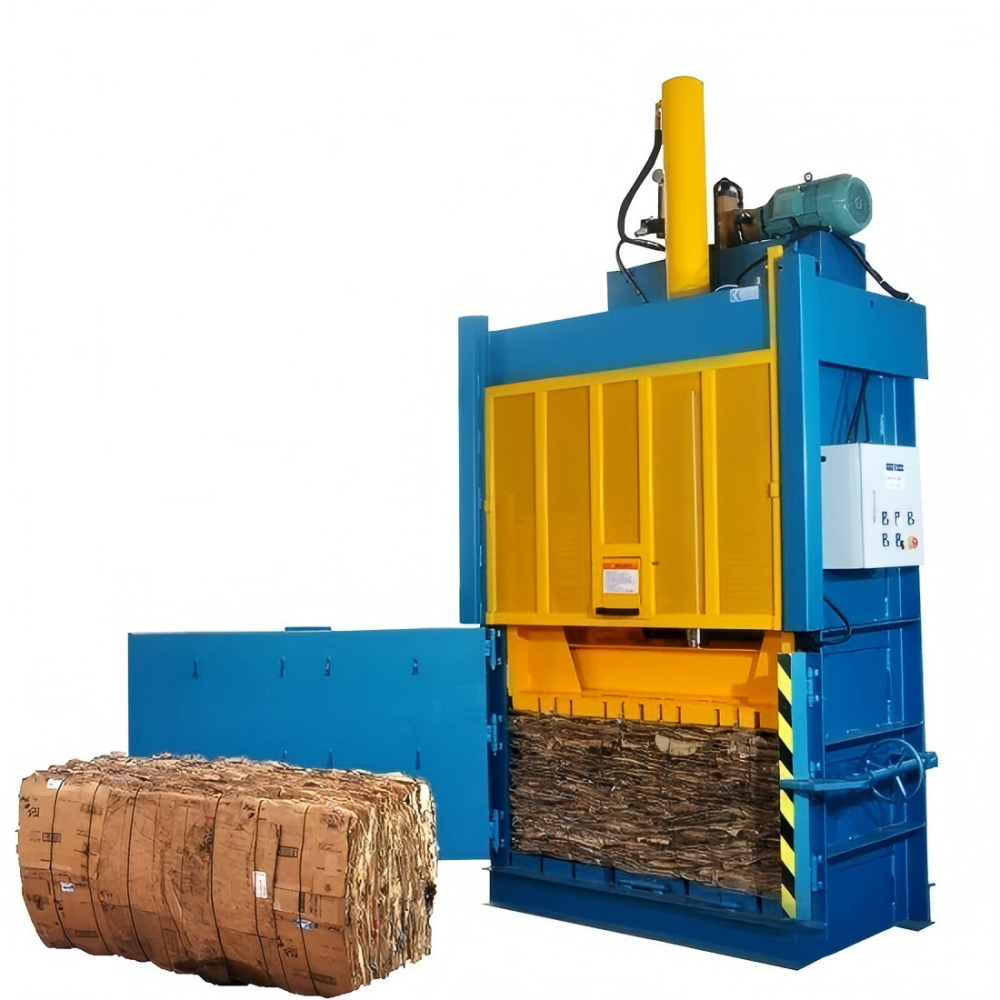
Single vs. Dual Cylinder Designs
Most standard vertical balers use a single large hydraulic cylinder. However, for applications requiring very high density or perfectly level compression (especially with unevenly loaded material), dual-cylinder designs are used. Dual cylinders provide a more balanced force across the platen, reducing the risk of the ram tilting and damaging the seals or the frame. While more expensive, this configuration is often necessary for heavy-duty industrial applications.
Safety Features: Non-Negotiable Standards
Safety is the most critical aspect of any industrial machinery purchase. Vertical balers involve high pressures and moving parts, making them potentially dangerous if not properly equipped. Modern safety features are designed to protect the operator and the machine itself.
- Safety Interlocks: The machine should never operate if the loading door or the discharge gate is open. Redundant safety interlocks ensure that the hydraulic circuit is physically or electronically interrupted when doors are ajar.
- Emergency Stop Buttons: Large, accessible E-stop buttons should be located on the main control panel and, in some cases, on the sides of the machine.
- Automatic Bale Ejection: Manual bale removal is a leading cause of workplace injuries. An automatic ejection system uses the power of the hydraulics to tip the finished bale onto a pallet, keeping the operator away from the heavy lifting.
- Platen Safety Retainers: These are mechanical or hydraulic locks that prevent the platen from falling unexpectedly in the event of a hydraulic failure.
- CE and UL Compliance: Ensure the machine meets international safety standards. This not only protects workers but also ensures compliance with insurance requirements and local labor laws.
Hidden Costs of Owning a Vertical Baler
The purchase price is only one part of the Total Cost of Ownership (TCO). To accurately budget, buyers must consider the following often-overlooked expenses:
1. Installation and Rigging
Vertical balers are heavy and top-heavy. They require professional rigging to move them from the delivery truck to their final location. Depending on the size of the machine and the complexity of your facility’s layout, rigging can cost anywhere from $500 to $3,000. Additionally, the floor must be level and capable of supporting the concentrated weight of the machine and the compressed bales.
2. Electrical Requirements
Most industrial balers require 3-phase power (208V, 230V, or 460V). If your facility only has single-phase power, you will need to install a phase converter or upgrade your electrical service, which can be a significant expense. Even if you have 3-phase power, a dedicated circuit with the correct amperage and a fused disconnect switch near the machine is usually required by code.
3. Consumables: Baling Wire
To keep the bales together, you will need baling wire. Depending on the volume of waste, wire costs can add up. It is important to use the correct gauge and length of wire specified by the manufacturer to prevent wire breakage, which can be dangerous and results in messy, unmanageable waste.
4. Maintenance and Training
Like any hydraulic machine, balers require regular maintenance, including oil changes, filter replacements, and seal inspections. Furthermore, investing in professional operator training is essential. Most accidents and machine breakdowns are caused by improper loading or failure to follow safety protocols. Budgeting for an annual service contract can prevent costly emergency repairs down the road.
ROI Calculation: Is a Vertical Baler Worth It?
To justify the investment, businesses should perform a Return on Investment (ROI) calculation. The primary drivers of ROI for a vertical baler are labor savings, disposal cost reduction, and material revenue.
| Factor | Before Baler | After Baler | Savings/Revenue Potential |
|---|---|---|---|
| Labor | Hours spent breaking down boxes manually. | Minutes spent loading the baler. | High (50-70% reduction in labor time) |
| Disposal Fees | Frequent pickups of loose, bulky waste. | Fewer pickups of dense, baled waste. | Significant (Reduction in “air” transport) |
| Material Value | Waste is a cost (paid to be removed). | Bales are an asset (sold to recyclers). | Variable (Depends on market commodity prices) |
| Space Utilization | Loose waste takes up valuable floor space. | Bales are stacked neatly in a corner. | Indirect (Improved facility flow) |
For example, if a warehouse spends $1,500 a month on waste hauling and $2,000 a month on labor for waste handling, a $15,000 baler that reduces hauling by 50% and labor by 50% would pay for itself in less than 9 months. This does not even account for the potential revenue from selling the baled cardboard.
Buying Advice: Choosing the Right Partner
When you are ready to purchase, keep the following checklist in mind to ensure you get the best value and performance:
- Analyze Your Material: Be specific about what you are baling. Cardboard behaves differently than plastic film or aluminum cans. Some materials require “long-stroke” cylinders to achieve proper density.
- Measure Your Space: Check the ceiling height! Vertical balers extend their cylinders upward during the cycle. Ensure you have at least 2-3 feet of clearance above the machine’s maximum height.
- Check the Warranty: A standard warranty should cover the frame for at least 3-5 years and parts/labor for 1 year. Beware of manufacturers who offer very short warranties on the hydraulic system.
- Evaluate the Manufacturer: Choose a company like HARSLE that has a proven track record in industrial machinery. Look for available technical support, spare parts availability, and clear documentation.
- Test the Machine: If possible, visit a showroom or a site where the machine is in operation. Observe the cycle time, the noise level, and how easy it is to tie off a bale.
Frequently Asked Questions (FAQ)
What is the difference between a vertical and a horizontal baler?
Vertical balers are loaded from the front and compress material downward. They are compact and manually loaded. Horizontal balers are much larger, often fed by conveyor belts, and compress material horizontally. Horizontal balers are designed for much higher volumes (multi-ton per hour) and are significantly more expensive.
How long does it take to make one bale?
The cycle time of the machine (the ram moving down and up) is usually between 30 and 50 seconds. However, the total time to make a bale depends on how much material you are loading. For a standard 60-inch cardboard baler, it typically takes 20 to 40 minutes of intermittent loading to create a full mill-size bale.
Can I bale different materials in the same machine?
Yes, most vertical balers are versatile. You can bale cardboard, then switch to plastic wrap. However, you should never mix materials within the same bale, as this ruins the recycling value. Some materials, like tires or heavy metals, require specialized “high-density” balers with reinforced doors and higher tonnage.
What kind of maintenance does a vertical baler need?
Daily checks should include looking for hydraulic leaks and ensuring safety interlocks are working. Monthly maintenance includes checking oil levels and greasing pivot points. Annually, the hydraulic oil should be inspected and filtered or replaced, and the structural bolts should be checked for tightness.
Do I need a special license to operate a baler?
In most jurisdictions, there is no specific “license,” but OSHA (in the US) and similar bodies elsewhere require that operators be at least 18 years old and have received documented safety training on the specific machine they are using.
Conclusion
Investing in a vertical baler is a strategic move that enhances operational efficiency and environmental compliance. By focusing on the core aspects of Vertical Baler Buying : Capacity, Bale Size, Safety Features Explained, you can ensure that your facility is equipped with a machine that is safe, durable, and economically viable. Whether you are prioritizing the production of mill-size bales for maximum resale or seeking a compact solution for a cramped warehouse, HARSLE provides the engineering expertise and robust machinery needed to meet these industrial challenges. Remember that the cheapest machine is rarely the most cost-effective in the long run; prioritize build quality and safety to ensure your investment serves your business for decades to come.