Industrial Scrap Metal Baler Applications for Reducing Transport and Storage Costs

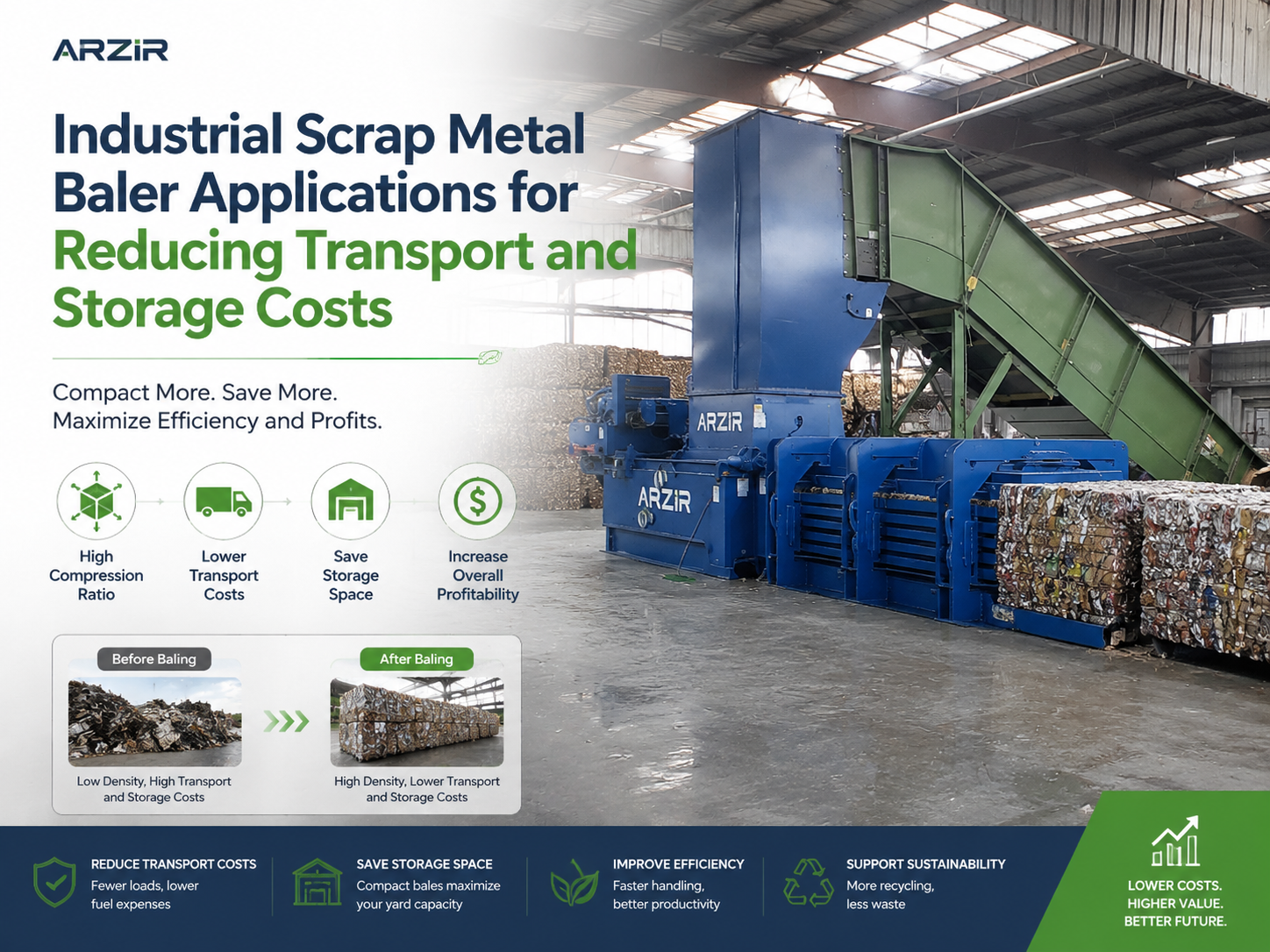
Introduction to Industrial Scrap Metal Baler Applications for Reducing Transport and Storage Costs
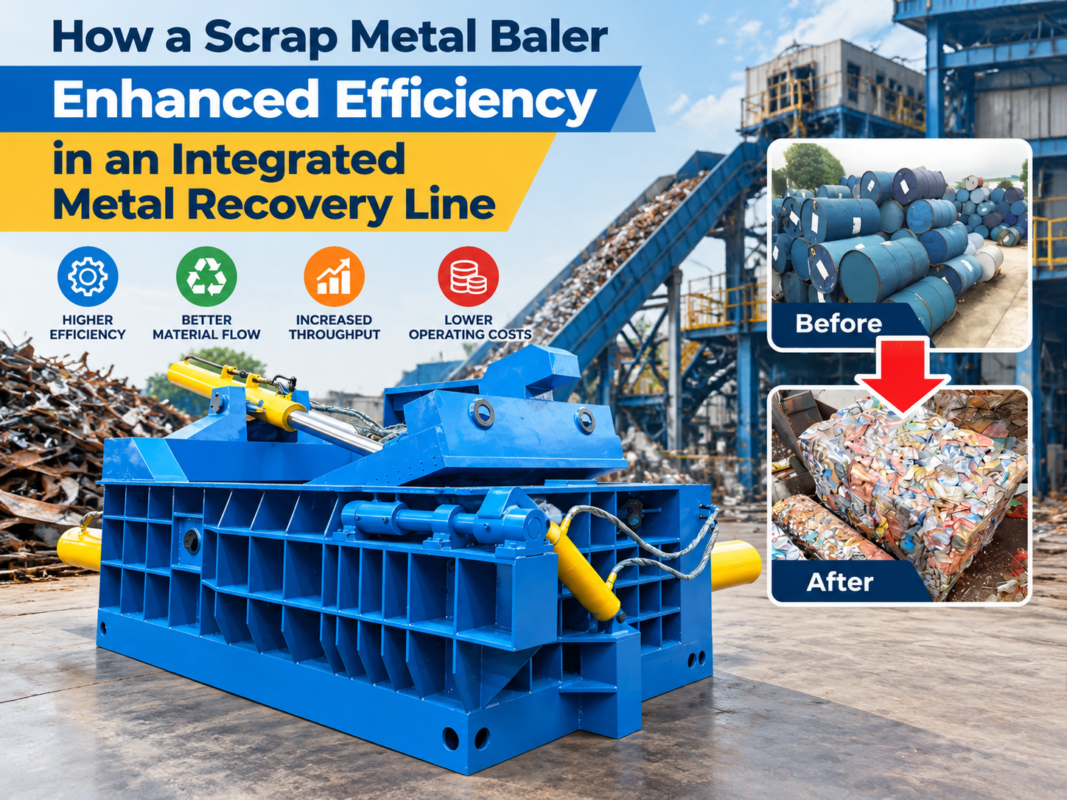
In the modern industrial landscape, the management of scrap metal is no longer just a matter of waste disposal; it is a critical component of supply chain efficiency and environmental sustainability. For metal fabrication shops, recycling centers, and large-scale manufacturing plants, the sheer volume of loose scrap—ranging from aluminum shavings to steel offcuts—presents a significant logistical challenge. This is where industrial scrap metal baler applications for reducing transport and storage costs become indispensable. By compressing loose, voluminous metal waste into dense, manageable blocks, these machines directly address the two most significant overheads in the recycling industry: space and logistics.
HARSLE, a leader in metal fabrication machinery, understands that the profitability of a recycling operation often hinges on the density of the final product. Loose scrap is inherently inefficient to move; a truck filled with loose aluminum cans or light steel clippings might reach its volume capacity long before it reaches its weight capacity. This results in ‘hauling air,’ a costly mistake that eats into profit margins. Industrial scrap metal balers solve this by increasing the bulk density of the material, ensuring that every transport trip is maximized for weight, thereby slashing the number of trips required and reducing the carbon footprint of the operation.
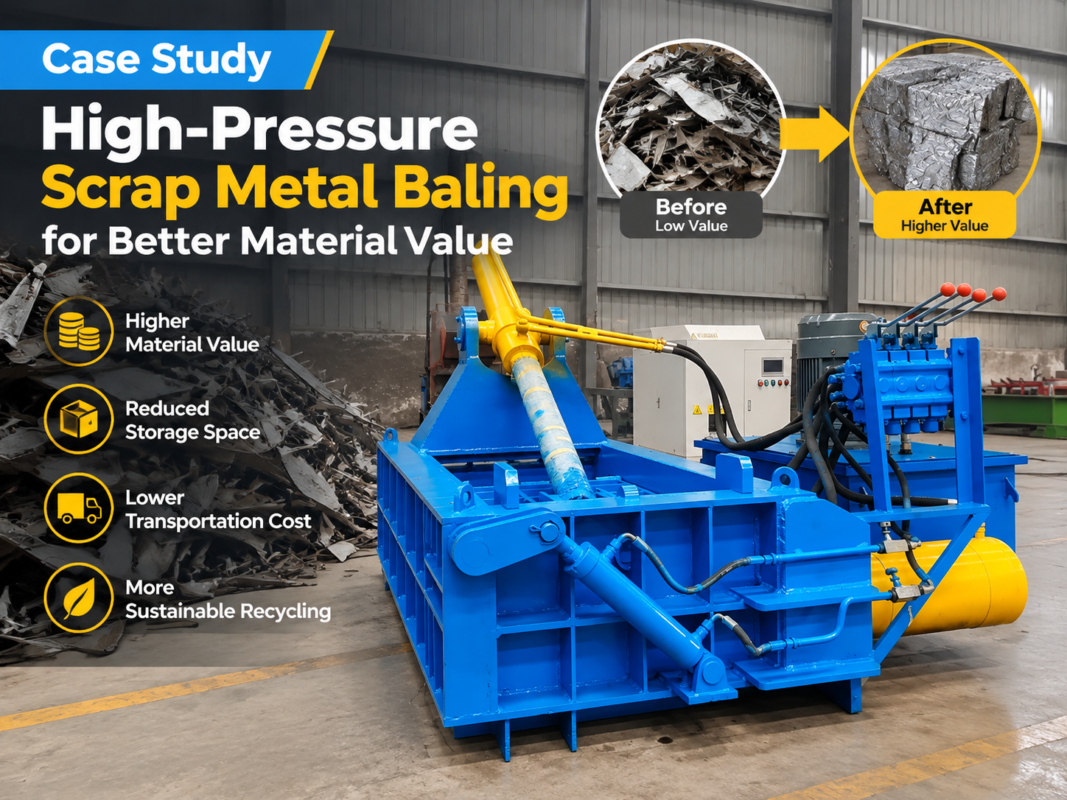
Beyond transport, the storage of scrap metal poses its own set of problems. Loose scrap is hazardous, difficult to organize, and consumes vast amounts of floor space that could otherwise be used for production or inventory. By utilizing high-pressure hydraulic systems, HARSLE balers transform chaotic piles of metal into uniform cubes. These bales can be stacked vertically, effectively multiplying the storage capacity of a facility without expanding its physical footprint. In this comprehensive guide, we will explore the specific applications, technical requirements, and productivity benefits of integrating industrial scrap metal balers into your workflow.
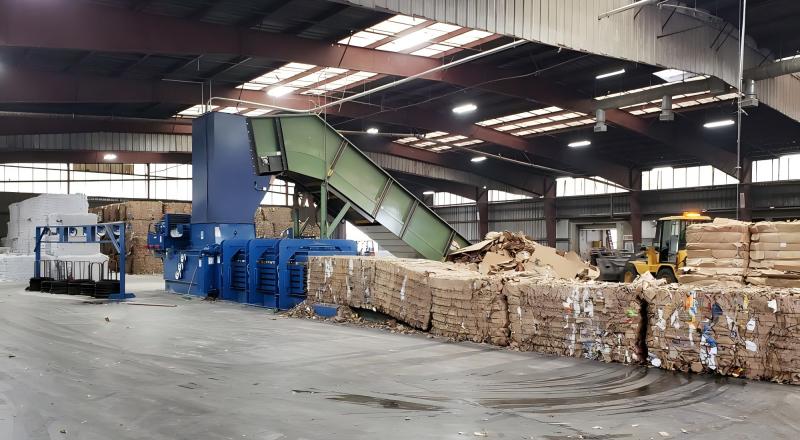
Primary Application Scenarios for Industrial Scrap Metal Balers
The versatility of industrial scrap metal balers allows them to be deployed across a wide range of sectors. One of the most common application scenarios is in Automotive Dismantling and Recycling. End-of-life vehicles (ELVs) produce a massive amount of light-gauge steel, aluminum, and copper. Without baling, these materials are incredibly bulky. Balers allow dismantlers to process car bodies, fenders, and engine components into compact units that are ready for the furnace, significantly streamlining the transition from the scrapyard to the steel mill.
Another critical scenario is found in Large-Scale Manufacturing and Stamping Plants. Facilities that produce automotive parts, appliances, or aerospace components generate tons of ‘skeleton’ scrap—the leftover metal sheets after parts have been punched out. This scrap is often sharp, awkward to handle, and takes up immense space. By placing a HARSLE baler at the end of the production line, manufacturers can immediately convert this waste into high-density bales, keeping the shop floor clean and reducing the frequency of waste pickup services.
Construction and Demolition (C&D) Sites also benefit immensely from mobile or stationary baling solutions. Demolition projects yield vast quantities of rebar, structural steel, and copper piping. Transporting this material in its raw form is expensive due to its irregular shapes. Industrial scrap metal baler applications for reducing transport and storage costs in the C&D sector involve on-site processing, which allows contractors to sell their scrap at higher ‘bale’ prices while minimizing the number of roll-off containers needed on-site.
Finally, Professional Recycling Centers and Scrap Yards serve as the primary hub for these machines. These facilities receive mixed loads of scrap from various sources. The ability to sort and then bale specific grades of metal—such as 6061 aluminum, 304 stainless steel, or HMS 1&2—is vital for maximizing the resale value. Baled metal is preferred by smelters because it melts more efficiently with less oxidation loss compared to loose scrap, allowing recycling centers to command a premium price for their processed material.
Material and Process Requirements for Effective Baling
To achieve the maximum reduction in transport and storage costs, it is essential to understand the material requirements and the physics of the baling process. Not all metals behave the same under pressure. For instance, ferrous metals like carbon steel require significantly higher hydraulic force to reach the desired density compared to non-ferrous metals like aluminum or copper. The HARSLE Y81 series of balers is designed with varying pressure stages to accommodate these differences, ensuring that even the toughest structural steel can be compressed effectively.
The thickness and shape of the material also play a role. Thin-gauge materials, such as beverage cans or roofing sheets, are easily compressed but require a baler with tight tolerances to prevent ‘spring-back’—where the material expands after the pressure is released. Conversely, heavy-duty scrap like rebar or thick plates requires a baler equipped with high-strength shear blades at the edge of the compression chamber. These blades cut through overhanging material as the lid closes, ensuring a clean, uniform bale every time.
Density requirements are often dictated by the end-user (the smelter or foundry). Most industrial standards require a bale density that allows for efficient melting without excessive slag. For example, steel bales typically need to reach a density of at least 1500 kg/m³ to be considered high quality. Achieving this requires a multi-stage compression process: first, a lid or side ram provides pre-compression, followed by a main ram that delivers the final, high-pressure squeeze. This process ensures that air pockets are eliminated, which is the key to reducing the volume for storage and transport.
Recommended Machine Configuration for Maximum Efficiency
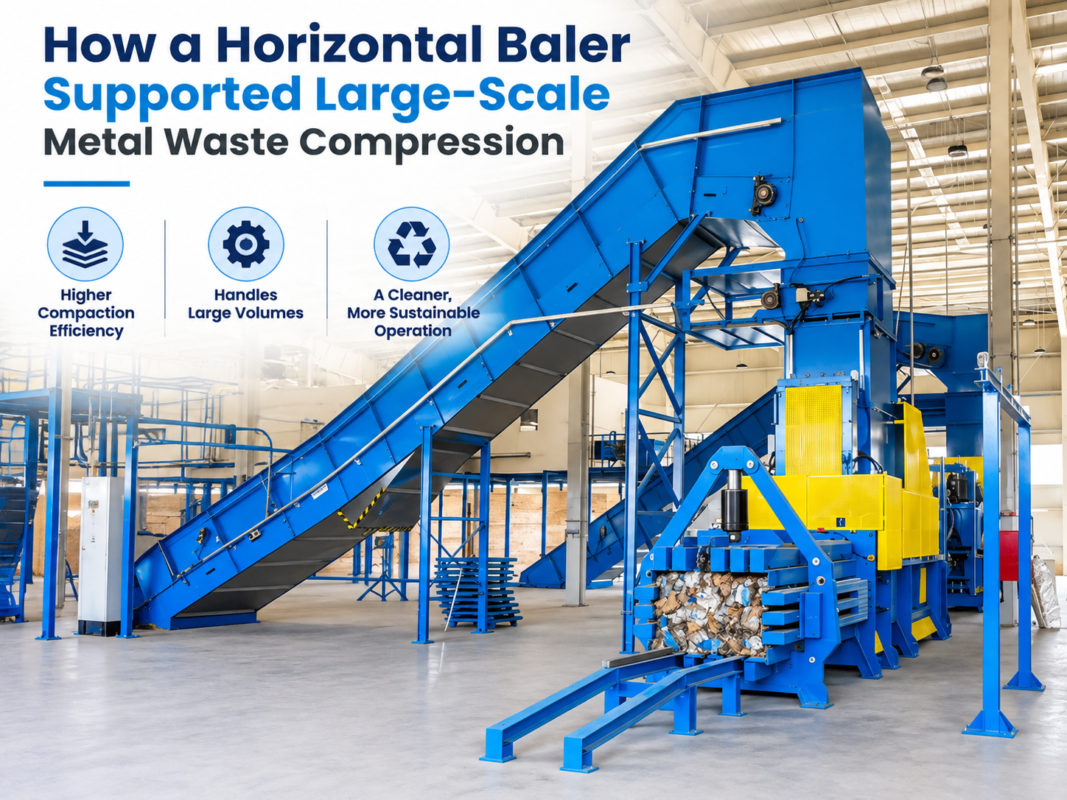
When selecting a machine for industrial scrap metal baler applications for reducing transport and storage costs, the configuration must match the volume and type of scrap being processed. For high-volume operations, a Continuous Horizontal Baler is often recommended. These machines allow for automated feeding via conveyor belts and feature automatic wire-tying or strapping systems, which minimize labor costs and keep the processing line moving without interruption.
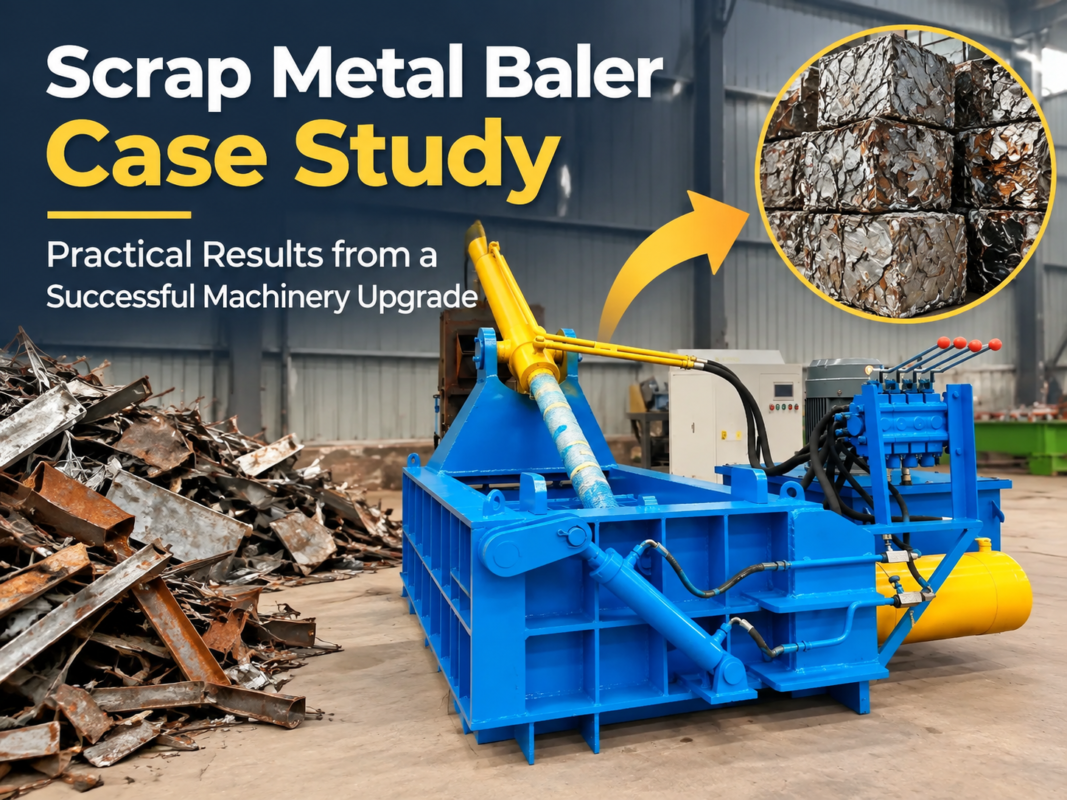
For facilities dealing with heavy, oversized scrap, a Triple-Compression Baler (like the HARSLE Y81-250 or higher) is the gold standard. These machines apply pressure from three directions—the lid, the side, and the end. This ensures that the material is compacted into a perfectly rectangular bale that is easy to stack. Key configurations to look for include:
- High-Efficiency Hydraulic Systems: Look for machines with variable displacement pumps that adjust power based on the resistance of the metal, saving energy during the initial stages of compression.
- PLC Control Systems: Modern balers should feature Siemens or similar PLC interfaces, allowing operators to switch between manual and automatic modes and monitor system health in real-time.
- Wear-Resistant Liners: The interior of the compression chamber should be lined with replaceable Hardox or similar high-strength steel plates to withstand the abrasive nature of scrap metal.
- Integrated Cooling: For 24/7 operations, an industrial-grade oil cooling system is essential to prevent hydraulic fluid from overheating, which can lead to seal failure and downtime.
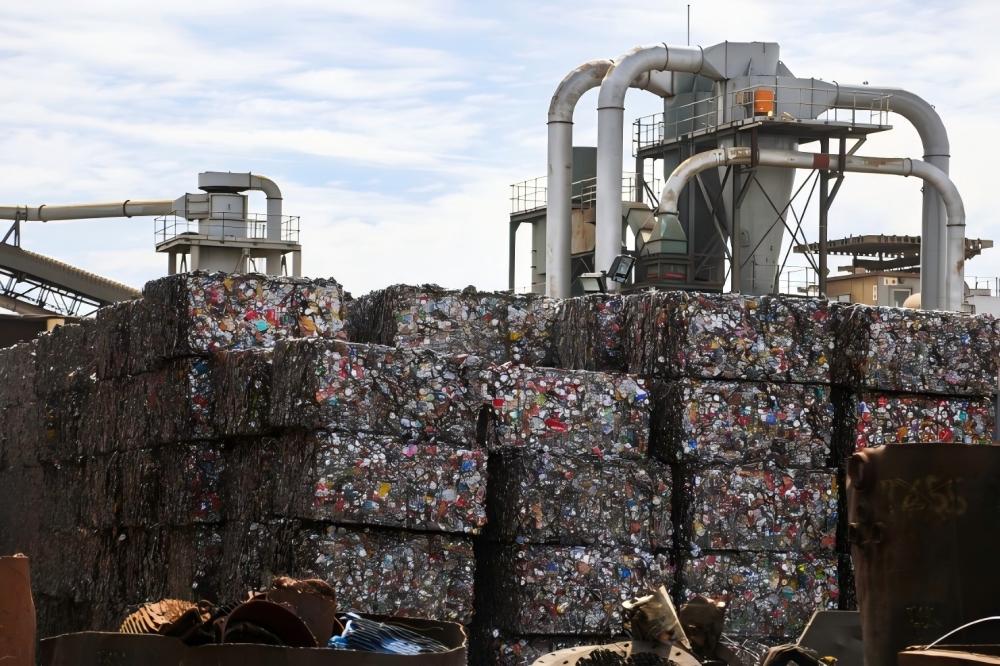
Step-by-Step Workflow of an Industrial Metal Baler
The workflow of a HARSLE scrap metal baler is engineered for speed and safety. Understanding this process helps operators maximize the machine’s throughput. The cycle typically begins with Loading. Scrap is fed into the large hopper or compression chamber using a crane with a grapple, a forklift with a rotating carriage, or a conveyor system. It is crucial to distribute the load evenly to ensure a uniform bale density.
Once the chamber is full, the Pre-compression Phase begins. In many HARSLE models, the chamber lid closes with massive force, acting as a primary shear and compressor. This initial step reduces the vertical height of the scrap. Following this, the Side Compression Ram moves forward, pushing the material into a smaller area at the front of the chamber. This secondary compression is vital for handling long pieces of scrap that need to be folded or broken.
The final stage is the Main Compression. The longitudinal ram moves forward with the full rated tonnage of the machine (e.g., 250 tons, 400 tons, or more). This ram stays in the forward position for a set ‘dwell time’ to allow the metal to take its new shape and minimize spring-back. Finally, the Ejection Phase occurs. Depending on the model, the bale is either pushed out through a side door (side-push), ejected from the front (front-push), or lifted out (turn-out). The resulting bale is a dense, stackable unit ready for the weighing scale and transport truck.
Productivity Benefits: Reducing Transport and Storage Costs
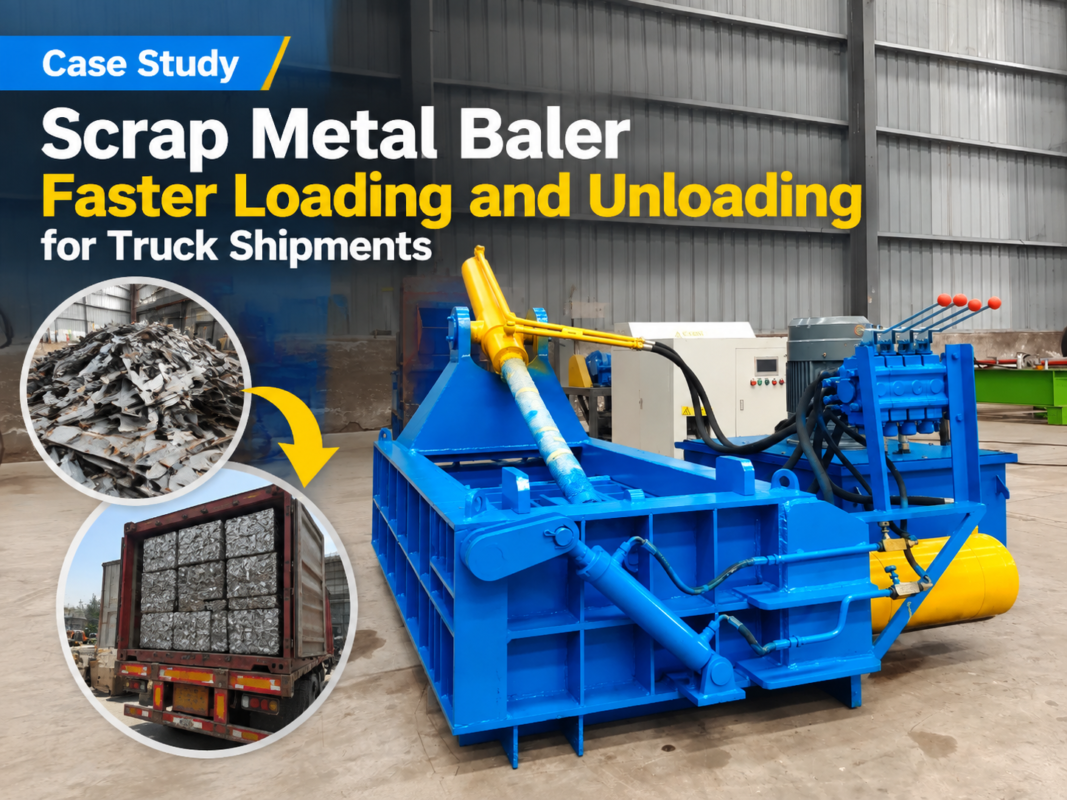
The primary driver for investing in industrial scrap metal baler applications for reducing transport and storage costs is the measurable impact on the bottom line. Let’s look at Transport Efficiency. A standard 40-foot shipping container or a flatbed trailer has a weight limit. Loose scrap often fills the volume of the trailer while only reaching 30-40% of the weight limit. By baling the metal, you can reach the maximum weight capacity of the vehicle in a single trip. This can reduce transport costs by as much as 60%, as you are moving more metal with fewer trucks, less fuel, and fewer driver hours.
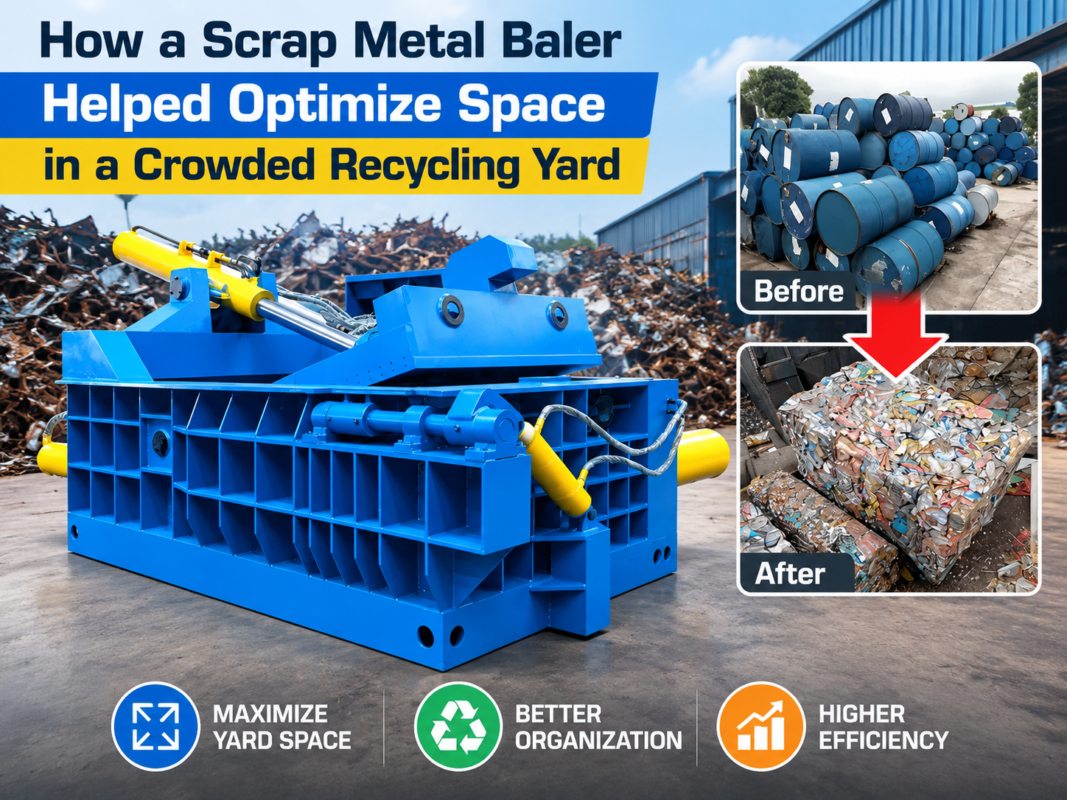
In terms of Storage Optimization, the benefits are equally dramatic. Loose scrap is notoriously difficult to stack; it tends to slide and create ‘dead space.’ Bales, however, are uniform. They can be stacked four or five high in a warehouse or yard. This vertical storage capability allows a facility to store five to ten times more material in the same square footage. For businesses in urban areas where industrial real estate is expensive, this space-saving is a direct contribution to profitability.
Furthermore, baling improves Material Handling and Safety. Moving loose scrap with a loader is messy and often leaves debris that can puncture tires or cause injuries. Bales are easily moved with a standard forklift or pallet jack. This reduces the time spent on ‘housekeeping’ and significantly lowers the risk of workplace accidents. Additionally, baled scrap is less prone to environmental contamination, as it has less surface area exposed to the elements, reducing the runoff of oils or residues often found on industrial scrap.
Case Example: ROI in a Mid-Sized Recycling Facility
Consider a mid-sized recycling facility that processes approximately 500 tons of mixed light steel and aluminum per month. Before implementing a HARSLE Y81-series baler, they were transporting loose scrap using 50 truckloads per month. Each truckload was expensive due to the low density of the material. After integrating the baler, the density of their shipments increased by 300%. They were able to condense those 50 truckloads into just 17 fully-weighted loads.
The savings were immediate:
- Fuel and Freight Savings: By eliminating 33 truck trips per month, the facility saved over $15,000 in monthly logistics costs.
- Labor Efficiency: Loading a truck with bales takes 20 minutes with a forklift, compared to 90 minutes with a grapple loader for loose scrap. This saved 60 man-hours per month.
- Premium Pricing: The local steel mill offered a $20 per ton premium for baled material over loose scrap because it was ‘furnace-ready.’ This added $10,000 to their monthly revenue.
In this scenario, the total monthly benefit exceeded $25,000. Given the cost of a high-quality industrial baler, the machine paid for itself in less than a year, demonstrating the incredible ROI of industrial scrap metal baler applications for reducing transport and storage costs.
Frequently Asked Questions (FAQ)
1. What is the average cycle time for a HARSLE scrap metal baler?
The cycle time varies depending on the model and the material being processed, but most HARSLE industrial balers feature a cycle time between 60 and 120 seconds. This includes the time for the lid to close, the rams to compress, and the bale to be ejected.
2. Can one baler handle both aluminum and steel?
Yes, HARSLE balers are versatile. However, it is important to clean the chamber between different material types to prevent cross-contamination, which can lower the resale value of the scrap. The pressure settings can often be adjusted via the PLC to suit the specific metal type.
3. How much maintenance do these machines require?
Regular maintenance is key to longevity. This includes daily checks of hydraulic oil levels, weekly lubrication of moving parts, and periodic inspection of the wear plates and shear blades. HARSLE machines are designed with accessible components to make this process as simple as possible.
4. Do I need a special foundation for an industrial baler?
For smaller models, a standard reinforced concrete factory floor is usually sufficient. However, for larger, high-tonnage balers (400 tons and above), a dedicated reinforced concrete pad may be required to handle the vibration and the concentrated weight of the machine and the bales.
5. What is the difference between a ‘turn-out’ and a ‘side-push’ baler?
A ‘turn-out’ baler flips the bale out of the chamber using a hydraulic arm, which is great for smaller spaces. A ‘side-push’ baler pushes the bale out through a side door, which is often faster and better suited for integration into an automated conveyor line.
Conclusion: Optimizing Your Scrap Workflow with HARSLE
Implementing industrial scrap metal baler applications for reducing transport and storage costs is a strategic move for any business serious about metal recycling. The ability to transform bulky, low-value waste into high-density, high-value commodities is the cornerstone of a modern, efficient recycling operation. HARSLE’s range of hydraulic balers offers the durability, power, and precision needed to meet the demands of today’s industrial environment.
By reducing the number of transport trips, maximizing storage space, and increasing the market value of your scrap, a HARSLE baler provides a clear path to increased profitability and a smaller environmental footprint. Whether you are a small fabrication shop or a massive recycling hub, there is a baling solution tailored to your specific needs. Contact HARSLE today to consult with our engineers and find the perfect machine to revolutionize your scrap metal management.