How to Buy the Right Scrap Metal Baler for High-Volume Scrap Processing

Introduction to High-Volume Scrap Processing
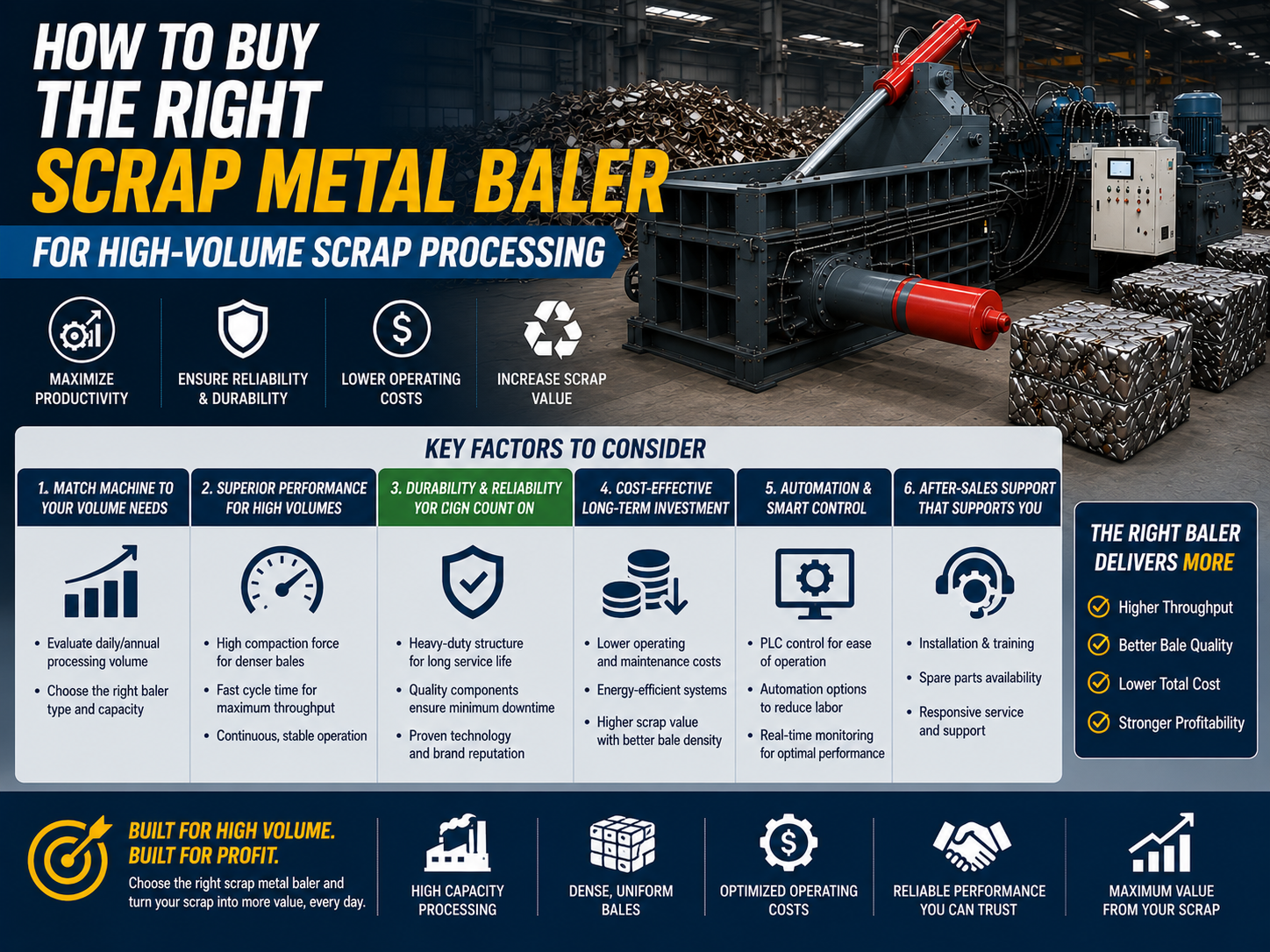
In the modern industrial landscape, the efficiency of waste management can make or break the profitability of a recycling facility or a large-scale manufacturing plant. As global demand for recycled metals continues to rise, the need for robust, high-speed processing equipment has never been more critical. When you decide to Buy Scrap Metal Baler High-Volume Scrap Processing equipment, you are not just purchasing a machine; you are investing in a core component of your supply chain. High-volume scrap processing requires a machine that can handle continuous operation, diverse material types, and produce dense, uniform bales that optimize transport costs.
HARSLE has long been at the forefront of providing industrial solutions that bridge the gap between raw scrap accumulation and efficient smelting preparation. A scrap metal baler works by using hydraulic pressure to compress loose metal—ranging from aluminum cans and copper wiring to steel sheets and automotive scrap—into manageable blocks. For high-volume operations, the focus shifts from simple compression to throughput speed, automation, and structural durability. This guide is designed to navigate the complexities of the market, ensuring you select a machine that aligns with your production goals and budgetary constraints.
Price Range Overview: What to Expect
The market for scrap metal balers is vast, with prices varying significantly based on capacity, force, and automation. For high-volume scrap processing, entry-level manual machines are rarely sufficient. Instead, industrial-grade horizontal or heavy-duty vertical balers are the standard. Generally, prices for high-capacity balers start around $20,000 for mid-range refurbished or basic new models and can exceed $250,000 for fully automated, multi-stage compression systems.
| Baler Category | Estimated Price Range (USD) | Typical Application | Throughput Capacity |
|---|---|---|---|
| Mid-Range Vertical Baler | $15,000 – $35,000 | Small recycling centers, retail backrooms | 1-2 tons per hour |
| Standard Horizontal Baler | $40,000 – $85,000 | Medium industrial plants, scrap yards | 3-7 tons per hour |
| High-Volume Automatic Baler | $90,000 – $250,000+ | Large-scale recycling facilities, automotive plants | 10-25+ tons per hour |
When evaluating the price, it is essential to look beyond the initial sticker price. A cheaper machine might save capital upfront but could lead to higher operational costs due to slower cycle times and frequent maintenance. Conversely, a high-end HARSLE baler equipped with advanced hydraulics and PLC controls might have a higher purchase price but offers a significantly lower cost-per-ton processed over its lifespan.
Main Cost Drivers in Scrap Metal Balers
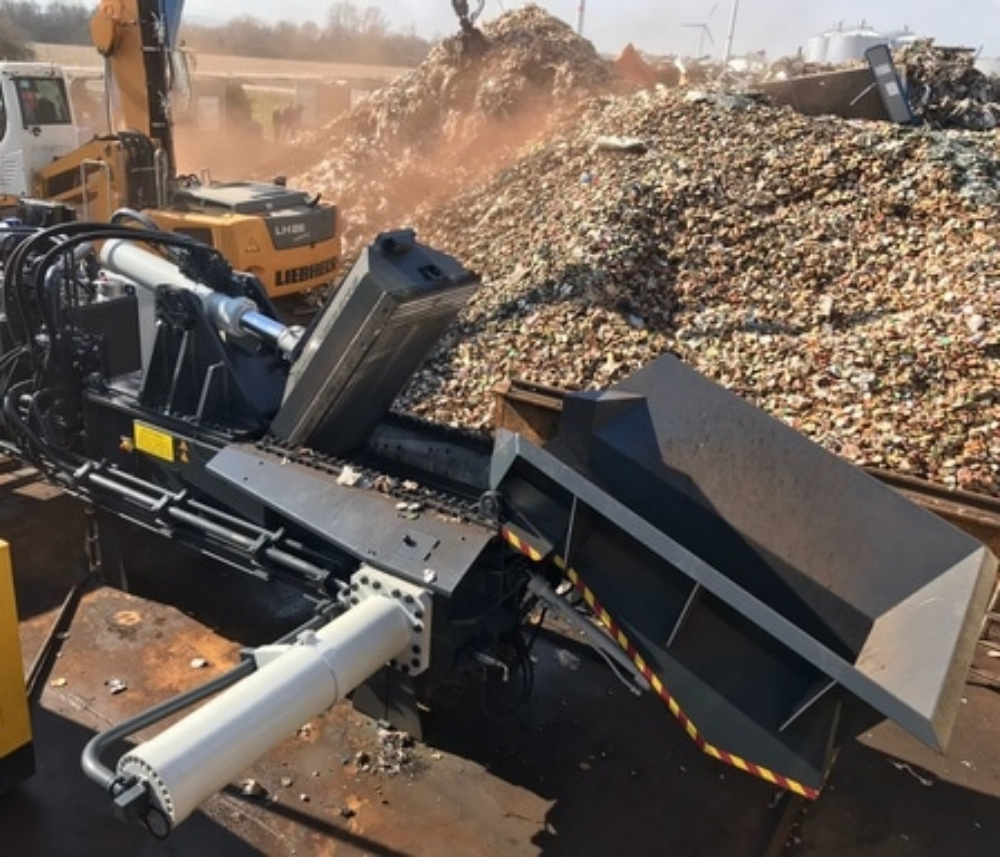
Understanding what drives the cost of a scrap metal baler is vital for making an informed decision. The primary driver is the Hydraulic System. High-volume processing requires high-pressure pumps and large-diameter cylinders to generate the force necessary to crush dense metals. The quality of the hydraulic valves and the inclusion of oil cooling systems also add to the cost but are non-negotiable for 24/7 operations where overheating can lead to catastrophic failure.
Another significant factor is the Structural Integrity and Material Quality. Balers designed for high-volume work use high-tensile steel frames and wear-resistant liners (such as Hardox). These materials prevent the machine from warping under the immense pressure of daily use. Furthermore, the Level of Automation plays a massive role. Fully automatic balers that include conveyor feed systems, automatic wire-tying mechanisms, and remote monitoring software require more sophisticated engineering and components, thus increasing the price.
Finally, Customization and Specialized Features can influence the final quote. If your facility processes specific types of scrap, such as oily aluminum turnings or heavy structural steel, you may need specialized seals, reinforced chambers, or specific bale ejection systems. Each of these modifications adds to the manufacturing complexity and the final cost of the machine.
Configuration Impact on Production Efficiency
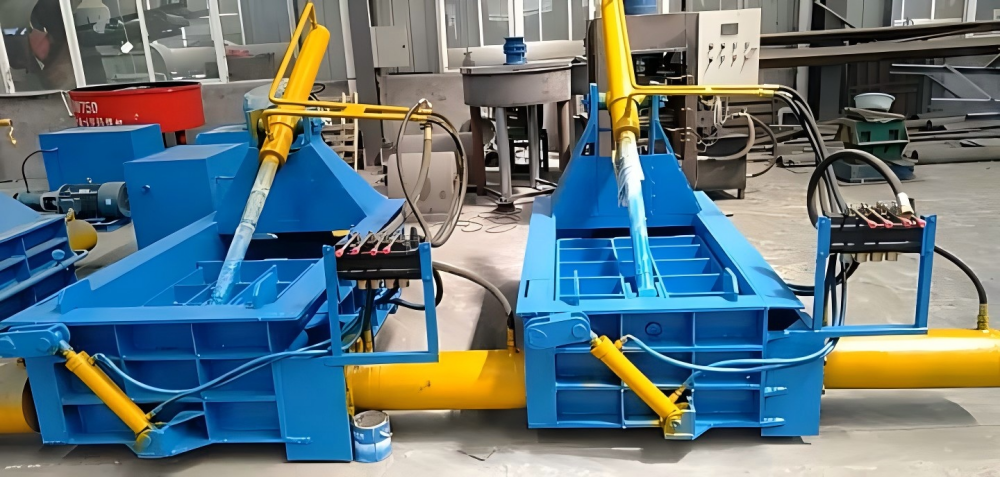
The configuration of your baler determines how it integrates into your existing workflow. For high-volume scrap processing, the Horizontal Baler is typically the preferred choice. Unlike vertical balers, which require manual loading and unloading, horizontal balers can be integrated with conveyor belts or air-fed systems. This allows for a continuous flow of material, which is essential for maintaining high throughput.
Within horizontal configurations, you must choose between Open-End and Closed-End designs. Open-end balers allow for continuous extrusion and are often paired with automatic tying systems, making them the gold standard for high-volume paper, plastic, and light metal recycling. Closed-end balers, however, provide higher compression force because the material is pressed against a solid gate, resulting in denser bales which are often required for heavy metal scrap to meet smelter specifications.
The Cycle Time is another critical configuration metric. A machine with a 30-second cycle time will process twice as much material as one with a 60-second cycle time, assuming the chamber size is the same. For high-volume operations, look for balers with “fast-cycle” hydraulic packages that utilize regenerative circuits to speed up the ram movement without requiring massive increases in electrical power.
Hidden Costs of Owning a Scrap Baler
When you Buy Scrap Metal Baler High-Volume Scrap Processing equipment, the purchase price is only the beginning. One of the most overlooked hidden costs is Site Preparation and Installation. High-volume balers are incredibly heavy and generate significant vibration. You may need to pour a reinforced concrete pad or install specialized vibration-dampening mounts. Additionally, the electrical requirements for large hydraulic motors often necessitate upgrades to the facility’s power grid.
Maintenance and Consumables represent ongoing hidden costs. Hydraulic oil needs to be filtered and replaced periodically, and seals will eventually wear out. For automatic balers, the cost of baling wire or strapping can add up to thousands of dollars annually. Furthermore, the wear liners inside the compression chamber are designed to be sacrificial; depending on the abrasiveness of your scrap, these may need replacement every 12 to 24 months.
Lastly, consider Labor and Training. While an automated machine reduces the number of operators needed, the operators you do have must be more highly skilled. Training staff to operate, troubleshoot, and perform basic maintenance on a complex PLC-controlled baler is an investment in both time and money. Ignoring this can lead to costly downtime caused by simple operational errors.
ROI Calculation: Turning Scrap into Profit
The Return on Investment (ROI) for a scrap metal baler is calculated by looking at three main areas: transport savings, labor reduction, and material value increase. Loose scrap is expensive to move because you are essentially paying to transport air. By baling the metal, you can maximize the weight capacity of every truckload, often reducing shipping costs by 50% to 70%.
To calculate the ROI, use the following formula:
ROI = (Annual Transport Savings + Annual Labor Savings + Increased Scrap Premium) / (Total Cost of Ownership)
Most high-volume facilities find that a HARSLE baler pays for itself within 18 to 24 months. For example, if baling your aluminum scrap allows you to sell it to a mill directly rather than a middleman, you might see a price increase of $100 per ton. If you process 200 tons per month, that is an extra $20,000 in monthly revenue, which quickly covers the cost of even a premium machine. Additionally, the reduction in forklift traffic and manual handling within the plant improves safety and further lowers operational overhead.
Buying Advice for High-Volume Balers
When you are ready to Buy Scrap Metal Baler High-Volume Scrap Processing machinery, follow a structured vetting process. First, Define Your Material Stream. Not all balers are created equal; a machine optimized for aluminum cans will struggle with stainless steel plate. Provide your supplier with samples or detailed descriptions of your most common scrap types.
Second, Request a Throughput Guarantee. Don’t just take the manufacturer’s word for the cycle time. Ask for data on how many tons of your specific material the machine can process in an eight-hour shift. Third, Evaluate the Control System. Modern balers should feature intuitive touch-screen interfaces (HMI) and remote diagnostic capabilities. This allows the manufacturer’s technicians to troubleshoot issues over the internet, potentially saving you days of downtime.
Finally, Check References and Support. Ask the seller for contacts at other facilities using the same model. A reputable manufacturer like HARSLE will be happy to provide testimonials. Ensure that spare parts are stocked locally or can be shipped overnight. In high-volume processing, a machine that is down for a week due to a missing $50 sensor can cost the company tens of thousands of dollars in lost productivity.
Frequently Asked Questions (FAQ)
1. What is the difference between a single-ram and a two-ram baler?
A single-ram baler pushes material against a gate or through an extrusion neck. It is generally faster and better for uniform materials. A two-ram baler has a second cylinder that pushes the bale out the side, allowing for much higher density and the ability to process a wider variety of bulky materials without jamming.
2. How often does a high-volume baler require maintenance?
Daily inspections of hydraulic levels and safety sensors are mandatory. A deep maintenance session, including oil filtration and bolt tightening, should occur every 500 operating hours. Wear liners should be inspected monthly in high-volume environments.
3. Can one baler handle both ferrous and non-ferrous metals?
Yes, but with caveats. While the machine can physically compress both, the settings (pressure and cycle speed) may need to be adjusted. Furthermore, processing highly abrasive ferrous scrap will wear out the internal liners much faster than non-ferrous materials like aluminum.
4. What safety features should I look for?
At a minimum, the baler should have E-stop buttons at multiple stations, safety interlocks on all access doors, and infrared light curtains to prevent operation if a person enters the loading zone. Compliance with CE or ANSI standards is a must for industrial operations.
5. Is it better to buy new or used for high-volume work?
For high-volume, continuous processing, new is almost always better. Used machines often come with hidden fatigue in the hydraulic cylinders or structural frame that can lead to frequent breakdowns under the stress of high-capacity demands.
6. How does bale density affect my bottom line?
Higher density means more weight per cubic foot. This allows you to hit the maximum weight limit of shipping containers or trailers before they are physically full, ensuring you get the most value out of every transport dollar spent.