Scrap Metal Baler Buyer’s Guide: Reduce Shipping Costs with the Right Machine


Introduction to Scrap Metal Baling and Logistics Efficiency
In the modern recycling industry, the efficiency of your logistics chain is often the difference between a profitable operation and one that struggles to break even. Scrap metal, by its nature, is bulky, irregular, and difficult to transport in its raw form. This is where the Scrap Metal Baler Buyer’s : Reduce Shipping Costs Machine becomes an essential asset for any metal fabrication or recycling facility. By compressing loose scrap into dense, manageable blocks, these machines allow businesses to maximize the weight capacity of every shipping container or truckload, drastically reducing the cost per ton of transport.
Choosing the right scrap metal baler is not merely about finding a machine that can crush metal; it is about finding a strategic partner for your supply chain. A well-chosen baler optimizes the density of the material to match the specific dimensions of standard shipping containers (TEUs and FEUs). This guide is designed to walk you through the complexities of purchasing a scrap metal baler, focusing on how the right configuration can lead to significant long-term savings in shipping and handling.
HARSLE has long been at the forefront of providing high-performance metal fabrication equipment. Our balers are engineered to handle a variety of materials, from aluminum extrusions and copper wire to stainless steel sheets and car bodies. In this comprehensive guide, we will explore the financial and technical aspects of baler acquisition, ensuring you have the knowledge to make an informed investment that pays for itself through logistics optimization.
Price Range Overview: Understanding the Investment
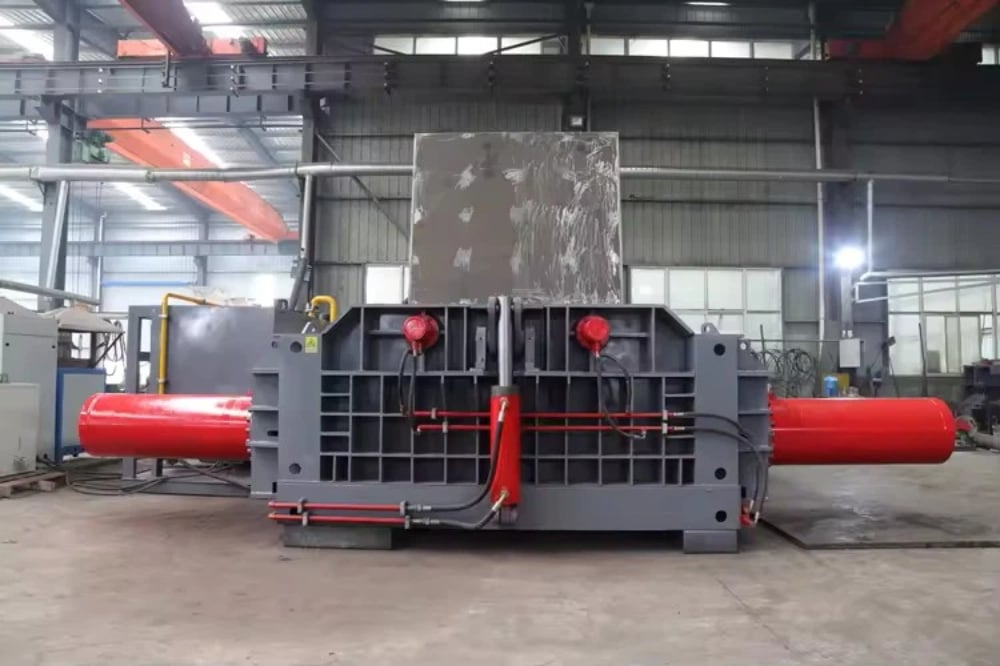
The price of a scrap metal baler can vary significantly based on its capacity, automation level, and the force it exerts. Generally, the market is divided into three primary tiers. Entry-level machines, often manual or semi-automatic with a pressing force of 100 to 125 tons, typically range from $15,000 to $35,000. These are ideal for smaller yards or fabrication shops that generate a consistent but moderate amount of scrap. While they require more labor, they offer a low barrier to entry for businesses looking to start optimizing their shipping costs.
Mid-range balers, which are the most common in industrial settings, fall between $40,000 and $90,000. These machines usually feature higher pressing forces (160 to 250 tons), faster cycle times, and semi-automatic controls. They are designed for continuous operation and can produce bales that are perfectly sized for export containers. For many businesses, this tier represents the “sweet spot” where the initial investment is balanced by high throughput and significant freight savings.
At the top end of the spectrum are fully automatic, high-tonnage balers (315 to 600+ tons), which can cost anywhere from $100,000 to over $250,000. These machines are massive installations capable of processing car bodies and heavy structural steel. They often include integrated conveyors, automatic bale-ejection systems, and advanced PLC controls. While the price tag is high, the reduction in labor costs and the ability to achieve maximum bale density make them the most cost-effective solution for high-volume recycling centers.
Main Cost Drivers in Scrap Metal Balers
When evaluating the Scrap Metal Baler Buyer’s : Reduce Shipping Costs Machine, it is important to understand what drives the price. The most significant factor is the hydraulic system. The quality of the pumps, valves, and cylinders determines the machine’s pressing force and its reliability. High-end components from brands like Rexroth or Vickers increase the initial cost but ensure that the machine can maintain high pressure over thousands of cycles without failure.
The second major cost driver is the structural integrity of the machine. A baler that processes steel needs to be built with high-tensile strength steel plates and reinforced welding. The thickness of the chamber walls and the quality of the wear-resistant liners (such as Hardox plates) directly impact the machine’s lifespan. A cheaper machine with thinner walls will eventually warp under the immense pressure required to bale dense metals, leading to costly repairs and downtime.
Automation and control systems also play a role. Modern balers utilize PLC (Programmable Logic Controller) systems, often from Siemens or Schneider, to manage the cycle times and safety interlocks. These systems allow for precise control over the baling process, ensuring consistent bale size and density. While adding to the cost, these electronics reduce the need for skilled operators and minimize the risk of human error, which can lead to machine damage or inconsistent bale quality.
Configuration Impact: Tailoring the Machine to Your Logistics
The configuration of your baler is the most critical factor in achieving the goal of reducing shipping costs. The bale size must be compatible with your primary transport method. For example, if you primarily ship via 40-foot sea containers, you want a baler that produces blocks that can be stacked tightly with minimal void space. A bale size of 600mm x 600mm is often preferred as it allows for efficient stacking in standard containers.
There are also different types of ejection systems to consider. Side-push balers are common for smaller to medium operations, where the bale is pushed out of the side of the chamber. Forward-push or “turn-out” balers are often used for larger, more complex materials. The choice depends on your facility layout and how you plan to move the finished bales. If you have a forklift-based operation, a configuration that allows for easy palletization or direct loading is essential.
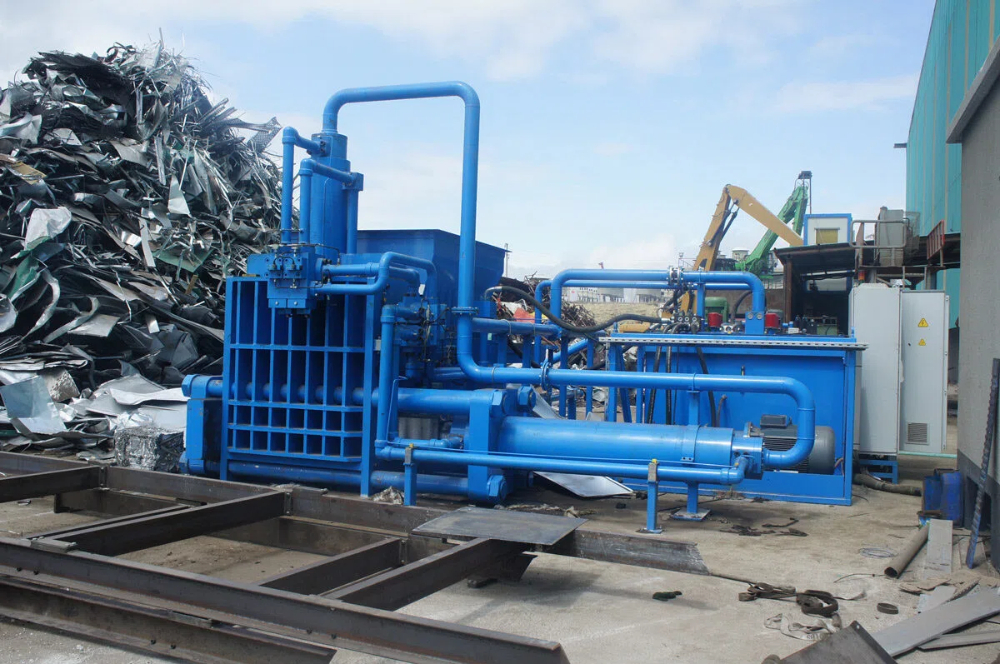
Furthermore, the choice between a vertical and horizontal baler is significant. Vertical balers have a smaller footprint and are generally cheaper, but they are limited in the volume they can process and the density they can achieve. Horizontal balers, while requiring more floor space, are the industry standard for scrap metal because they can handle much higher volumes and produce much denser bales, which is the key to maximizing shipping weight and minimizing costs.
Hidden Costs of Ownership
Beyond the purchase price, several hidden costs can affect the total cost of ownership (TCO). Power consumption is a major factor; a baler with a 45kW motor running 8 hours a day will have a significant impact on your utility bill. High-efficiency motors and variable frequency drives (VFDs) can mitigate this, though they may increase the upfront cost. It is important to calculate the energy cost per ton of baled material to understand the true efficiency of the machine.
Maintenance and wear parts are another ongoing expense. The blades used to shear excess metal as the chamber closes will dull over time and require sharpening or replacement. Similarly, the hydraulic oil must be filtered and changed periodically to prevent damage to the pumps. Choosing a machine with easily accessible components and a robust filtration system can save thousands of dollars in labor and parts over the machine’s life.
Installation and site preparation are often overlooked. A large scrap metal baler requires a reinforced concrete foundation to handle the vibration and weight. You may also need to upgrade your facility’s electrical service to handle the high-amperage draw of the hydraulic motors. When budgeting for a Scrap Metal Baler Buyer’s : Reduce Shipping Costs Machine, always include a 10-15% buffer for these logistical and installation requirements.
ROI Calculation: How the Machine Pays for Itself
The Return on Investment (ROI) for a scrap metal baler is primarily driven by freight savings and material value. Loose aluminum scrap might have a density of only 100 kg/m³, whereas a baled version can exceed 1,000 kg/m³. In a standard shipping container, this means you can fit 10 times more material by weight. If a container costs $3,000 to ship, the cost per ton drops from $300 (loose) to $30 (baled).
To calculate your ROI, follow this simple formula: (Monthly Freight Savings + Labor Savings + Increase in Material Value) - Monthly Operating Costs = Monthly Profit Increase. For many medium-sized operations, the freight savings alone can cover the monthly financing cost of the machine. Additionally, many scrap processors pay a premium for baled material because it is easier for them to handle and melt, further increasing your revenue per ton.
Consider a scenario where a facility processes 100 tons of scrap per month. By switching from loose transport to baled transport, they might save $15,000 in shipping costs monthly. Even with a $100,000 machine, the payback period is less than a year. This makes the scrap metal baler one of the most financially sound investments in the metal fabrication industry.
Buying Advice: Selecting the Right HARSLE Baler
When you are ready to purchase, start by analyzing your scrap stream. What is the thickest material you need to process? What is your daily volume? If you are dealing with light-gauge steel and aluminum, a 125-ton to 160-ton baler like the HARSLE Y81 series is an excellent choice. If you are processing heavy structural scrap or car shells, you will need the power of a 400-ton or 600-ton unit. Always choose a machine with a slightly higher capacity than your current needs to allow for future business growth.
Check the cycle time. A machine that takes 120 seconds to produce a bale will severely limit your throughput compared to one that takes 60 seconds. Efficiency in the cycle time translates directly to lower labor costs per bale. Also, look for features like remote control operation, which allows a single operator to manage the loading and the baling process from the safety of a loader cabin.
Finally, partner with a reputable manufacturer like HARSLE that offers comprehensive after-sales support. Industrial machinery will eventually need parts and technical advice. Having a partner that provides detailed manuals, readily available spare parts, and expert technical support ensures that your Scrap Metal Baler Buyer’s : Reduce Shipping Costs Machine remains a productive asset for decades. Don’t just buy a machine; buy a solution that includes the expertise to keep it running.
Frequently Asked Questions (FAQ)
How often does a scrap metal baler need maintenance?
Daily inspections are recommended to check for hydraulic leaks and ensure the chamber is clear of debris. A deeper maintenance session, including greasing moving parts and checking oil levels, should occur weekly. Major service intervals, such as hydraulic oil changes and blade sharpening, typically happen every 1,000 to 2,000 operating hours depending on the material being processed.
Can one baler handle different types of metal?
Yes, most hydraulic balers are versatile enough to handle aluminum, copper, stainless steel, and carbon steel. However, the settings (such as pressure and cycle time) may need to be adjusted for different materials. It is also important to ensure that the machine’s shearing force is sufficient for the thickest material in your scrap stream.
What is the average lifespan of a HARSLE scrap metal baler?
With proper maintenance and the use of high-quality wear liners, a HARSLE baler can easily last 15 to 20 years in a demanding industrial environment. The key to longevity is preventing the hydraulic system from overheating and replacing wear plates before the main structure of the machine is damaged.
Does baling metal increase its market value?
Generally, yes. Smelters and large-scale recyclers prefer baled metal because it is easier to charge into furnaces and takes up less storage space. This often results in a “baled premium” price per ton compared to loose or “shredder feed” scrap. Additionally, the reduced shipping costs mean you keep a larger percentage of the final sale price.
Is training required to operate a scrap metal baler?
While modern balers are designed with user-friendly PLC interfaces, basic operator training is essential for safety and efficiency. Operators need to understand how to load the chamber correctly to prevent jams, how to use the emergency stop systems, and how to perform basic daily maintenance. HARSLE provides detailed documentation and support to ensure your team is fully prepared.
What electrical requirements are typical for these machines?
Most industrial scrap metal balers require a three-phase power supply. The specific voltage (e.g., 220V, 380V, 440V) can often be customized by the manufacturer to match your local grid. It is important to consult with an electrician to ensure your facility’s transformer and wiring can handle the peak startup current of the hydraulic motors.